Tap Wizard 2 Thumbnail

Tap Wizard 2 similar games & best alternatives
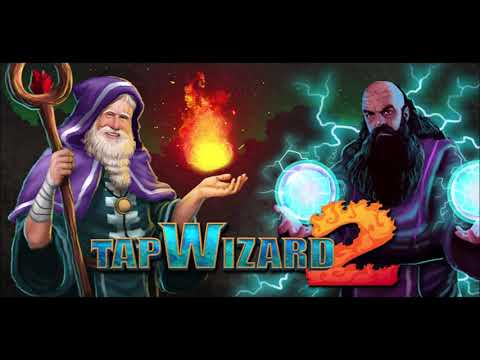
Tap Wizard 2

PC (Microsoft Windows), Mac, iOS, Xbox One, Android, Xbox Series X|S, Nintendo Switch, Linux • 2024

Related articles

Quick resume

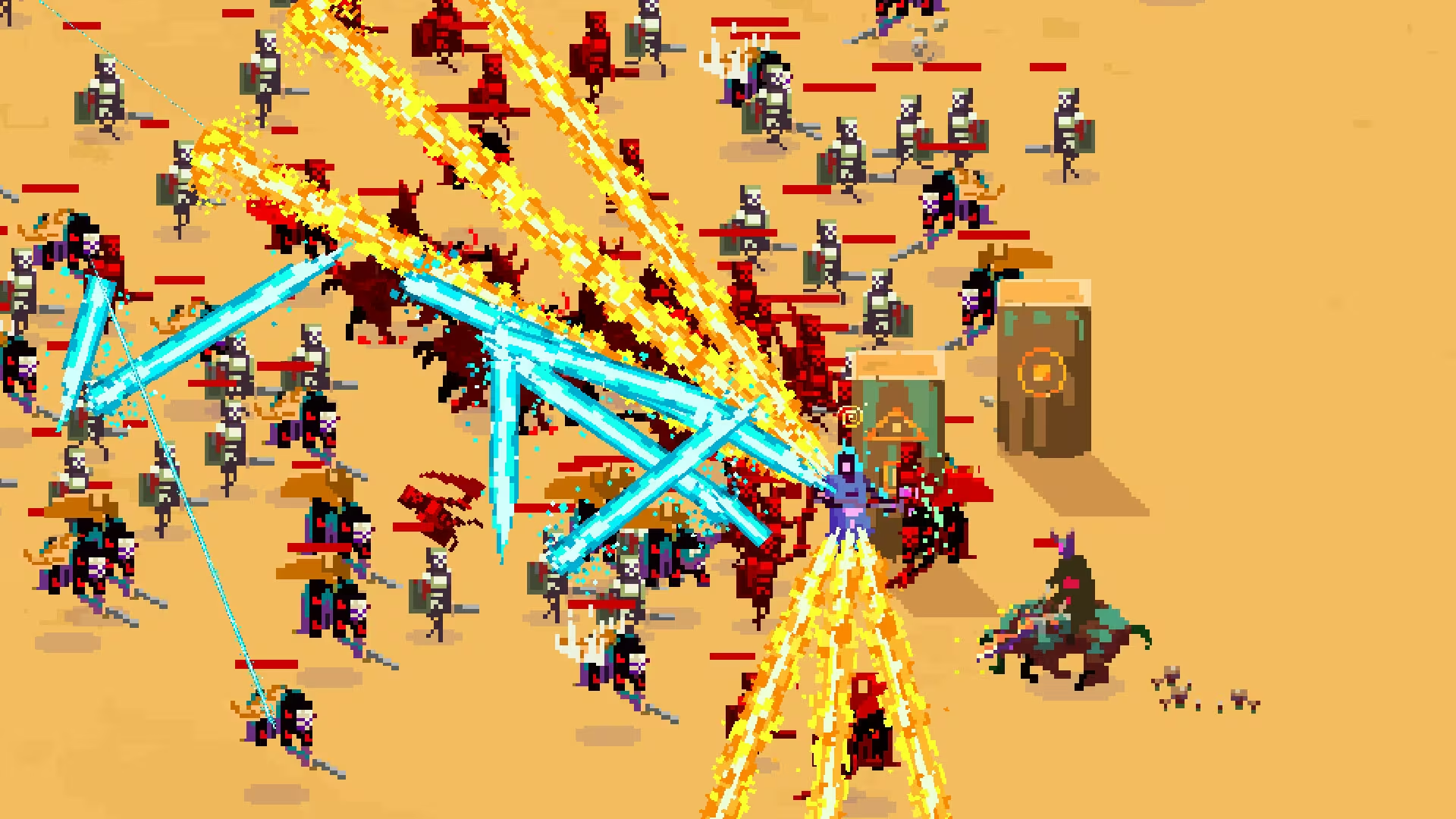
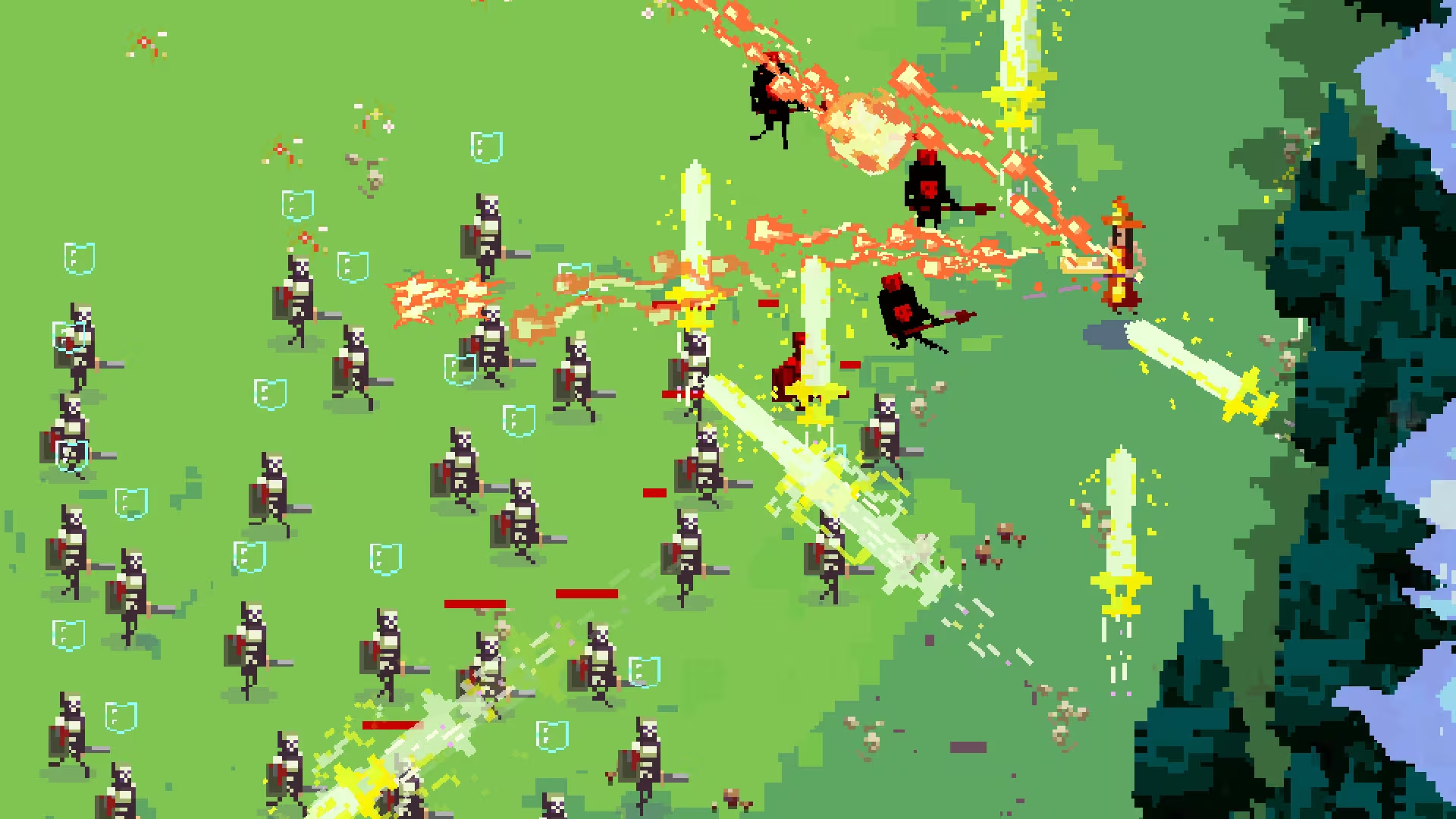
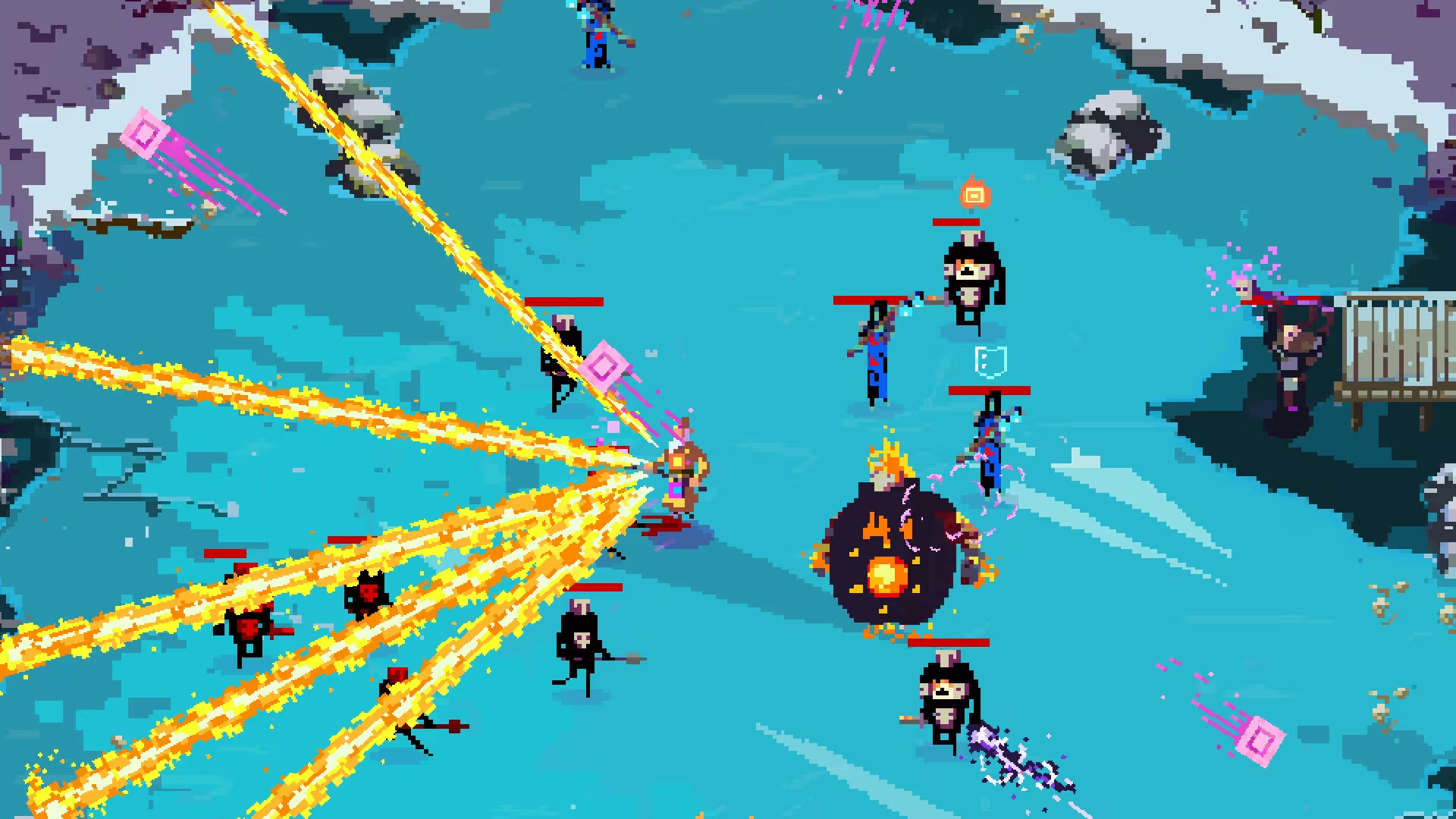
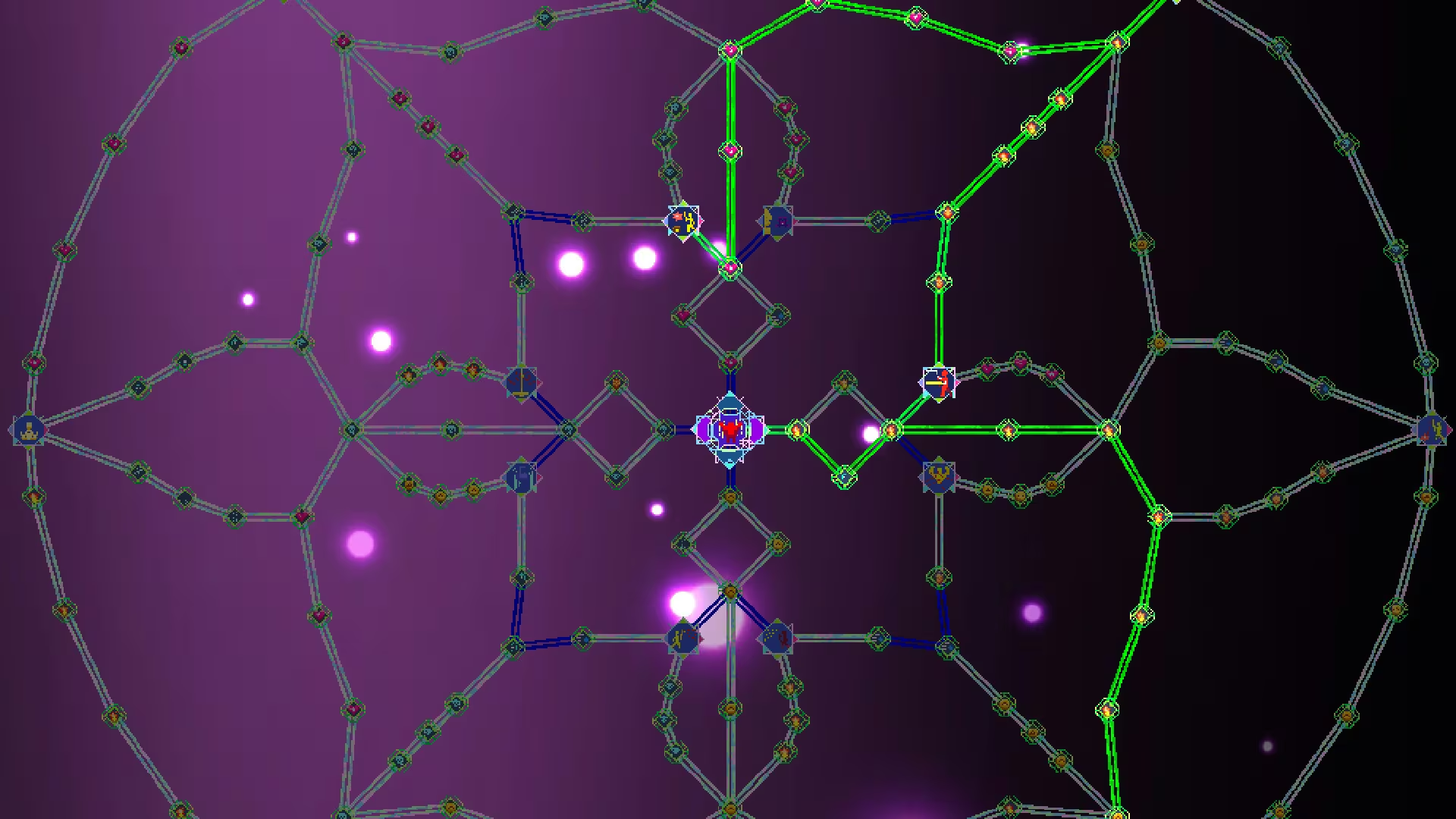
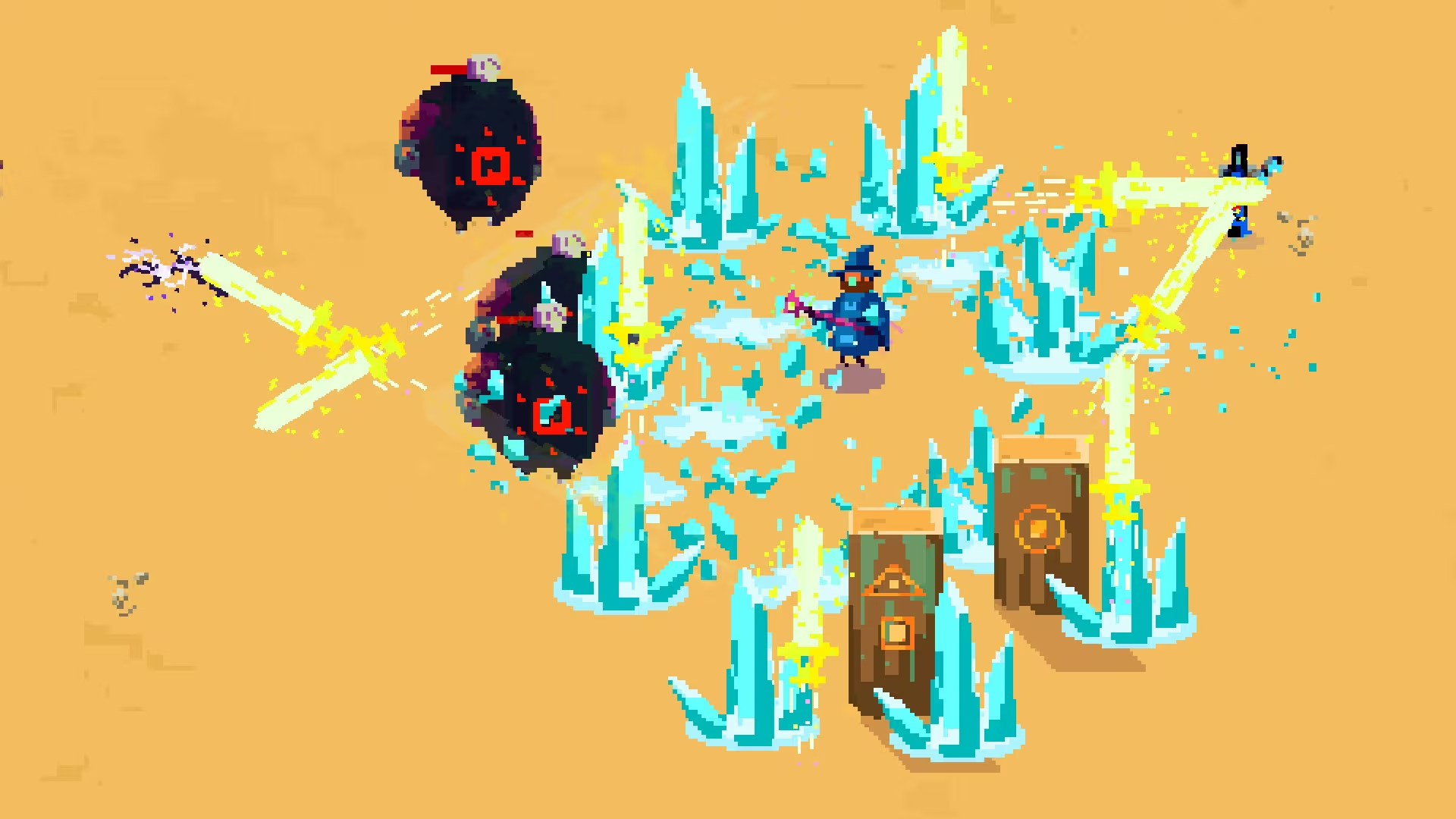
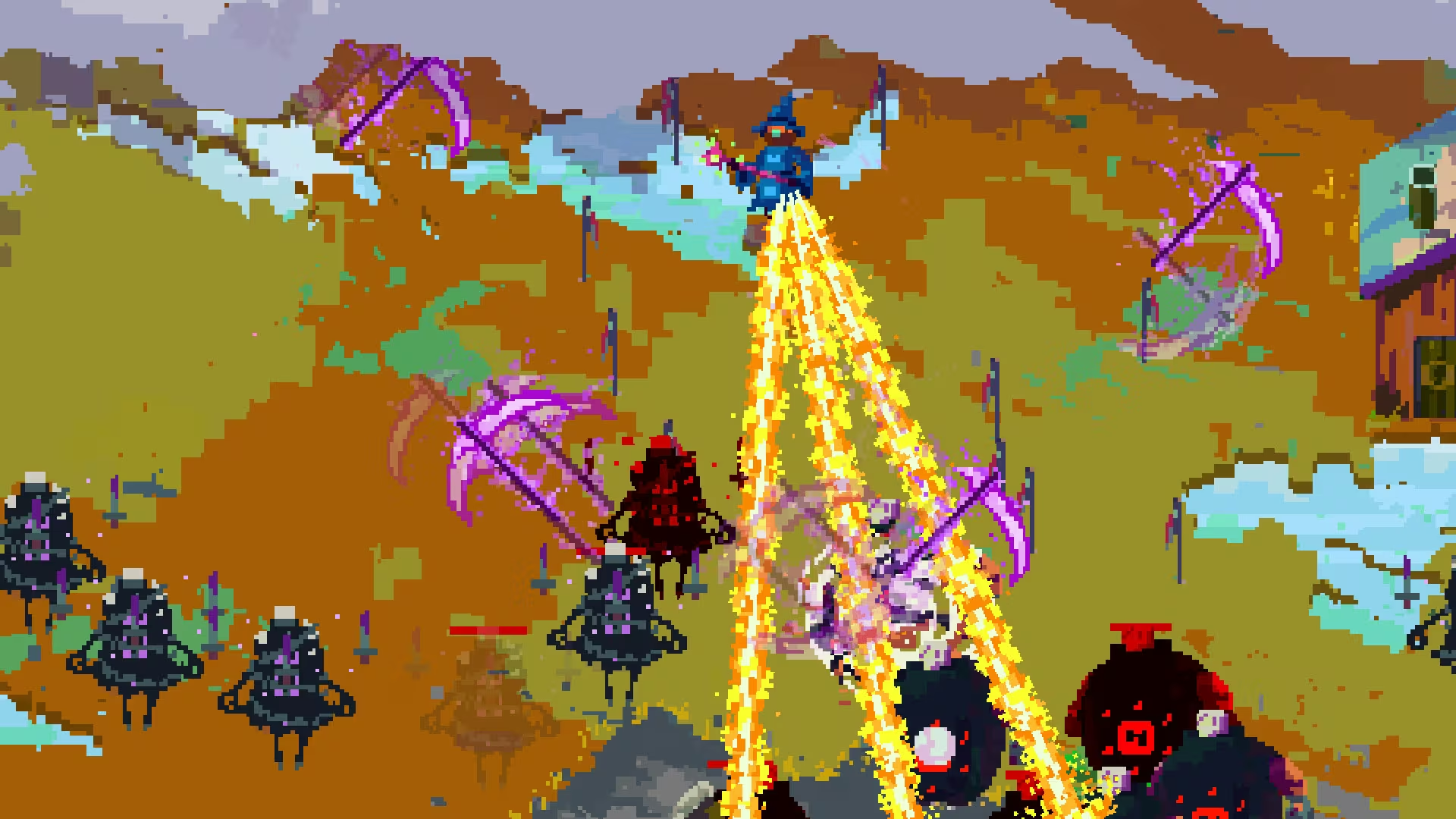
Choose your Spells, Perks, and Traits, then let the Wizard do all of the work in this unique Idle RPG! Tap Wizard 2 is a fusion of the Idle, Incremental, ARPG, and Twin-Stick Shooter genres, resulting in a game like no other!

Global score

75/100

Genres

Action, Indie, Role-playing (RPG), Simulator, Free To Play, Adventure, Platform, Hack and slash/Beat 'em up, Shooter, Fighting

Similar games

    Pros

    • Engaging spell combos and build variety
    • Charming pixel art and visual effects
    • Cross-platform sync between mobile and pc
    • Active developer community and updates
    • Balanced active and idle gameplay elements

    Cons

    • Slow and repetitive progression with time gates
    • Punishing idle mechanics (lantern) limit true idling
    • Monetization seen as poorly balanced and intrusive
    • Complex ui and menus can be overwhelming
    • Limited social and multiplayer features

    Analysis

    Less representative of its motivational profile, with noticeable differences. Motivations that often define this kind of title include Competition, Status, Story, Expression. It leans lower than usual among comparable games on Value, Fellowship, Cooperation.

    How to use the graph
    Similar games map

    Each dot is a game. They are arranged from the same motivation profile as in the “Motivations” section below. Closer dots usually mean more similar reasons to play (exploration, competition, relaxation, etc.)—not that one game is “better” than another.

    • Larger dot with a light outline: the game you are viewing.
    • Colour: groups of games with comparable motivation patterns (statistical clusters).
    • Hover a dot to see the game name; click to open its page.
    • Scroll or double-click the chart to zoom out and see more games.

    Why don’t the axes read like a score? This view uses t-SNE: it only keeps who is close to whom. The scales are not “good to bad” or hours played—they separate groups on the map. Read distance between dots, not the axis numbers.

    Motivations

    • Autonomy
      3

      "Players can choose spells, perks, and builds; active control affects runs, but some RNG limits full control."

    • Competence
      2

      "Players engage in strategic choices and skill optimization, but progression can feel slow and repetitive."

    • Competition
      1

      "Includes leaderboards and weekend tournaments, but competition is minor and not central."

    • Continuation
      3

      "Many players report long playtimes and habitual engagement despite some pacing issues."

    • Cooperation
      -5

      "Single-player game with no cooperative or multiplayer elements."

    • Creativity
      3

      "Players experiment with spell combos, perks, and builds to create unique playstyles."

    • Domination
      -5

      "No evidence of exerting control or superiority over others; interactions are individual."

    • Escapism
      4

      "Players use the game for relaxation, distraction, and stress relief, including during difficult life moments."

    • Expectation
      -4

      "Players engage voluntarily out of interest and enjoyment, not obligation or pressure."

    • Experimenting
      3

      "Game encourages trying new spell combos and builds, though some RNG limits experimentation."

    • Exploration
      2

      "Players discover new spells, perks, and eras, but environments and enemies repeat."

    • Expression
      1

      "Some cosmetic options like mounts and trails exist but are minimal and mostly paid."

    • Fantasy
      4

      "Game features wizards, spells, and fantasy enemies in an imaginative setting."

    • Fellowship
      -4

      "Minimal social connection; community exists but gameplay is solo-focused."

    • Growth
      3

      "Players learn game mechanics, optimize builds, and improve over time."

    • Health
      -5

      "Sedentary gameplay with no physical activity or health-related features."

    • Idle
      -2

      "Requires periodic player interaction; punishes long idle periods, so not fully idle."

    • Intimacy
      -5

      "No close relationships or emotional sharing; interactions are surface-level or absent."

    • Leadership
      -5

      "No leadership or group management roles present."

    • Progression
      3

      "Players accumulate upgrades, unlock perks, and advance through eras and prestige systems."

    • Relaxation
      3

      "Game provides a balance of challenge and flow, suitable for casual or active play."

    • Sensation
      3

      "Visual effects and animations are praised, providing sensory enjoyment."

    • Status
      1

      "Leaderboards and tournaments offer some recognition but are not highly emphasized."

    • Story
      -2

      "Minimal narrative; some lore and achievements add flavor but no deep story immersion."

    • Strategy
      3

      "Players plan builds, spell combos, and timing to optimize runs and progression."

    • Thrill
      1

      "Some tension in combat and challenges, but overall pacing is slow and steady."

    • Value
      -2

      "Free to play with optional purchases, but many players feel monetization is poorly balanced."

    • Violence
      2

      "Combat involves spells and defeating enemies, but violence is stylized and fantasy-based."

    • Survival
      1

      "Players avoid death and manage resources, but threats are predictable and progression-focused."

    Last update: 29/04/2026