Good Robot Thumbnail

Good Robot similar games & best alternatives
Good Robot

PC (Microsoft Windows) • 2016

Related articles

Quick resume

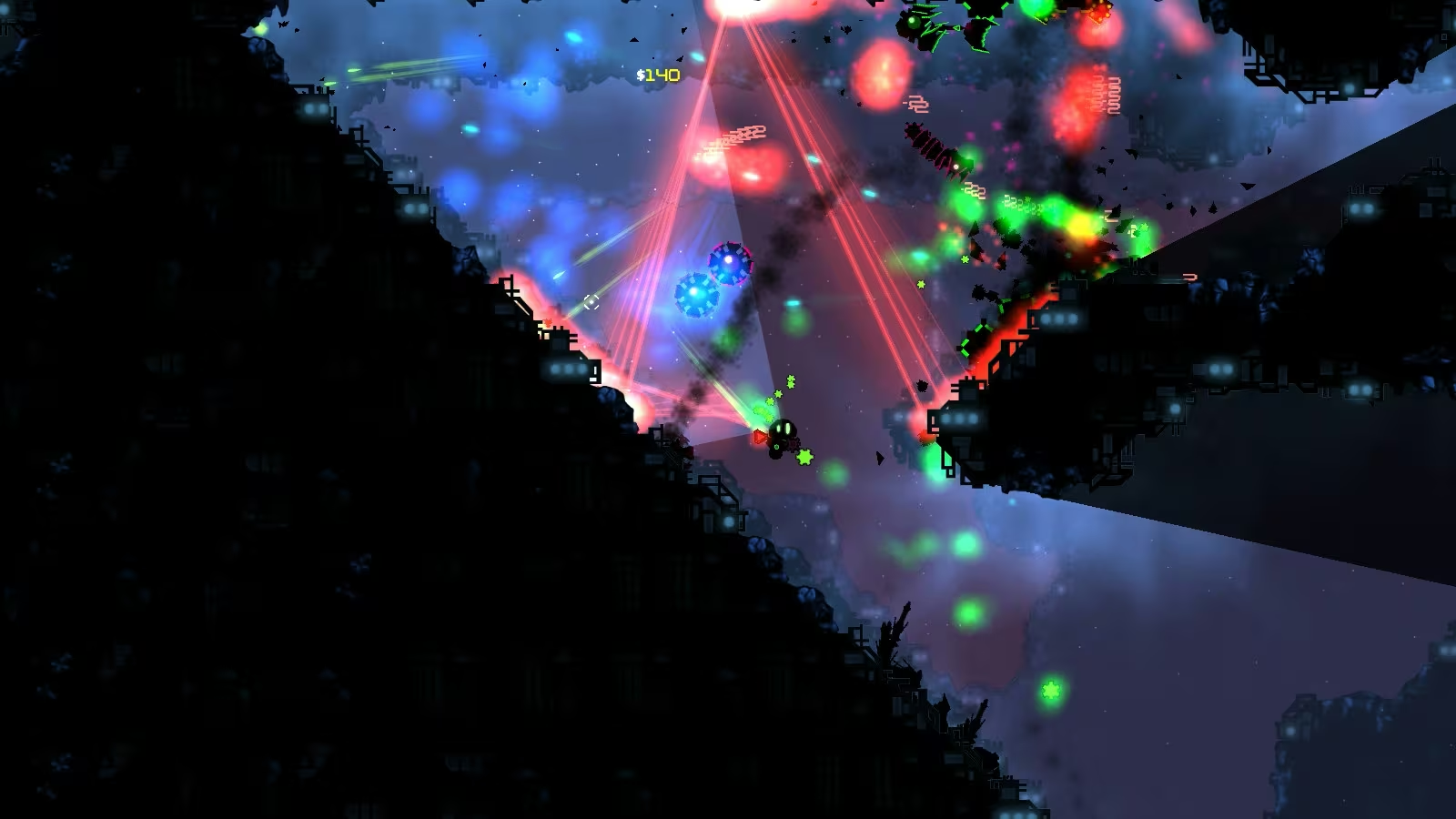
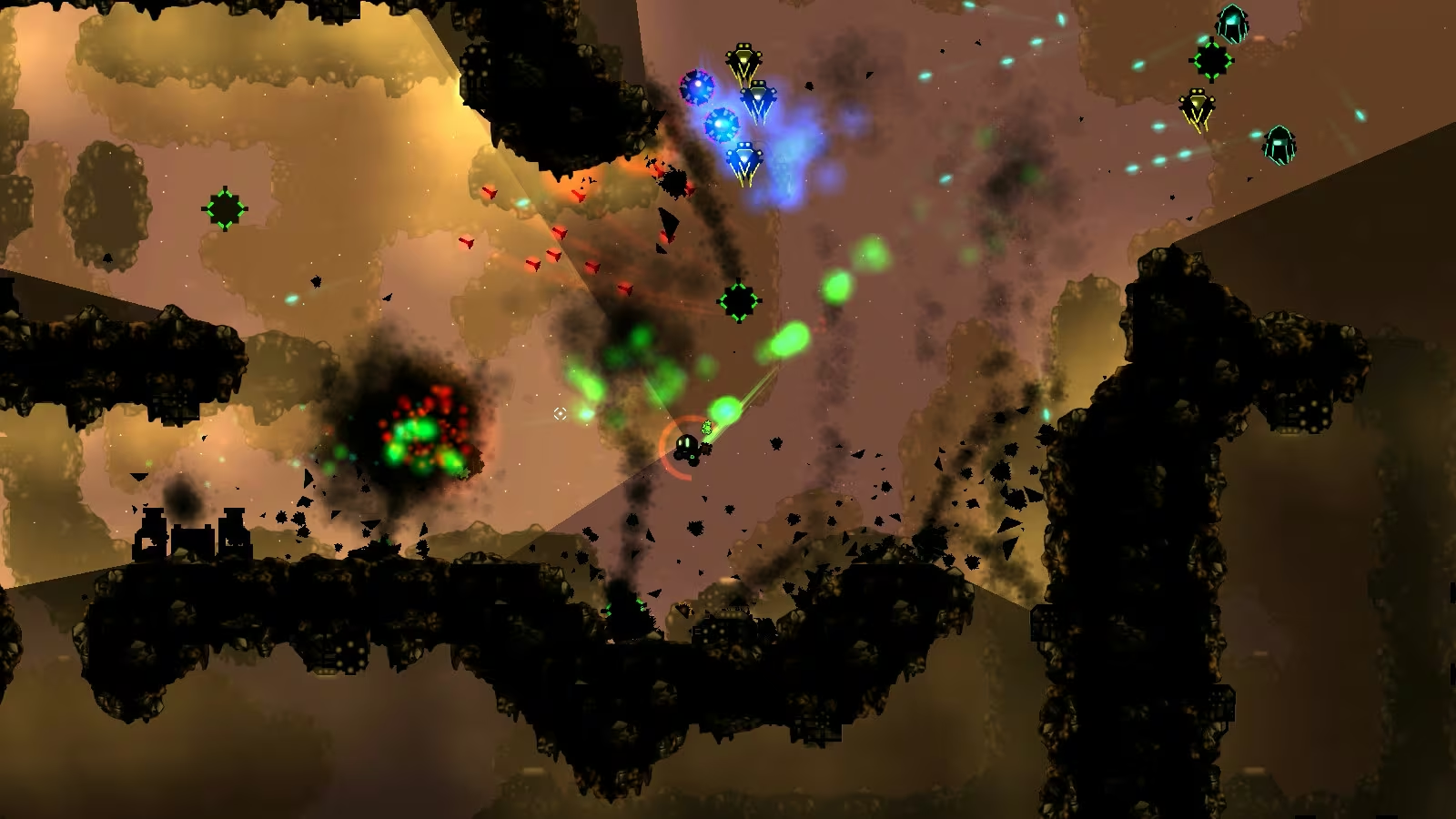
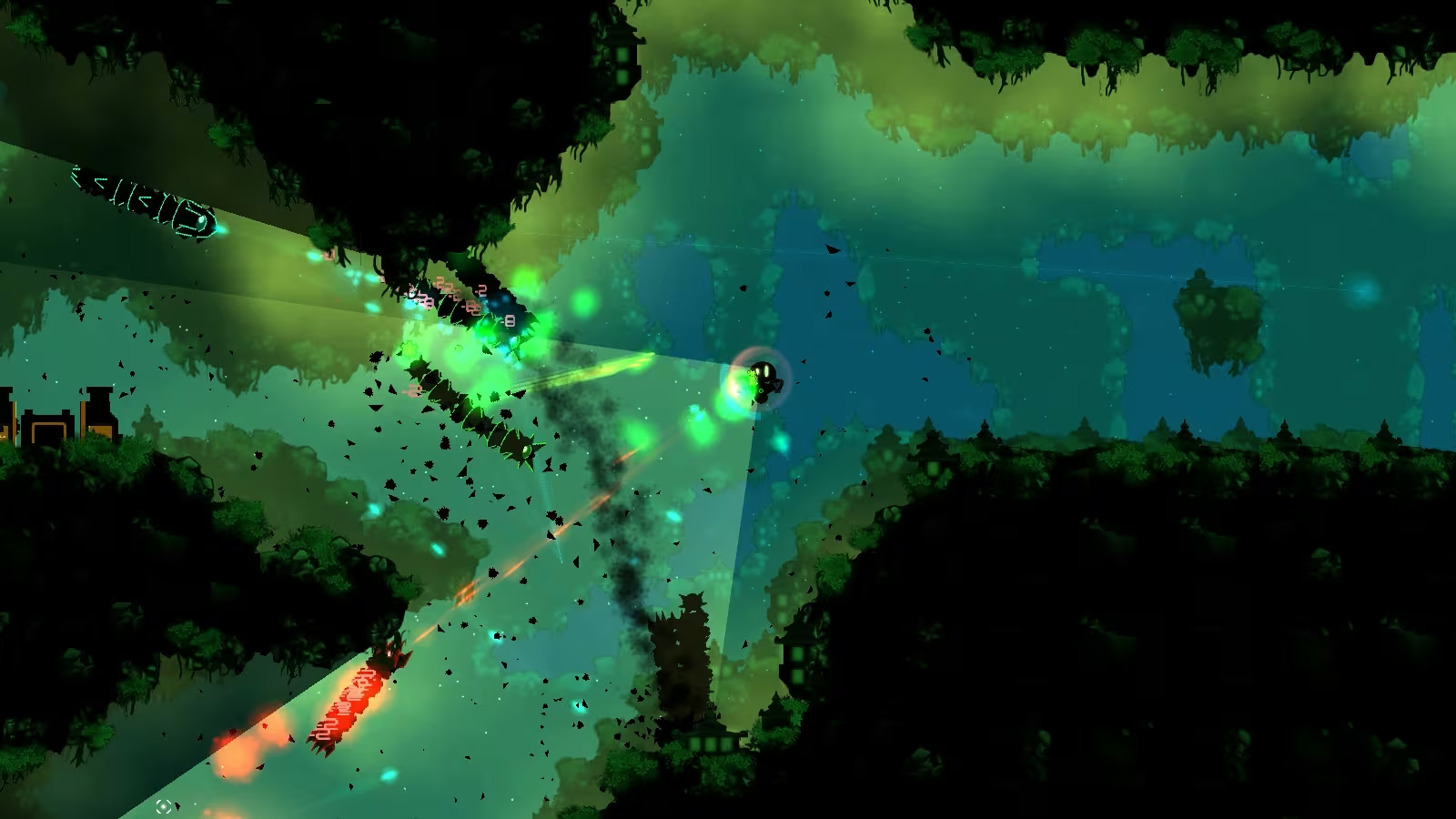
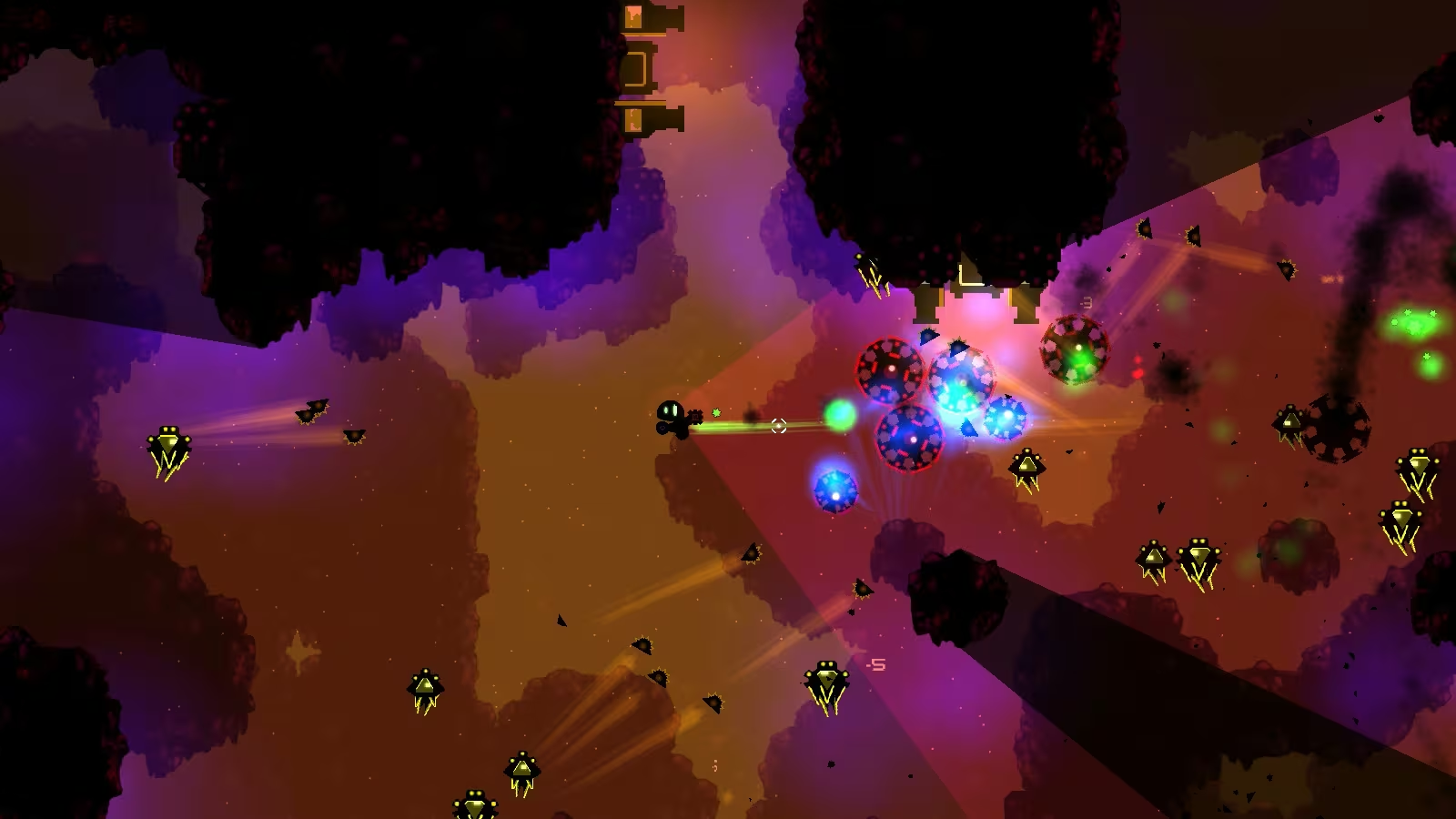
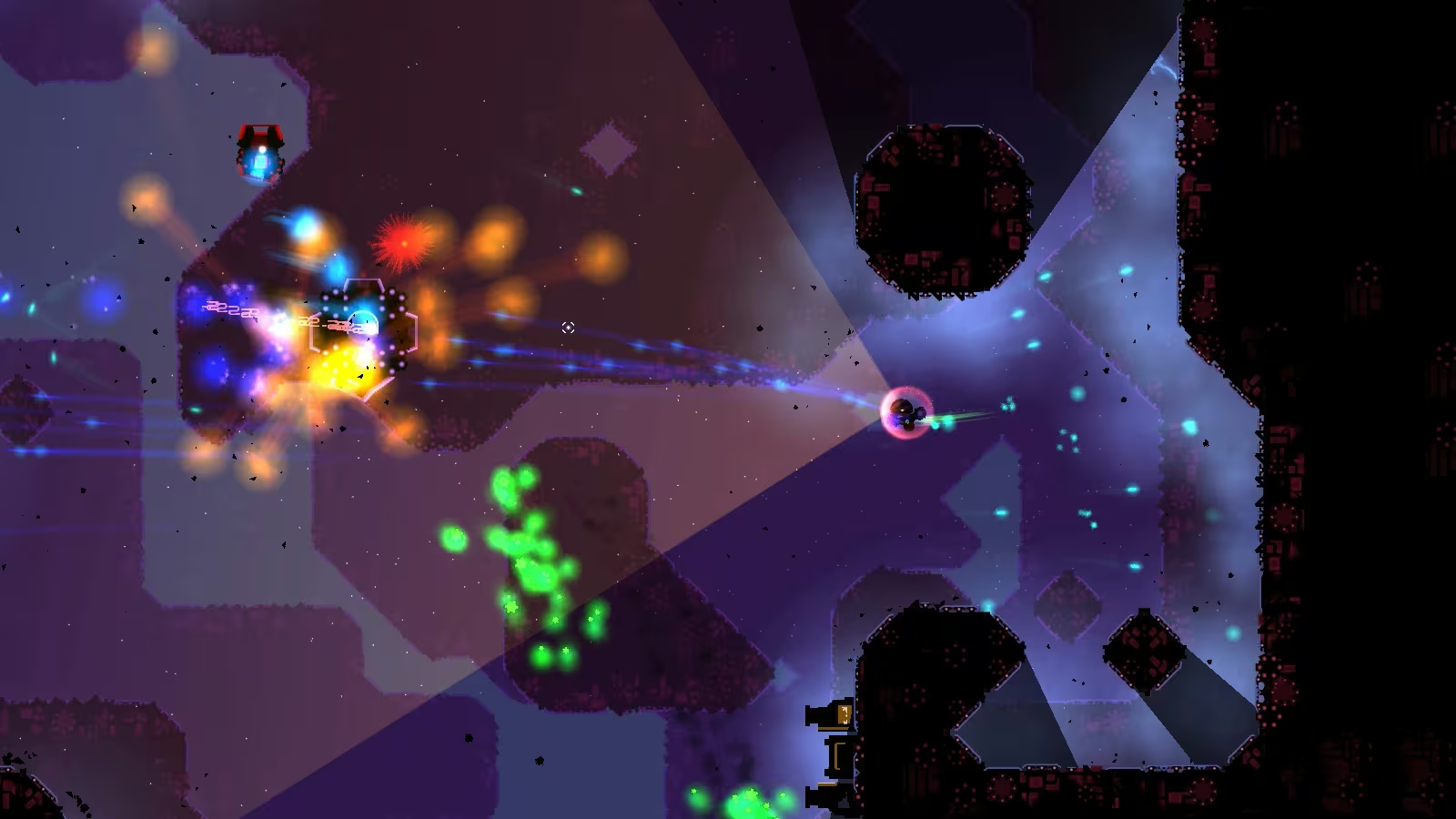
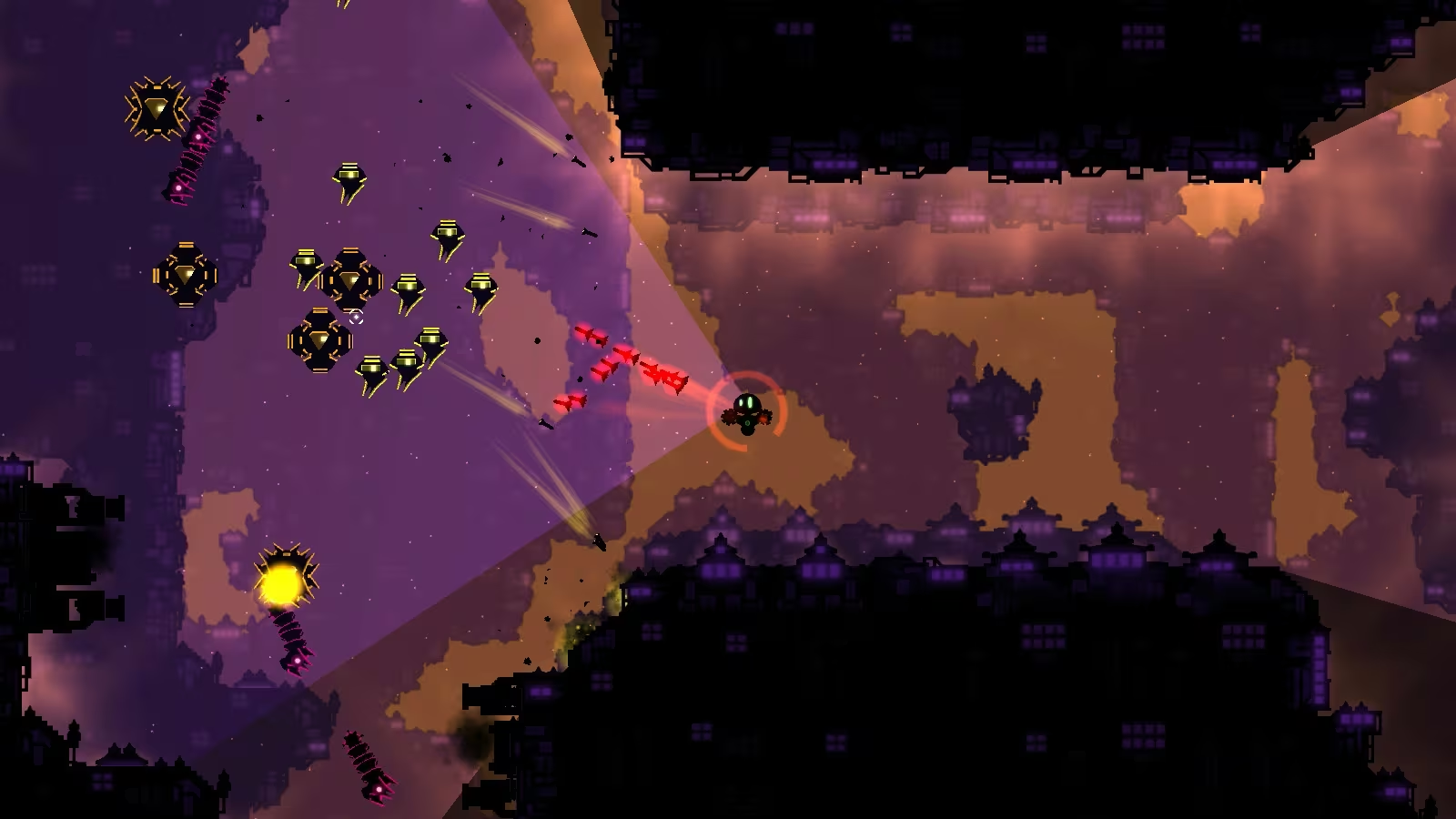
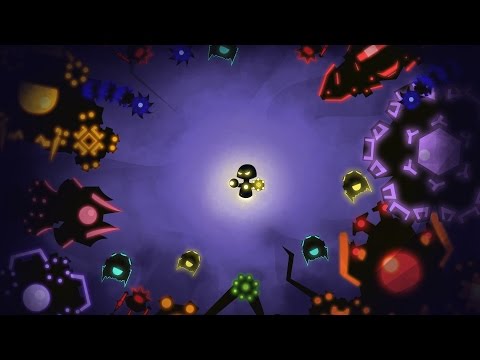
Good Robot is a fast-paced roguelike shoot-em-up that pits you against thousands of robots out to violate your warranty. Explore a procedurally generated sci-fi metropolis and the depths of corporate depravity, but never stop shooting...unless, of course, you're a Bad Robot. You're not, are you?

Global score

84/100

Genres

Action, Indie, Role-playing (RPG), Shooter

Similar games

    Pros

    • Tight and responsive controls
    • Varied and satisfying weapons
    • Addictive and challenging gameplay
    • Unique art style and lighting effects
    • Great electronic soundtrack

    Cons

    • Lack of persistent meta-progression
    • Some repetitive level design
    • Minimal narrative and story depth
    • No multiplayer or co-op modes
    • Some ui and clarity issues

    Analysis

    A very typical example of its motivational profile. Motivations that often define this kind of title include Competition, Status, Story, Expression. Here, the score leans higher than usual among comparable games on Violence. It leans lower than usual among comparable games on Fellowship, Cooperation.

    How to use the graph
    Similar games map

    Each dot is a game. They are arranged from the same motivation profile as in the “Motivations” section below. Closer dots usually mean more similar reasons to play (exploration, competition, relaxation, etc.)—not that one game is “better” than another.

    • Larger dot with a light outline: the game you are viewing.
    • Colour: groups of games with comparable motivation patterns (statistical clusters).
    • Hover a dot to see the game name; click to open its page.
    • Scroll or double-click the chart to zoom out and see more games.

    Why don’t the axes read like a score? This view uses t-SNE: it only keeps who is close to whom. The scales are not “good to bad” or hours played—they separate groups on the map. Read distance between dots, not the axis numbers.

    Motivations

    • Autonomy
      4

      "Players freely choose weapons, upgrades, and paths between levels, with emergent strategies and multiple play styles."

    • Competence
      4

      "Game challenges player skill with tight controls, varied weapons, and increasing difficulty; players report skill growth and mastery."

    • Competition
      3

      "Includes global leaderboards and score comparisons, encouraging competitive play at personal and global levels."

    • Continuation
      3

      "Many reviews mention addictive gameplay and desire to keep playing despite difficulty; some note long sessions."

    • Cooperation
      -5

      "Game is single-player only with no cooperative modes or multiplayer features."

    • Creativity
      3

      "Players experiment with weapon combinations and upgrades; procedural level generation offers variety and replayability."

    • Domination
      -5

      "No evidence of dominance or power assertion over others; interactions are individual and balanced."

    • Escapism
      4

      "Players use game as a fun distraction and stress relief; immersive music and atmosphere support escapism."

    • Expectation
      -4

      "Players engage voluntarily for fun and challenge; no indication of obligation or external pressure."

    • Experimenting
      4

      "High experimentation with weapons, strategies, and level choices; emergent gameplay praised."

    • Exploration
      3

      "Procedurally generated levels and choice of paths encourage discovery and curiosity."

    • Expression
      2

      "Customization mainly through hats and weapon loadouts, allowing some personal expression."

    • Fantasy
      3

      "Fictional sci-fi setting with robots and imaginative weapons; light humorous narrative."

    • Fellowship
      -4

      "No social or community features; gameplay is solo and individual."

    • Growth
      4

      "Players develop skills, learn enemy patterns, and improve through repeated play and upgrades."

    • Health
      -5

      "Typical sedentary gameplay; no physical activity or health-related features."

    • Idle
      -3

      "Requires focused attention and continuous engagement during play; not suited for passive or background play."

    • Intimacy
      -5

      "No social or emotional relationship building; interactions are minimal and surface-level."

    • Leadership
      -5

      "No leadership or group management roles; purely individual gameplay."

    • Progression
      3

      "Players accumulate weapons, upgrades, and achievements during runs; no persistent meta-progression."

    • Relaxation
      2

      "Some players find the game relaxing and enjoyable; others note tension from bullet hell elements."

    • Sensation
      3

      "Vibrant visuals, lighting effects, and electronic soundtrack provide sensory stimulation and excitement."

    • Status
      2

      "Leaderboards provide some recognition; no strong social status or popularity mechanisms."

    • Story
      1

      "Minimal narrative mostly delivered through optional text; gameplay is primary focus."

    • Strategy
      3

      "Players devise tactics for weapon combos, enemy types, and level choices; emergent strategic depth."

    • Thrill
      3

      "Bullet hell action and permadeath create suspense and adrenaline; players enjoy challenge and tension."

    • Value
      3

      "Players find good value for price with solid gameplay, replayability, and soundtrack."

    • Violence
      4

      "Core gameplay involves shooting and destroying enemies; combat and destruction are central."

    • Survival
      3

      "Players manage health, shields, and resources to survive increasingly difficult enemies and levels."

    Last update: 29/04/2026