The Book of Unwritten Tales: The Critter Chronicles Thumbnail

The Book of Unwritten Tales: The Critter Chronicles similar games & best alternatives
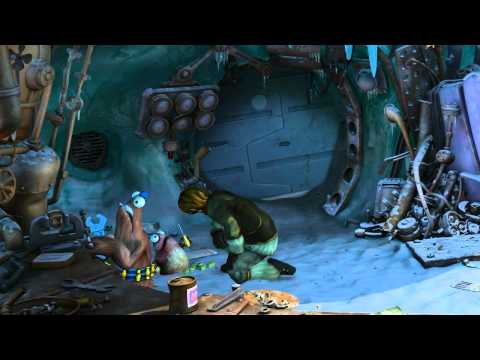
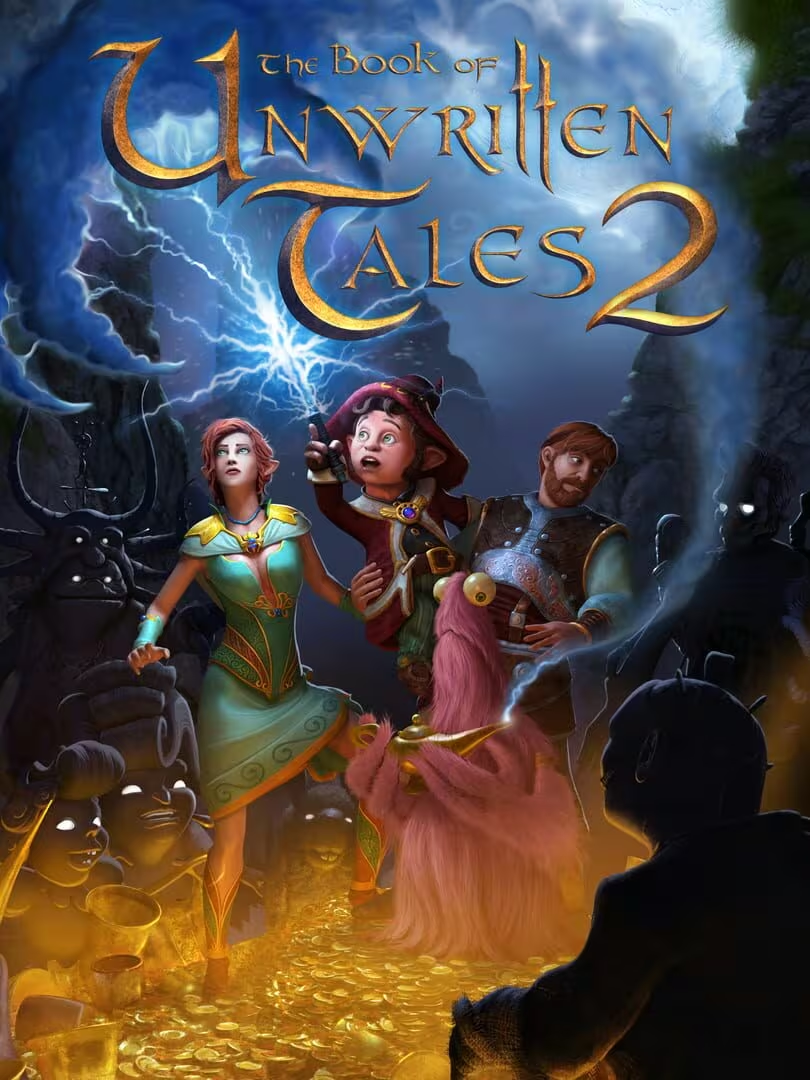
The Book of Unwritten Tales: The Critter Chronicles

PC (Microsoft Windows), Mac, Linux • 2012

Related articles

Quick resume

Enjoy a thrilling and hilarious point-and-click adventure in the fantasy world of Aventasia

Global score

84/100

Genres

Adventure, Indie, Puzzle, Point-and-click

Similar games

    Pros

    • Humorous and witty dialogue
    • Well-voiced characters
    • Engaging puzzle design with difficulty options
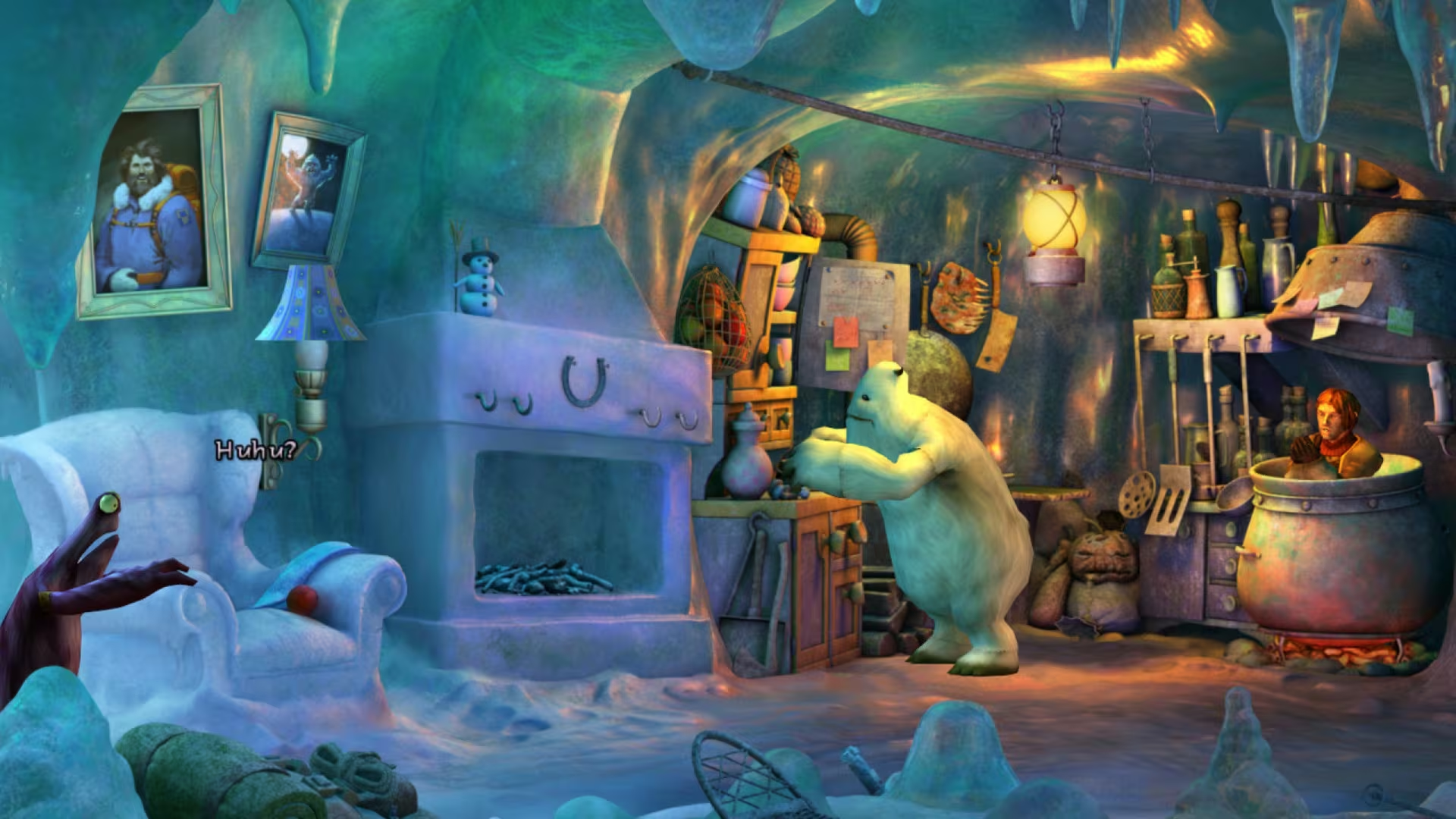
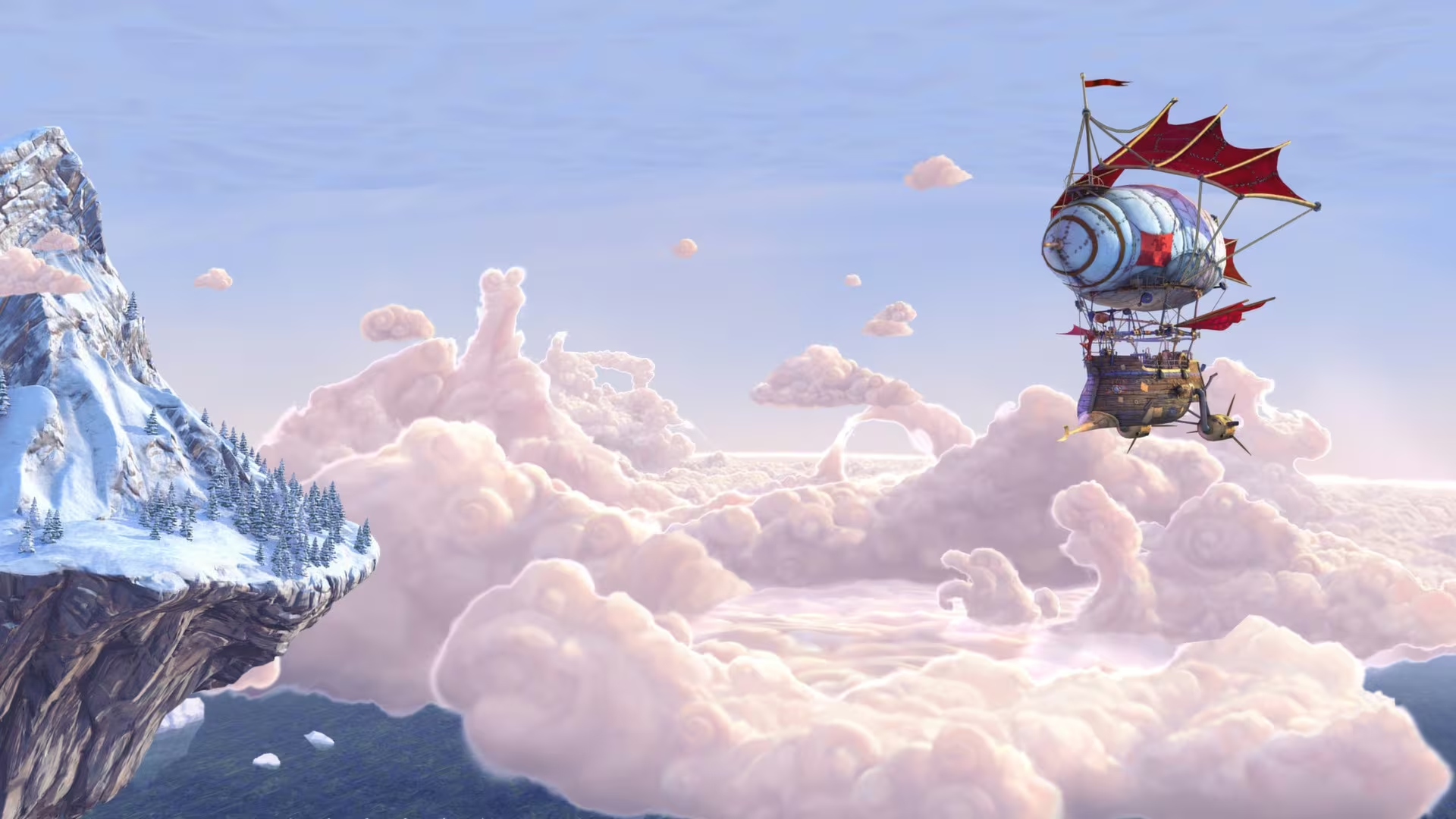
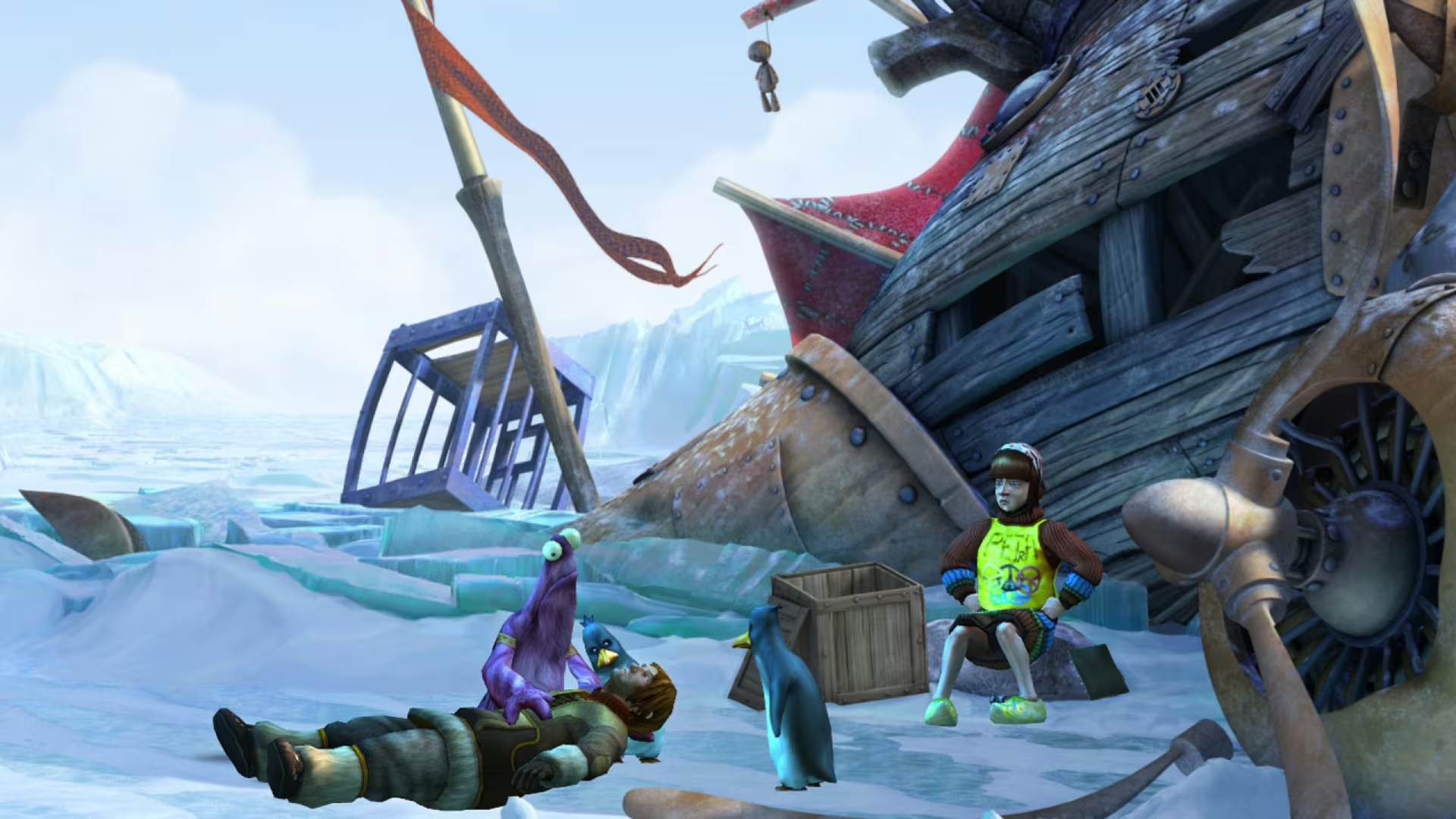
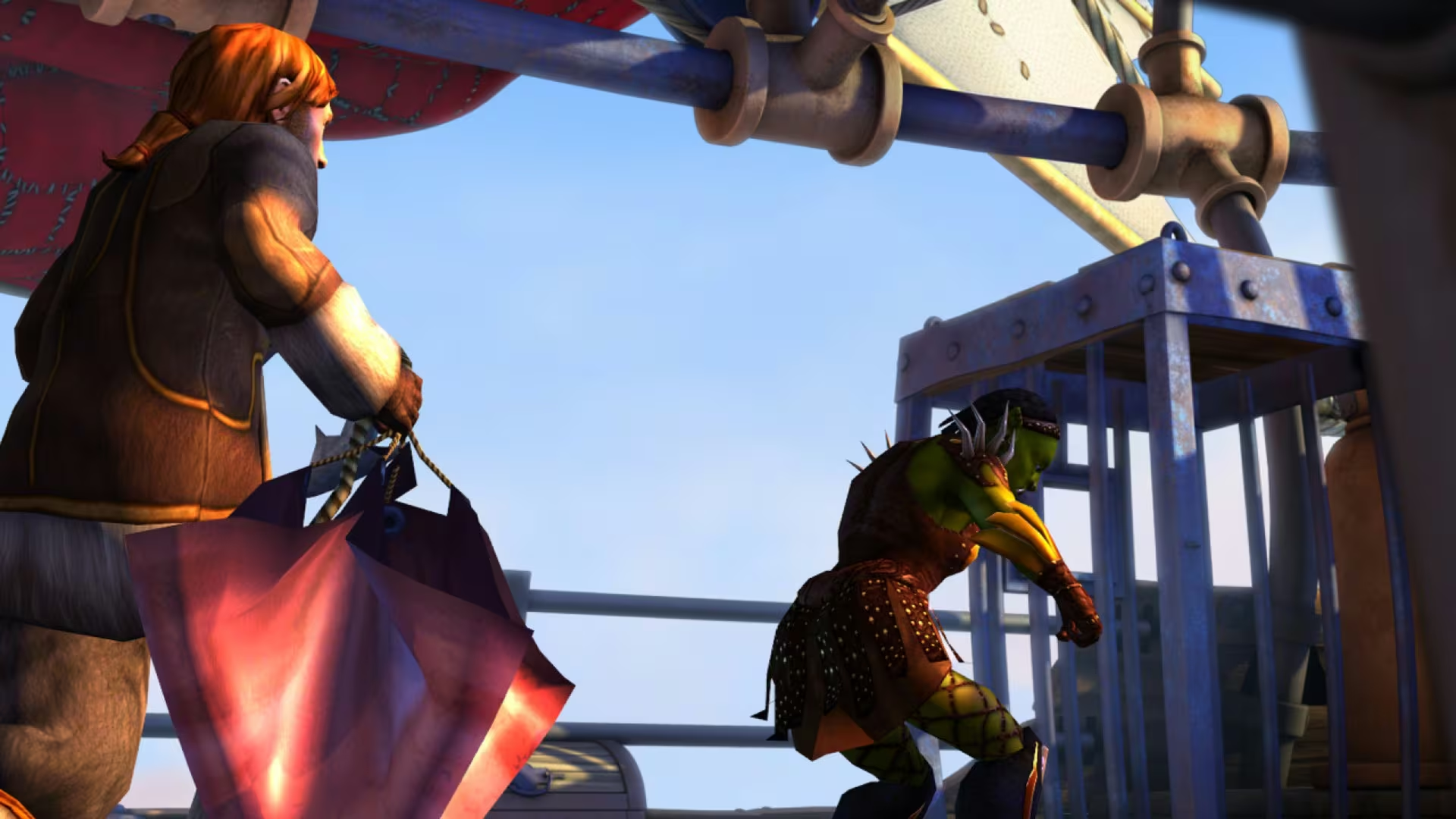
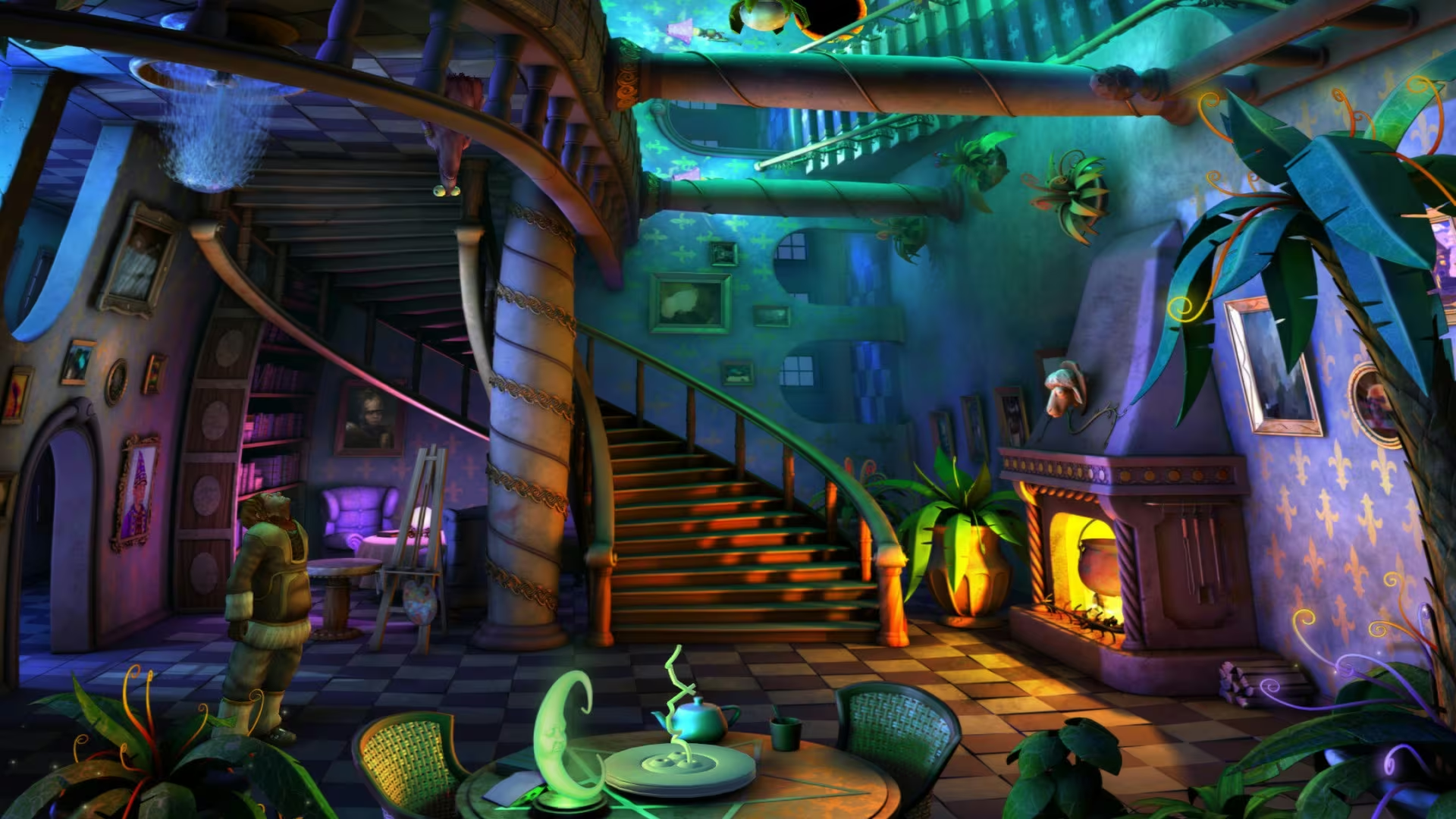
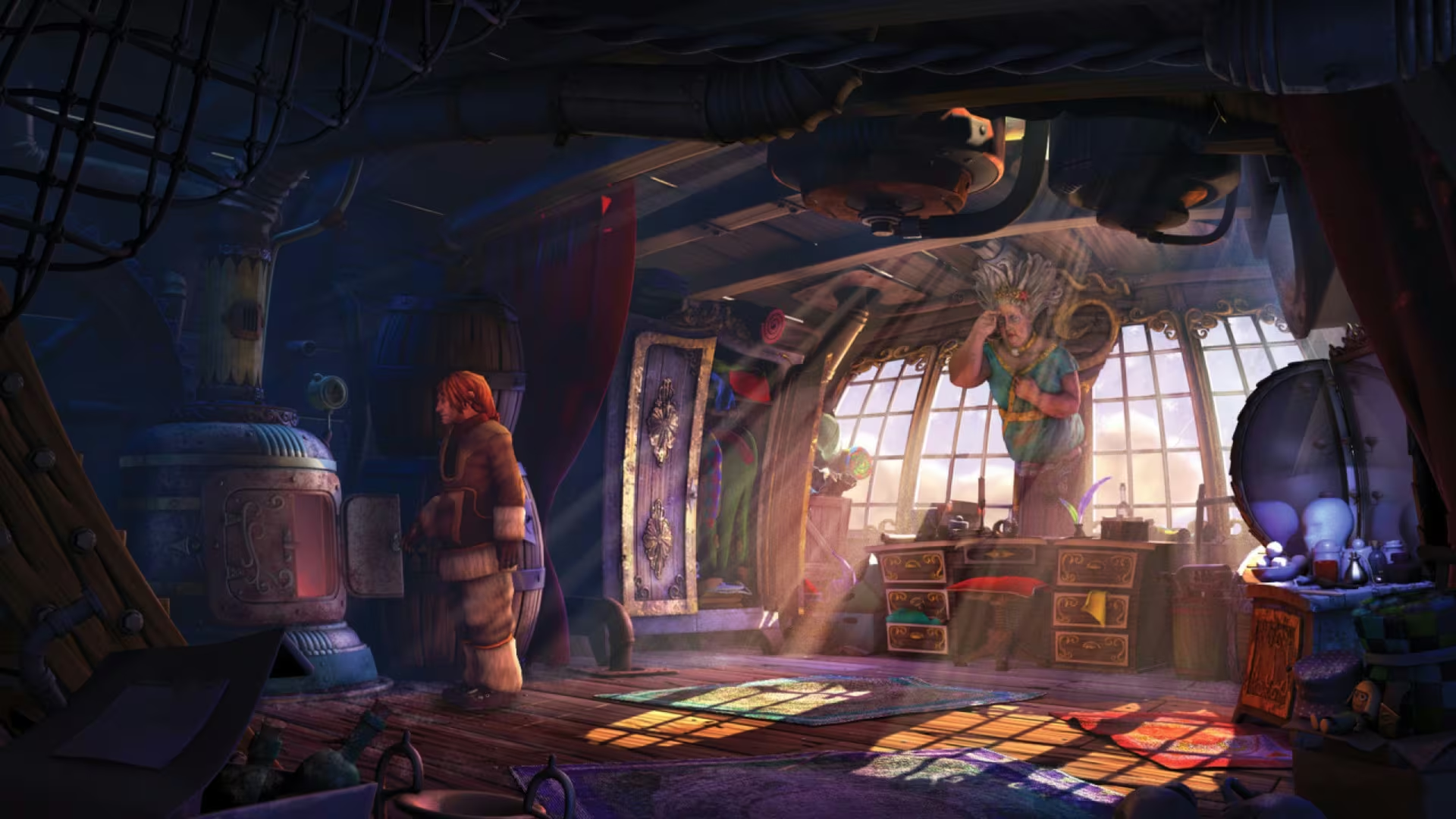
    • Beautiful art style and animations
    • Strong fantasy setting with pop culture references

    Cons

    • Shorter length compared to original
    • Some puzzles rely on trial and error or moon logic
    • Technical issues and crashes reported
    • Limited exploration and reused locations
    • Lack of character customization or social features

    Analysis

    Less representative of its motivational profile, with noticeable differences. Motivations that often define this kind of title include Survival, Violence, Fellowship, Expression. Here, the score leans higher than usual among comparable games on Cooperation. It leans lower than usual among comparable games on Exploration, Expression.

    How to use the graph
    Similar games map

    Each dot is a game. They are arranged from the same motivation profile as in the “Motivations” section below. Closer dots usually mean more similar reasons to play (exploration, competition, relaxation, etc.)—not that one game is “better” than another.

    • Larger dot with a light outline: the game you are viewing.
    • Colour: groups of games with comparable motivation patterns (statistical clusters).
    • Hover a dot to see the game name; click to open its page.
    • Scroll or double-click the chart to zoom out and see more games.

    Why don’t the axes read like a score? This view uses t-SNE: it only keeps who is close to whom. The scales are not “good to bad” or hours played—they separate groups on the map. Read distance between dots, not the axis numbers.

    Motivations

    • Autonomy
      3

      "Players control two characters alternately with freedom to explore and solve puzzles, indicating moderate autonomy."

    • Competence
      3

      "Puzzles vary in difficulty with a hard mode adding challenge, providing feedback and skill tests."

    • Competition
      -4

      "Focus is on single-player puzzle solving and story, no evidence of player-vs-player competition."

    • Continuation
      2

      "Fans of the series tend to replay for achievements and enjoy the humor, but the game is shorter and some find it less engaging."

    • Cooperation
      1

      "Players switch between two characters who cooperate in puzzles, but no multiplayer or social cooperation."

    • Creativity
      2

      "Players combine items and experiment with puzzle solutions, though within predefined game structures."

    • Domination
      -5

      "No elements of exerting control or superiority over others; gameplay is solo and cooperative between characters."

    • Escapism
      4

      "Humorous fantasy setting with pop culture references offers strong escapism and distraction from real life."

    • Expectation
      -3

      "Players engage voluntarily for fun and interest, no indications of obligation or pressure."

    • Experimenting
      3

      "Puzzle solving encourages trying different item combinations and exploring solutions, especially in hard mode."

    • Exploration
      -2

      "Limited number of locations and some reuse of areas reduce exploration but players still discover puzzle elements."

    • Expression
      -4

      "No character customization or player-driven expression; players use preset characters and environments."

    • Fantasy
      5

      "Strong fantasy setting with imaginative characters, humor, and references to fictional universes."

    • Fellowship
      -3

      "Single-player experience with minimal social interaction or community feeling."

    • Growth
      2

      "Players develop puzzle-solving skills and learn game mechanics, especially on harder difficulty."

    • Health
      -5

      "Sedentary gameplay typical of point-and-click adventures with no physical activity."

    • Idle
      -4

      "Requires focused attention to solve puzzles and progress; not suited for idle or background play."

    • Intimacy
      -4

      "No close social relationships or emotional sharing; solo play with fictional characters only."

    • Leadership
      -5

      "No leadership or group management elements; player controls characters cooperatively but no authority."

    • Progression
      3

      "Players collect and combine items to progress through puzzles and story, showing accumulation and advancement."

    • Relaxation
      2

      "Generally lighthearted and humorous with moments of challenge; some players find it relaxing, others find puzzles frustrating."

    • Sensation
      2

      "Visuals and sound are pleasant and detailed, with humorous voice acting providing emotional enjoyment."

    • Status
      -4

      "No social recognition or competition; achievements are personal and not socially ranked."

    • Story
      4

      "Narrative-driven adventure with character development, humor, and plot continuity within the series."

    • Strategy
      3

      "Puzzle solving requires logical thinking and planning, especially on hard mode with more complex steps."

    • Thrill
      -2

      "Low suspense or risk; gameplay is calm and focused on puzzle solving rather than excitement or tension."

    • Value
      2

      "Generally considered good value especially when purchased on sale; some complaints about length and bugs."

    • Violence
      -4

      "No combat or destruction; gameplay centers on puzzle solving and interaction."

    • Survival
      -5

      "No survival or threat elements; stable conditions throughout gameplay."

    Last update: 29/04/2026