Red Comrades 2: For the Great Justice. Reloaded Thumbnail

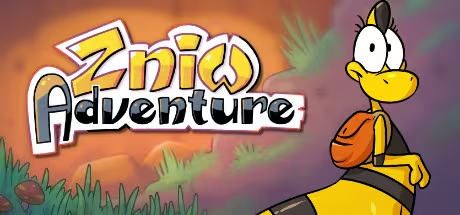
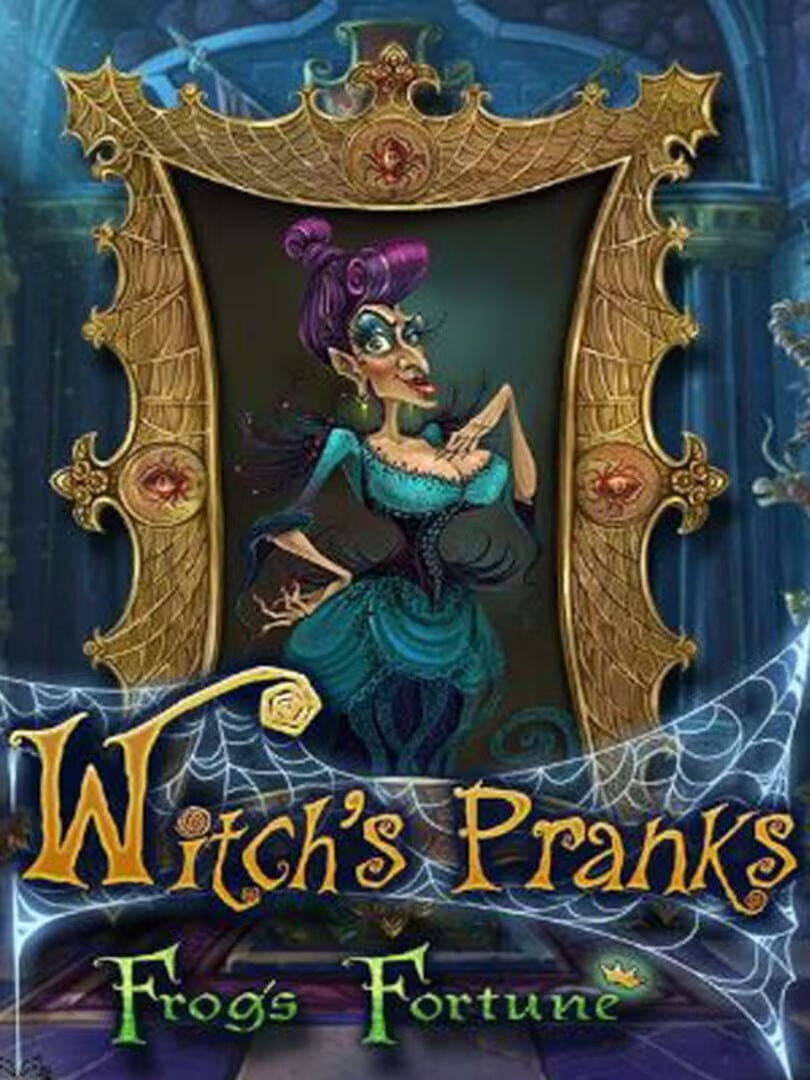
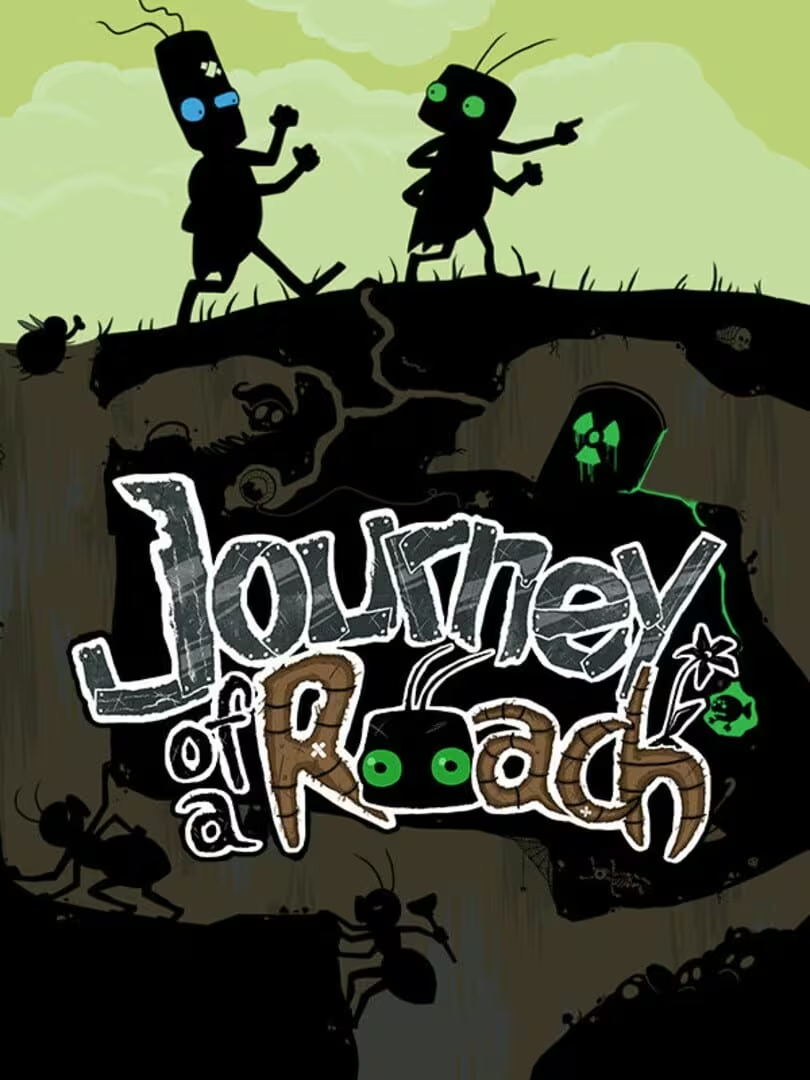
Red Comrades 2: For the Great Justice. Reloaded similar games & best alternatives

Red Comrades 2: For the Great Justice. Reloaded

PC (Microsoft Windows), Mac, Linux • 2016

Related articles

Quick resume

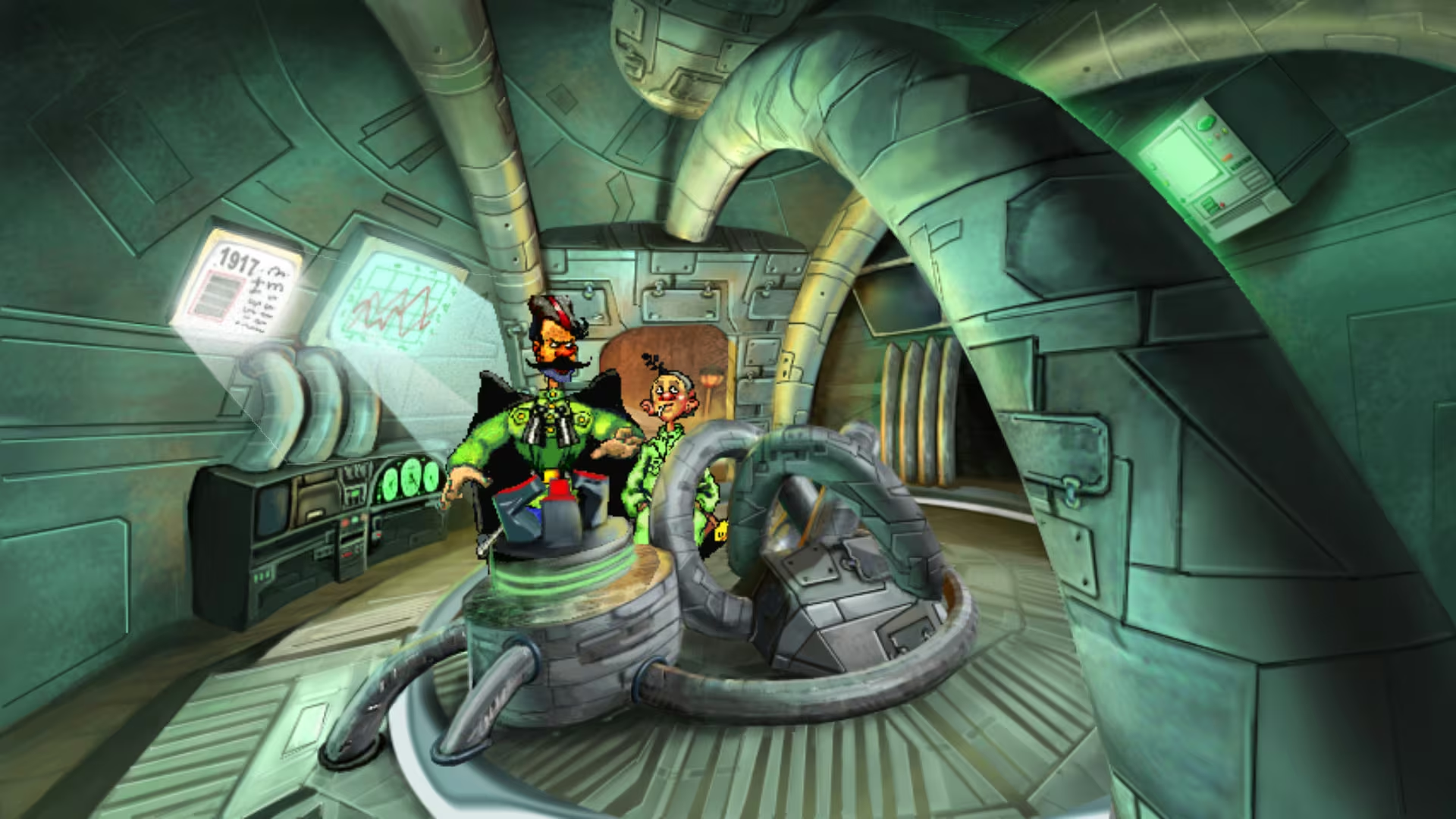
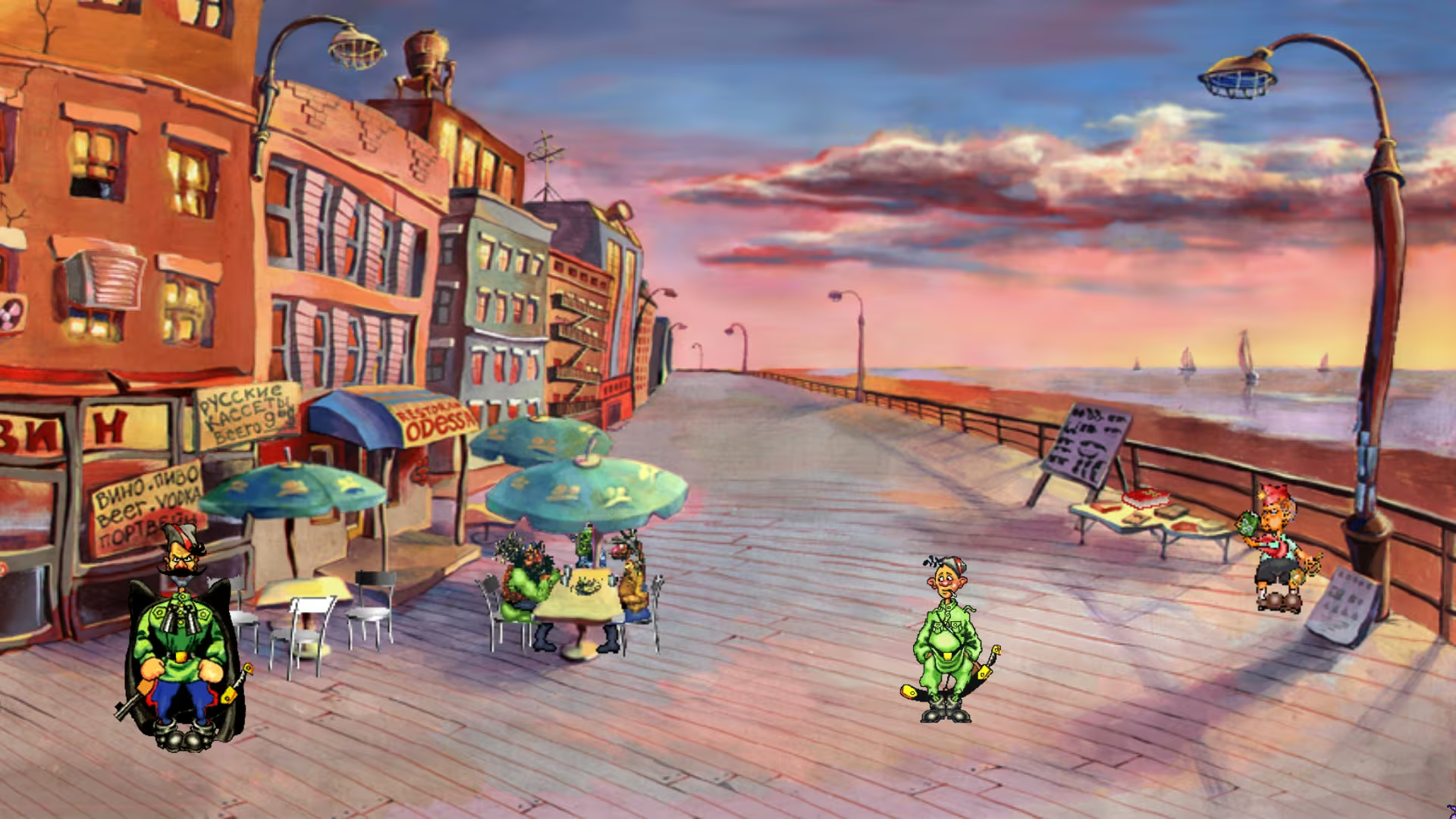
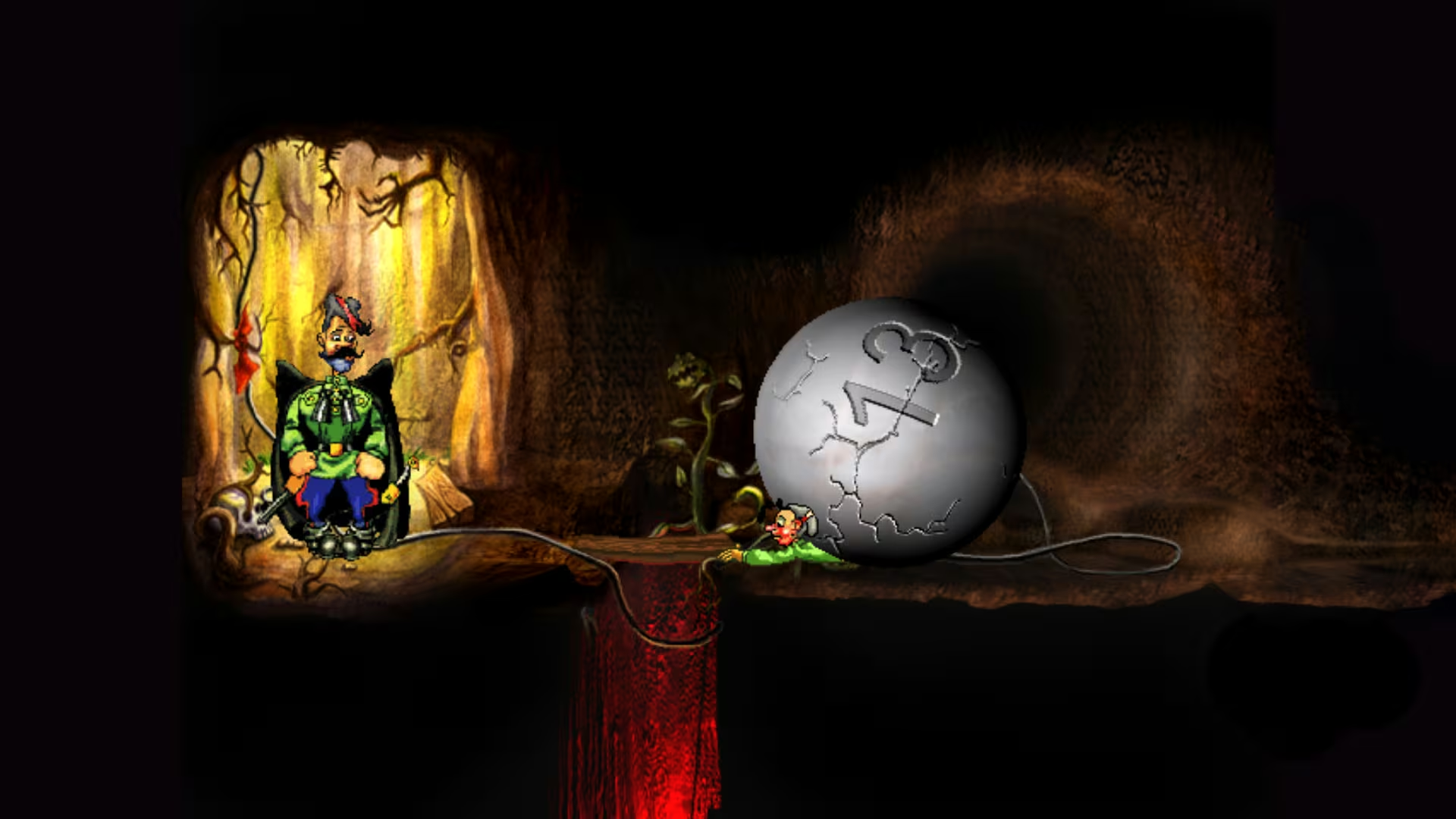
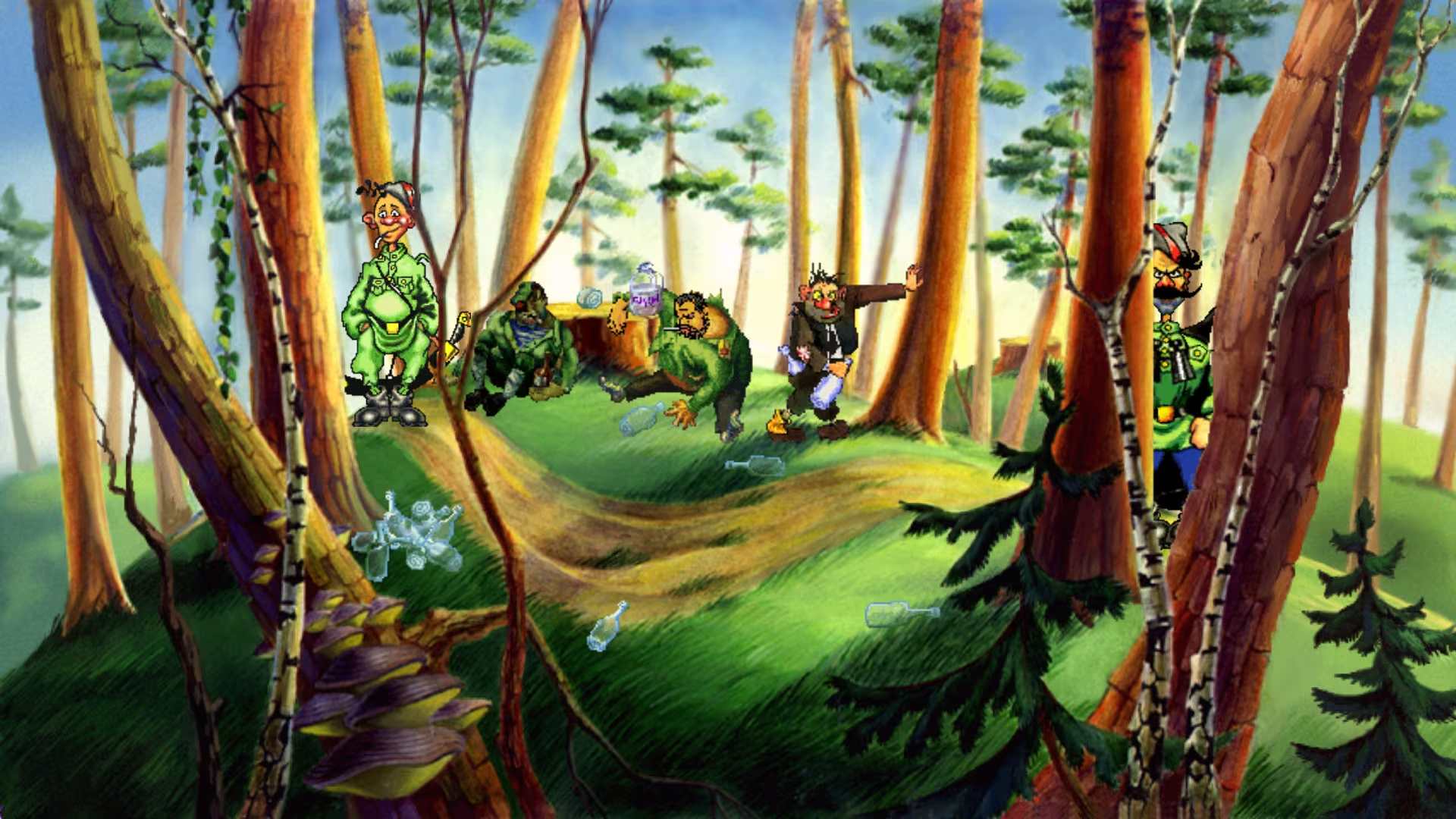
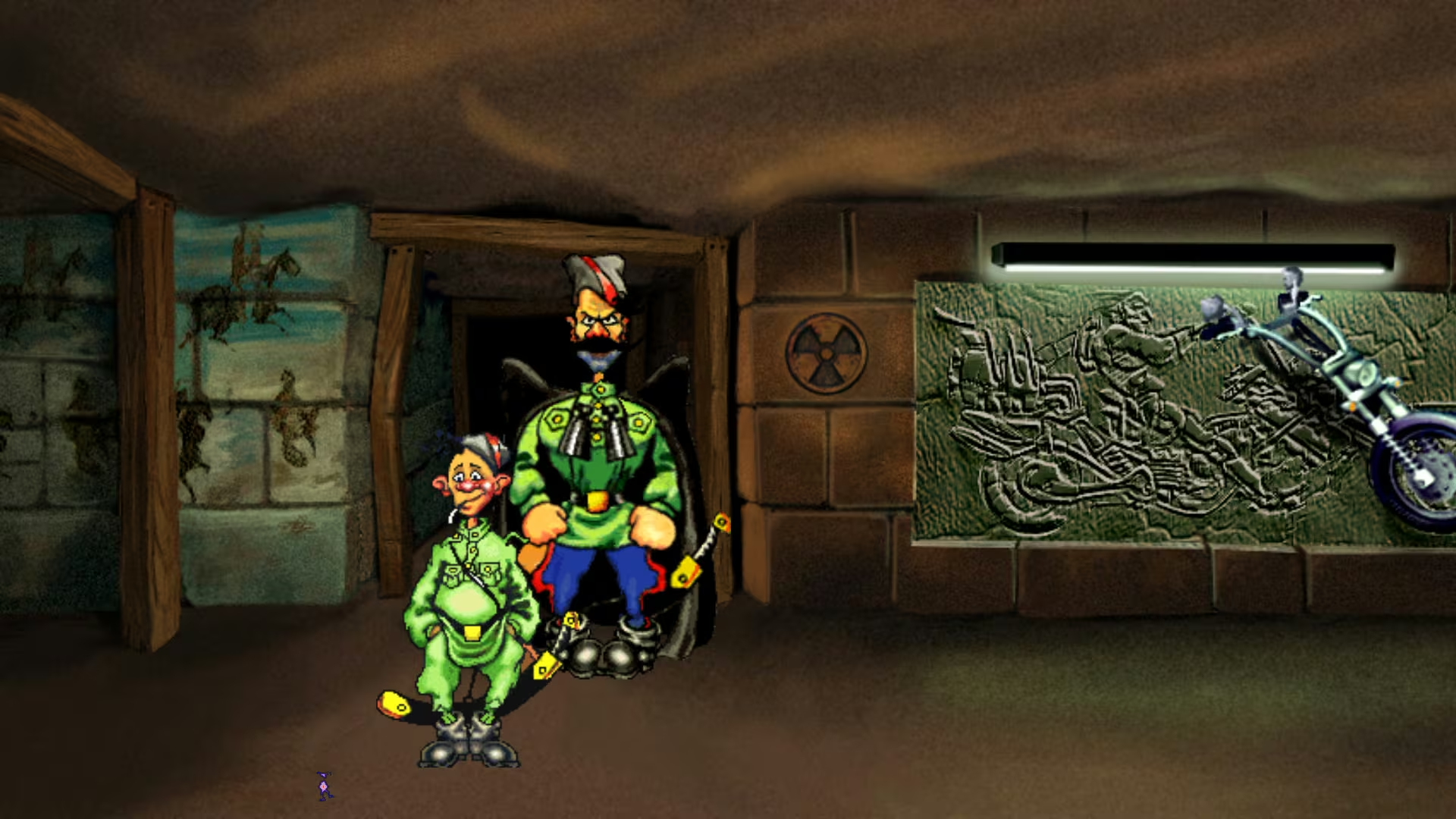
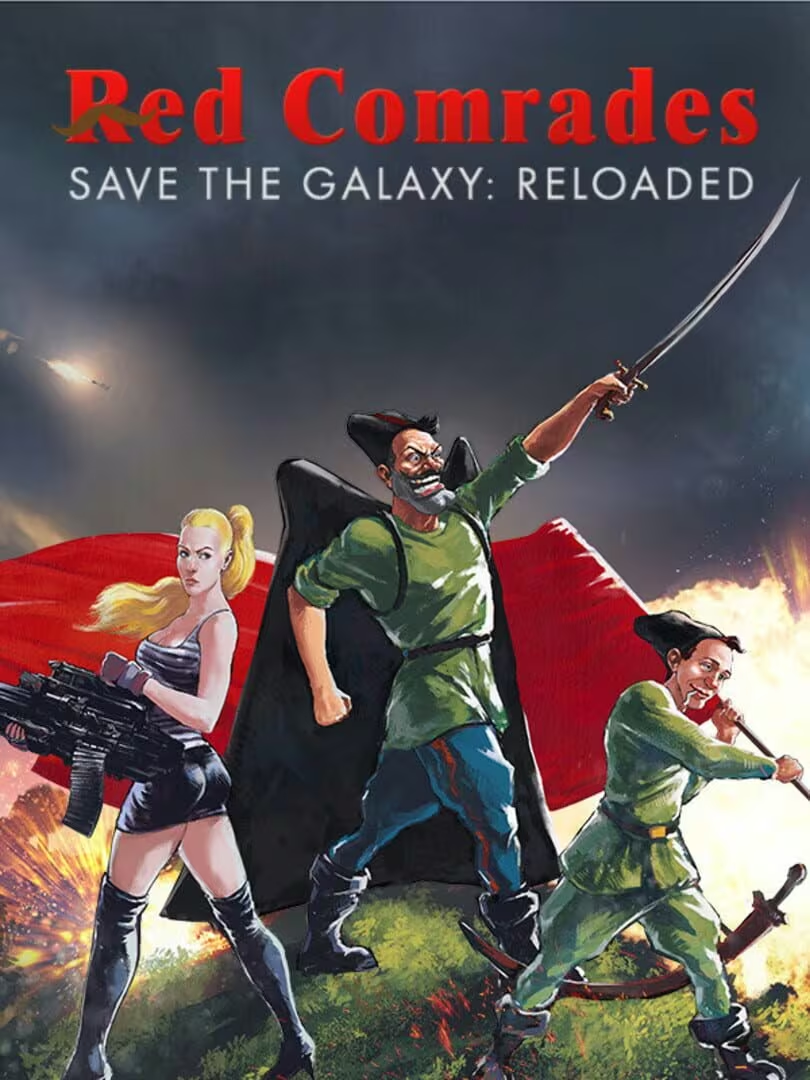
Sequel to the amazing adventures of two Russian pop-culture legends: Vasily Ivanovich Chapaev and his fellow aide Petka who fearlessly beat off the alien invasion in a first franchise installment.

Global score

85/100

Genres

Adventure

Similar games

    Pros

    • Nostalgic humor and cultural references
    • Classic point-and-click adventure gameplay
    • Good voice acting and music
    • Modern platform compatibility
    • Affordable price

    Cons

    • Very short game length
    • Limited new content, reuses assets from first part
    • Some bugs and loading delays
    • Simplified puzzles compared to first part
    • Lack of character customization and depth

    Analysis

    Less representative of its motivational profile, with noticeable differences. Motivations that often define this kind of title include Survival, Violence, Fellowship, Expression. It leans lower than usual among comparable games on Creativity, Growth, Thrill.

    How to use the graph
    Similar games map

    Each dot is a game. They are arranged from the same motivation profile as in the “Motivations” section below. Closer dots usually mean more similar reasons to play (exploration, competition, relaxation, etc.)—not that one game is “better” than another.

    • Larger dot with a light outline: the game you are viewing.
    • Colour: groups of games with comparable motivation patterns (statistical clusters).
    • Hover a dot to see the game name; click to open its page.
    • Scroll or double-click the chart to zoom out and see more games.

    Why don’t the axes read like a score? This view uses t-SNE: it only keeps who is close to whom. The scales are not “good to bad” or hours played—they separate groups on the map. Read distance between dots, not the axis numbers.

    Motivations

    • Autonomy
      3

      "Players explore environments, collect items, and solve puzzles with some freedom in interaction, typical for point-and-click adventures."

    • Competence
      2

      "Puzzle solving requires some logic and exploration, but is generally straightforward and easier than the first part."

    • Competition
      -4

      "No evidence of competitive elements; gameplay is single-player and focused on personal progress."

    • Continuation
      2

      "Fans of the series show attachment and nostalgia, but the game is short and some find it easy to finish quickly."

    • Cooperation
      -5

      "Single-player adventure with no cooperative or multiplayer features."

    • Creativity
      1

      "Players combine items and experiment with interactions, but mostly within predefined puzzles and narrative."

    • Domination
      -5

      "No social dominance or power over others; interactions are solo and narrative-driven."

    • Escapism
      4

      "Strong nostalgic and humorous content provides escapism and stress relief through immersion in a fictionalized past."

    • Expectation
      -3

      "Players engage voluntarily for nostalgia and enjoyment rather than obligation or external pressure."

    • Experimenting
      2

      "Some exploration and puzzle experimentation, but overall gameplay follows established adventure game routines."

    • Exploration
      3

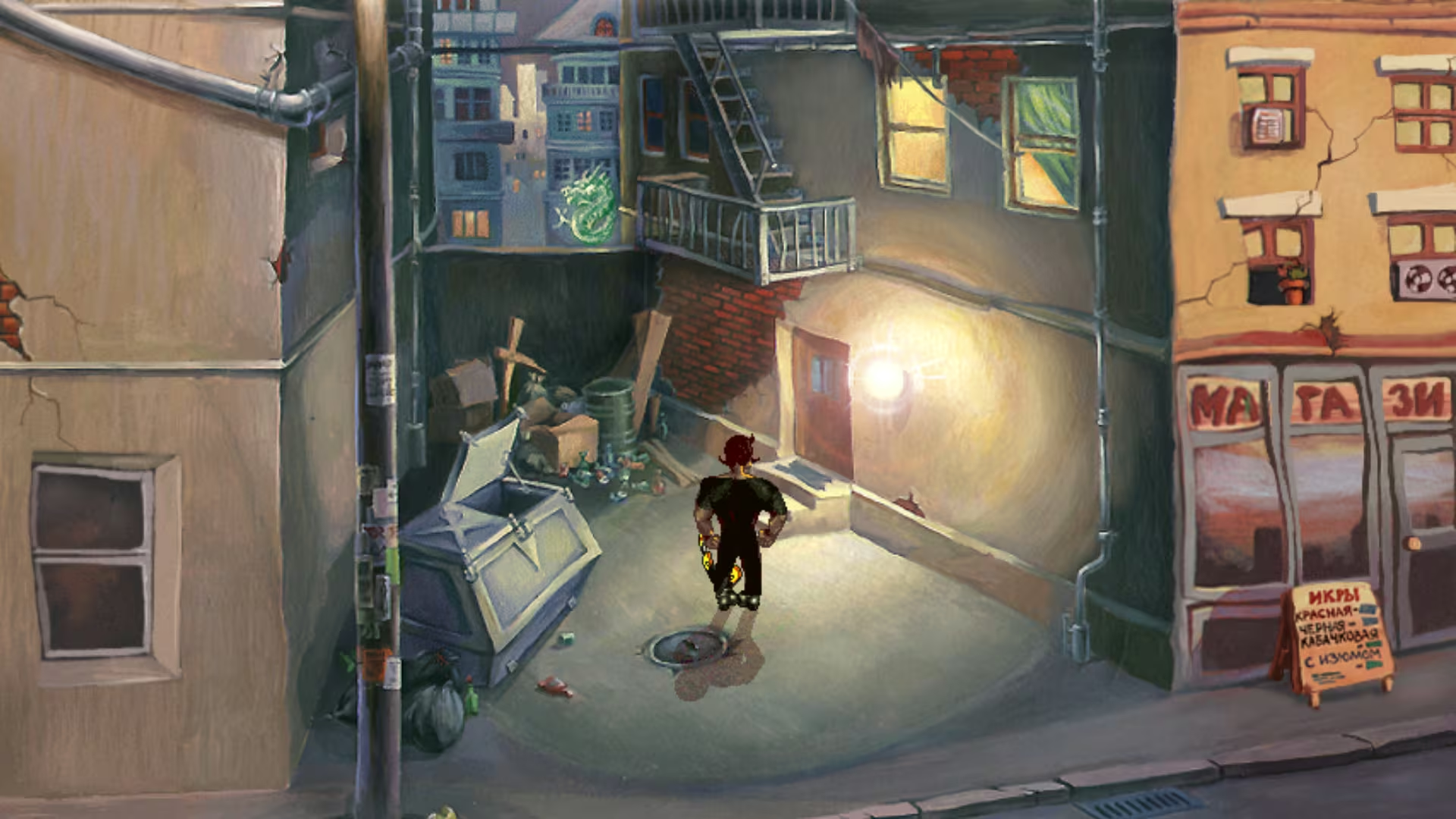
      "Players explore multiple locations including village and New York, discovering items and secrets."

    • Expression
      -3

      "Limited customization or self-expression; players interact with preset characters and environments."

    • Fantasy
      3

      "Game features imaginative fiction with time travel, aliens, and parody elements."

    • Fellowship
      -4

      "Primarily single-player experience with minimal social or community interaction."

    • Growth
      1

      "Players develop puzzle-solving skills and learn game mechanics, though challenges are moderate."

    • Health
      -5

      "Sedentary gameplay typical of point-and-click adventures with no physical activity."

    • Idle
      -4

      "Requires focused attention to solve puzzles and progress; not suited for passive or background play."

    • Intimacy
      -4

      "No evidence of forming close relationships; interactions are limited to scripted dialogues."

    • Leadership
      -5

      "No leadership or group management elements present."

    • Progression
      3

      "Players collect items and unlock achievements, progressing through story and puzzles."

    • Relaxation
      2

      "Humorous and nostalgic tone provides some relaxation, though puzzles require mental engagement."

    • Sensation
      1

      "Visual style is retro and colorful but sensory stimulation is moderate and consistent."

    • Status
      -5

      "No social recognition or status systems; focus is on individual experience."

    • Story
      4

      "Strong narrative focus with continuing plot, characters, and cultural references."

    • Strategy
      1

      "Puzzle solving involves some planning and logic but is generally straightforward."

    • Thrill
      -2

      "Low suspense or risk; gameplay is calm and predictable."

    • Value
      3

      "Players appreciate the game for nostalgia and humor at a low price, though some note short length."

    • Violence
      -3

      "Minimal violence; gameplay focuses on puzzle-solving and humor rather than combat."

    • Survival
      -4

      "No survival or threat avoidance mechanics; stable and safe game environment."

    Last update: 29/04/2026