The Book of Unwritten Tales 2 Thumbnail

The Book of Unwritten Tales 2 similar games & best alternatives
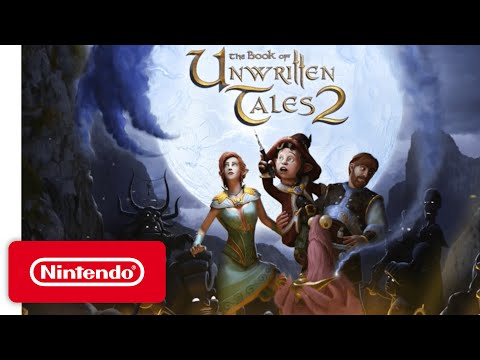
The Book of Unwritten Tales 2

PC (Microsoft Windows), Mac, Wii U, iOS, PlayStation 4, Xbox 360, Xbox One, Nintendo Switch, PlayStation 3, Linux • 2015

Related articles

Quick resume

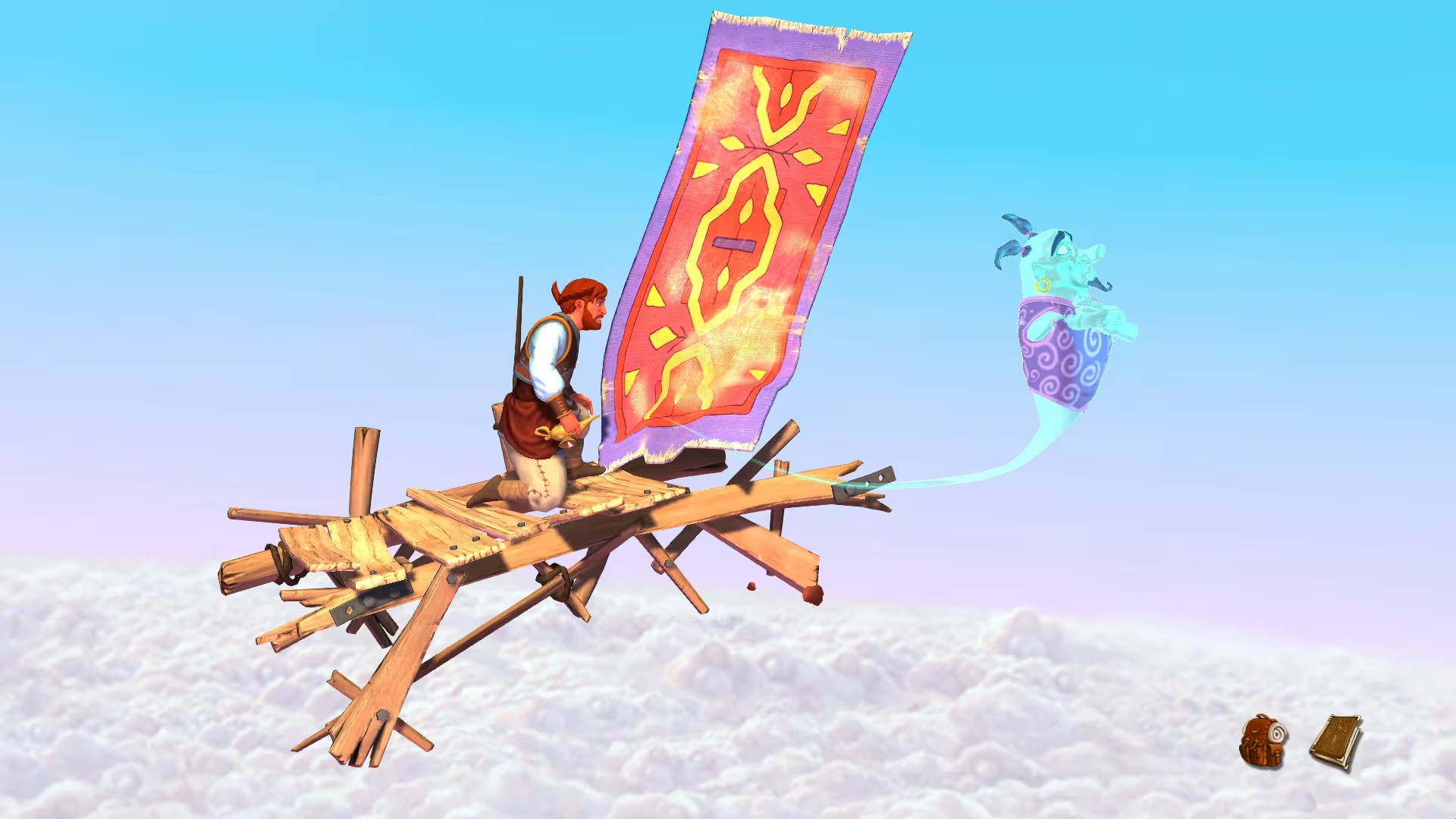
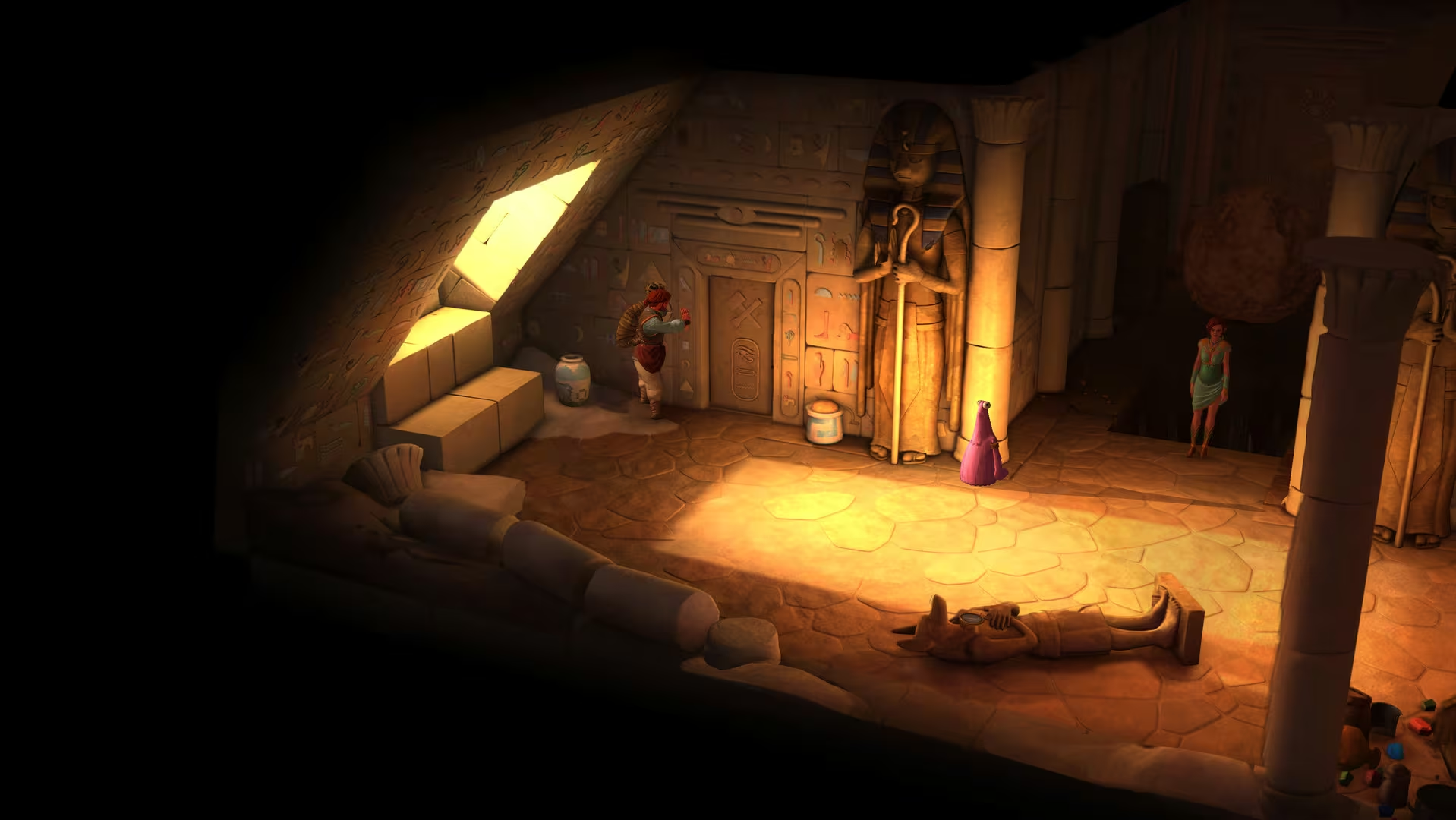
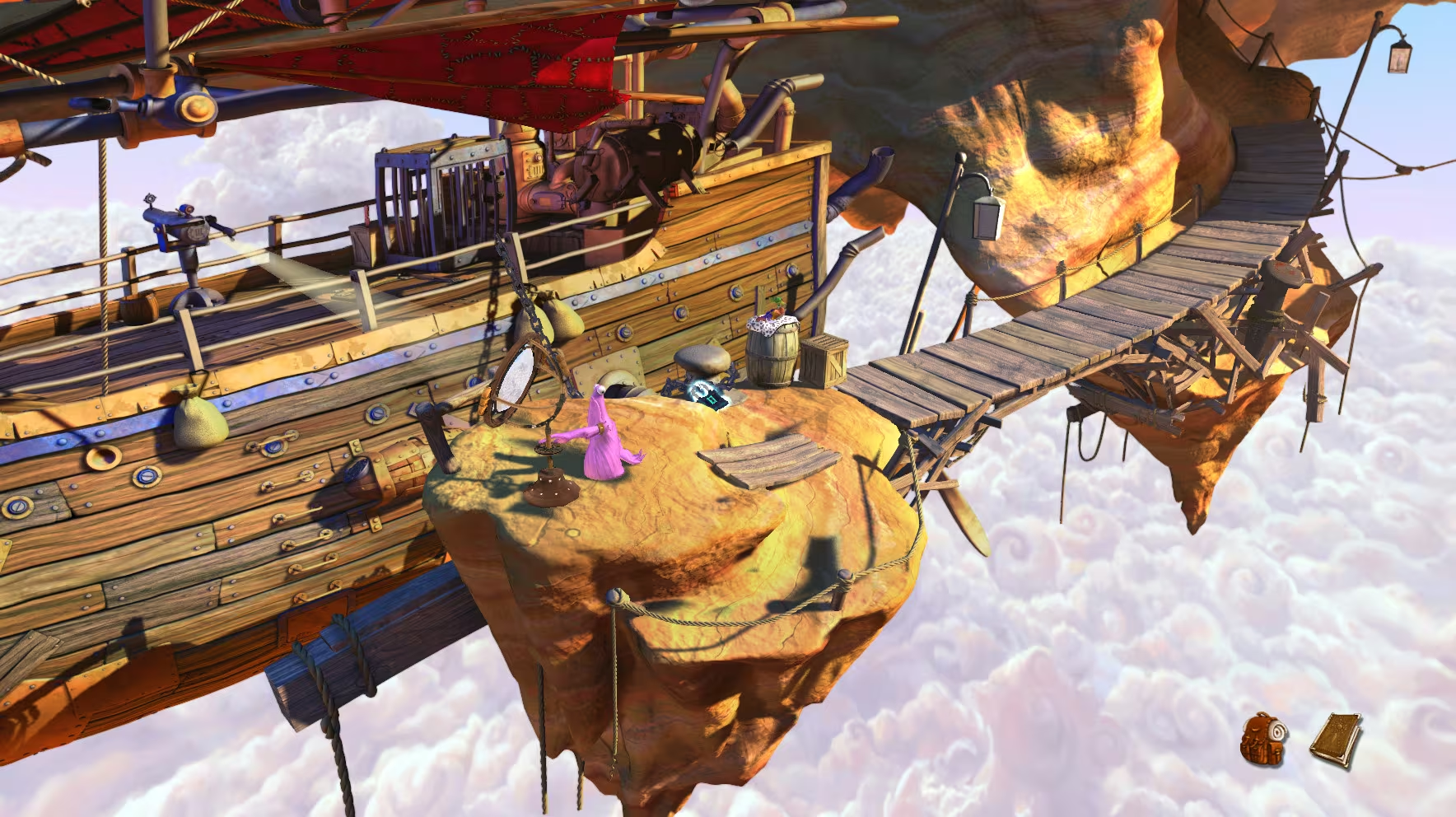
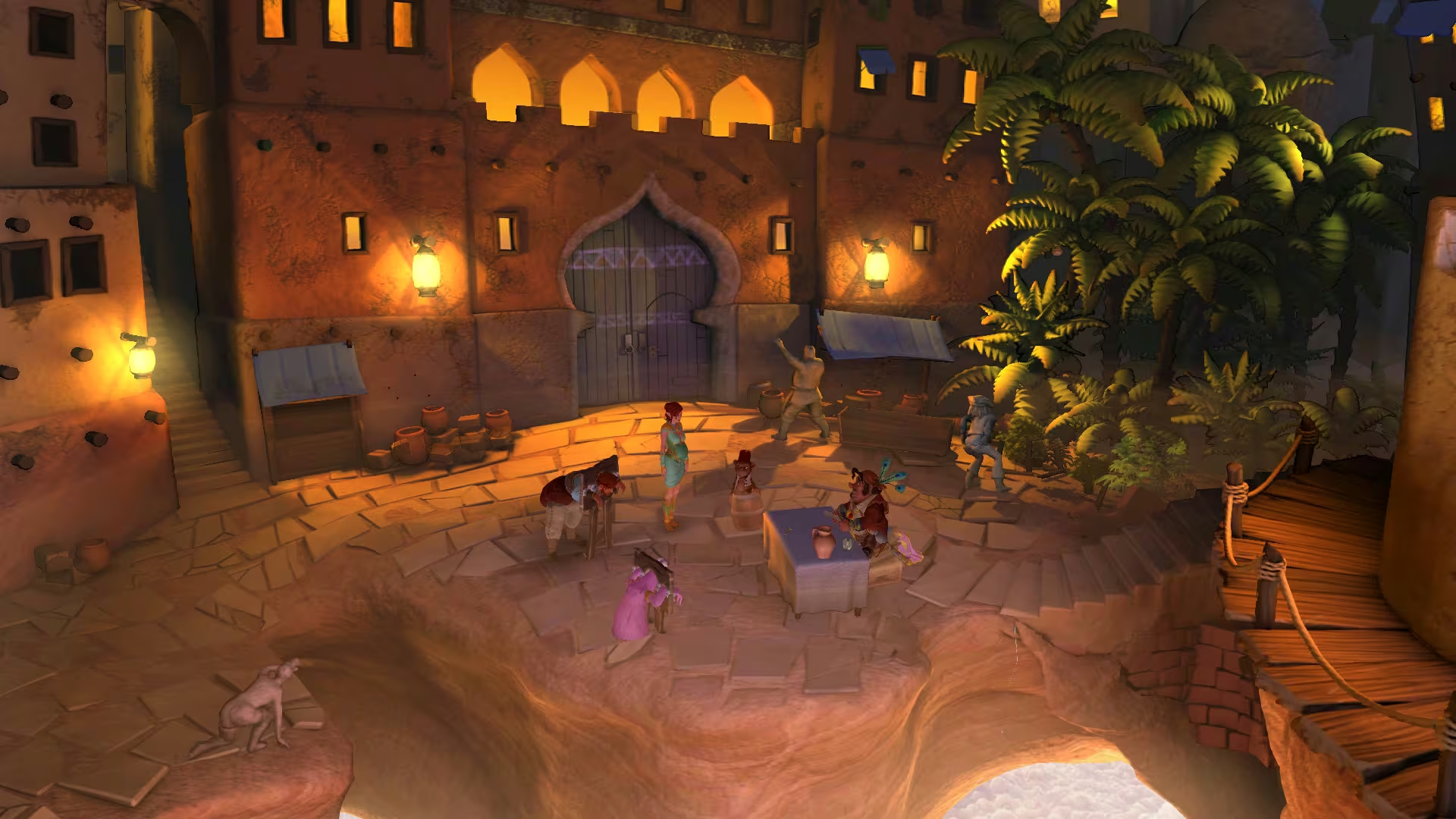
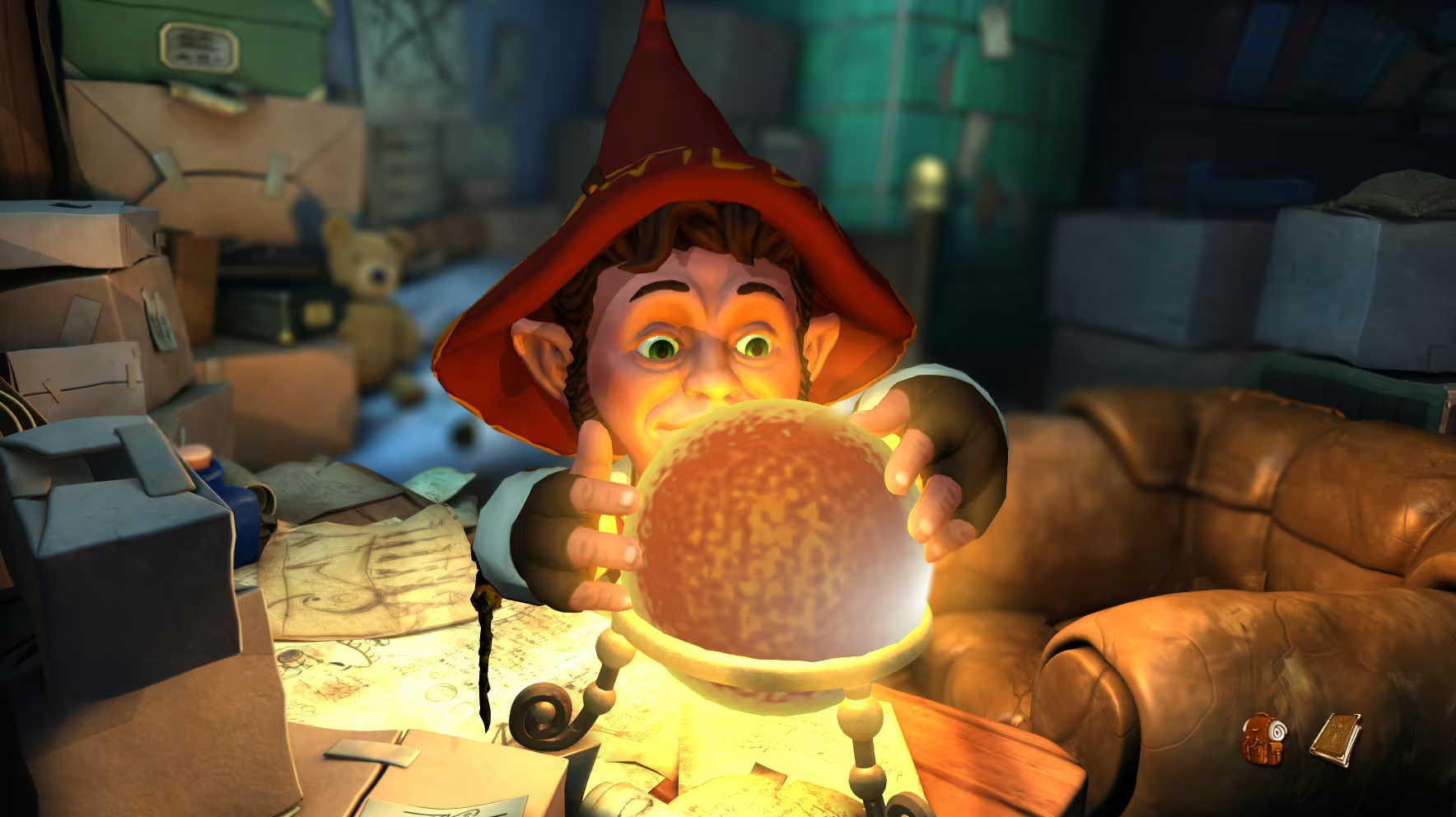
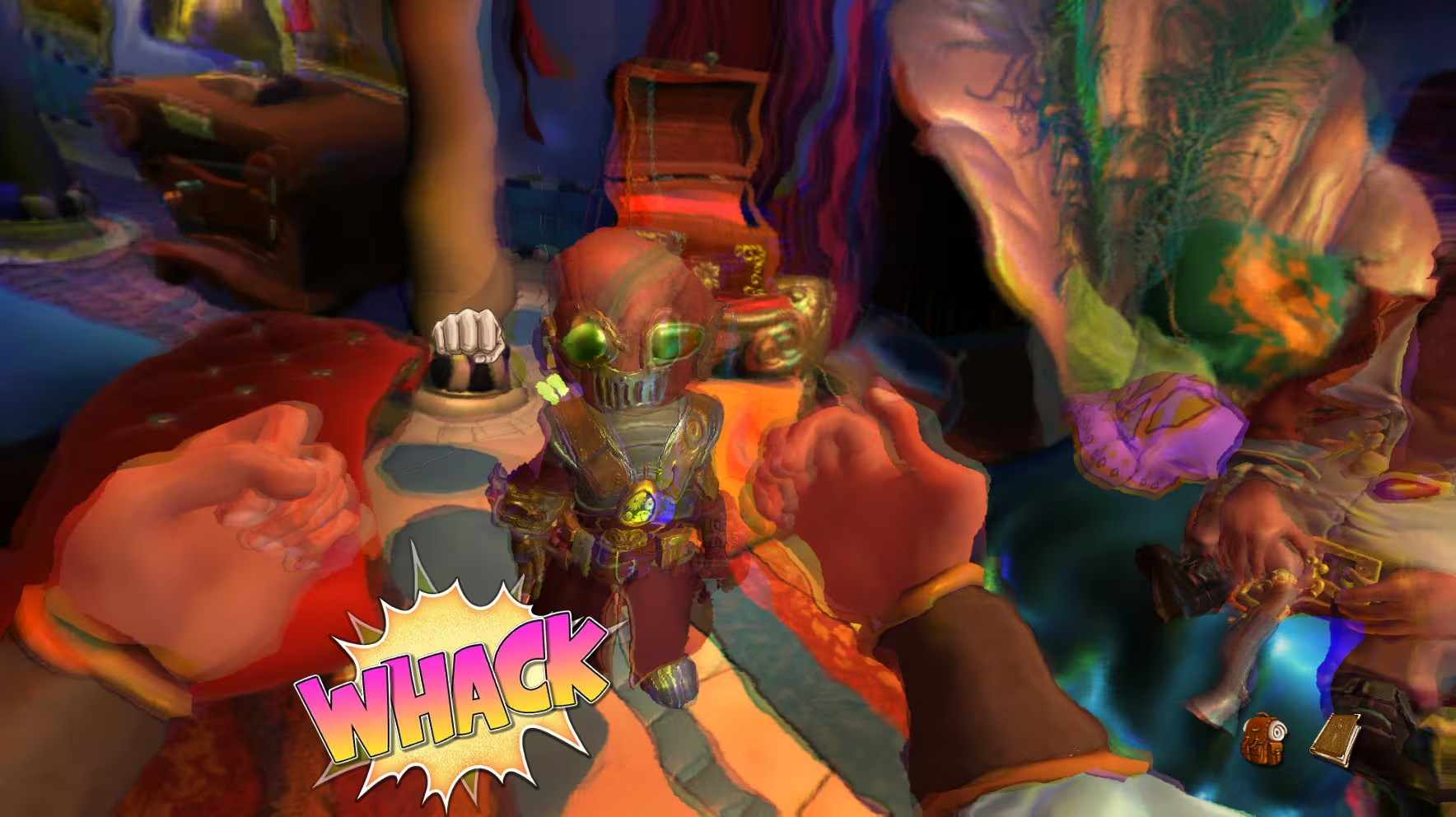
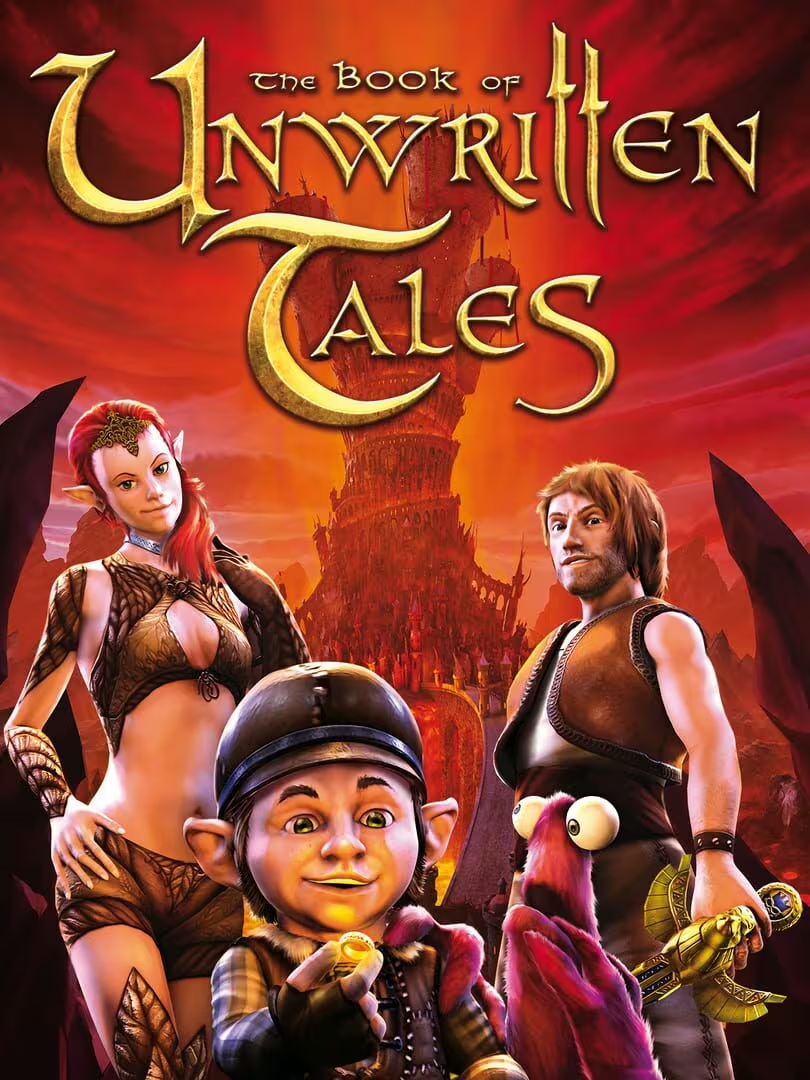
Every world needs its heroes. However unlikely they may seem. Join Wilbur, Ivo, Nate and Critter in another classic point-and-click adventure in the wicked world of Aventásia. Help them fulfill their destiny. A destiny as yet unwritten.

Global score

91/100

Genres

Adventure, Puzzle, Point-and-click

Similar games

    Pros

    • Engaging and humorous story
    • Beautiful graphics and music
    • Logical and enjoyable puzzles
    • Long playtime with rich content
    • Well-voiced characters and dialogue

    Cons

    • Some technical bugs and audio issues
    • Cliffhanger ending with unresolved plot threads
    • Slow character movement and animations
    • Limited replay value
    • Minor inventory and ui annoyances

    Analysis

    A very typical example of its motivational profile. Motivations that often define this kind of title include Survival, Violence, Fellowship, Expression. Here, the score leans higher than usual among comparable games on Expression, Continuation. It leans lower than usual among comparable games on Thrill.

    How to use the graph
    Similar games map

    Each dot is a game. They are arranged from the same motivation profile as in the “Motivations” section below. Closer dots usually mean more similar reasons to play (exploration, competition, relaxation, etc.)—not that one game is “better” than another.

    • Larger dot with a light outline: the game you are viewing.
    • Colour: groups of games with comparable motivation patterns (statistical clusters).
    • Hover a dot to see the game name; click to open its page.
    • Scroll or double-click the chart to zoom out and see more games.

    Why don’t the axes read like a score? This view uses t-SNE: it only keeps who is close to whom. The scales are not “good to bad” or hours played—they separate groups on the map. Read distance between dots, not the axis numbers.

    Motivations

    • Autonomy
      4

      "Players freely switch between multiple characters and explore various locations with open interaction points."

    • Competence
      3

      "Puzzles require logical thinking and problem solving, providing a satisfying challenge without excessive difficulty."

    • Competition
      -4

      "Focus is on solo play and personal puzzle solving without competitive elements or leaderboards."

    • Continuation
      4

      "Long playtime (15-30 hours), engaging story and humor encourage extended sessions and repeated returns."

    • Cooperation
      -3

      "Gameplay is single-player with character switching; no multiplayer or cooperative play."

    • Creativity
      3

      "Players combine items and explore environments creatively to solve puzzles and progress."

    • Domination
      -5

      "No elements of exerting control over others; gameplay is individual and narrative-driven."

    • Escapism
      4

      "Immersive fantasy world and humorous story provide strong escape from real life."

    • Expectation
      -4

      "Players engage voluntarily for enjoyment and intrinsic interest in story and puzzles."

    • Experimenting
      3

      "Encourages trying different item combinations and exploring dialogue options to solve puzzles."

    • Exploration
      4

      "Players explore multiple detailed environments and uncover story elements and easter eggs."

    • Expression
      2

      "Some character customization via costumes and sidequests, but mostly predefined presentation."

    • Fantasy
      5

      "Set in a colorful fantasy world with magical creatures, mythical references, and imaginative fiction."

    • Fellowship
      -4

      "Single-player experience with minimal social interaction or community involvement."

    • Growth
      3

      "Players develop problem-solving skills and learn story details progressively."

    • Health
      -5

      "Sedentary gameplay typical of point-and-click adventures with no physical activity."

    • Idle
      -4

      "Requires focused attention to solve puzzles and follow story; not designed for idle play."

    • Intimacy
      -4

      "Limited to character interactions within story; no real social or emotional connections with others."

    • Leadership
      -5

      "No leadership or group management elements; player controls characters individually."

    • Progression
      3

      "Progression through story advancement, puzzle completion, and item collection."

    • Relaxation
      3

      "Balanced challenge and humor create an enjoyable, low-stress flow state."

    • Sensation
      3

      "Appealing visuals, music, and voice acting provide pleasant sensory stimulation."

    • Status
      -5

      "No social status or recognition systems; gameplay is private and personal."

    • Story
      5

      "Strong narrative immersion with well-developed characters, humor, and interconnected plot."

    • Strategy
      3

      "Requires logical thinking and planning to solve puzzles and progress through story."

    • Thrill
      -3

      "Minimal suspense or risk; gameplay is calm and predictable without high tension."

    • Value
      4

      "Long playtime and rich content provide good value for price."

    • Violence
      -5

      "No focus on combat or destruction; gameplay centers on exploration and puzzle solving."

    • Survival
      -5

      "No survival elements; stable, low-risk gameplay environment."

    Last update: 29/04/2026