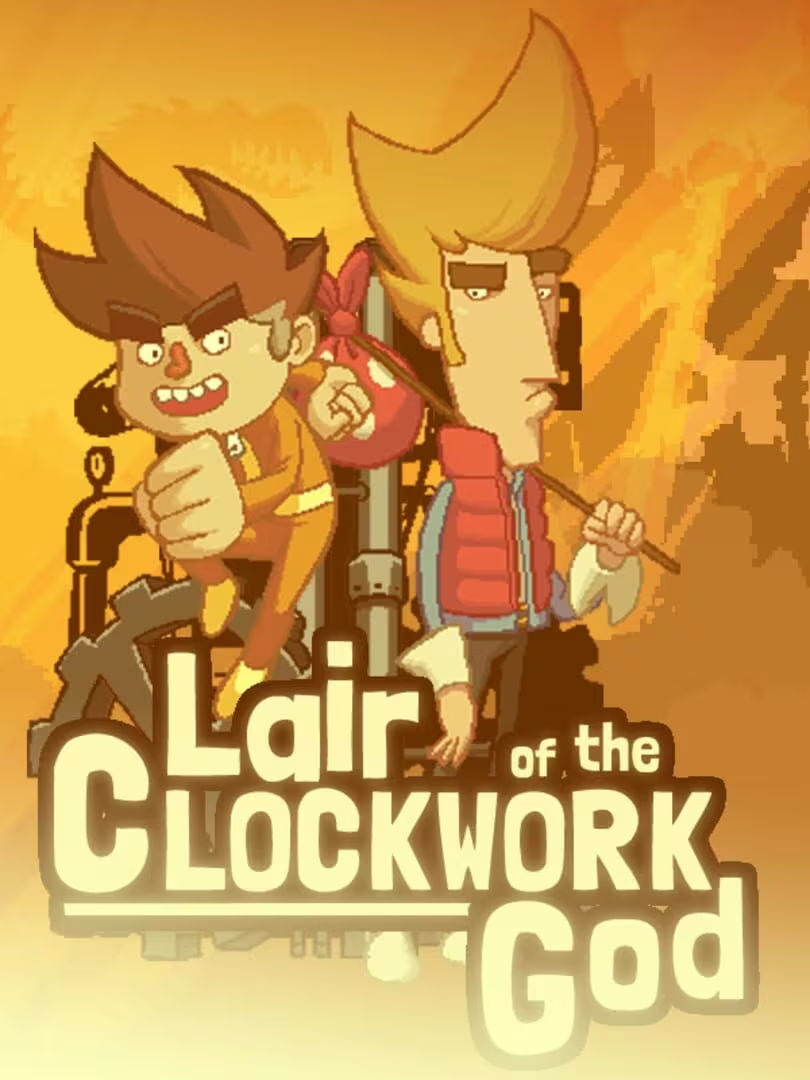
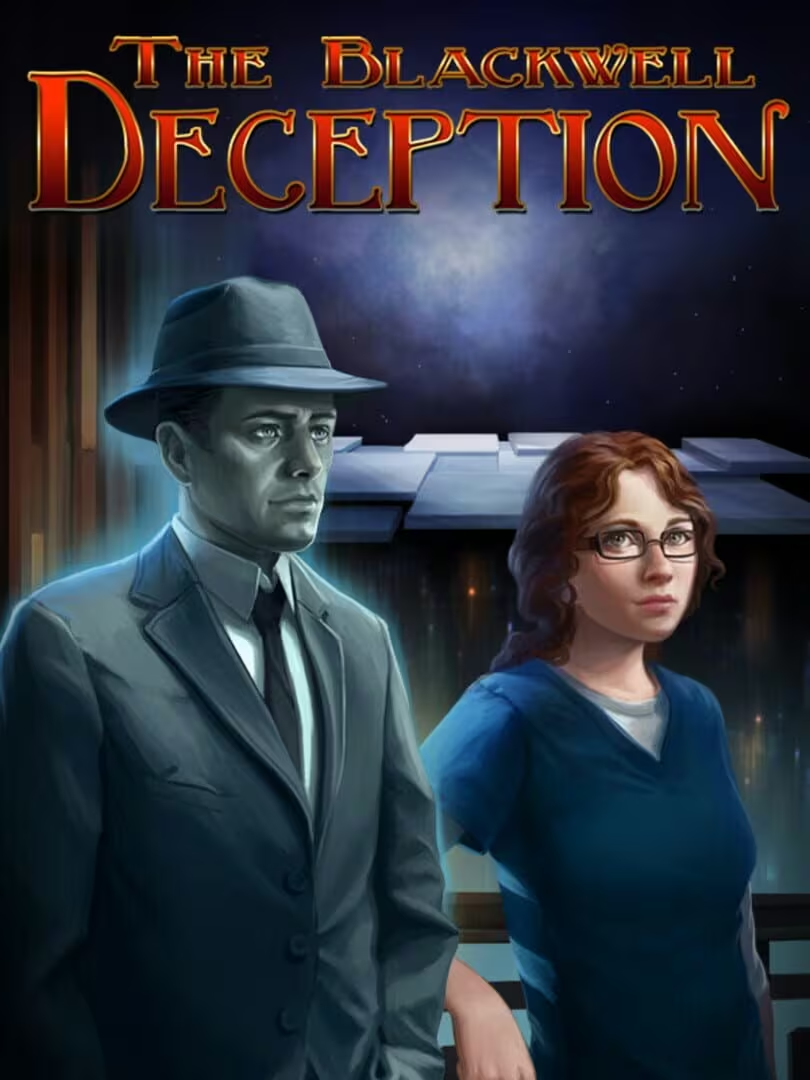
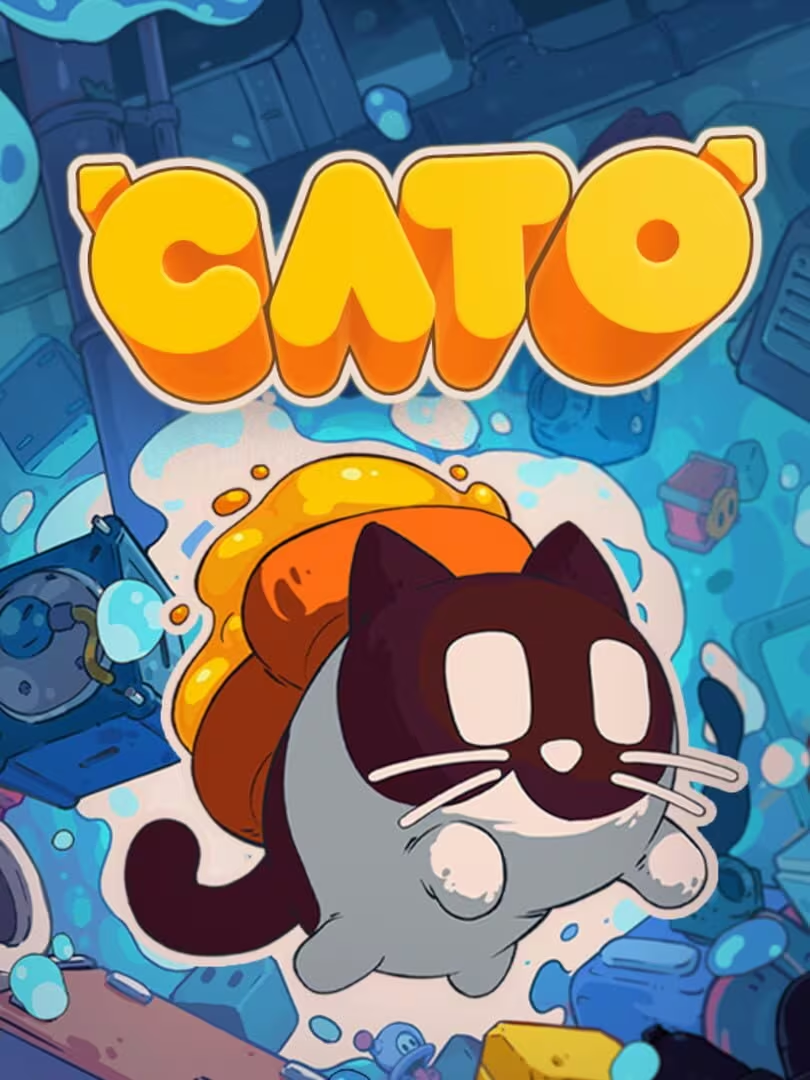
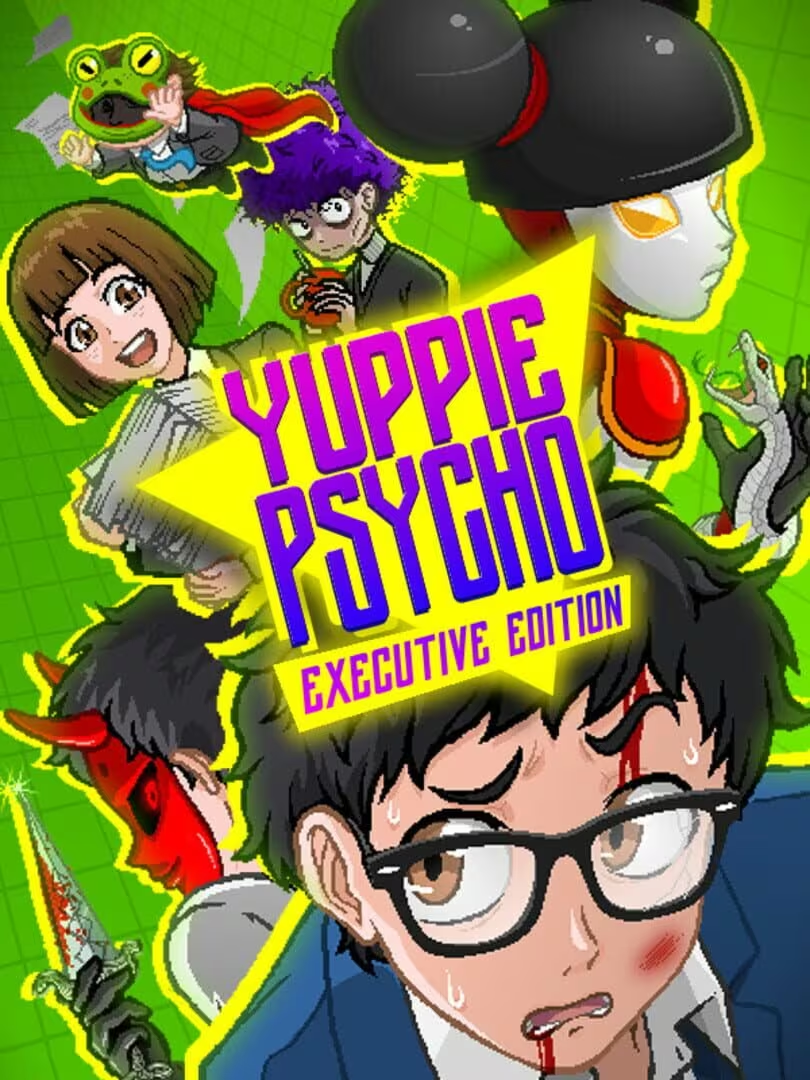
The Darkside Detective: A Fumble in the Dark Thumbnail

The Darkside Detective: A Fumble in the Dark similar games & best alternatives
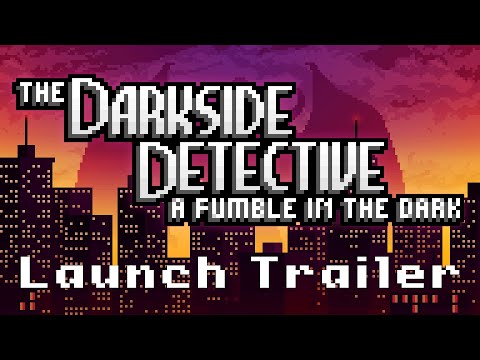
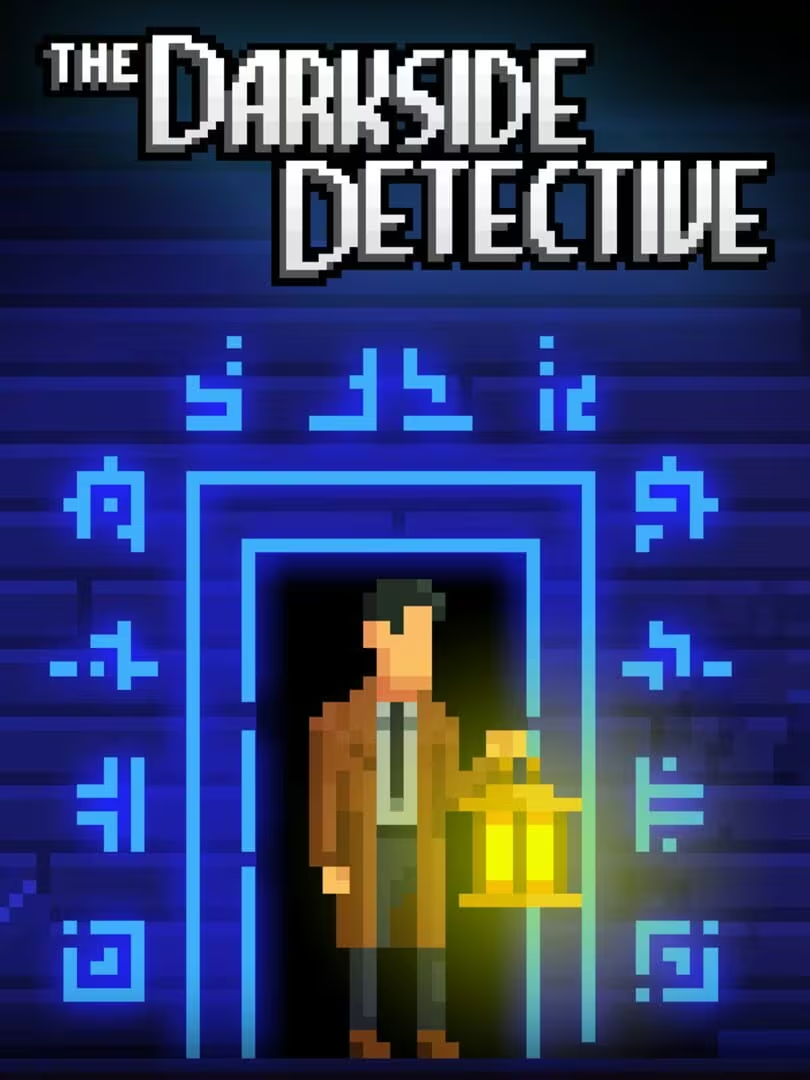
The Darkside Detective: A Fumble in the Dark

PC (Microsoft Windows), Mac, iOS, PlayStation 4, Xbox One, Android, Xbox Series X|S, Nintendo Switch, PlayStation 5, Linux • 2021

Related articles

Quick resume

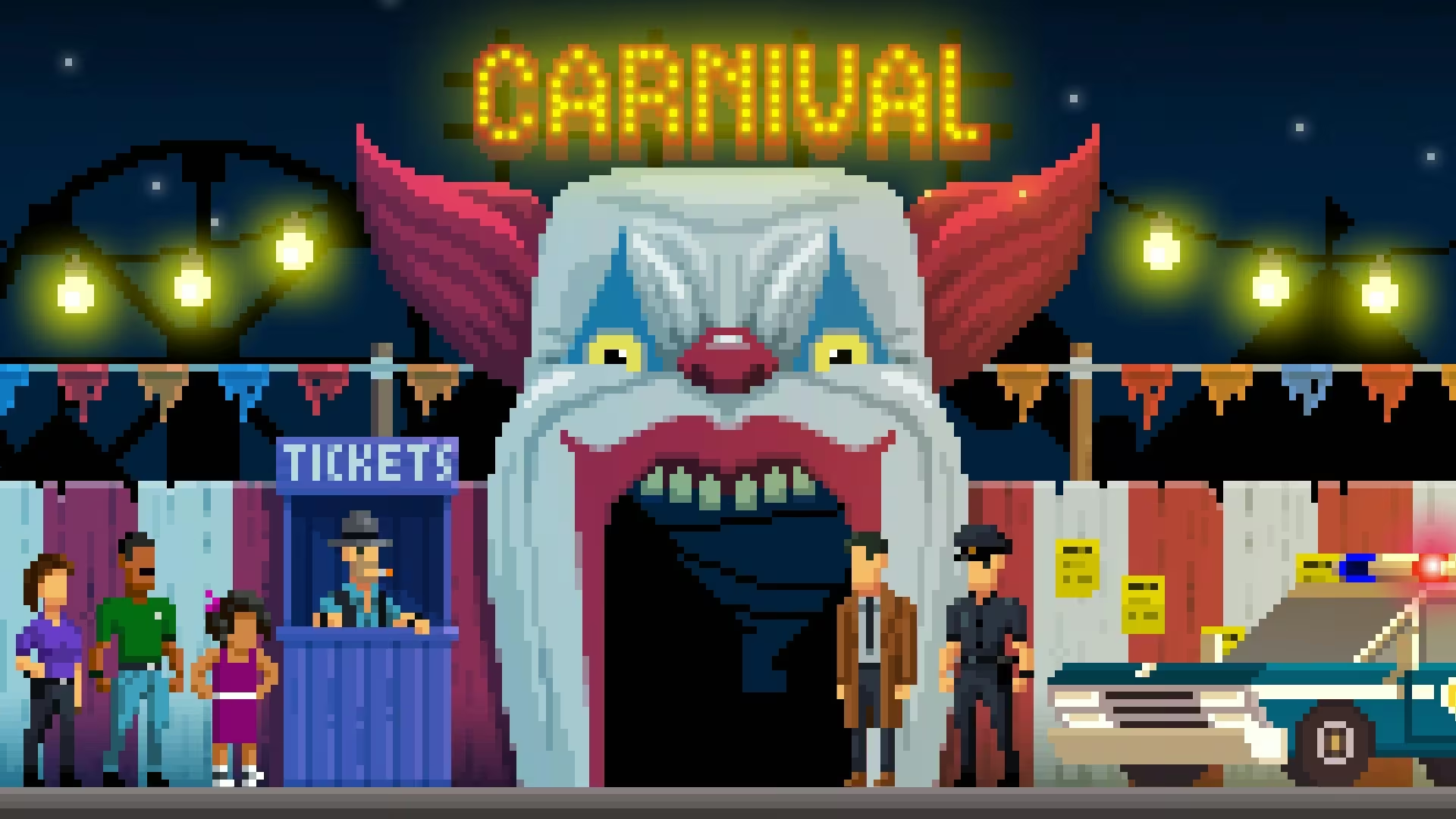
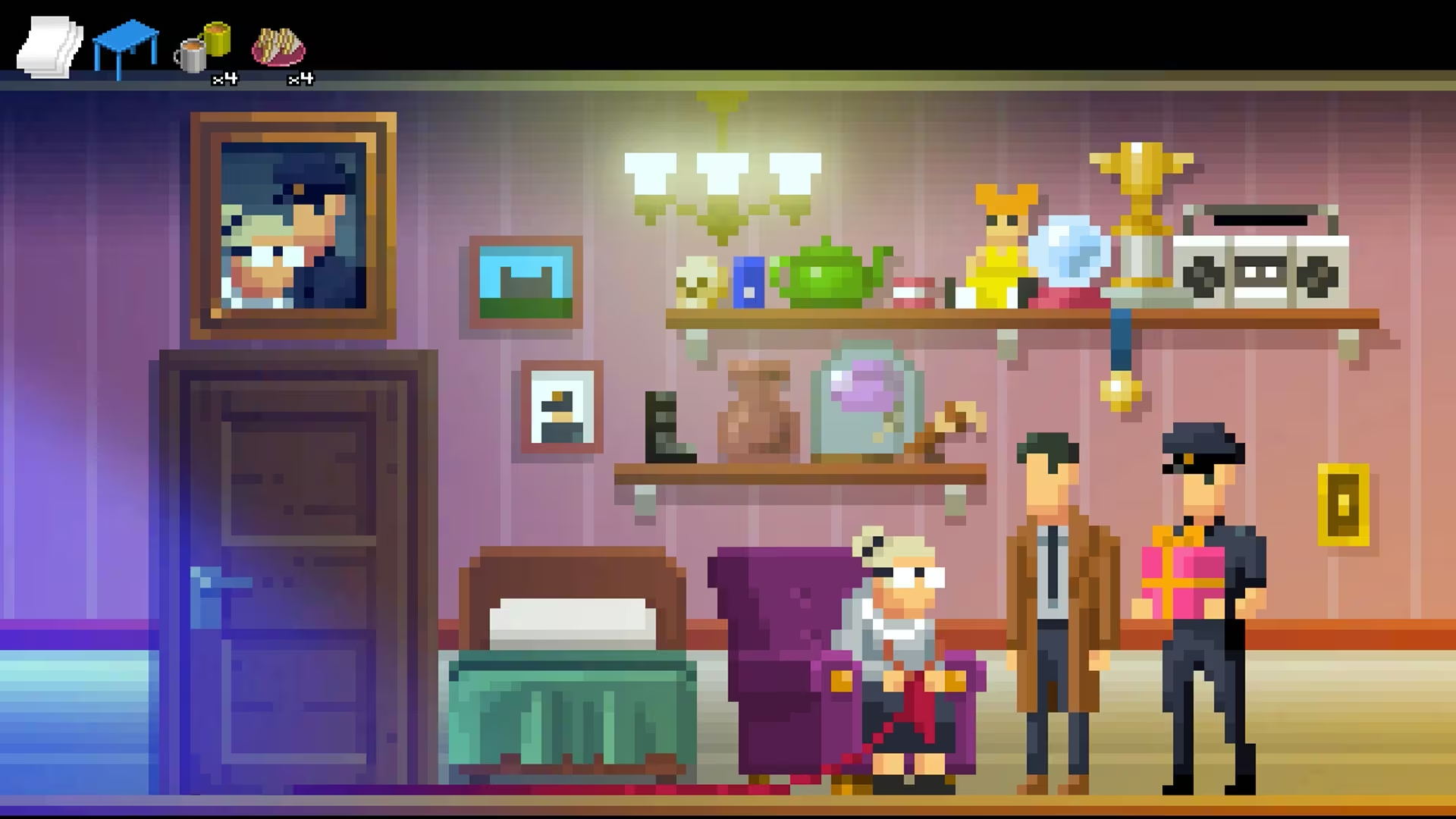
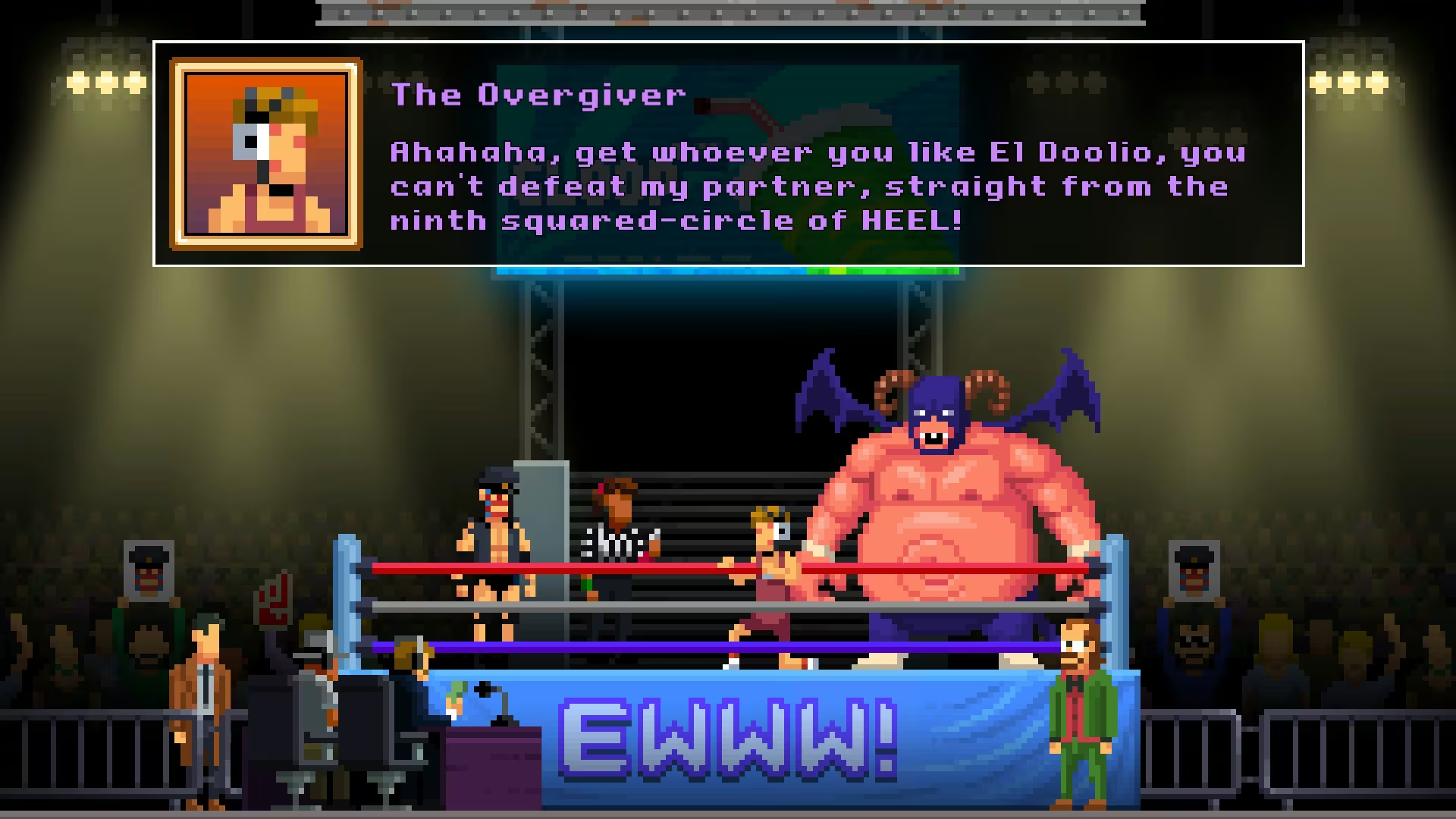
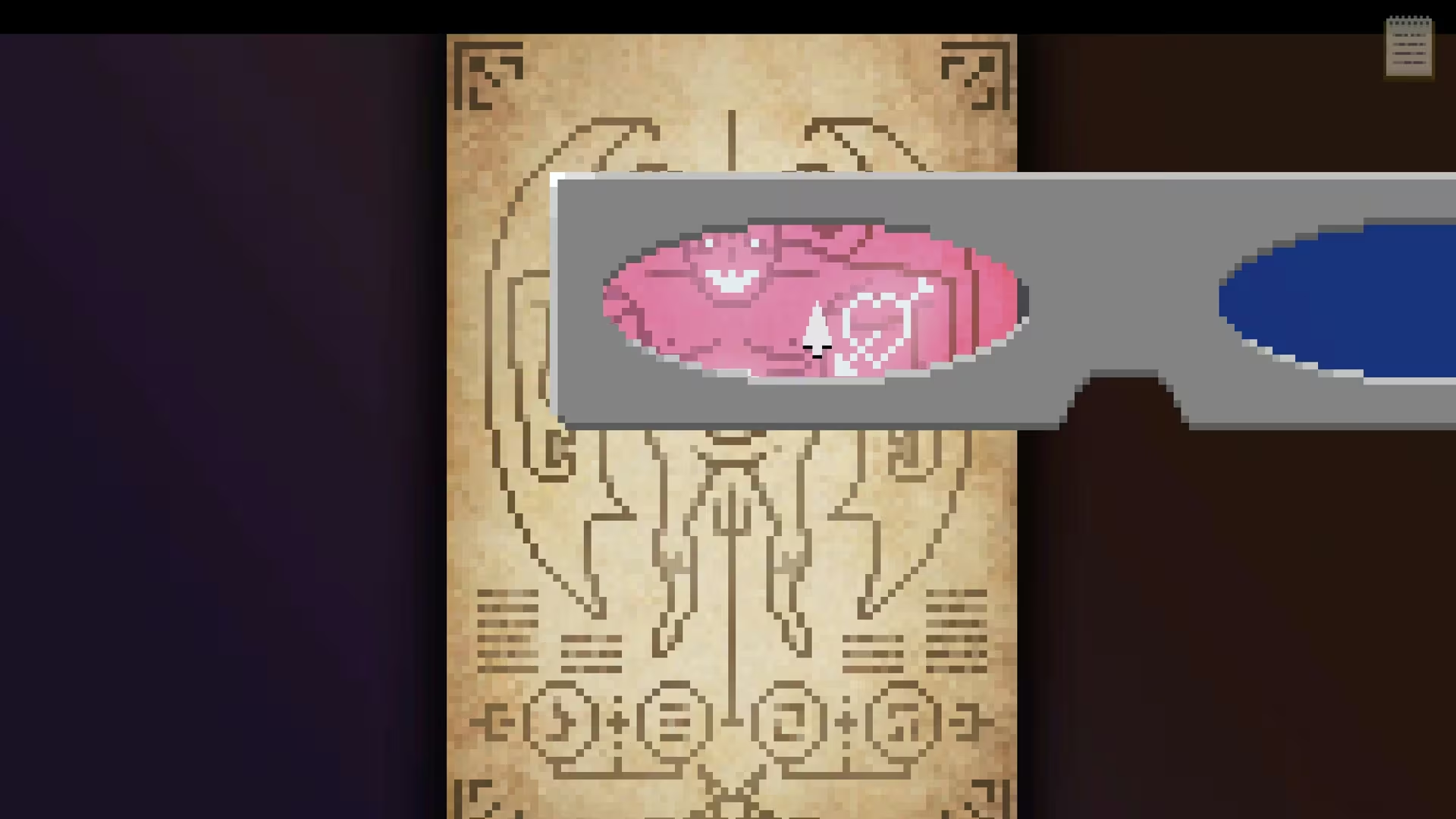
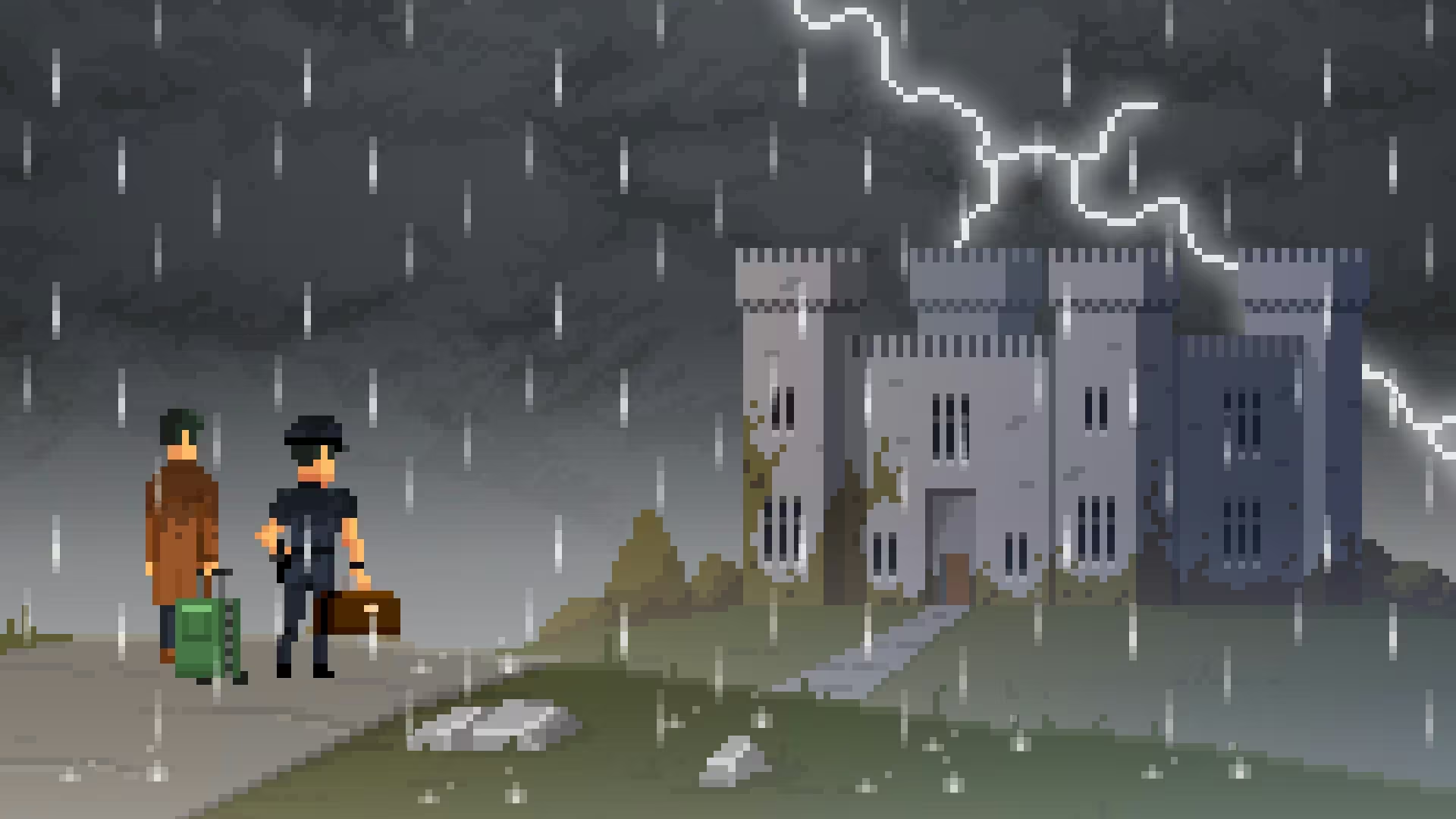
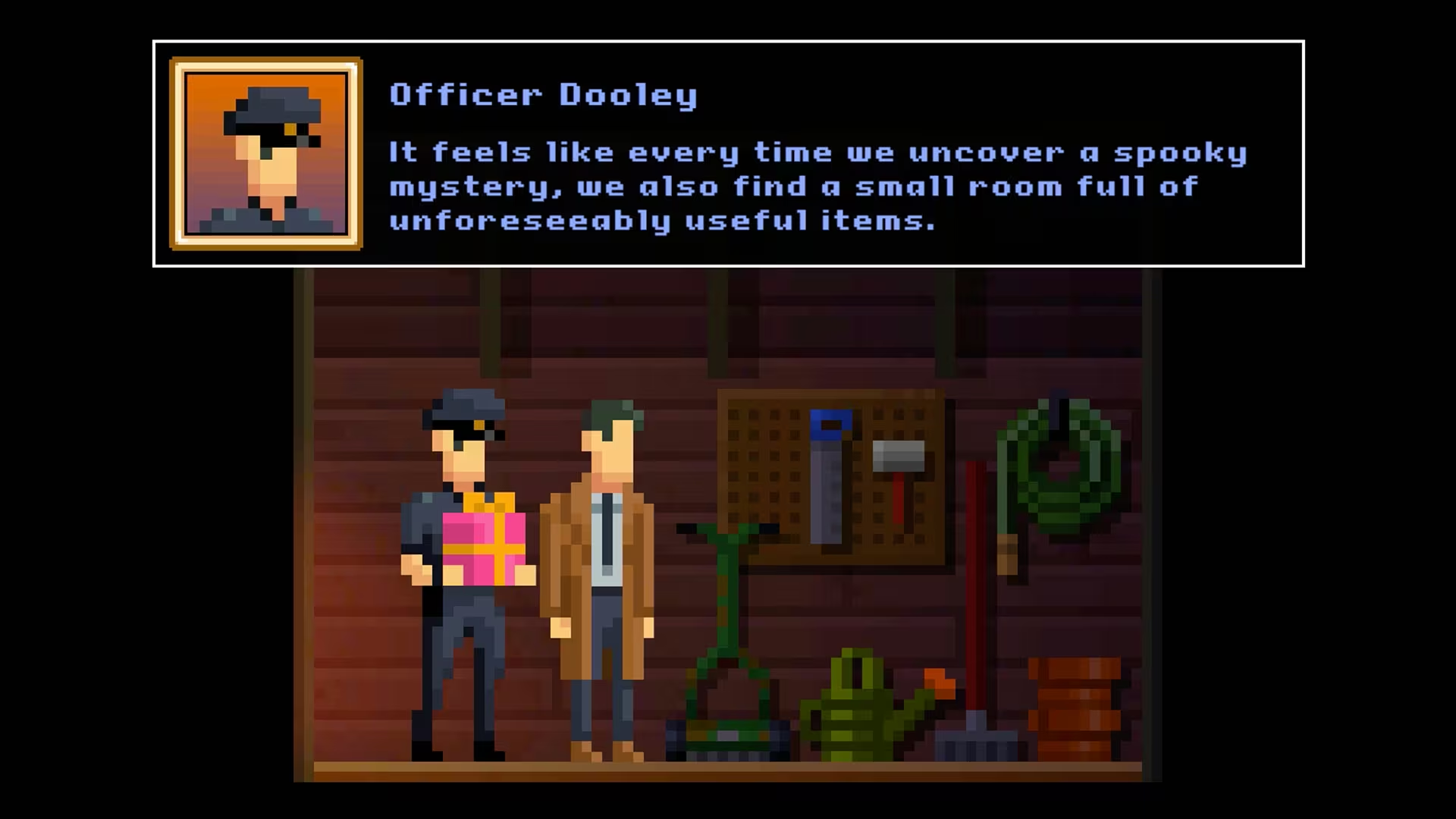
Delouse your room with sage and pack up your travel-sized ouija board, it’s time to re-enter Twin Lakes - America’s 34th most haunted city. Join Detective McQueen as he puzzles his way through 9 chilling cases, risking life and pixelated limb to solve the macabre mysteries that plague the poor town.

Global score

96/100

Genres

Adventure, Casual, Indie, Point-and-click, Puzzle

Similar games

    Pros

    • Humorous and witty writing
    • Engaging puzzles with moderate challenge
    • Charming pixel art and soundtrack
    • Strong character development and story
    • Replayability with bonus cases and achievements

    Cons

    • Some puzzles rely on moon logic or obscure solutions
    • Lack of voice acting and environmental sounds
    • No hint system for stuck players
    • Dialogue can be lengthy and disrupt flow
    • Some players find humor hit or miss

    Analysis

    A very typical example of its motivational profile. Motivations that often define this kind of title include Survival, Violence, Fellowship, Expression. Here, the score leans higher than usual among comparable games on Continuation, Thrill. It leans lower than usual among comparable games on Expression.

    How to use the graph
    Similar games map

    Each dot is a game. They are arranged from the same motivation profile as in the “Motivations” section below. Closer dots usually mean more similar reasons to play (exploration, competition, relaxation, etc.)—not that one game is “better” than another.

    • Larger dot with a light outline: the game you are viewing.
    • Colour: groups of games with comparable motivation patterns (statistical clusters).
    • Hover a dot to see the game name; click to open its page.
    • Scroll or double-click the chart to zoom out and see more games.

    Why don’t the axes read like a score? This view uses t-SNE: it only keeps who is close to whom. The scales are not “good to bad” or hours played—they separate groups on the map. Read distance between dots, not the axis numbers.

    Motivations

    • Autonomy
      4

      "Players freely explore environments, choose dialogue options, and solve puzzles with some degree of personal decision-making."

    • Competence
      3

      "Puzzles offer moderate challenge with logical and moon logic elements, providing a satisfying sense of skill and problem-solving."

    • Competition
      -4

      "Focus is on solo puzzle solving and story progression without competitive or ranked elements."

    • Continuation
      4

      "Players report long playtimes, replaying cases, and anticipation for future installments, indicating strong attachment."

    • Cooperation
      -5

      "Game is a single-player point-and-click adventure with no multiplayer or cooperative gameplay."

    • Creativity
      3

      "Players combine items and explore different solutions, with some freedom in puzzle approaches and discovery."

    • Domination
      -5

      "No evidence of exerting control over others; interactions are narrative and puzzle-focused."

    • Escapism
      4

      "Players use the game as a humorous, lighthearted escape with engaging stories and characters."

    • Expectation
      -4

      "Players engage voluntarily for enjoyment and humor, not out of obligation or pressure."

    • Experimenting
      2

      "Encourages trying different item combinations and dialogue options to solve puzzles and uncover jokes."

    • Exploration
      3

      "Players explore multiple locations and revisit areas to find hidden items and dialogue."

    • Expression
      -4

      "Limited character customization; players interact with predefined characters and environments."

    • Fantasy
      4

      "Game features supernatural themes, paranormal investigations, and imaginative storytelling."

    • Fellowship
      -4

      "Primarily a solo experience with minimal social interaction or community engagement."

    • Growth
      3

      "Players develop puzzle-solving skills and learn game lore through exploration and dialogue."

    • Health
      -5

      "Sedentary gameplay typical of point-and-click adventures with no physical activity."

    • Idle
      -4

      "Requires focused attention to solve puzzles and progress; not designed for background play."

    • Intimacy
      -3

      "Some emotional connection to characters and story, but limited social or relational depth."

    • Leadership
      -5

      "No leadership or group management elements present."

    • Progression
      3

      "Players progress through cases, unlock achievements, and collect story-related items."

    • Relaxation
      3

      "Generally relaxing gameplay with humor and moderate puzzle challenge, though some tension in puzzles."

    • Sensation
      2

      "Enjoyable pixel art and music provide sensory pleasure, though not intense stimulation."

    • Status
      -4

      "No social status or recognition systems; focus is on personal enjoyment."

    • Story
      4

      "Strong narrative focus with character development, humor, and episodic cases."

    • Strategy
      2

      "Requires logical thinking and puzzle-solving strategies, though not deeply complex."

    • Thrill
      1

      "Some suspenseful moments but overall lighthearted tone limits intense thrill."

    • Value
      4

      "Players perceive good value from humor, length, and replayability."

    • Violence
      -4

      "Minimal violence; focus on investigation and puzzle solving rather than combat."

    • Survival
      -4

      "No survival mechanics or threat of failure; safe exploration environment."

    Last update: 29/04/2026