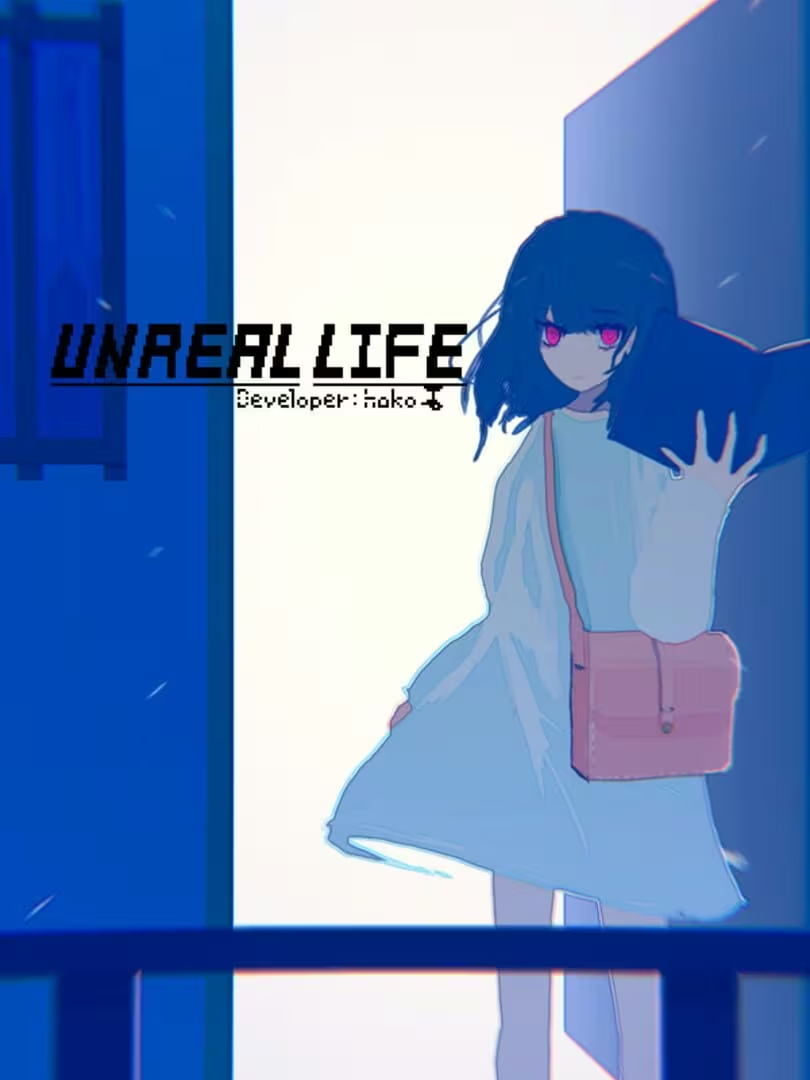
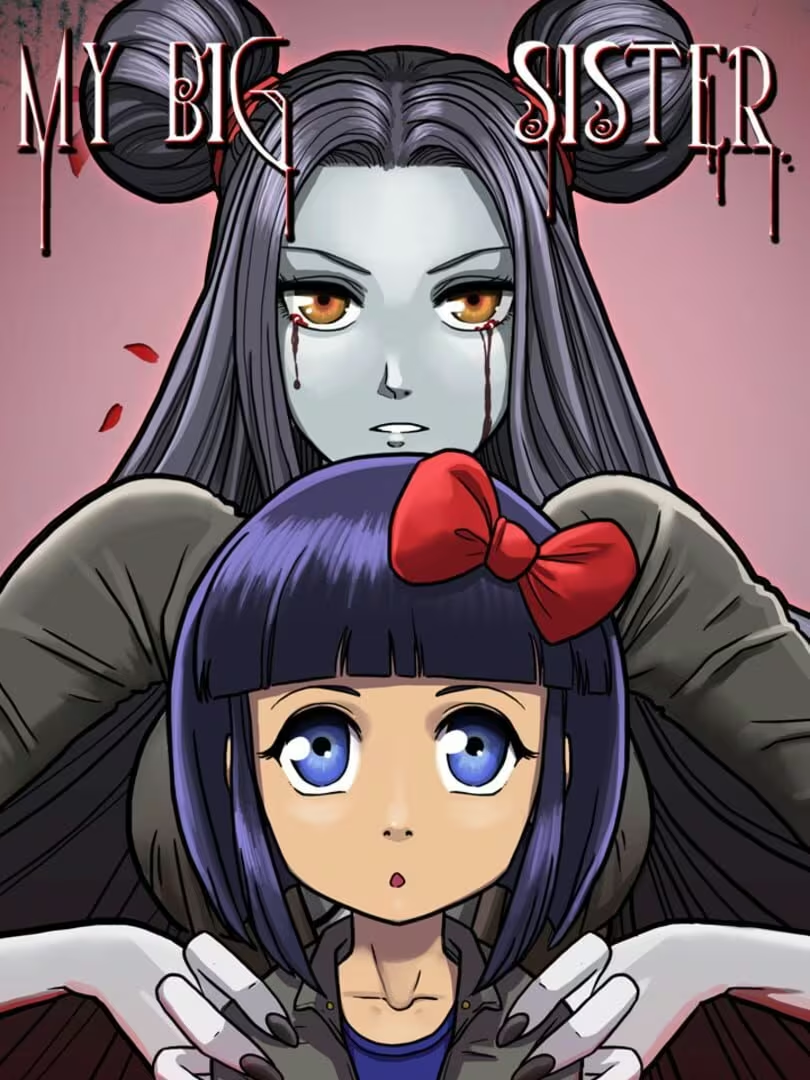
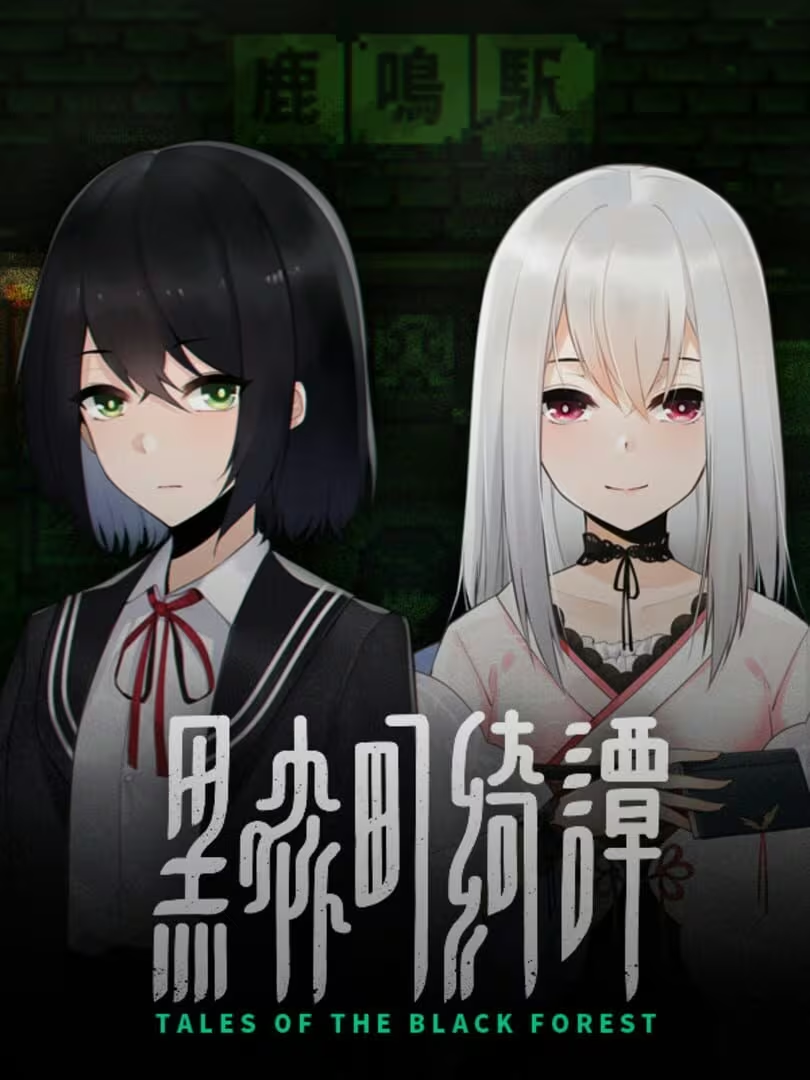
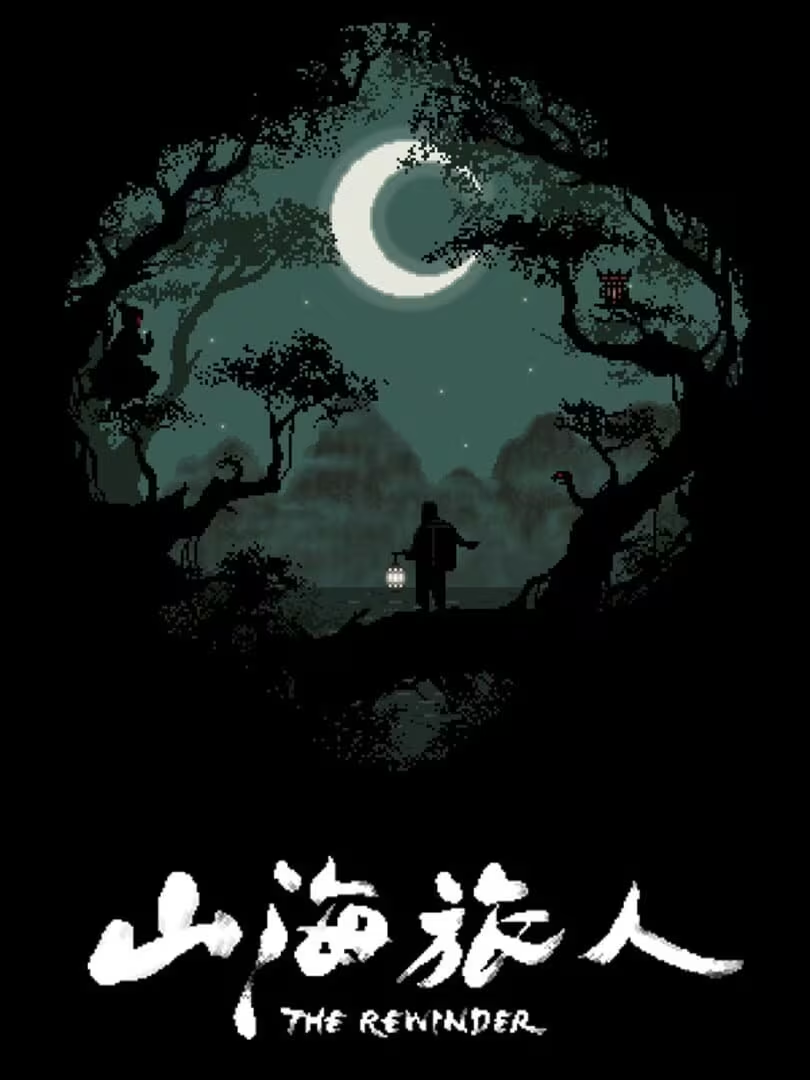
The Last Door: Season 2 - Collector's Edition similar games & best alternatives
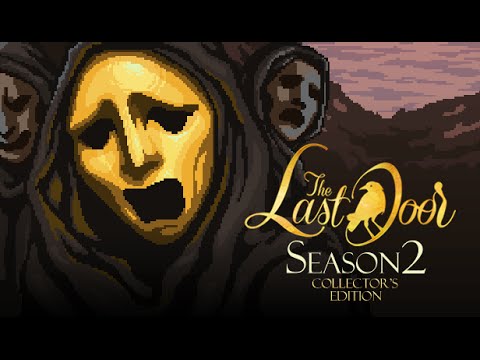
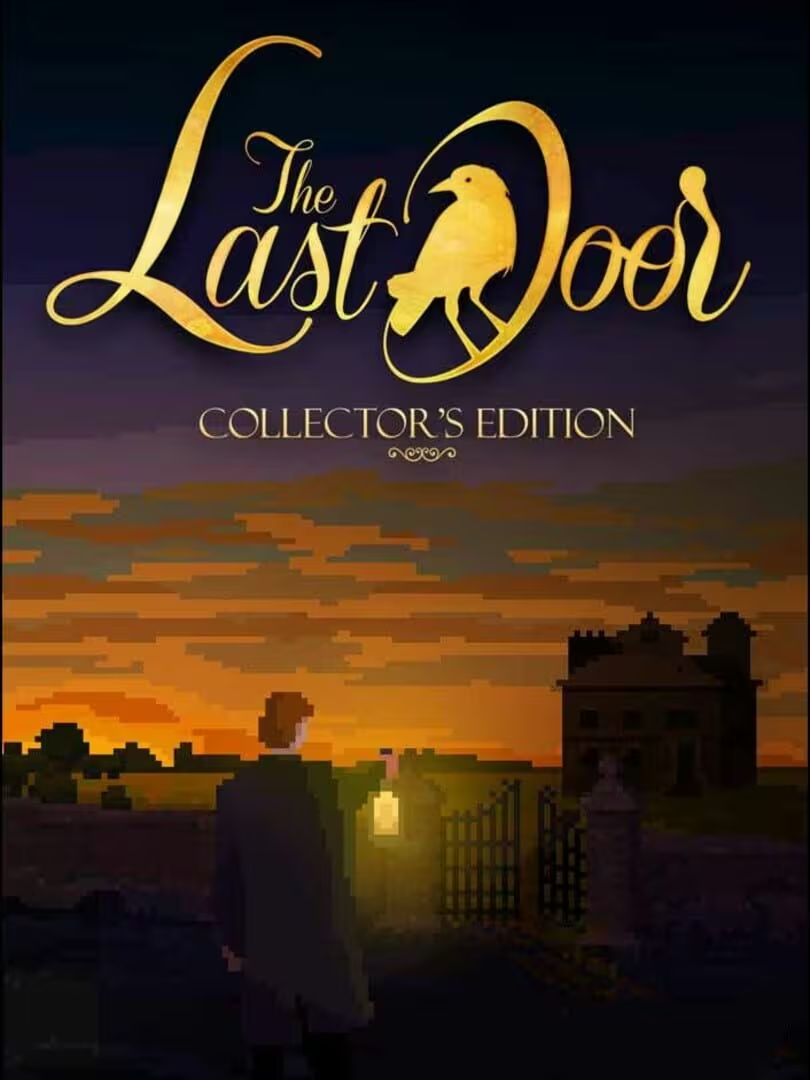
The Last Door: Season 2 - Collector's Edition
2016
Related articles
Quick resume
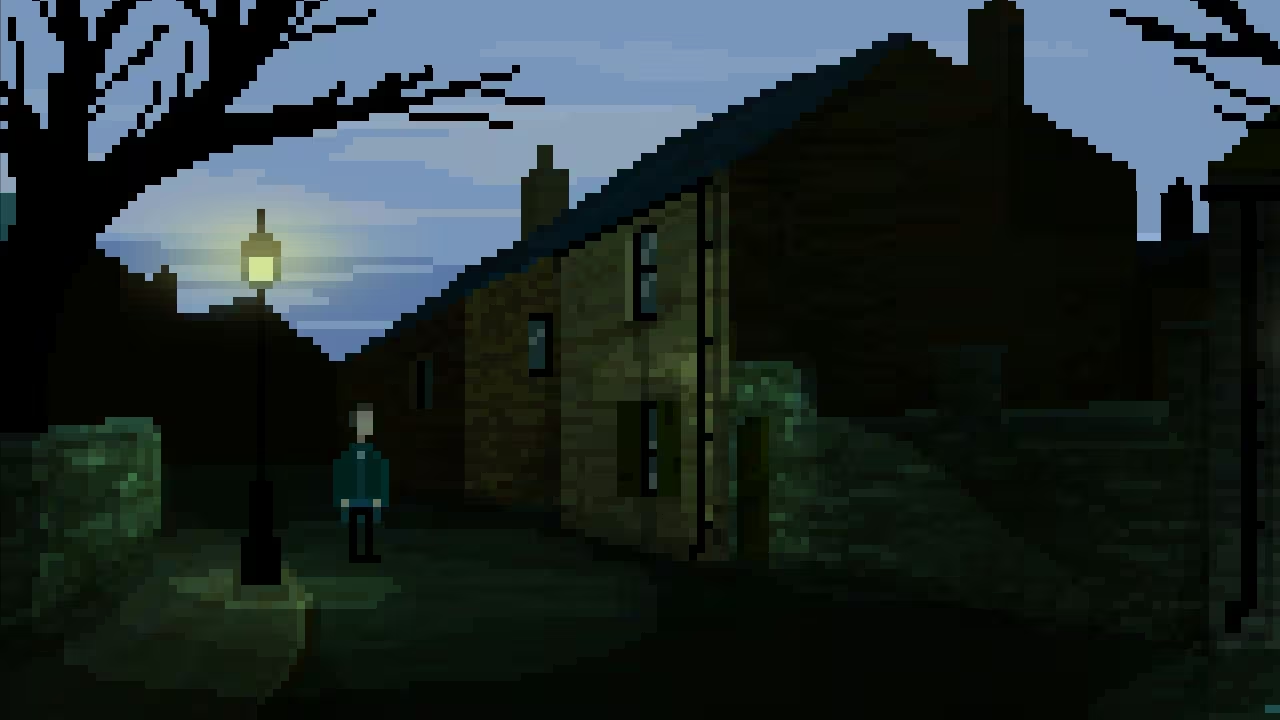
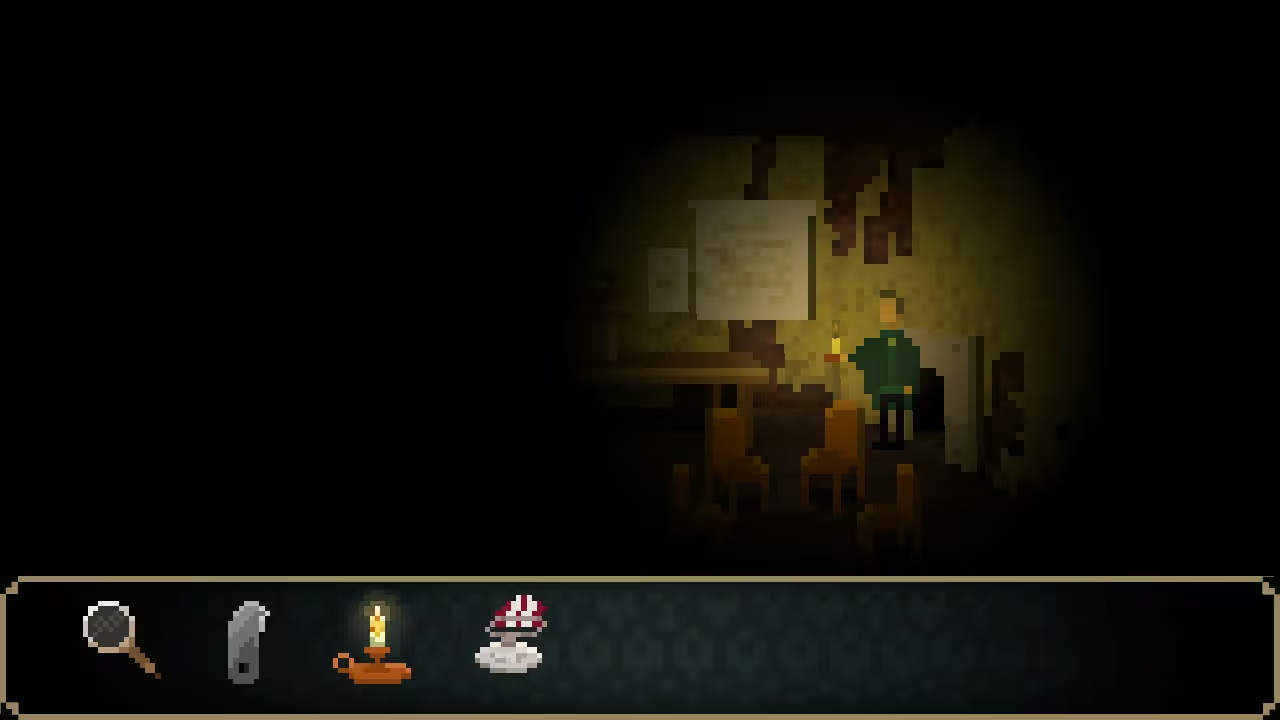
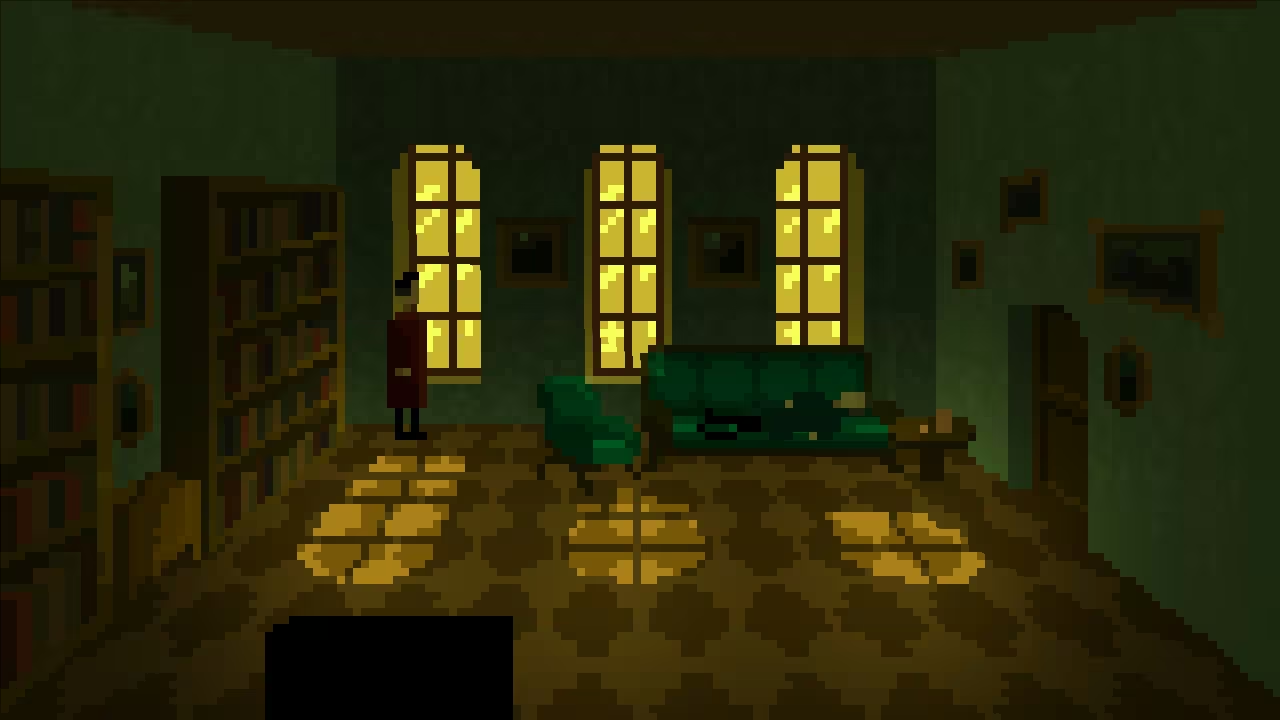
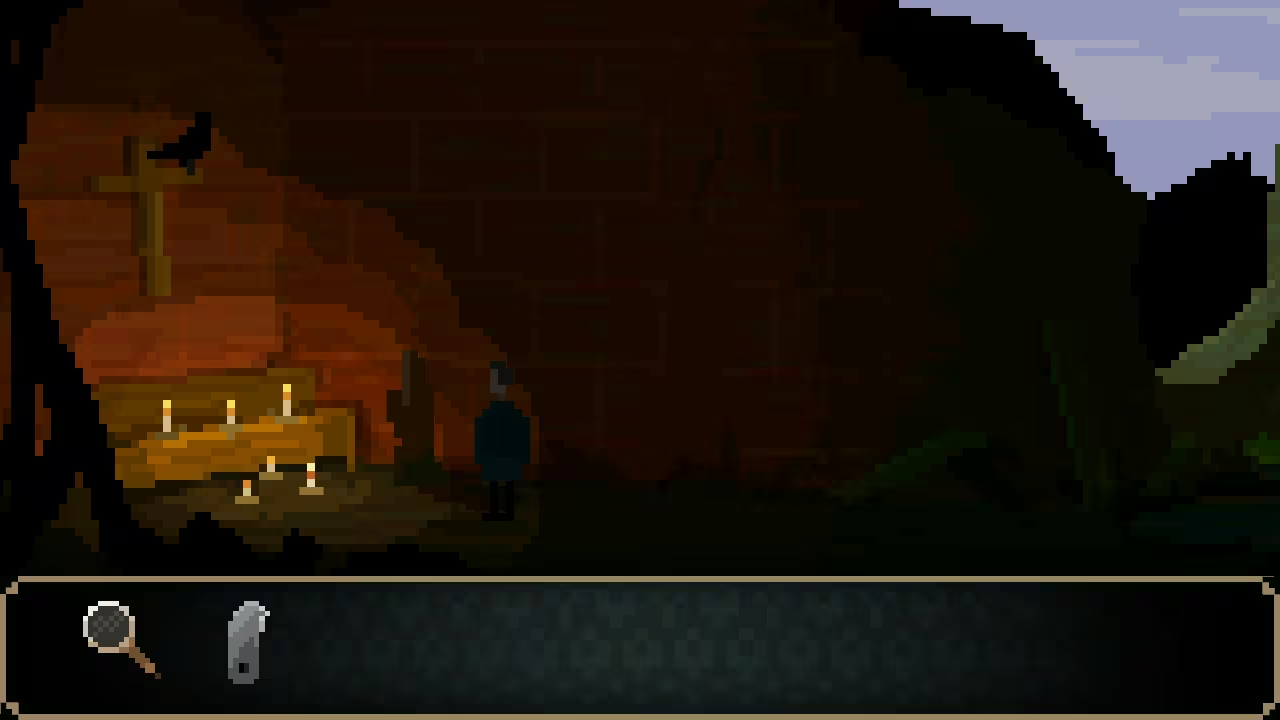
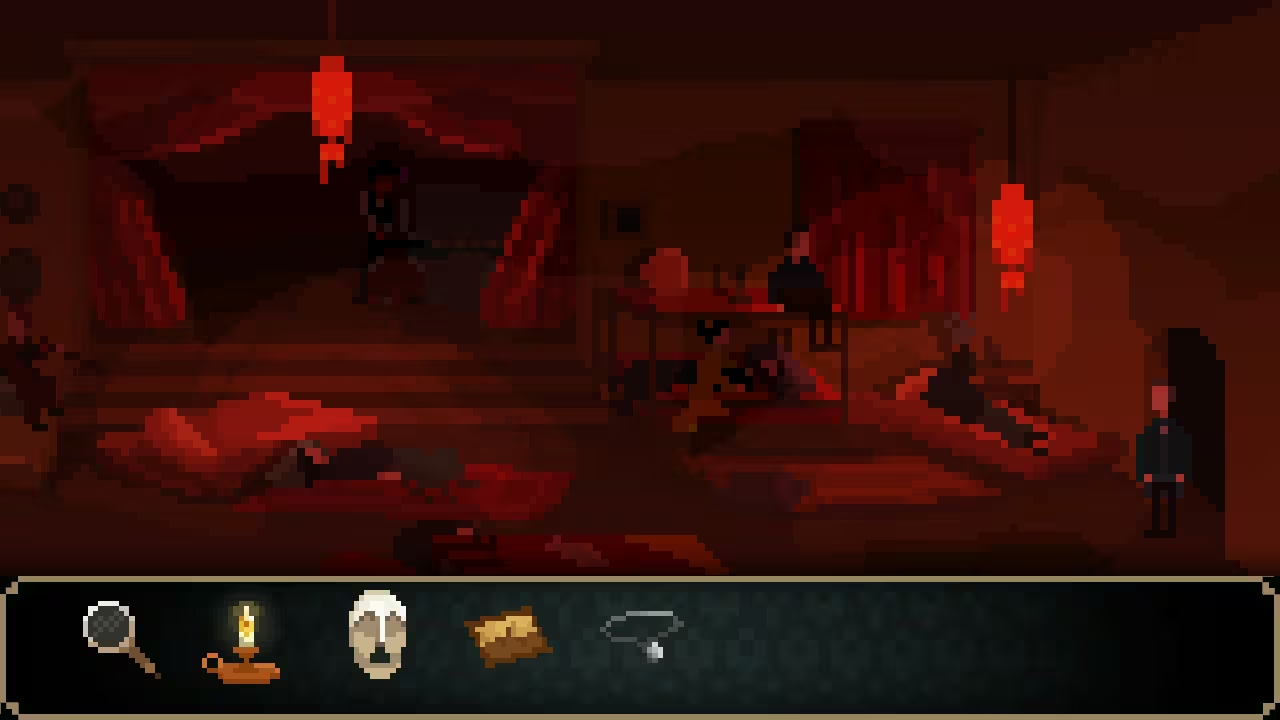
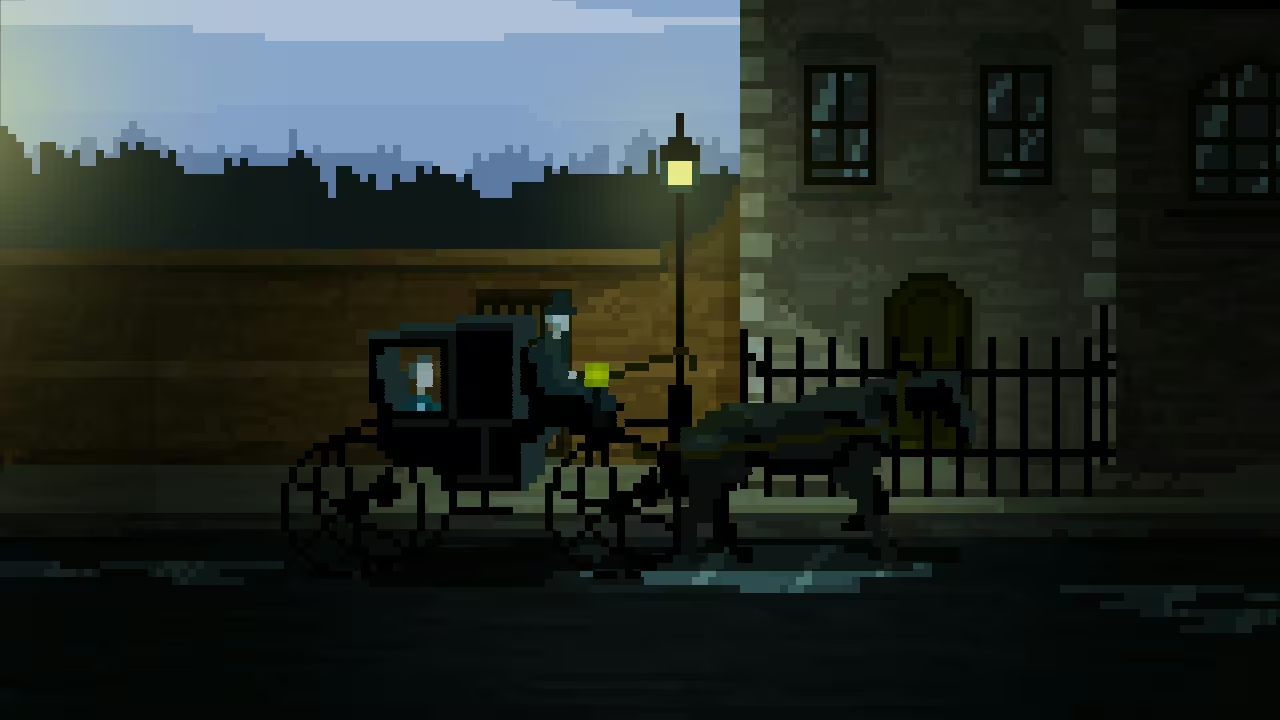
In Season 2 of The Last Door, the search for his missing client will bring psychiatrist John Wakefield deeper into a conspiracy of darkness and closer to the heart of madness than ever before.
Global score
94/100
Genres
Adventure
Similar games
Pros
- Engaging lovecraftian story and atmosphere
- Excellent soundtrack and sound design
- Improved visuals and animation over season 1
- Logical and accessible puzzles
- Non-linear exploration with world map
Cons
- Pixel art graphics may not appeal to all
- Some puzzles can be obscure or require walkthrough
- Story can be confusing or fragmented
- Lack of voice acting
- No multiplayer or social features
Analysis
A very typical example of its motivational profile. Motivations that often define this kind of title include Survival, Violence, Fellowship, Expression. Here, the score leans higher than usual among comparable games on Thrill, Story. It leans lower than usual among comparable games on Expression.
How to use the graph
Similar games map
Each dot is a game. They are arranged from the same motivation profile as in the “Motivations” section below. Closer dots usually mean more similar reasons to play (exploration, competition, relaxation, etc.)—not that one game is “better” than another.
- Larger dot with a light outline: the game you are viewing.
- Colour: groups of games with comparable motivation patterns (statistical clusters).
- Hover a dot to see the game name; click to open its page.
- Scroll or double-click the chart to zoom out and see more games.
Why don’t the axes read like a score? This view uses t-SNE: it only keeps who is close to whom. The scales are not “good to bad” or hours played—they separate groups on the map. Read distance between dots, not the axis numbers.
Motivations
-
Autonomy3
"Players can explore multiple locations with some non-linear travel via a world map, allowing some freedom in exploration and puzzle solving."
-
Competence2
"Puzzles are generally easy and logical, suitable for newcomers, with some slight increase in difficulty over Season 1 but still not very challenging."
-
Competition-5
"No competitive elements; the game is a single-player story-driven experience without player comparison or leaderboards."
-
Continuation3
"Players tend to engage in multiple episodes and replay for achievements and secrets, indicating some habitual play and attachment."
-
Cooperation-5
"Entirely single-player with no multiplayer or cooperative gameplay elements."
-
Creativity2
"Players engage in puzzle solving and exploration with some creative use of items and environment, but within predefined story and structure."
-
Domination-5
"No elements of exerting control or superiority over others; interactions are narrative and solitary."
-
Escapism4
"Strong immersion in a dark, Lovecraftian horror world provides escape from reality and engrossing atmosphere."
-
Expectation-4
"Players engage voluntarily out of personal interest and intrinsic motivation to experience the story and atmosphere."
-
Experimenting1
"Some exploration and puzzle experimentation possible, but mostly following established narrative and puzzle patterns."
-
Exploration3
"Players explore multiple locations and use a world map to discover new areas, enhancing variety and exploration."
-
Expression-5
"No character customization or avatar personalization; presentation is fixed and standardized."
-
Fantasy4
"Strongly rooted in Lovecraftian and gothic horror fiction with supernatural and surreal elements."
-
Fellowship-5
"Single-player experience with minimal social interaction or community involvement."
-
Growth2
"Players develop problem-solving skills and understanding of story mysteries, though puzzles are not highly challenging."
-
Health-5
"Sedentary gameplay typical of point-and-click adventure games with no physical activity."
-
Idle-3
"Requires focused attention to progress through puzzles and story; not designed for casual or background play."
-
Intimacy-4
"Limited to narrative character interactions without forming close social relationships or emotional sharing."
-
Leadership-5
"No leadership or group management roles; entirely single-player narrative experience."
-
Progression2
"Players collect items and unlock new locations to advance the story, showing incremental progression."
-
Relaxation3
"Atmosphere and pacing provide a balance of tension and flow, with moments of calm and suspense."
-
Sensation3
"Sound design and music create strong emotional and sensory engagement, enhancing horror atmosphere."
-
Status-5
"No social recognition or status elements; achievements are personal and not publicly ranked."
-
Story5
"Strong narrative immersion with complex story, multiple endings, and deep Lovecraftian lore."
-
Strategy1
"Some puzzle solving and logical thinking required, but mostly straightforward and linear progression."
-
Thrill3
"Creates suspense and moments of tension through atmosphere and story twists, though not constant high thrill."
-
Value4
"Players perceive good value from story, atmosphere, and gameplay length, especially when bundled with Season 1."
-
Violence-3
"Minimal direct violence; focus is on exploration and puzzle solving rather than combat or destruction."
-
Survival-4
"No survival mechanics or threat avoidance; stable conditions with narrative focus."
Last update: 29/04/2026