The Rise of the Golden Idol Thumbnail

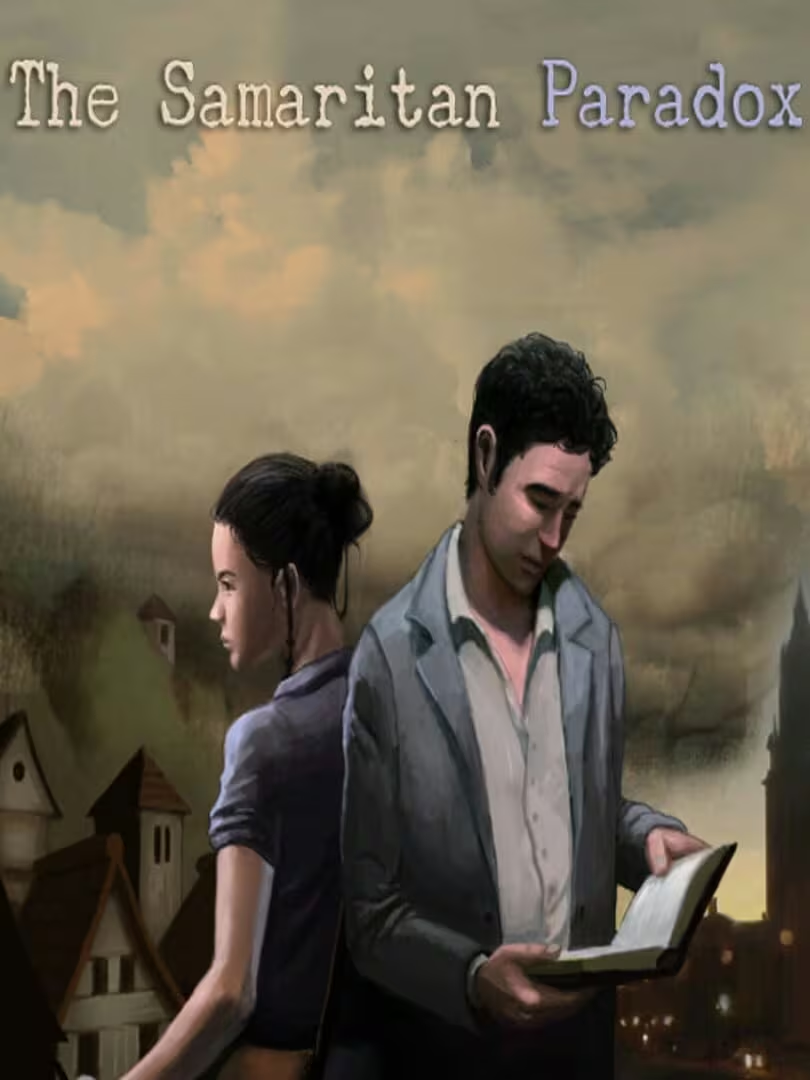
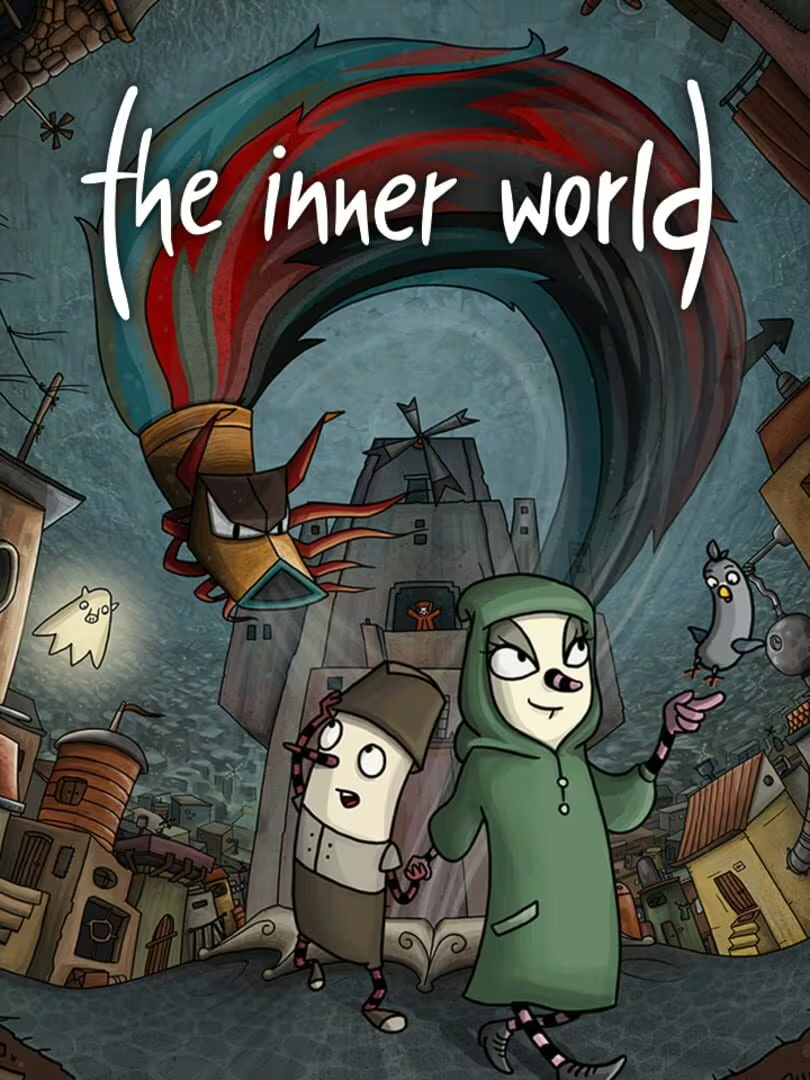
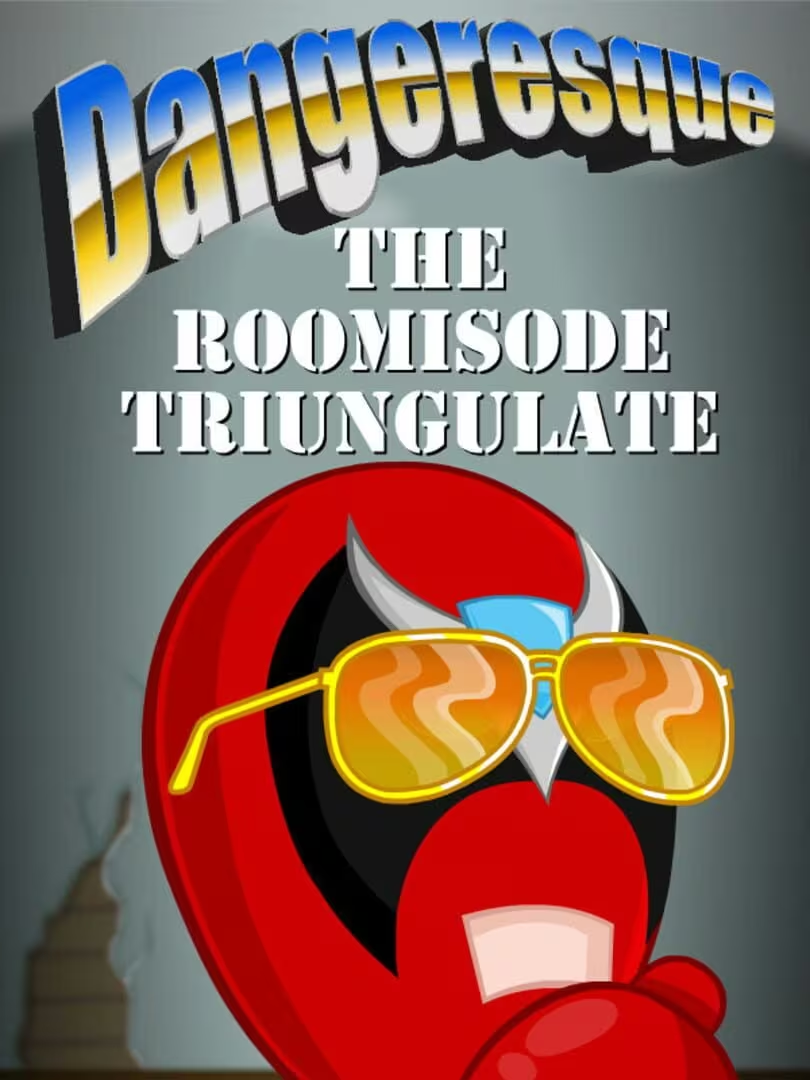
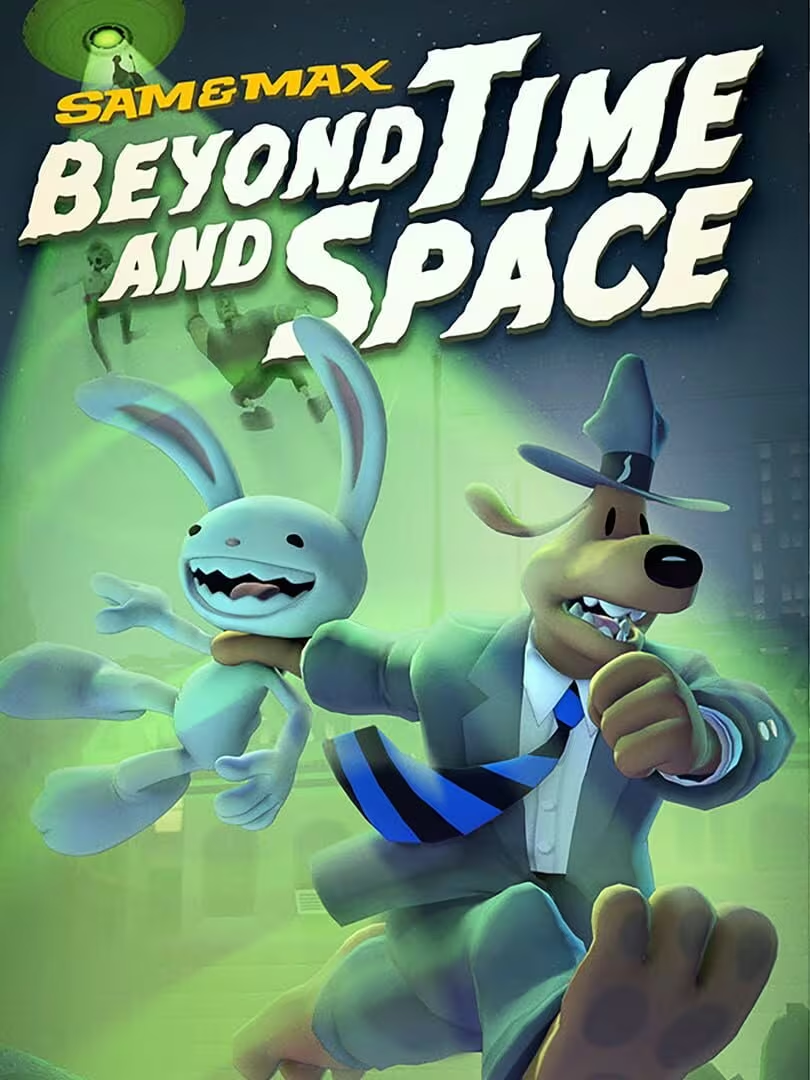
The Rise of the Golden Idol similar games & best alternatives

The Rise of the Golden Idol

PC (Microsoft Windows), Mac, iOS, PlayStation 4, Xbox One, Android, Xbox Series X|S, Nintendo Switch, PlayStation 5 • 2024

Related articles

Quick resume

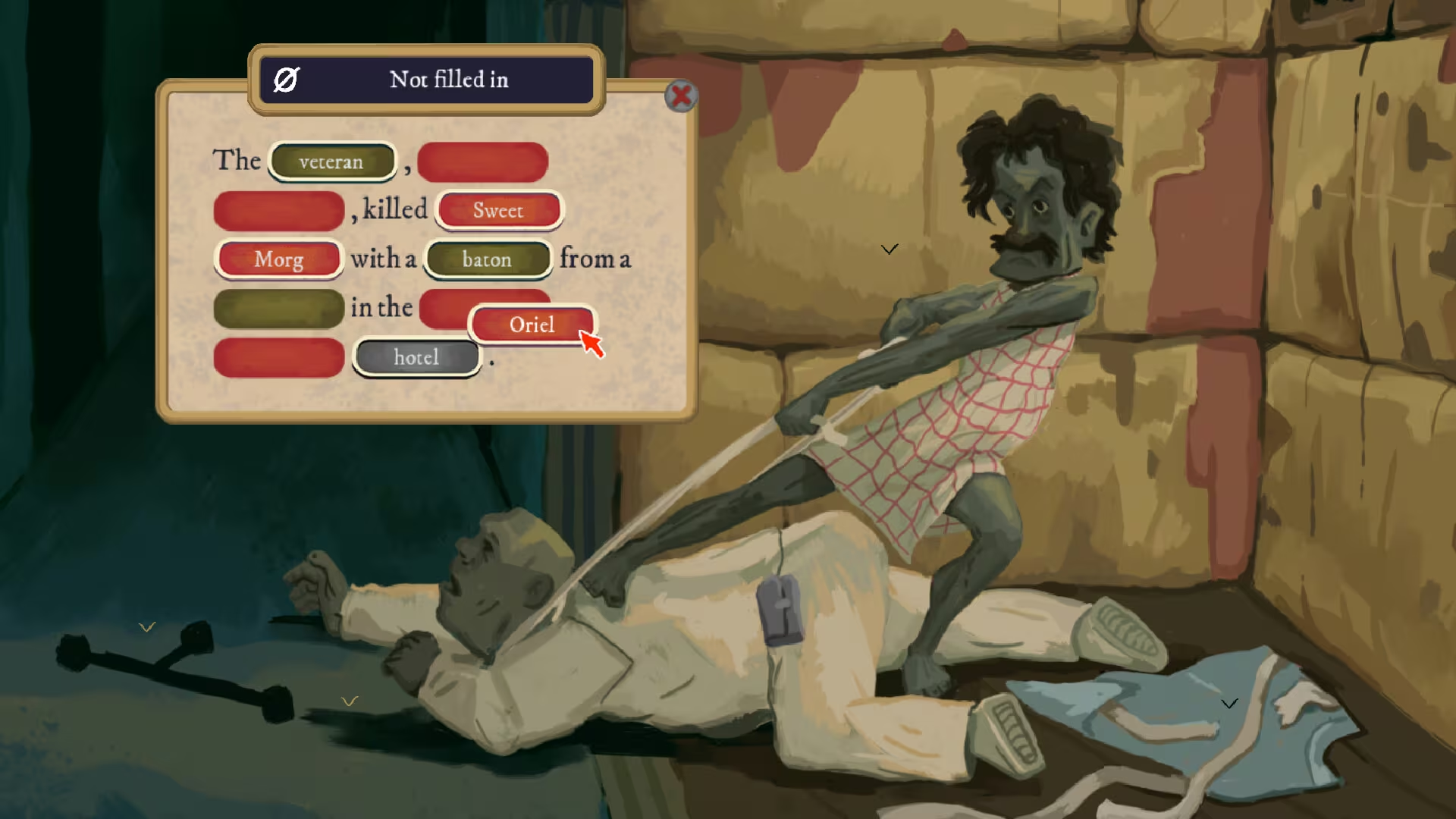
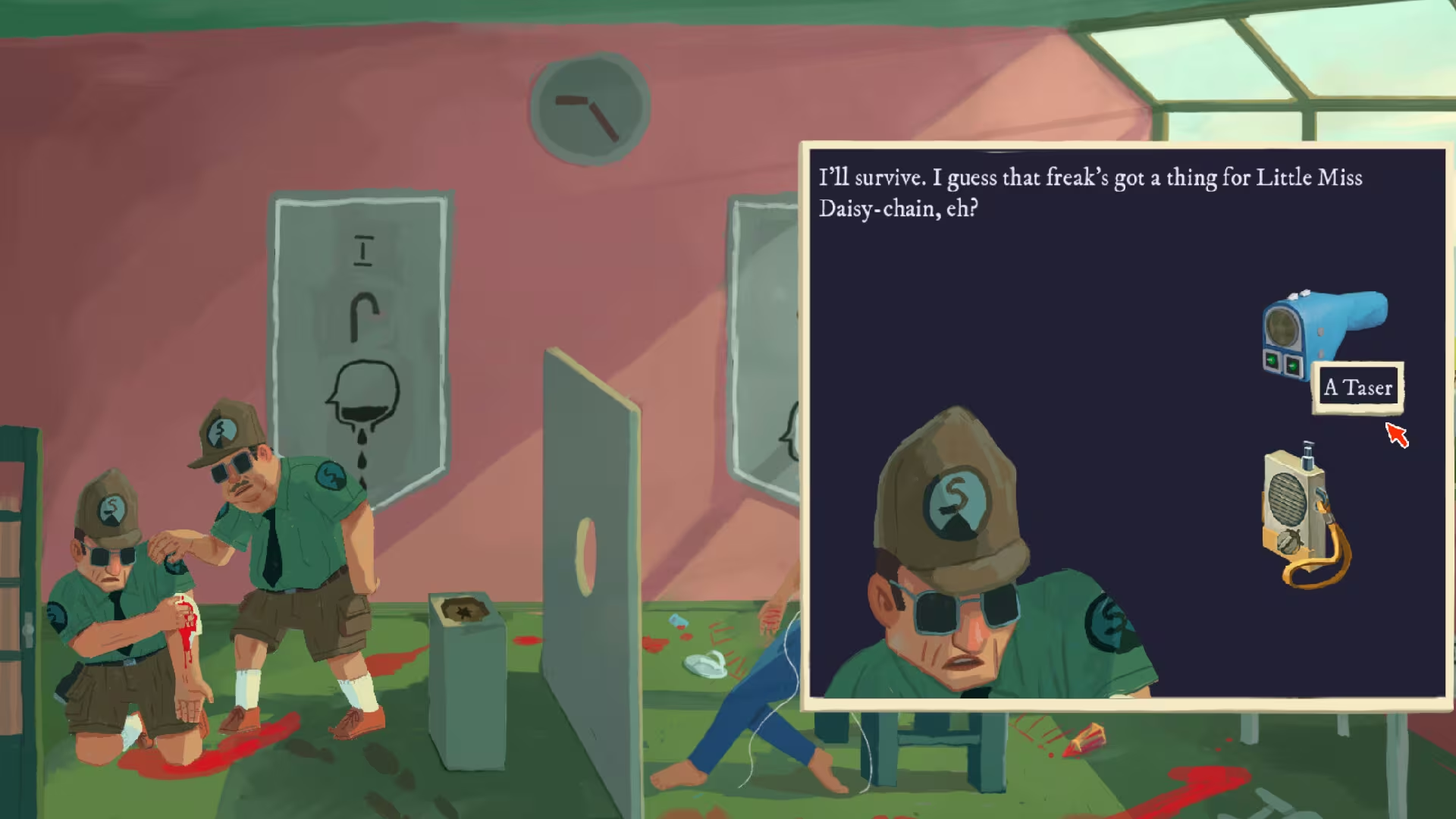
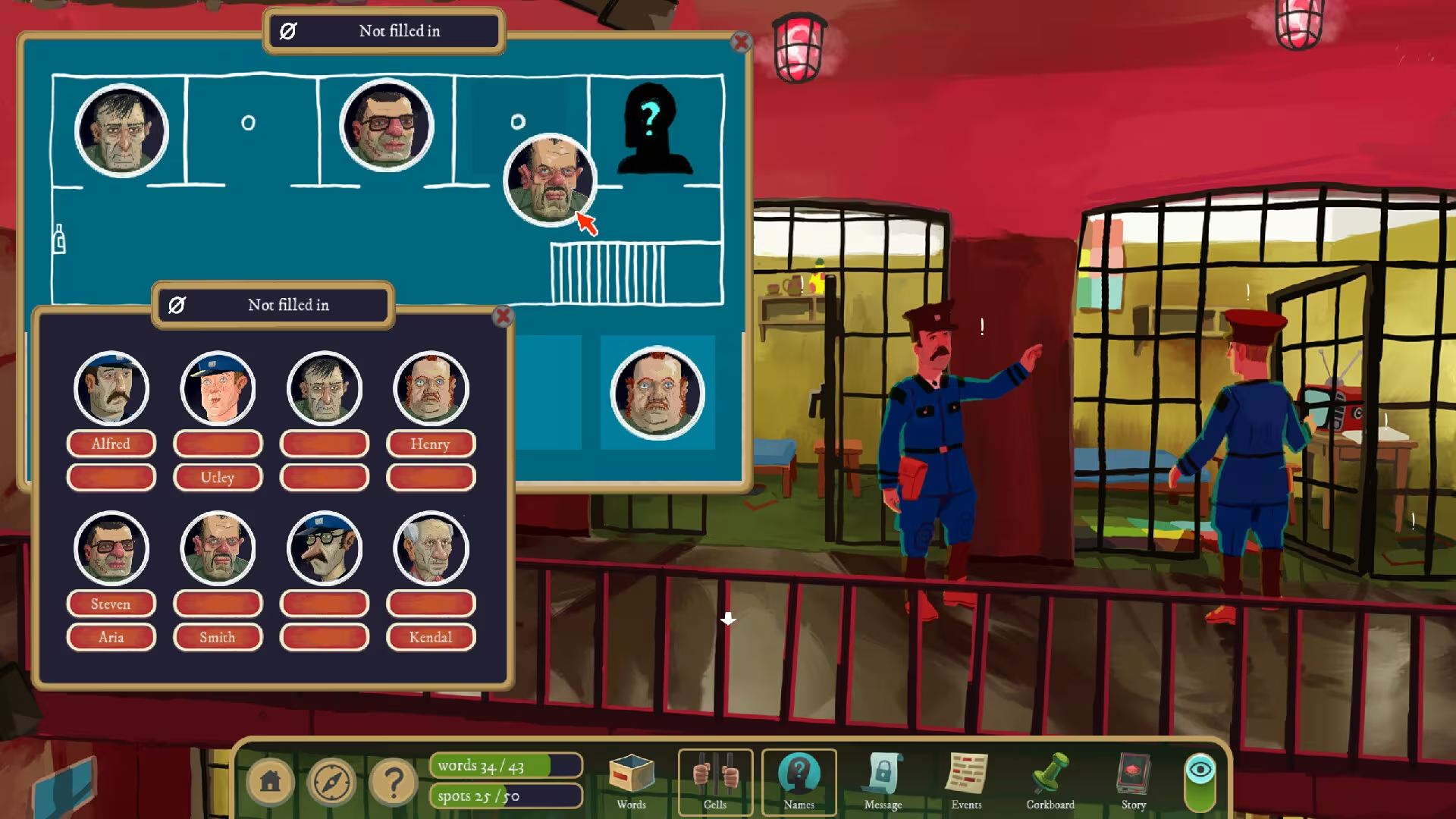
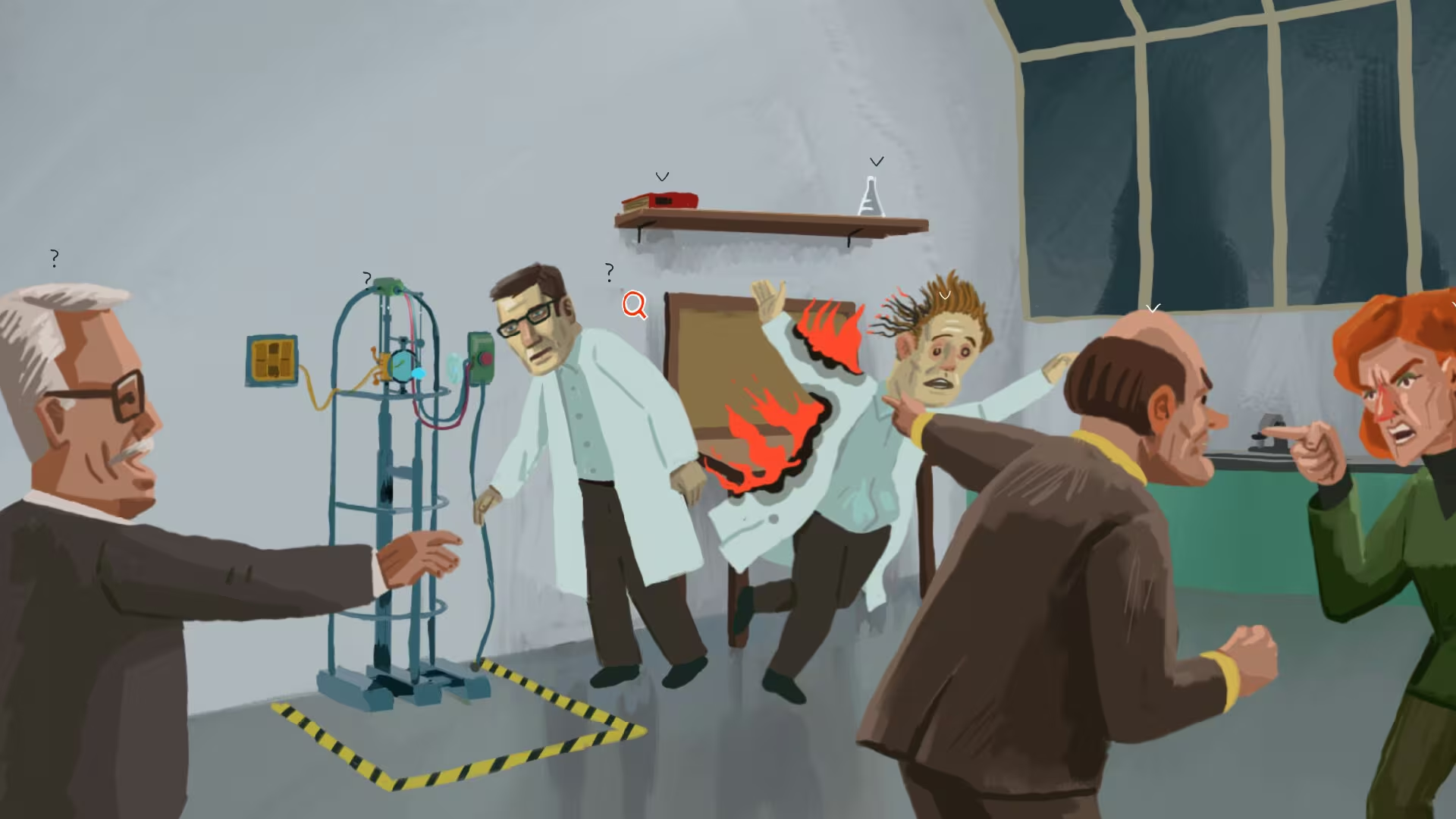
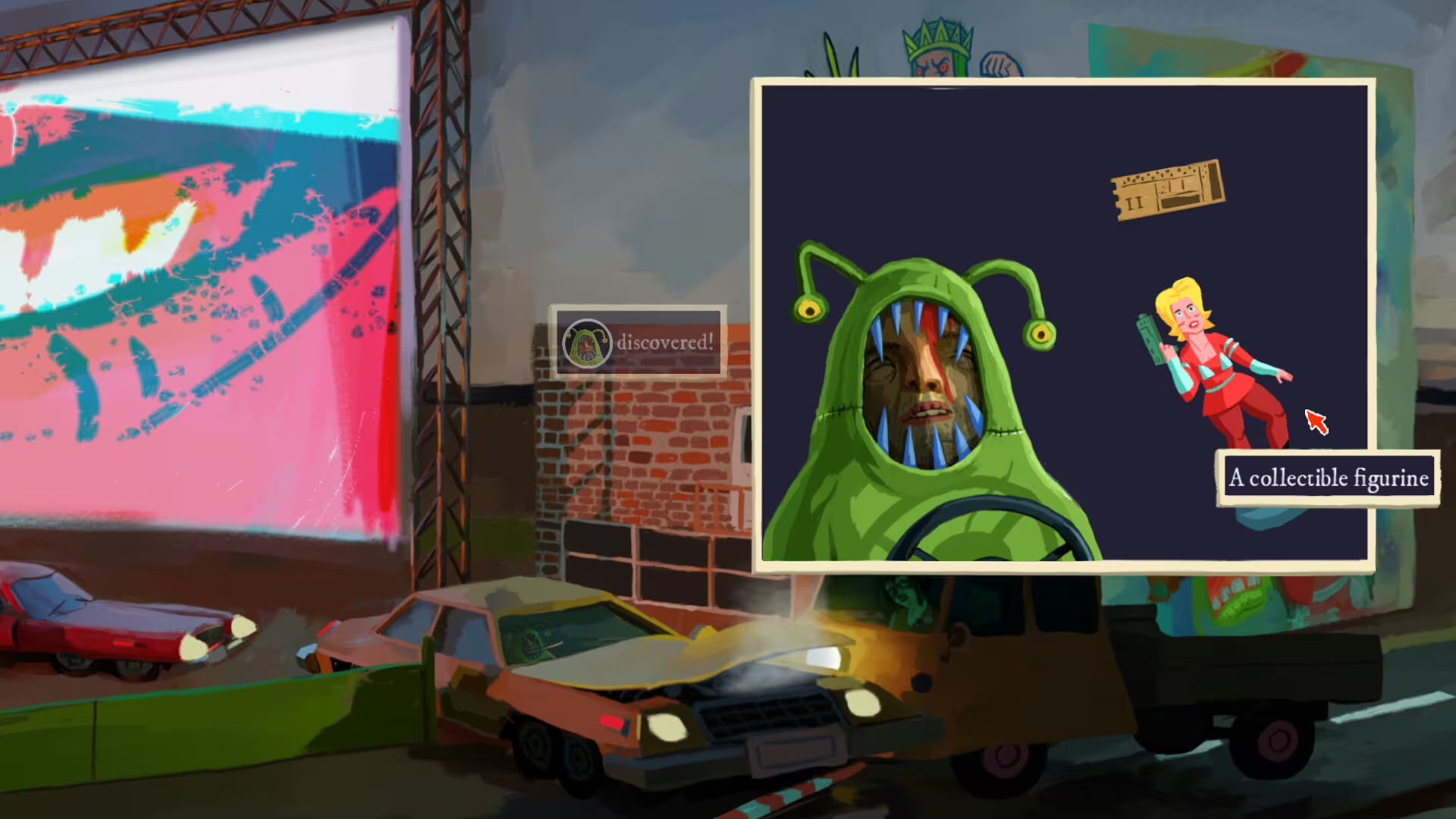
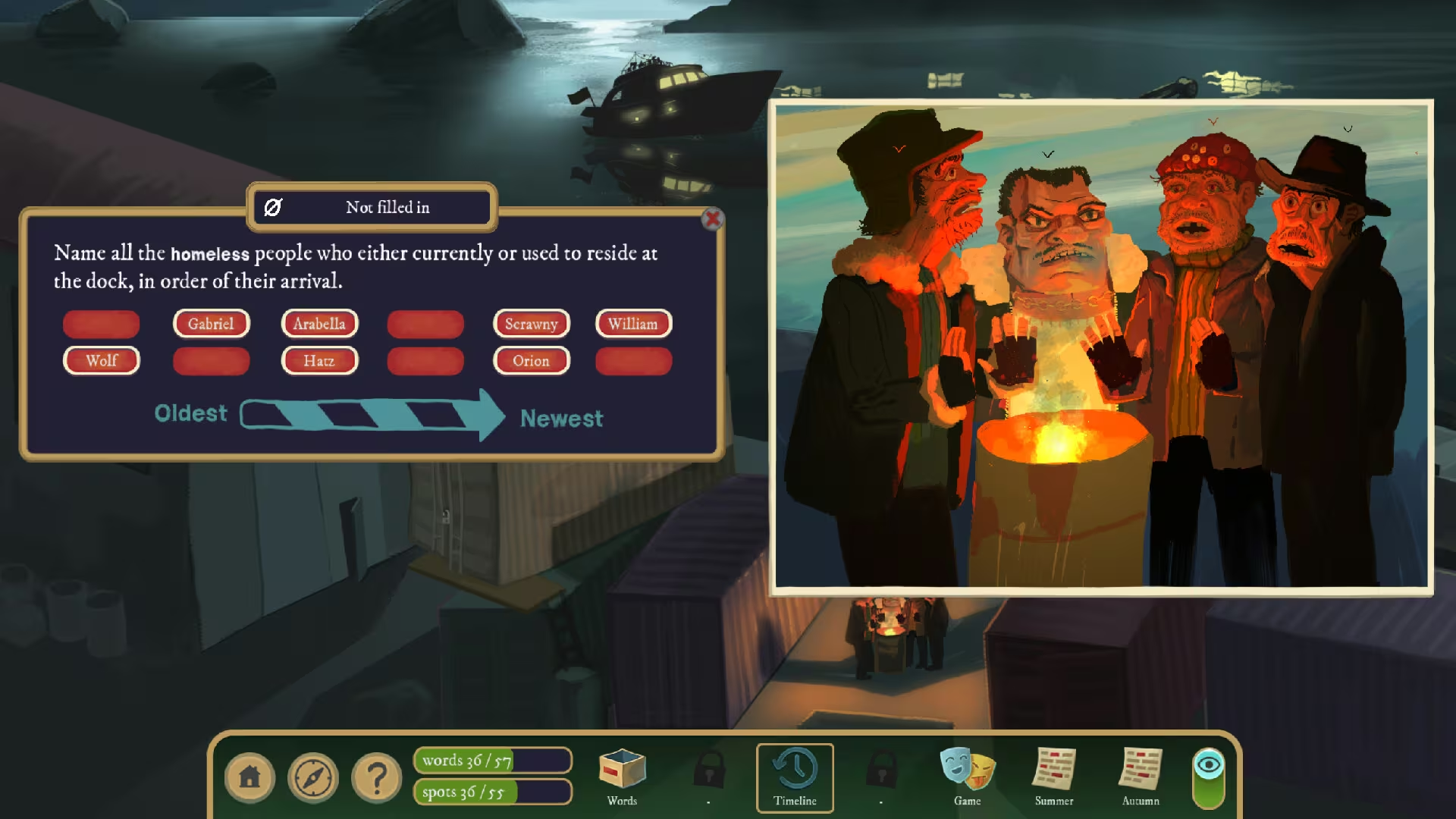
The Award-winning detective saga returns in this standalone sequel to The Case of the Golden Idol. Uncover the truth behind 20 strange cases of crime, death and depravity in the 1970s. The world has changed dramatically - the sins of humanity have not.

Global score

93/100

Genres

Adventure, Indie, Puzzle, Point-and-click

Similar games

    Pros

    • Engaging and challenging puzzles
    • Deep and immersive narrative
    • Unique and stylized art
    • Quality-of-life ui improvements
    • Strong replay value and dlc support

    Cons

    • Story less cohesive than predecessor
    • Some puzzles require tedious backtracking
    • Ui can be clunky with overlapping windows
    • Final chapters and plot resolution weaker
    • Some players find difficulty spikes frustrating

    Analysis

    Broadly representative of its motivational profile, with a few distinct shifts. Motivations that often define this kind of title include Survival, Violence, Fellowship, Expression. Here, the score leans higher than usual among comparable games on Thrill, Continuation, Strategy.

    How to use the graph
    Similar games map

    Each dot is a game. They are arranged from the same motivation profile as in the “Motivations” section below. Closer dots usually mean more similar reasons to play (exploration, competition, relaxation, etc.)—not that one game is “better” than another.

    • Larger dot with a light outline: the game you are viewing.
    • Colour: groups of games with comparable motivation patterns (statistical clusters).
    • Hover a dot to see the game name; click to open its page.
    • Scroll or double-click the chart to zoom out and see more games.

    Why don’t the axes read like a score? This view uses t-SNE: it only keeps who is close to whom. The scales are not “good to bad” or hours played—they separate groups on the map. Read distance between dots, not the axis numbers.

    Motivations

    • Autonomy
      4

      "Players have freedom to explore scenes, inspect clues, and piece together the narrative at their own pace with minimal handholding."

    • Competence
      4

      "The game offers challenging puzzles requiring skillful deduction and reasoning, with feedback on correct or incorrect solutions."

    • Competition
      -4

      "Focus is on personal puzzle solving and narrative discovery without comparison or ranking against others."

    • Continuation
      4

      "Players report long sessions, binge playing, and strong attachment to the unfolding mysteries."

    • Cooperation
      -4

      "Gameplay is primarily single-player and individual, with no evidence of cooperative multiplayer."

    • Creativity
      3

      "Players creatively piece together clues and construct narratives, though within the structured puzzle framework."

    • Domination
      -5

      "No elements of exerting control or superiority over others; interactions are solitary and introspective."

    • Escapism
      4

      "Players use the game to immerse themselves in a complex fictional mystery world, escaping real life."

    • Expectation
      -4

      "Players engage voluntarily out of intrinsic interest and curiosity rather than obligation or pressure."

    • Experimenting
      3

      "Players explore different puzzle solutions and narrative possibilities, experimenting with clues and reasoning."

    • Exploration
      3

      "Players discover new scenes, clues, and story elements, piecing together a larger narrative."

    • Expression
      -4

      "Customization or self-expression is minimal; players work within predefined puzzles and narrative structures."

    • Fantasy
      3

      "The game features imaginative fiction with mysterious artifacts and unusual characters, though grounded in a plausible setting."

    • Fellowship
      -4

      "The experience is solitary with minimal social interaction or community involvement."

    • Growth
      4

      "Players develop deductive reasoning skills and learn to interpret complex clues and narratives."

    • Health
      -5

      "The game involves sedentary play with no physical activity elements."

    • Idle
      -4

      "Requires focused attention and continuous engagement to solve puzzles and follow the story."

    • Intimacy
      -5

      "No evidence of forming close relationships or emotional sharing; experience is individual."

    • Leadership
      -5

      "No leadership or group management roles; gameplay is solo and self-directed."

    • Progression
      3

      "Players accumulate knowledge and unlock story elements progressively through puzzle completion."

    • Relaxation
      3

      "The game balances challenge and flow, providing satisfying moments of insight and tension release."

    • Sensation
      2

      "Visual and auditory elements are stylized and engaging but not intensely stimulating."

    • Status
      -5

      "Achievements and progress are personal and not socially evaluated or ranked."

    • Story
      5

      "Narrative immersion is central, with complex plots, character interactions, and overarching mysteries."

    • Strategy
      4

      "Players engage in mental challenge, logical reasoning, and planning to solve puzzles and connect clues."

    • Thrill
      3

      "Players experience suspense and satisfaction from solving mysteries and uncovering twists."

    • Value
      4

      "Players perceive strong value in the game's content, length, and intellectual challenge."

    • Violence
      -4

      "While murder is a theme, gameplay focuses on investigation and puzzle solving rather than combat or destruction."

    • Survival
      -5

      "No survival or threat avoidance mechanics; stable and safe gameplay environment."

    Last update: 29/04/2026