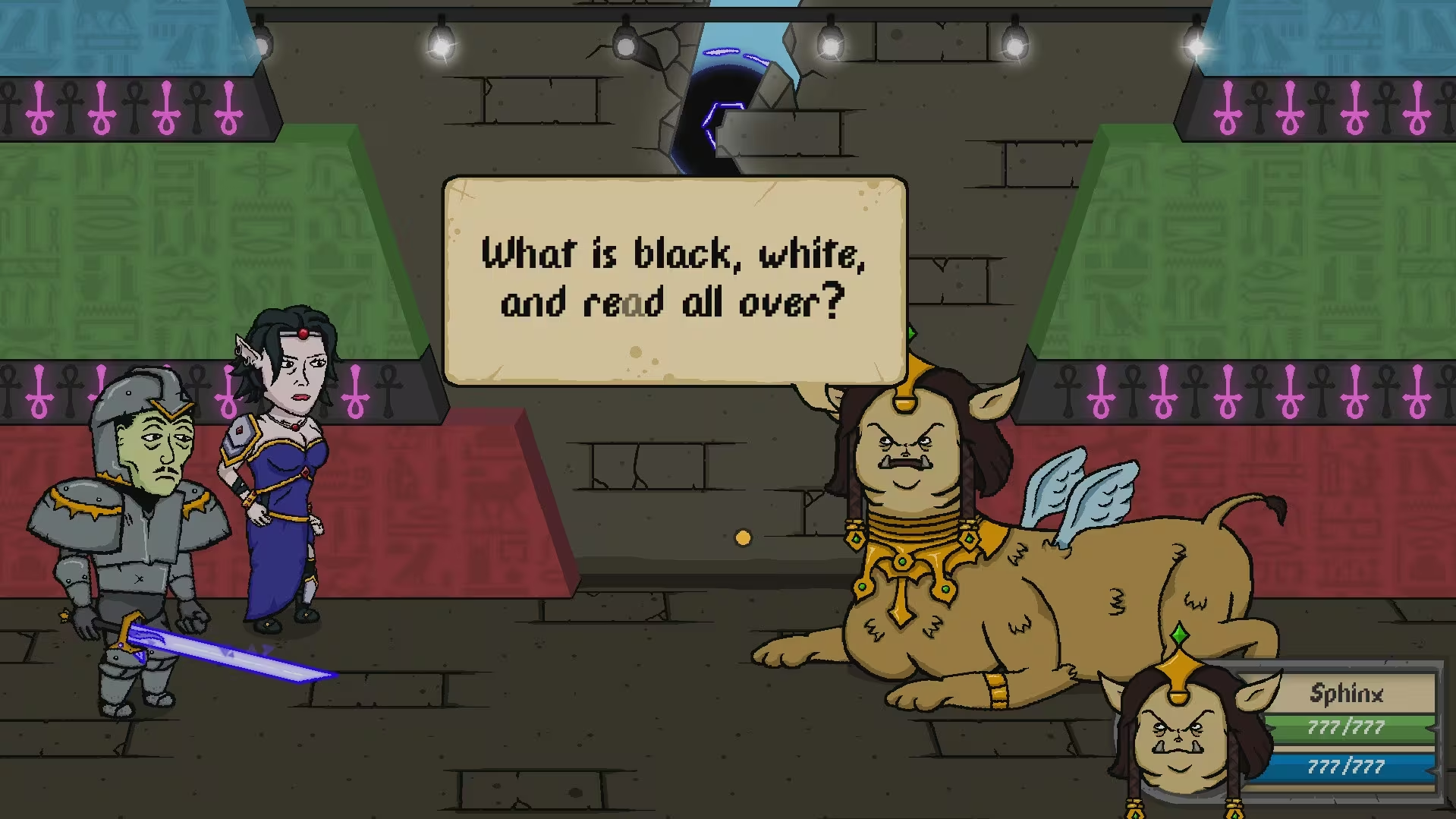
The Hex Thumbnail

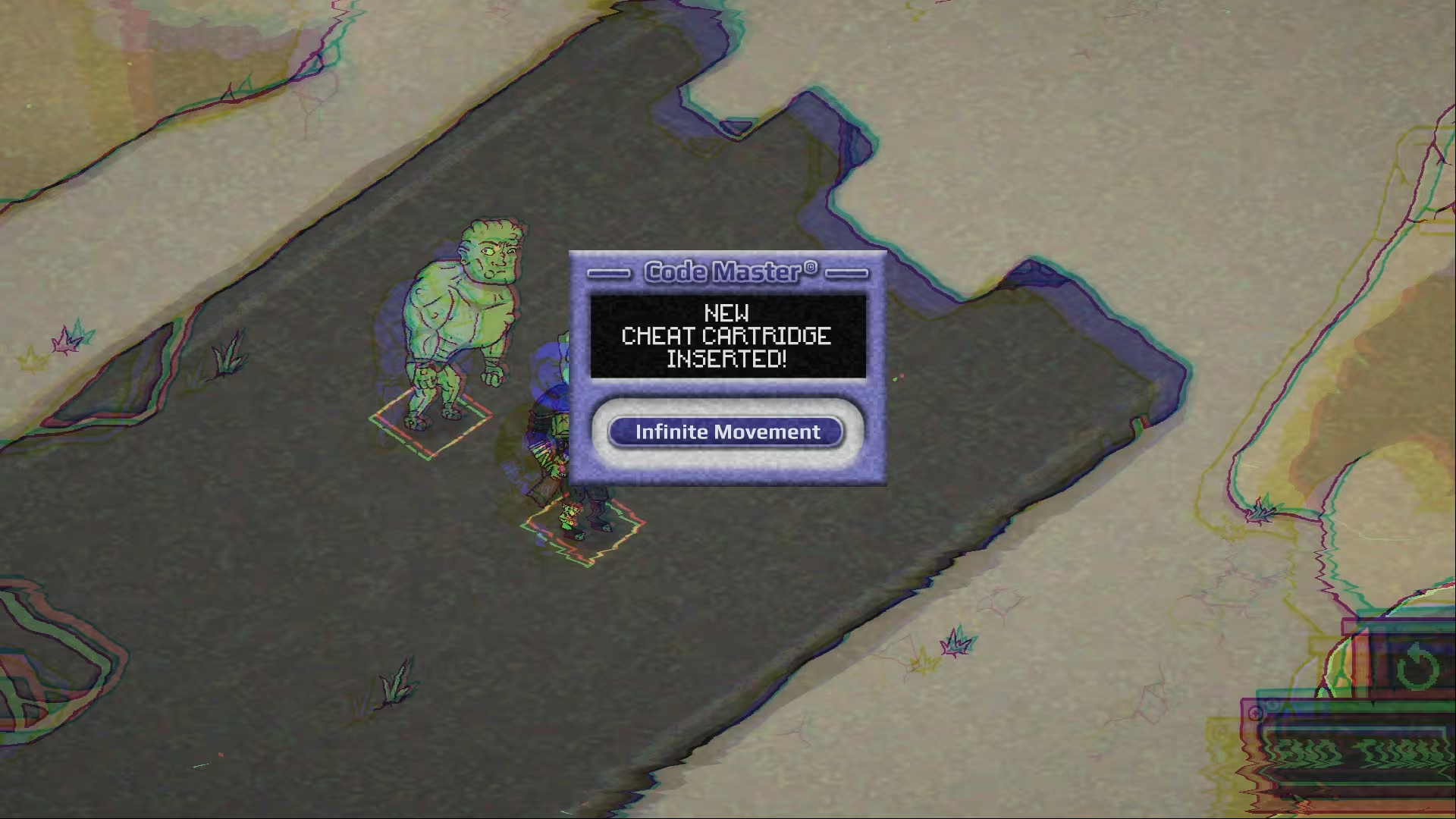
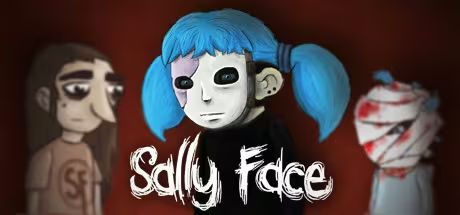
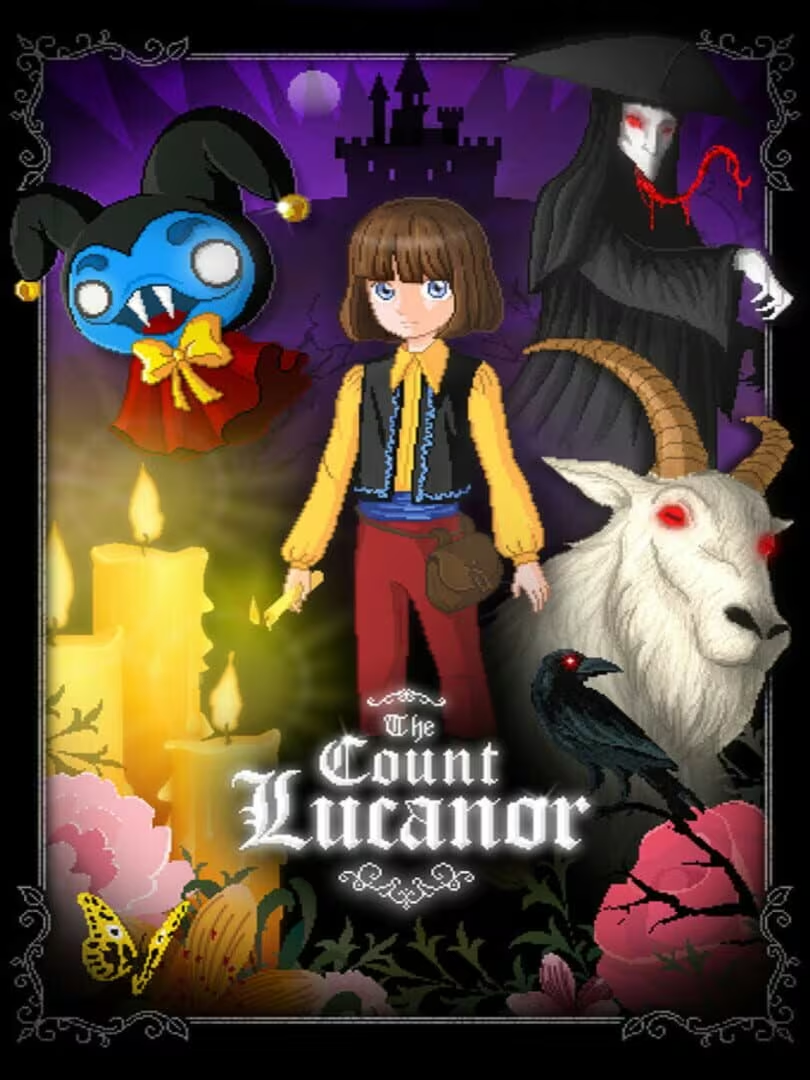
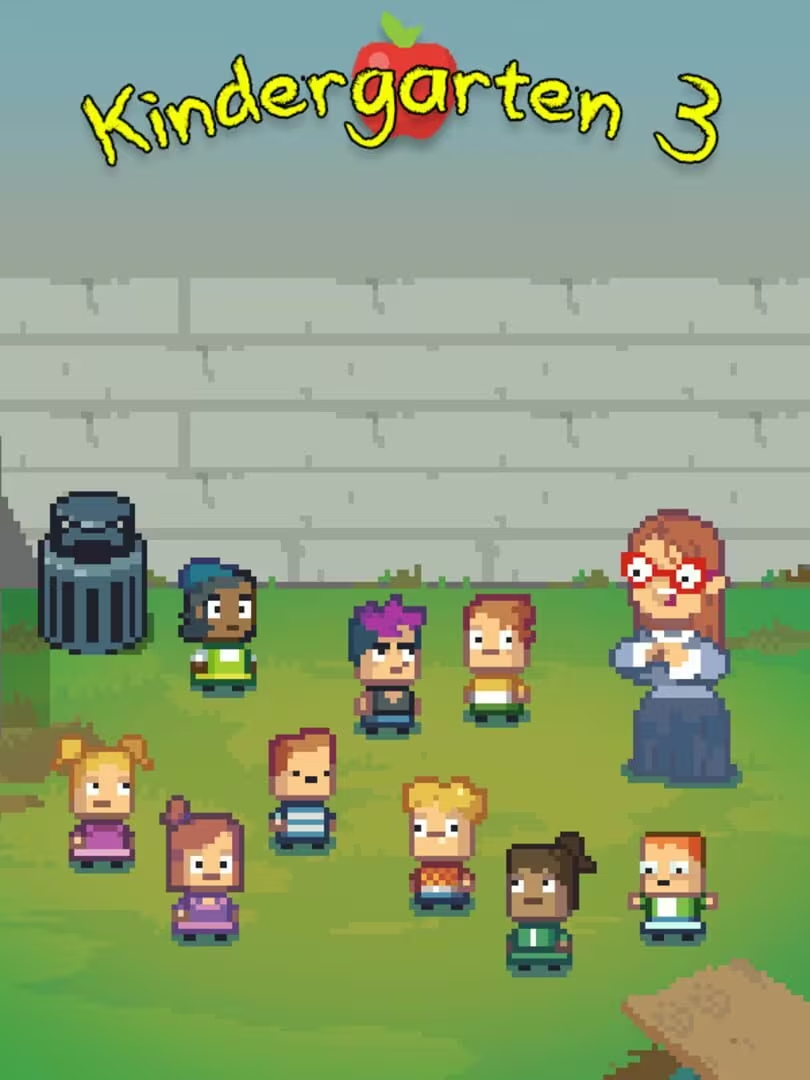
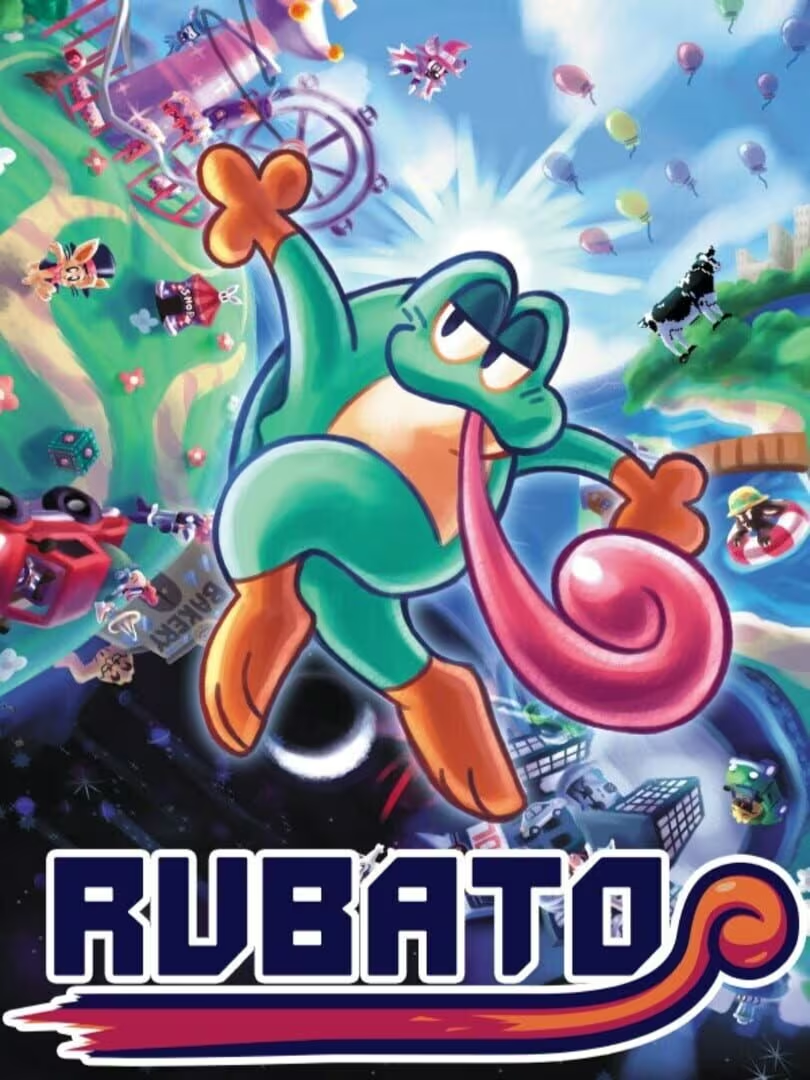
The Hex similar games & best alternatives

The Hex

PC (Microsoft Windows), Mac, Linux • 2018

Related articles

Quick resume

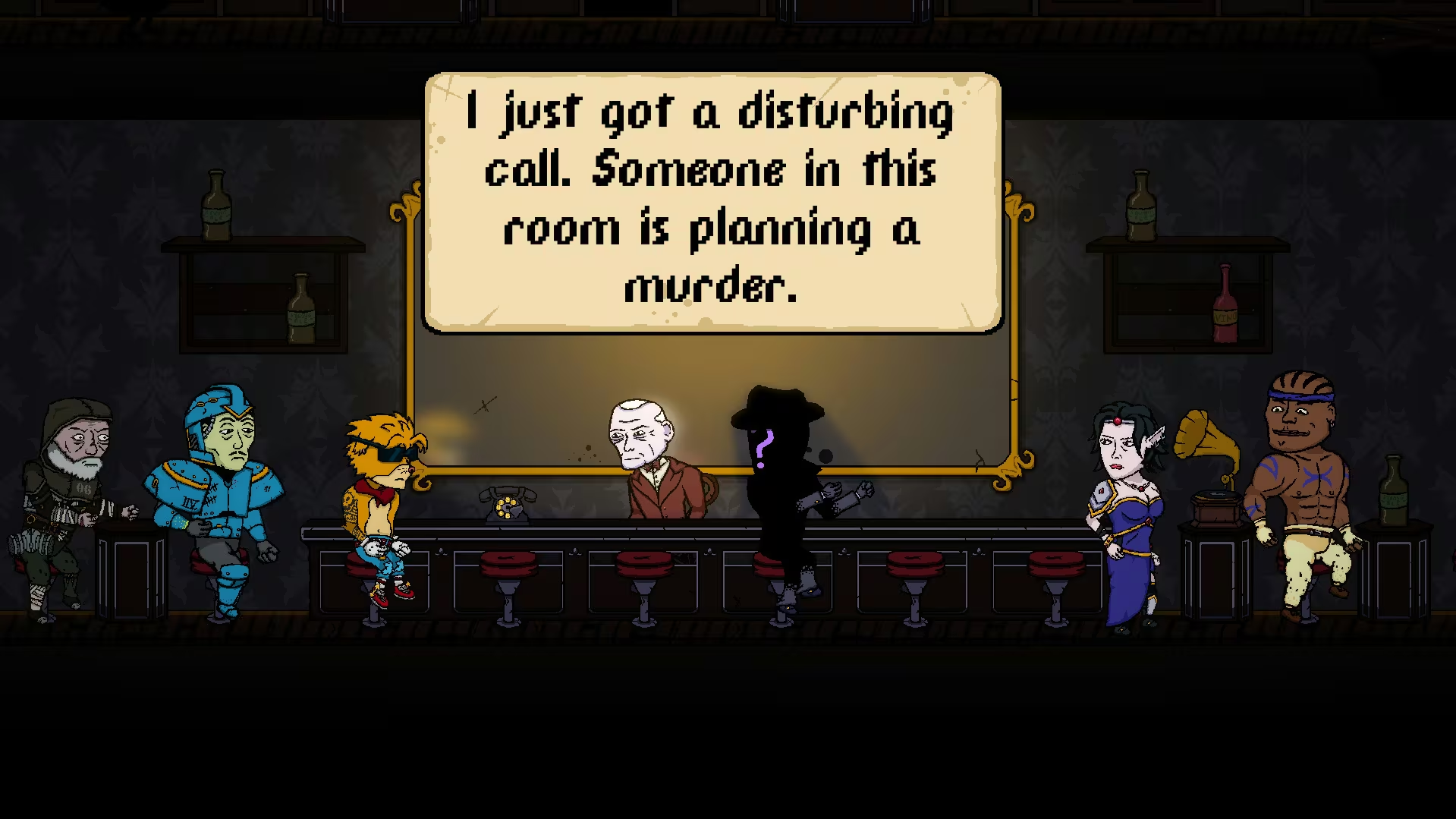
In a creaky old tavern, in a forgotten corner of the video-game universe, a storm is raging. An anonymous caller suggests that there is a murder plot. Six video game protagonists are the only plausible suspects...

Global score

94/100

Genres

Indie

Similar games

    Pros

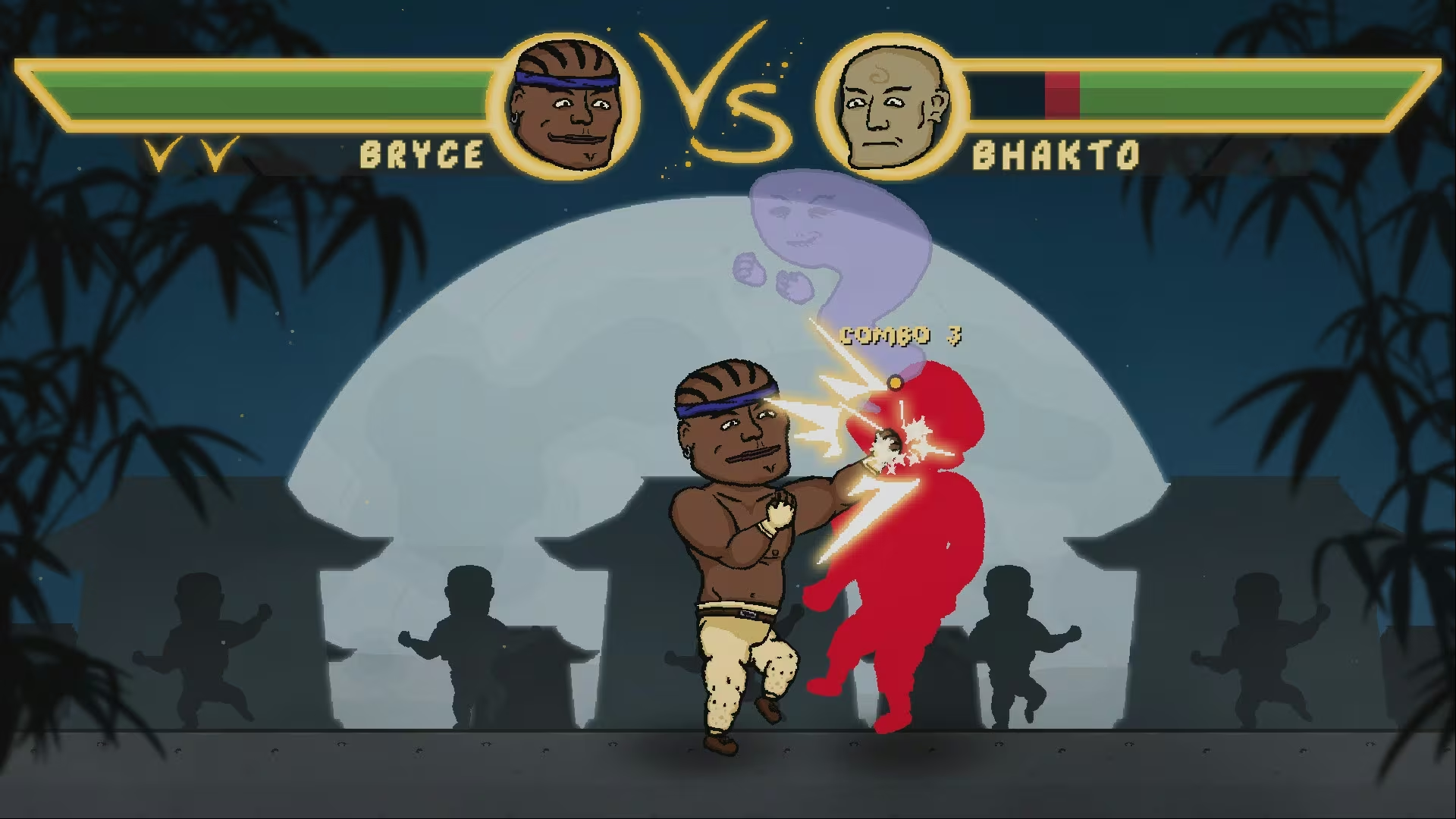
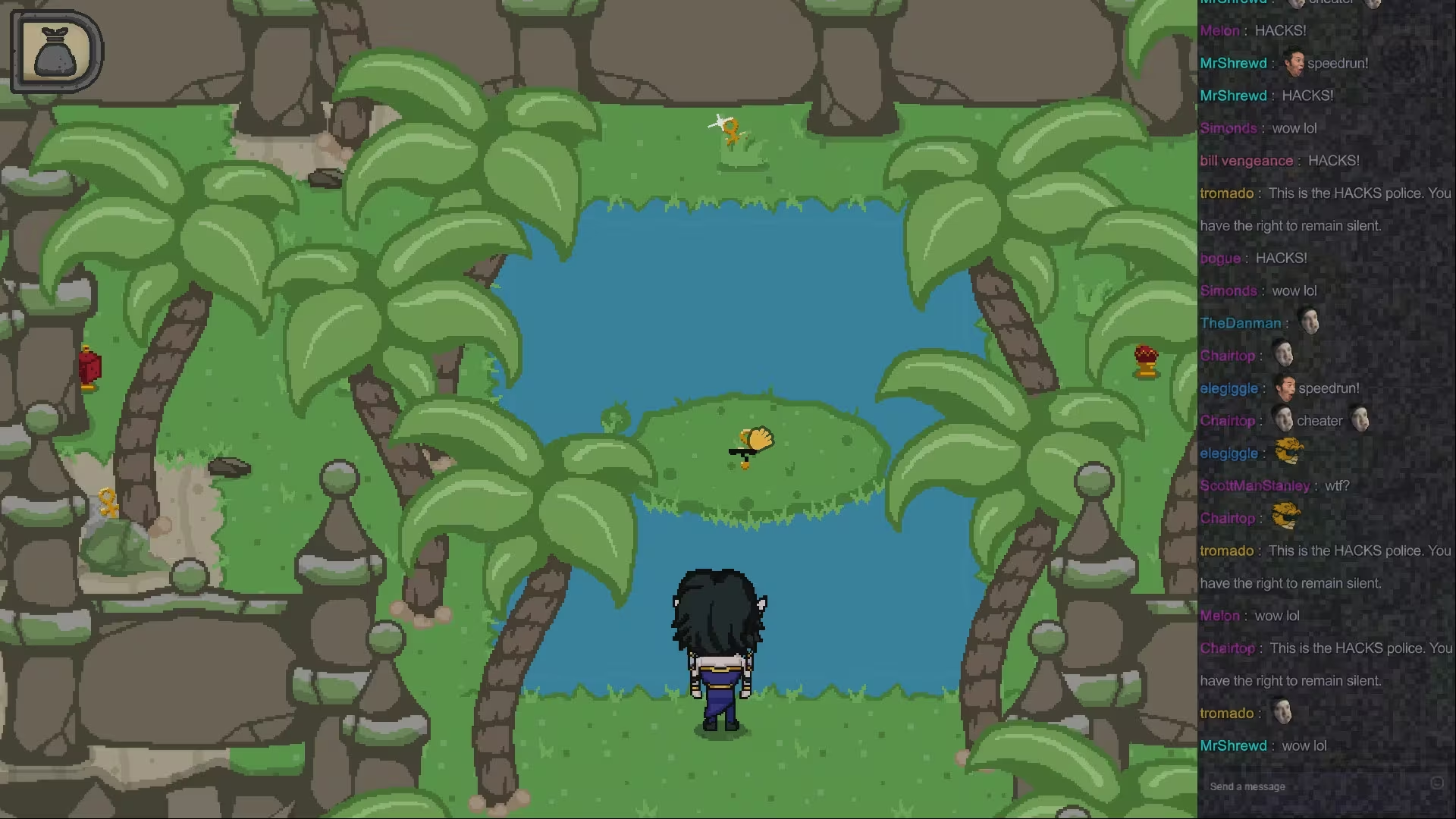
    • Unique genre-mashing gameplay
    • Intriguing and complex story
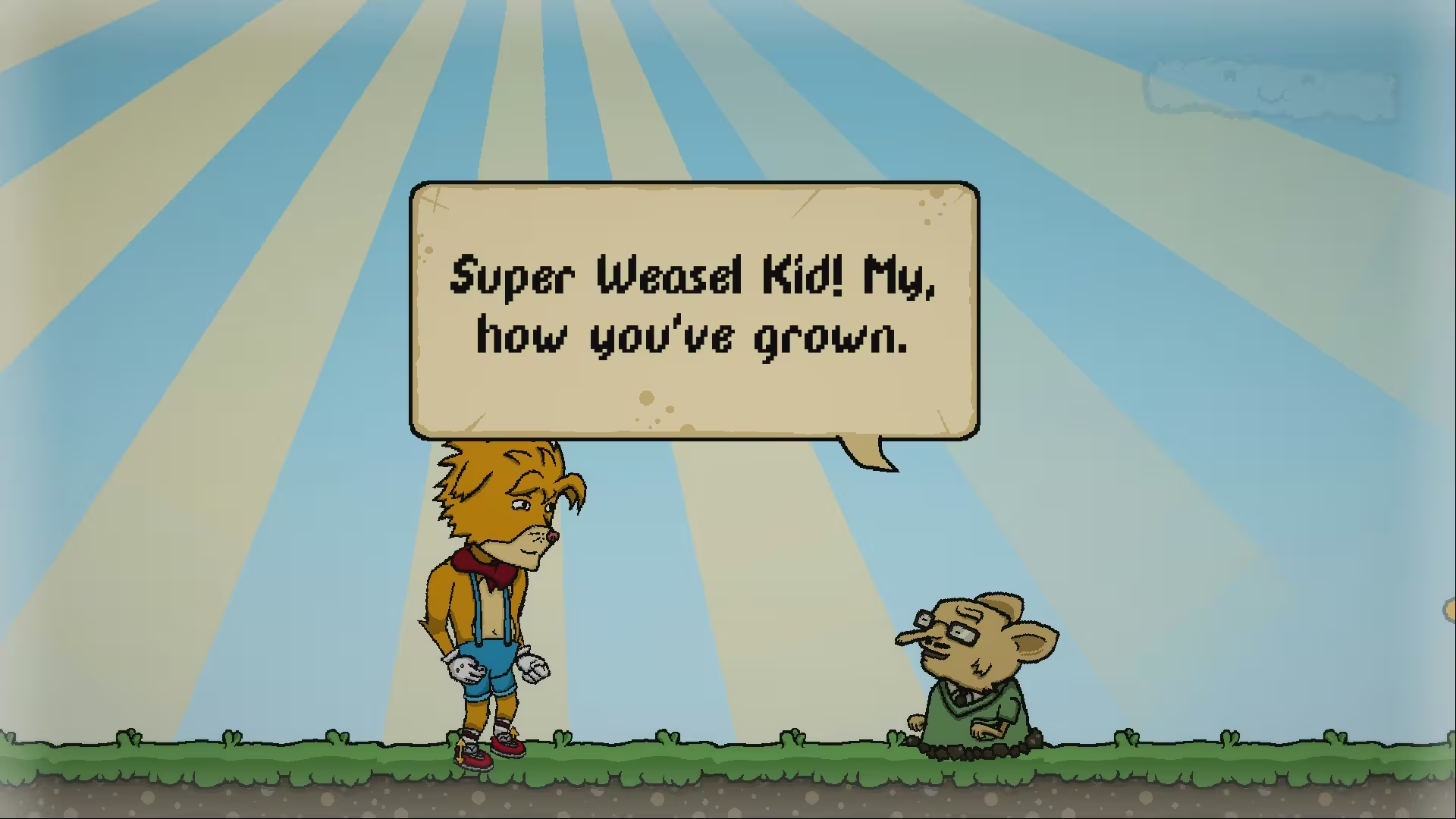
    • Meta-narrative and fourth wall breaks
    • Many secrets and replay value
    • Accessible controls and varied mechanics

    Cons

    • Simplistic or uneven gameplay quality
    • Some pacing issues and slow sections
    • Lack of controller support
    • Art style considered unattractive by some
    • Difficulty spikes and obscure achievements

    Analysis

    Less representative of its motivational profile, with noticeable differences. Motivations that often define this kind of title include Fellowship, Cooperation, Leadership, Violence. Here, the score leans higher than usual among comparable games on Story. It leans lower than usual among comparable games on Survival, Expression.

    How to use the graph
    Similar games map

    Each dot is a game. They are arranged from the same motivation profile as in the “Motivations” section below. Closer dots usually mean more similar reasons to play (exploration, competition, relaxation, etc.)—not that one game is “better” than another.

    • Larger dot with a light outline: the game you are viewing.
    • Colour: groups of games with comparable motivation patterns (statistical clusters).
    • Hover a dot to see the game name; click to open its page.
    • Scroll or double-click the chart to zoom out and see more games.

    Why don’t the axes read like a score? This view uses t-SNE: it only keeps who is close to whom. The scales are not “good to bad” or hours played—they separate groups on the map. Read distance between dots, not the axis numbers.

    Motivations

    • Autonomy
      4

      "Players control multiple characters with distinct gameplay styles and make decisions to explore story and secrets, indicating high player agency."

    • Competence
      2

      "Gameplay varies across genres with some skill-based challenges, but many sections are described as easy or simple, balancing skill and accessibility."

    • Competition
      -4

      "Focus is on personal narrative experience and puzzle solving rather than competing against others or leaderboards."

    • Continuation
      3

      "Players are motivated to keep playing due to intriguing story, mysteries, and secrets, with some replay value and achievement hunting."

    • Cooperation
      -5

      "The game is a single-player experience with no cooperative or multiplayer elements."

    • Creativity
      5

      "Highly creative with genre-mashing gameplay, meta-narrative, and unique storytelling mechanics praised by players."

    • Domination
      -5

      "No evidence of exerting control or superiority over others; experience is individual and narrative-driven."

    • Escapism
      4

      "Players use the game to immerse in a unique, mind-bending story and escape reality through meta and genre-bending gameplay."

    • Expectation
      -5

      "Players engage voluntarily out of interest and curiosity, with no indication of obligation or external pressure."

    • Experimenting
      5

      "Game encourages trying new mechanics and exploring different genres, with many surprises and meta elements."

    • Exploration
      4

      "Players discover secrets, hidden achievements, and layered story elements that reward curiosity and replay."

    • Expression
      -3

      "Limited customization or self-expression; focus is on narrative and gameplay rather than avatar personalization."

    • Fantasy
      4

      "Engages players in imaginative fiction with meta storytelling, surreal elements, and genre parody."

    • Fellowship
      -5

      "Single-player experience with minimal social interaction or community involvement."

    • Growth
      3

      "Players learn new mechanics across genres and uncover story complexity, contributing to personal development."

    • Health
      -5

      "Typical sedentary gameplay with no physical activity or health-related features."

    • Idle
      -4

      "Requires focused attention and engagement due to story and puzzle elements; not a casual or background game."

    • Intimacy
      -4

      "Limited social or emotional connection beyond narrative; no evidence of forming close relationships."

    • Leadership
      -5

      "No leadership or group management roles; purely single-player narrative experience."

    • Progression
      3

      "Players progress through story, unlock achievements, and discover secrets, showing accumulation and advancement."

    • Relaxation
      2

      "Some moments of flow and enjoyment, but also tension and suspense in story and gameplay."

    • Sensation
      2

      "Varied audio and visual styles provide sensory stimulation, though graphics are simple and retro-inspired."

    • Status
      -4

      "No social recognition or status systems; focus is on personal experience and discovery."

    • Story
      5

      "Strong narrative focus with complex, meta, and layered storytelling praised by many reviewers."

    • Strategy
      3

      "Some puzzle and tactical elements require problem solving and planning, though not highly complex."

    • Thrill
      3

      "Suspense and mystery elements create tension and excitement throughout the story."

    • Value
      4

      "Players perceive high value for time and money due to unique experience, story, and replayability."

    • Violence
      1

      "Contains some combat and fighting game segments but not focused on violence or destruction."

    • Survival
      -3

      "Some survival-like gameplay elements in sections, but overall low risk and stable conditions."

    Last update: 29/04/2026