The Wall Thumbnail

The Wall similar games & best alternatives

The Wall

PC (Microsoft Windows) • 2018

Related articles

Quick resume

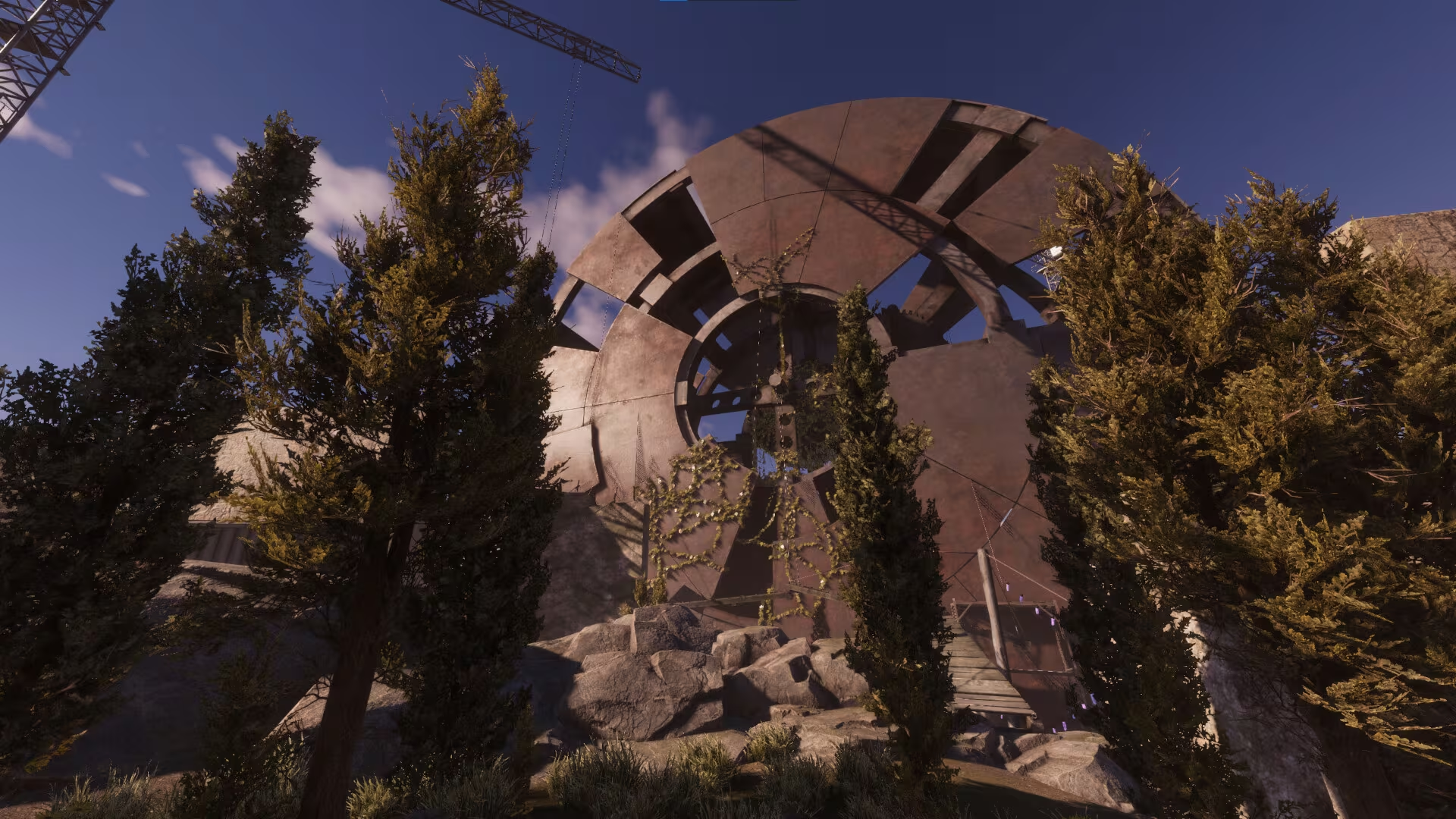
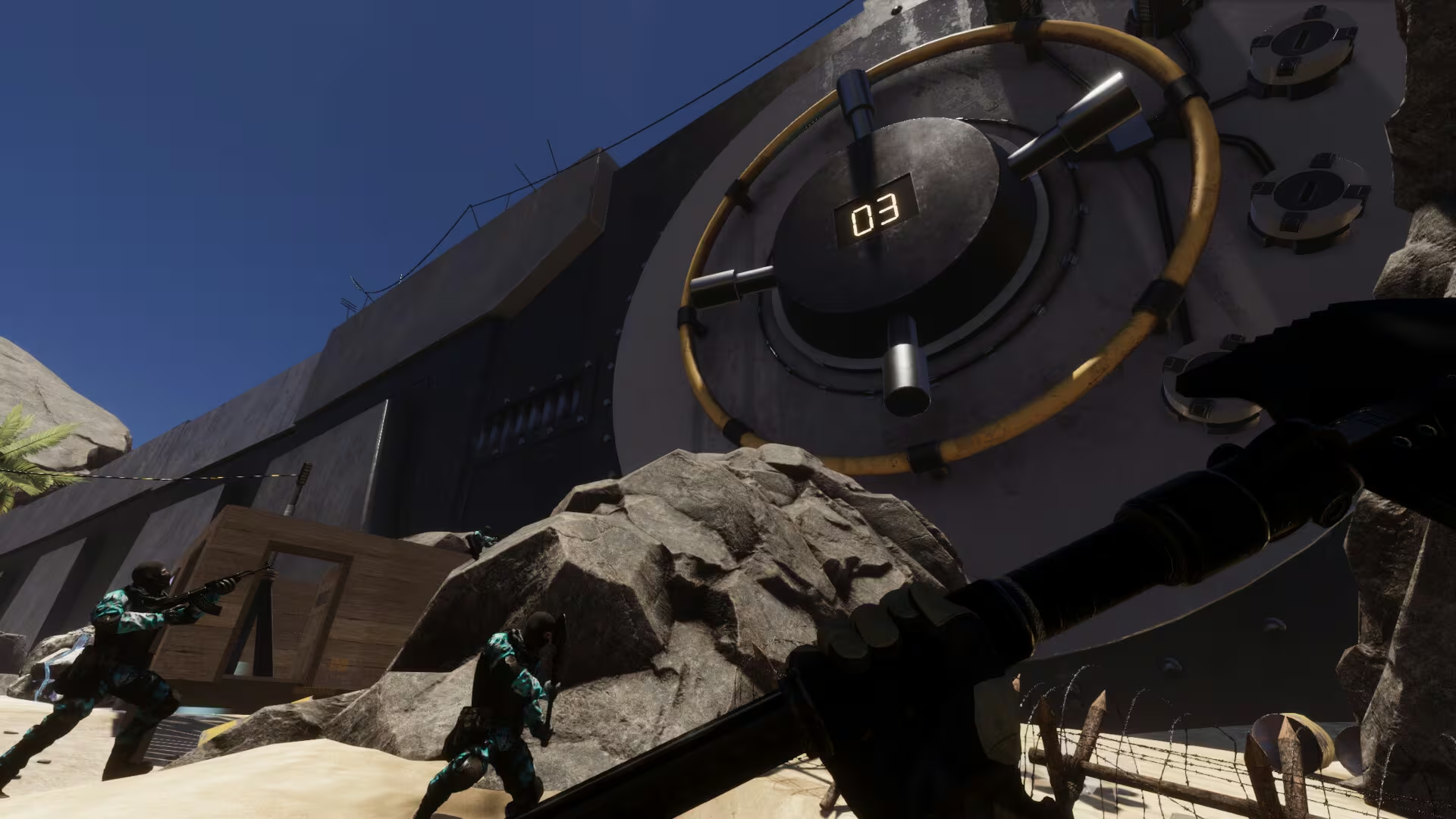
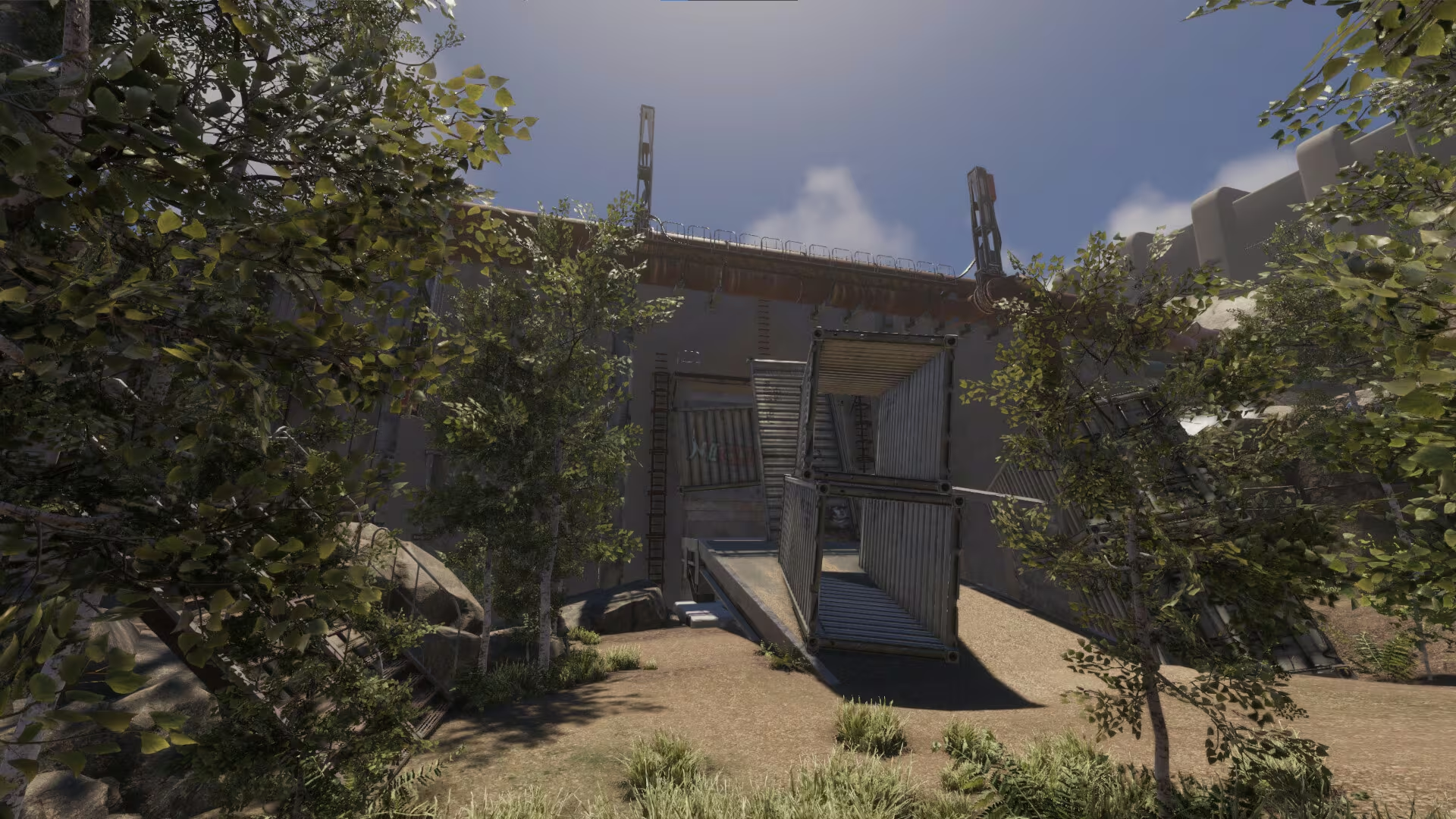
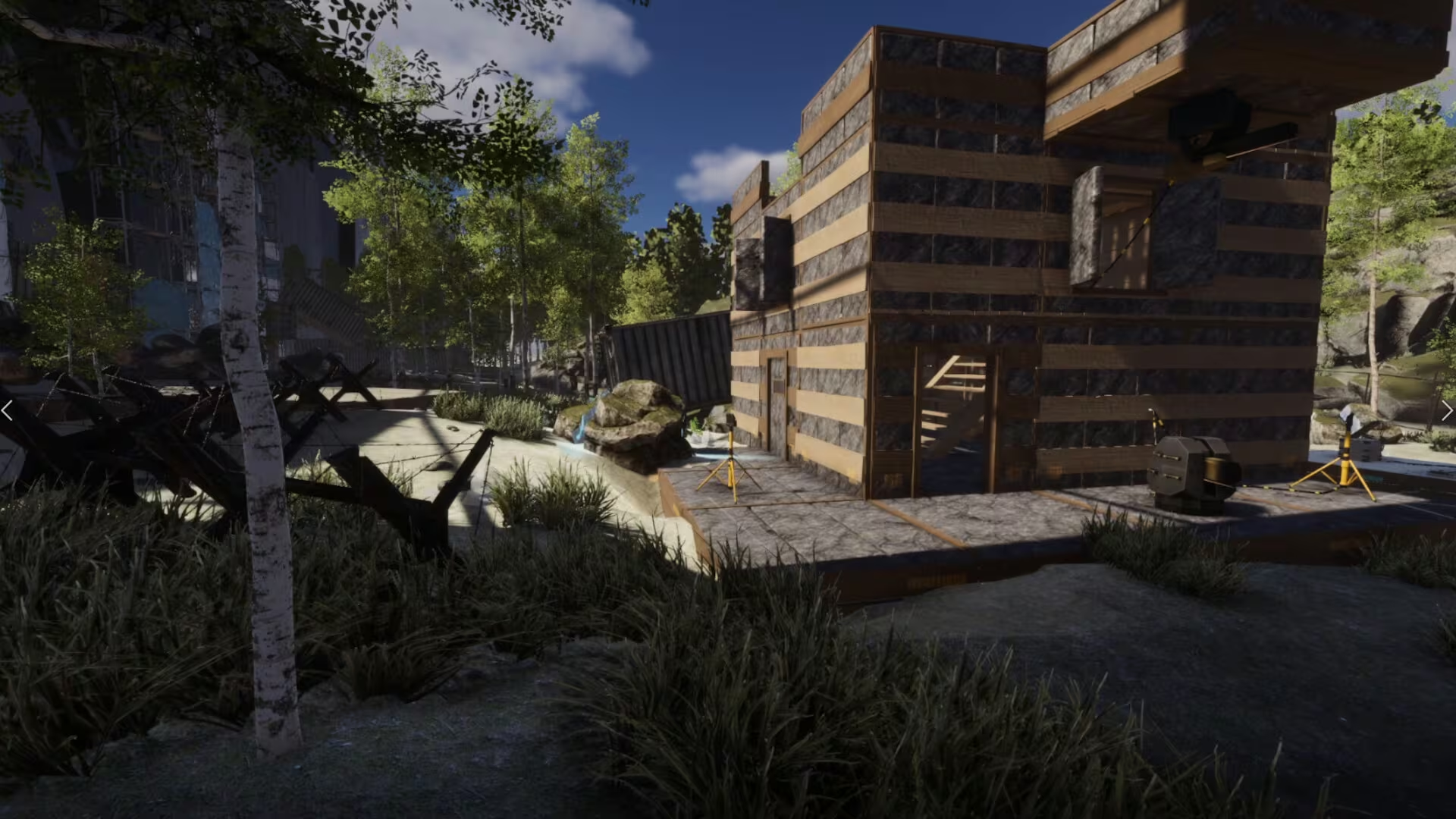
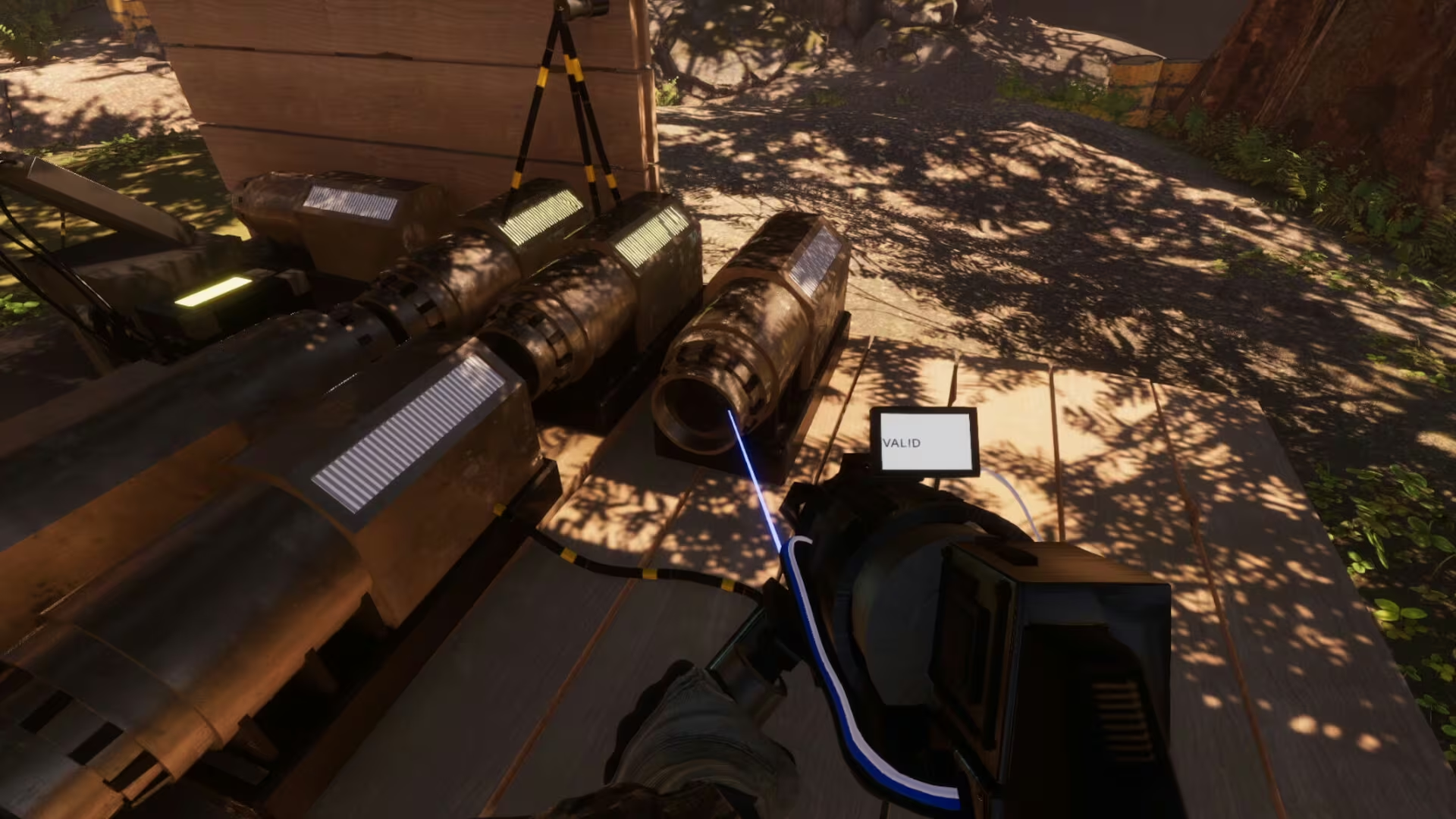
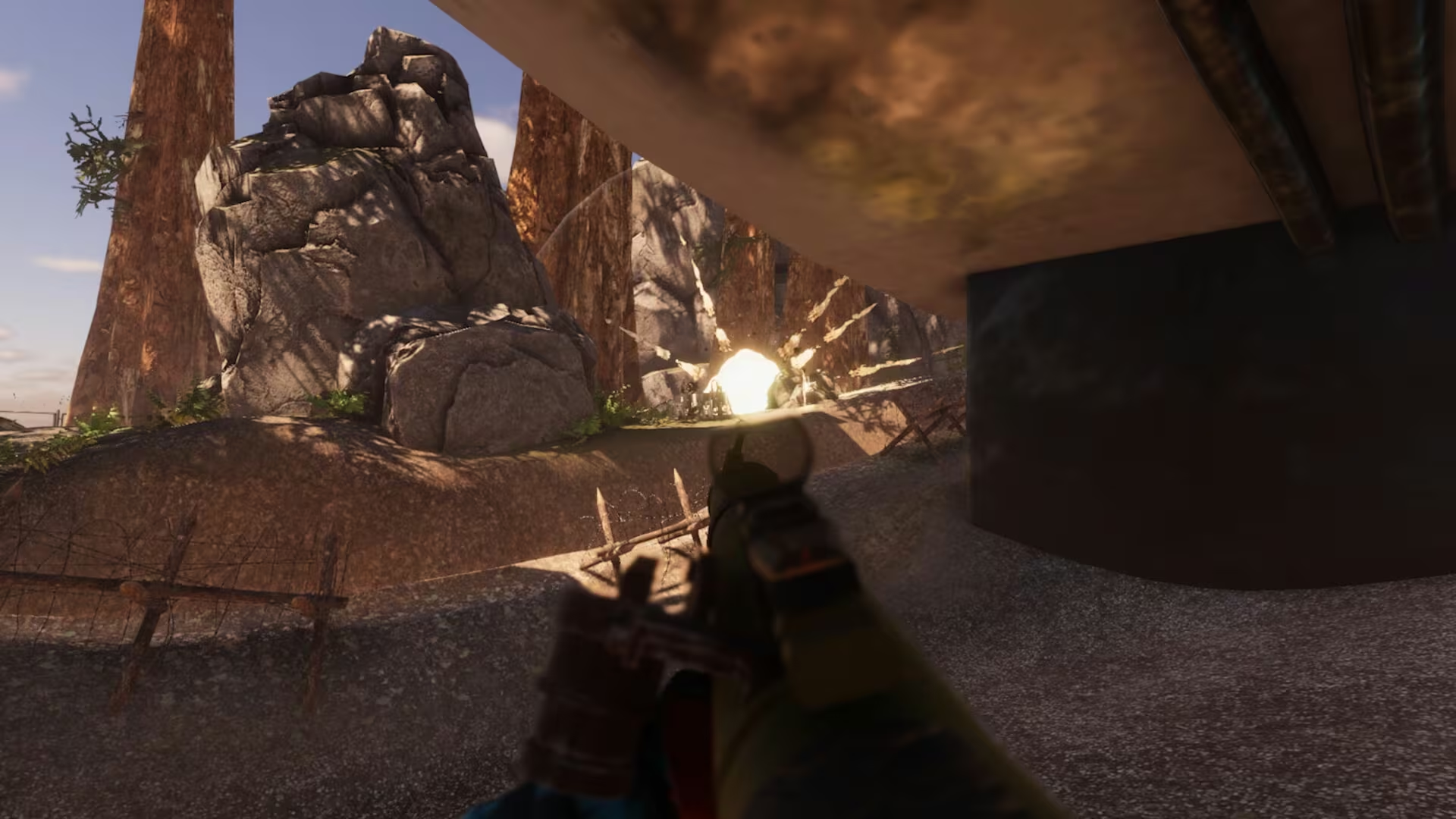
[Servers Temporarily Shut Down!] Build. Gather. Breach. The Wall is a never-before seen mix of genres, where dynamic maps, slick combat, base building, and economy management all come together.

Global score

71/100

Genres

Action, Indie, Massively Multiplayer, Strategy, Early Access, Adventure, Visual Novel, Role-playing (RPG)

Similar games

    Pros

    • Unique blend of fps and base building
    • Active and supportive developer
    • Strong community via discord
    • Strategic and skillful gameplay
    • Creative base construction and upgrades

    Cons

    • Very small player base limits matchmaking
    • Steep learning curve with limited tutorials
    • Occasional bugs and performance issues
    • Requires discord for finding matches
    • Some balance and content limitations

    Analysis

    Less representative of its motivational profile, with noticeable differences. Motivations that often define this kind of title include Competition, Fellowship, Domination, Status. Here, the score leans higher than usual among comparable games on Intimacy, Cooperation. It leans lower than usual among comparable games on Value.

    How to use the graph
    Similar games map

    Each dot is a game. They are arranged from the same motivation profile as in the “Motivations” section below. Closer dots usually mean more similar reasons to play (exploration, competition, relaxation, etc.)—not that one game is “better” than another.

    • Larger dot with a light outline: the game you are viewing.
    • Colour: groups of games with comparable motivation patterns (statistical clusters).
    • Hover a dot to see the game name; click to open its page.
    • Scroll or double-click the chart to zoom out and see more games.

    Why don’t the axes read like a score? This view uses t-SNE: it only keeps who is close to whom. The scales are not “good to bad” or hours played—they separate groups on the map. Read distance between dots, not the axis numbers.

    Motivations

    • Autonomy
      4

      "Players have freedom to choose strategies, build bases, gather resources, and decide roles in team matches."

    • Competence
      4

      "Game involves skillful combat, strategic base building, resource management, and progression through upgrades."

    • Competition
      5

      "Strong emphasis on team vs team matches, destroying enemy generators, and competitive 5v5 gameplay."

    • Continuation
      2

      "Players report long sessions and habitual play but low player base limits continuous engagement."

    • Cooperation
      5

      "Teamwork is essential for base defense, resource gathering, and coordinated attacks in 5v5 matches."

    • Creativity
      4

      "Players build and upgrade bases with various structures and defenses, allowing creative strategic layouts."

    • Domination
      3

      "Some players seek to dominate matches and bases, but community focus is more on teamwork and mutual respect."

    • Escapism
      3

      "Players use the game as a fun distraction and stress relief, enjoying immersive combat and building."

    • Expectation
      -4

      "Players engage voluntarily out of personal interest and enjoyment, not obligation or external pressure."

    • Experimenting
      3

      "Players try different strategies, base designs, and skill/perk combinations to find effective playstyles."

    • Exploration
      1

      "Some map exploration and discovery of tactical positions, but mostly focused on known competitive maps."

    • Expression
      3

      "Customization through cosmetic skins and weapon attachments allows some personal expression."

    • Fantasy
      1

      "Game has some imaginative elements but largely grounded in plausible combat and base defense scenarios."

    • Fellowship
      4

      "Strong community ties via Discord, active developer interaction, and supportive player base."

    • Growth
      4

      "Players develop skills, learn mechanics, and improve through persistent upgrades and gameplay experience."

    • Health
      -5

      "Primarily sedentary gameplay with no physical activity or health-related features."

    • Idle
      -3

      "Requires focused attention during matches; not suited for casual or background play."

    • Intimacy
      3

      "Players form friendships and close connections within the small, friendly community."

    • Leadership
      3

      "Opportunities for leading team strategies and coordinating group efforts in matches."

    • Progression
      4

      "Players accumulate resources, upgrade bases and weapons, and unlock skills over time."

    • Relaxation
      1

      "Some players find enjoyment and flow, but matches can be intense and stressful."

    • Sensation
      3

      "Combat and building provide sensory stimulation and excitement through visuals and sound."

    • Status
      2

      "Recognition within the small community and leaderboards, but limited broader social status."

    • Story
      -3

      "No narrative or lore focus; gameplay centers on competitive matches without story immersion."

    • Strategy
      5

      "High emphasis on mental challenge, planning, resource management, and tactical decision making."

    • Thrill
      4

      "Matches offer suspense, risk, and adrenaline from combat and base defense/offense."

    • Value
      -2

      "Players feel the game offers potential but is hindered by low player base and limited content."

    • Violence
      4

      "Combat and destruction of enemy bases and generators are core gameplay elements."

    • Survival
      3

      "Players manage resources and defend bases to avoid defeat and maintain control."

    Last update: 29/04/2026