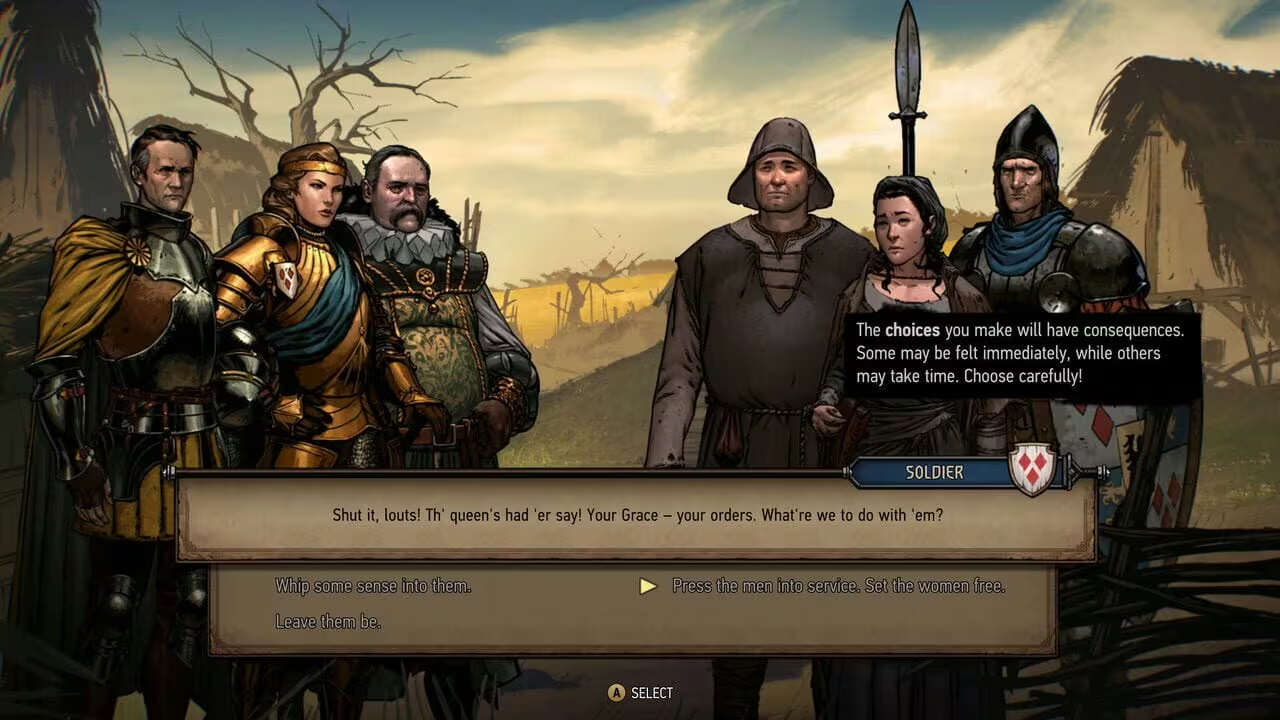
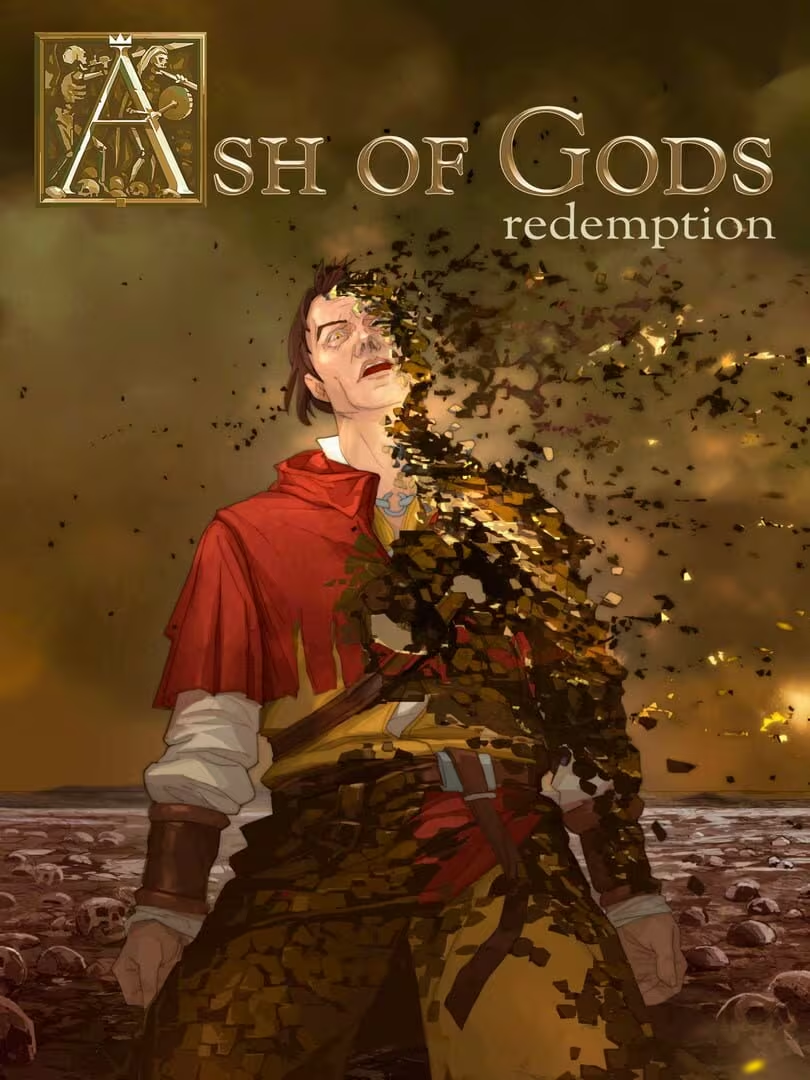
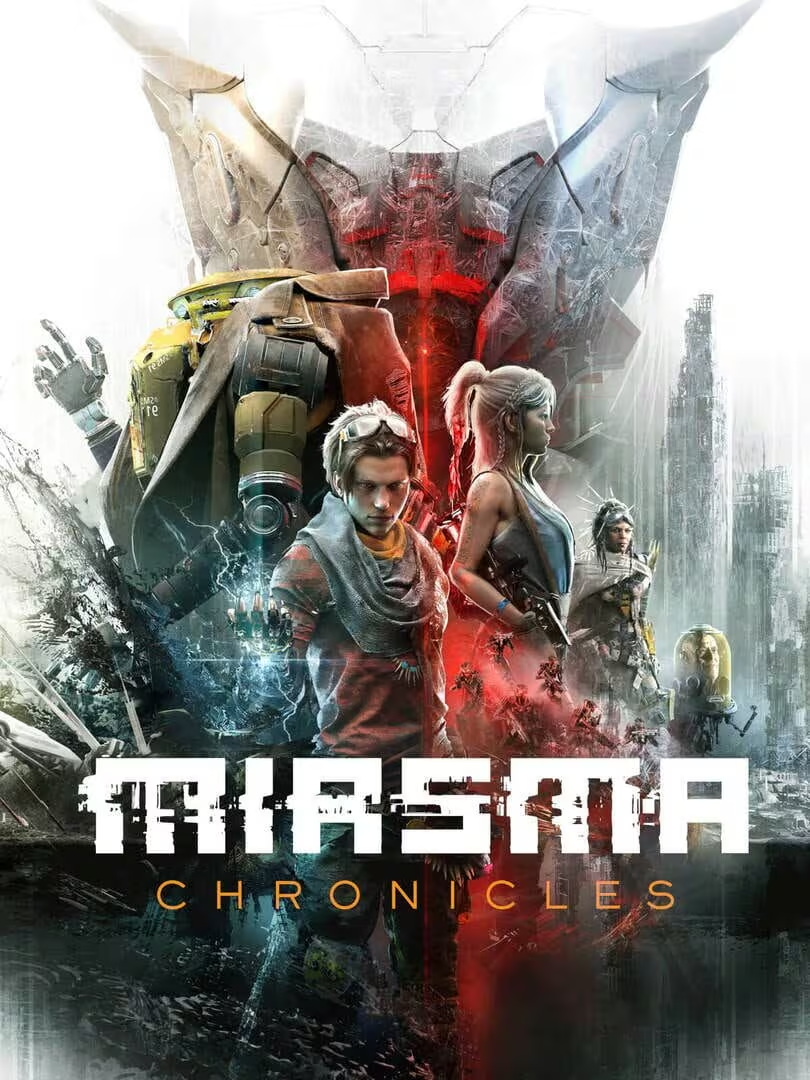
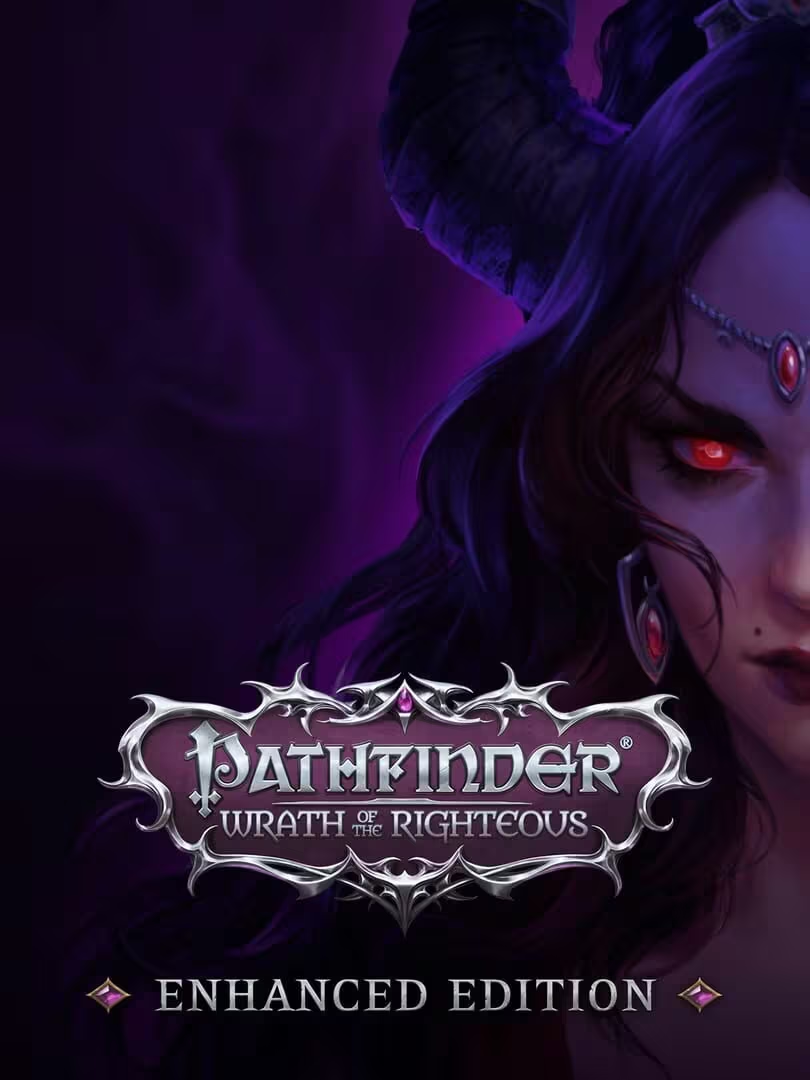
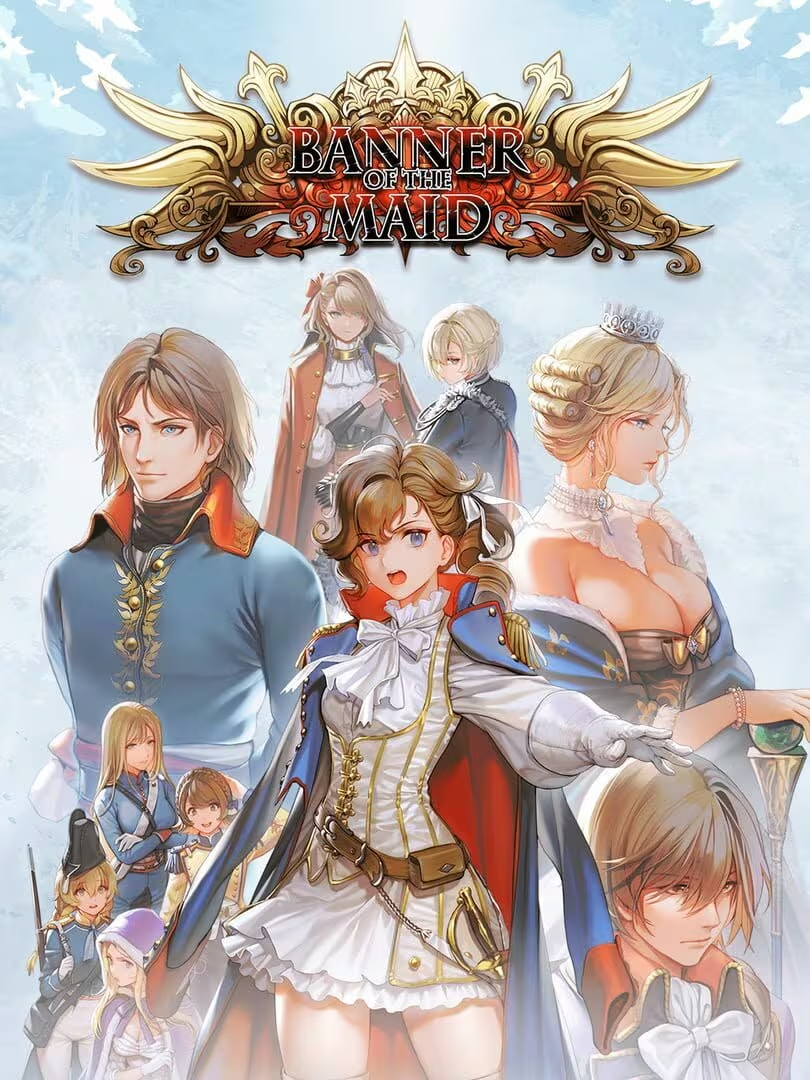
Thronebreaker: The Witcher Tales Thumbnail

Thronebreaker: The Witcher Tales similar games & best alternatives
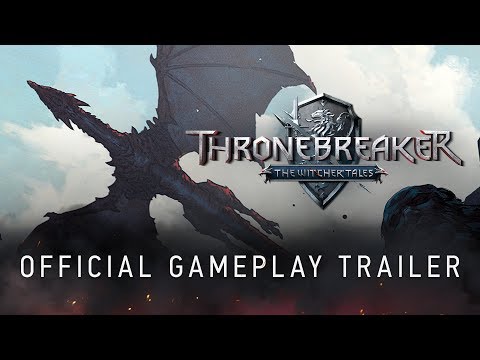
Thronebreaker: The Witcher Tales

PC (Microsoft Windows), iOS, Xbox One, PlayStation 4, Android, Nintendo Switch • 2018

Related articles

Quick resume

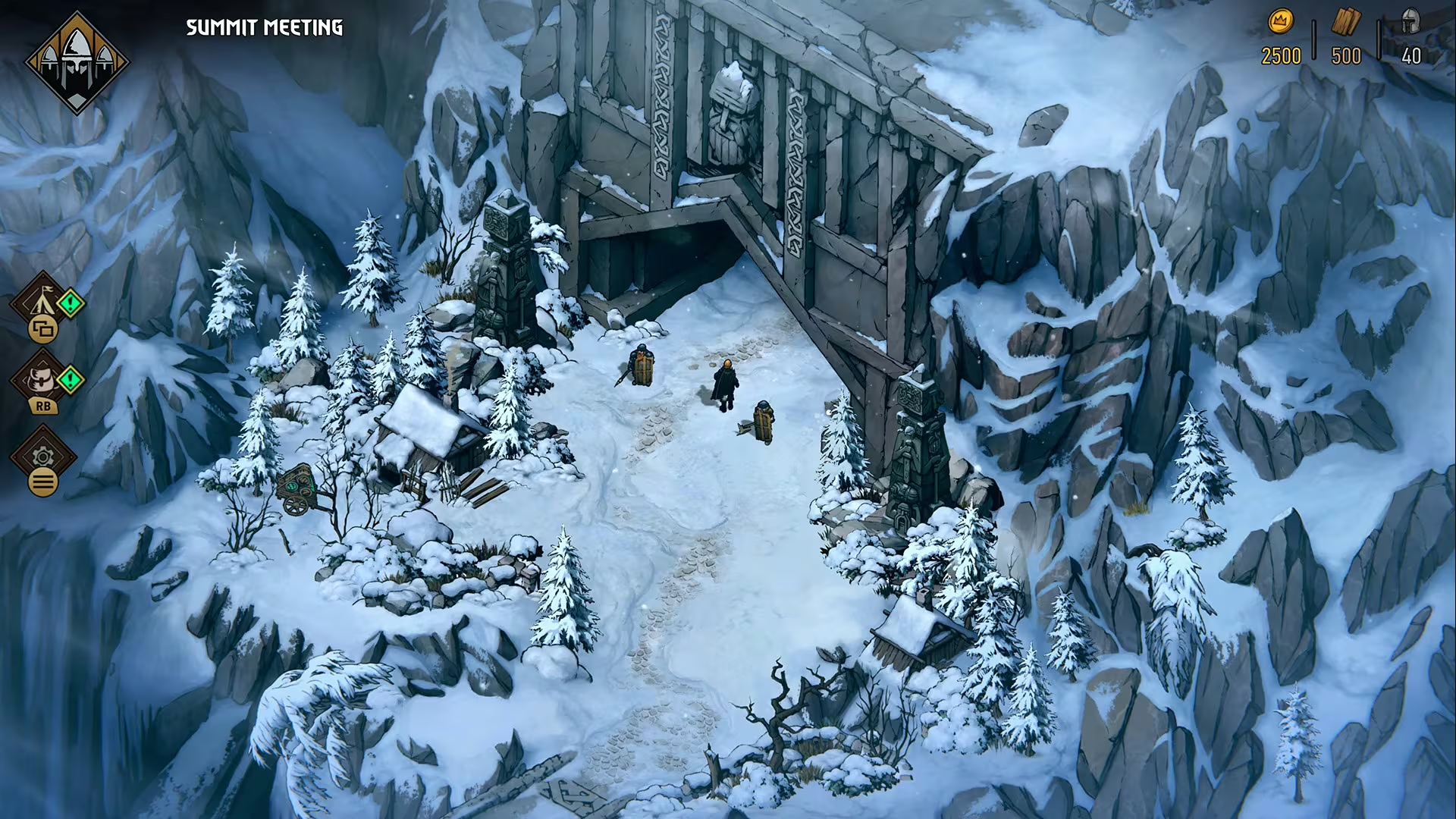
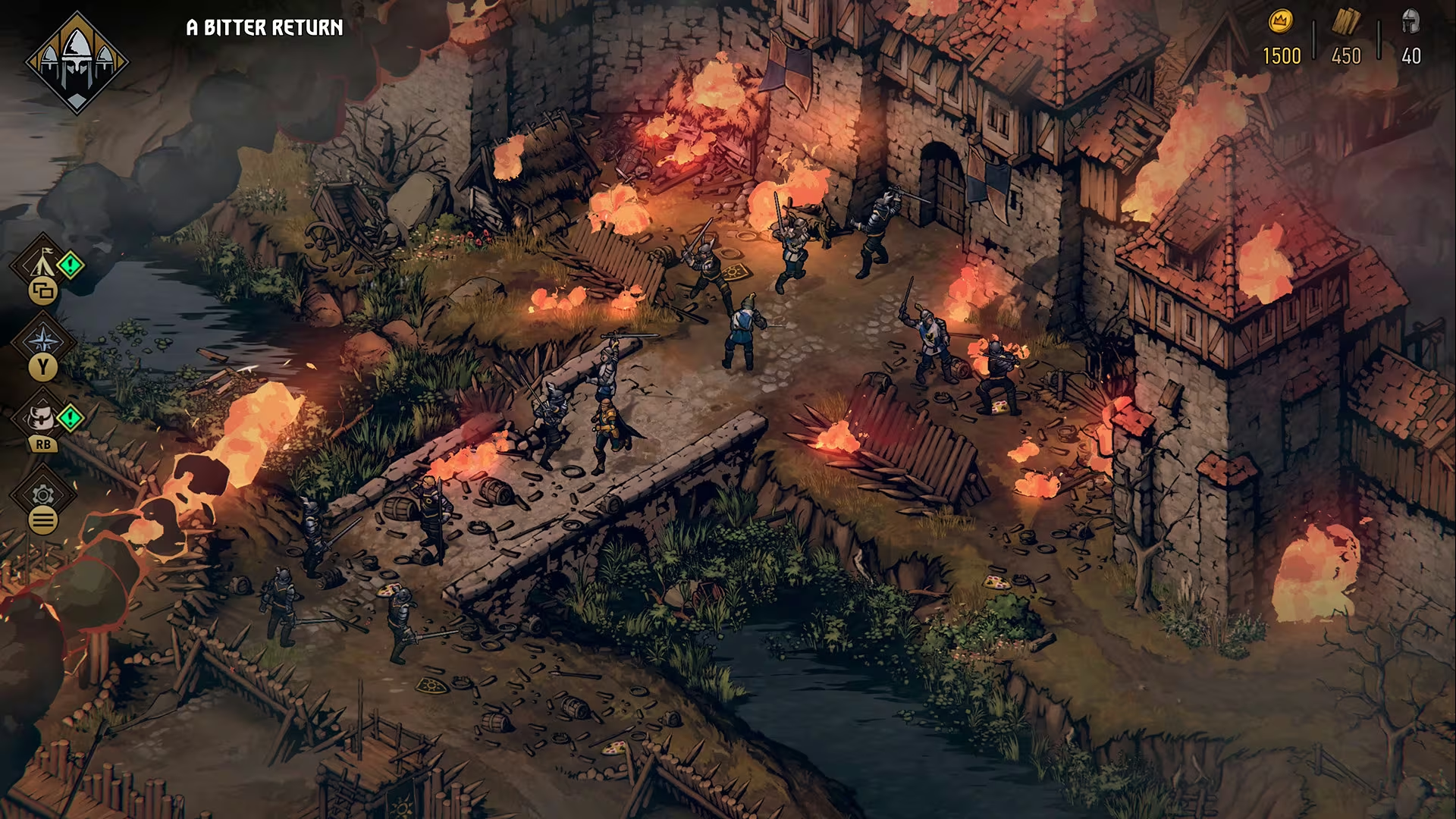
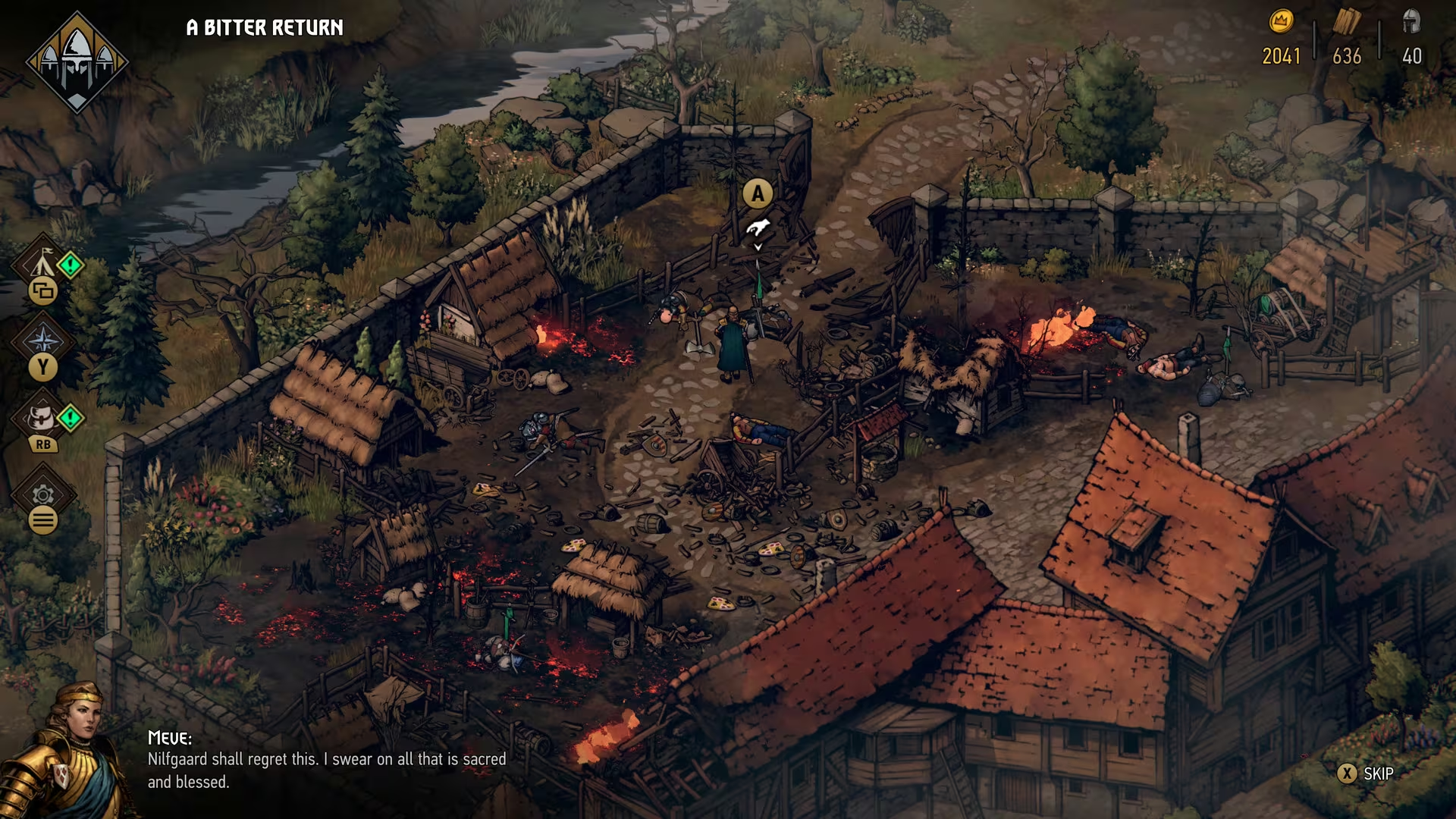
Discover a brand new RPG from the creators of The Witcher 3: Wild Hunt. Facing an imminent invasion, Meve — war-veteran and Queen of Lyria and Rivia — is forced to once again enter the warpath and set out on a dark journey of destruction and revenge.

Global score

90/100

Genres

Adventure, Role-playing (RPG), Turn-based strategy (TBS), Strategy, Puzzle, Card & Board Game

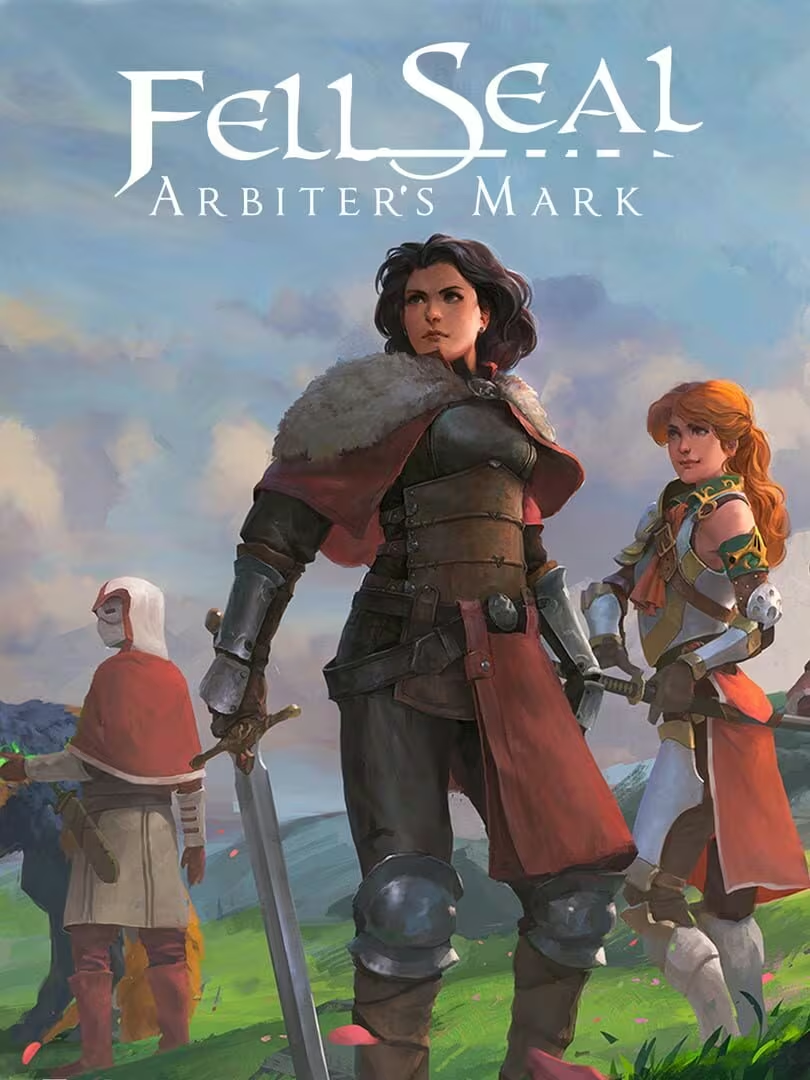
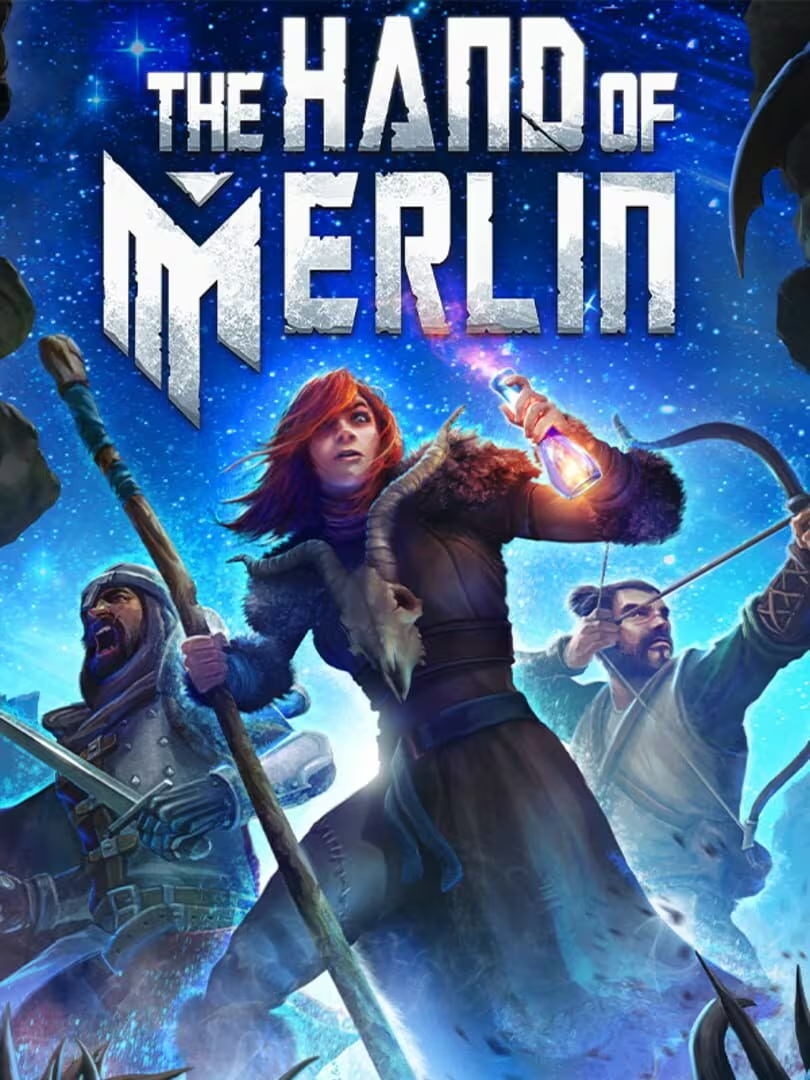
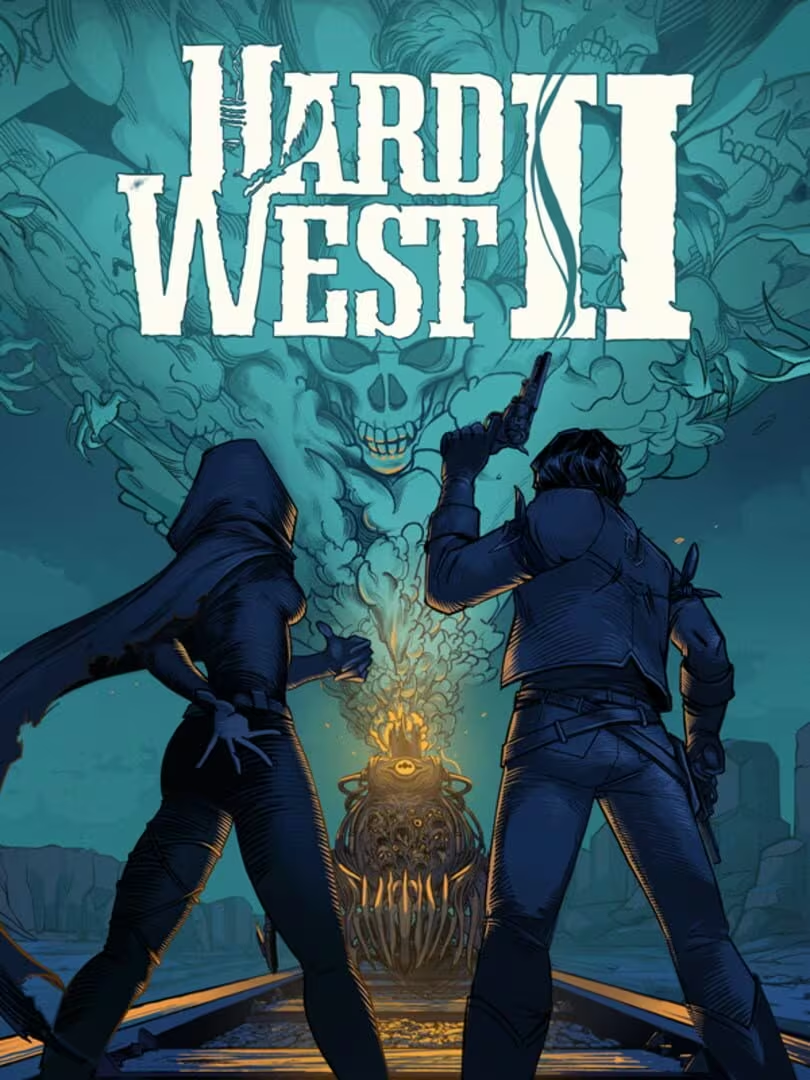
Similar games

    Pros

    • Engaging story with impactful choices
    • Beautiful art and music
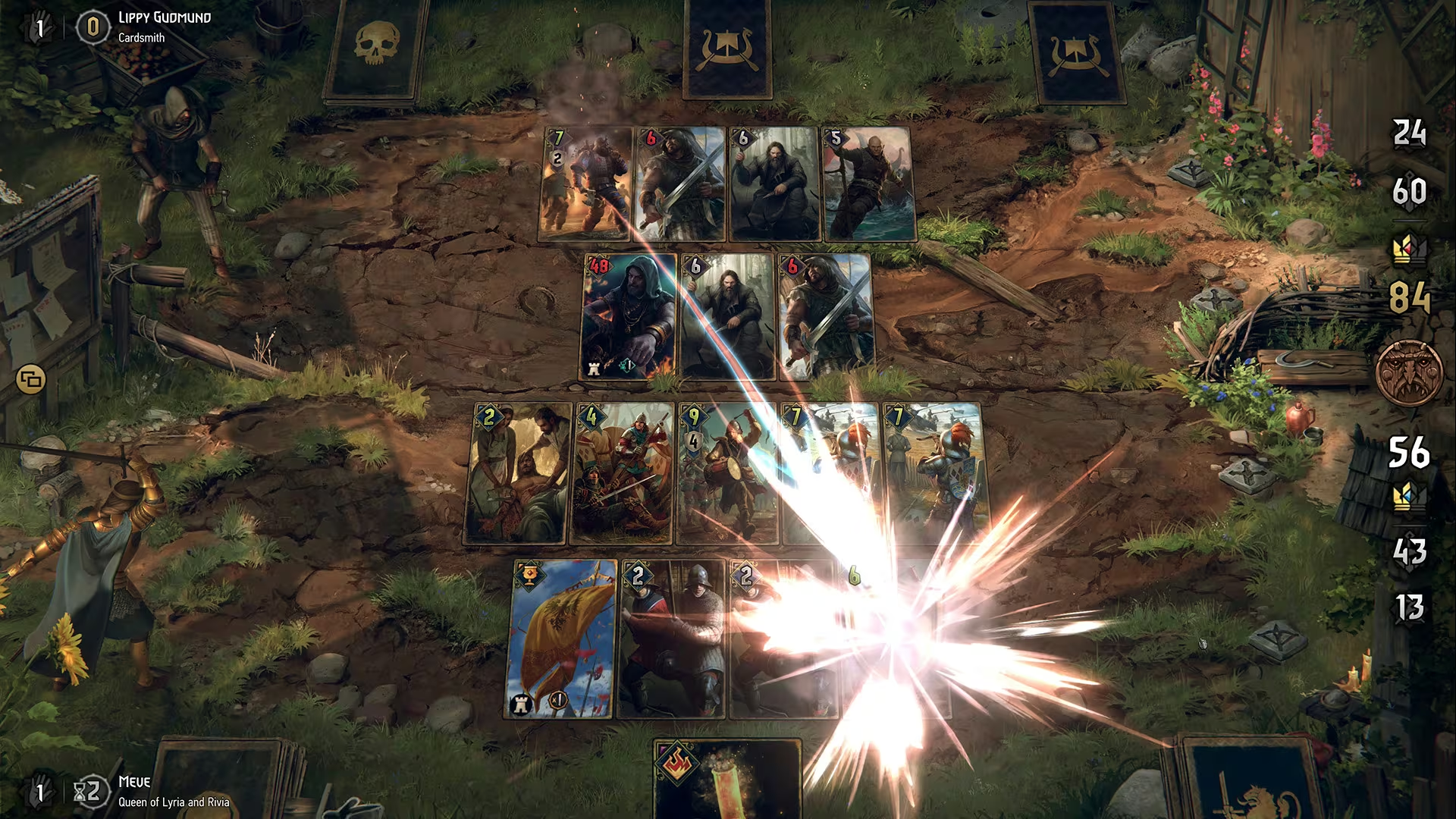
    • Deep strategic card gameplay
    • Rich witcher universe lore
    • High-quality voice acting

    Cons

    • Some repetitive battles and puzzles
    • Lack of manual save system
    • Limited deck customization options
    • Slow map navigation
    • No multiplayer or social features

    Analysis

    A very typical example of its motivational profile. Motivations that often define this kind of title include Leadership, Survival, Violence, Strategy. Here, the score leans higher than usual among comparable games on Story, Fantasy. It leans lower than usual among comparable games on Cooperation.

    How to use the graph
    Similar games map

    Each dot is a game. They are arranged from the same motivation profile as in the “Motivations” section below. Closer dots usually mean more similar reasons to play (exploration, competition, relaxation, etc.)—not that one game is “better” than another.

    • Larger dot with a light outline: the game you are viewing.
    • Colour: groups of games with comparable motivation patterns (statistical clusters).
    • Hover a dot to see the game name; click to open its page.
    • Scroll or double-click the chart to zoom out and see more games.

    Why don’t the axes read like a score? This view uses t-SNE: it only keeps who is close to whom. The scales are not “good to bad” or hours played—they separate groups on the map. Read distance between dots, not the axis numbers.

    Motivations

    • Autonomy
      4

      "Players make meaningful choices affecting story, party composition, and resource management, reflecting high personal control."

    • Competence
      3

      "Gameplay involves strategic card battles and puzzles requiring skill and adaptation, though some battles can be repetitive or easier on lower difficulties."

    • Competition
      -4

      "Focus is on single-player experience without ranked or leaderboard competition; players engage at their own pace."

    • Continuation
      4

      "Many players report long play sessions and replay value due to story depth and deck experimentation."

    • Cooperation
      -5

      "Entirely single-player with no multiplayer or cooperative elements."

    • Creativity
      3

      "Players customize and build decks, experiment with card combinations, and make strategic decisions shaping gameplay."

    • Domination
      -5

      "No evidence of exerting control over others; interactions are narrative and single-player focused."

    • Escapism
      4

      "Strong narrative immersion and atmospheric world provide escape from real life."

    • Expectation
      -4

      "Players engage voluntarily out of interest in story and gameplay, with no obligation or pressure noted."

    • Experimenting
      3

      "Players try different decks, strategies, and puzzle solutions, though some battles become routine."

    • Exploration
      3

      "Exploration of maps with secrets, side quests, and resource gathering encourages discovery."

    • Expression
      2

      "Some customization through deck building and camp upgrades, but limited avatar or environment personalization."

    • Fantasy
      5

      "Set in a rich fantasy world with fictional characters, magic, and lore consistent with The Witcher universe."

    • Fellowship
      -5

      "No social or community features; strictly single-player."

    • Growth
      3

      "Players learn card mechanics, develop strategies, and improve skills through gameplay progression."

    • Health
      -5

      "Typical sedentary gameplay with no physical activity or health-related features."

    • Idle
      -3

      "Requires focused attention during battles and story; some map navigation can be slow but generally engaging."

    • Intimacy
      -4

      "Limited to narrative relationships with characters; no social or emotional sharing with other players."

    • Leadership
      4

      "Player leads Queen Meve and her army, making strategic and moral decisions affecting the group."

    • Progression
      4

      "Players collect resources, upgrade camp, and acquire new cards and abilities to strengthen their deck."

    • Relaxation
      3

      "Generally balanced challenge with moments of tension; some players find puzzles frustrating but story engaging."

    • Sensation
      3

      "Enjoyable art style, music, and voice acting provide sensory and emotional engagement."

    • Status
      -5

      "No social recognition or visibility; single-player focus."

    • Story
      5

      "Highly praised narrative immersion with impactful choices, character development, and rich lore."

    • Strategy
      4

      "Card battles and puzzles require logical thinking, planning, and tactical decision-making."

    • Thrill
      2

      "Some suspense and challenge in battles and story decisions, but overall controlled and paced experience."

    • Value
      4

      "Players report strong value for time and money due to length, story quality, and gameplay depth."

    • Violence
      1

      "Combat is abstracted through card battles; some thematic violence but no graphic depiction."

    • Survival
      2

      "Resource management and strategic defense elements present, but not extreme survival mechanics."

    Where to buy

    Last update: 29/04/2026