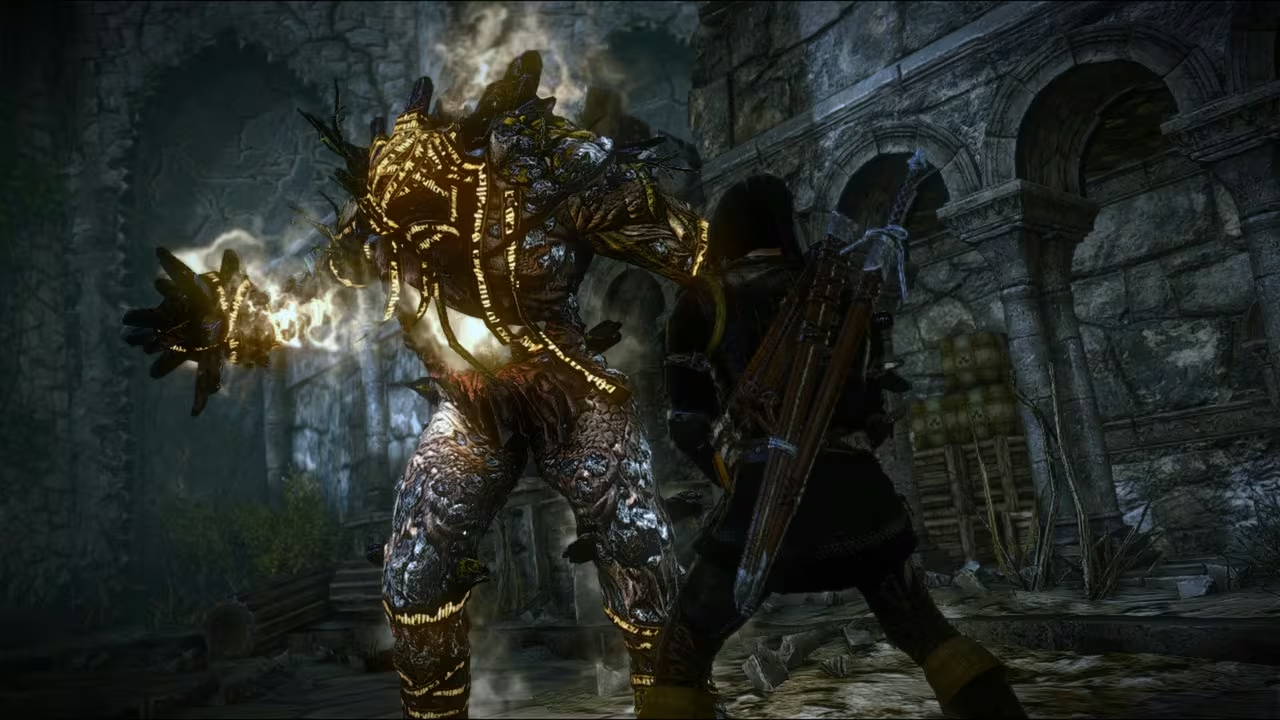
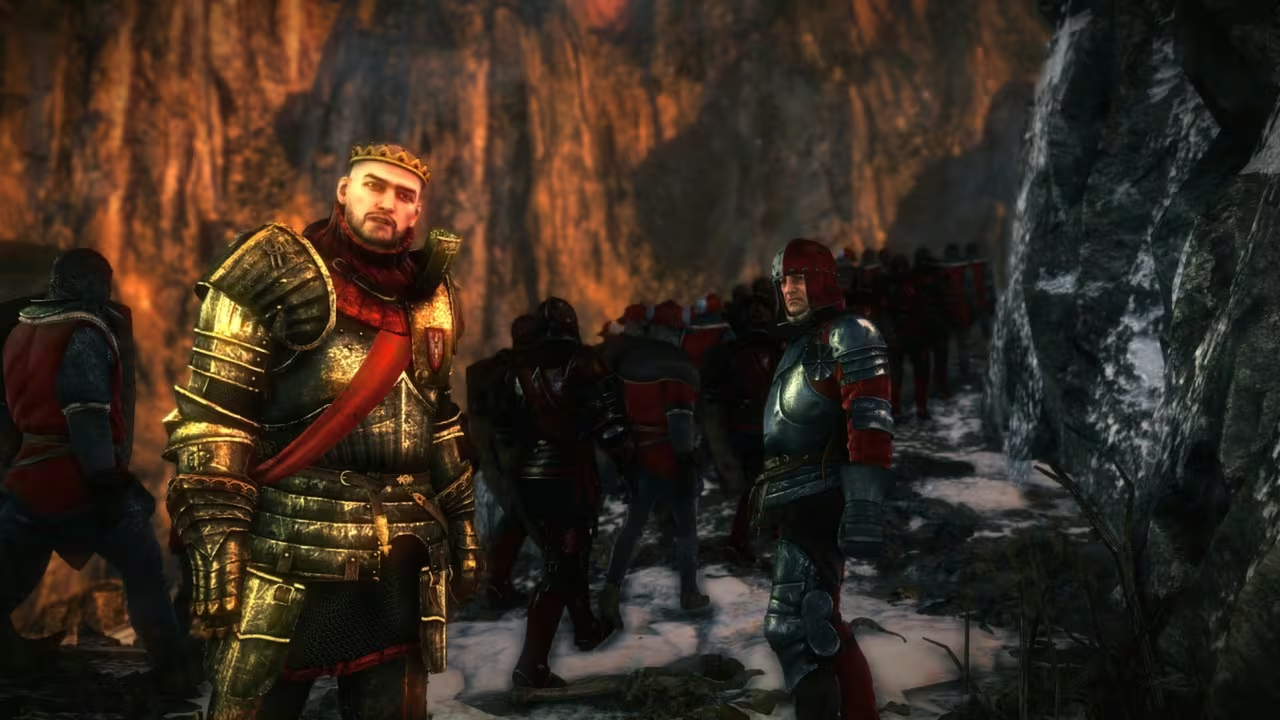
The Witcher 2: Assassins of Kings Enhanced Edition Thumbnail

The Witcher 2: Assassins of Kings Enhanced Edition similar games & best alternatives
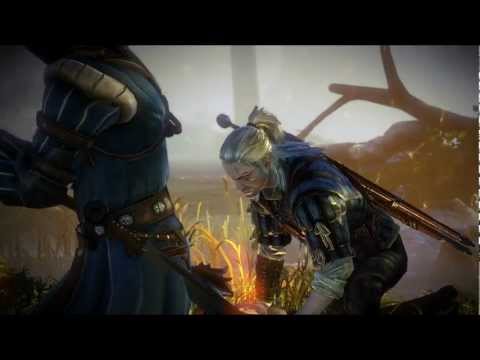
The Witcher 2: Assassins of Kings Enhanced Edition

PC (Microsoft Windows), Xbox 360, Mac, Linux • 2012

Related articles

Quick resume

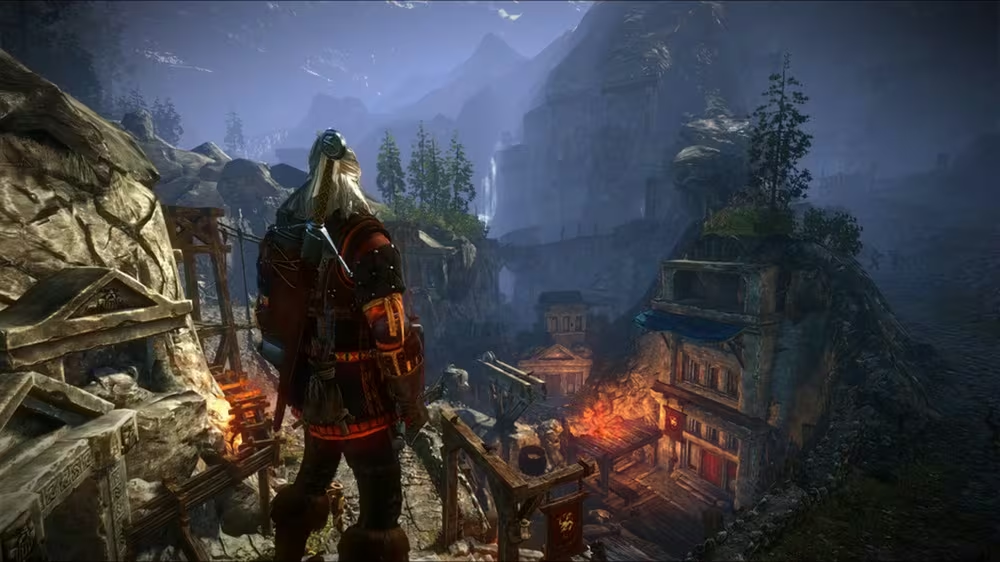
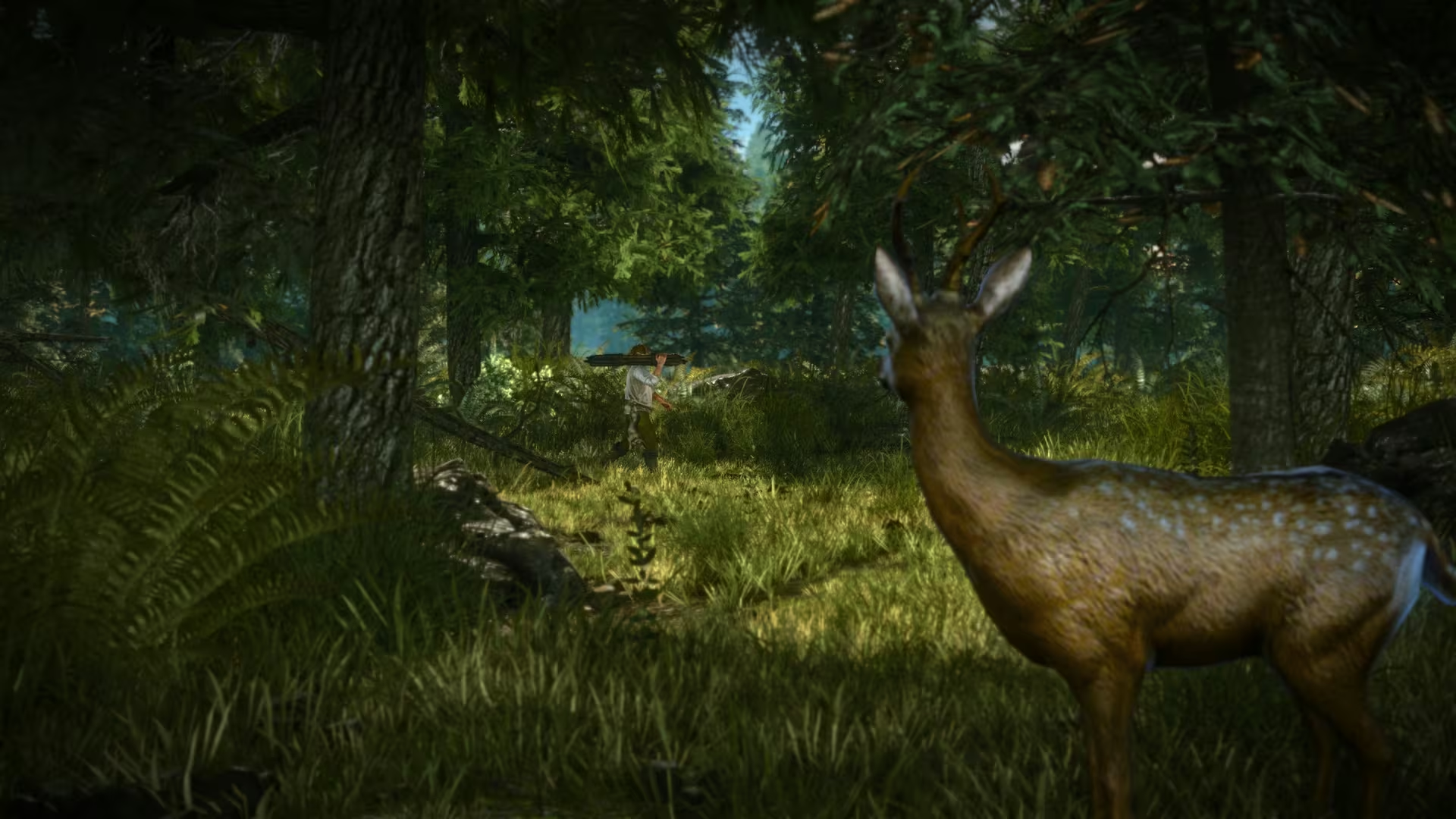
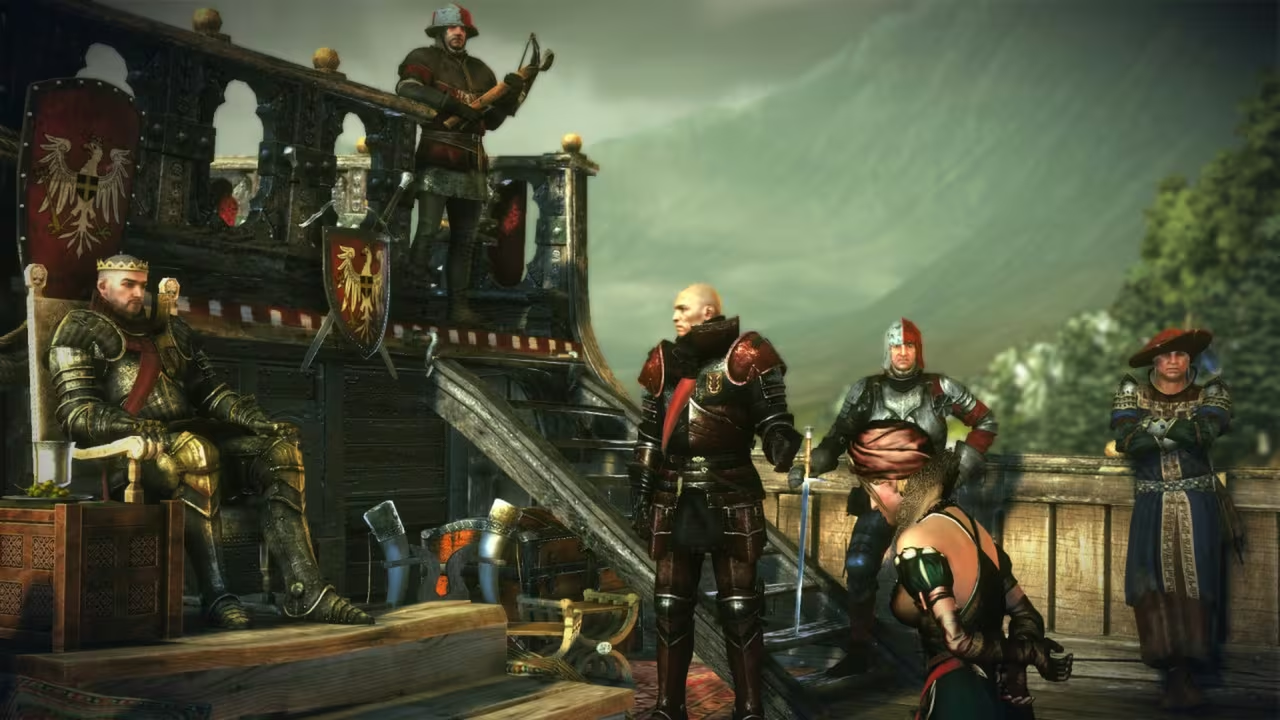
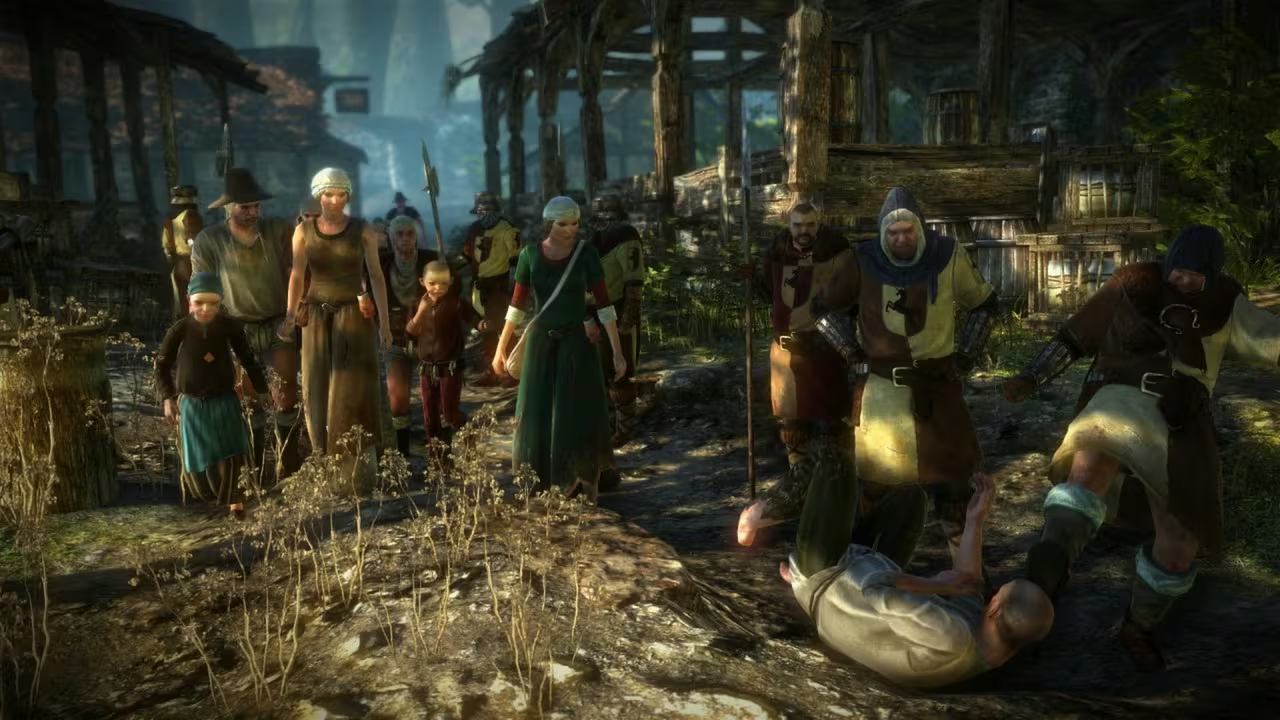
A time of untold chaos has come. Mighty forces clash behind the scenes in a struggle for power and influence. The Northern Kingdoms mobilize for war. But armies on the march are not enough to stop a bloody conspiracy...

Global score

90/100

Genres

Role-playing (RPG), Adventure

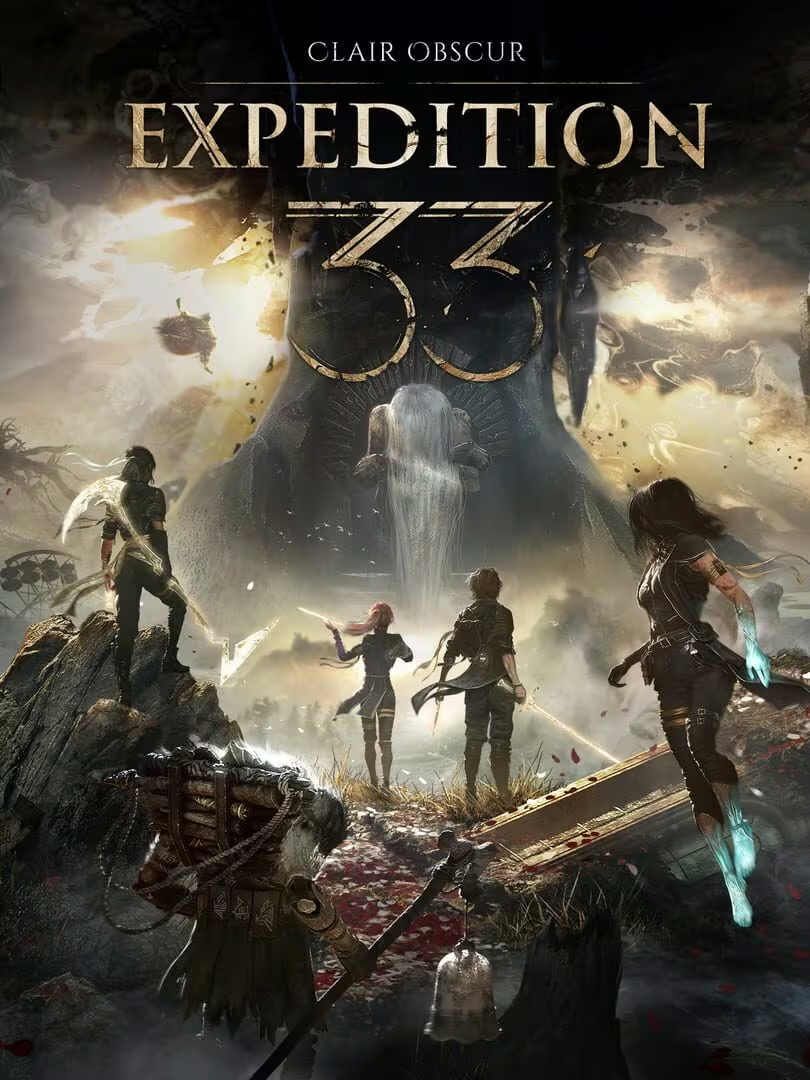
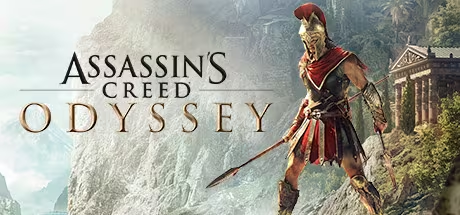
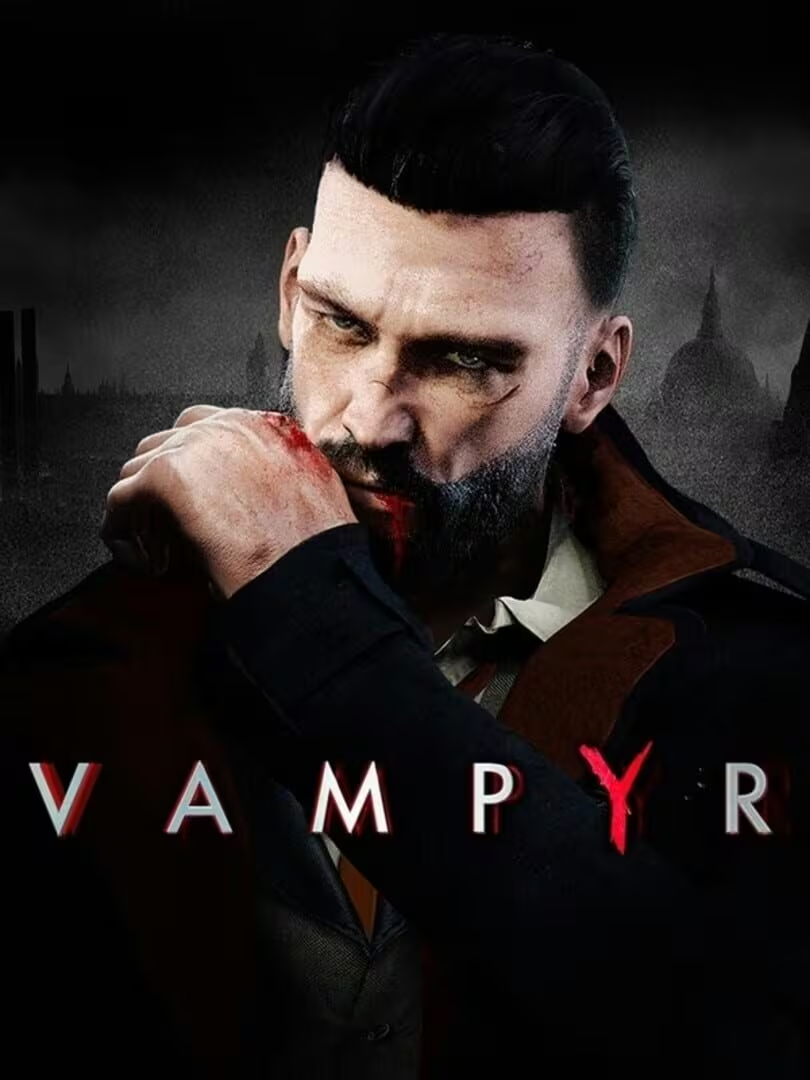
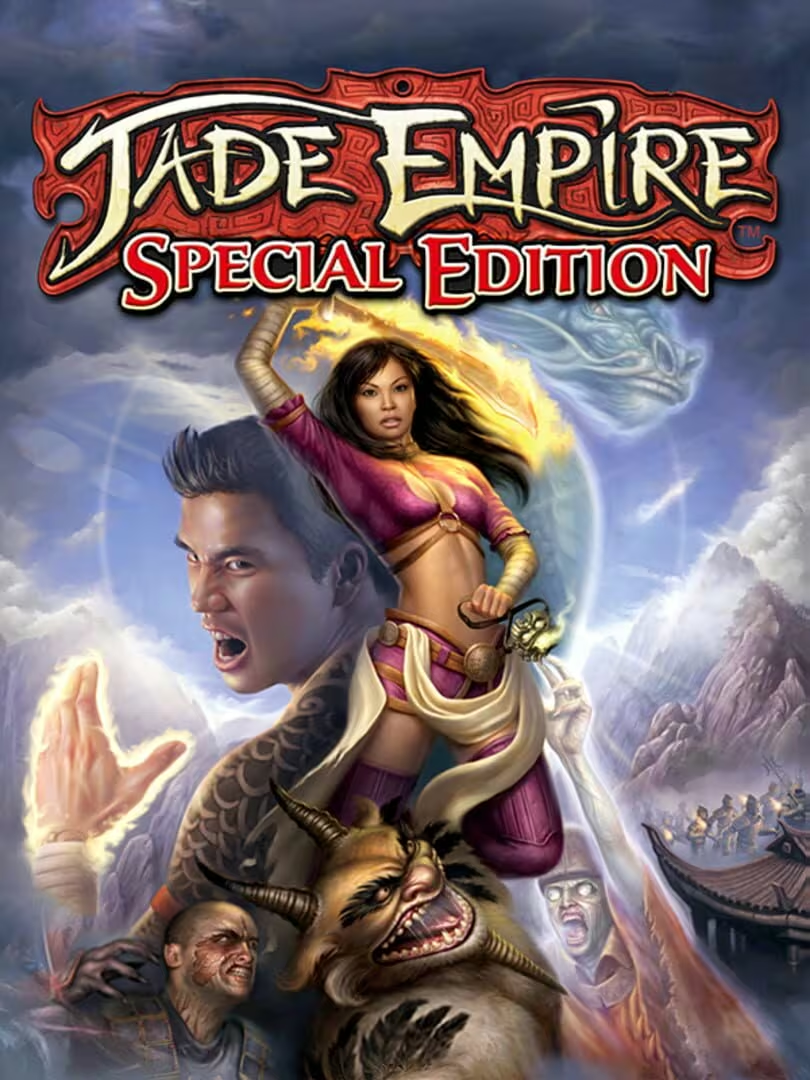
Similar games

    Pros

    • Deep and mature story with impactful choices
    • Impressive graphics and sound for its time
    • Challenging and strategic combat system
    • Multiple story paths and endings
    • High replayability

    Cons

    • Some clunky controls and combat mechanics
    • Lack of fast travel and linear map design
    • Inventory and ui can be unintuitive
    • Technical issues like crashes and bugs
    • Some players find difficulty spikes frustrating

    Analysis

    A very typical example of its motivational profile. Motivations that often define this kind of title include Fellowship, Cooperation, Leadership, Violence. Here, the score leans higher than usual among comparable games on Story, Violence. It leans lower than usual among comparable games on Creativity.

    How to use the graph
    Similar games map

    Each dot is a game. They are arranged from the same motivation profile as in the “Motivations” section below. Closer dots usually mean more similar reasons to play (exploration, competition, relaxation, etc.)—not that one game is “better” than another.

    • Larger dot with a light outline: the game you are viewing.
    • Colour: groups of games with comparable motivation patterns (statistical clusters).
    • Hover a dot to see the game name; click to open its page.
    • Scroll or double-click the chart to zoom out and see more games.

    Why don’t the axes read like a score? This view uses t-SNE: it only keeps who is close to whom. The scales are not “good to bad” or hours played—they separate groups on the map. Read distance between dots, not the axis numbers.

    Motivations

    • Autonomy
      4

      "Players make meaningful choices that significantly affect the story and game progression, including branching paths and multiple endings."

    • Competence
      3

      "Combat requires skill, strategy, and preparation, especially on higher difficulties; some players find it challenging and rewarding."

    • Competition
      -4

      "Single-player RPG focused on personal story and exploration without competitive multiplayer or leaderboards."

    • Continuation
      4

      "Players often invest many hours, replaying to explore different story branches and endings, showing strong attachment."

    • Cooperation
      -5

      "Entirely single-player experience focused on individual play and personal decision-making."

    • Creativity
      2

      "Players can customize character builds and craft items, but game world and quests are mostly predefined."

    • Domination
      -5

      "No multiplayer or PvP elements; interactions are narrative-driven and balanced."

    • Escapism
      5

      "Immersive fantasy world and mature story provide strong escape from real life."

    • Expectation
      -4

      "Players engage voluntarily out of interest in story and gameplay, not due to obligation."

    • Experimenting
      3

      "Multiple story paths and character builds encourage trying different approaches and replaying."

    • Exploration
      3

      "Semi-open world with exploration of detailed environments and hidden quests, though somewhat linear."

    • Expression
      2

      "Character customization through skill trees and gear allows some personal expression."

    • Fantasy
      5

      "Strong fantasy setting with magic, monsters, and a rich lore based on novels."

    • Fellowship
      -5

      "Focused on solo play with limited social interaction."

    • Growth
      4

      "Players develop skills, learn combat mechanics, and improve character builds over time."

    • Health
      -4

      "Primarily sedentary gameplay with no physical activity elements."

    • Idle
      -3

      "Requires sustained attention and focus during combat and story progression."

    • Intimacy
      -4

      "Limited to narrative relationships; no social or emotional connections with other players."

    • Leadership
      -5

      "No leadership or group management mechanics; player acts independently."

    • Progression
      4

      "Character progression via leveling, skill trees, and item acquisition is central to gameplay."

    • Relaxation
      1

      "Game balances challenge and flow but can be tense especially on higher difficulties."

    • Sensation
      3

      "Enjoyable visuals, sound design, and music contribute to sensory engagement."

    • Status
      -4

      "Focus on individual experience without social status or recognition systems."

    • Story
      5

      "Highly praised narrative with complex characters, moral ambiguity, and impactful choices."

    • Strategy
      4

      "Combat and quest decisions require planning, tactical thinking, and problem solving."

    • Thrill
      3

      "Combat and story choices create suspense and excitement, especially on harder difficulties."

    • Value
      4

      "Offers many hours of content, replayability, and a rich story for a reasonable price."

    • Violence
      4

      "Combat involves fighting monsters and humans with swords, magic, and traps."

    • Survival
      3

      "Players must manage resources and survive challenging combat encounters."

    Last update: 29/04/2026