You Can Kana - Learn Japanese Hiragana & Katakana Thumbnail

You Can Kana - Learn Japanese Hiragana & Katakana similar games & best alternatives

You Can Kana - Learn Japanese Hiragana & Katakana

PC (Microsoft Windows) • 2021

Related articles

Quick resume

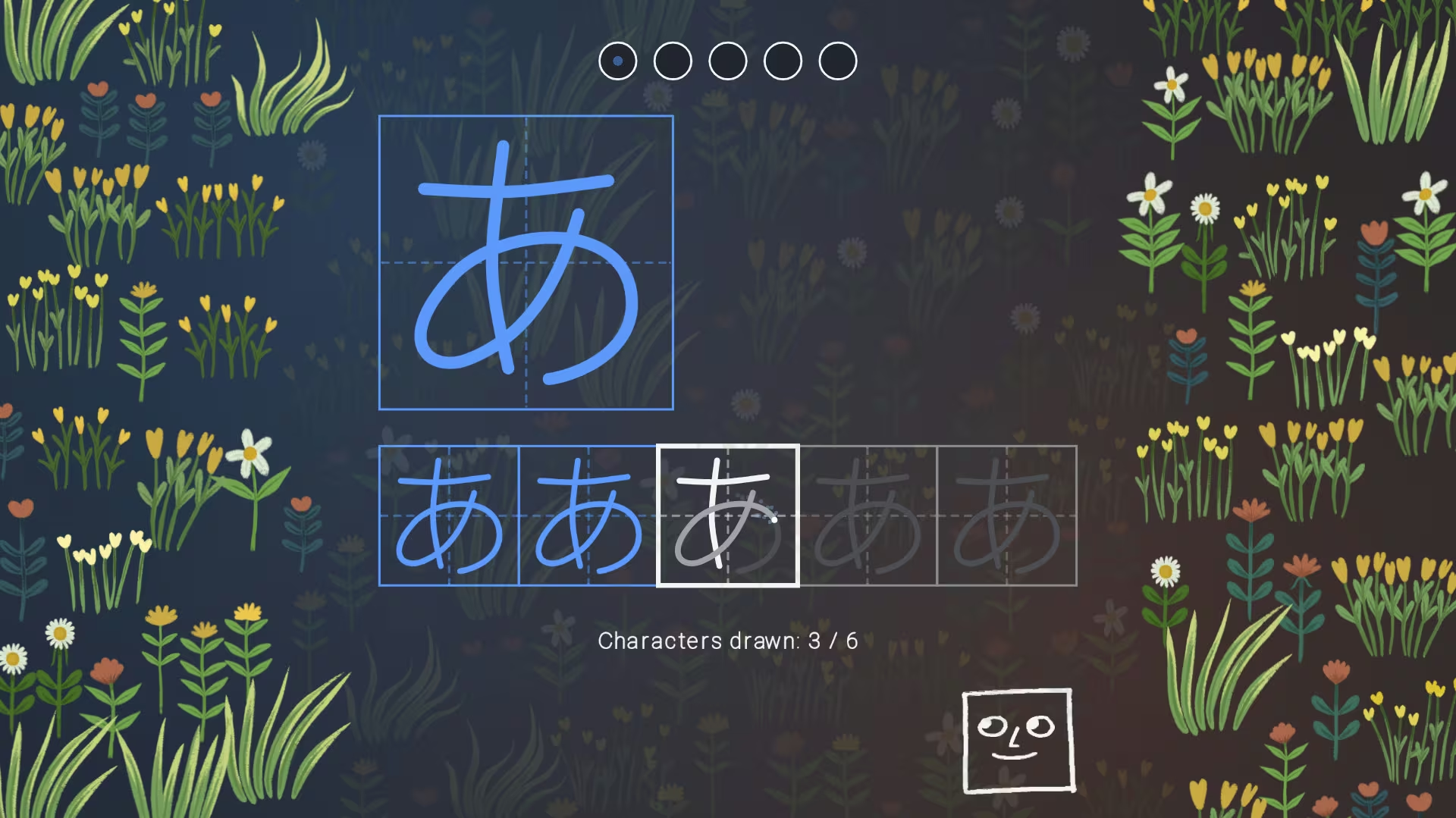
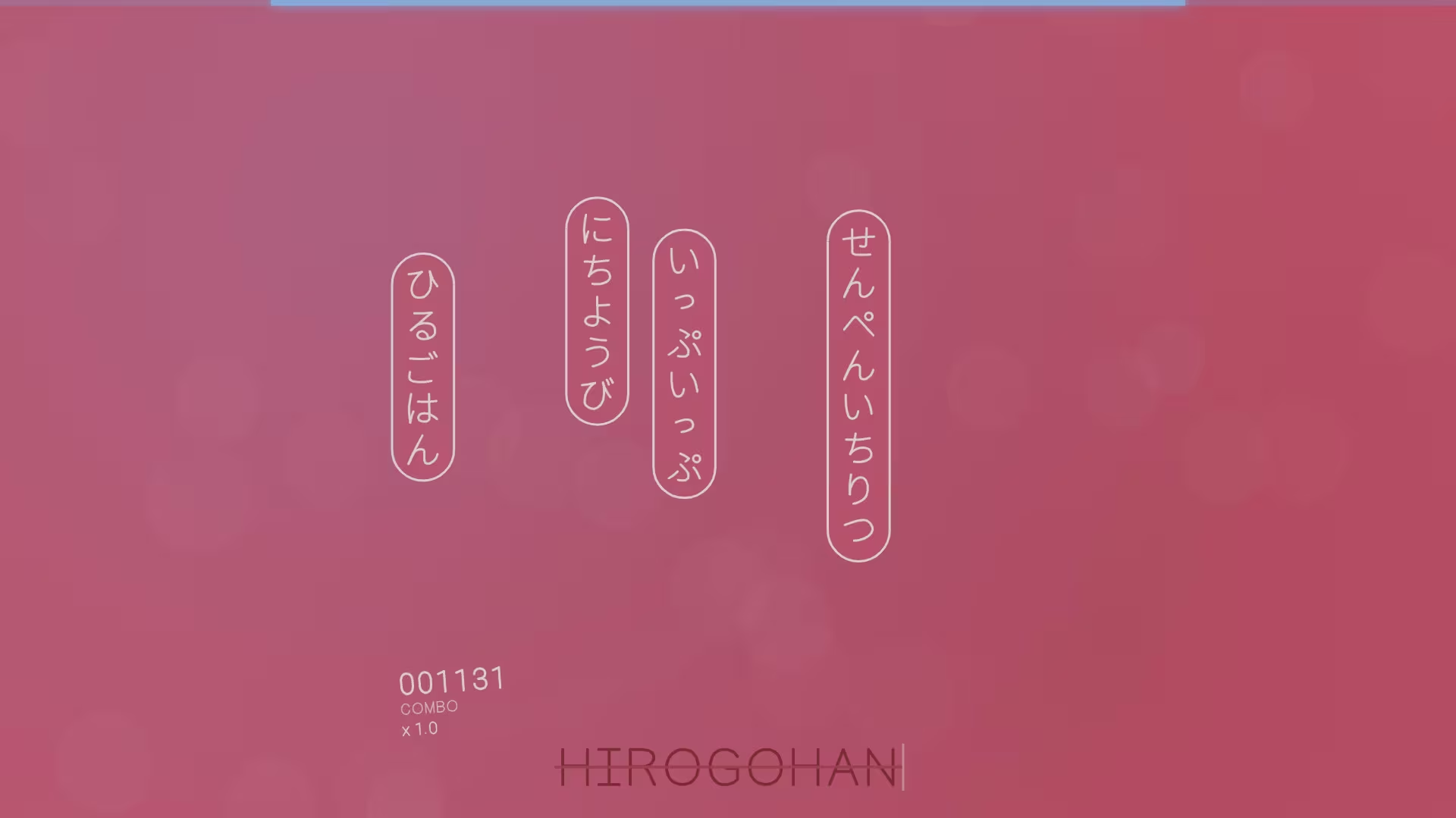
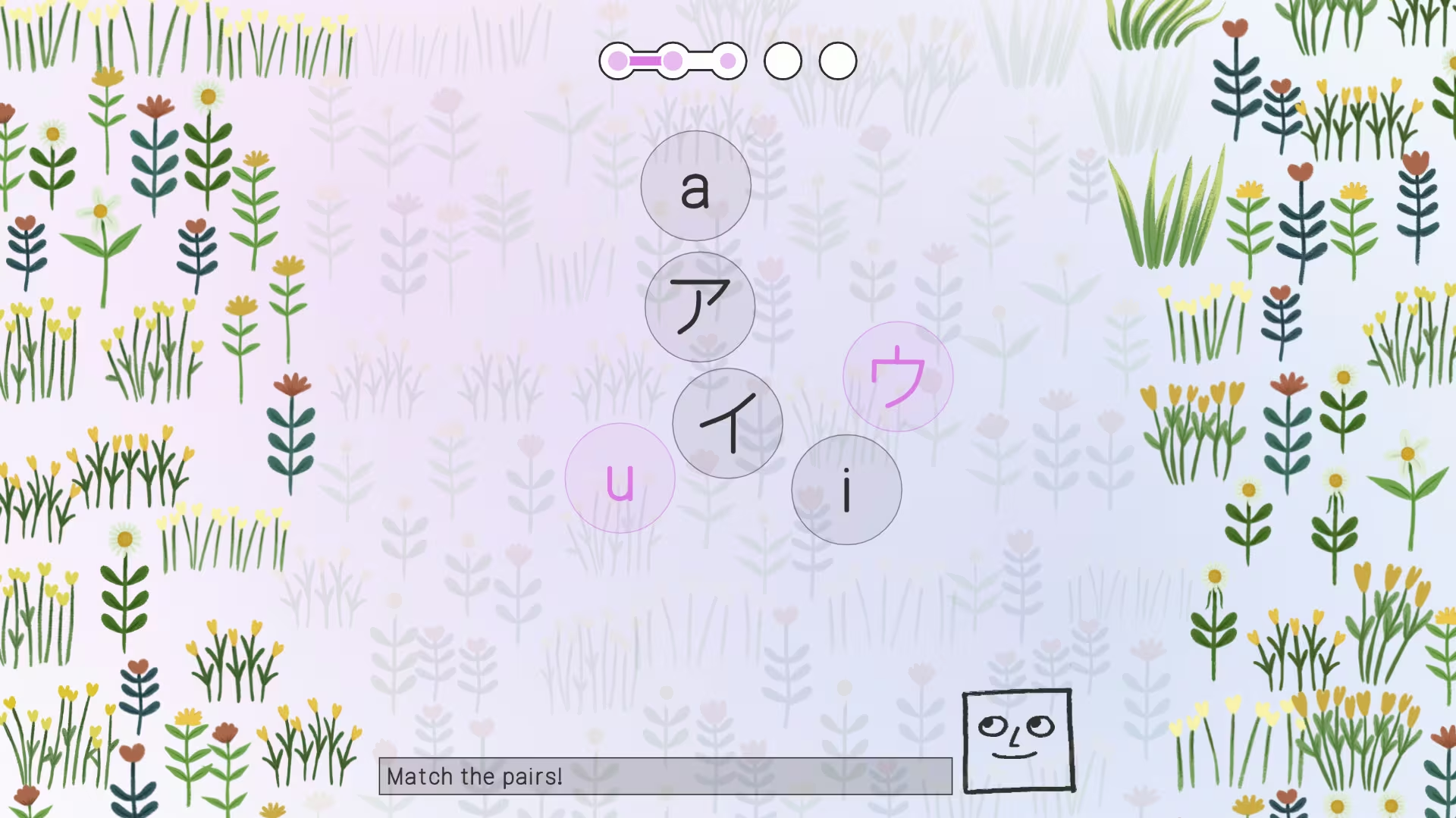
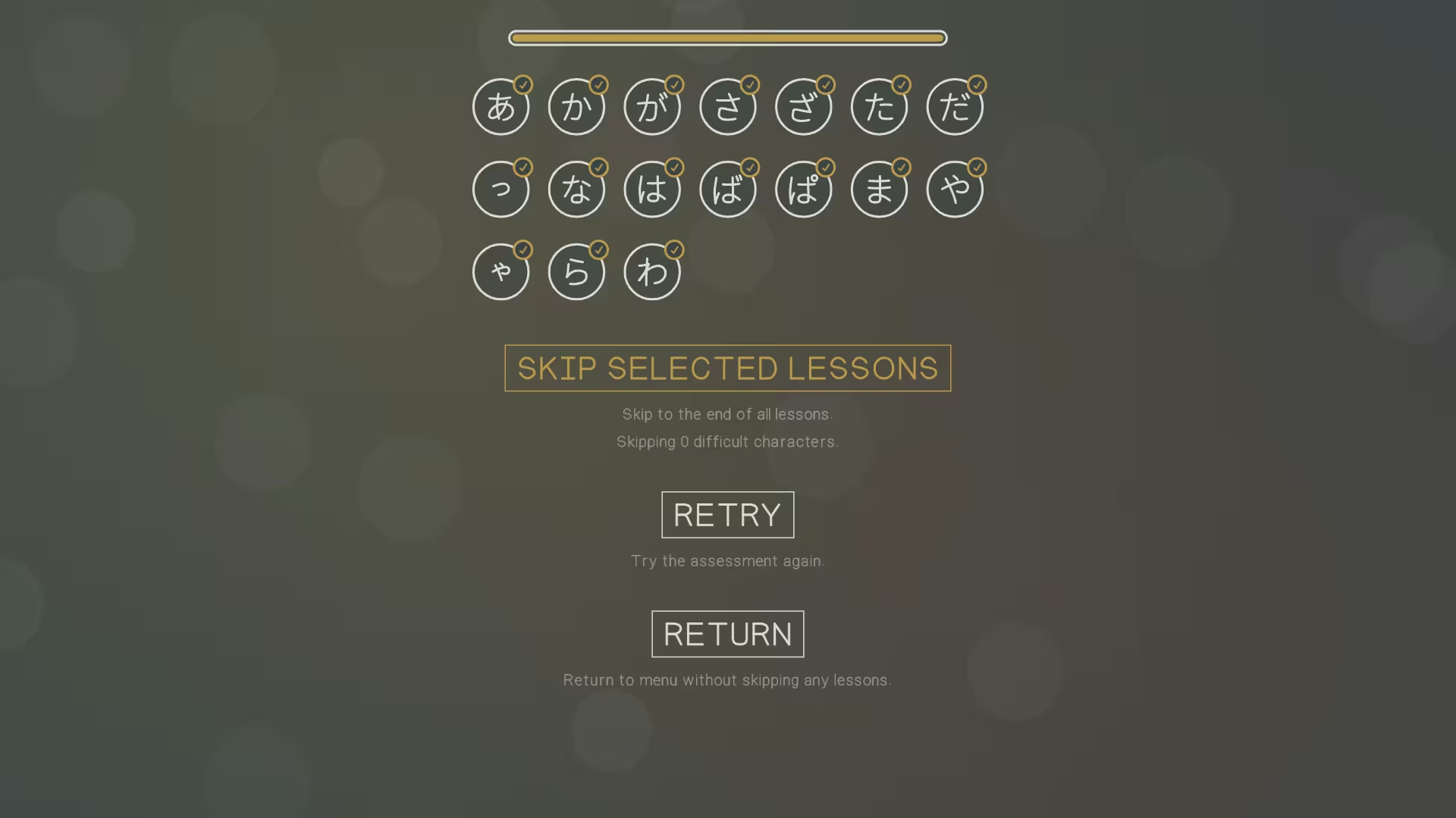
Learn and master the japanese phonetic alphabets at your own pace with this meditative language learning tool.

Global score

99/100

Genres

Casual

Similar games

    Pros

    • Effective and engaging kana learning tool
    • Progressive skill challenges and practice modes
    • Relaxing music and pleasant ui
    • Supports handwriting and typing practice
    • Good value for price

    Cons

    • Lack of vocabulary and kanji learning
    • Limited customization and flexibility
    • No social or cooperative features
    • Some ui and feature requests from users
    • Writing practice could be improved

    Analysis

    Less representative of its motivational profile, with noticeable differences. Motivations that often define this kind of title include Fantasy, Violence, Story, Thrill. It leans lower than usual among comparable games on Expression, Creativity, Exploration.

    How to use the graph
    Similar games map

    Each dot is a game. They are arranged from the same motivation profile as in the “Motivations” section below. Closer dots usually mean more similar reasons to play (exploration, competition, relaxation, etc.)—not that one game is “better” than another.

    • Larger dot with a light outline: the game you are viewing.
    • Colour: groups of games with comparable motivation patterns (statistical clusters).
    • Hover a dot to see the game name; click to open its page.
    • Scroll or double-click the chart to zoom out and see more games.

    Why don’t the axes read like a score? This view uses t-SNE: it only keeps who is close to whom. The scales are not “good to bad” or hours played—they separate groups on the map. Read distance between dots, not the axis numbers.

    Motivations

    • Autonomy
      4

      "Players can learn at their own pace, choose lessons, and practice specific character groups; some requests for more flexible modes indicate strong player control."

    • Competence
      5

      "The game provides progressive skill challenges, timed tests, and feedback that help players feel effective in learning and reading kana."

    • Competition
      1

      "There are challenge modes and leaderboards, but competition is not the main focus; players mostly compete against themselves."

    • Continuation
      4

      "Many users report habitual play, returning frequently for practice and warm-ups, indicating strong desire to keep playing."

    • Cooperation
      -5

      "The game is a solo learning tool with no multiplayer or cooperative features."

    • Creativity
      -3

      "Players follow structured lessons and exercises with minimal customization or creation; some desire for custom lessons exists."

    • Domination
      -5

      "No evidence of exerting control or superiority over others; interactions are individual and respectful."

    • Escapism
      3

      "Players use the game as a relaxing and enjoyable way to learn and distract themselves, providing mild escape from daily life."

    • Expectation
      -4

      "Players engage voluntarily out of personal interest and intrinsic motivation to learn Japanese characters."

    • Experimenting
      2

      "Some players explore different modes and practice methods, but core gameplay is repetitive and structured."

    • Exploration
      -4

      "Learning is focused on familiarizing with a fixed set of characters and words rather than discovering new environments."

    • Expression
      -5

      "No customization or avatar personalization; presentation is standardized and focused on learning."

    • Fantasy
      -5

      "The game teaches realistic language skills without fictional or imaginative elements."

    • Fellowship
      -5

      "No social or community features; players engage individually."

    • Growth
      5

      "Strong focus on learning, skill acquisition, and personal development in reading and writing Japanese kana."

    • Health
      -5

      "Sedentary gameplay with no physical activity or health-related features."

    • Idle
      -3

      "Sessions can be short and casual, but some modes require focused attention and timed responses."

    • Intimacy
      -5

      "No social or emotional connections formed through gameplay."

    • Leadership
      -5

      "No leadership or group management roles; purely individual learning."

    • Progression
      4

      "Players unlock new characters and lessons progressively, with achievements and practice modes reinforcing advancement."

    • Relaxation
      4

      "Many users describe the game as relaxing and zen-like, with soothing music and calming visuals."

    • Sensation
      2

      "Pleasant audio-visual presentation enhances enjoyment, though sensory stimulation is moderate and not intense."

    • Status
      -4

      "Minimal social recognition or status elements; achievements are personal and not prominently social."

    • Story
      -5

      "No narrative or plot; gameplay is context-free educational exercises."

    • Strategy
      2

      "Some mental challenge in recognizing characters and typing quickly, but mostly straightforward repetition."

    • Thrill
      -2

      "Timed challenges add mild tension, but overall the experience is controlled and low risk."

    • Value
      5

      "Users report high perceived value for learning Japanese kana efficiently at a low cost."

    • Violence
      -5

      "No violence; focus is on constructive learning activities."

    • Survival
      -5

      "No survival or threat elements; stable and safe learning environment."

    Last update: 29/04/2026