ABI-DOS Thumbnail

ABI-DOS similar games & best alternatives

ABI-DOS

PC (Microsoft Windows) • 2024

Related articles

Quick resume

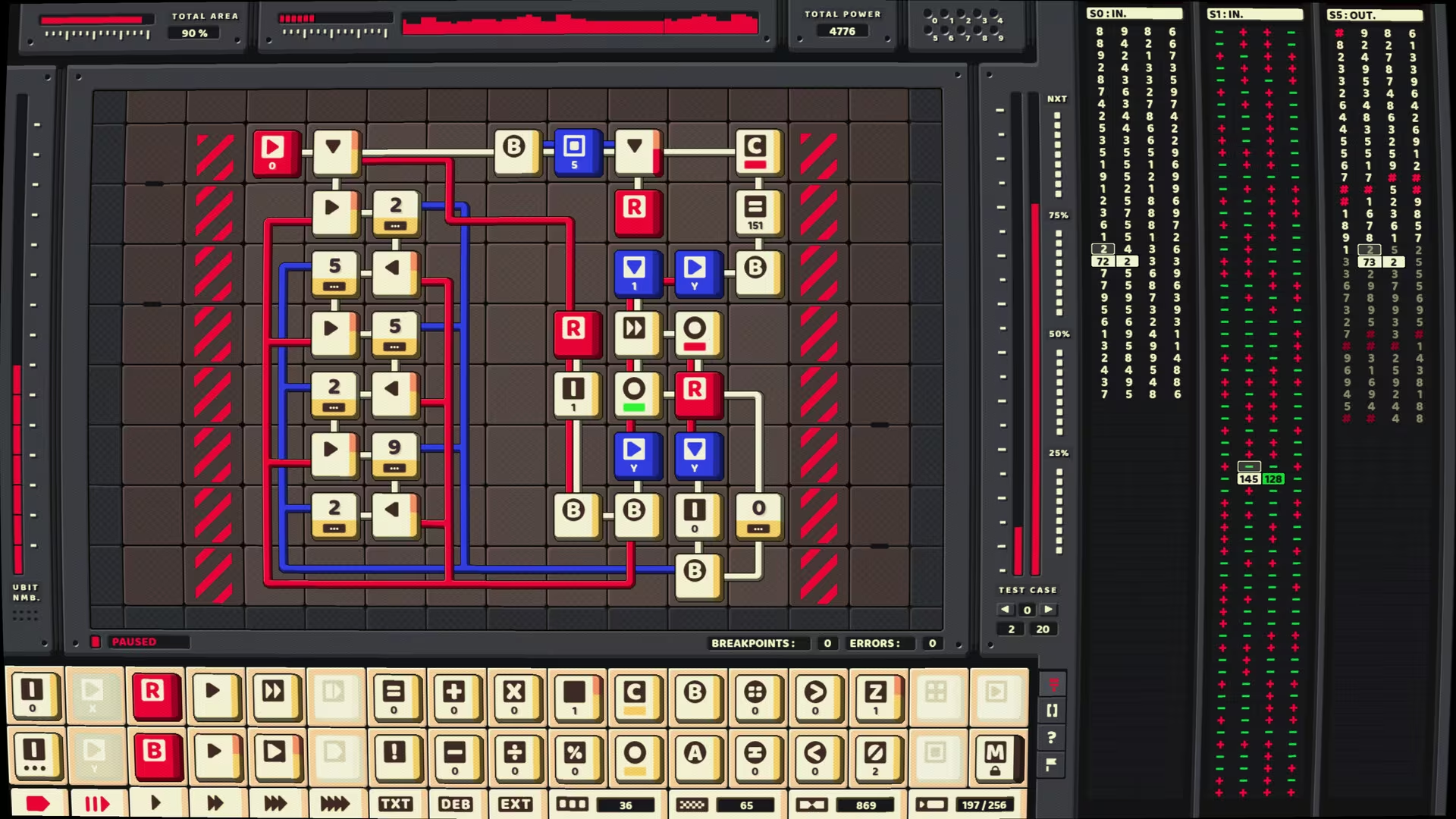
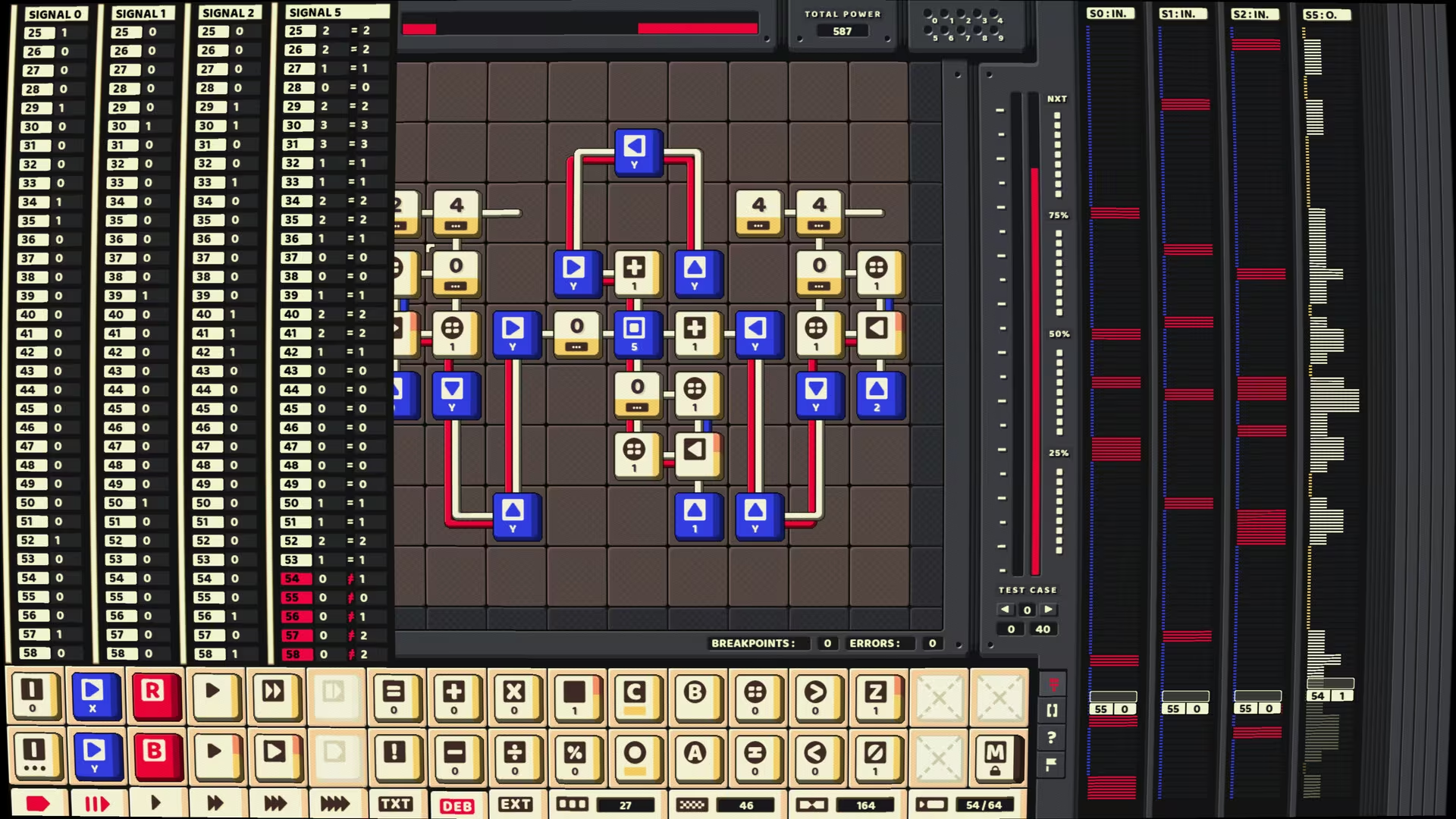
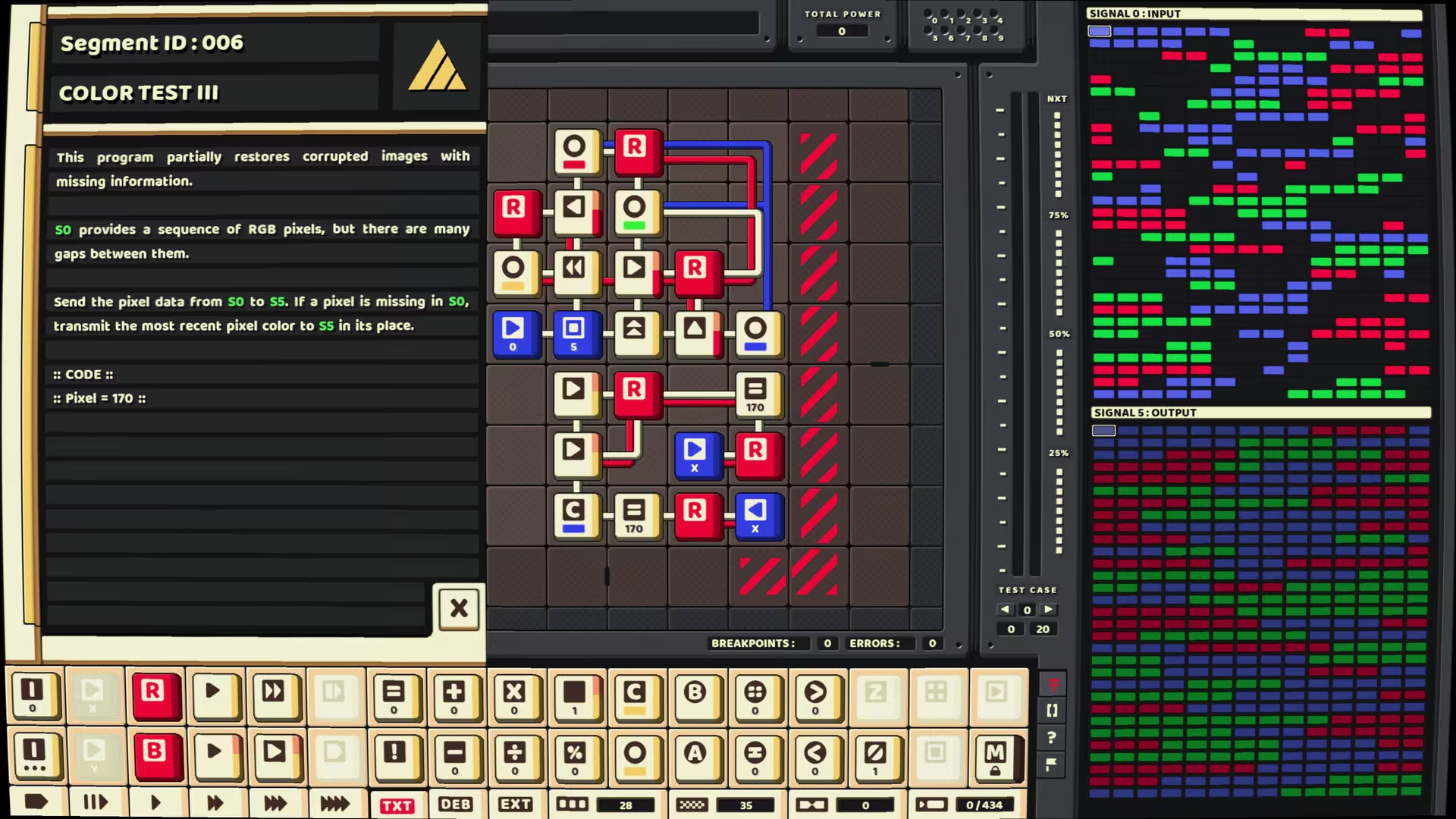
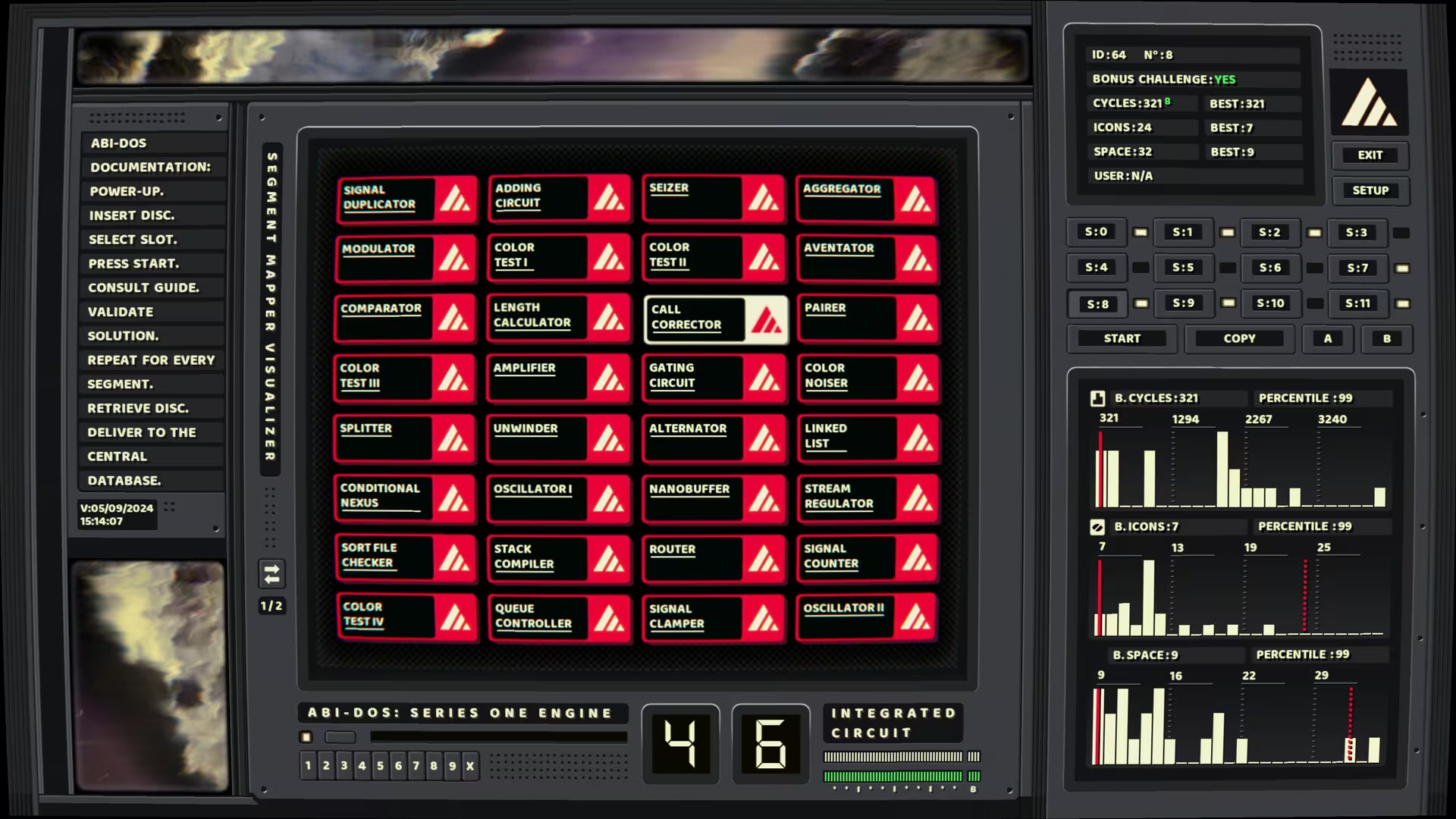
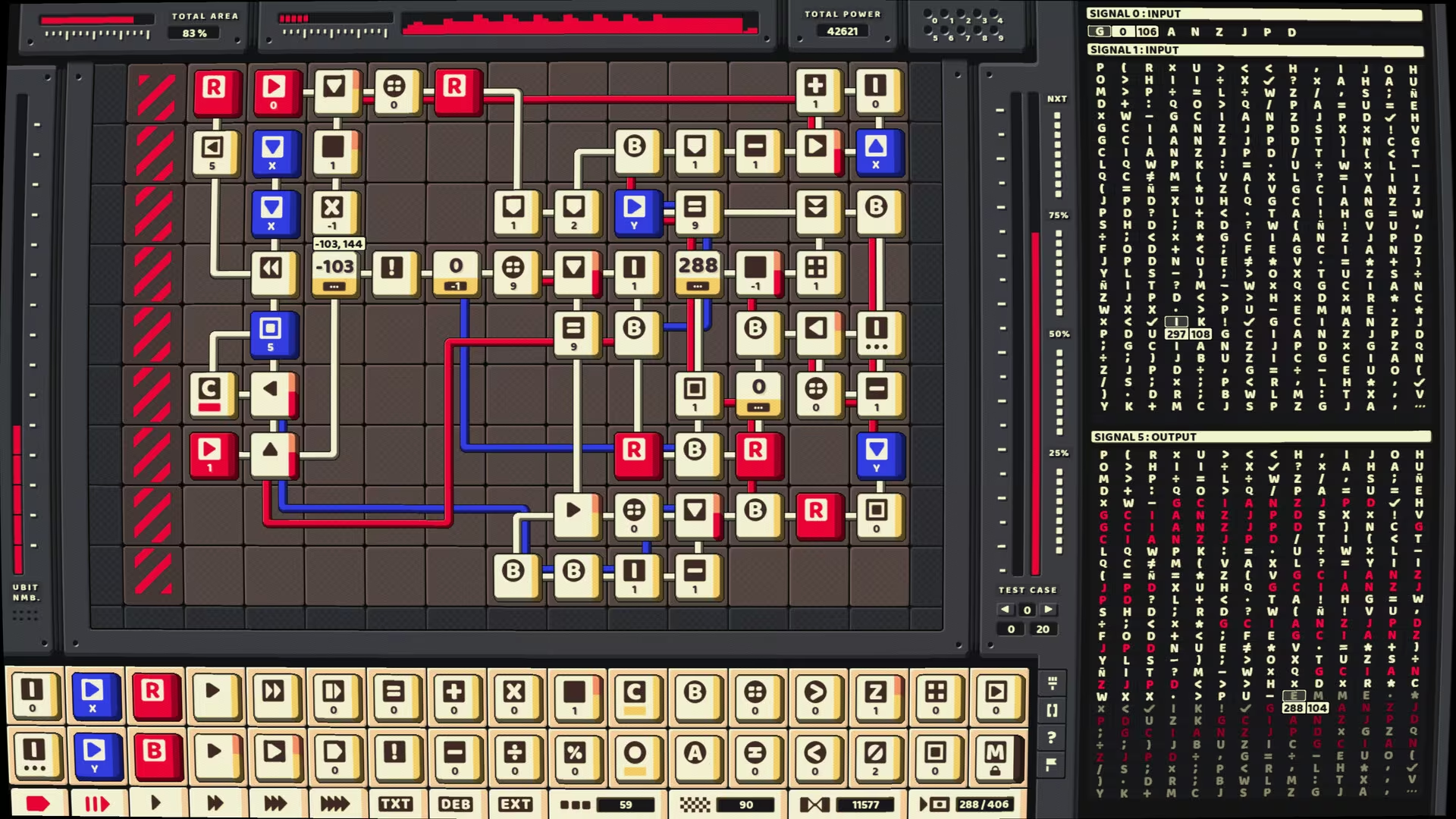
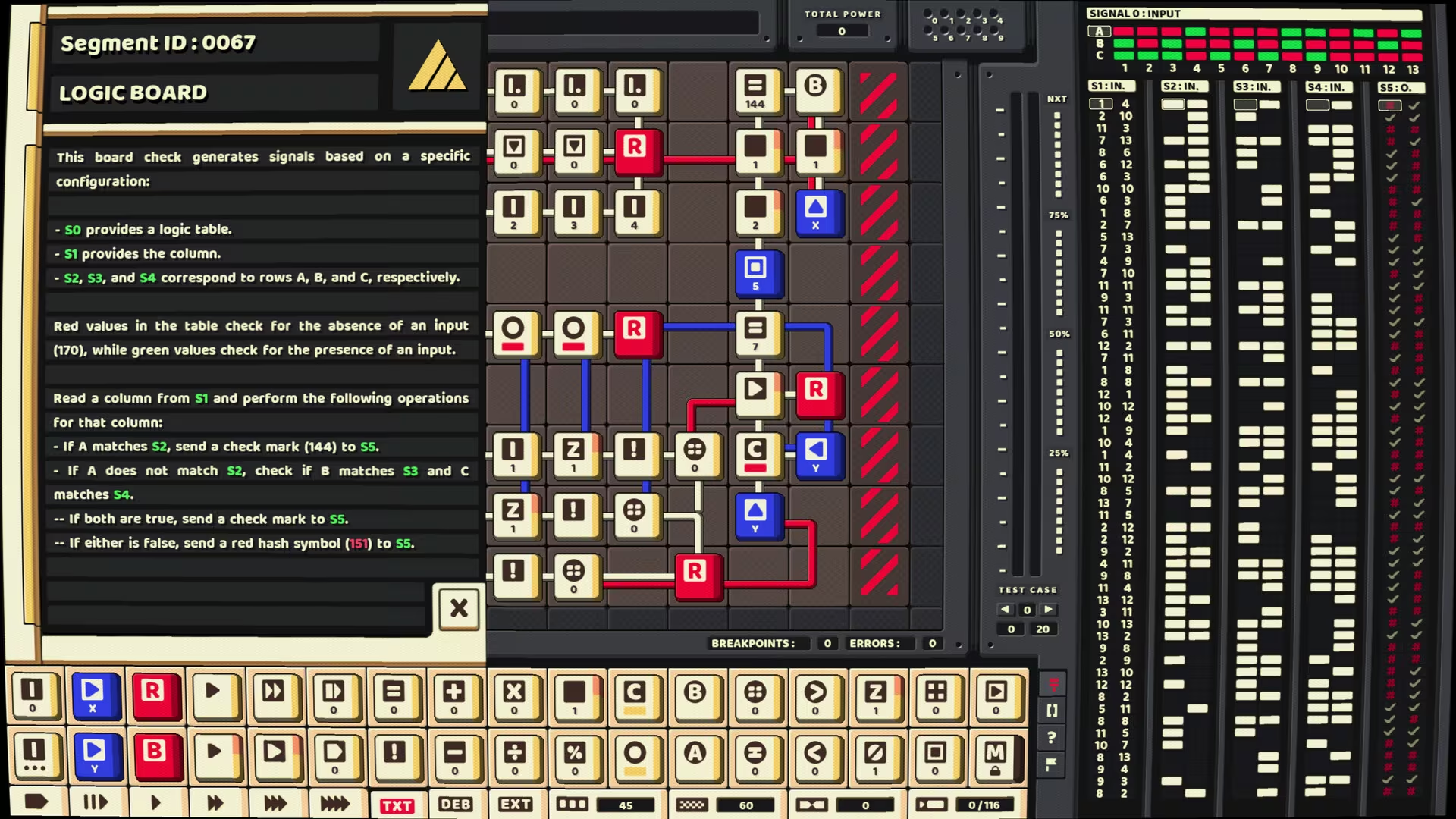
Build the most advanced operating system ever created! Can you master the fictional simulation language of this mind-bending machine? Design circuits, automate UBITS (coloured mobile data blocks), and optimize your system. The Admin is always watching, and he’s not what he seems.

Global score

93/100

Genres

Casual, Indie, Simulator, Strategy, Free To Play

Similar games

    Pros

    • Deep and challenging puzzle mechanics
    • Open-ended creative solutions
    • Polished retro-punk aesthetic and ui
    • Free to play with generous demo
    • Active and attentive developer

    Cons

    • Steep learning curve and complex instructions
    • Minimal narrative and story integration
    • Lack of cooperative or social gameplay
    • Some unintuitive mechanics and ui quirks
    • Limited accessibility for beginners

    Analysis

    Less representative of its motivational profile, with noticeable differences. Motivations that often define this kind of title include Competition, Status, Story, Expression. It leans lower than usual among comparable games on Survival, Fantasy, Violence.

    How to use the graph
    Similar games map

    Each dot is a game. They are arranged from the same motivation profile as in the “Motivations” section below. Closer dots usually mean more similar reasons to play (exploration, competition, relaxation, etc.)—not that one game is “better” than another.

    • Larger dot with a light outline: the game you are viewing.
    • Colour: groups of games with comparable motivation patterns (statistical clusters).
    • Hover a dot to see the game name; click to open its page.
    • Scroll or double-click the chart to zoom out and see more games.

    Why don’t the axes read like a score? This view uses t-SNE: it only keeps who is close to whom. The scales are not “good to bad” or hours played—they separate groups on the map. Read distance between dots, not the axis numbers.

    Motivations

    • Autonomy
      4

      "Players have freedom to design their own solutions from scratch with open-ended puzzle solving and optimization."

    • Competence
      5

      "High skill ceiling with challenging puzzles requiring logical thinking, optimization, and mastery of complex mechanics."

    • Competition
      3

      "Global leaderboards and challenge modes encourage comparing solutions and optimization against others."

    • Continuation
      4

      "Players report long play sessions, obsession with optimization, and habitual engagement with puzzles."

    • Cooperation
      -4

      "Focus is on individual puzzle solving and optimization; no mention of cooperative multiplayer or teamwork."

    • Creativity
      5

      "Open-ended puzzle design allows for creative and multiple unique solutions to each challenge."

    • Domination
      -4

      "Interactions are individual and respectful; no evidence of exerting control or superiority over others."

    • Escapism
      3

      "Players use the game as a mental challenge and distraction, enjoying immersion in complex puzzles."

    • Expectation
      -4

      "Engagement is voluntary and driven by intrinsic interest and personal desire to solve puzzles."

    • Experimenting
      5

      "Strong emphasis on trying new solutions, tinkering with components, and exploring puzzle mechanics."

    • Exploration
      2

      "Some discovery of new mechanics and puzzle elements, though mostly within known puzzle environments."

    • Expression
      2

      "Customization is limited to solution design; no avatar or cosmetic personalization noted."

    • Fantasy
      -3

      "Game is grounded in realistic programming and logic concepts with minimal narrative or fictional elements."

    • Fellowship
      -3

      "Primarily solo play with minimal social connection; community exists but gameplay is individual."

    • Growth
      5

      "Steep learning curve with skill acquisition, knowledge accumulation, and personal development emphasized."

    • Health
      -5

      "Sedentary puzzle gameplay with no physical activity or health-related features."

    • Idle
      -4

      "Requires focused attention and continuous engagement to solve complex puzzles."

    • Intimacy
      -5

      "No evidence of forming close relationships or emotional sharing within gameplay."

    • Leadership
      -5

      "No leadership or group management roles; gameplay is individual and self-directed."

    • Progression
      3

      "Progression through unlocking puzzles and improving solutions, with optimization goals and challenges."

    • Relaxation
      1

      "Some players find satisfaction and flow in puzzle solving, though difficulty can cause frustration."

    • Sensation
      2

      "Enjoyable retro-punk visuals and sound design provide moderate sensory stimulation."

    • Status
      2

      "Leaderboards and score comparisons provide some social recognition and visibility."

    • Story
      -2

      "Minimal narrative presence; story is subtle and secondary to puzzle gameplay."

    • Strategy
      5

      "Strong emphasis on mental challenge, problem solving, and devising efficient strategies."

    • Thrill
      1

      "Some tension and challenge from difficult puzzles, but mostly controlled and logical gameplay."

    • Value
      5

      "Highly praised for being free and offering extensive content and challenge, excellent return on time."

    • Violence
      -5

      "No combat or destructive elements; gameplay focuses on constructive logic and puzzle solving."

    • Survival
      -5

      "Stable puzzle environment with no threats or failure avoidance beyond logical correctness."

    Last update: 29/04/2026