Agarest: Generations of War Thumbnail

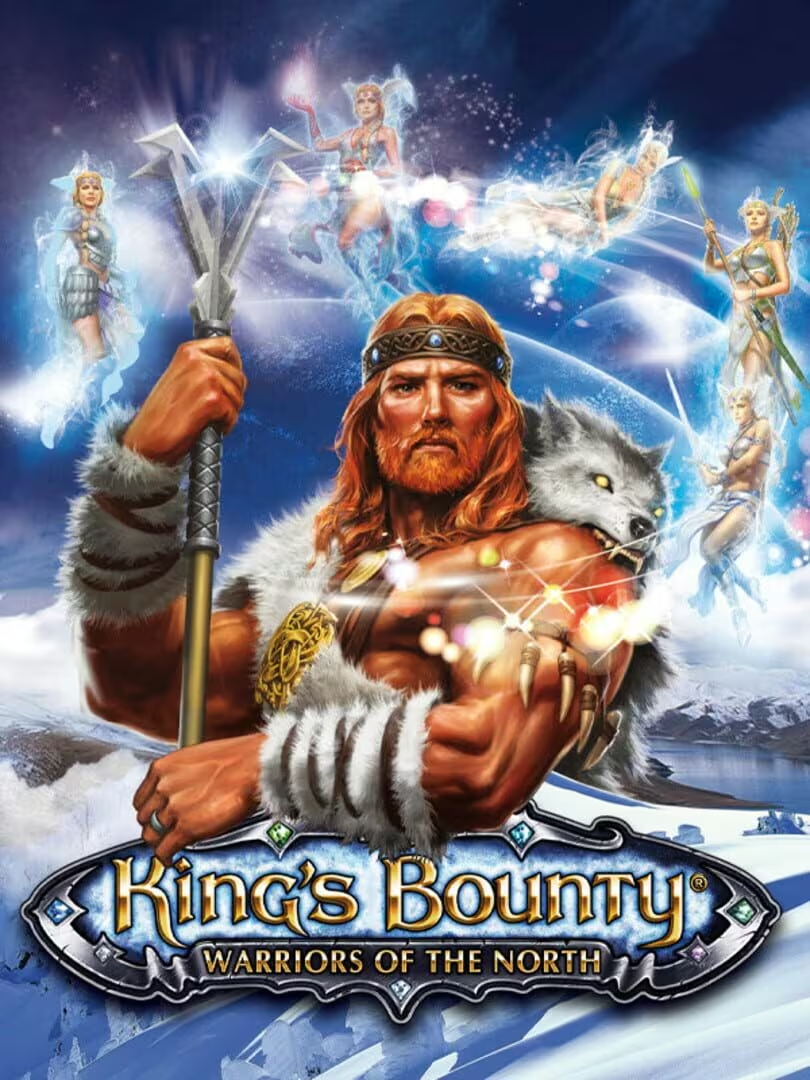
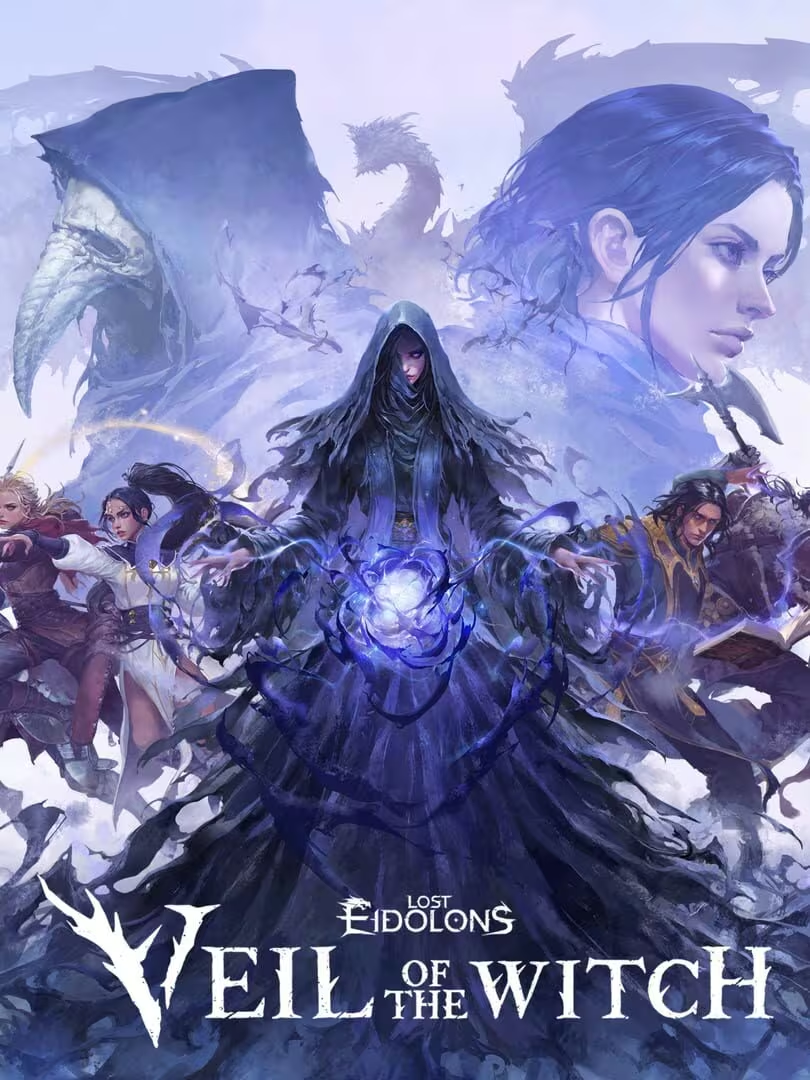
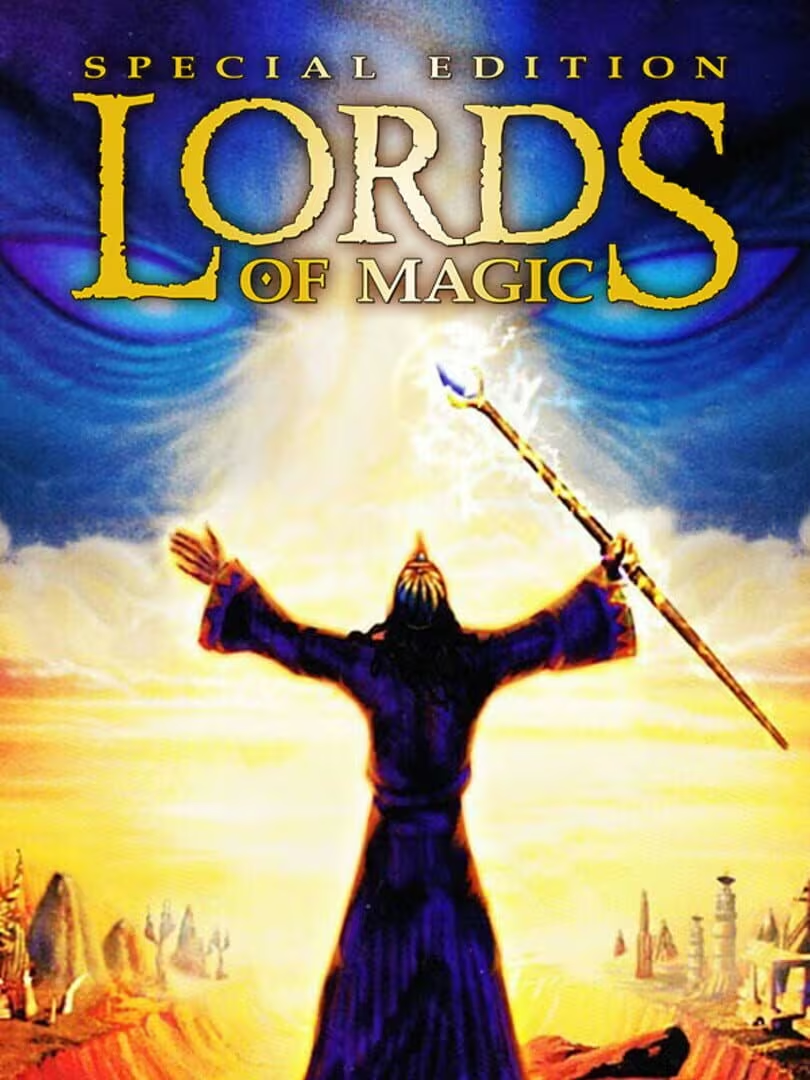
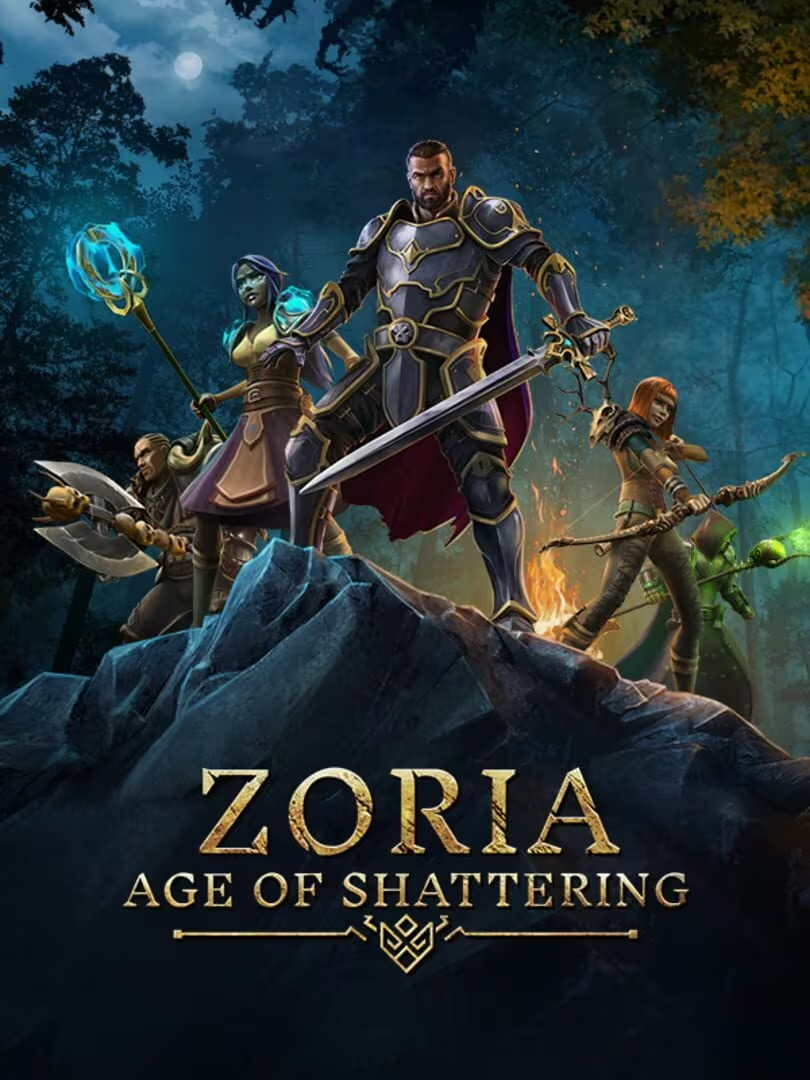
Agarest: Generations of War similar games & best alternatives

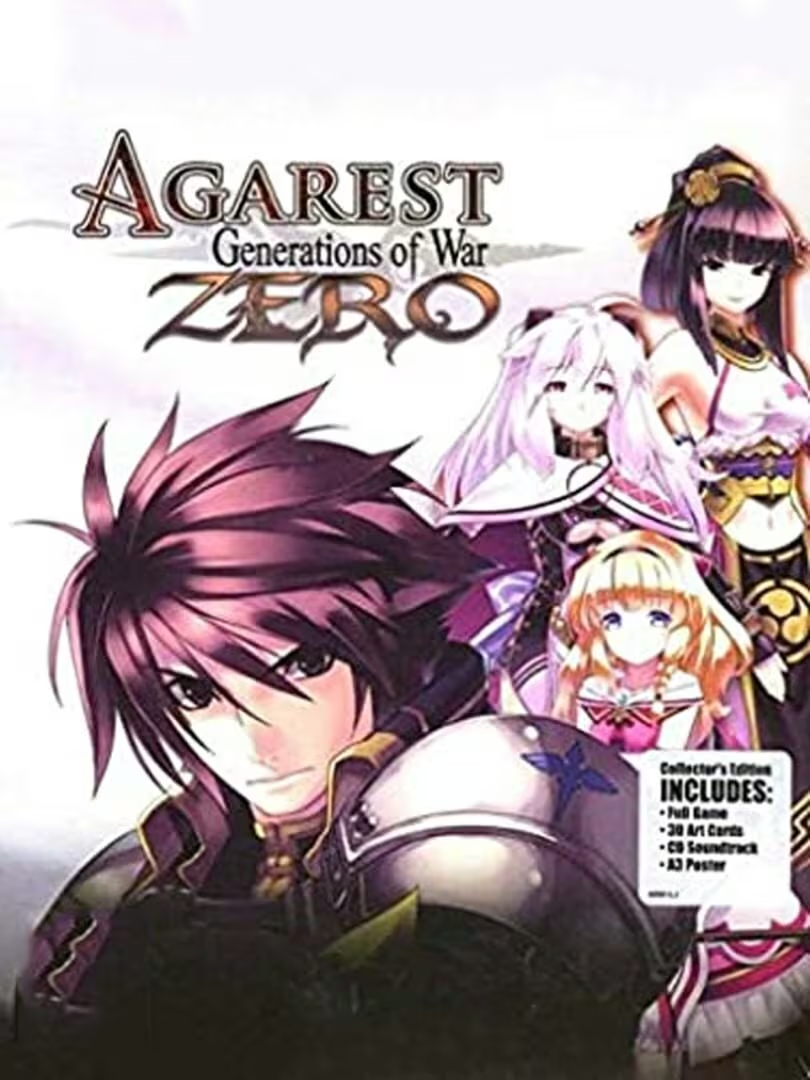
Agarest: Generations of War

PC (Microsoft Windows) • 2013

Related articles

Quick resume

At the dawn of time, a terrible war raged between the forces of good and evil, ending in the destruction of the world of Agarest. After their victory, the Gods of Light unified the decaying bodies of the Gods of Darkness and created a new world.

Global score

71/100

Genres

Adventure, Role-playing (RPG), Strategy, Tactical

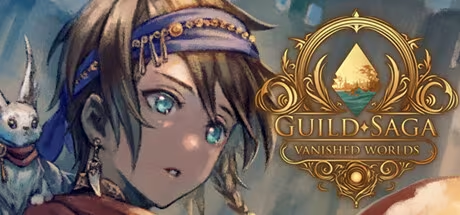
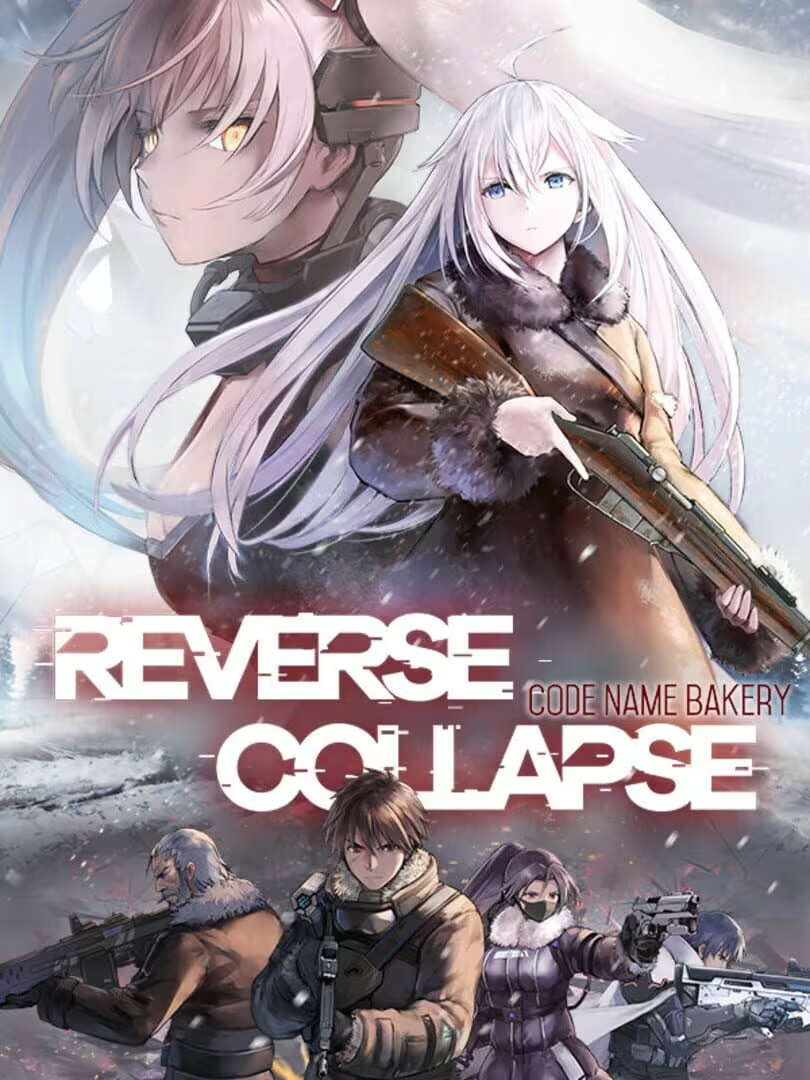
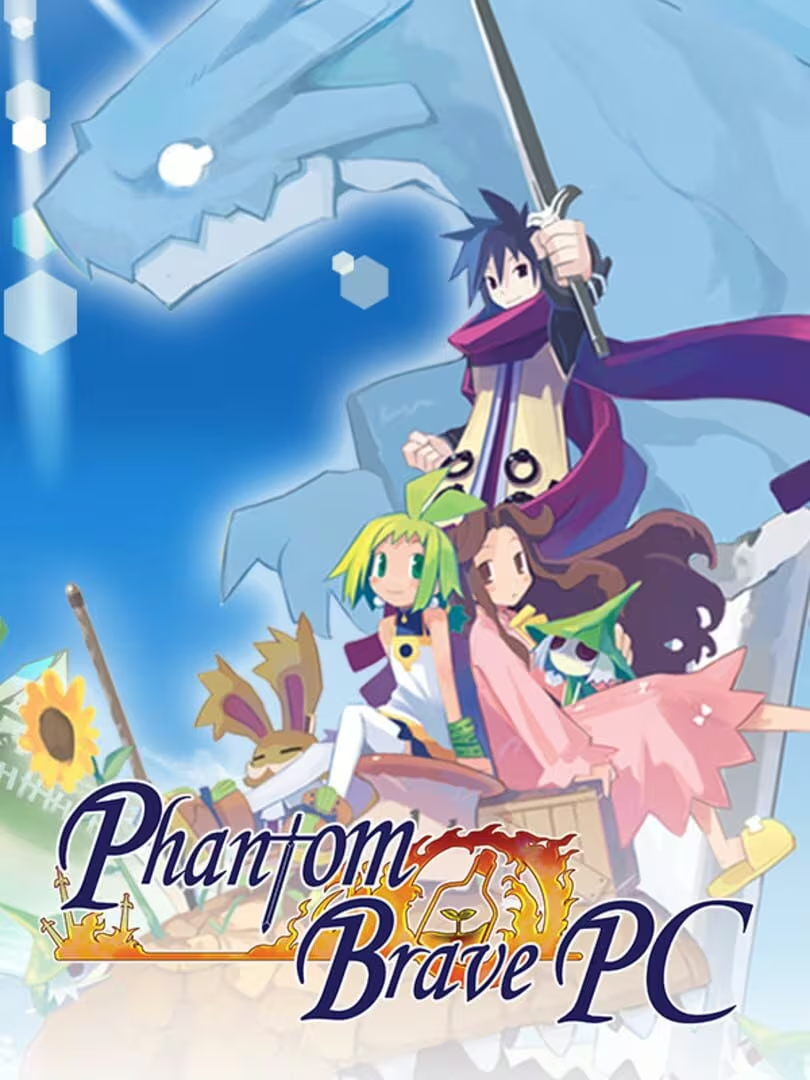
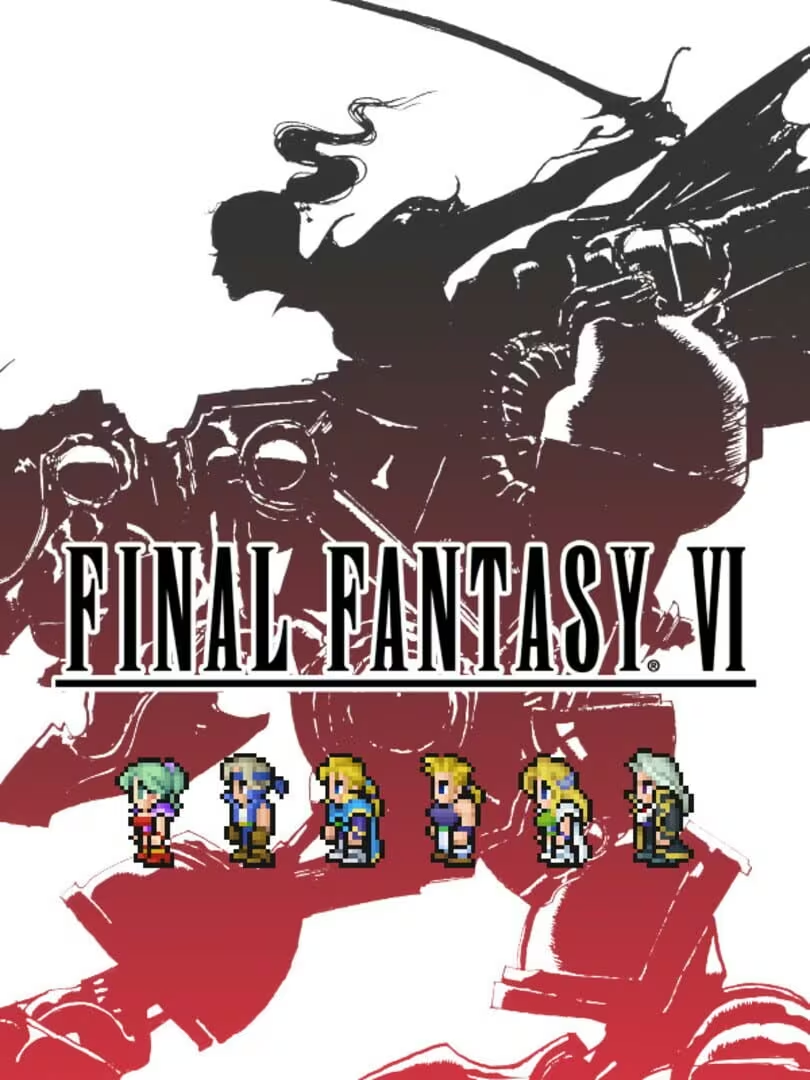
Similar games

    Pros

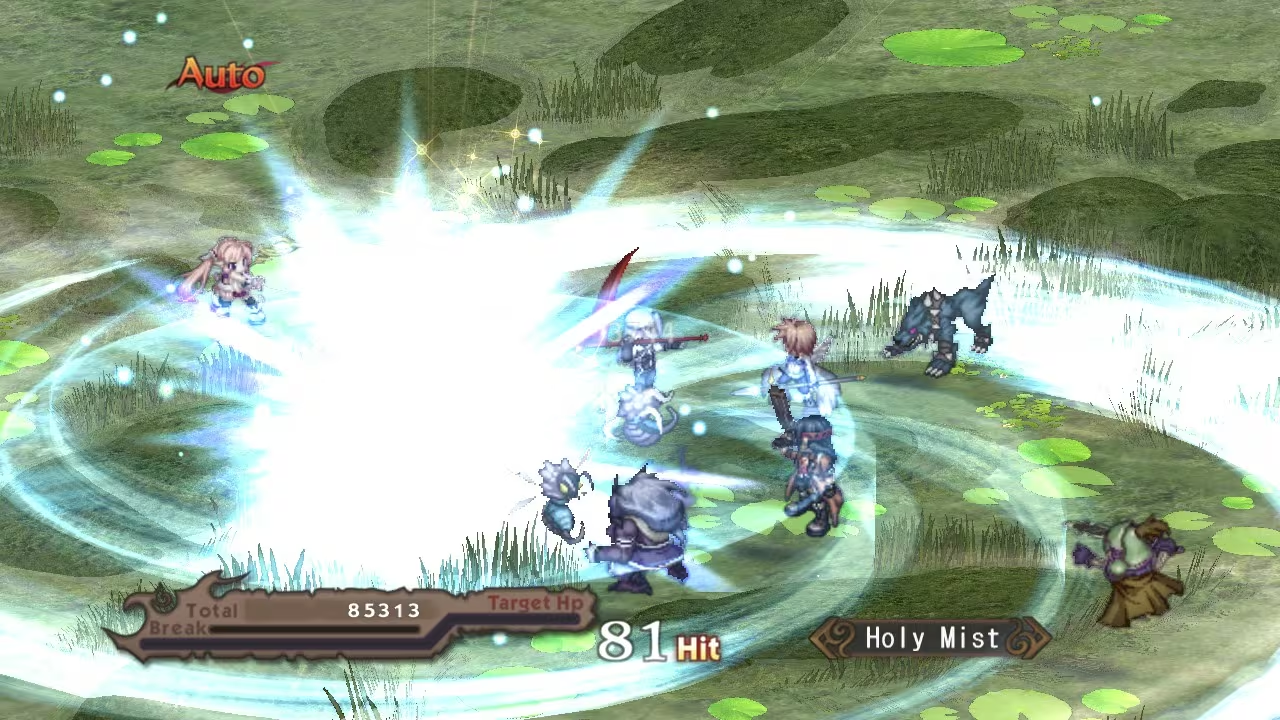
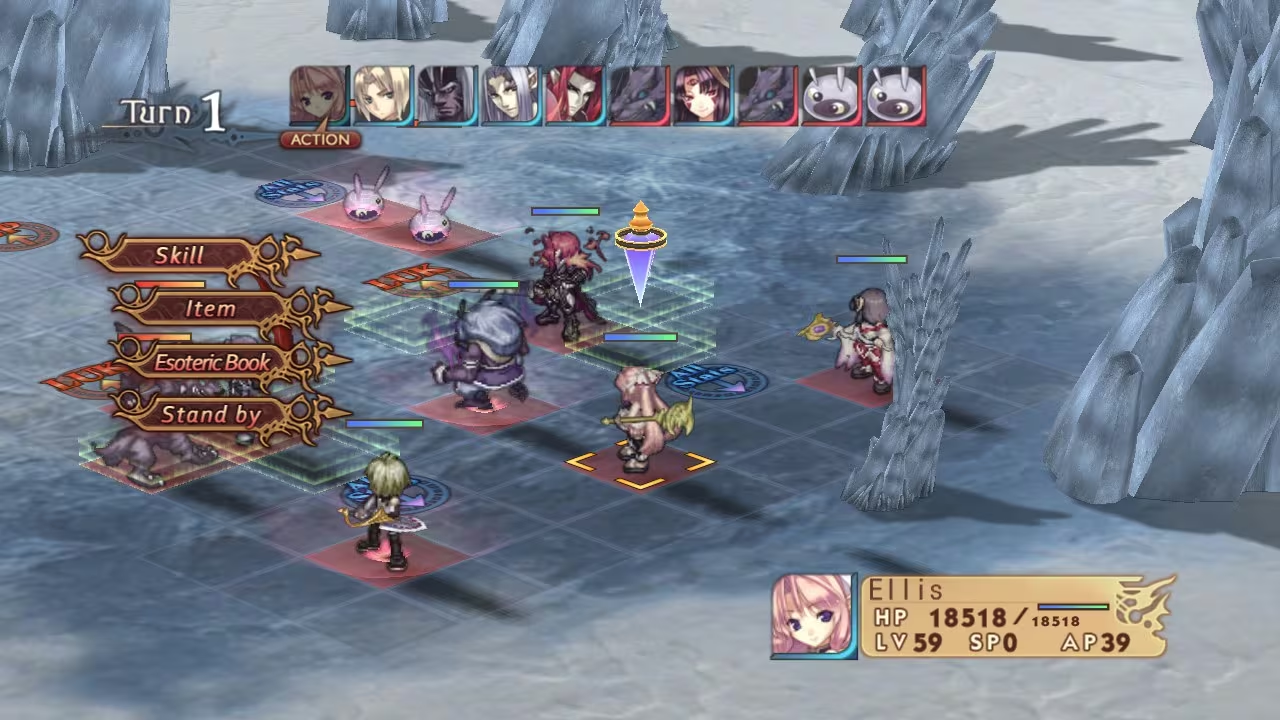
    • Deep tactical combat system
    • Multi-generational story with romance elements
    • Extensive character customization and crafting
    • Long gameplay with high replay value
    • Engaging anime fantasy setting

    Cons

    • Slow and repetitive battles
    • Steep learning curve and grinding required
    • Dated graphics and sound
    • Linear progression with limited exploration
    • Dlc can unbalance early game

    Analysis

    Less representative of its motivational profile, with noticeable differences. Motivations that often define this kind of title include Leadership, Survival, Violence, Strategy. Here, the score leans higher than usual among comparable games on Intimacy, Story. It leans lower than usual among comparable games on Relaxation.

    How to use the graph
    Similar games map

    Each dot is a game. They are arranged from the same motivation profile as in the “Motivations” section below. Closer dots usually mean more similar reasons to play (exploration, competition, relaxation, etc.)—not that one game is “better” than another.

    • Larger dot with a light outline: the game you are viewing.
    • Colour: groups of games with comparable motivation patterns (statistical clusters).
    • Hover a dot to see the game name; click to open its page.
    • Scroll or double-click the chart to zoom out and see more games.

    Why don’t the axes read like a score? This view uses t-SNE: it only keeps who is close to whom. The scales are not “good to bad” or hours played—they separate groups on the map. Read distance between dots, not the axis numbers.

    Motivations

    • Autonomy
      3

      "Players make meaningful choices affecting story branches, character relationships, and marriage, influencing gameplay and progression across generations."

    • Competence
      4

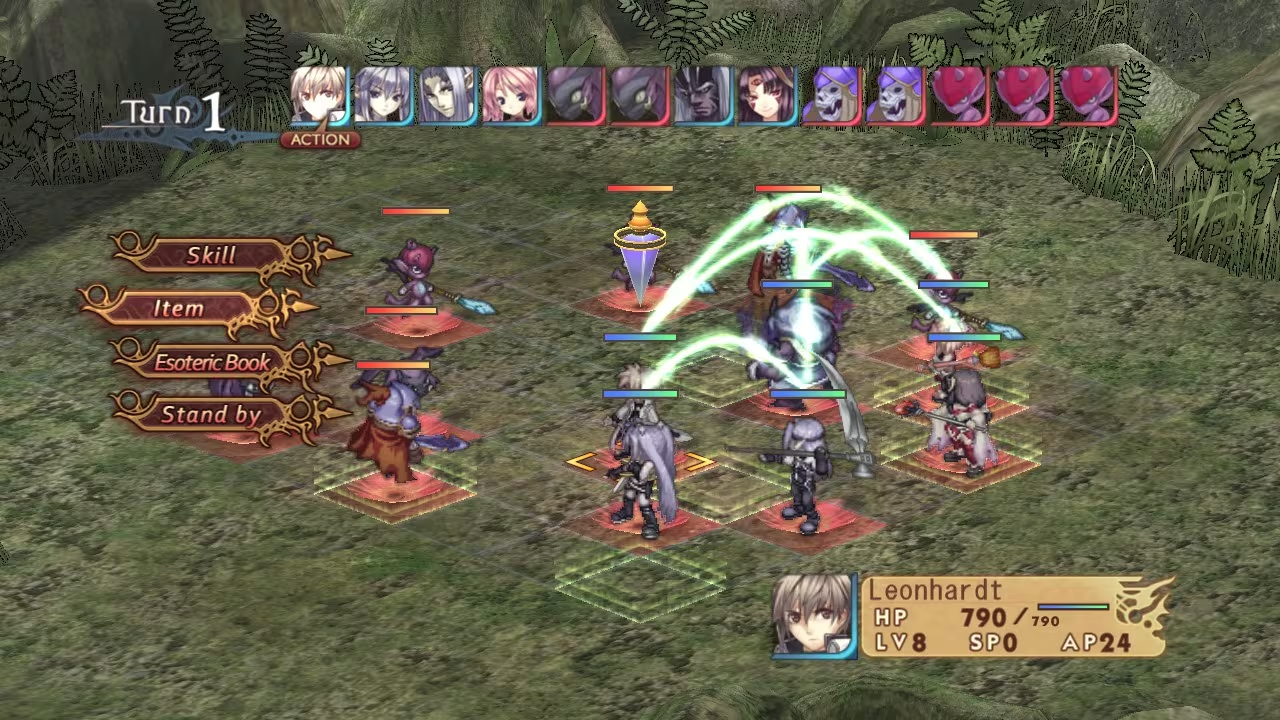
      "Complex tactical combat requiring strategic positioning, skill combos, and character customization with crafting and leveling systems."

    • Competition
      -3

      "Focus is on single-player experience with no evidence of competitive multiplayer or leaderboards."

    • Continuation
      5

      "Very long game with multiple generations, extensive grinding, and high replay value encouraging long-term engagement."

    • Cooperation
      -4

      "Gameplay centers on individual party management and strategy; no indication of multiplayer cooperation."

    • Creativity
      4

      "Extensive character customization, skill selection, crafting, and monster breeding systems allow creative player expression."

    • Domination
      -4

      "Interactions emphasize shared decision-making and relationships rather than dominance or power over others."

    • Escapism
      4

      "Anime fantasy setting and immersive story provide strong escape from real life."

    • Expectation
      -4

      "Players engage voluntarily out of intrinsic interest in JRPGs, strategy, and anime-style storytelling."

    • Experimenting
      4

      "Players experiment with different strategies, skill combos, and character builds to overcome challenges."

    • Exploration
      2

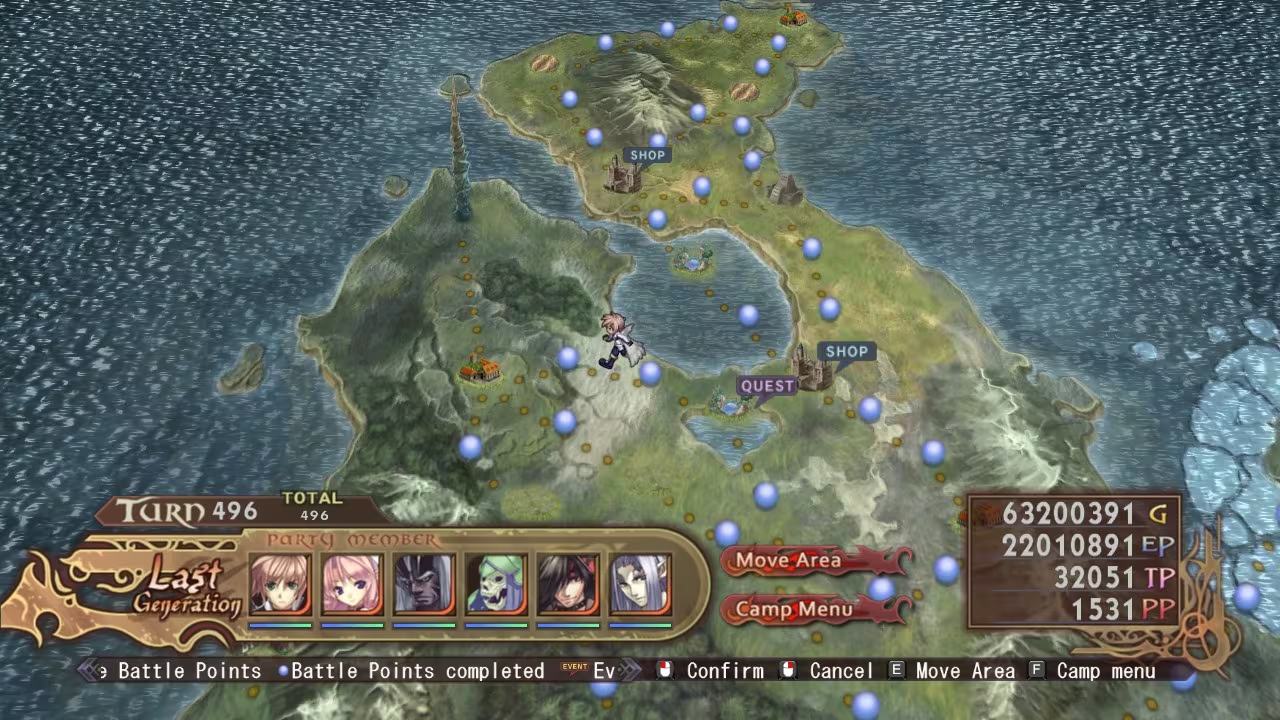
      "Some exploration of different continents and dungeons, though largely linear progression with limited free roaming."

    • Expression
      4

      "Character customization and relationship choices allow personal expression within the game."

    • Fantasy
      5

      "Strongly rooted in anime fantasy with magic, mythical creatures, and generational hero narratives."

    • Fellowship
      -4

      "Primarily a single-player experience with minimal social or community interaction."

    • Growth
      5

      "Heavy emphasis on learning game mechanics, character development, crafting, and strategic mastery."

    • Health
      -4

      "Sedentary gameplay with long sessions and grinding, no physical activity involved."

    • Idle
      -4

      "Requires constant attention due to complex combat and strategic planning."

    • Intimacy
      3

      "Romance and relationship-building with multiple characters is a core gameplay element."

    • Leadership
      3

      "Players lead and manage a party of characters with strategic decisions and skill coordination."

    • Progression
      5

      "Strong focus on leveling up, acquiring and crafting items, and unlocking new skills and abilities."

    • Relaxation
      -3

      "Gameplay can be tense and challenging, especially on harder difficulties with difficult bosses."

    • Sensation
      3

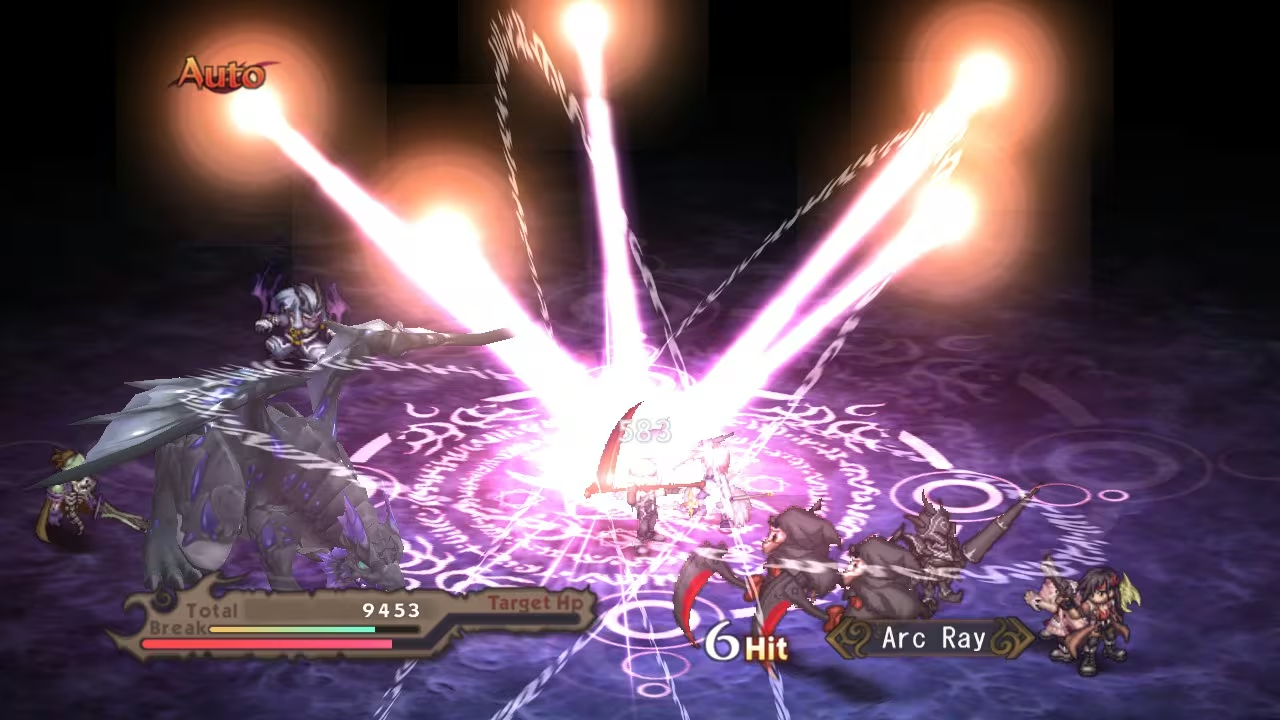
      "Anime art style, sound effects, and skill animations provide sensory stimulation and excitement."

    • Status
      -3

      "Achievements and unlockables exist but social recognition or competition is minimal."

    • Story
      5

      "Narrative-driven game with multi-generational plot, character development, and branching storylines."

    • Strategy
      5

      "Deep tactical combat requiring planning, positioning, resource management, and skill combos."

    • Thrill
      3

      "Challenging battles and boss fights provide suspense and excitement."

    • Value
      4

      "Long gameplay hours and replayability provide good value for money."

    • Violence
      3

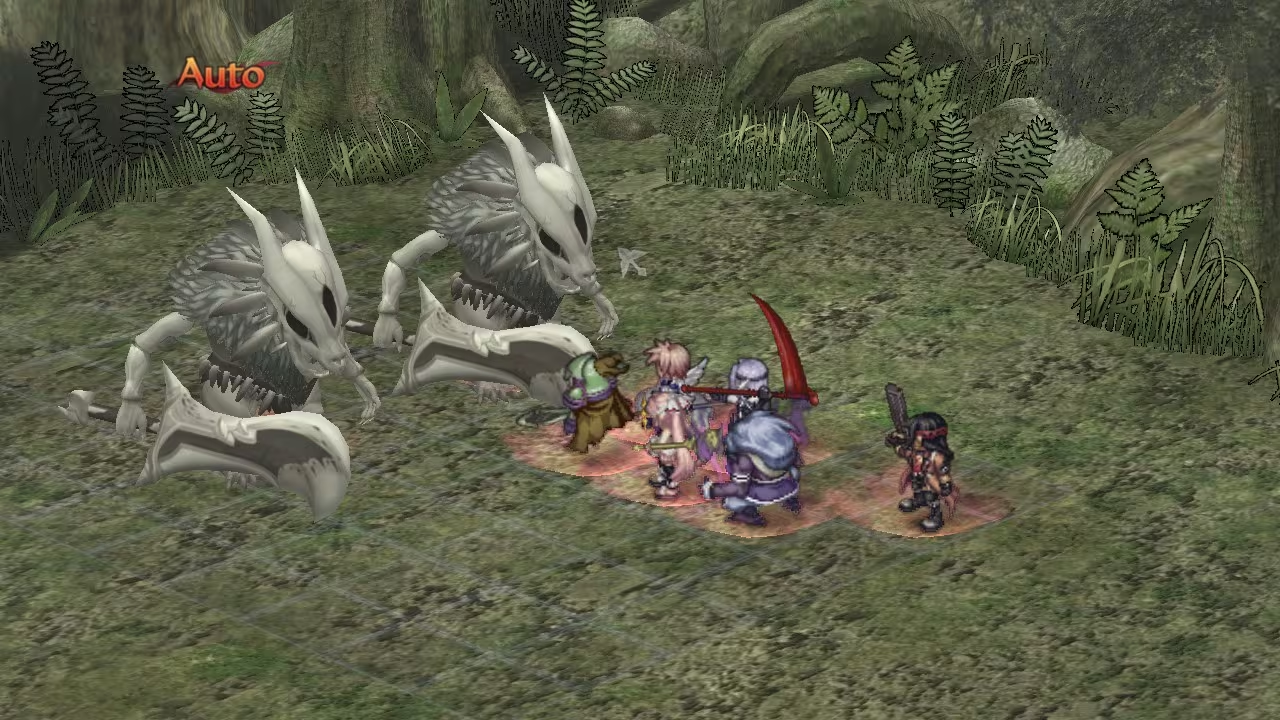
      "Combat involves defeating enemies with weapons and magic, typical of fantasy RPGs."

    • Survival
      3

      "Players must avoid defeat in challenging battles and manage resources strategically."

    Last update: 29/04/2026