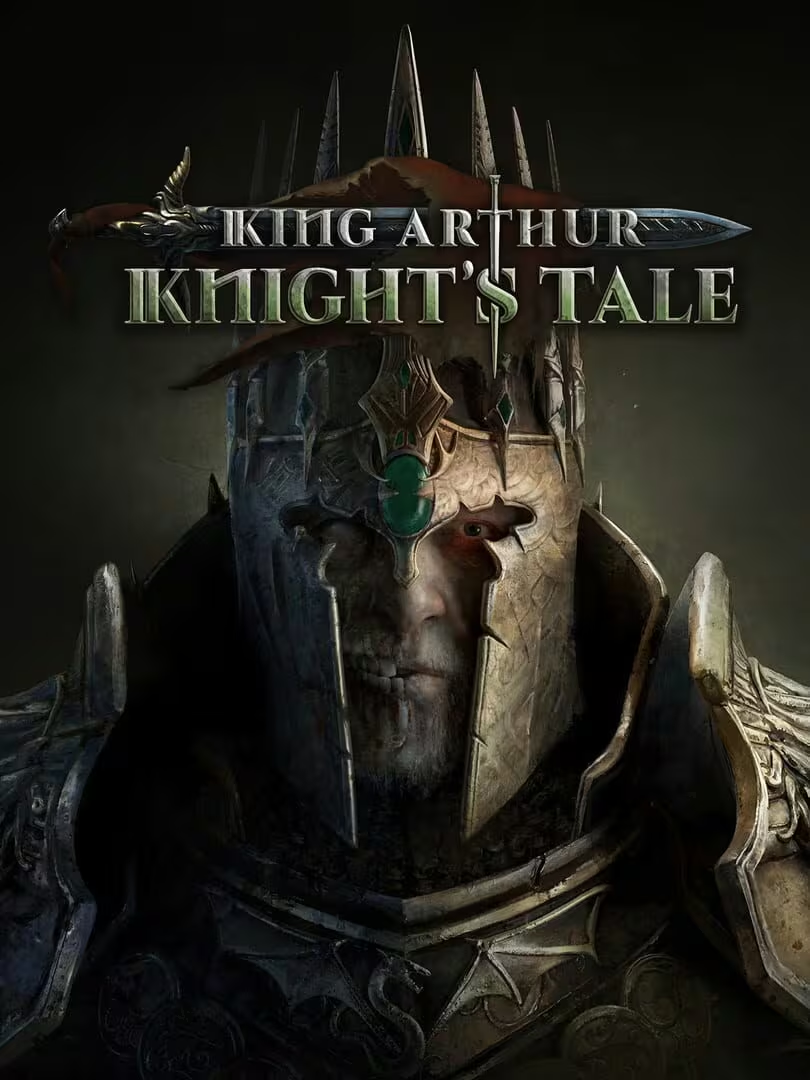
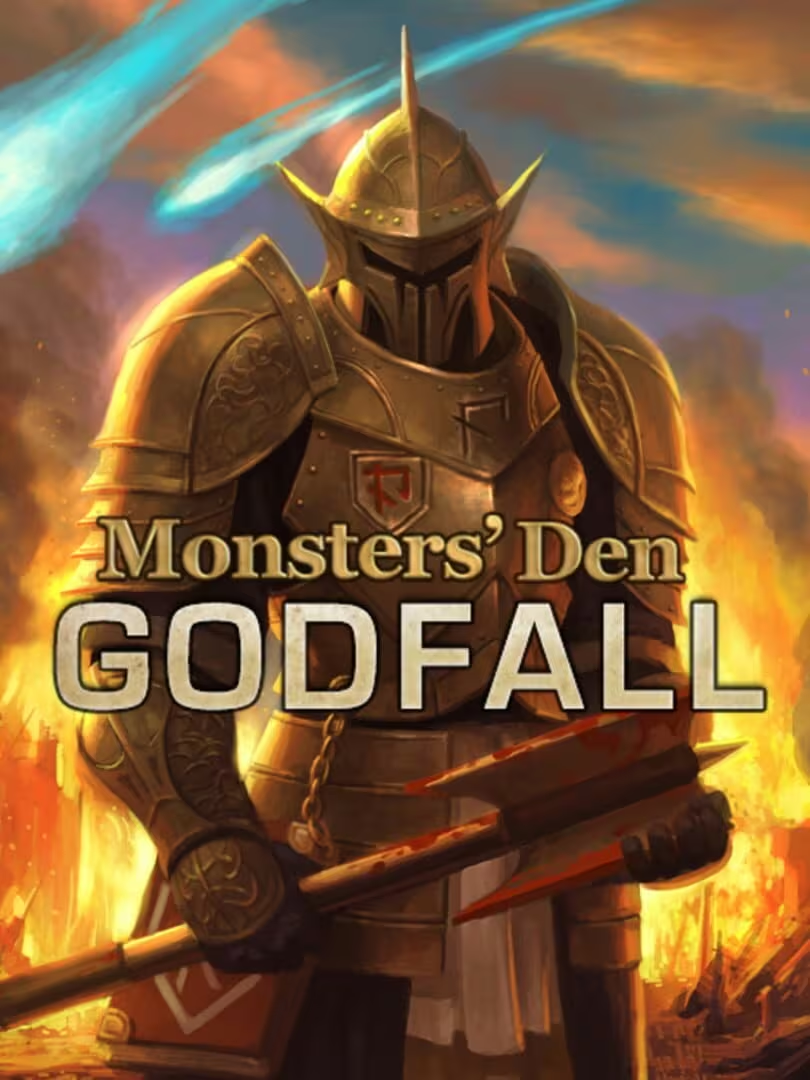
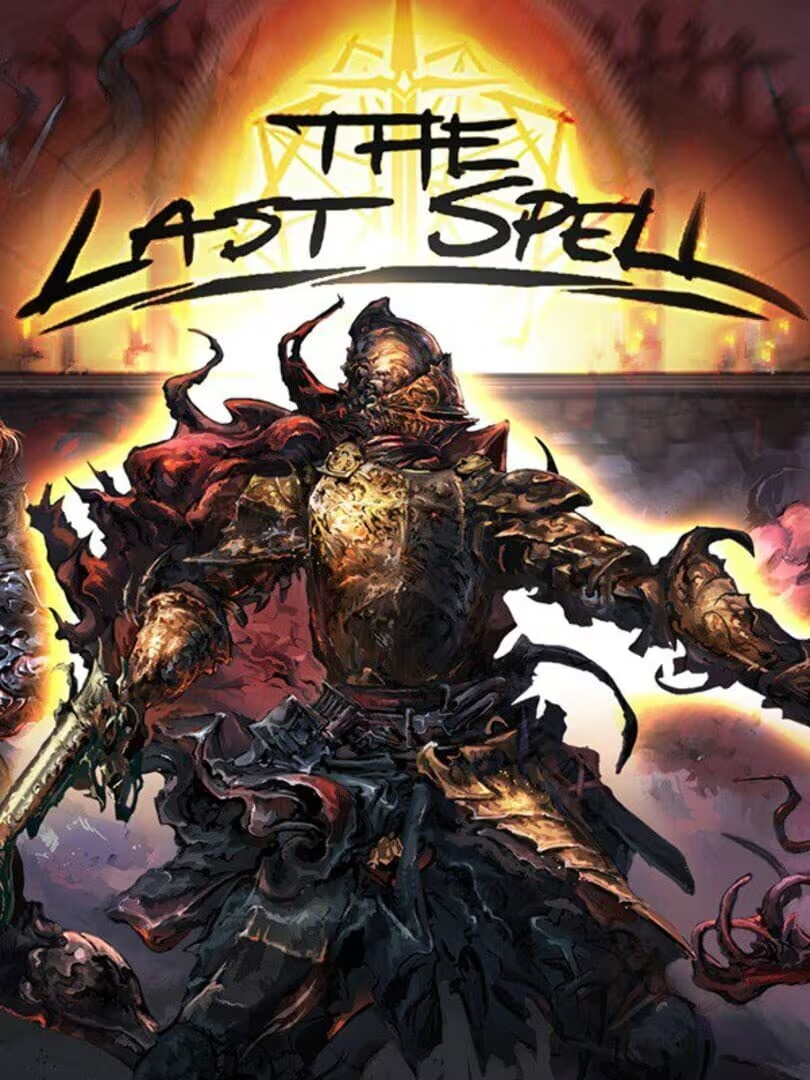
Aarklash: Legacy Thumbnail

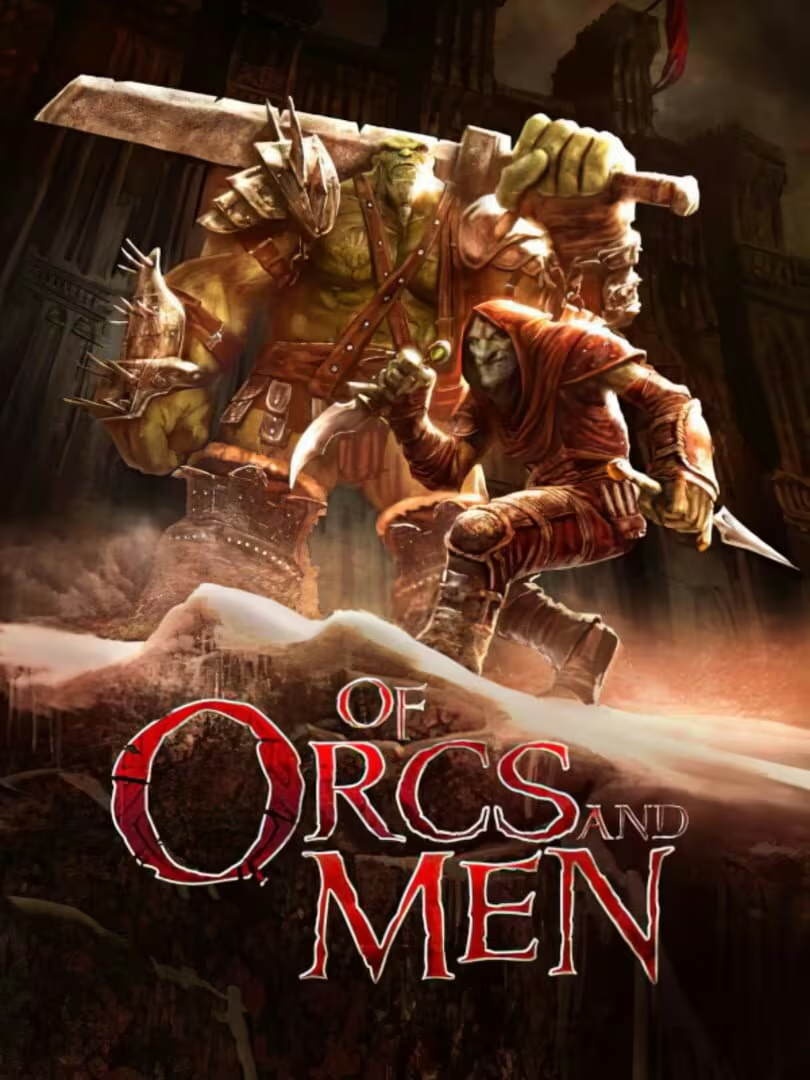
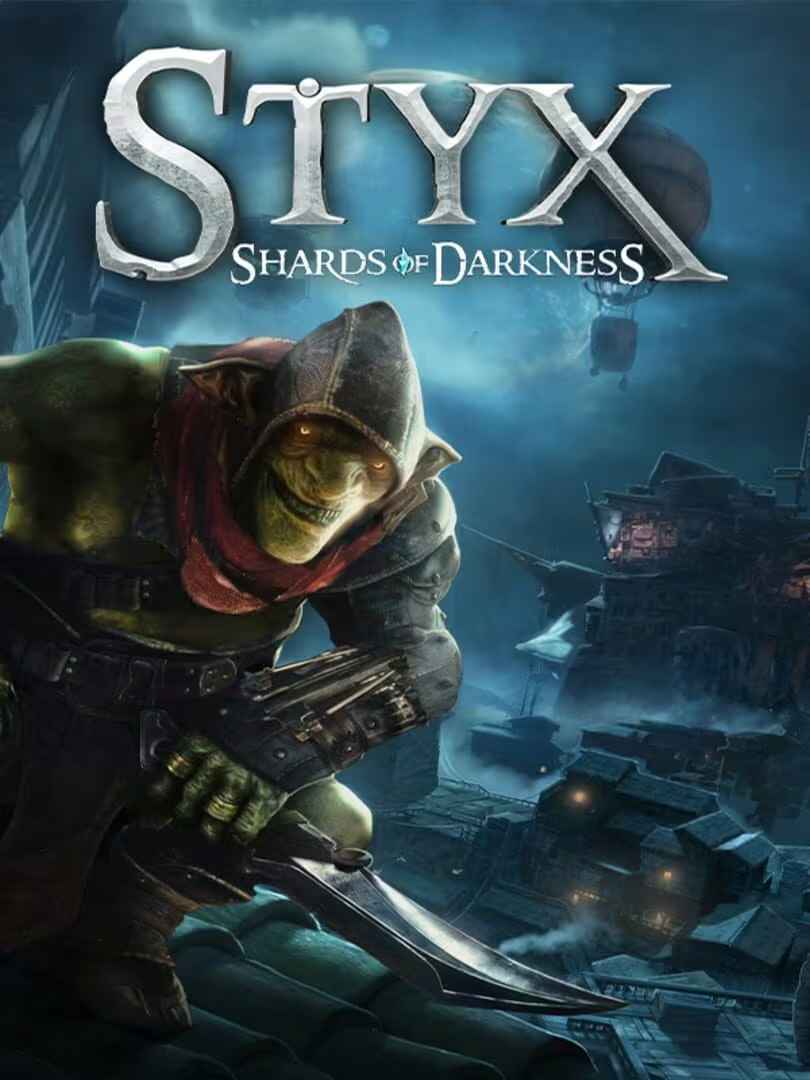
Aarklash: Legacy similar games & best alternatives
Aarklash: Legacy

PC (Microsoft Windows) • 2013

Related articles

Quick resume

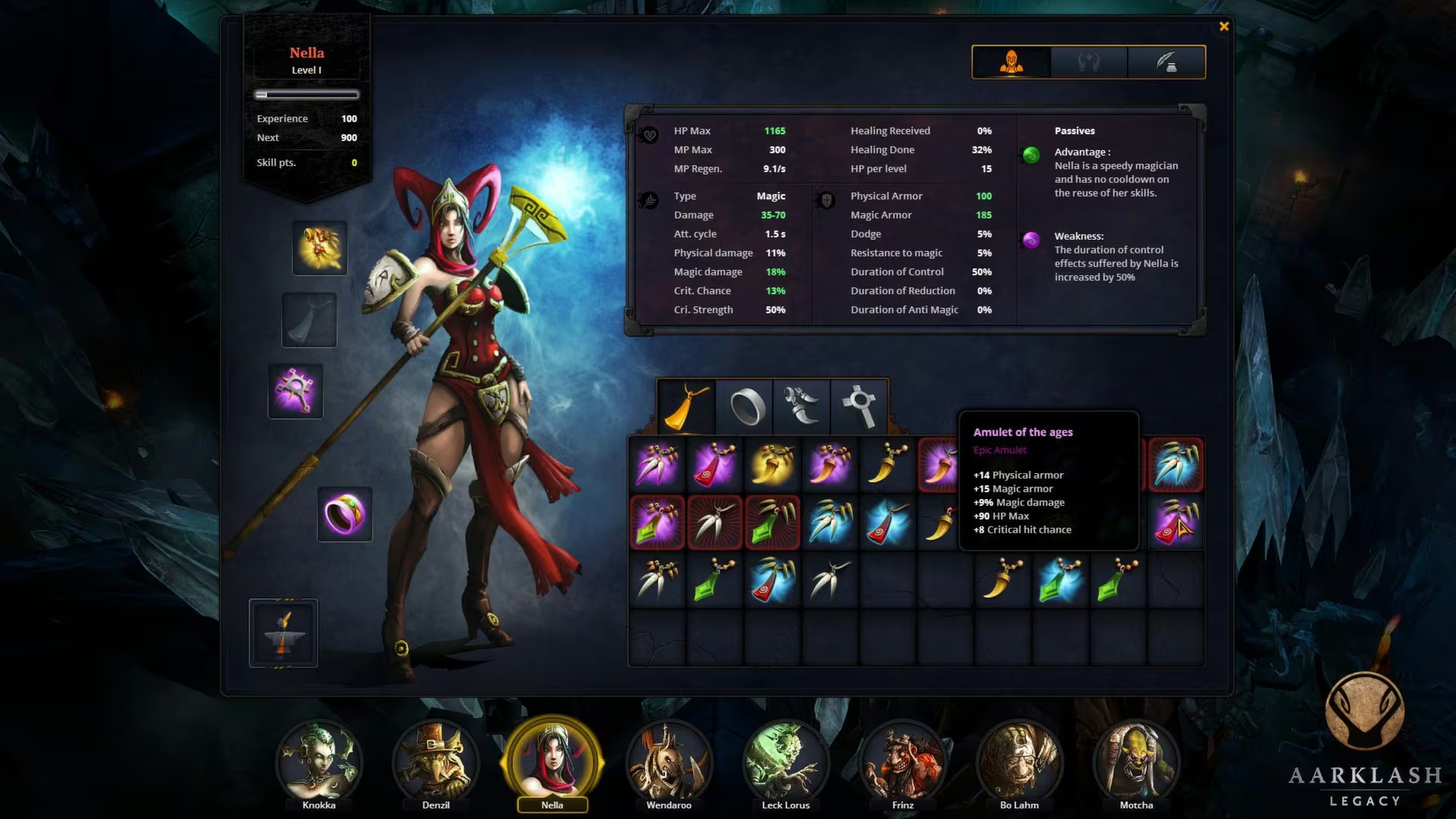
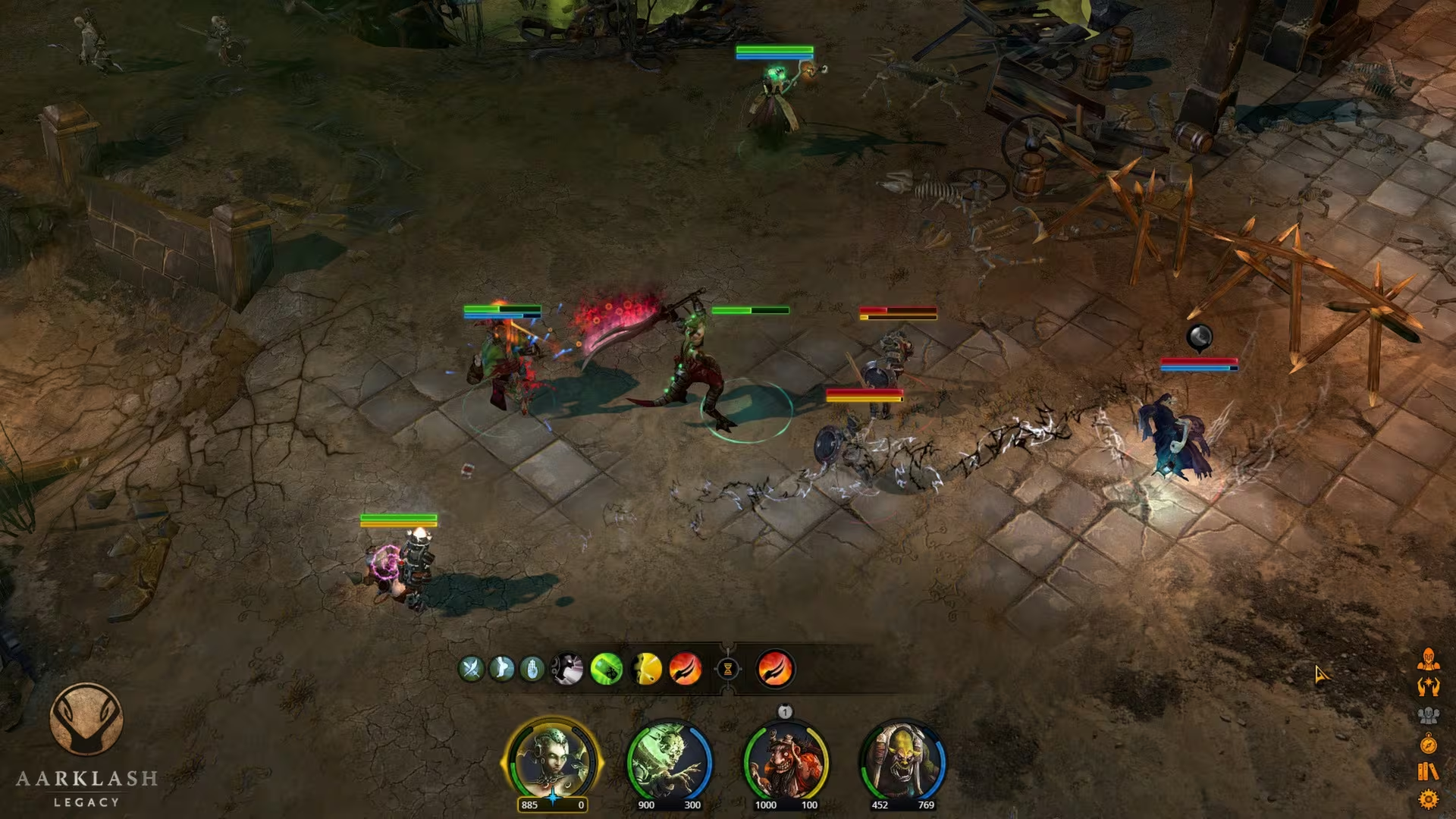
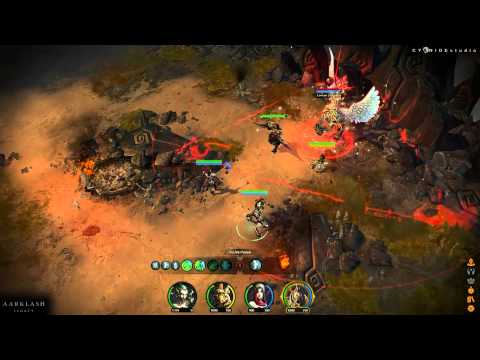
In Aarklash: Legacy take command of a mercenary squad in search of truth and guide it through countless battles.Welcome to Aarklash, a land of chaos where incessant battles between the forces of Light, Destiny and Darkness have lasted since the beginning of time.

Global score

73/100

Genres

Adventure, Strategy, Role-playing (RPG), Tactical

Similar games

    Pros

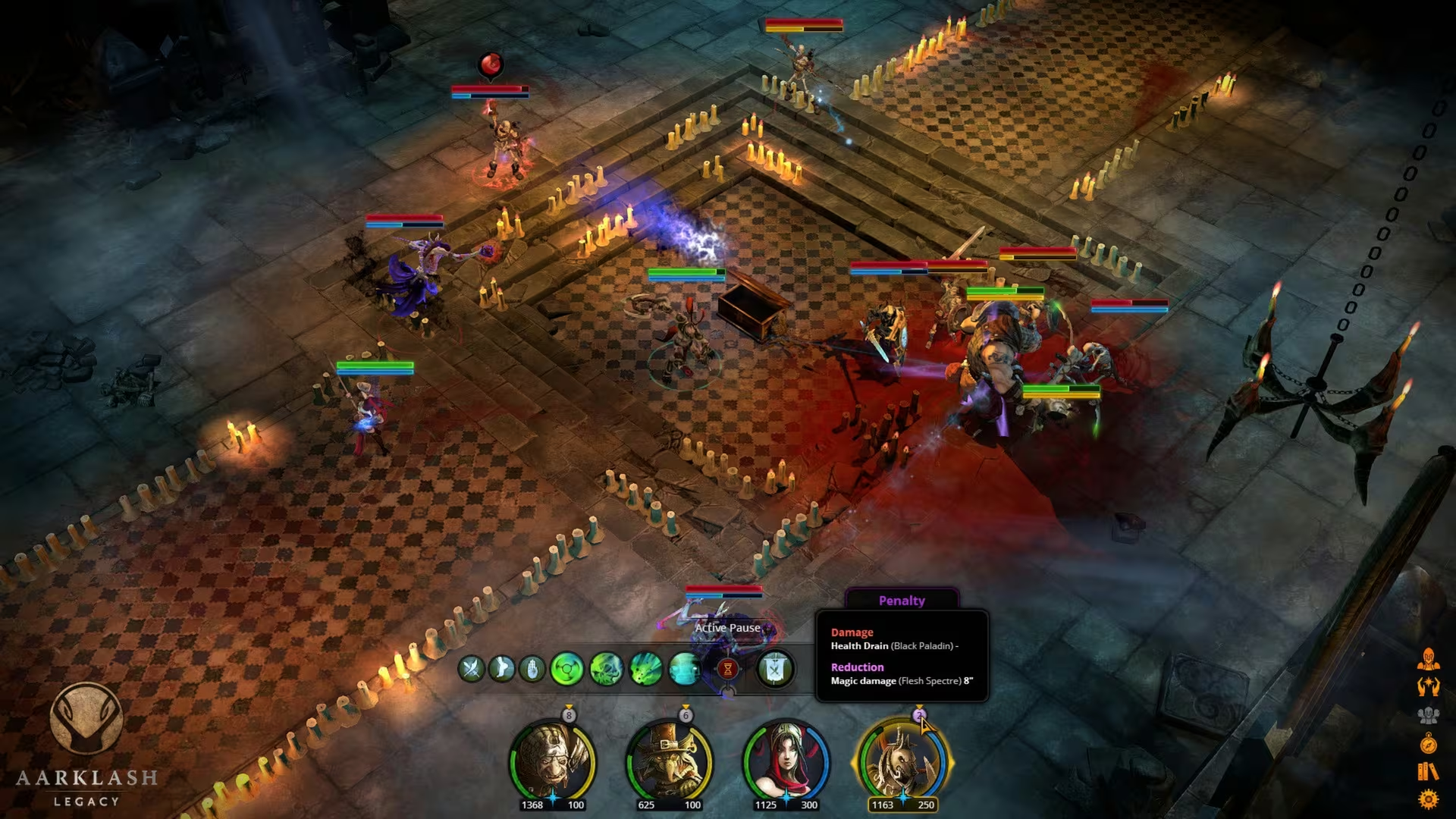
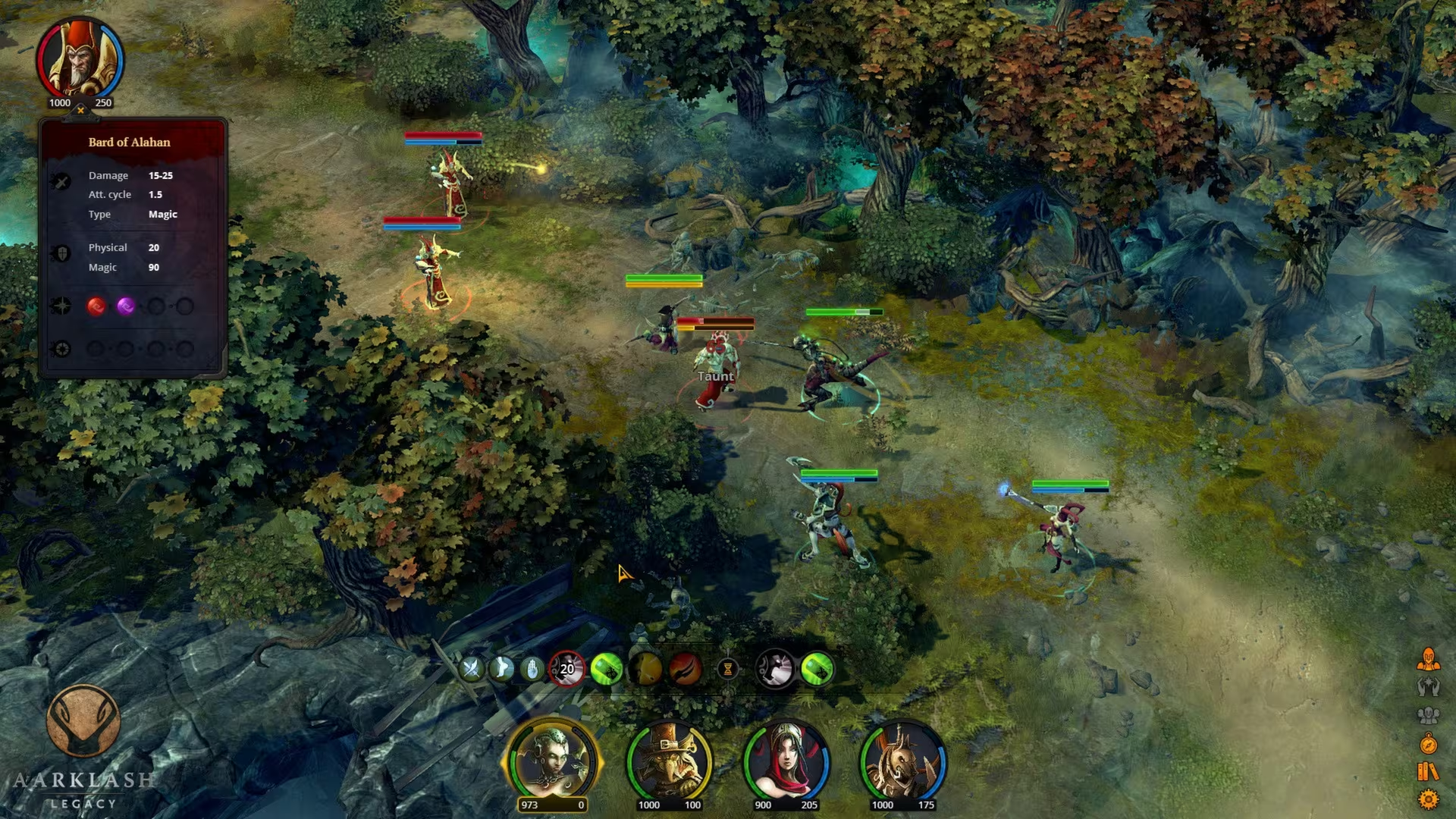
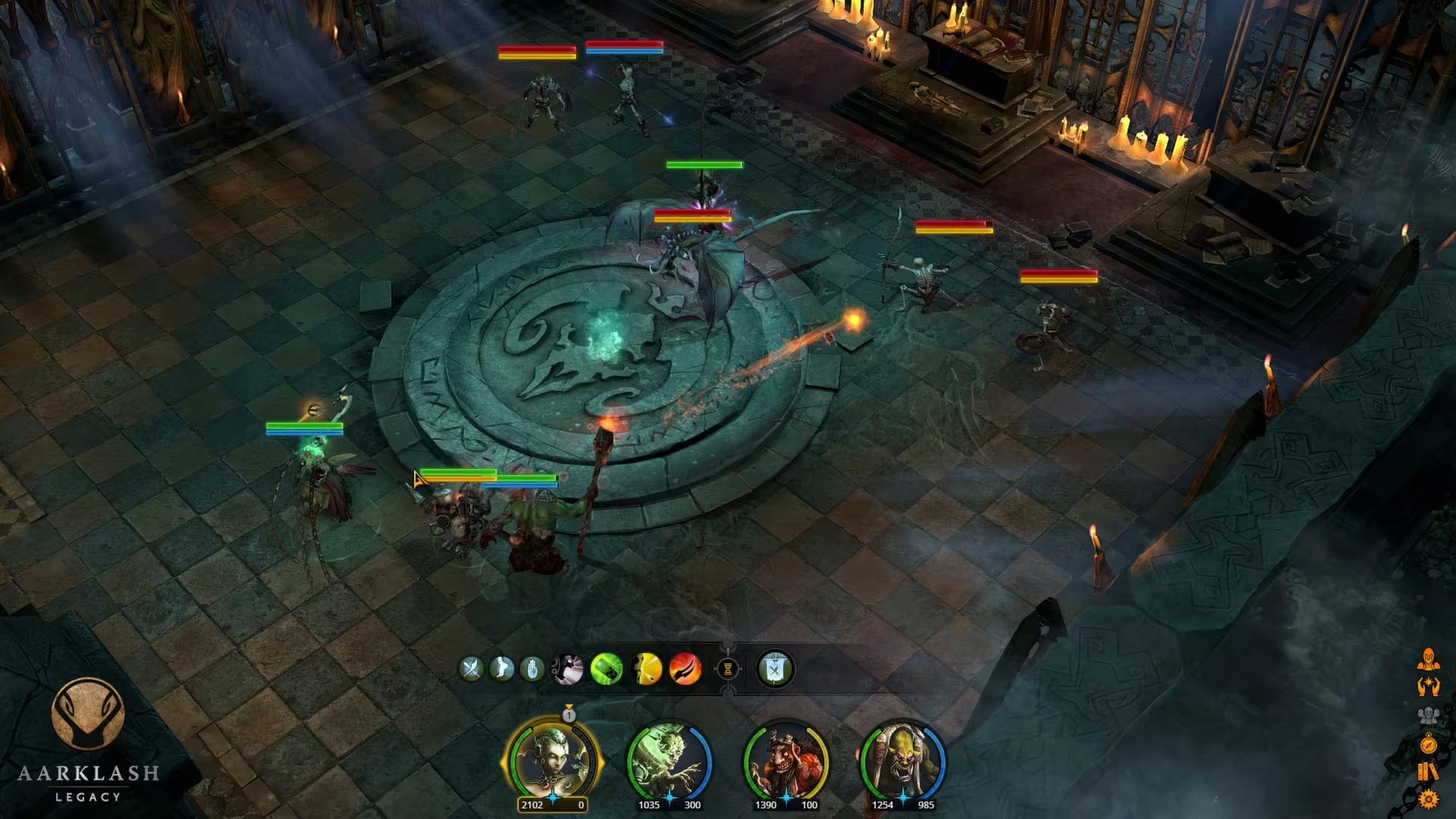
    • Challenging and tactical combat
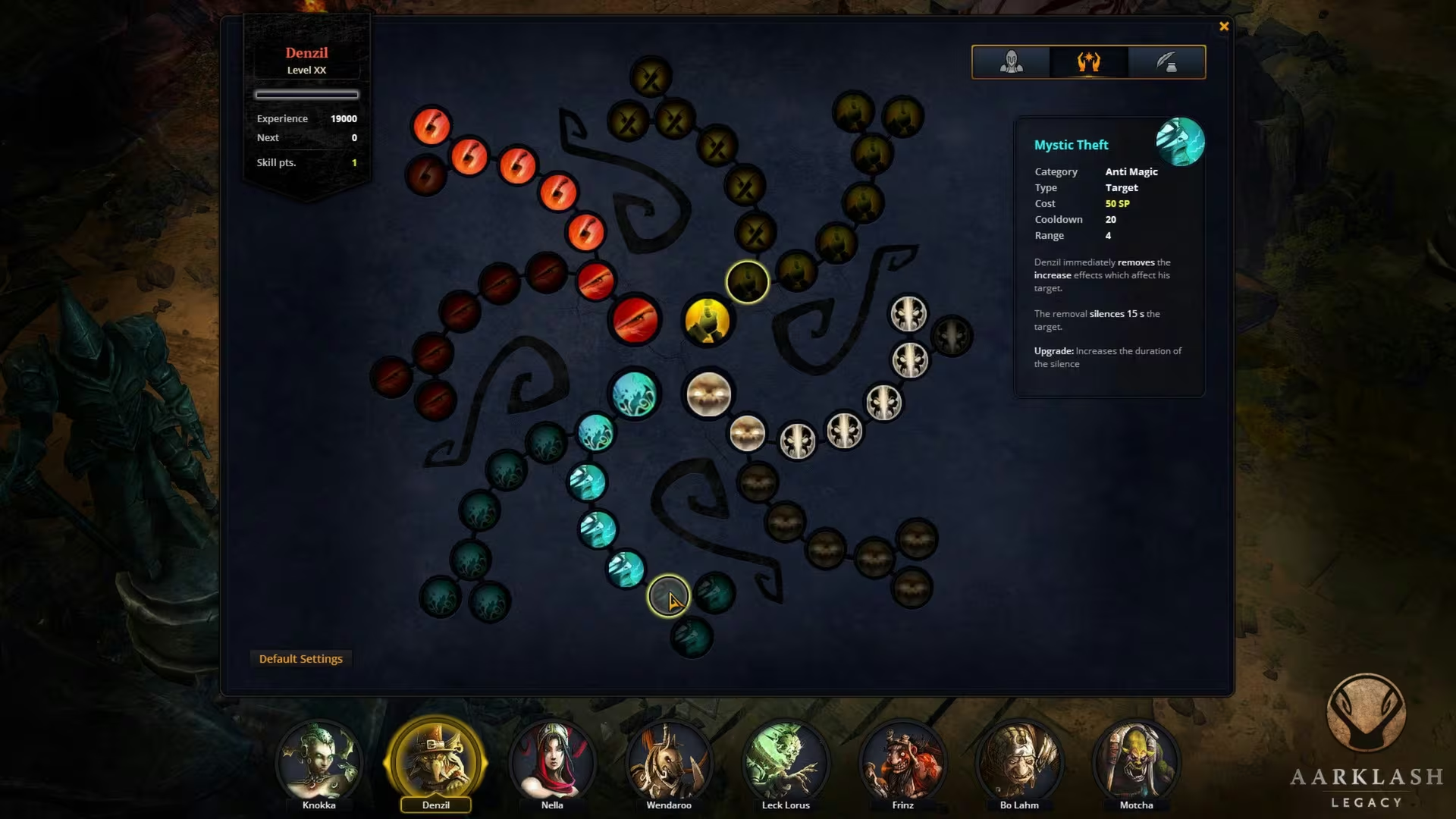
    • Meaningful skill customization and party synergy
    • Engaging fantasy setting and characters
    • Ability to respec skills anytime
    • Good value for price

    Cons

    • Linear gameplay with limited exploration
    • Minimal story and character interaction
    • Limited visual customization
    • Puzzles can be repetitive and slow pacing
    • Lack of endgame content and replay value

    Analysis

    Less representative of its motivational profile, with noticeable differences. Motivations that often define this kind of title include Leadership, Survival, Violence, Strategy. Here, the score leans higher than usual among comparable games on Cooperation. It leans lower than usual among comparable games on Expression, Exploration.

    How to use the graph
    Similar games map

    Each dot is a game. They are arranged from the same motivation profile as in the “Motivations” section below. Closer dots usually mean more similar reasons to play (exploration, competition, relaxation, etc.)—not that one game is “better” than another.

    • Larger dot with a light outline: the game you are viewing.
    • Colour: groups of games with comparable motivation patterns (statistical clusters).
    • Hover a dot to see the game name; click to open its page.
    • Scroll or double-click the chart to zoom out and see more games.

    Why don’t the axes read like a score? This view uses t-SNE: it only keeps who is close to whom. The scales are not “good to bad” or hours played—they separate groups on the map. Read distance between dots, not the axis numbers.

    Motivations

    • Autonomy
      4

      "Players can freely choose party composition, respec skills anytime, and customize character builds, indicating high player control."

    • Competence
      5

      "Combat is challenging and tactical, requiring skillful positioning, timing, and strategy to succeed."

    • Competition
      -3

      "Focus is on single-player tactical combat without ranked modes or leaderboards; play is self-paced and challenge-oriented."

    • Continuation
      1

      "Some players report replaying to try different builds and higher difficulties, but limited endgame and linearity reduce long-term engagement."

    • Cooperation
      4

      "Players manage a party of four characters working together with complementary roles, emphasizing teamwork within the group."

    • Creativity
      3

      "Skill trees allow meaningful customization of character abilities; players experiment with builds and party synergies."

    • Domination
      -4

      "No evidence of player dominance over others; gameplay is single-player and cooperative within party."

    • Escapism
      3

      "Players enjoy immersive fantasy world and tactical combat as a form of engaging distraction from real life."

    • Expectation
      -4

      "Players engage voluntarily for intrinsic interest in tactical RPG gameplay and character management."

    • Experimenting
      4

      "Players frequently respec skills and try different party compositions and strategies to overcome challenges."

    • Exploration
      -2

      "Game is mostly linear with limited branching paths and small optional areas; exploration is minimal."

    • Expression
      -3

      "Character appearance is fixed; customization is limited to skill trees and minor equipment with no visual changes."

    • Fantasy
      5

      "Set in a dark fantasy world with magic, mythical races, and imaginative lore."

    • Fellowship
      -4

      "Single-player experience with minimal social interaction or community features."

    • Growth
      4

      "Players develop characters through leveling and skill trees, learning enemy abilities and tactics."

    • Health
      -4

      "Standard sedentary gameplay without physical activity or health-related features."

    • Idle
      -4

      "Requires continuous player attention and active management during combat."

    • Intimacy
      -4

      "Limited character interaction; no social or emotional relationship building beyond scripted dialogue."

    • Leadership
      3

      "Player leads and manages a party of four distinct characters, directing their actions and strategies."

    • Progression
      3

      "Character progression via skill trees and item upgrades, though loot is limited and linear."

    • Relaxation
      -2

      "Game is challenging and demanding, requiring focus and strategic thinking, not primarily relaxing."

    • Sensation
      2

      "Visuals and sound are pleasant and atmospheric but not highly stimulating or intense."

    • Status
      -5

      "No social recognition or multiplayer ranking; achievements exist but are personal."

    • Story
      1

      "Story is present but minimal and linear; focus is on combat rather than narrative depth."

    • Strategy
      5

      "Highly strategic combat requiring planning, positioning, and tactical decision-making."

    • Thrill
      3

      "Combat provides tension and challenge with risk of party wipe, creating suspense and excitement."

    • Value
      3

      "Good value for price especially on sale; solid gameplay and challenge justify investment."

    • Violence
      4

      "Combat-focused game with frequent battles, use of offensive and defensive abilities, and tactical destruction."

    • Survival
      4

      "Players must avoid party wipe by managing health, positioning, and countering enemy threats."

    Last update: 29/04/2026