Alchemy Factory similar games & best alternatives
Alchemy Factory
2025
Related articles
Quick resume
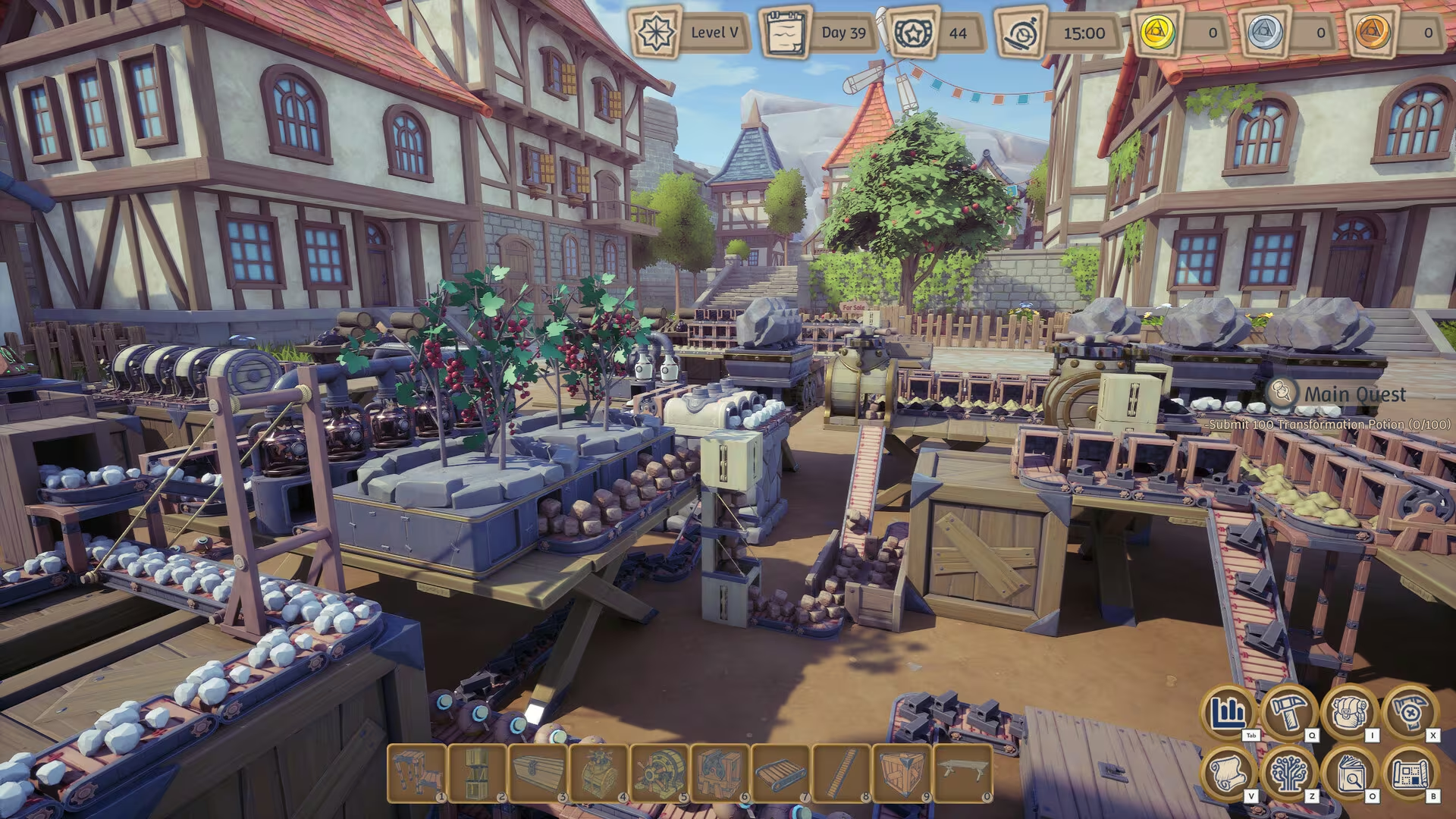
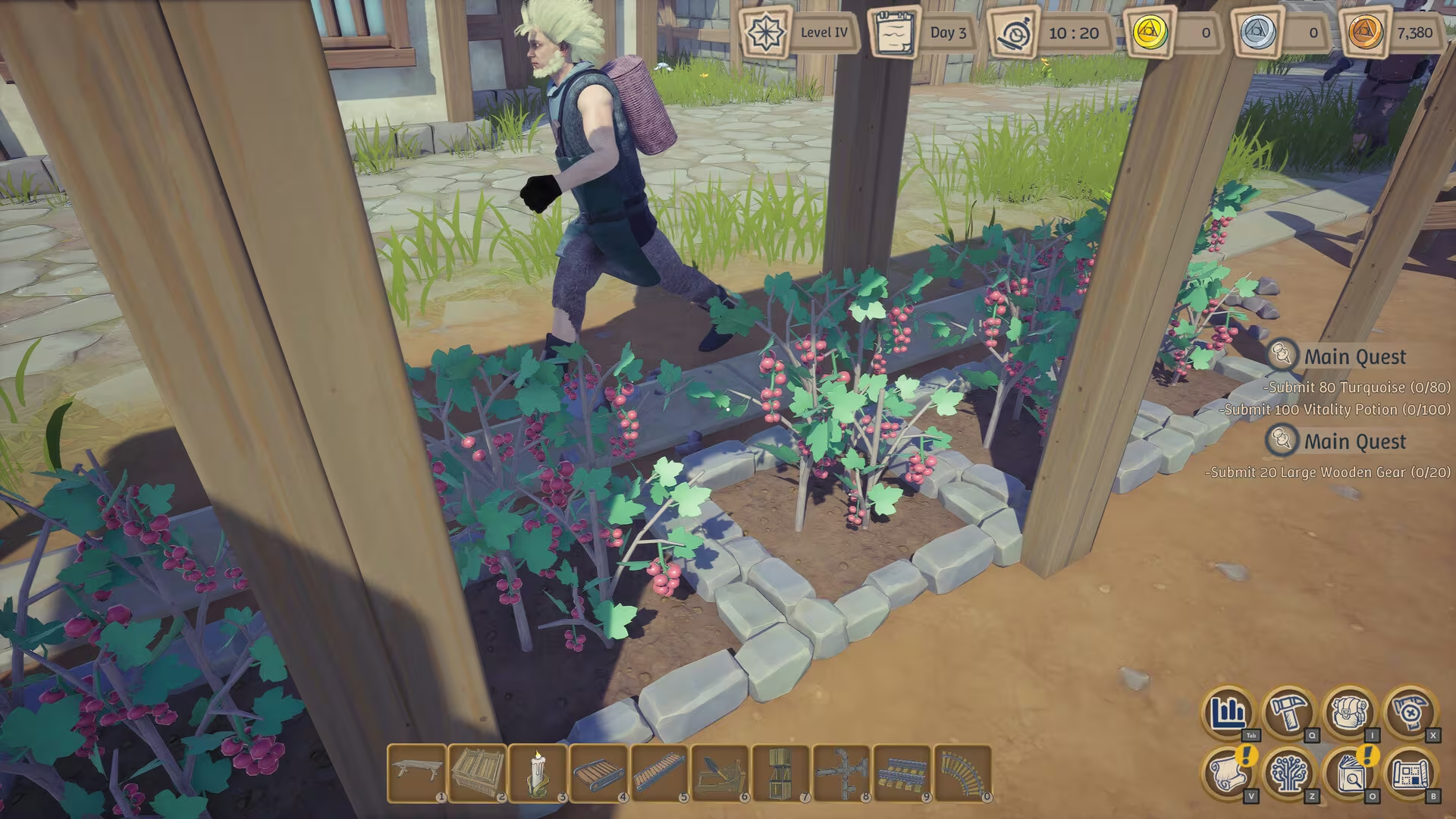
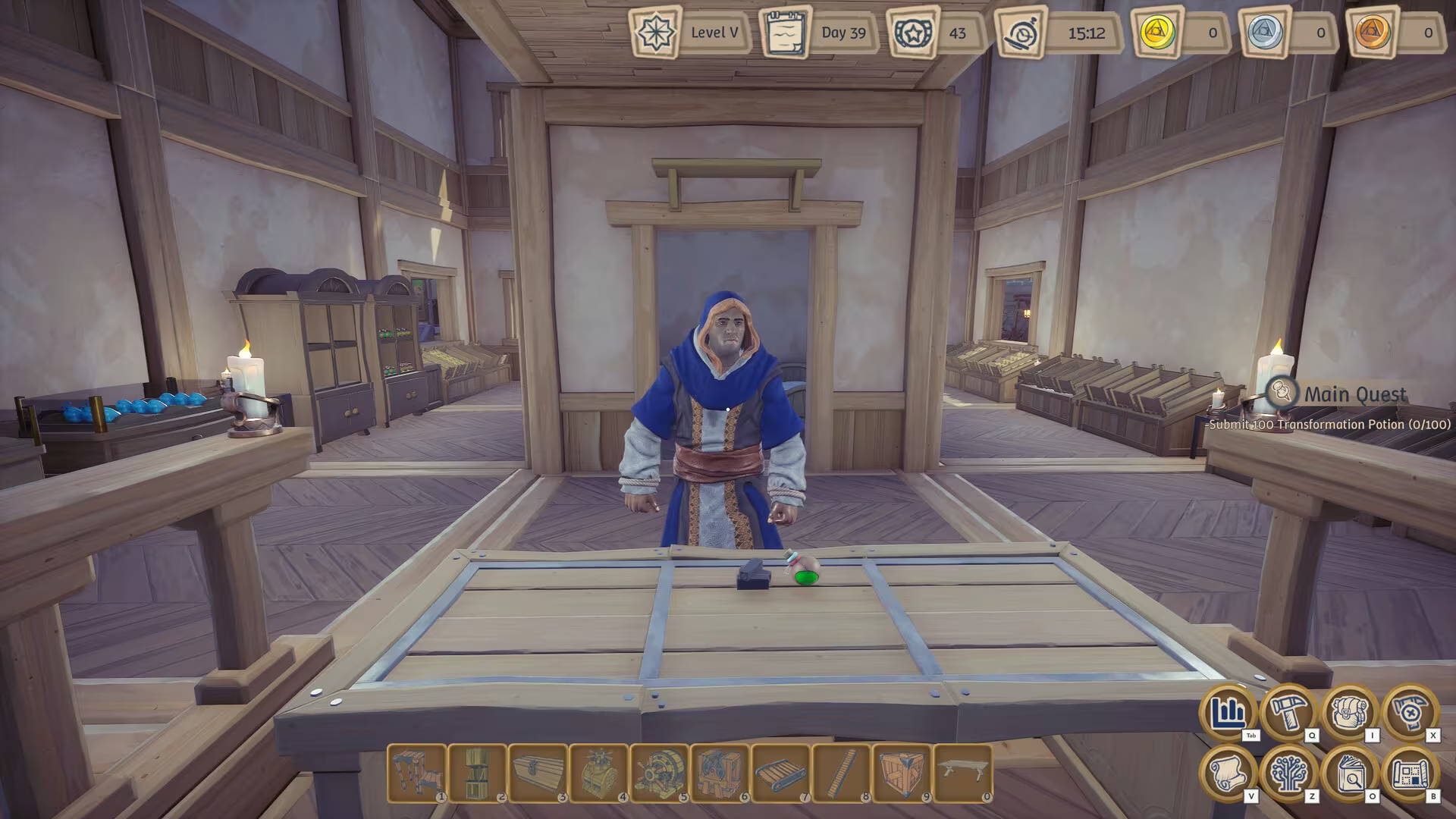
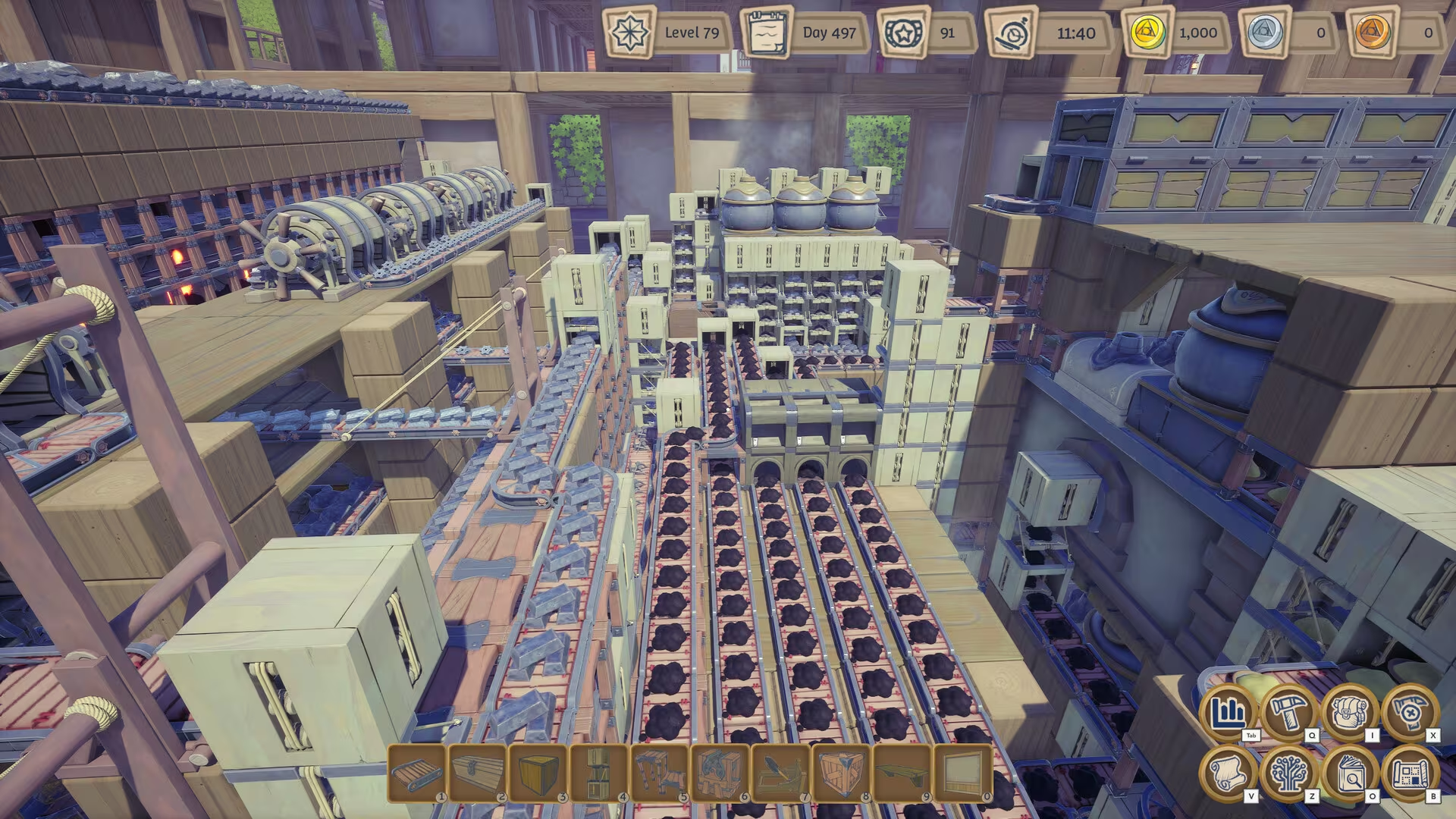
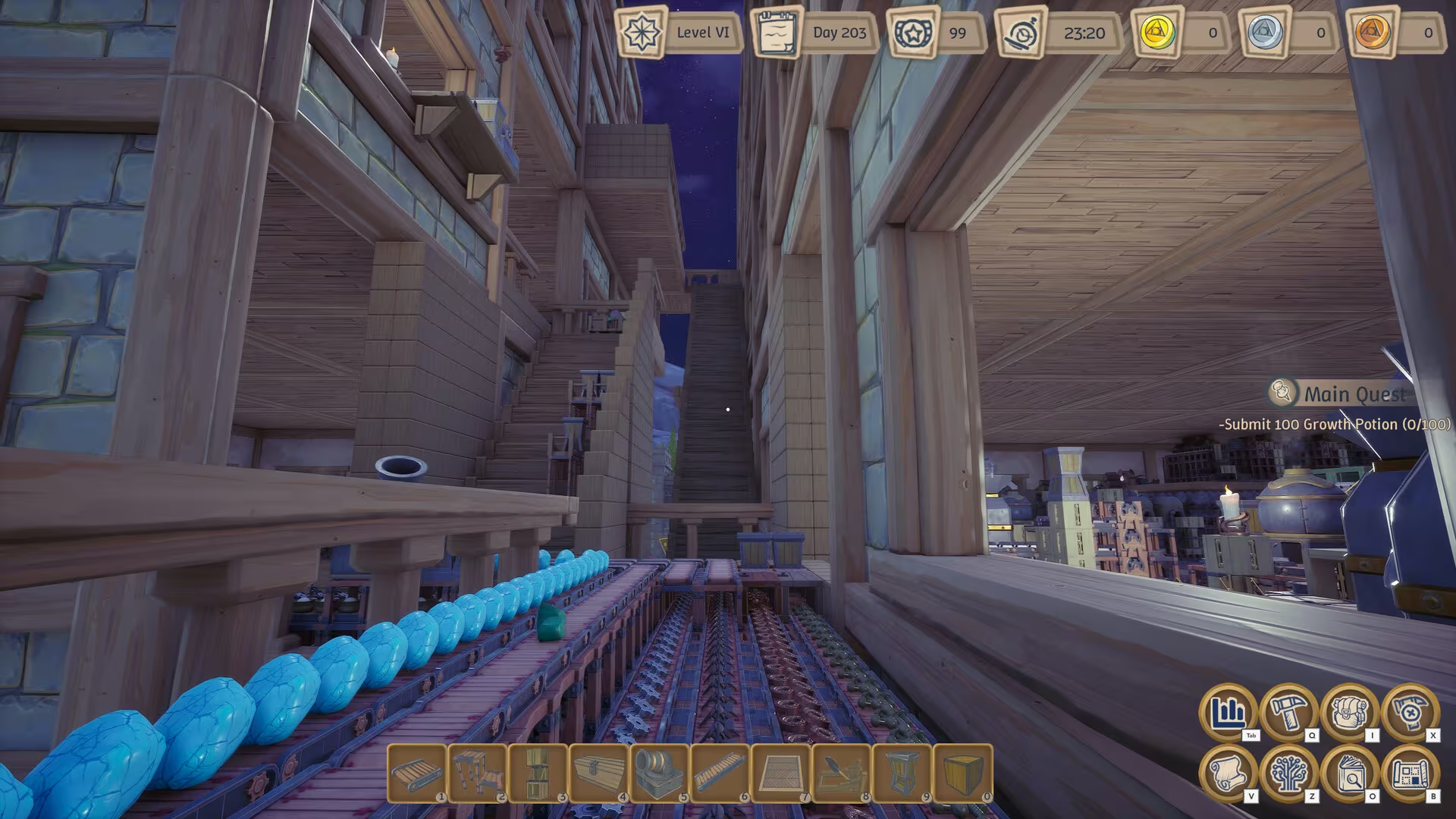
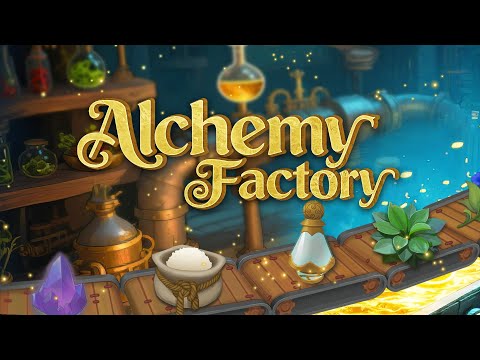
Craft your workshop as an alchemist! Harness arcane devices to automate crafting. Sell alchemical goods, fulfill commissions, and rise to become a renowned alchemy magnate. Multiplayer Supported! Invite master designers to (ahem) contribute their expertise—let them optimize your production lines!
Global score
90/100
Genres
Casual, Indie, Simulator, Strategy, Early Access
Similar games
Pros
- Addictive and deep automation gameplay
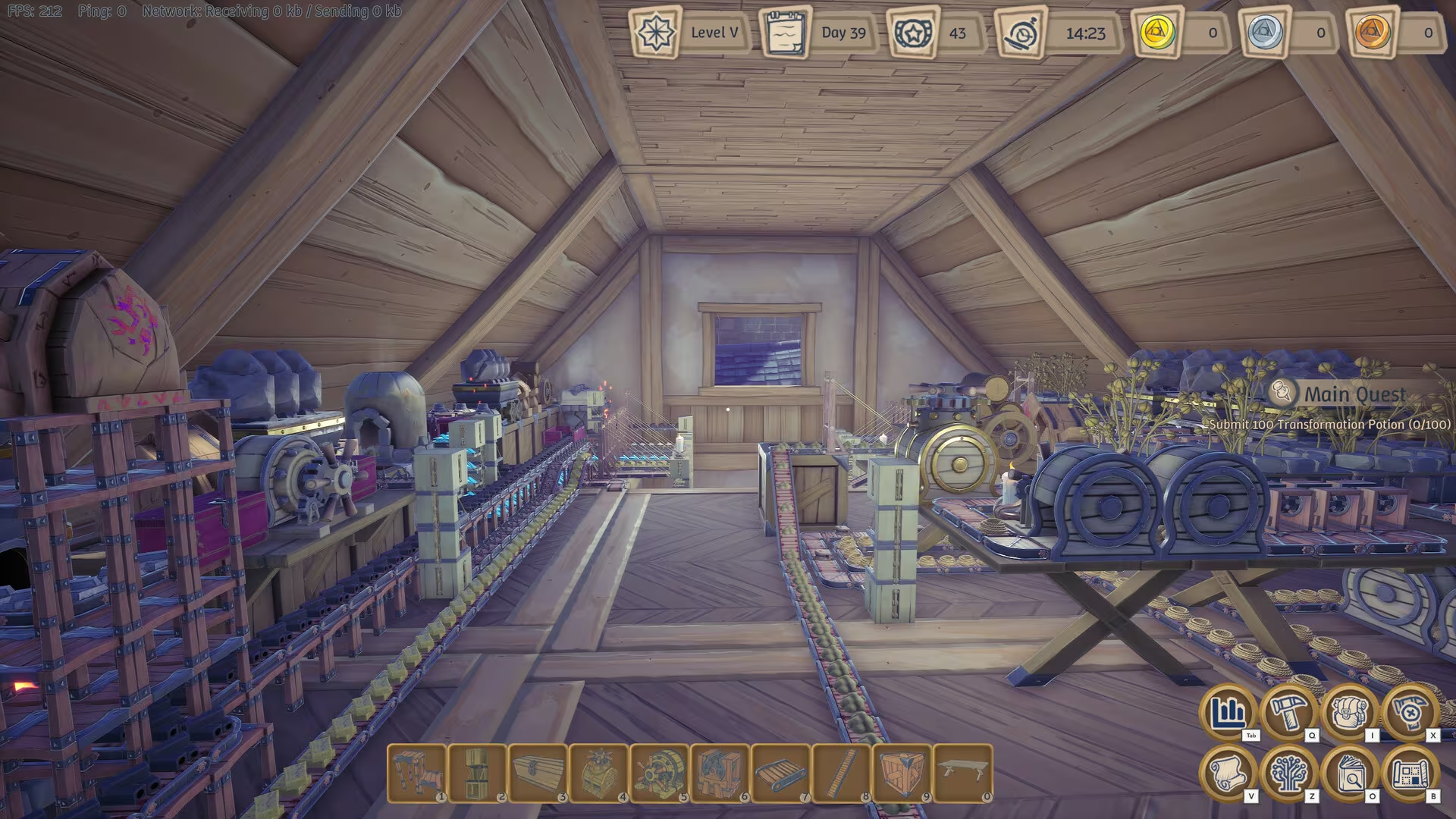
- Compact and modular factory building
- Cozy and charming fantasy setting
- Active developer support and updates
- Multiplayer cooperative options
Cons
- Lack of story and narrative depth
- Some ui and quality-of-life rough edges
- Limited customization and decoration
- Music and audio design criticized
- Early access bugs and balance issues
Analysis
Broadly representative of its motivational profile, with a few distinct shifts. Motivations that often define this kind of title include Fantasy, Violence, Story, Thrill. Here, the score leans higher than usual among comparable games on Cooperation, Fantasy, Fellowship.
How to use the graph
Similar games map
Each dot is a game. They are arranged from the same motivation profile as in the “Motivations” section below. Closer dots usually mean more similar reasons to play (exploration, competition, relaxation, etc.)—not that one game is “better” than another.
- Larger dot with a light outline: the game you are viewing.
- Colour: groups of games with comparable motivation patterns (statistical clusters).
- Hover a dot to see the game name; click to open its page.
- Scroll or double-click the chart to zoom out and see more games.
Why don’t the axes read like a score? This view uses t-SNE: it only keeps who is close to whom. The scales are not “good to bad” or hours played—they separate groups on the map. Read distance between dots, not the axis numbers.
Motivations
-
Autonomy4
"Players have freedom to design and optimize their factories and shop layouts with modular building and blueprint systems, allowing personal control over actions and decisions."
-
Competence4
"The game offers complex automation challenges, requiring skillful factory design, optimization, and problem solving, with feedback from production efficiency and progression."
-
Competition-3
"Focus is on personal progression, optimization, and enjoyment without explicit competitive modes or leaderboards; players set their own pace."
-
Continuation5
"Many reviews mention long play sessions, addictive gameplay loops, and habitual engagement with the game over dozens or hundreds of hours."
-
Cooperation2
"Multiplayer is supported and some players enjoy cooperative play managing shop and factory roles together, but solo play is also common."
-
Creativity4
"Players can creatively build compact, modular factories, design production lines, and customize layouts using blueprints and building placement."
-
Domination-4
"Interactions emphasize shared progress and cooperation rather than exerting control or superiority over others."
-
Escapism4
"The cozy fantasy setting and immersive factory/shop gameplay provide a strong escape from real life, with players losing track of time."
-
Expectation-4
"Players engage voluntarily out of intrinsic interest and enjoyment, with no indication of obligation or external pressure."
-
Experimenting4
"Players experiment with factory layouts, automation strategies, and logistics using unique mechanics like catapults and modular building."
-
Exploration1
"Some potential for exploration exists with expanding land plots and leaving the castle, but main focus is on factory building."
-
Expression1
"Limited customization options currently; some desire for more shop decoration and character customization expressed by players."
-
Fantasy3
"Set in a medieval fantasy world with alchemy and magical elements, though gameplay focuses on factory automation rather than deep roleplay."
-
Fellowship2
"Community and multiplayer aspects exist, with players sharing blueprints and cooperating, but solo play is also common."
-
Growth4
"Players learn complex systems, optimize production, and progress through tech trees, gaining skills and knowledge over time."
-
Health-5
"Game is sedentary with no physical activity elements; players report long sessions and time loss."
-
Idle-3
"Requires active attention and planning; some automation reduces manual tasks but constant engagement is typical."
-
Intimacy-4
"Social interactions are limited to gameplay cooperation; no evidence of close emotional relationships forming in-game."
-
Leadership-3
"Players mostly manage their own factories and shops; multiplayer cooperation exists but no strong leadership roles emphasized."
-
Progression5
"Strong progression through tech trees, unlocking new recipes, buildings, and upgrades; accumulating resources and expanding factories."
-
Relaxation3
"Described as cozy and chill by players, though complexity and optimization challenges add some tension."
-
Sensation2
"Visuals and animations are charming but simple; some players find the music lacking; sensory stimulation is moderate."
-
Status-4
"No social status or recognition systems; focus is on individual achievement and personal satisfaction."
-
Story-3
"No strong narrative or story; gameplay centers on automation and shop management without immersive plot."
-
Strategy4
"Requires planning, problem solving, and strategic thinking to optimize factory layouts and resource flows."
-
Thrill-2
"Gameplay is low risk and predictable; some challenge in optimization but minimal suspense or tension."
-
Value4
"Players report good value for time and money with many hours of engaging content and frequent updates."
-
Violence-5
"No combat or destruction; gameplay focuses on building, crafting, and cooperative economic activity."
-
Survival-4
"No survival or threat mechanics; stable environment focused on production and shop management."
Last update: 29/04/2026