Ale Abbey - Monastery Brewery Tycoon similar games & best alternatives
Ale Abbey - Monastery Brewery Tycoon
2025
Related articles
Quick resume
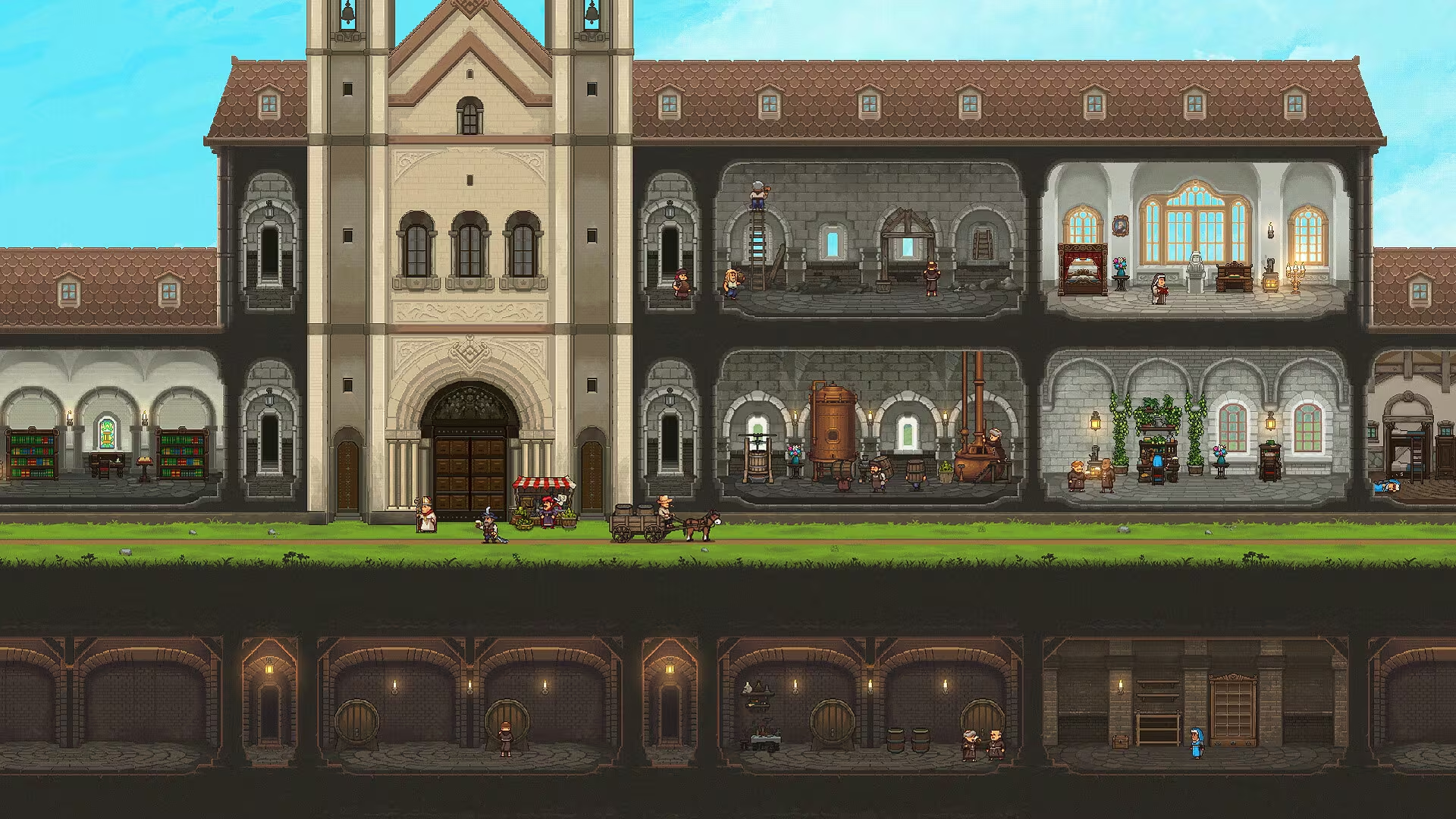
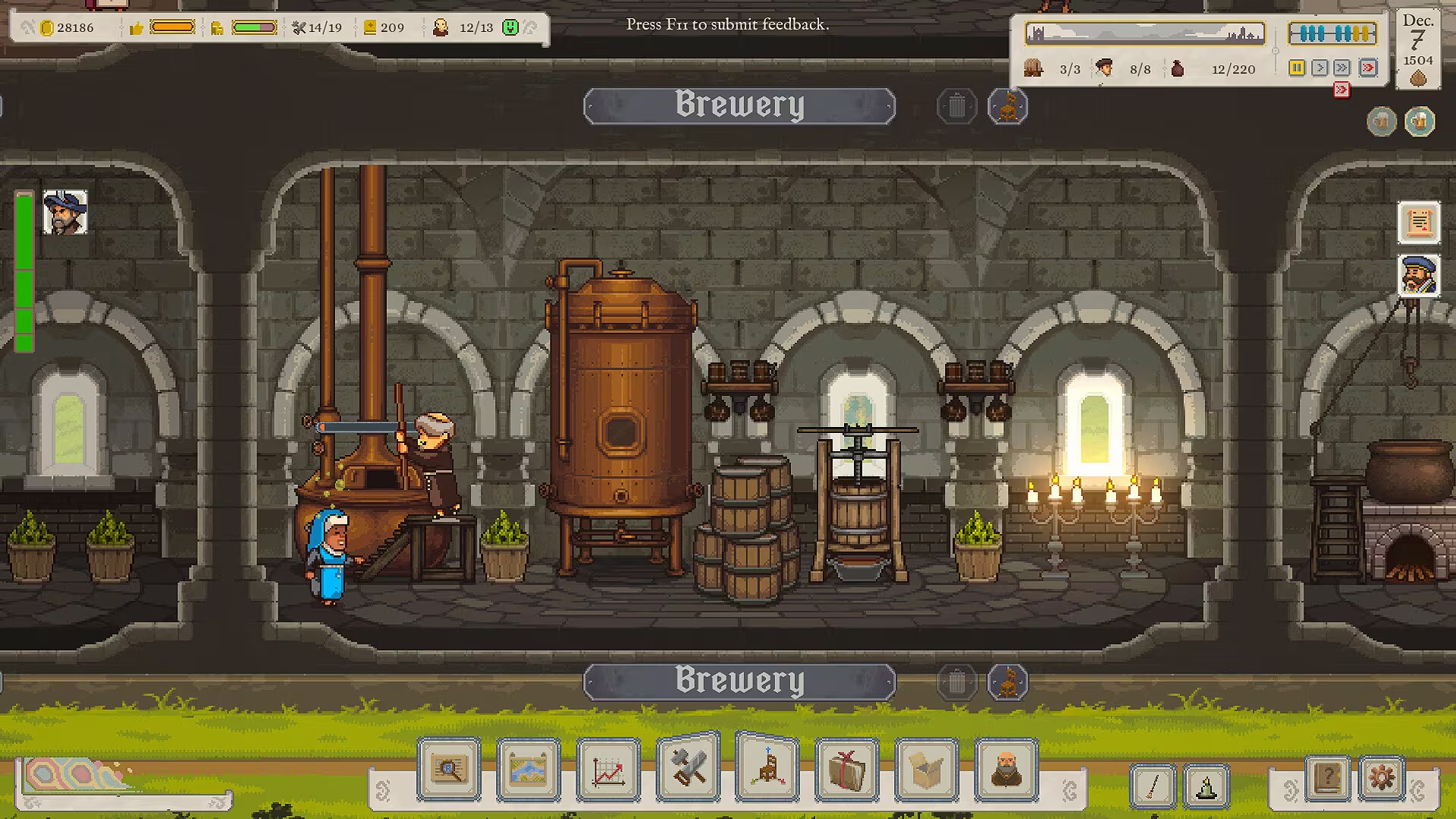
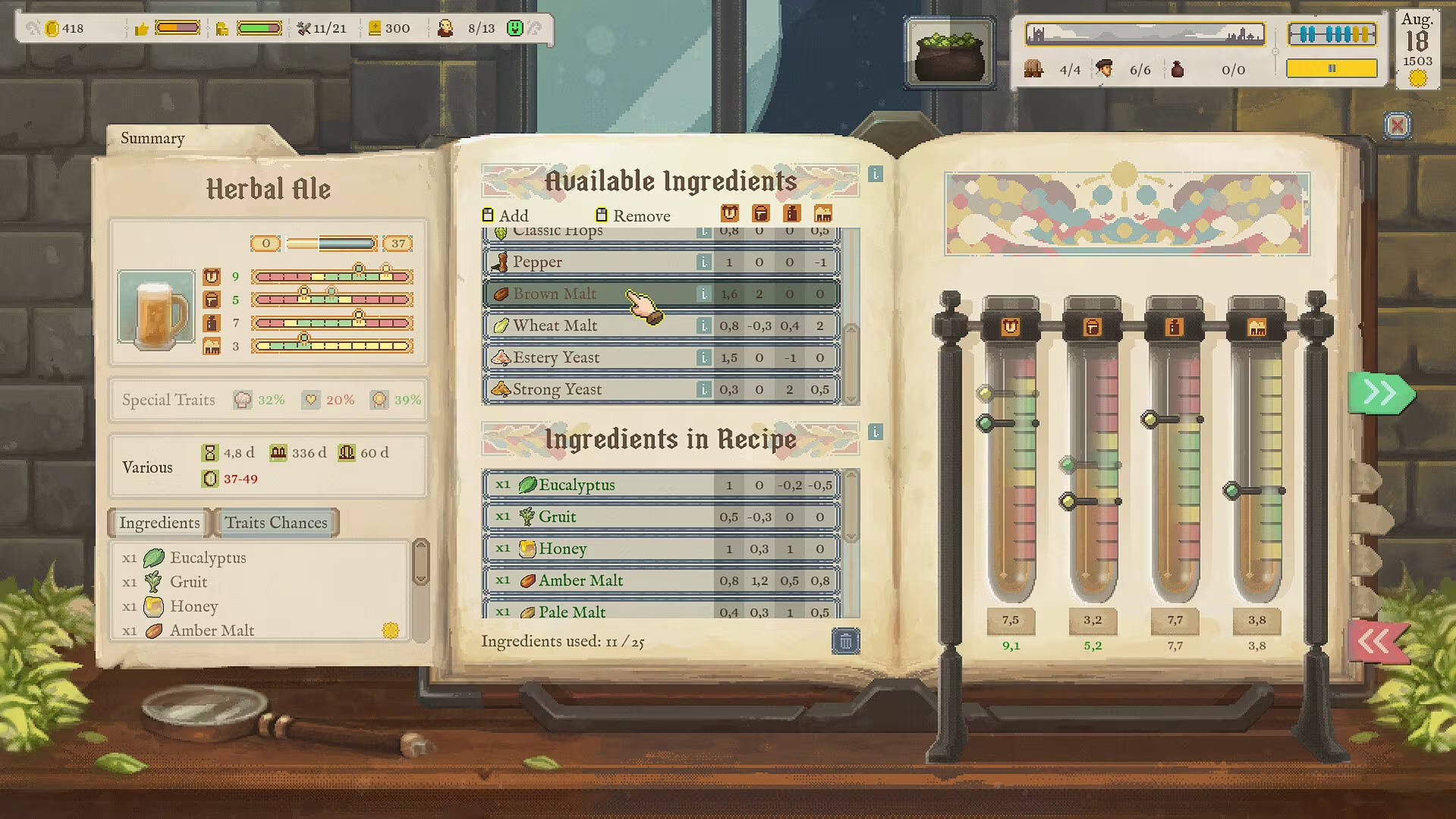
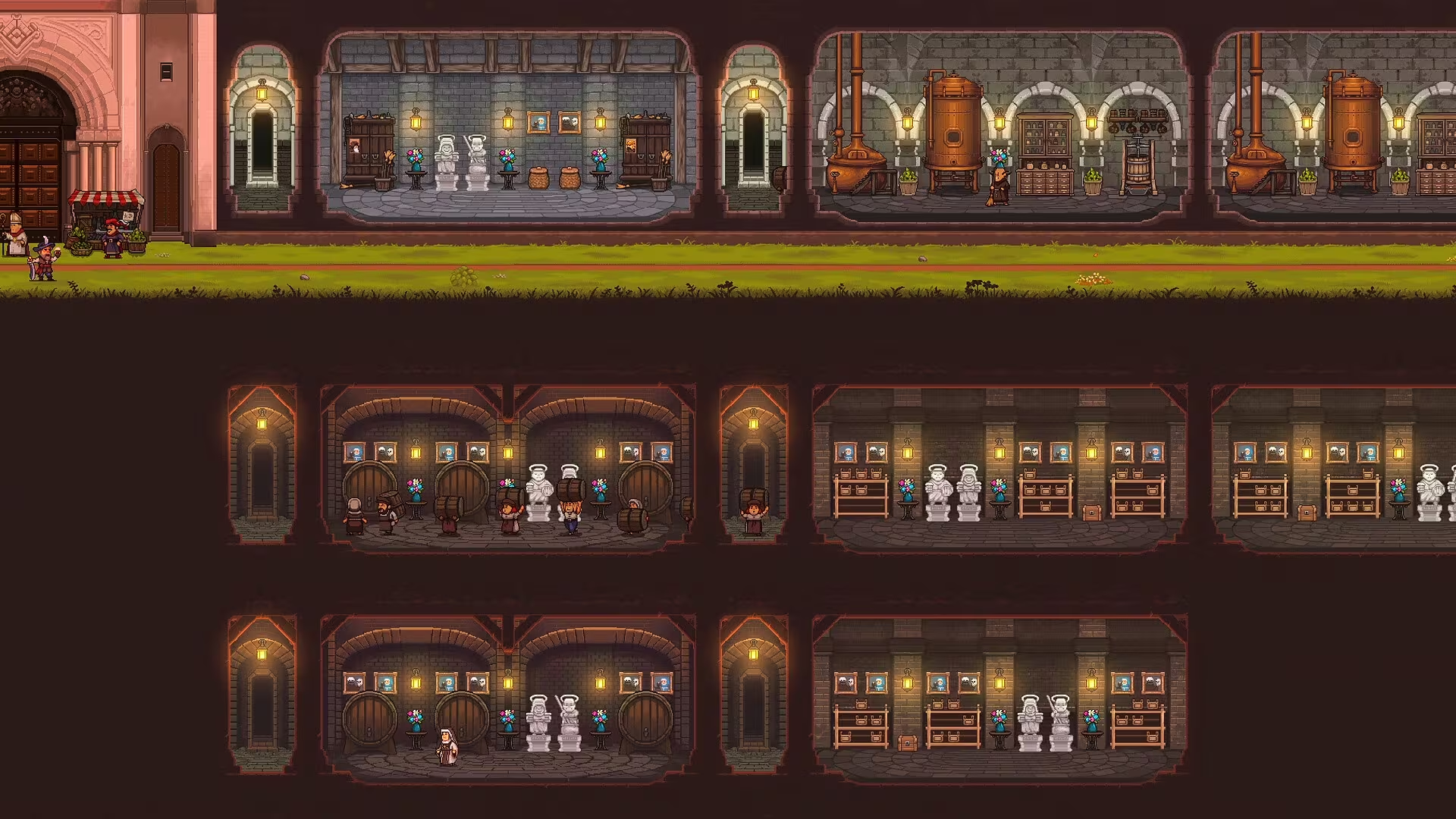
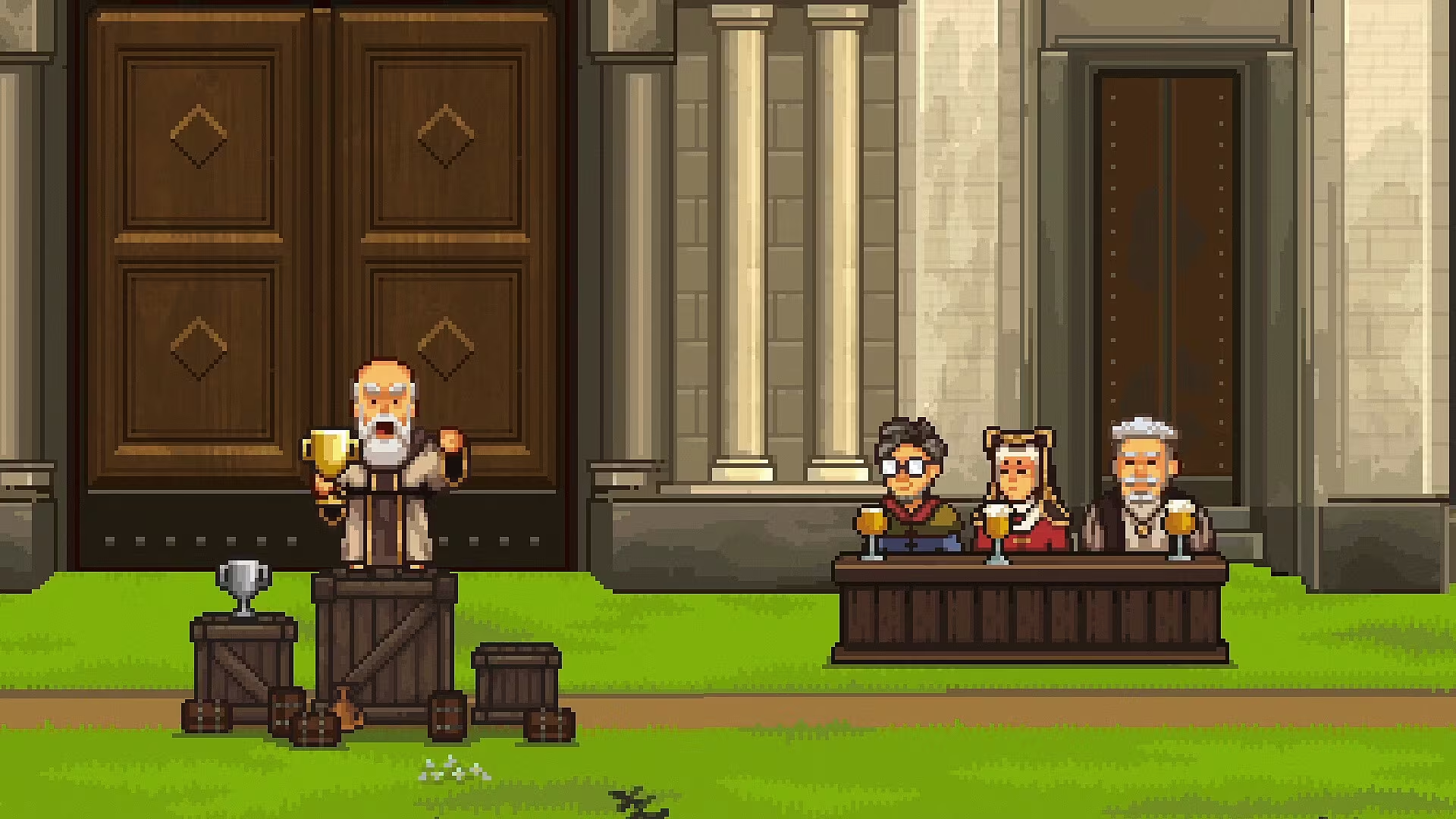
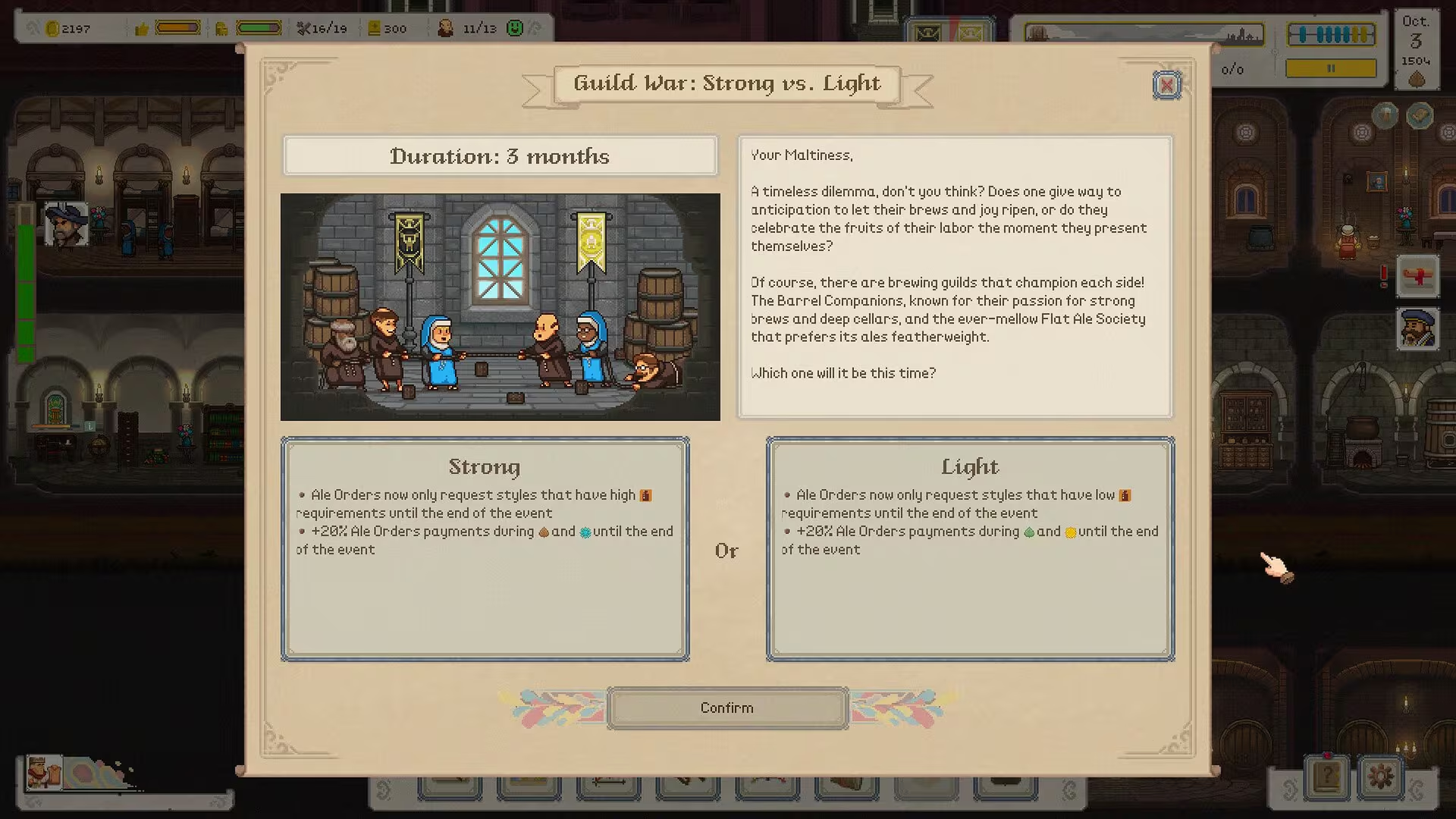
Build and expand your monastery, craft recipes and brew holy ales in this unique brewery tycoon. No pre-made recipes in Ale Abbey, oh no. It's a canvas for true beer alchemists. It's as simple as: brew, sip, repeat. Welcome to Ale Abbey!
Global score
90/100
Genres
Casual, Indie, Simulator, Strategy
Similar games
Pros
- Engaging and creative brewing mechanics
- Relaxing and charming atmosphere
- Active and responsive developers
- Long play sessions with rewarding progression
- Unique and humorous theme
Cons
- Early access content is limited
- Some ui and quality-of-life issues
- Slow early game progression
- Limited social or multiplayer features
- Repetitive gameplay loops at late stages
Analysis
Less representative of its motivational profile, with noticeable differences. Motivations that often define this kind of title include Leadership, Survival, Violence, Strategy. Here, the score leans higher than usual among comparable games on Relaxation. It leans lower than usual among comparable games on Violence, Thrill.
How to use the graph
Similar games map
Each dot is a game. They are arranged from the same motivation profile as in the “Motivations” section below. Closer dots usually mean more similar reasons to play (exploration, competition, relaxation, etc.)—not that one game is “better” than another.
- Larger dot with a light outline: the game you are viewing.
- Colour: groups of games with comparable motivation patterns (statistical clusters).
- Hover a dot to see the game name; click to open its page.
- Scroll or double-click the chart to zoom out and see more games.
Why don’t the axes read like a score? This view uses t-SNE: it only keeps who is close to whom. The scales are not “good to bad” or hours played—they separate groups on the map. Read distance between dots, not the axis numbers.
Motivations
-
Autonomy4
"Players can experiment with brewing recipes and develop their own strategies, indicating a high degree of control over actions and decisions."
-
Competence3
"The game involves managing resources, optimizing recipes, and overcoming challenges such as market demands and brewery upgrades, providing skill-based feedback and progression."
-
Competition-3
"Focus is on personal management and progression rather than direct competition; bandits act more like a tax than competitive opponents."
-
Continuation4
"Many players report long play sessions, addictive gameplay loops, and habitual engagement with the game."
-
Cooperation-4
"Gameplay centers on individual management of the monastery and brewery; no evidence of multiplayer or cooperative tasks."
-
Creativity5
"Strong emphasis on creating and customizing beer recipes with numerous ingredients and traits, as well as decorating and building the monastery."
-
Domination-5
"Interactions with others are balanced and respectful; no evidence of exerting control or superiority over others."
-
Escapism4
"Players find the game relaxing and immersive, providing a pleasant escape from real-life stress."
-
Expectation-4
"Players engage voluntarily out of intrinsic interest and enjoyment, with no indication of obligation or pressure."
-
Experimenting5
"The game encourages experimentation with recipes, ingredients, and strategies to find optimal brews and play styles."
-
Exploration3
"Players discover new beer types, ingredients, and towns, exploring new gameplay content progressively."
-
Expression4
"Customization of monastery layout, decorations, and naming of beers allows for personal expression."
-
Fantasy3
"Set in a stylized medieval monastery with fictional elements like drunken monks and humorous events, blending imaginative fiction with historical themes."
-
Fellowship-4
"The game is primarily a single-player experience with minimal social interaction beyond community forums."
-
Growth4
"Players learn brewing mechanics, optimize recipes, and develop management skills over time."
-
Health-5
"Sedentary gameplay with no physical activity or health-related mechanics."
-
Idle-3
"Requires active management and attention; some players mention micro-management and need for focus."
-
Intimacy-5
"No evidence of forming close relationships or emotional social interactions within gameplay."
-
Leadership3
"Players manage and assign tasks to monks and nuns, guiding their activities and development."
-
Progression4
"Clear progression through research, monastery upgrades, unlocking new beer types, and expanding the abbey."
-
Relaxation4
"Many reviews highlight the game's relaxing atmosphere, music, and flow."
-
Sensation3
"Enjoyable pixel art, animations, and music provide pleasant sensory stimulation."
-
Status-3
"Recognition is mostly internal or community-based; no competitive ranking or social status systems."
-
Story2
"Some narrative elements and quests exist, but the focus is on management rather than deep story immersion."
-
Strategy4
"Players engage in planning, resource management, and problem solving to optimize brewery operations."
-
Thrill-2
"Gameplay is generally calm and predictable with low risk; some challenge exists but minimal suspense or thrill."
-
Value4
"Players report good value for time and money, with many hours of engaging content and active developer support."
-
Violence-5
"No combat or destructive gameplay; focus is on constructive brewing and management."
-
Survival1
"Some resource and financial management to avoid failure, but overall low-risk environment."
Last update: 29/04/2026