Spellcaster University Thumbnail

Spellcaster University similar games & best alternatives
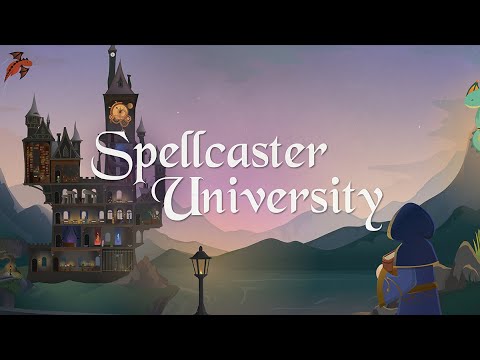
Spellcaster University

PC (Microsoft Windows), Mac, PlayStation 4, Xbox One, Xbox Series X|S, Nintendo Switch, PlayStation 5 • 2021

Related articles

Quick resume

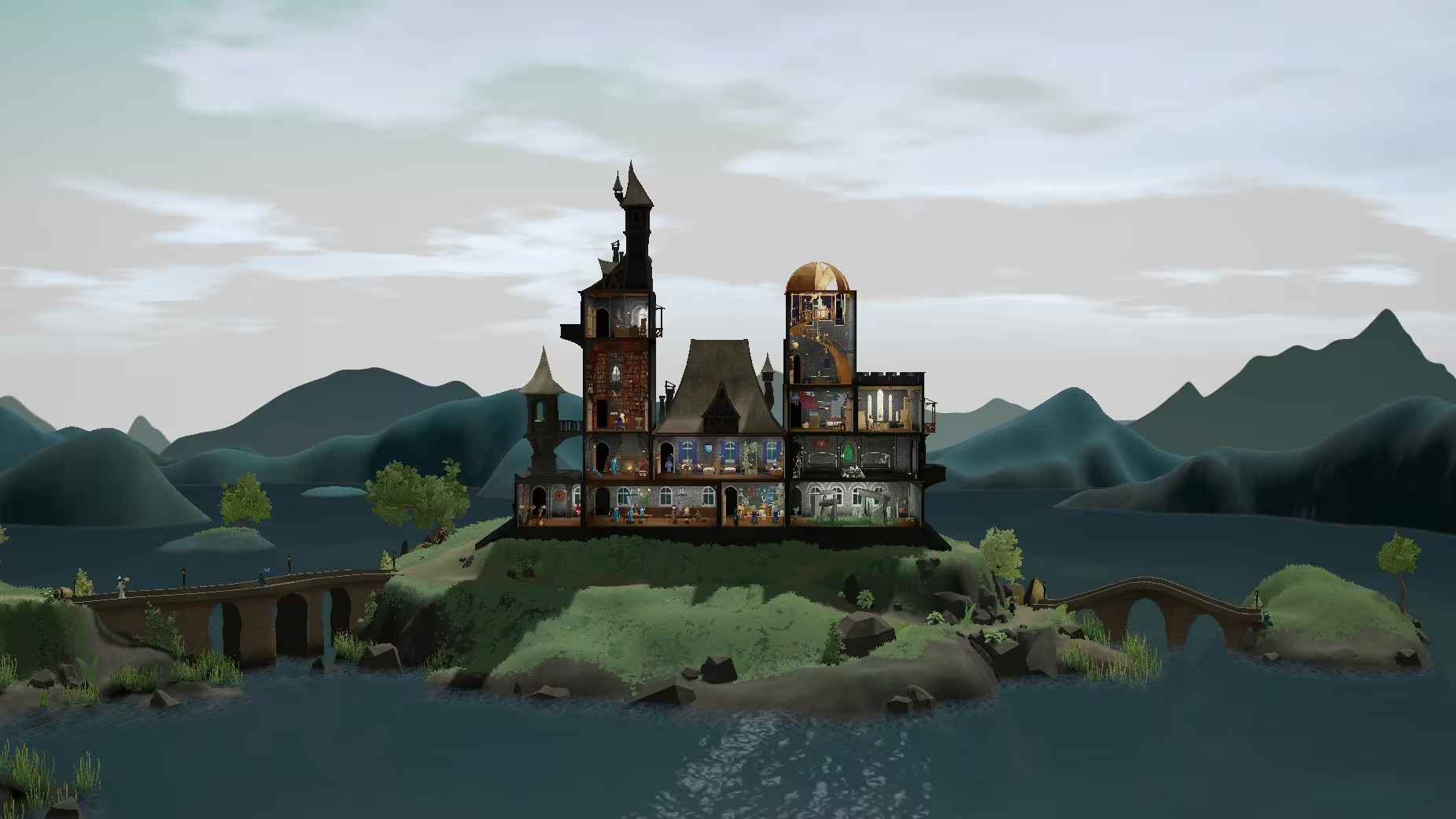
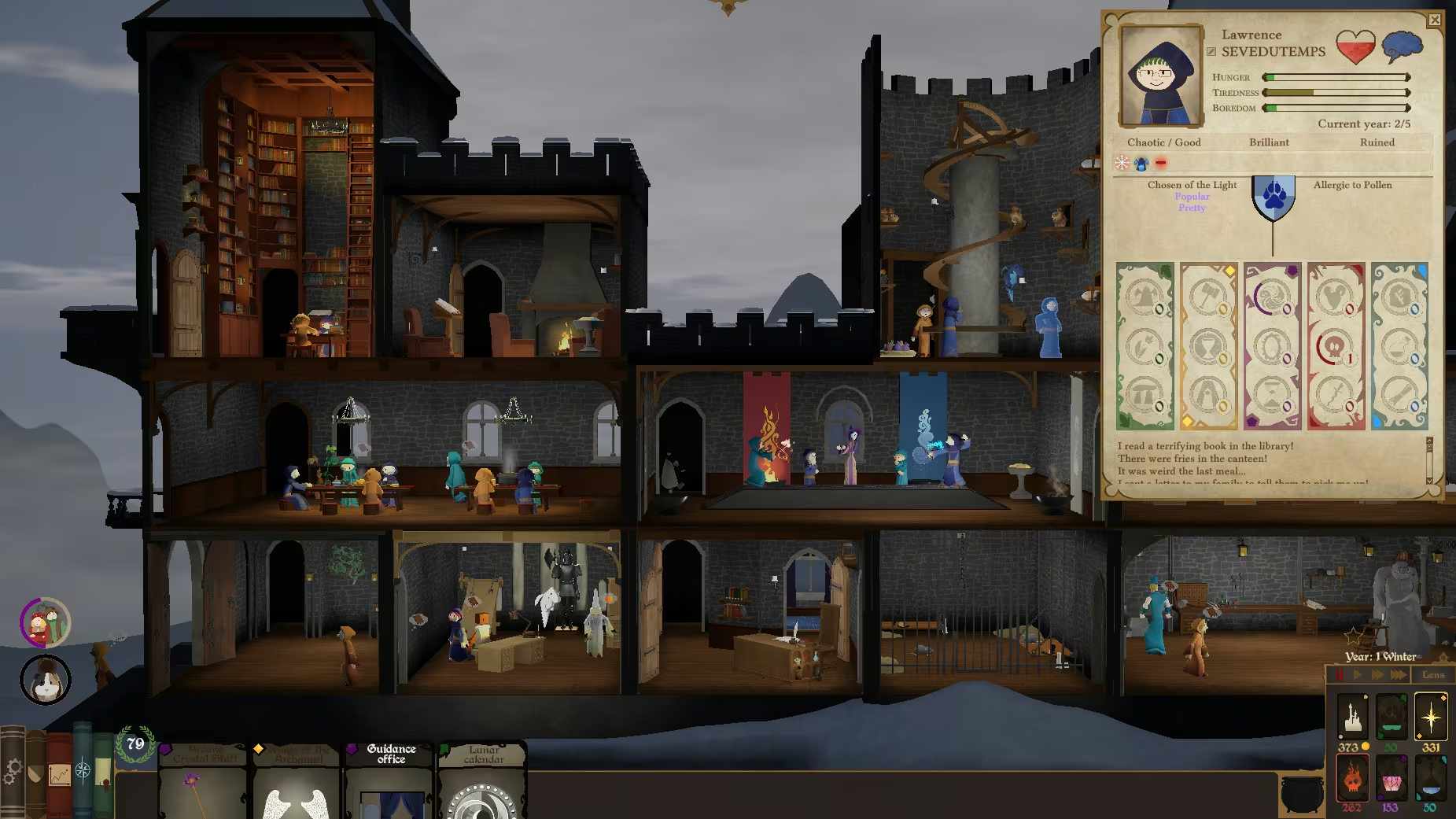
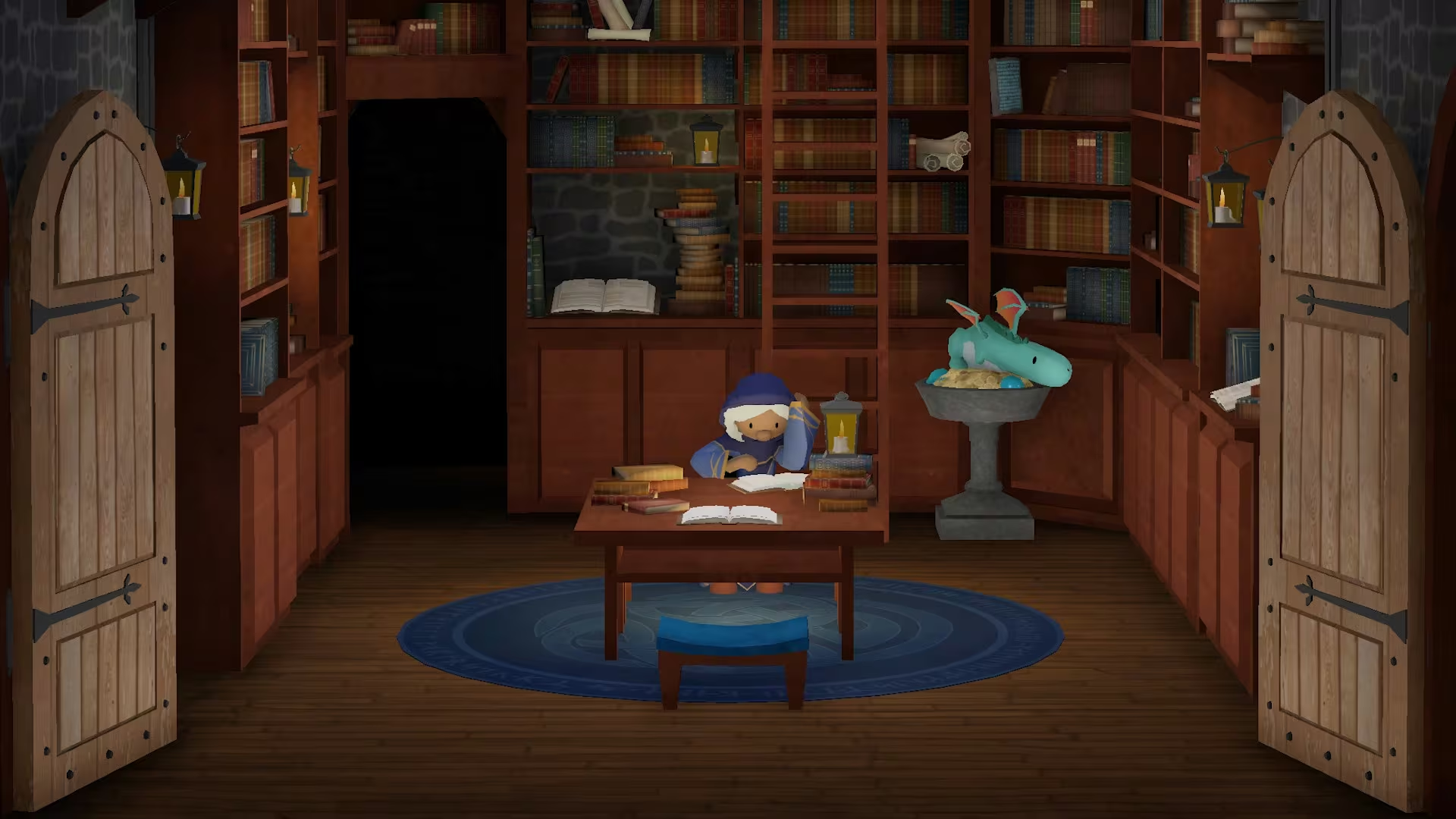
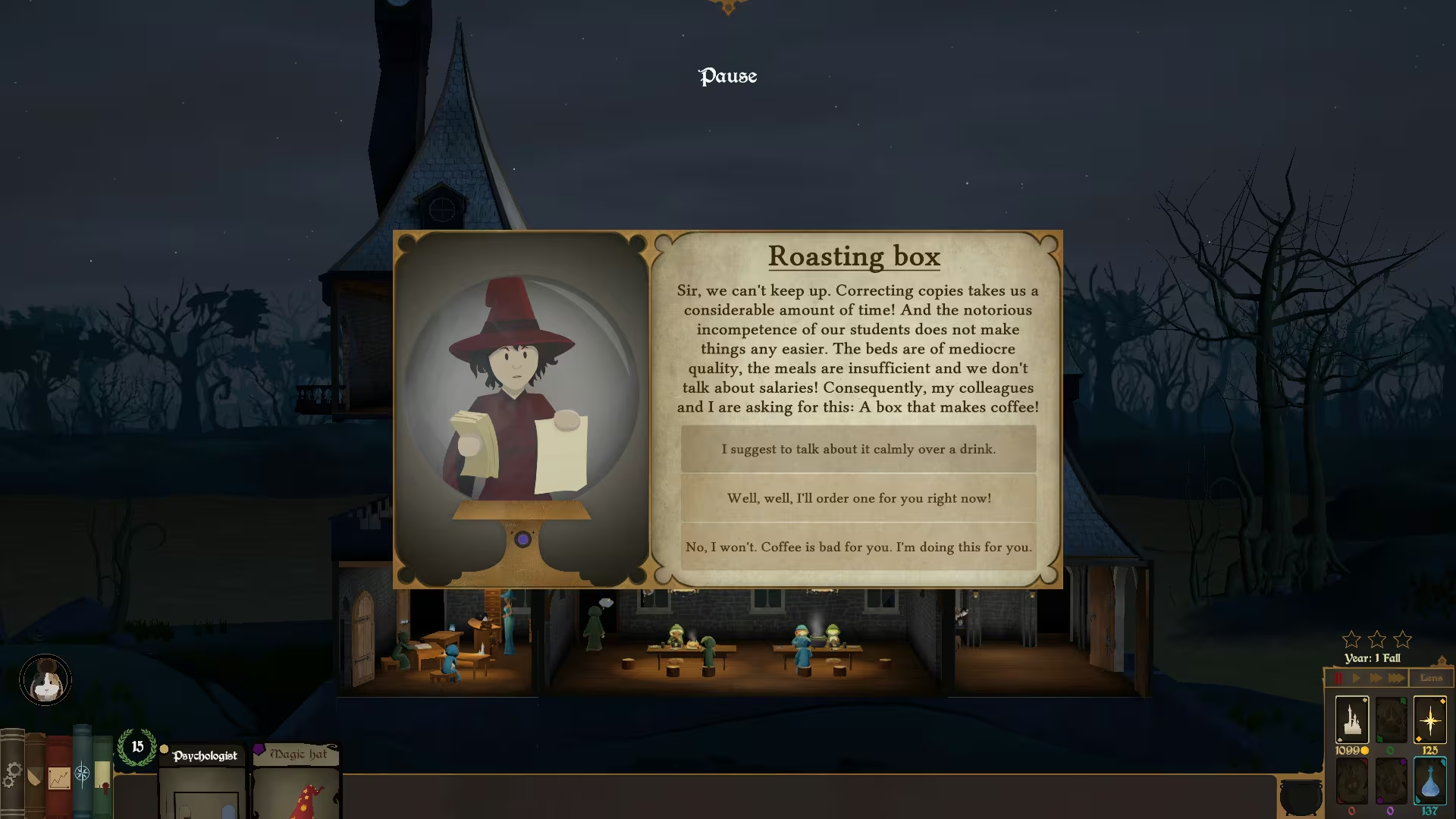
Develop a prestigious university of mages. Build rooms, train your students, fight orcs, slay the bureaucrats, manage your budget... a director's life is not a quiet one.

Global score

83/100

Genres

Simulator, Strategy, Indie, Card & Board Game

Similar games

    Pros

    • Addictive and fun gameplay
    • Unique blend of card mechanics and management
    • Strong fantasy theme and humor
    • High replayability with varied challenges
    • Engaging strategic depth

    Cons

    • Heavy rng can frustrate planning
    • Ui and pathfinding bugs
    • Lack of room rearrangement or demolition
    • Campaign can feel repetitive
    • Limited social or multiplayer features

    Analysis

    A very typical example of its motivational profile. Motivations that often define this kind of title include Leadership, Survival, Violence, Strategy. Here, the score leans higher than usual among comparable games on Fantasy, Relaxation. It leans lower than usual among comparable games on Violence.

    How to use the graph
    Similar games map

    Each dot is a game. They are arranged from the same motivation profile as in the “Motivations” section below. Closer dots usually mean more similar reasons to play (exploration, competition, relaxation, etc.)—not that one game is “better” than another.

    • Larger dot with a light outline: the game you are viewing.
    • Colour: groups of games with comparable motivation patterns (statistical clusters).
    • Hover a dot to see the game name; click to open its page.
    • Scroll or double-click the chart to zoom out and see more games.

    Why don’t the axes read like a score? This view uses t-SNE: it only keeps who is close to whom. The scales are not “good to bad” or hours played—they separate groups on the map. Read distance between dots, not the axis numbers.

    Motivations

    • Autonomy
      4

      "Players have significant control over building their school, choosing cards, managing student houses, and customizing strategies despite RNG elements."

    • Competence
      3

      "Game involves skillful management of resources, strategic placement of rooms, and optimizing student training to overcome challenges."

    • Competition
      -3

      "Focus is on personal progression and campaign goals rather than direct competition or leaderboards."

    • Continuation
      4

      "Players report addictive gameplay with long sessions and repeated playthroughs to unlock all content."

    • Cooperation
      -4

      "Gameplay centers on individual management of the university with limited multiplayer or cooperative elements."

    • Creativity
      4

      "Strong creative elements in building and customizing the school, houses, and student training paths."

    • Domination
      -4

      "Interactions with factions are diplomatic and strategic rather than exerting control or superiority over others."

    • Escapism
      4

      "Players use the game as a relaxing, immersive fantasy escape into a magical school setting."

    • Expectation
      -4

      "Players engage voluntarily out of intrinsic interest and enjoyment rather than obligation."

    • Experimenting
      4

      "Players experiment with different card draws, school layouts, and student builds to optimize outcomes."

    • Exploration
      3

      "Exploration of different maps and unique challenges in each campaign level encourages discovery."

    • Expression
      3

      "Customization of houses, room placement, and student training allows for personal expression."

    • Fantasy
      5

      "Strong fantasy theme with magical schools, spells, and imaginative student careers."

    • Fellowship
      -4

      "Minimal social interaction; gameplay is largely solitary and management focused."

    • Growth
      4

      "Players develop skills in managing complex systems and learn to optimize strategies over multiple playthroughs."

    • Health
      -5

      "Game is sedentary with no physical activity elements."

    • Idle
      -3

      "Requires active attention and management rather than passive or background play."

    • Intimacy
      -4

      "Limited emotional or social bonding; interactions with characters are light and superficial."

    • Leadership
      3

      "Player leads and manages the university, making strategic decisions and guiding student development."

    • Progression
      4

      "Strong progression through unlocking bonuses, graduating students, and improving the school."

    • Relaxation
      3

      "Generally relaxing and enjoyable gameplay, though some tension from time limits and RNG."

    • Sensation
      2

      "Pleasant visual style and animations provide sensory enjoyment, though not intense stimulation."

    • Status
      -3

      "Achievements and progression are mostly personal with limited social recognition or visibility."

    • Story
      2

      "Some narrative elements and humor, but gameplay focuses more on mechanics than deep story immersion."

    • Strategy
      4

      "Requires planning, resource management, and tactical decision-making to succeed."

    • Thrill
      1

      "Some tension from time limits and random events, but overall a controlled and steady experience."

    • Value
      3

      "Players find good value in gameplay hours and content, especially at discounted prices."

    • Violence
      -4

      "Combat is minimal and not central; focus is on building and managing rather than destruction."

    • Survival
      2

      "Some survival elements in managing resources and defending against the Dark Lord's attacks."

    Last update: 29/04/2026