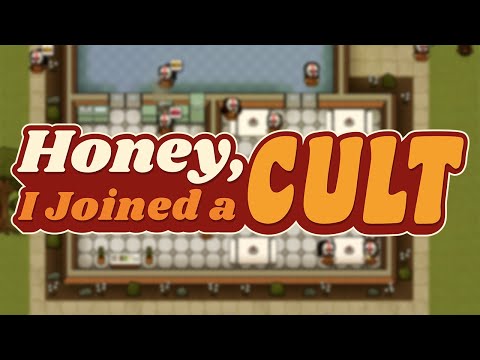
Honey, I Joined a Cult Thumbnail

Honey, I Joined a Cult similar games & best alternatives
Honey, I Joined a Cult

PC (Microsoft Windows) • 2022

Related articles

Quick resume

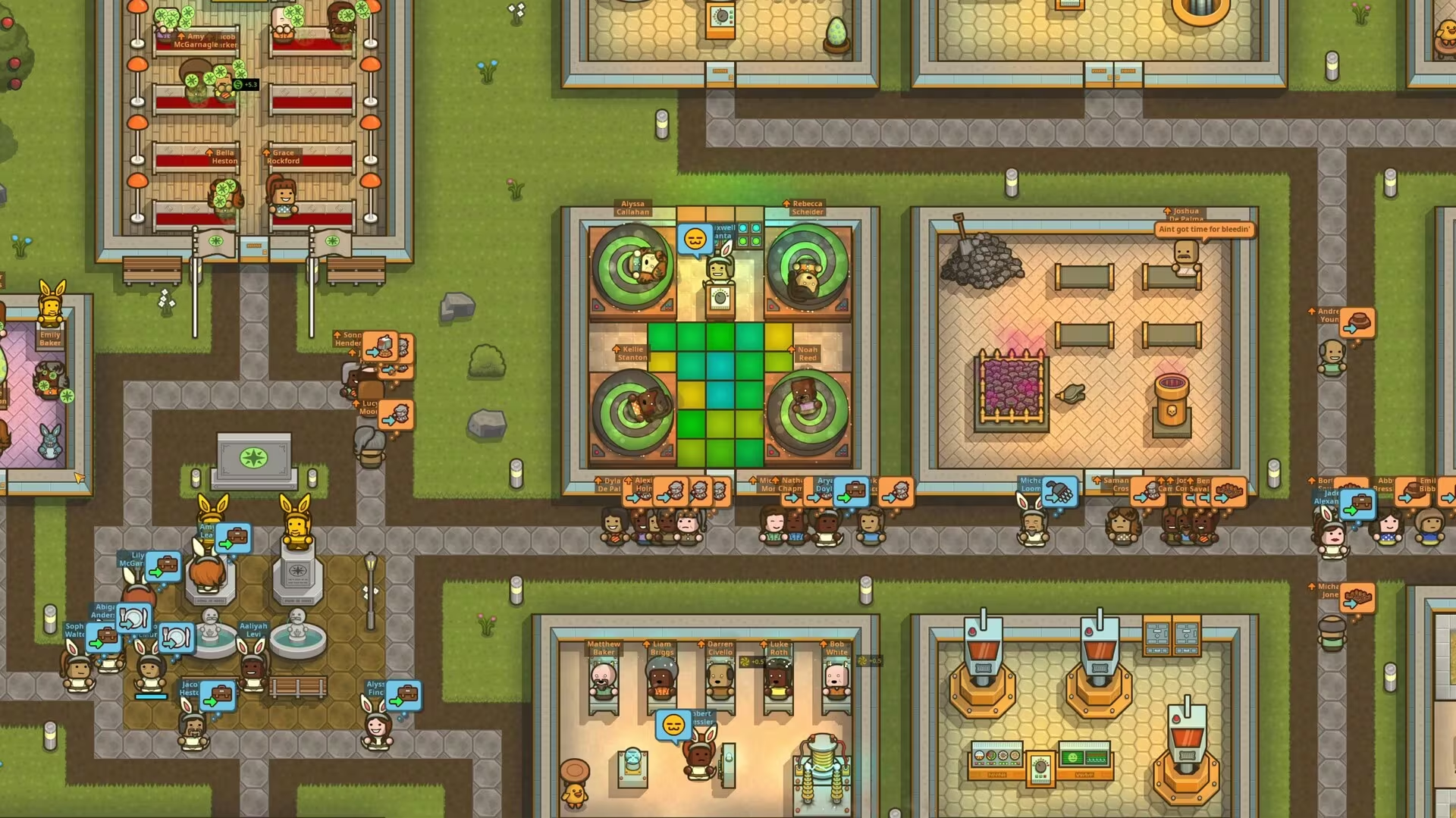
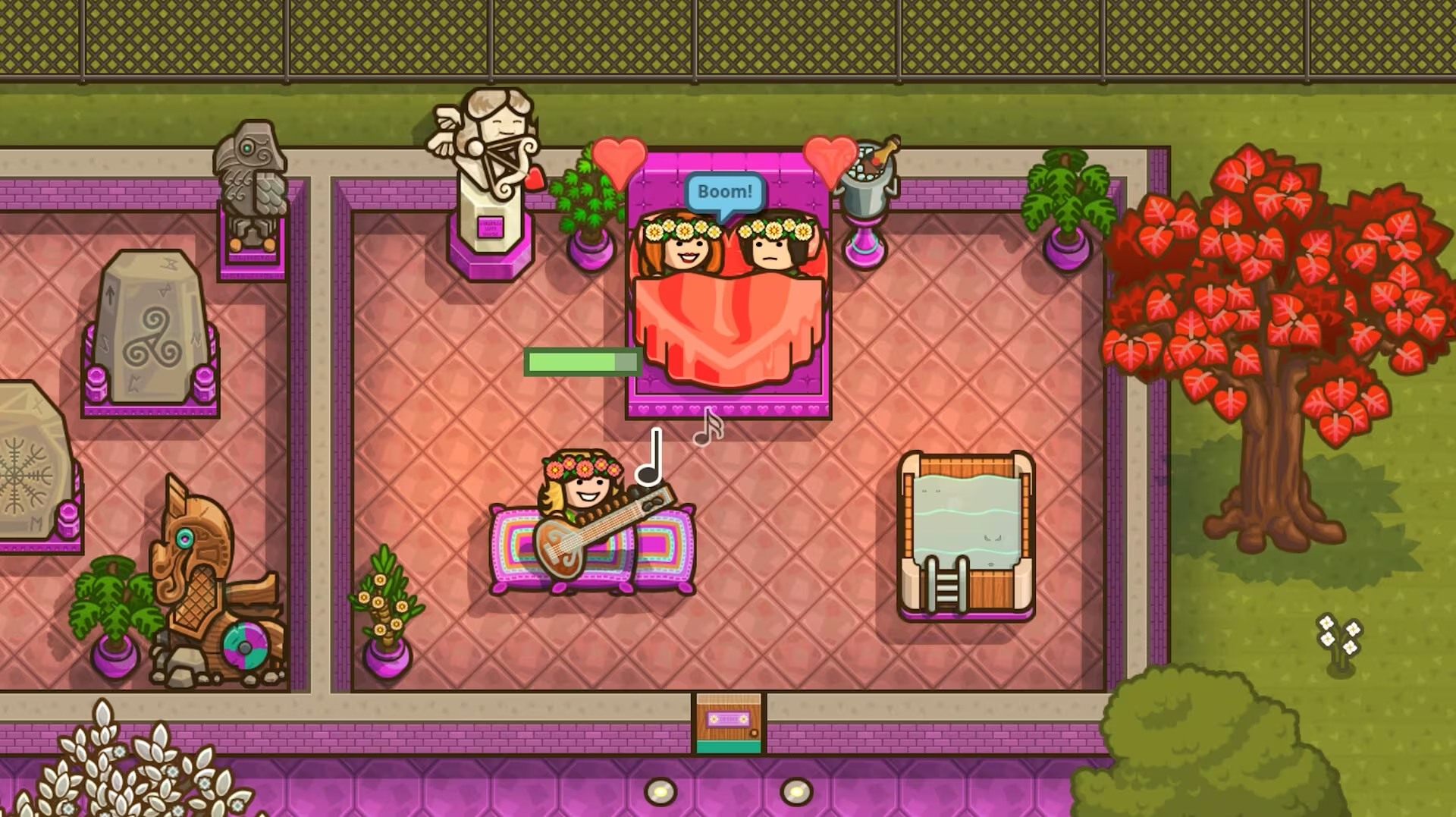
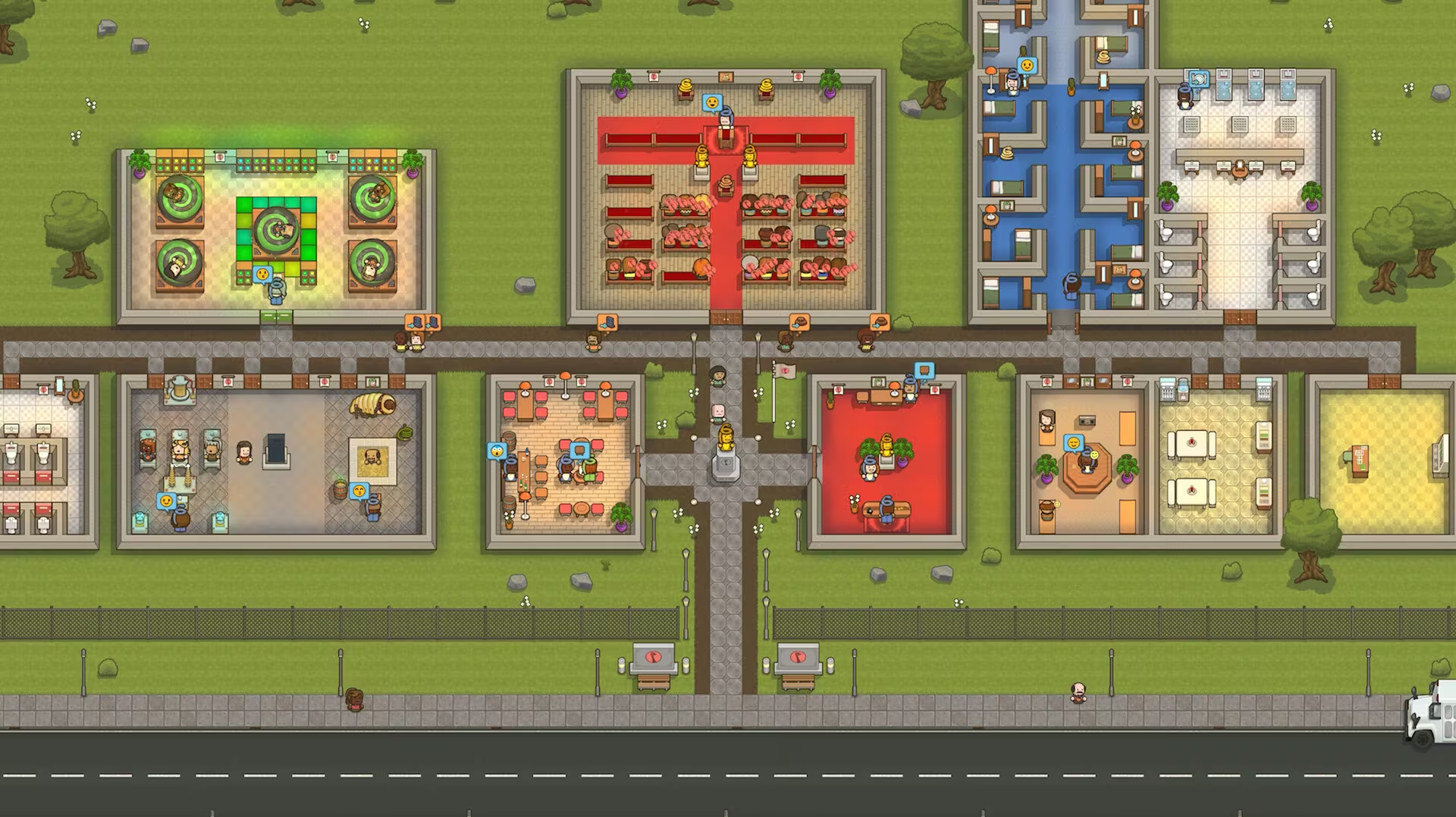
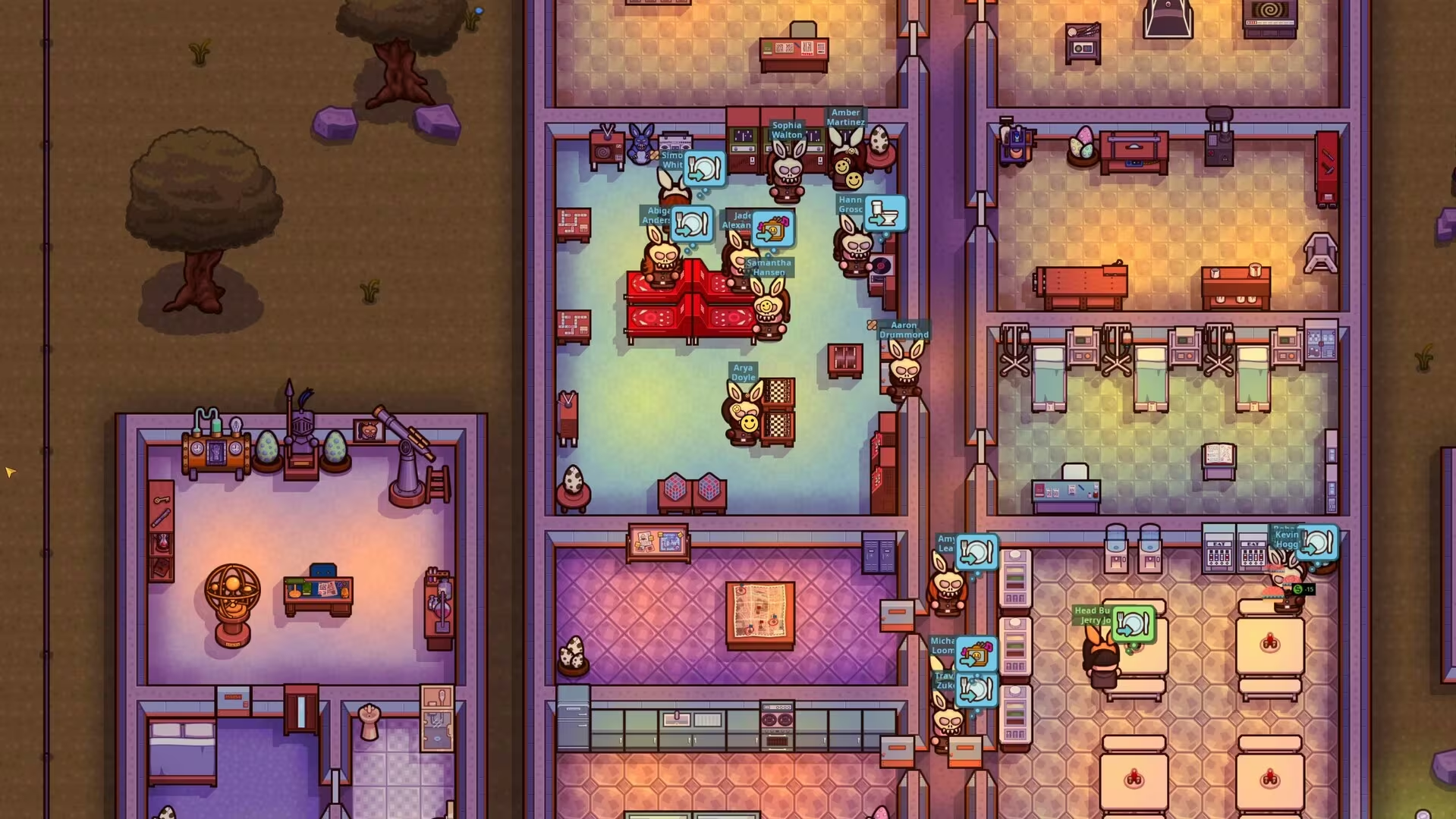
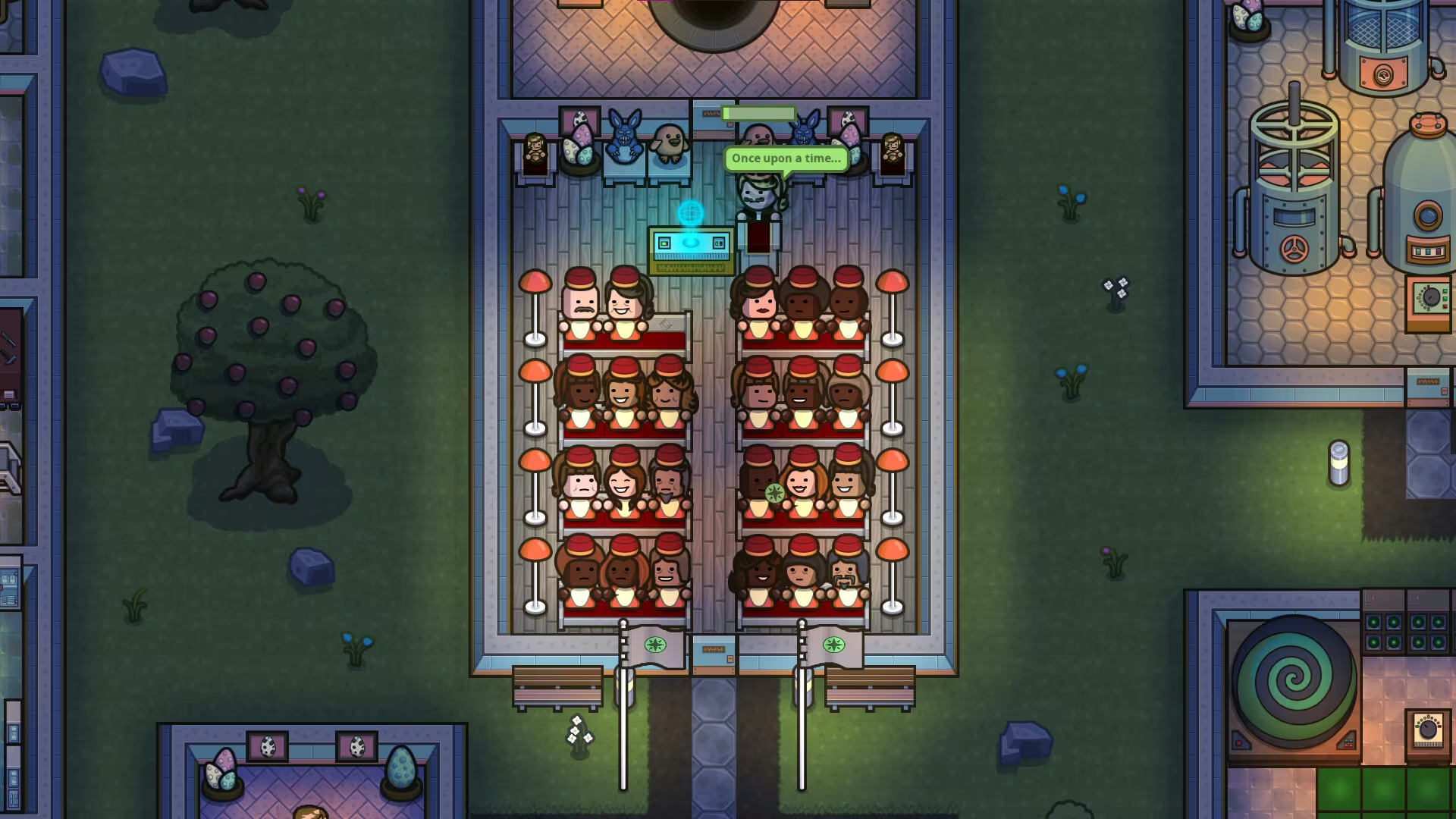
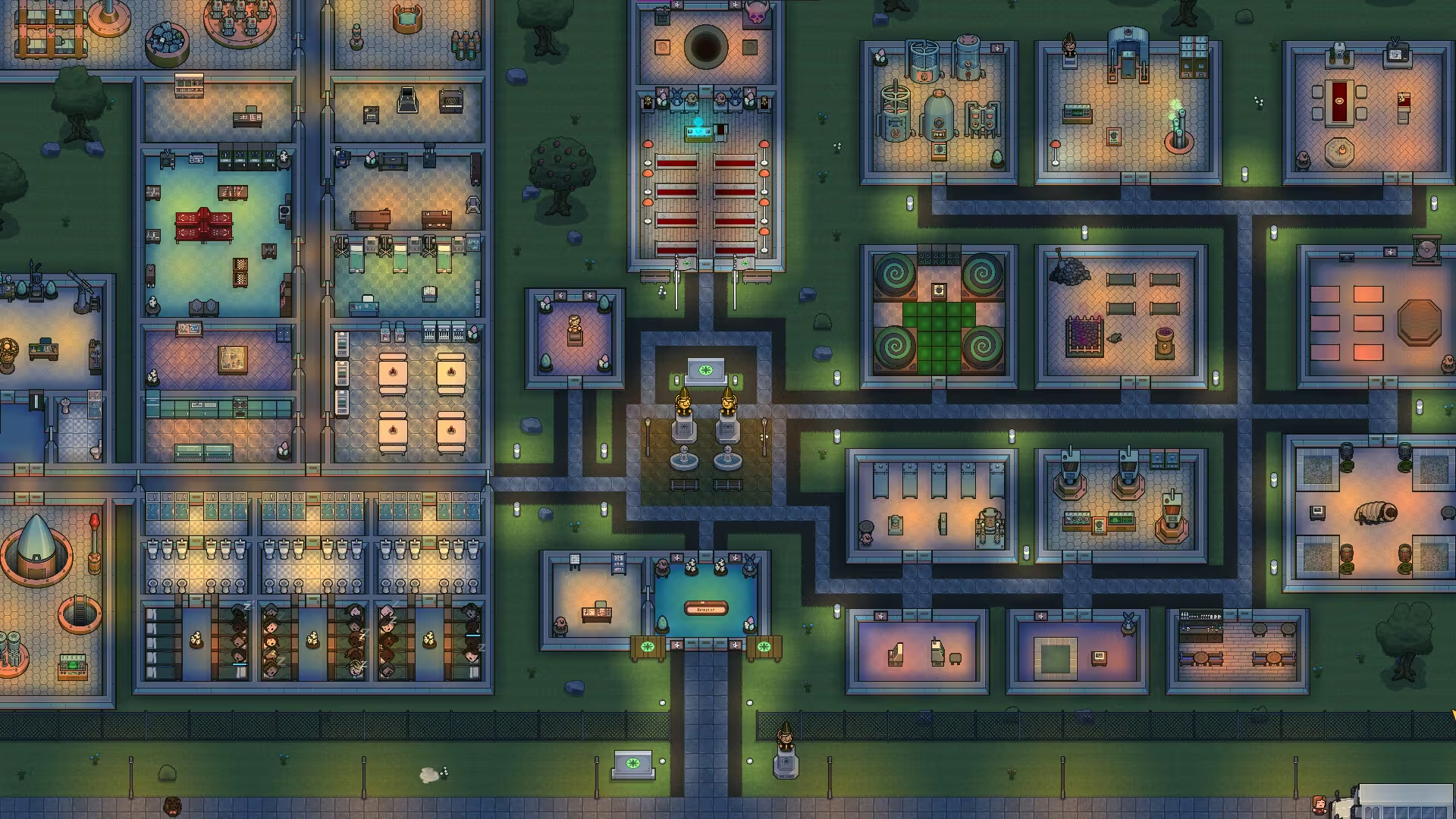
It's time to start working towards that ultimate goal of enlightenment, faith and money…lots and lots of money! Become the ultimate tycoon - create, customise, and manage your own cult whilst listening to funky music. Welcome to Honey, I Joined a Cult!

Global score

73/100

Genres

Casual, Indie, Simulator, Strategy

Similar games

    Pros

    • Fun and quirky humor
    • Strong customization and creativity
    • Engaging resource and personnel management
    • Accessible ui and gameplay
    • Good value for price

    Cons

    • Late game grindiness and repetitiveness
    • Some bugs and ui clunkiness
    • Limited exploration and narrative depth
    • Lack of multiplayer or social features
    • Early access content limitations

    Analysis

    A very typical example of its motivational profile. Motivations that often define this kind of title include Idle, Thrill, Violence, Survival. Here, the score leans higher than usual among comparable games on Leadership, Survival. It leans lower than usual among comparable games on Exploration.

    How to use the graph
    Similar games map

    Each dot is a game. They are arranged from the same motivation profile as in the “Motivations” section below. Closer dots usually mean more similar reasons to play (exploration, competition, relaxation, etc.)—not that one game is “better” than another.

    • Larger dot with a light outline: the game you are viewing.
    • Colour: groups of games with comparable motivation patterns (statistical clusters).
    • Hover a dot to see the game name; click to open its page.
    • Scroll or double-click the chart to zoom out and see more games.

    Why don’t the axes read like a score? This view uses t-SNE: it only keeps who is close to whom. The scales are not “good to bad” or hours played—they separate groups on the map. Read distance between dots, not the axis numbers.

    Motivations

    • Autonomy
      4

      "Players have significant control over cult management, building, scheduling, and customizing their cult and members, allowing personal freedom in decisions."

    • Competence
      3

      "The game involves managing multiple resources, balancing needs, and overcoming challenges like heat and faith management, requiring skill and strategic thinking."

    • Competition
      -4

      "Focus is on individual play and personal progress without leaderboards or direct competition against others."

    • Continuation
      3

      "Players report long play sessions and habitual engagement, though some mention grindiness and repetitive late game may reduce attachment."

    • Cooperation
      -3

      "Gameplay centers on managing cultists individually with limited social or cooperative multiplayer elements."

    • Creativity
      4

      "Strong emphasis on customizing cult appearance, naming, room building, and thematic choices allowing creative expression."

    • Domination
      -4

      "Interactions are balanced within the cult management context; no evidence of exerting superiority or authority over other players."

    • Escapism
      4

      "Players use the game as a humorous, lighthearted escape from reality with engaging management and quirky themes."

    • Expectation
      -4

      "Players engage voluntarily out of personal interest and enjoyment rather than obligation or external pressure."

    • Experimenting
      3

      "Players explore different cult themes, strategies, and management approaches, though some find progression linear and grindy."

    • Exploration
      -3

      "Limited exploration opportunities; gameplay mostly occurs within a fixed compound and known mission locations."

    • Expression
      4

      "Extensive options for customizing cult symbols, clothing, names, and compound aesthetics support self-expression."

    • Fantasy
      3

      "The game features imaginative fiction with cult themes, supernatural elements, and humorous scenarios."

    • Fellowship
      -3

      "Minimal social community interaction; focus is on solo play managing own cult."

    • Growth
      3

      "Players develop skills in resource and personnel management, learning game mechanics and optimizing strategies."

    • Health
      -4

      "Gameplay is sedentary with no physical activity; some players note long sessions and background play."

    • Idle
      2

      "Some players report letting the game run in background during grind phases, though active management is also required."

    • Intimacy
      -4

      "Social interactions are superficial within the game; no evidence of forming close relationships or emotional sharing."

    • Leadership
      4

      "Players act as cult leaders managing followers, assigning tasks, and guiding cult development."

    • Progression
      4

      "Strong focus on accumulating resources, upgrading rooms, researching technologies, and unlocking new content."

    • Relaxation
      3

      "Players find the game relaxing and enjoyable despite some grind and micromanagement challenges."

    • Sensation
      2

      "Visuals and music are praised as pleasant and funky but not highly stimulating or intense."

    • Status
      -3

      "Achievements and recognition are mostly personal; no social status or popularity mechanics."

    • Story
      1

      "The game has humorous writing and events but lacks a deep or engaging overarching narrative."

    • Strategy
      3

      "Requires planning and problem solving in resource allocation, scheduling, and balancing multiple variables."

    • Thrill
      -2

      "Gameplay is low risk with predictable outcomes; tension is mild and mostly from resource management."

    • Value
      3

      "Players generally feel the game offers good value for price, especially on sale, with many hours of entertainment."

    • Violence
      -3

      "Game focuses on management and building; violent actions are minimal and mostly thematic or symbolic."

    • Survival
      2

      "Players manage threats like heat and faith to avoid failure, but overall risk is moderate and manageable."

    Last update: 29/04/2026