Crush Crush Thumbnail

Crush Crush similar games & best alternatives
Crush Crush

PC (Microsoft Windows), Nintendo Switch • 2016

Related articles

Quick resume

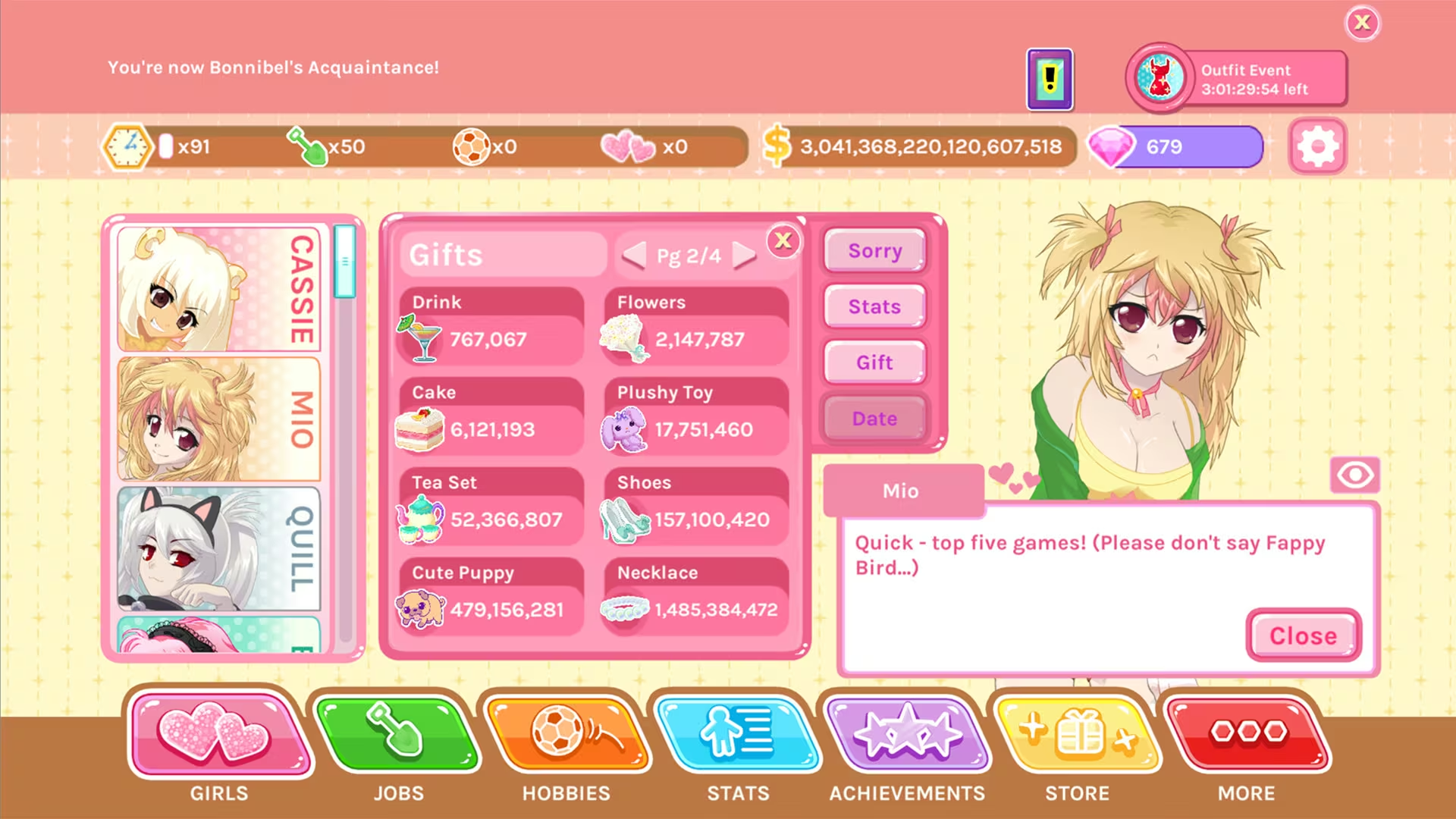
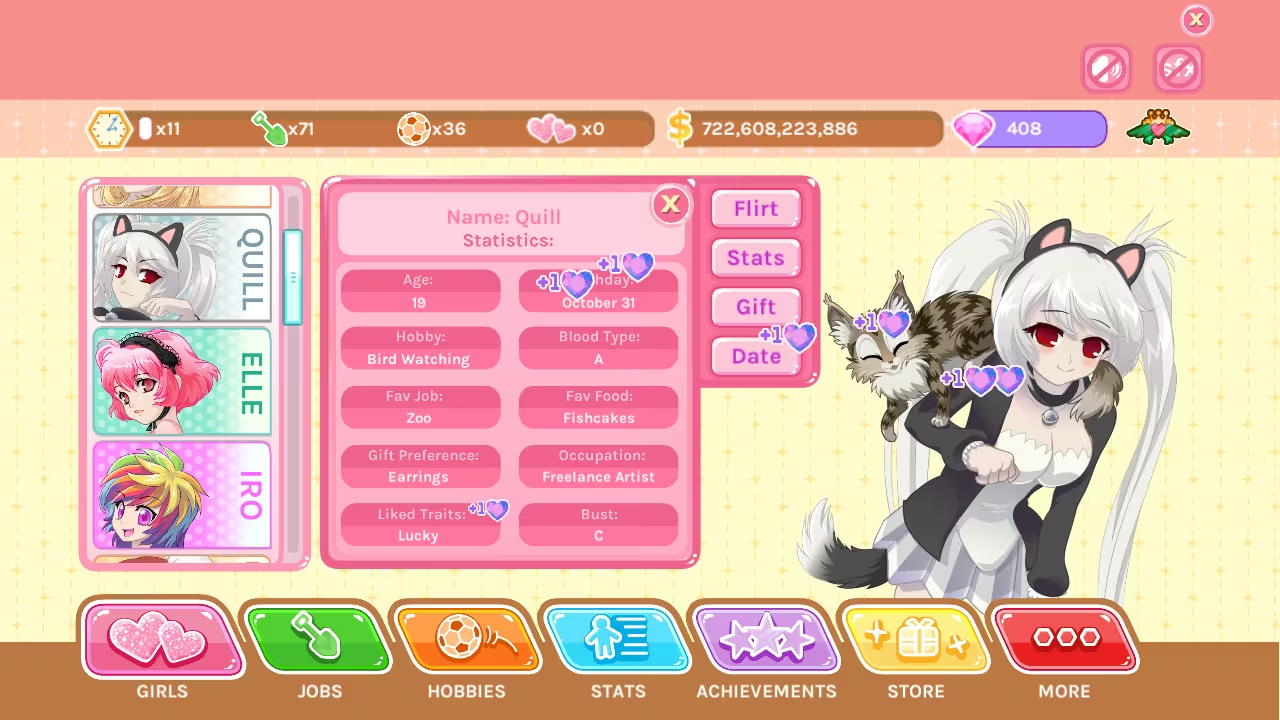
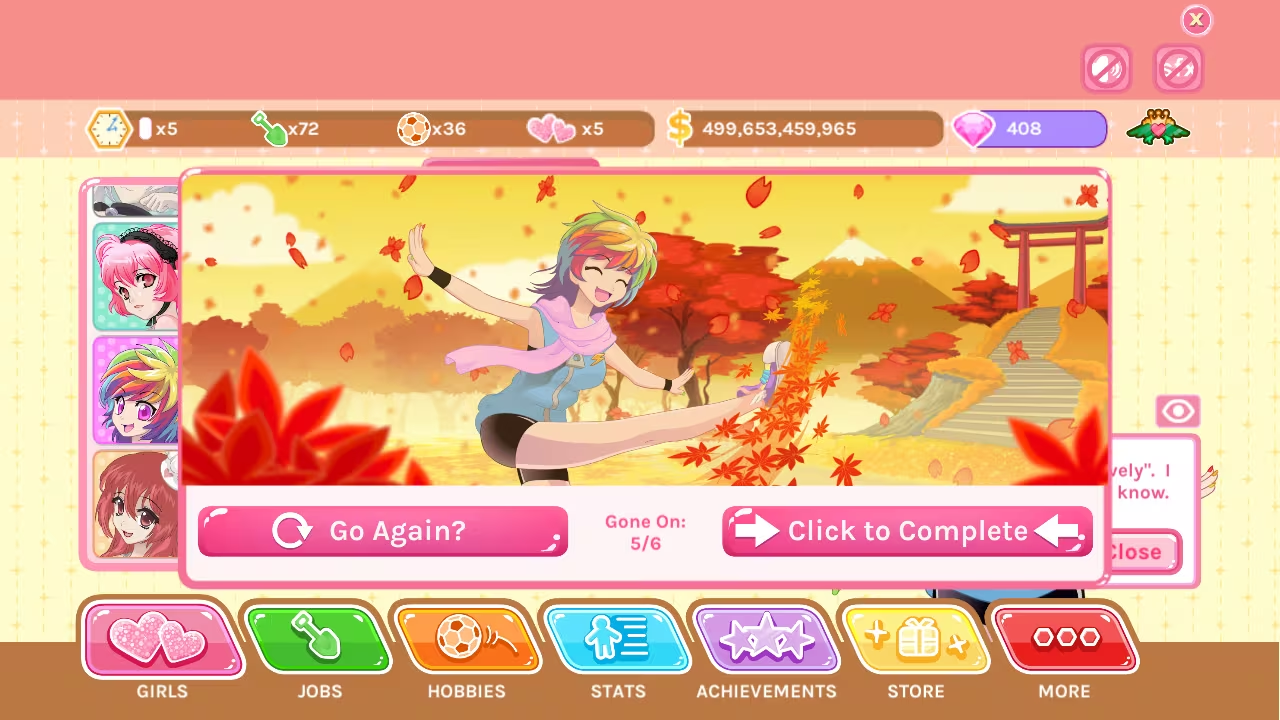
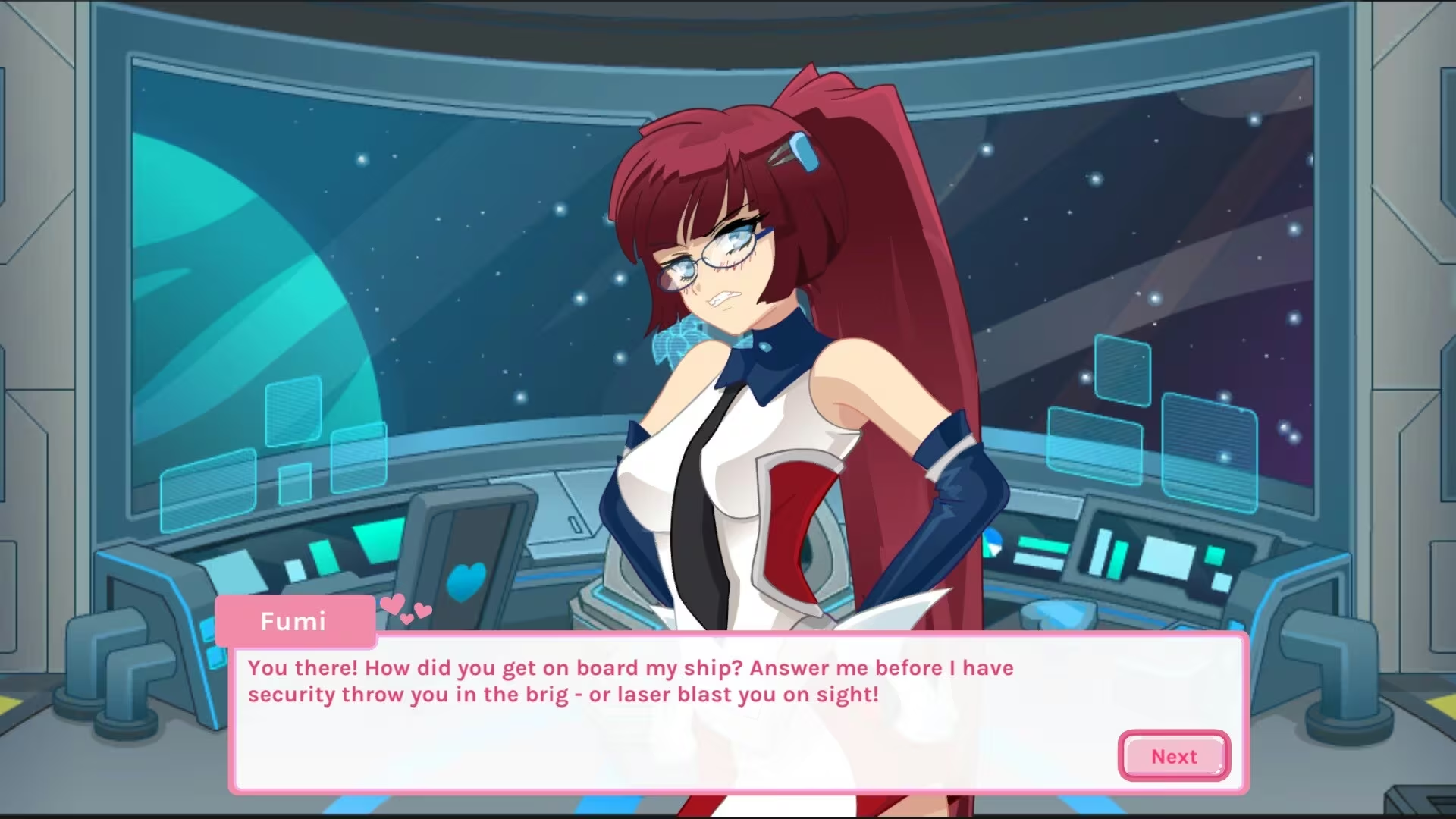
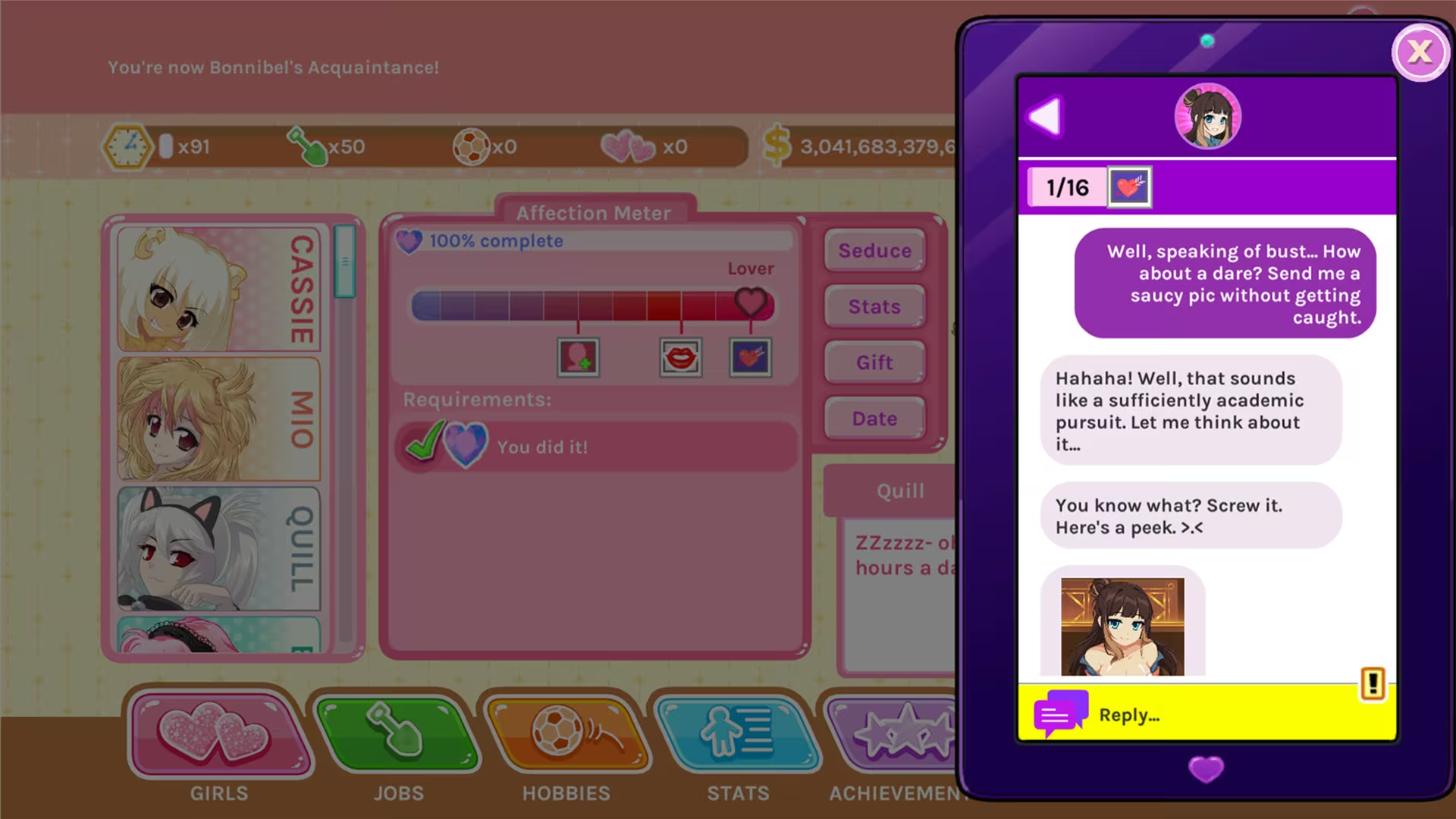
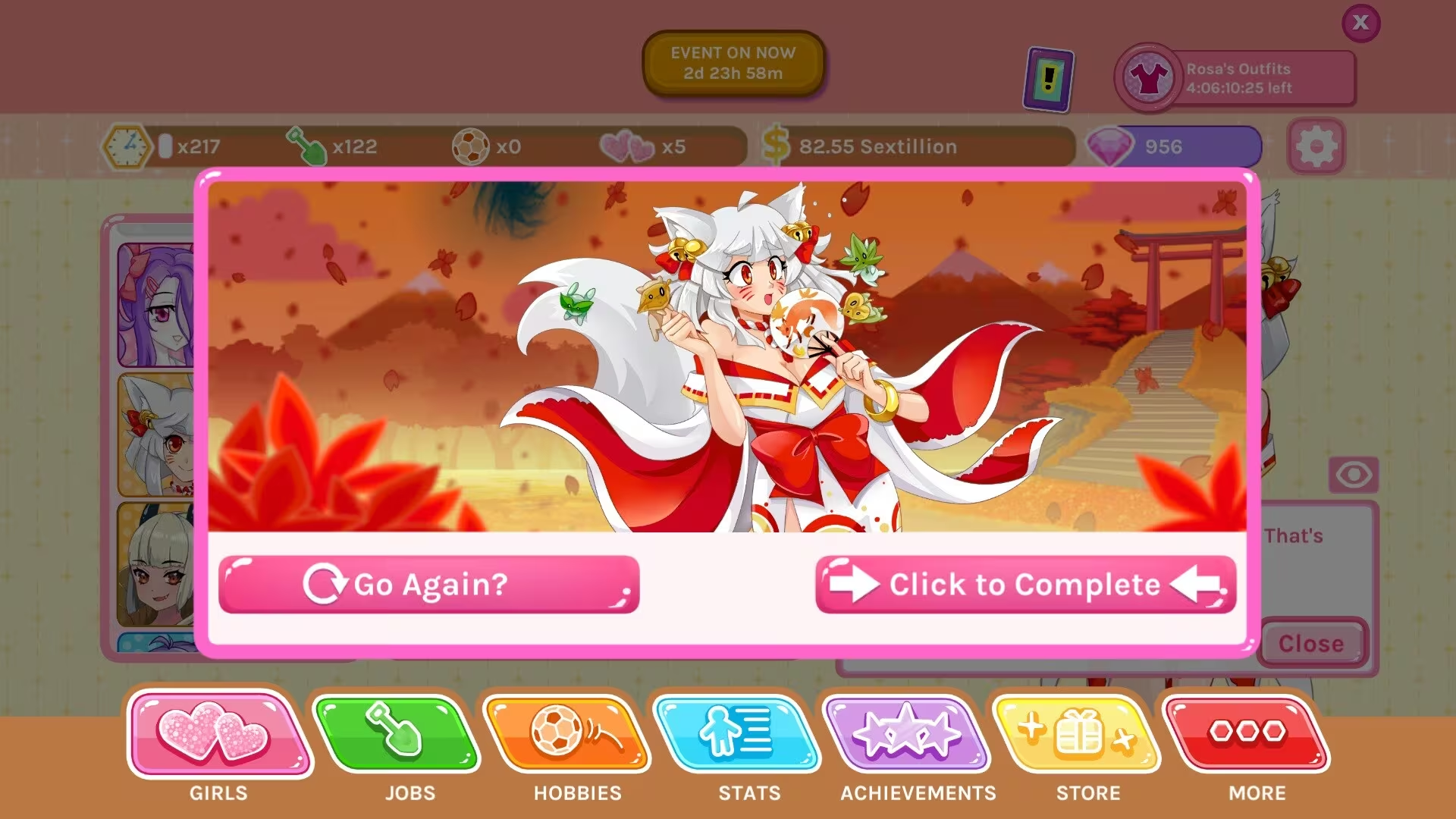
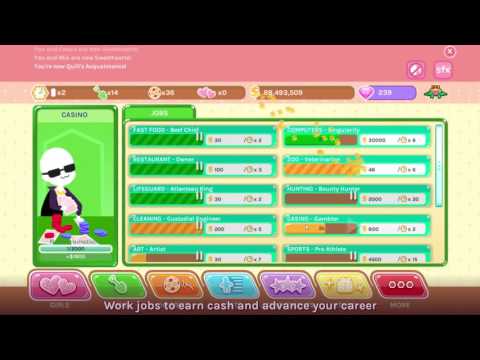
Welcome to Crush Crush - the Idle Dating Sim! Meet, flirt, and fall in love with a motley cast of girls in this heartfelt and hilarious game.

Global score

89/100

Genres

Casual, Indie, Free To Play, Adventure, Visual Novel, Simulator

Similar games

    Pros

    • Free to play
    • Engaging character writing and voice acting
    • Addictive idle gameplay with progression
    • Frequent updates and new content
    • Humorous and self-aware tone

    Cons

    • Grindy and slow progression especially late game
    • Heavy reliance on repetitive clicking
    • Microtransactions can speed progress but not mandatory
    • Minimal social or multiplayer features
    • Some players report excessive time investment

    Analysis

    Less representative of its motivational profile, with noticeable differences. Motivations that often define this kind of title include Idle, Thrill, Violence, Survival. Here, the score leans higher than usual among comparable games on Intimacy. It leans lower than usual among comparable games on Experimenting, Exploration.

    How to use the graph
    Similar games map

    Each dot is a game. They are arranged from the same motivation profile as in the “Motivations” section below. Closer dots usually mean more similar reasons to play (exploration, competition, relaxation, etc.)—not that one game is “better” than another.

    • Larger dot with a light outline: the game you are viewing.
    • Colour: groups of games with comparable motivation patterns (statistical clusters).
    • Hover a dot to see the game name; click to open its page.
    • Scroll or double-click the chart to zoom out and see more games.

    Why don’t the axes read like a score? This view uses t-SNE: it only keeps who is close to whom. The scales are not “good to bad” or hours played—they separate groups on the map. Read distance between dots, not the axis numbers.

    Motivations

    • Autonomy
      3

      "Players manage their own time blocks, choose jobs, hobbies, gifts, and dating activities, allowing personal control over progression."

    • Competence
      2

      "Game involves skill progression, planning, and optimization, but core gameplay is largely repetitive clicking and grinding."

    • Competition
      -4

      "Focus is on personal progression and relationship building without player-vs-player or leaderboard competition."

    • Continuation
      5

      "Highly addictive with long playtimes, habitual daily logins, and extensive grind encouraging continued engagement."

    • Cooperation
      -5

      "Single-player experience focused on individual goals; no multiplayer or cooperative elements."

    • Creativity
      1

      "Some customization in character interactions and gift choices, but gameplay follows preset structures and routines."

    • Domination
      -5

      "No evidence of exerting control over others; interactions are equal and focused on relationship building."

    • Escapism
      5

      "Players use the game as a distraction and emotional escape from real-life loneliness and social difficulties."

    • Expectation
      -4

      "Players engage voluntarily out of personal interest and enjoyment rather than obligation or external pressure."

    • Experimenting
      -2

      "Gameplay mostly involves established routines and grinding; limited novelty or mechanic experimentation."

    • Exploration
      -3

      "Game environments and progression are familiar and repetitive with minimal discovery or new territory."

    • Expression
      2

      "Players can express preferences through gift giving and dating choices, but limited avatar or environment customization."

    • Fantasy
      4

      "Strong fantasy elements with anime-style characters, improbable scenarios, and exaggerated romantic interactions."

    • Fellowship
      -4

      "Minimal social connection; primarily a solitary experience without community or group identity."

    • Growth
      3

      "Players develop skills, jobs, and relationships over time, reflecting learning and personal development."

    • Health
      -5

      "Sedentary gameplay encouraging long sessions with little physical activity."

    • Idle
      5

      "Designed as an idle game with offline progress and long waiting periods between active play."

    • Intimacy
      3

      "Game focuses on forming close virtual relationships with characters, including romantic and affectionate interactions."

    • Leadership
      -5

      "No leadership or management of others; player acts independently without guiding groups."

    • Progression
      5

      "Strong emphasis on accumulating items, upgrades, relationship levels, and in-game currency."

    • Relaxation
      3

      "Provides a flow state and tension release through incremental progress and humorous dialogue."

    • Sensation
      3

      "Visual and auditory stimulation from anime art, voice acting, and character interactions."

    • Status
      -4

      "Achievements and progress are personal; little social recognition or status signaling."

    • Story
      2

      "Contains light narrative and character backstories, but story is secondary to gameplay and repetitive."

    • Strategy
      2

      "Requires planning time blocks and resource allocation, but overall mental challenge is moderate."

    • Thrill
      -3

      "Gameplay is predictable and low risk, lacking suspense or emotional tension."

    • Value
      2

      "Free to play with optional purchases; players perceive reasonable value for time invested."

    • Violence
      -5

      "No combat or destruction; gameplay centers on constructive relationship building."

    • Survival
      -5

      "Stable, low-risk environment without threats or failure conditions."

    Last update: 29/04/2026