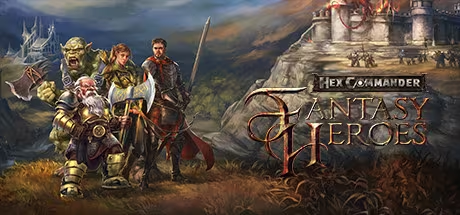
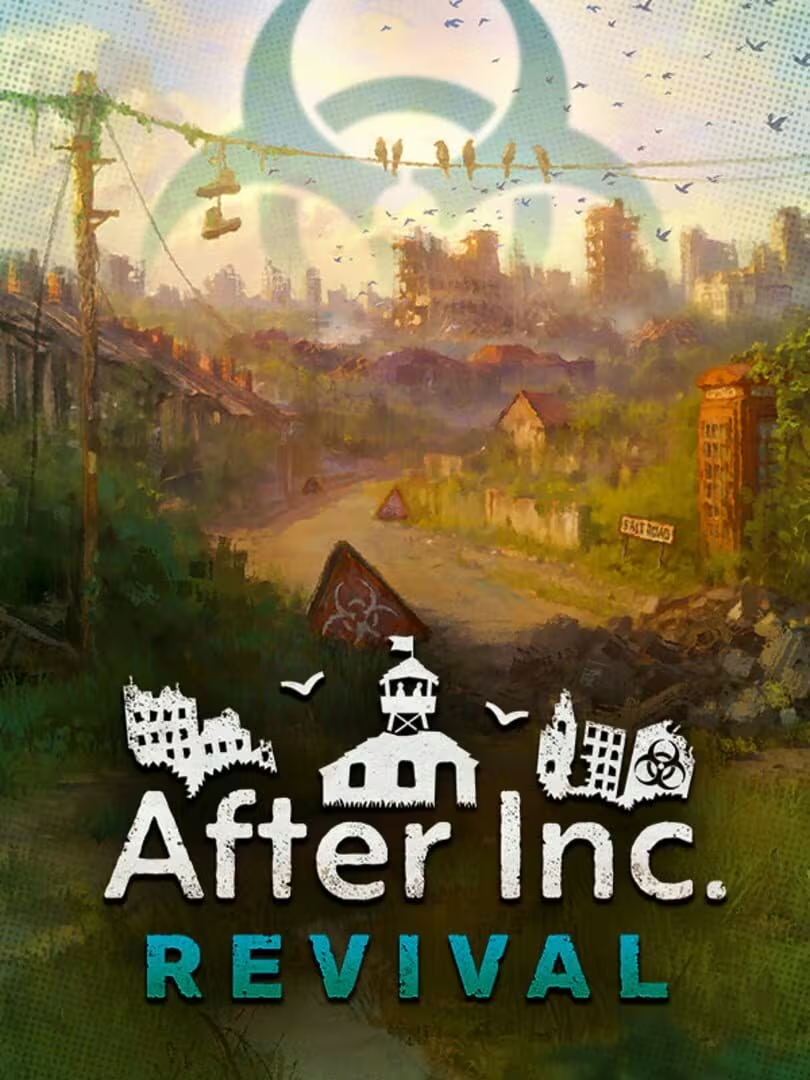
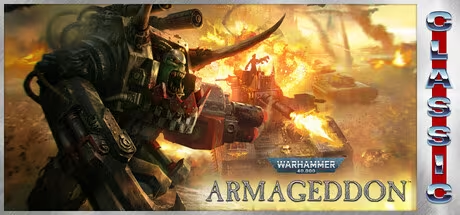
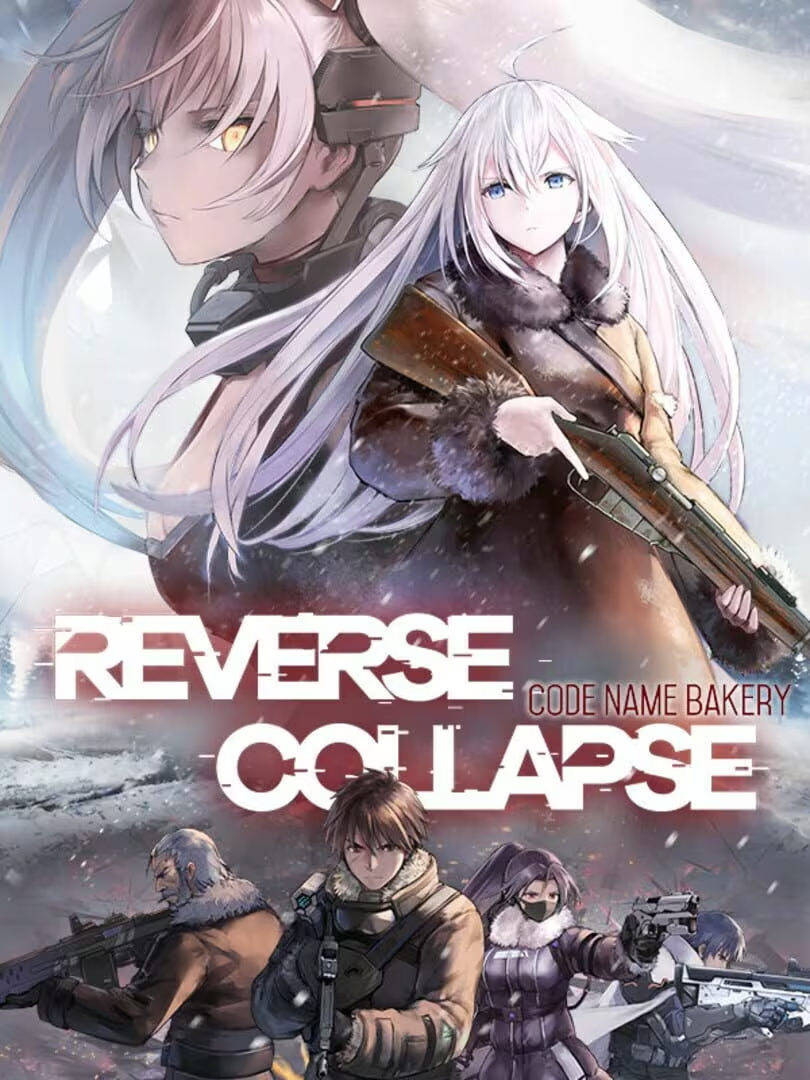
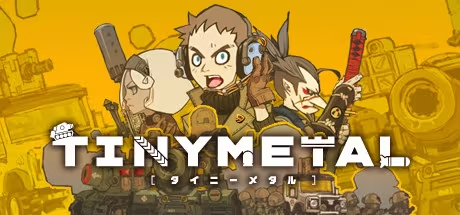
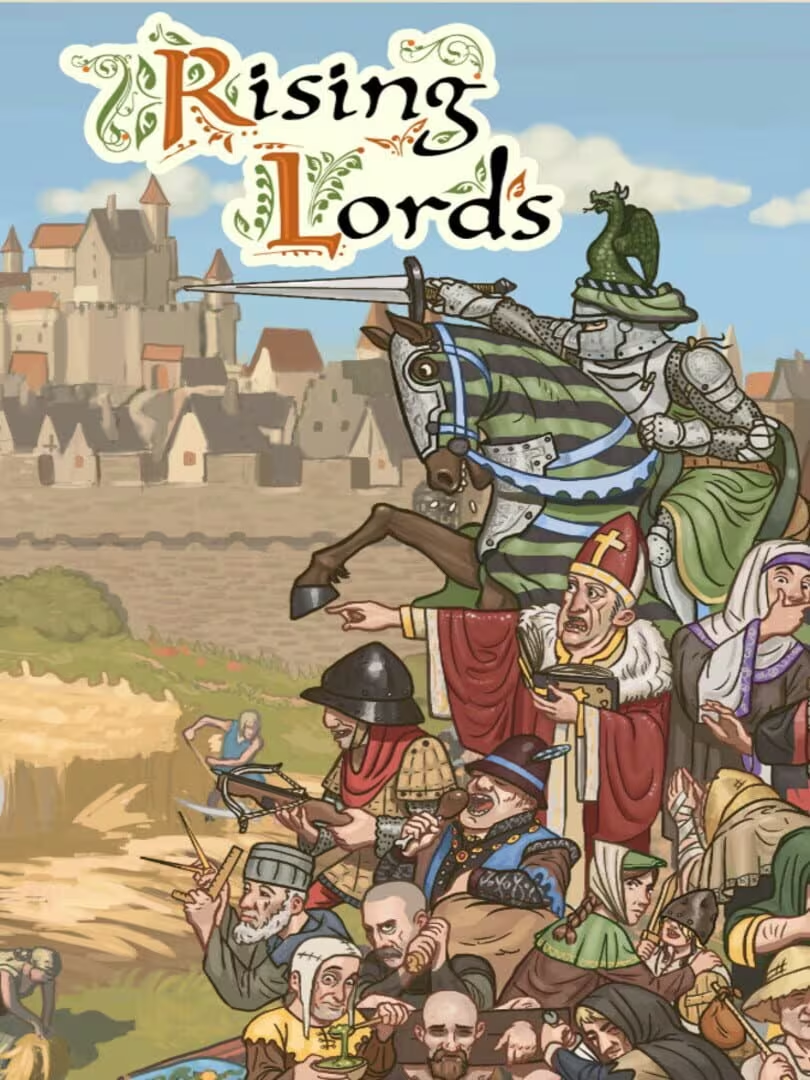
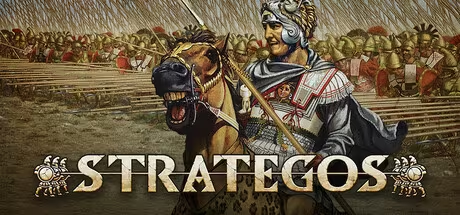
Battle Academy Thumbnail

Battle Academy similar games & best alternatives
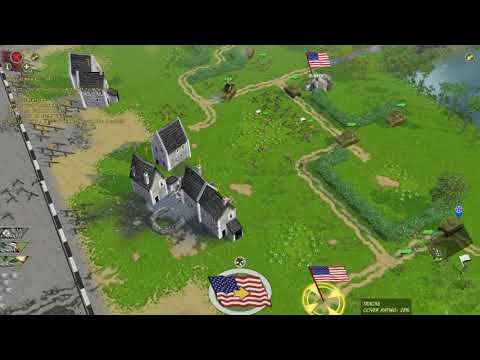
Battle Academy

PC (Microsoft Windows), iOS • 2014

Related articles

Quick resume

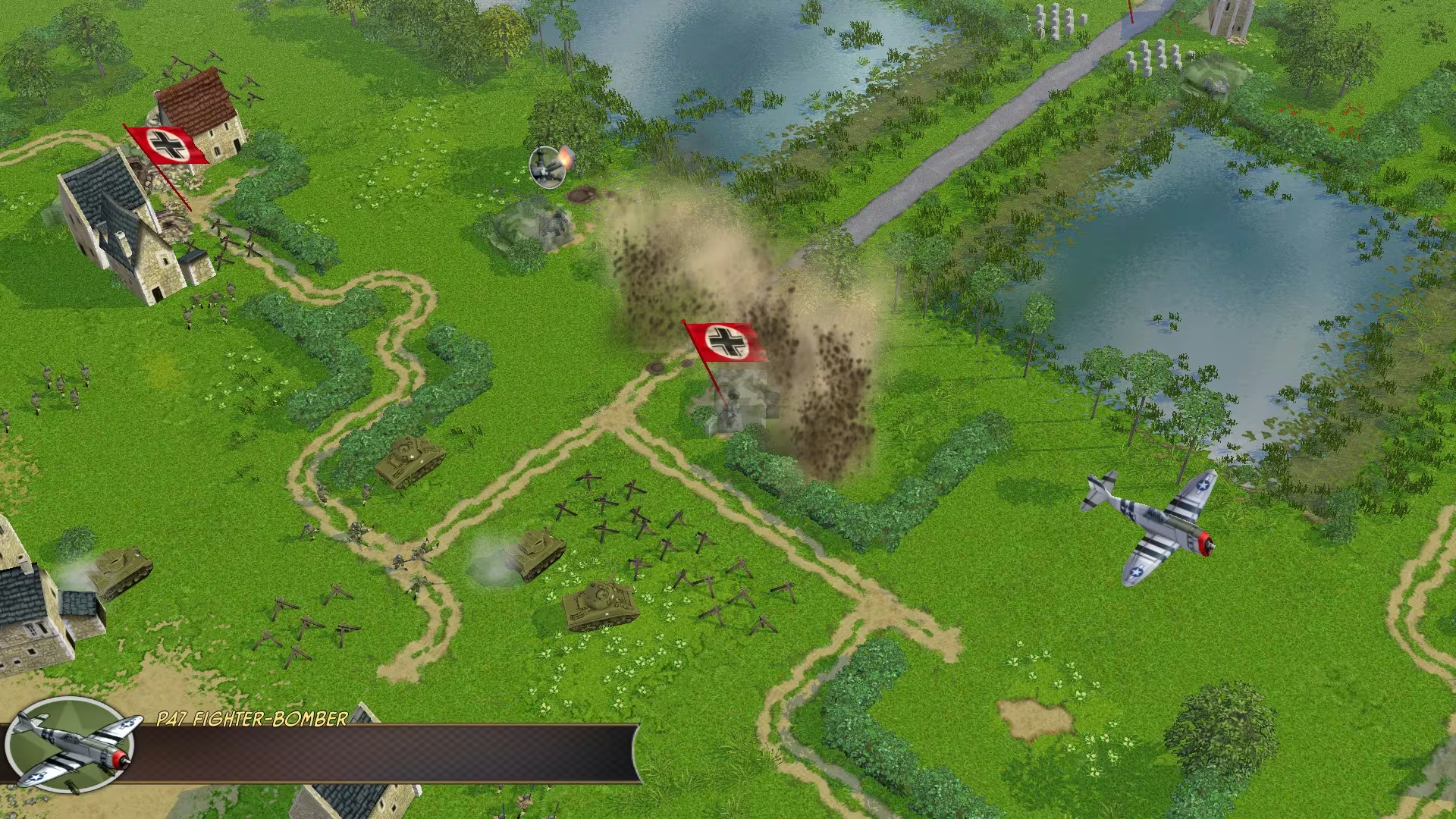
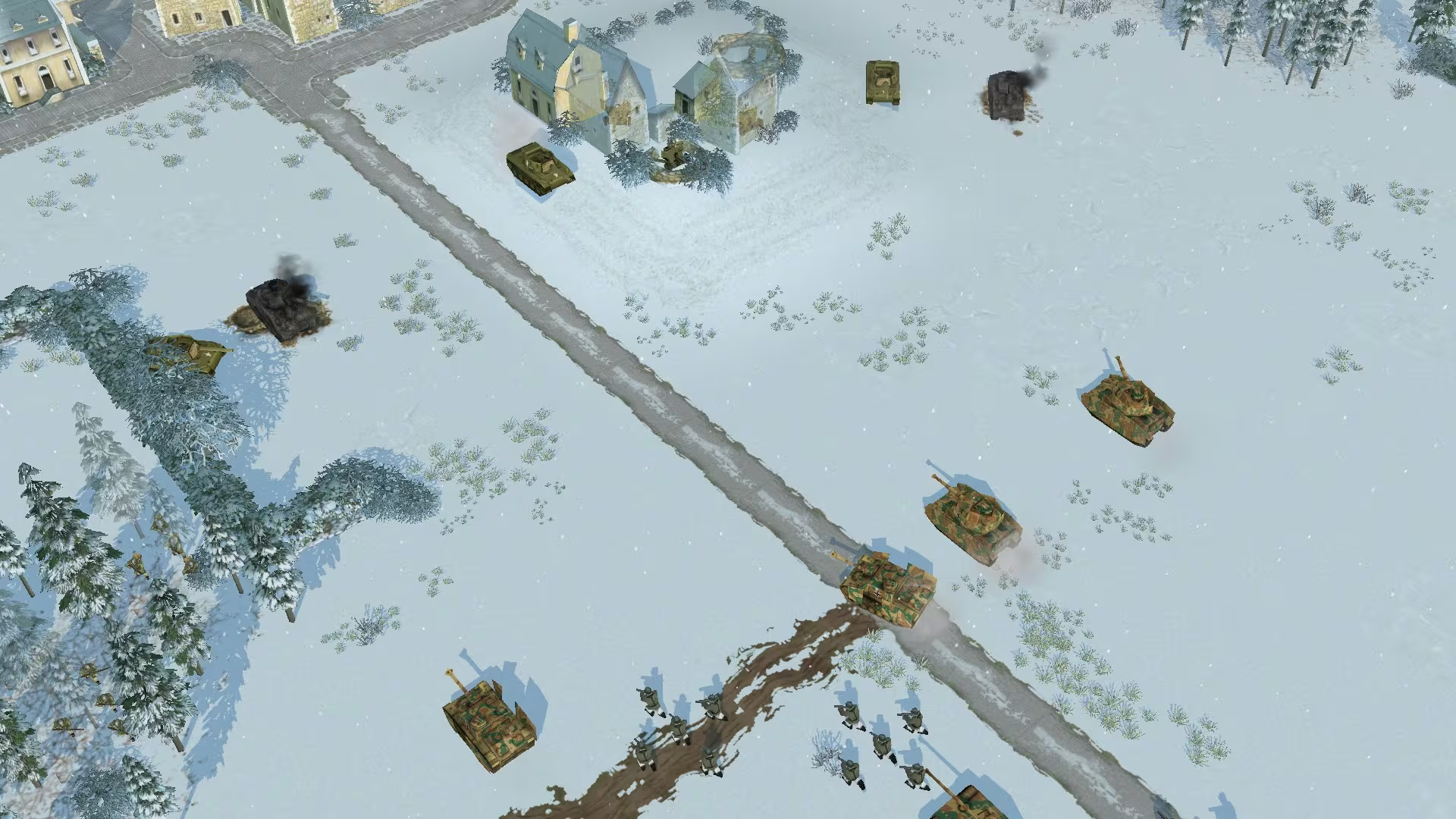
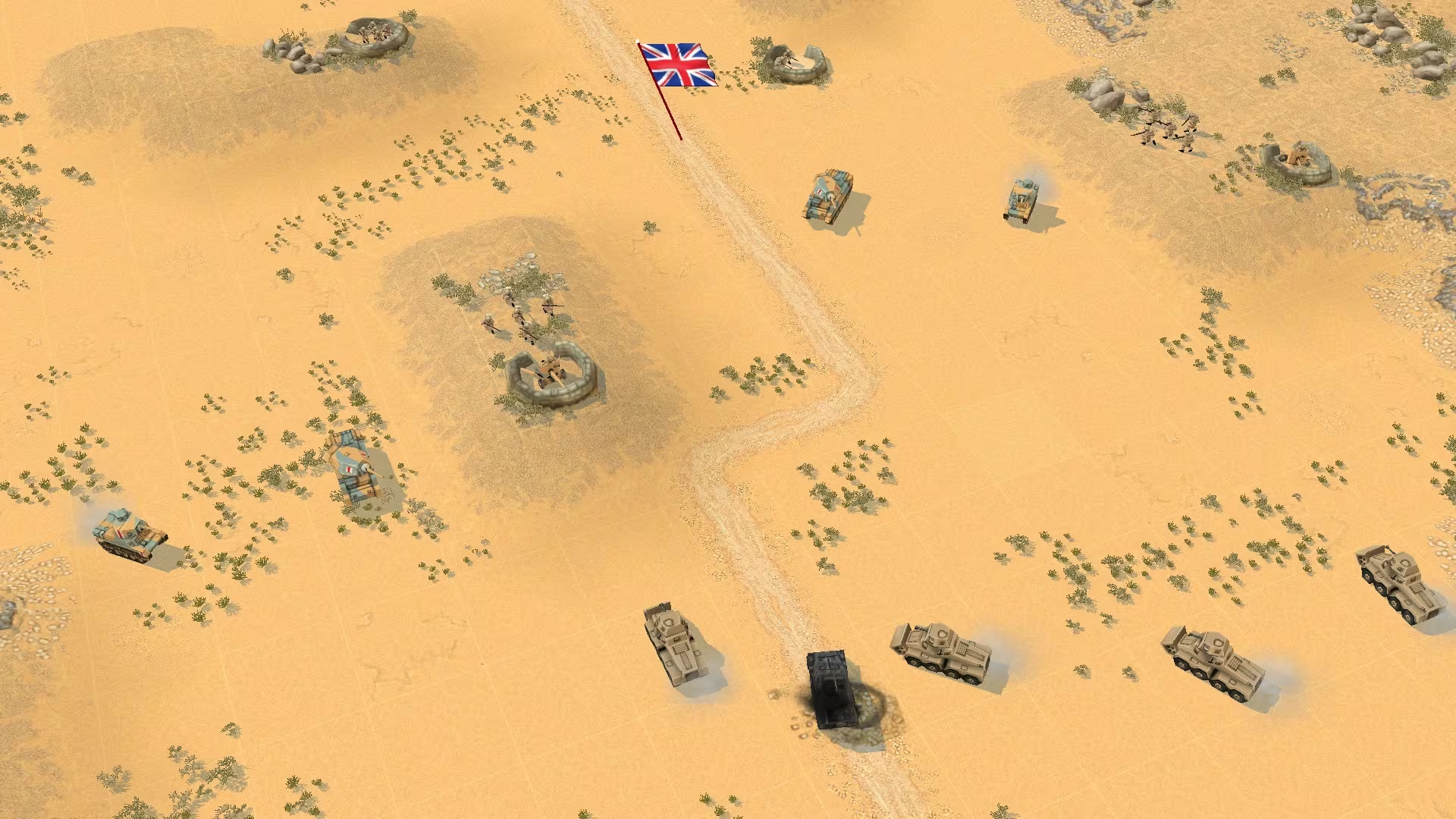
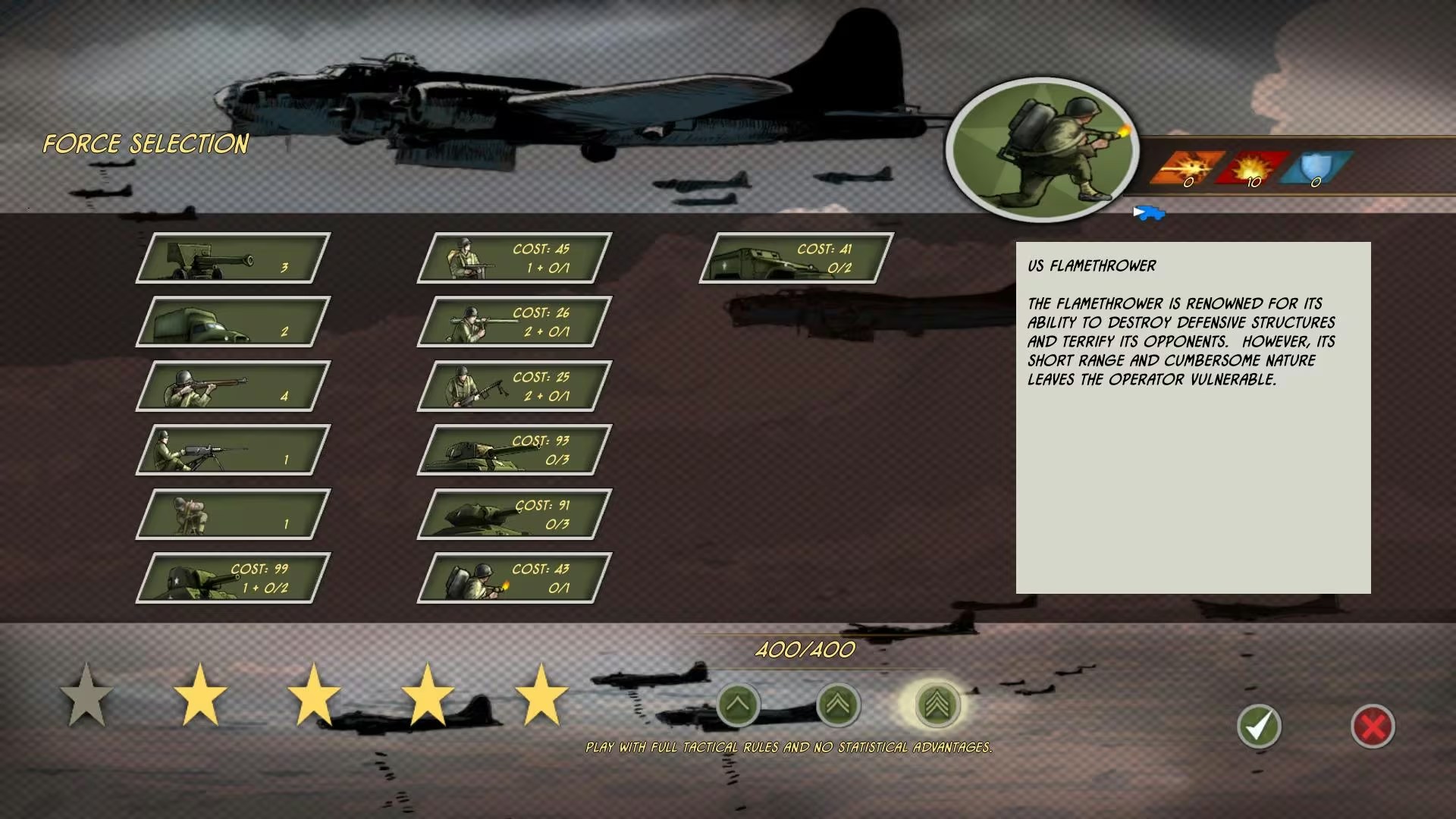
A turn-based strategy game like no other has landed on Steam. Approachable, absorbing and visually impressive yet detailed, Battle Academy aims to revolutionise the strategy games market with a blend of intuitive design and compelling gameplay.

Global score

85/100

Genres

Strategy

Similar games

    Pros

    • Accessible yet challenging tactical gameplay
    • Historical accuracy and variety of wwii units
    • Multiple campaigns and extensive dlc content
    • Scenario editor and active modding community
    • Engaging multiplayer with asynchronous play

    Cons

    • Steep dlc pricing and fragmented content
    • Simplistic graphics and sound design
    • Limited cooperative gameplay options
    • Occasional ai weaknesses and randomness
    • Tutorial and ui could be improved

    Analysis

    Less representative of its motivational profile, with noticeable differences. Motivations that often define this kind of title include Leadership, Survival, Violence, Strategy. Here, the score leans higher than usual among comparable games on Competition. It leans lower than usual among comparable games on Fantasy, Expression.

    How to use the graph
    Similar games map

    Each dot is a game. They are arranged from the same motivation profile as in the “Motivations” section below. Closer dots usually mean more similar reasons to play (exploration, competition, relaxation, etc.)—not that one game is “better” than another.

    • Larger dot with a light outline: the game you are viewing.
    • Colour: groups of games with comparable motivation patterns (statistical clusters).
    • Hover a dot to see the game name; click to open its page.
    • Scroll or double-click the chart to zoom out and see more games.

    Why don’t the axes read like a score? This view uses t-SNE: it only keeps who is close to whom. The scales are not “good to bad” or hours played—they separate groups on the map. Read distance between dots, not the axis numbers.

    Motivations

    • Autonomy
      4

      "Players have control over unit selection, tactical decisions, and resource allocation before and during missions, allowing personal strategic freedom."

    • Competence
      4

      "The game offers a challenging learning curve with realistic tactical mechanics requiring skillful play and strategic thinking."

    • Competition
      2

      "Includes multiplayer modes with asynchronous play and competitive scenarios, but many players focus on single-player campaigns."

    • Continuation
      3

      "High replayability with many campaigns, DLCs, and user-created scenarios encouraging long-term engagement."

    • Cooperation
      -3

      "Primarily a single-player or competitive multiplayer game with limited emphasis on cooperative gameplay."

    • Creativity
      3

      "Includes a scenario editor and supports user-created campaigns, allowing players to create and modify content."

    • Domination
      -4

      "Gameplay focuses on balanced tactical engagements without emphasis on dominating or overpowering other players through social means."

    • Escapism
      4

      "Players use the game to immerse themselves in historical WWII battles, providing a form of escape and stress relief."

    • Expectation
      -4

      "Players engage voluntarily out of interest and enjoyment rather than obligation or external pressure."

    • Experimenting
      3

      "Players experiment with different tactics, unit compositions, and strategies across varied scenarios and campaigns."

    • Exploration
      -2

      "Gameplay is scenario-based with fixed maps; limited exploration but some discovery in tactical approaches."

    • Expression
      -3

      "Limited character or environment customization; focus is on tactical gameplay rather than self-expression."

    • Fantasy
      -4

      "Strong emphasis on historical accuracy and realistic WWII tactical combat rather than imaginative fiction."

    • Fellowship
      -3

      "Community exists for sharing scenarios and multiplayer, but social interaction is limited and mostly competitive."

    • Growth
      3

      "Players develop tactical skills and knowledge of WWII units and strategies through gameplay."

    • Health
      -5

      "Sedentary gameplay with no physical activity involved."

    • Idle
      -4

      "Requires focused attention and strategic planning; not suited for passive or background play."

    • Intimacy
      -4

      "Minimal social or emotional connections; interactions are mostly competitive or solitary."

    • Leadership
      3

      "Players act as commanders managing units and making strategic decisions, embodying leadership roles."

    • Progression
      2

      "Some campaigns allow unit upgrades and reinforcements, but units generally reset between missions."

    • Relaxation
      2

      "Balanced challenge provides engaging but not overly stressful gameplay, suitable for casual sessions."

    • Sensation
      1

      "Visuals are simple and stylized; sound effects add atmosphere but sensory stimulation is moderate."

    • Status
      -3

      "Limited social recognition; achievements and multiplayer status exist but are not a central focus."

    • Story
      2

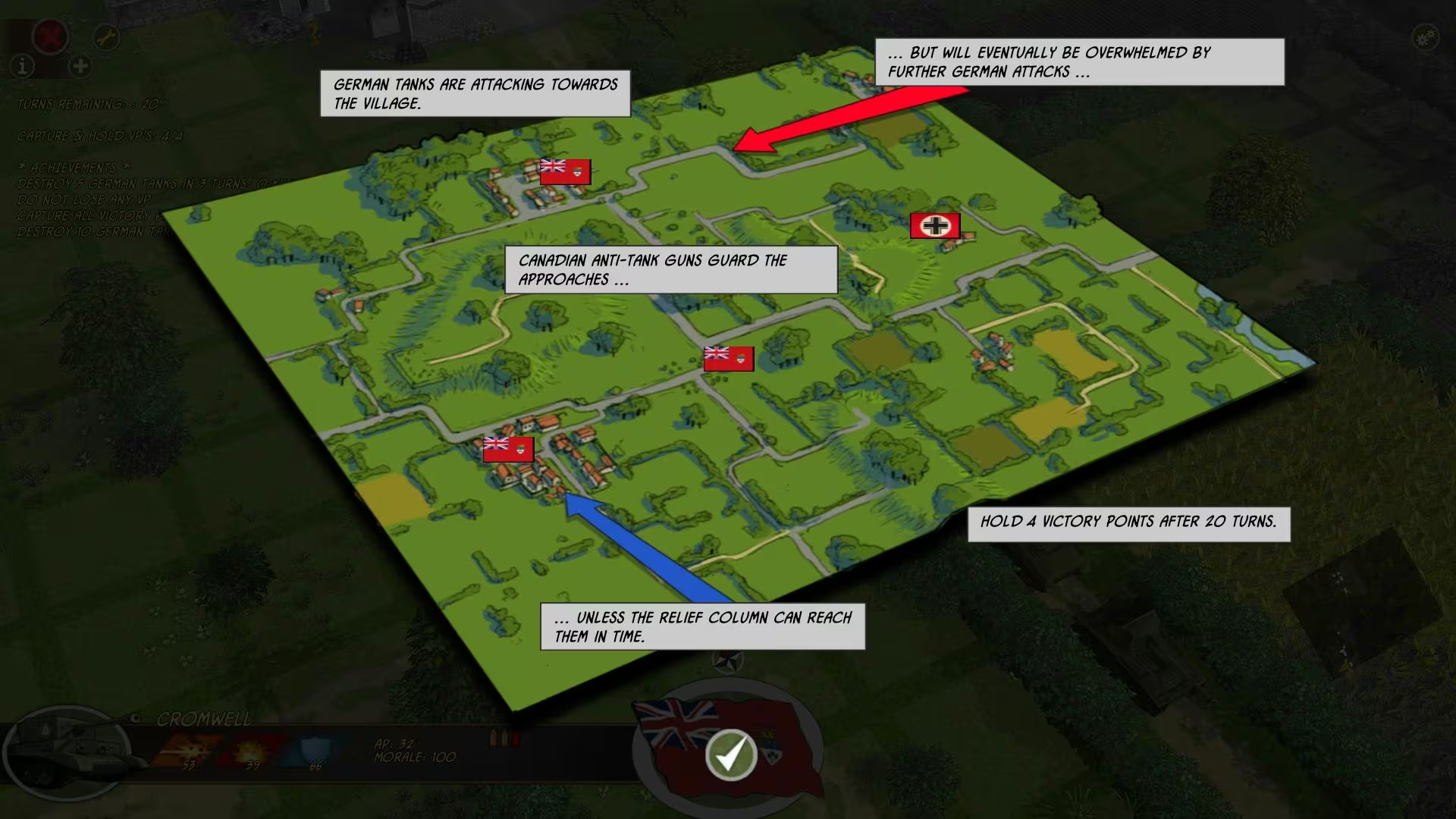
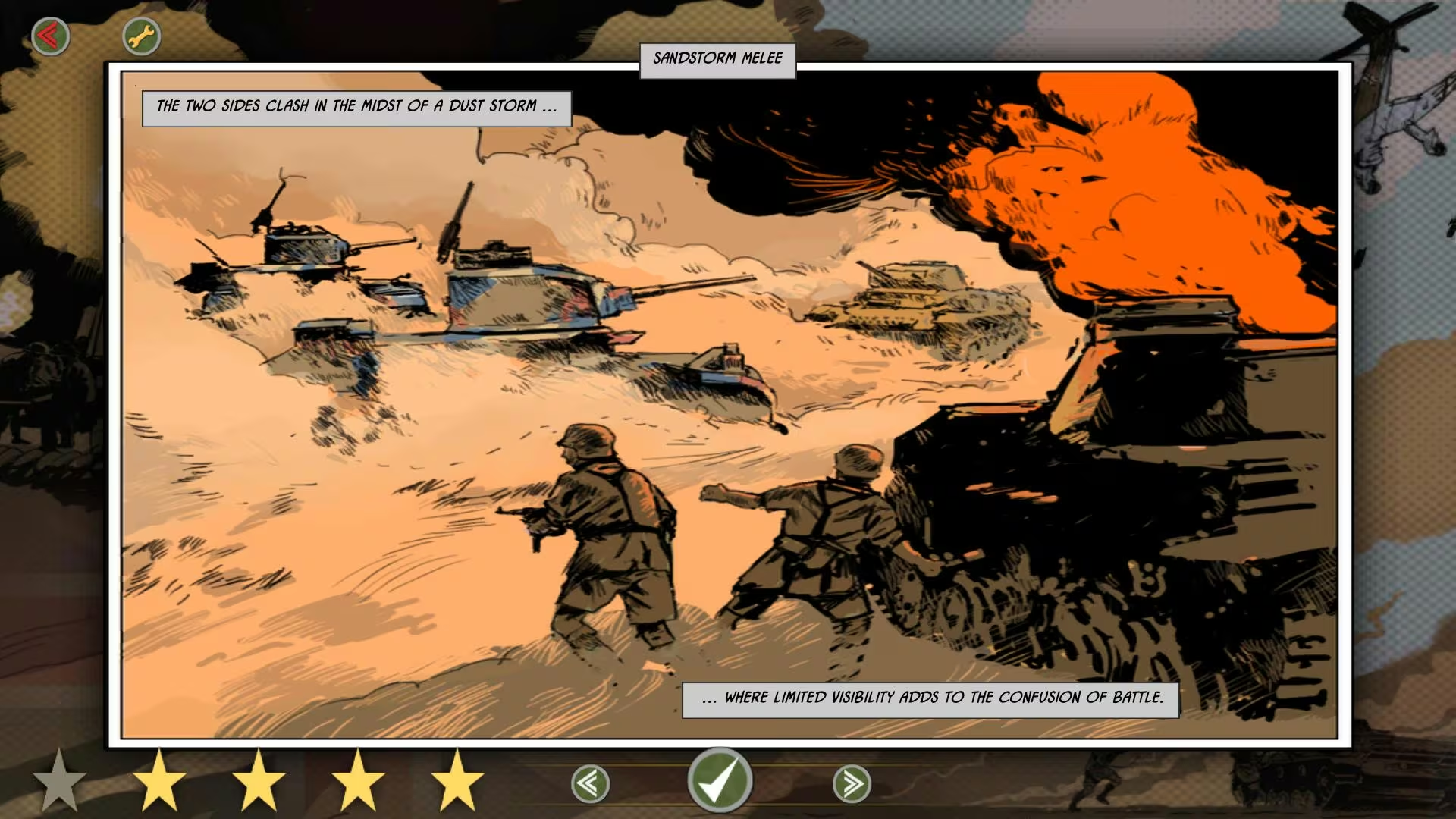
      "Campaigns present historical narratives with comic-style briefings, adding context and immersion."

    • Strategy
      5

      "Core gameplay revolves around tactical planning, unit positioning, and problem solving."

    • Thrill
      3

      "Random elements and fog of war create suspense and tension during battles."

    • Value
      2

      "Good value especially when purchased on sale; base game plus DLCs provide extensive content."

    • Violence
      3

      "Combat and destruction of enemy units are central gameplay elements."

    • Survival
      4

      "Players must manage resources and tactics to avoid unit losses and complete objectives."

    Last update: 29/04/2026