Hegemony III: Clash of the Ancients Thumbnail

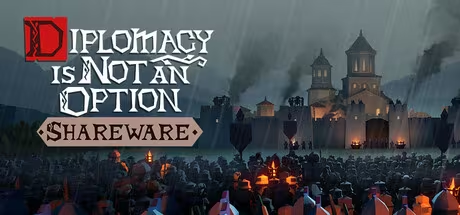
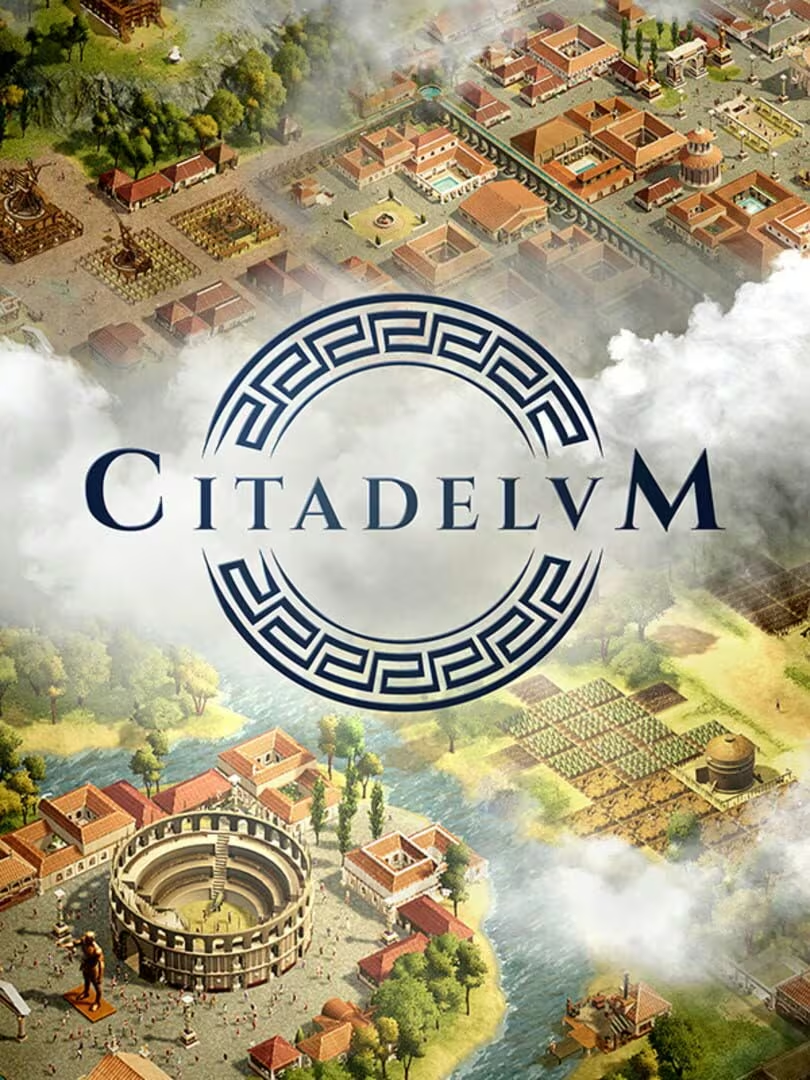
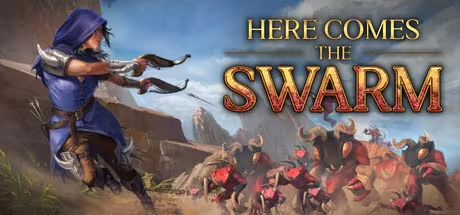
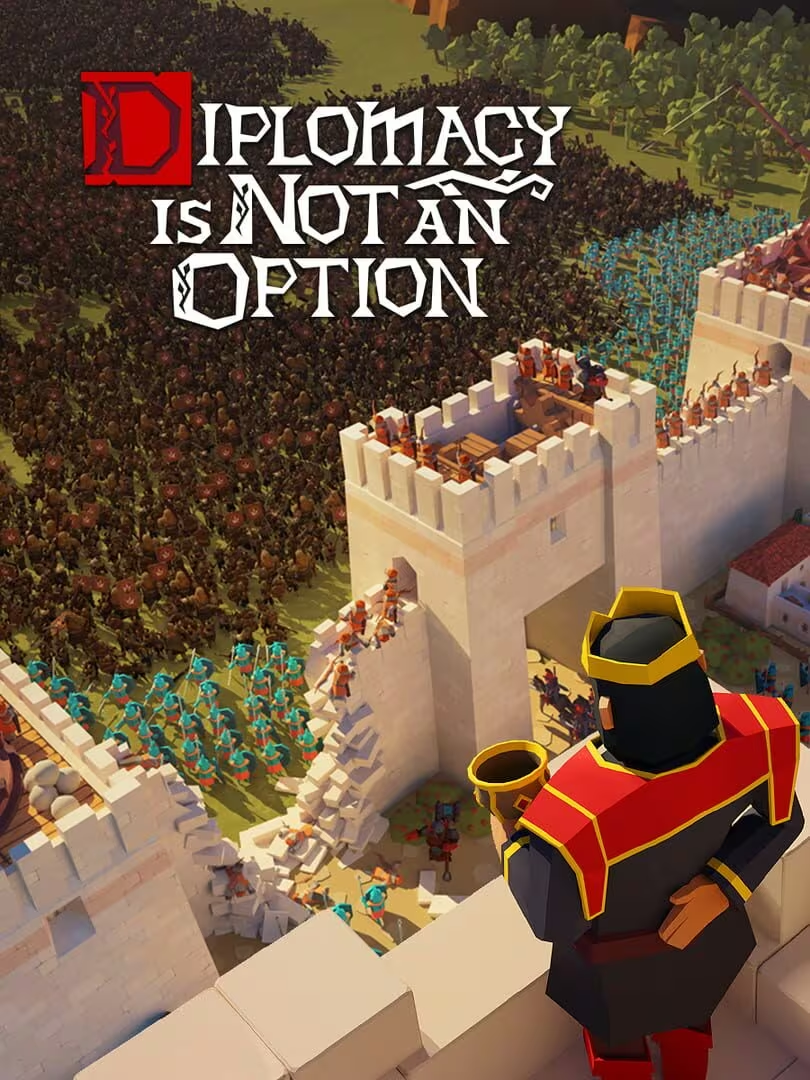
Hegemony III: Clash of the Ancients similar games & best alternatives
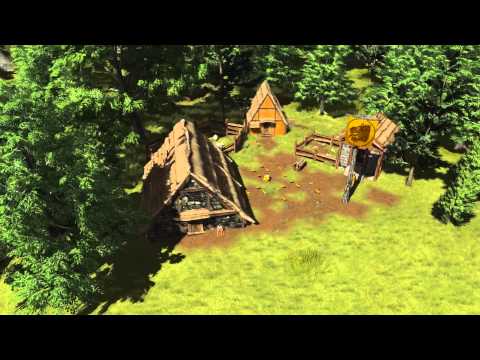
Hegemony III: Clash of the Ancients

PC (Microsoft Windows) • 2015

Related articles

Quick resume

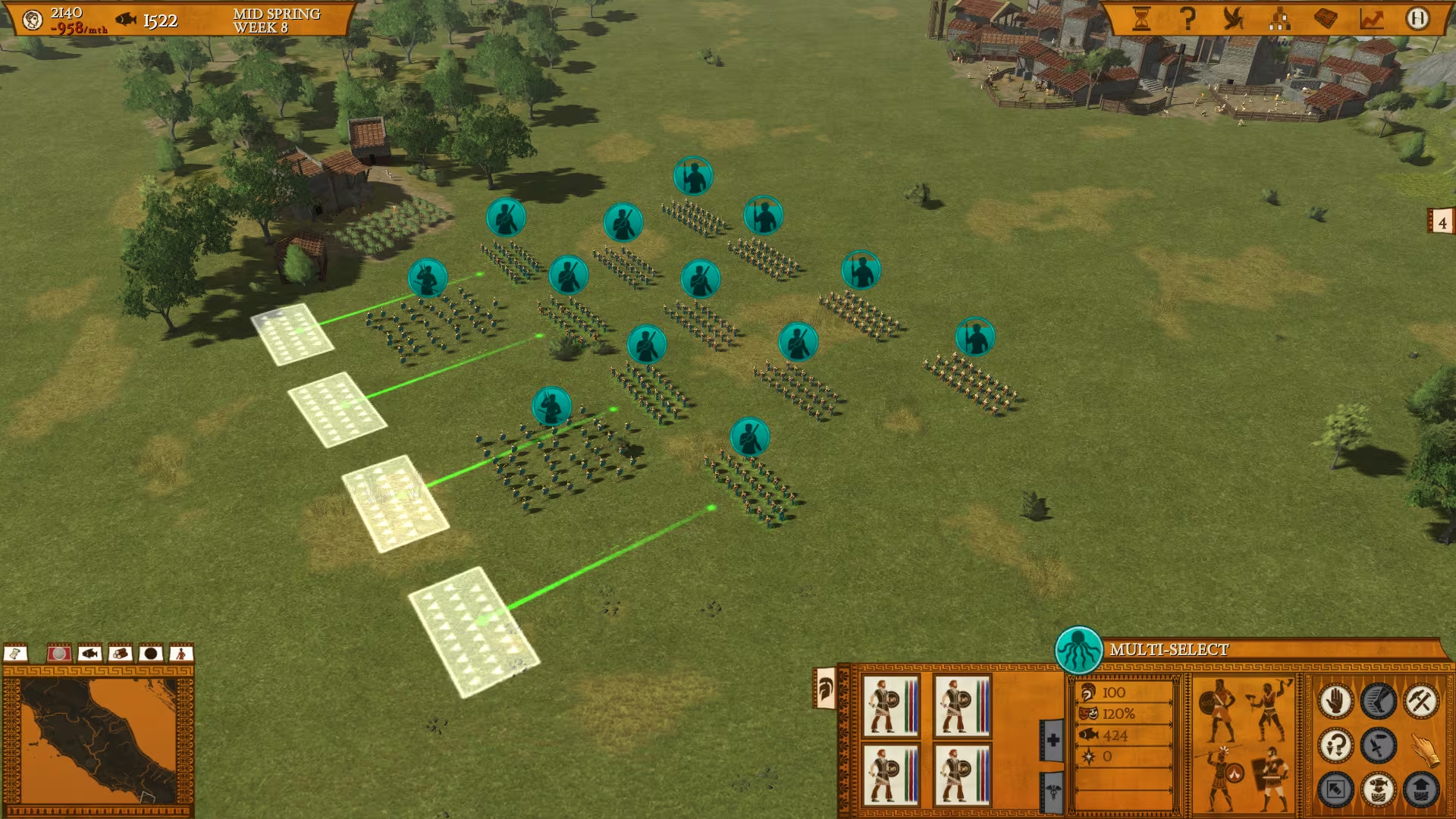
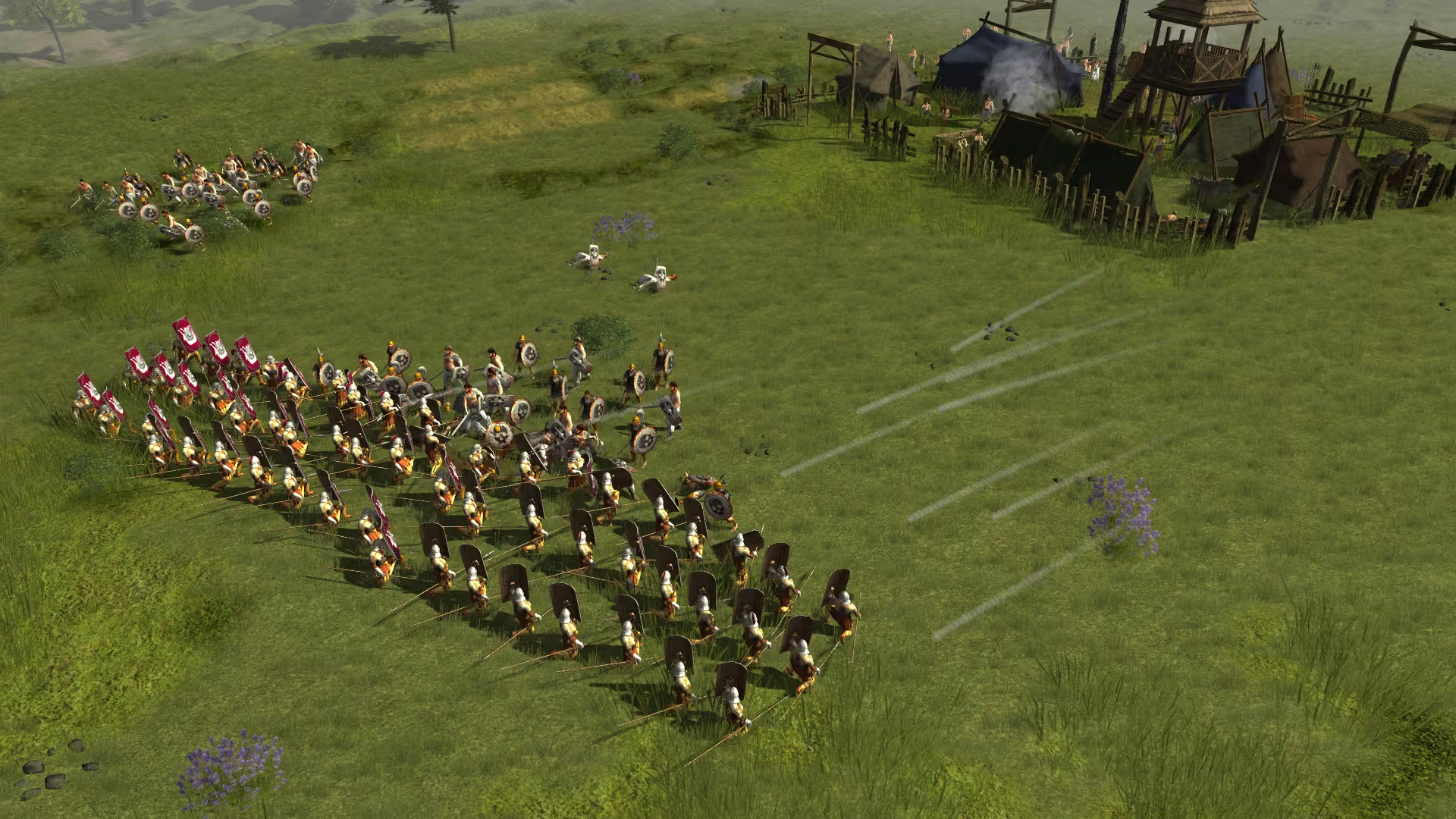
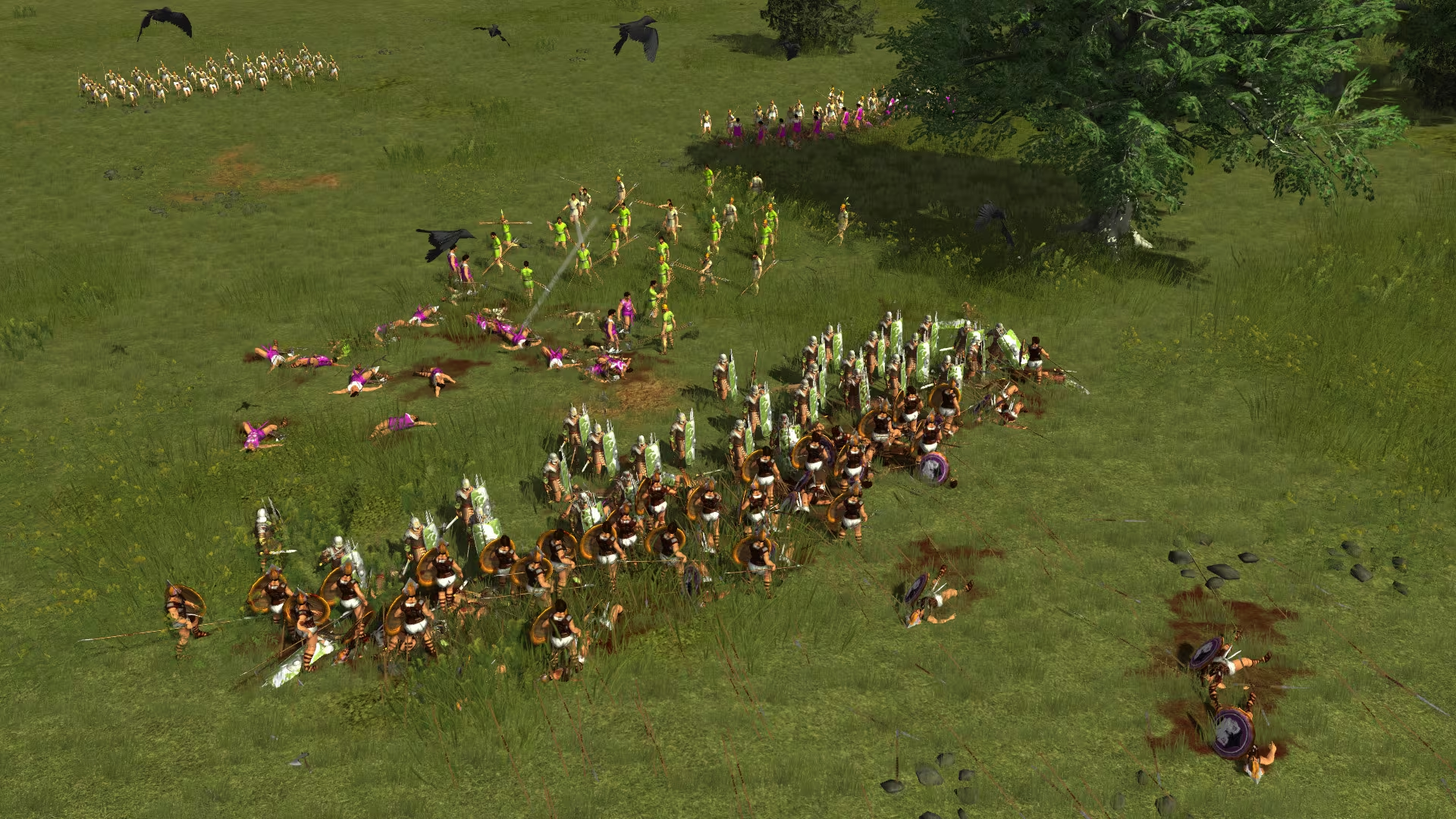
Command armies, manage resources, and build an empire in this real-time strategy wargame from Longbow Games. Will Rome fulfil its destiny to rule the ancient world or will history be rewritten to forge a new Etruscan, Gallic, or Greek hegemony!

Global score

82/100

Genres

Indie, Simulator, Strategy, Real Time Strategy (RTS), Tactical

Similar games

    Pros

    • Deep strategic and logistical gameplay
    • Historical accuracy and immersion
    • Large map with multiple factions
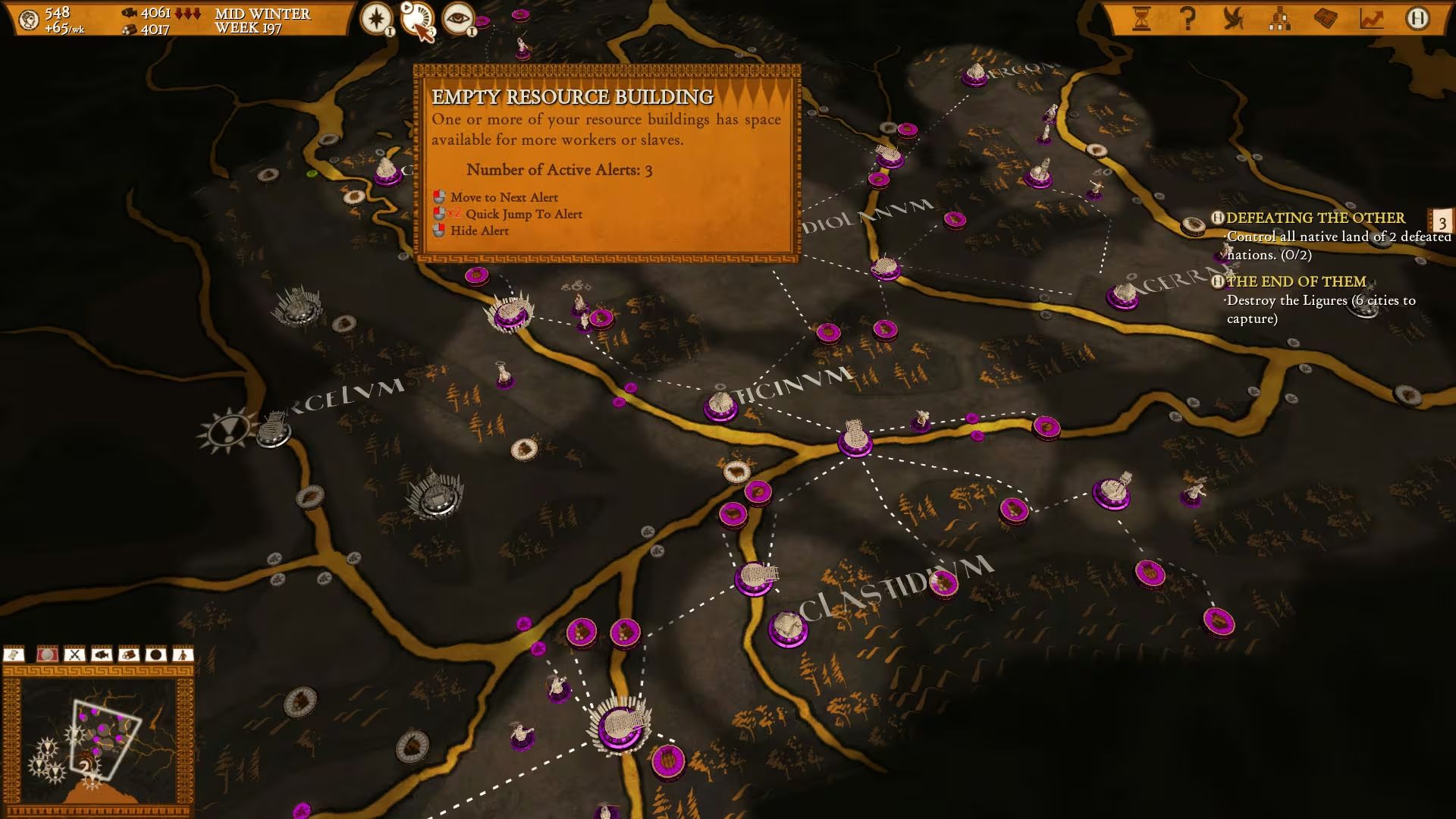
    • Seamless zoom between strategic and tactical views
    • Active developer support and modding community

    Cons

    • Limited diplomacy and no multiplayer
    • Steep learning curve and micromanagement
    • Some bugs and performance issues reported
    • Basic combat animations and limited unit variety
    • Lack of narrative campaigns beyond sandbox

    Analysis

    Less representative of its motivational profile, with noticeable differences. Motivations that often define this kind of title include Leadership, Survival, Violence, Strategy. It leans lower than usual among comparable games on Fantasy, Relaxation, Intimacy.

    How to use the graph
    Similar games map

    Each dot is a game. They are arranged from the same motivation profile as in the “Motivations” section below. Closer dots usually mean more similar reasons to play (exploration, competition, relaxation, etc.)—not that one game is “better” than another.

    • Larger dot with a light outline: the game you are viewing.
    • Colour: groups of games with comparable motivation patterns (statistical clusters).
    • Hover a dot to see the game name; click to open its page.
    • Scroll or double-click the chart to zoom out and see more games.

    Why don’t the axes read like a score? This view uses t-SNE: it only keeps who is close to whom. The scales are not “good to bad” or hours played—they separate groups on the map. Read distance between dots, not the axis numbers.

    Motivations

    • Autonomy
      4

      "Players have significant control over strategic decisions, city management, army composition, and supply lines, reflecting high autonomy."

    • Competence
      4

      "The game offers challenging AI, complex logistics, and tactical combat requiring skill and strategic planning."

    • Competition
      -3

      "Focus is primarily on single-player campaign and sandbox play with AI opponents; no multiplayer and limited social competition."

    • Continuation
      4

      "Players report long sessions, deep engagement, and replayability with multiple factions and mods."

    • Cooperation
      -4

      "Gameplay is largely single-player with minimal cooperation; diplomacy is limited and no multiplayer exists."

    • Creativity
      3

      "Players customize cities, upgrade units, and manage supply routes; mod support adds creative possibilities."

    • Domination
      -4

      "Interactions with AI are balanced; no evidence of trash talk or dominance over other players."

    • Escapism
      3

      "Players enjoy historical immersion and strategic challenge as a form of engaging distraction."

    • Expectation
      -4

      "Players engage voluntarily out of interest and enjoyment; no evidence of obligation or pressure."

    • Experimenting
      3

      "Players explore different factions, strategies, and mod content, experimenting with gameplay mechanics."

    • Exploration
      2

      "The large map and multiple factions encourage exploration of different regions and strategies."

    • Expression
      2

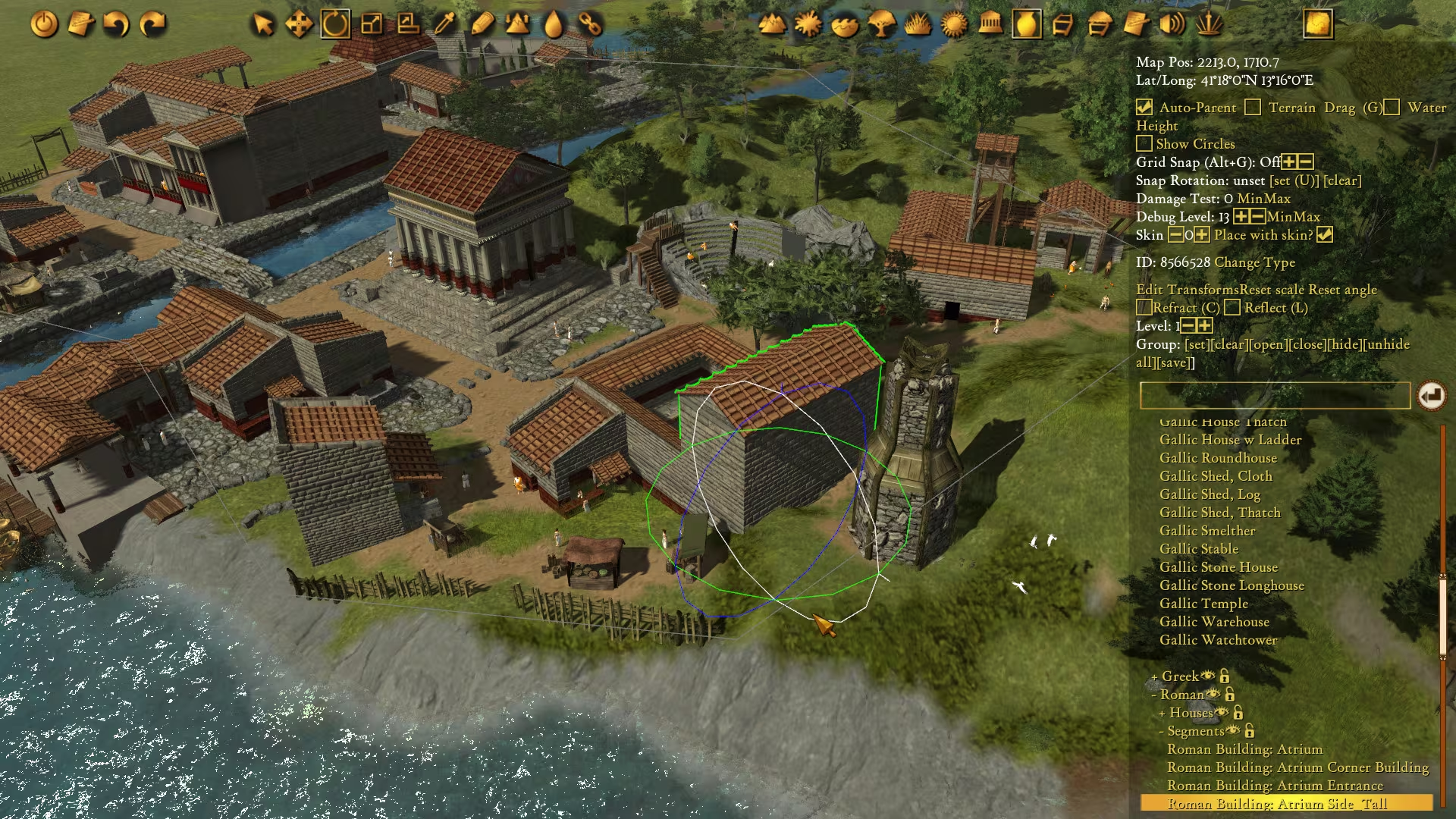
      "Customization of generals and cities allows some degree of self-expression."

    • Fantasy
      -4

      "Strong focus on historical realism and plausible ancient warfare scenarios."

    • Fellowship
      -4

      "Minimal social interaction; primarily single-player experience with limited community engagement."

    • Growth
      4

      "Players develop skills in logistics, strategy, and micromanagement; learning curve is steep but rewarding."

    • Health
      -5

      "Sedentary gameplay with no physical activity involved."

    • Idle
      -4

      "Requires continuous attention and micromanagement; pausing is used strategically but not idle play."

    • Intimacy
      -5

      "No evidence of close social relationships or emotional sharing in gameplay."

    • Leadership
      4

      "Players lead armies and manage cities with authority and decision-making power."

    • Progression
      4

      "Players accumulate upgrades, technology, and territory over time, reflecting clear progression."

    • Relaxation
      -2

      "Game is challenging and requires focus; some players find it stressful due to micromanagement and AI aggression."

    • Sensation
      2

      "Visual style and sound design provide moderate sensory stimulation and immersion."

    • Status
      -4

      "No multiplayer or social ranking; achievements exist but social recognition is limited."

    • Story
      3

      "Historical narrative and quests provide context and immersion, though main gameplay is sandbox oriented."

    • Strategy
      5

      "Core gameplay revolves around complex strategic planning, logistics, and tactical decision-making."

    • Thrill
      2

      "Tactical battles and supply challenges create moments of tension and excitement."

    • Value
      4

      "Players report high replayability, mod support, and ongoing developer updates, providing good value."

    • Violence
      3

      "Combat and conquest involve destruction and warfare consistent with historical ancient battles."

    • Survival
      4

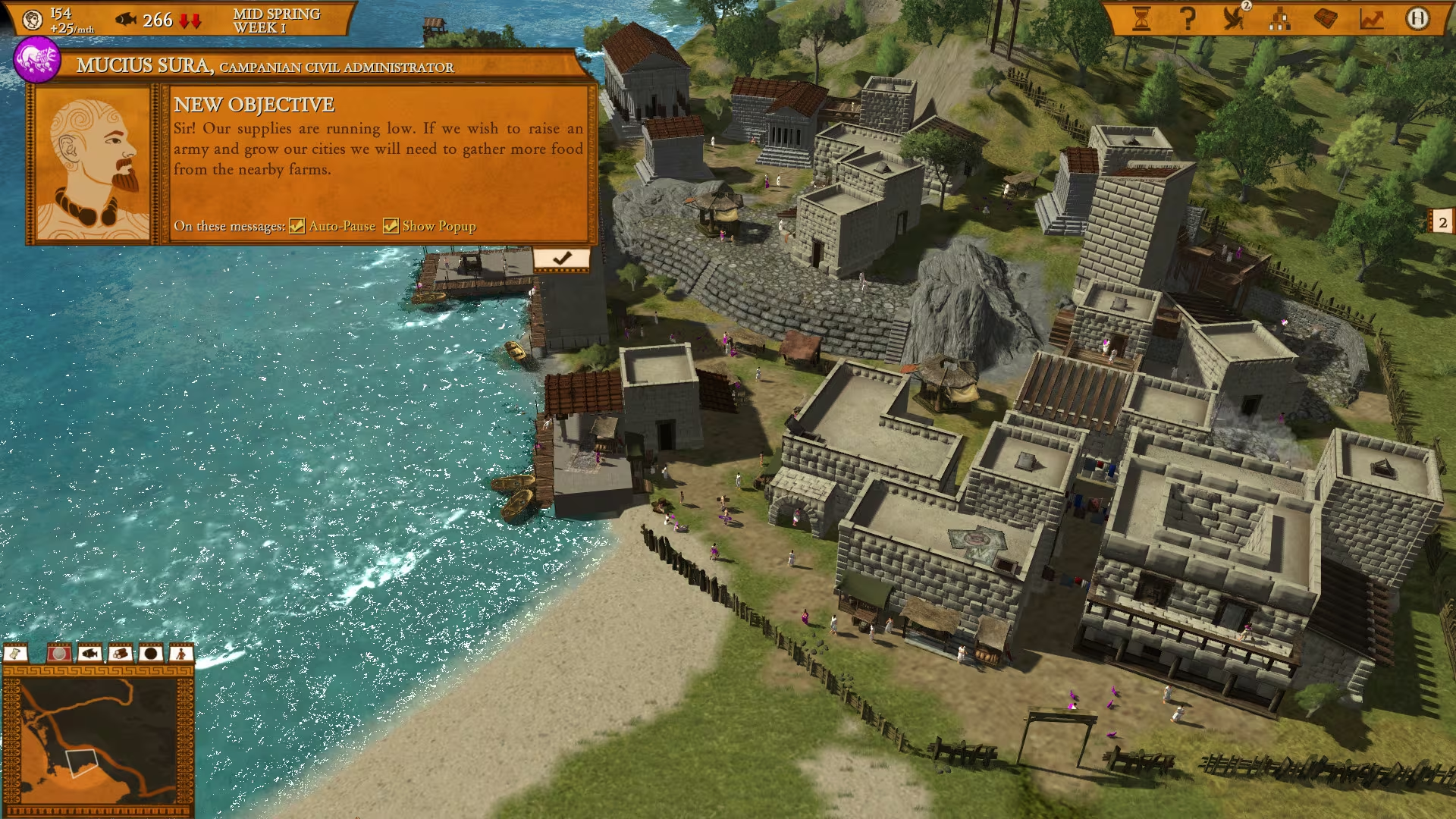
      "Managing supply lines, food, and morale to avoid defeat and rebellion is a key gameplay element."

    Last update: 29/04/2026