Cureocity Thumbnail

Cureocity similar games & best alternatives

Cureocity

PC (Microsoft Windows) • 2024

Related articles

Quick resume

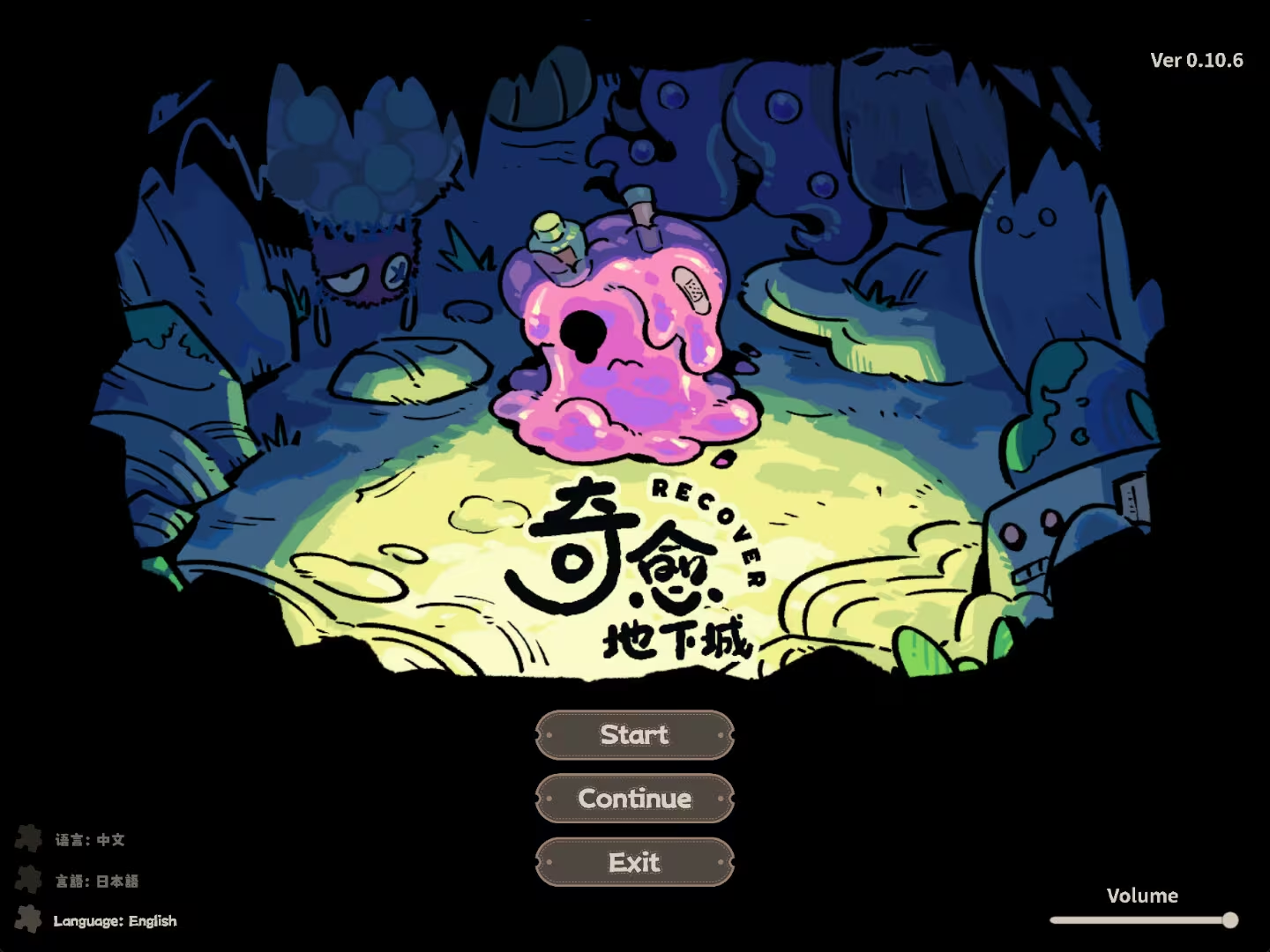
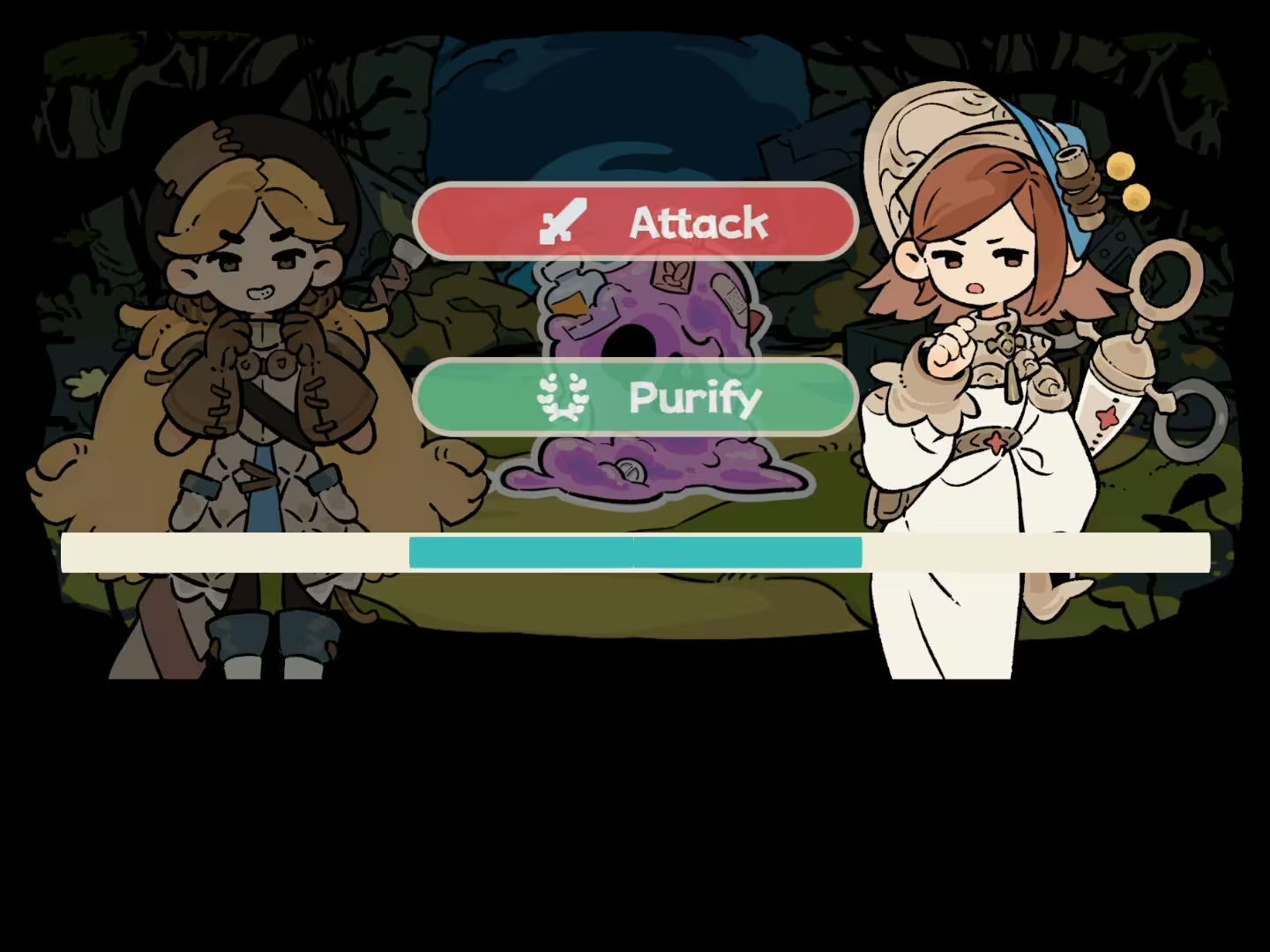
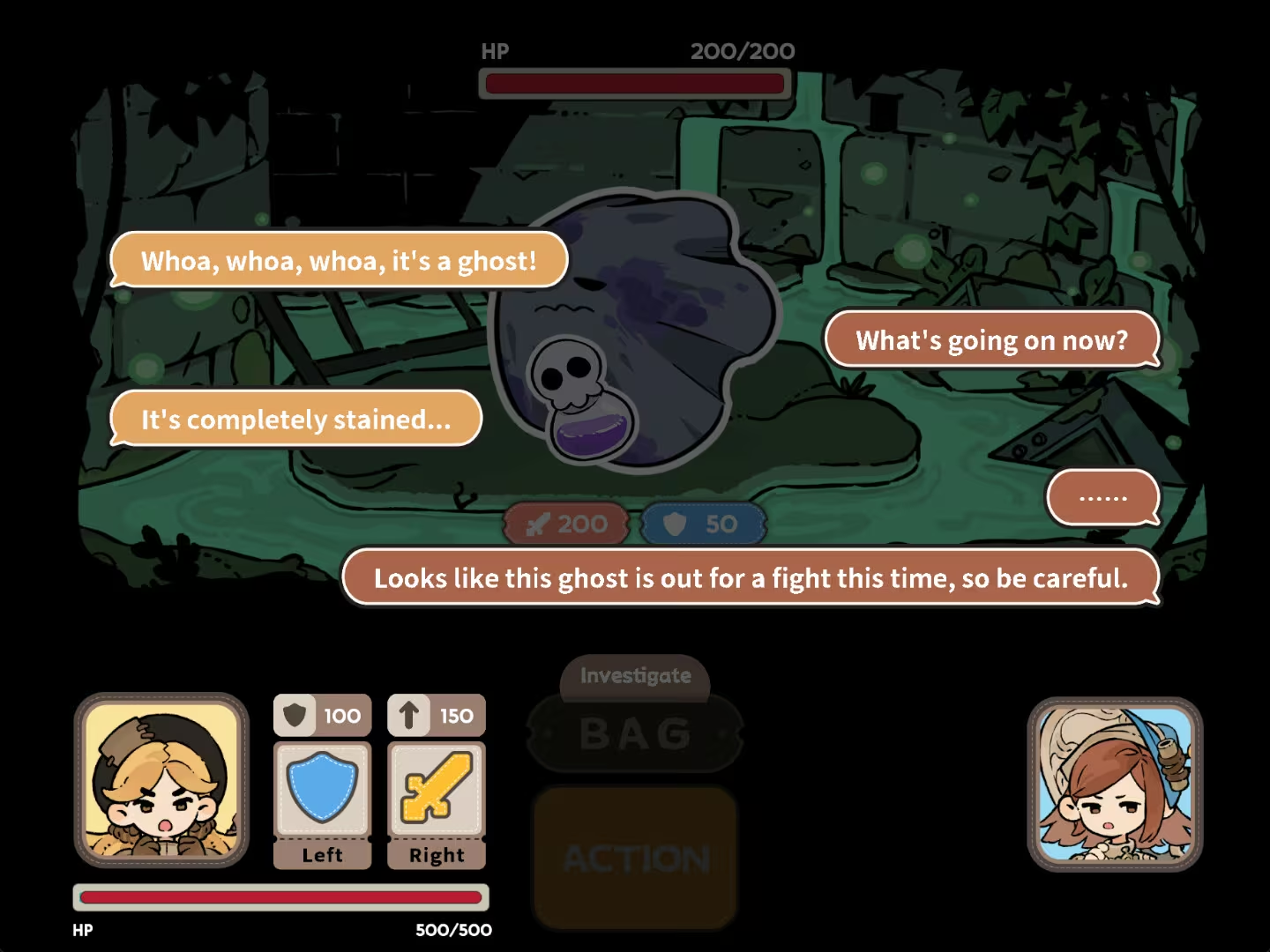
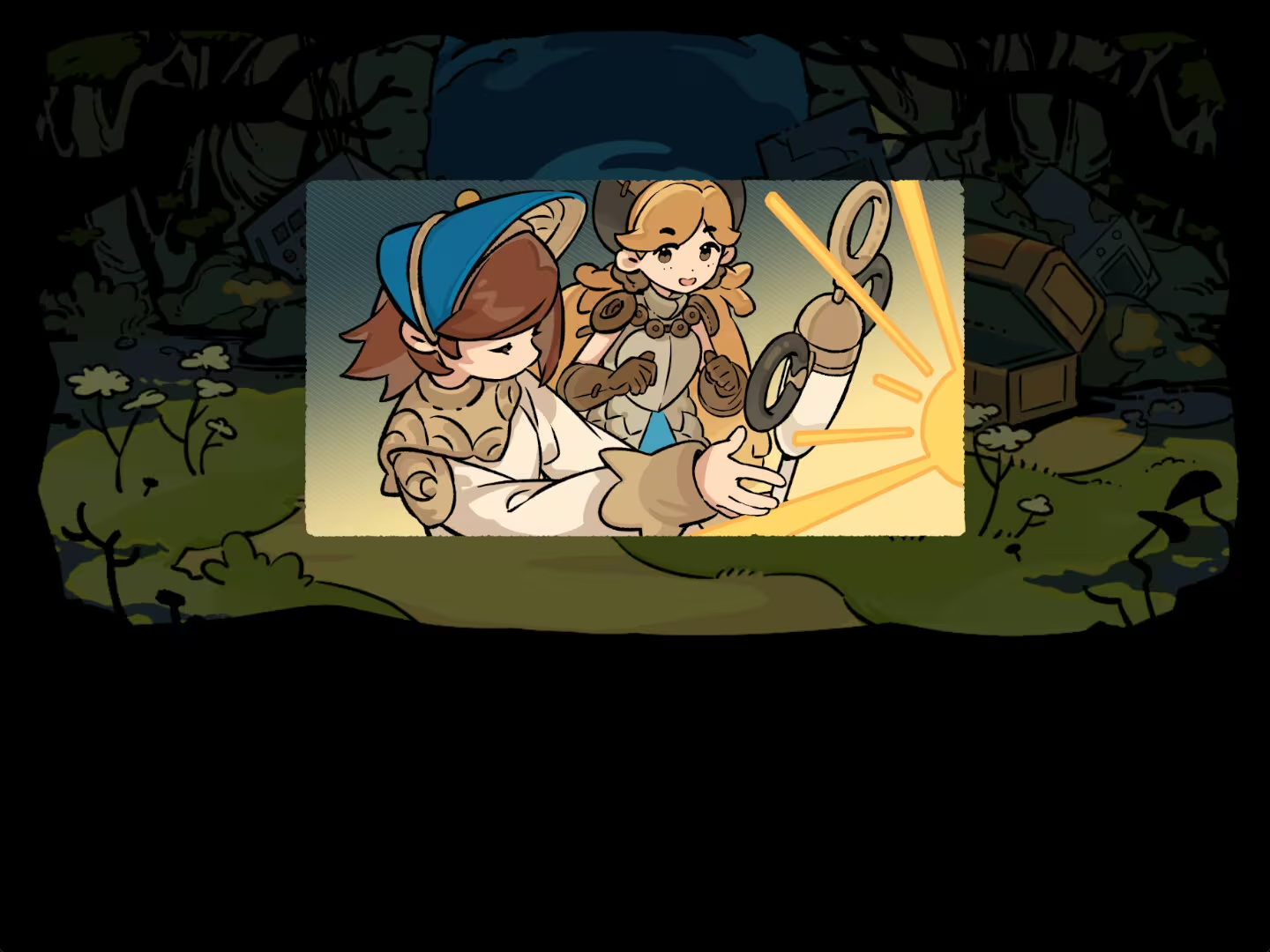
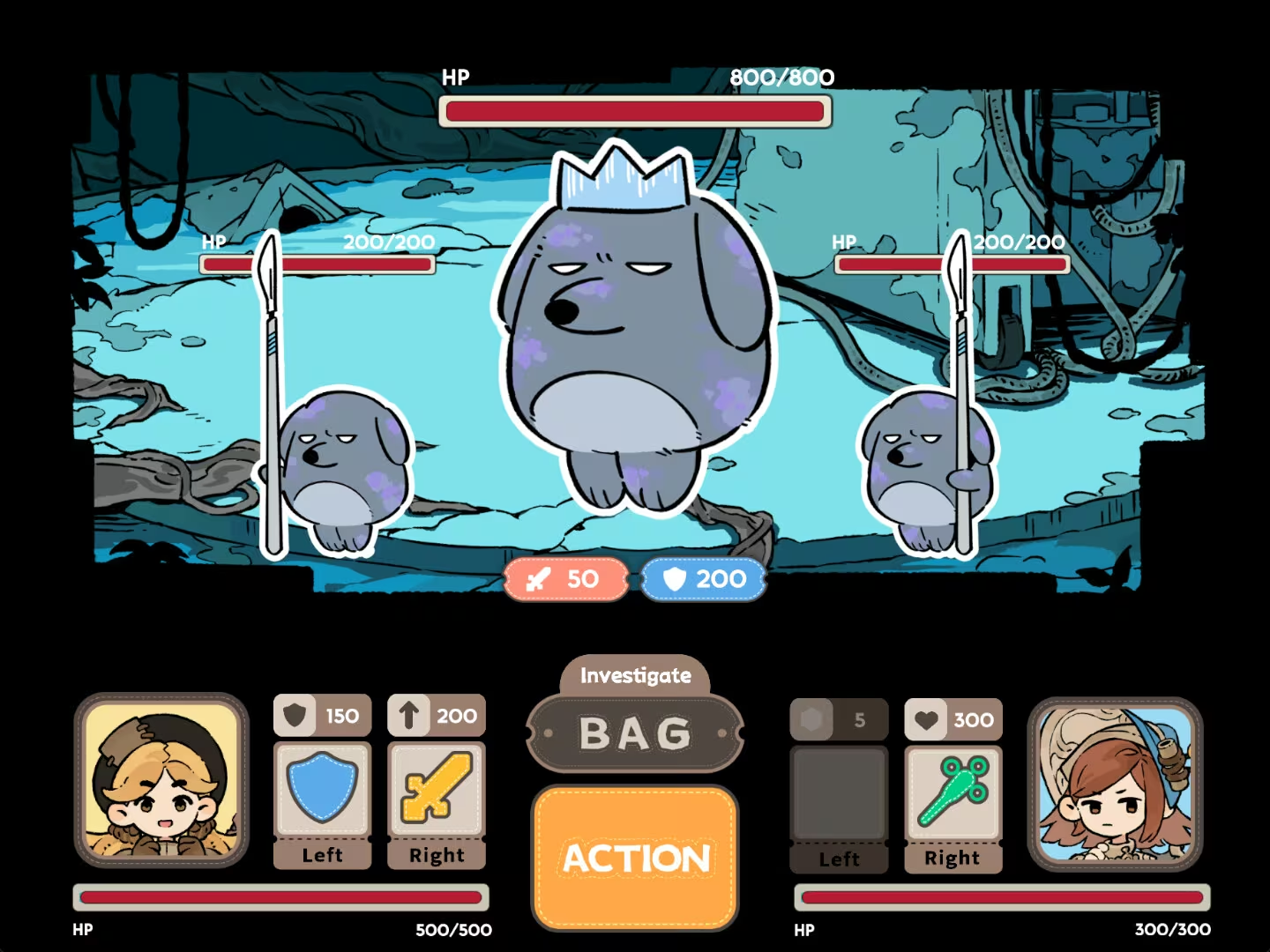
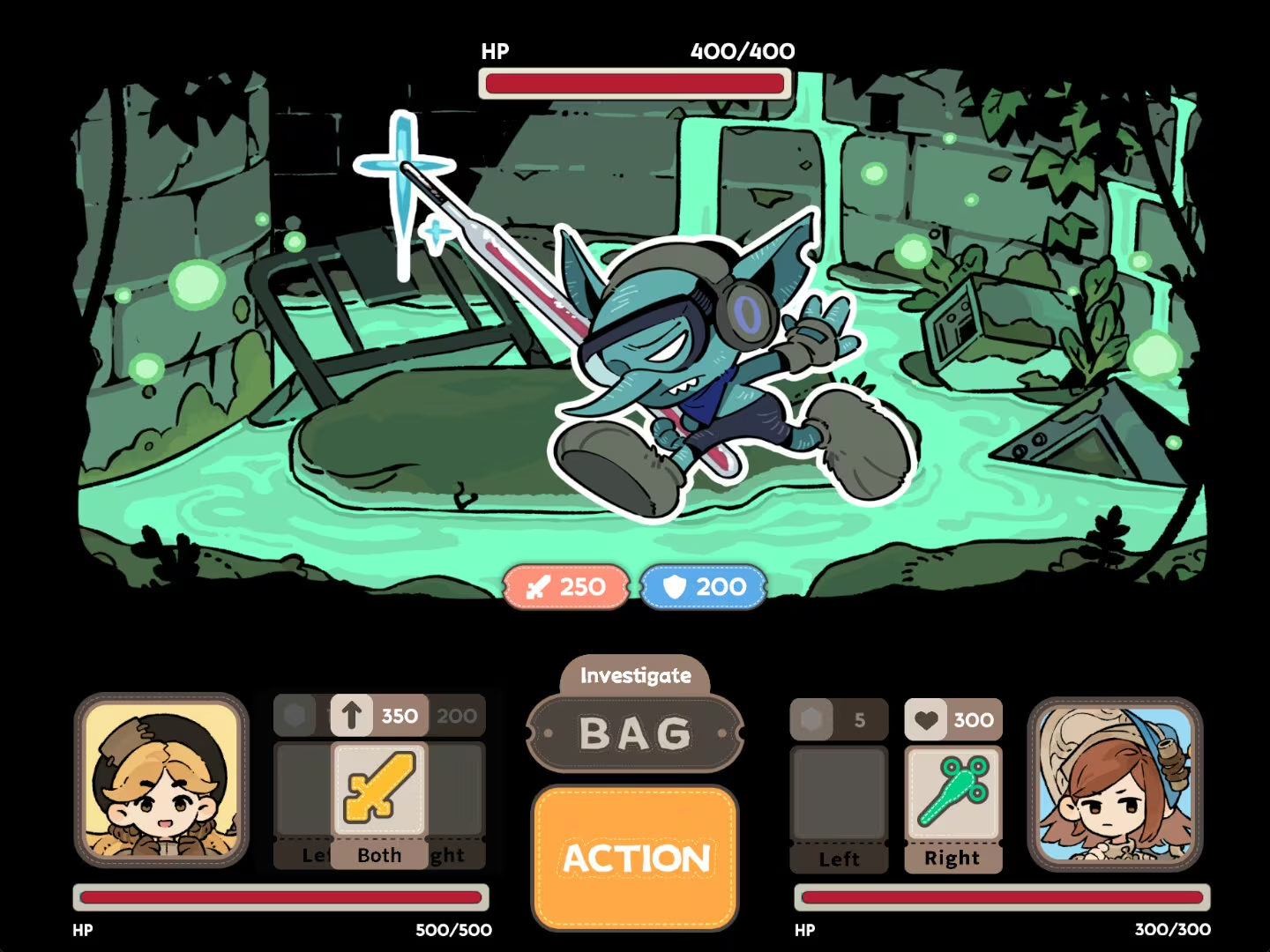
“People think battles need powerful weapons, but strategy at hand is key."The story follows a rookie adventurer and a new healer in a dungeon quest, with the core gameplay involving hand-picked methods using weapons and items. Fight or purify? Heal or alter? The choice is in your hands.

Global score

98/100

Genres

Adventure, Indie, Role-playing (RPG), Puzzle

Similar games

    Pros

    • Free to play
    • Charming art style
    • Heartwarming story
    • Unique puzzle combat mechanics
    • Multiple endings and achievements

    Cons

    • Short gameplay length
    • Repetitive on multiple playthroughs
    • Some translation and text issues
    • Lack of full screen and ui polish
    • Limited combat complexity

    Analysis

    Less representative of its motivational profile, with noticeable differences. Motivations that often define this kind of title include Survival, Violence, Fellowship, Expression. Here, the score leans higher than usual among comparable games on Intimacy, Survival. It leans lower than usual among comparable games on Exploration.

    How to use the graph
    Similar games map

    Each dot is a game. They are arranged from the same motivation profile as in the “Motivations” section below. Closer dots usually mean more similar reasons to play (exploration, competition, relaxation, etc.)—not that one game is “better” than another.

    • Larger dot with a light outline: the game you are viewing.
    • Colour: groups of games with comparable motivation patterns (statistical clusters).
    • Hover a dot to see the game name; click to open its page.
    • Scroll or double-click the chart to zoom out and see more games.

    Why don’t the axes read like a score? This view uses t-SNE: it only keeps who is close to whom. The scales are not “good to bad” or hours played—they separate groups on the map. Read distance between dots, not the axis numbers.

    Motivations

    • Autonomy
      3

      "Players choose actions and strategies in combat puzzles, but solutions are mostly predetermined and linear."

    • Competence
      2

      "Combat puzzles require some skill and strategic thinking, but difficulty is generally low and hints are provided."

    • Competition
      -4

      "No evidence of player-vs-player or leaderboard competition; focus is on personal puzzle solving and story."

    • Continuation
      2

      "Multiple endings and achievements encourage replaying, though gameplay becomes repetitive on reruns."

    • Cooperation
      -5

      "Single-player experience with no multiplayer or cooperative elements."

    • Creativity
      1

      "Some experimentation with item placement and strategy in battles, but mostly fixed puzzle solutions."

    • Domination
      -5

      "No social dominance or power over others; interactions are narrative and puzzle-focused."

    • Escapism
      3

      "Players appreciate the game's relaxing, heartwarming story and distraction from real life."

    • Expectation
      -4

      "Players engage voluntarily for enjoyment and emotional experience, no obligation or pressure noted."

    • Experimenting
      2

      "Players try different strategies and endings, though combat solutions are mostly fixed."

    • Exploration
      -3

      "Linear progression with limited discovery; focus on story and puzzle battles rather than exploration."

    • Expression
      -4

      "No character customization or environment modification; visual style is fixed and standardized."

    • Fantasy
      3

      "Game features fantasy elements, adventurers, monsters, and a fictional narrative."

    • Fellowship
      -5

      "No multiplayer or community features; solo play with minimal social interaction."

    • Growth
      2

      "Players develop puzzle-solving skills and understanding of mechanics through repeated play."

    • Health
      -5

      "Sedentary gameplay with no physical activity or health-related features."

    • Idle
      -4

      "Requires focused attention during puzzles and story; not designed for background or idle play."

    • Intimacy
      1

      "Narrative focuses on emotional bonds between characters, but no social intimacy with players."

    • Leadership
      -5

      "No leadership or group management elements; single-player experience."

    • Progression
      2

      "Players unlock multiple endings and achievements, but no complex item or power accumulation."

    • Relaxation
      4

      "Game praised for being calming, soothing, and a relaxing experience."

    • Sensation
      2

      "Enjoyable art, music, and cute visuals provide moderate sensory stimulation."

    • Status
      -5

      "No social recognition or status systems present."

    • Story
      4

      "Strong narrative focus with multiple endings and emotional storytelling."

    • Strategy
      3

      "Combat is puzzle-like requiring strategic item placement and turn planning."

    • Thrill
      -2

      "Low risk and tension; gameplay is more relaxing and puzzle-oriented than thrilling."

    • Value
      5

      "Free to play with good content and replayability, providing excellent value."

    • Violence
      -3

      "Combat is non-violent puzzle solving with options to purify or spare enemies."

    • Survival
      1

      "Players must avoid defeat in puzzle battles, but stakes are low and no harsh penalties."

    Last update: 29/04/2026