The Legend of Bum-Bo Thumbnail

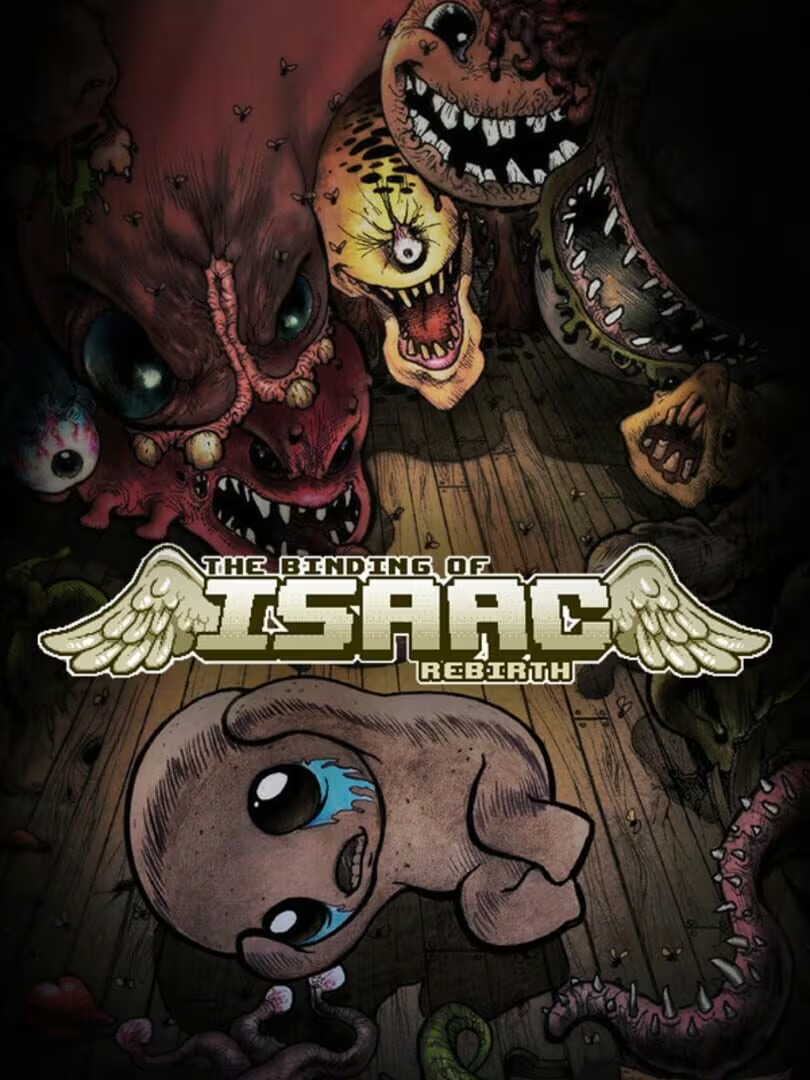
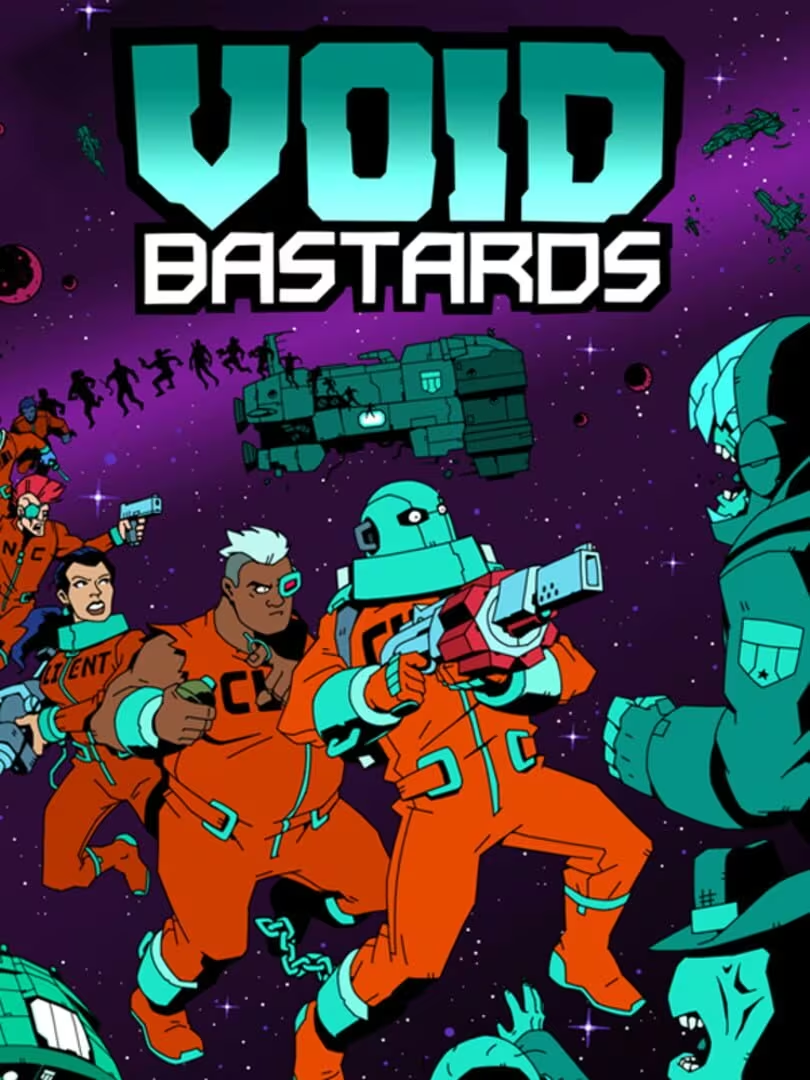
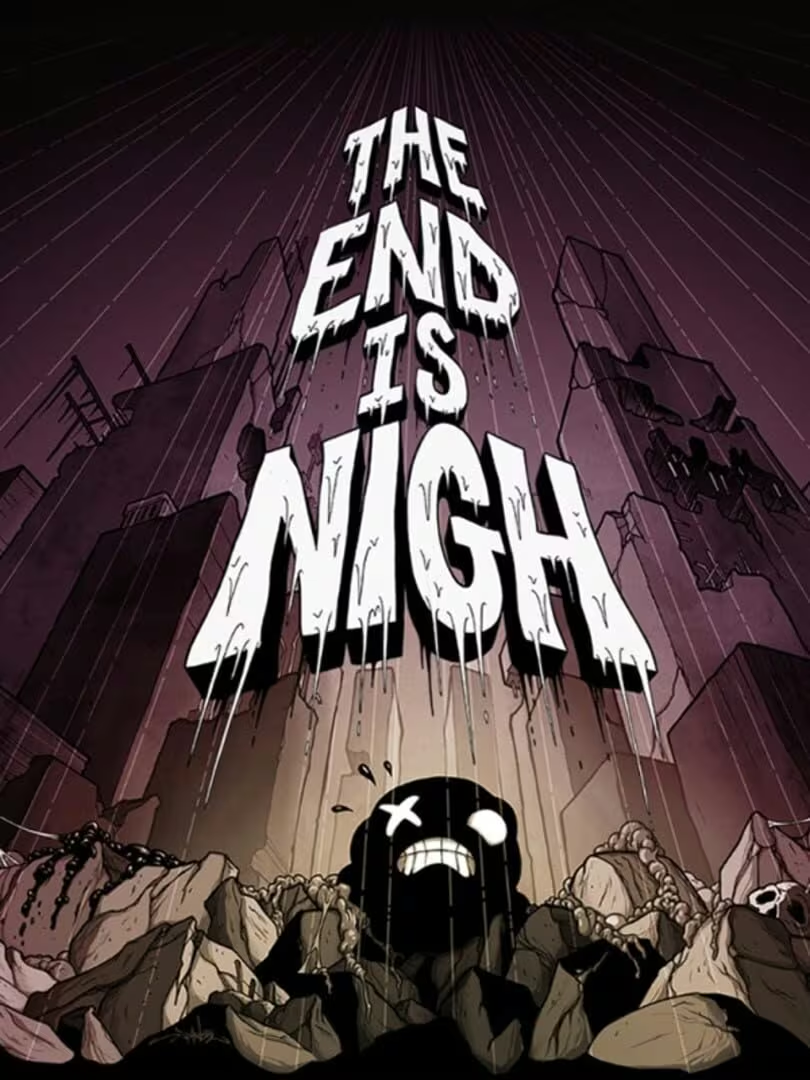
The Legend of Bum-Bo similar games & best alternatives
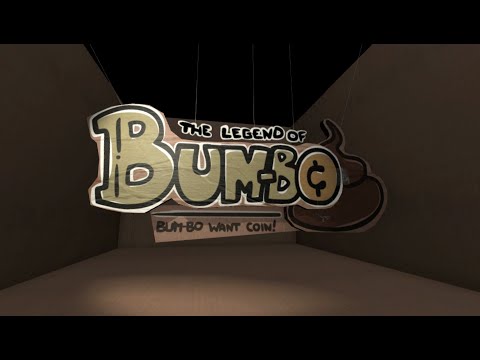
The Legend of Bum-Bo

PC (Microsoft Windows), iOS, Xbox Series X|S, Nintendo Switch, PlayStation 5 • 2019

Related articles

Quick resume

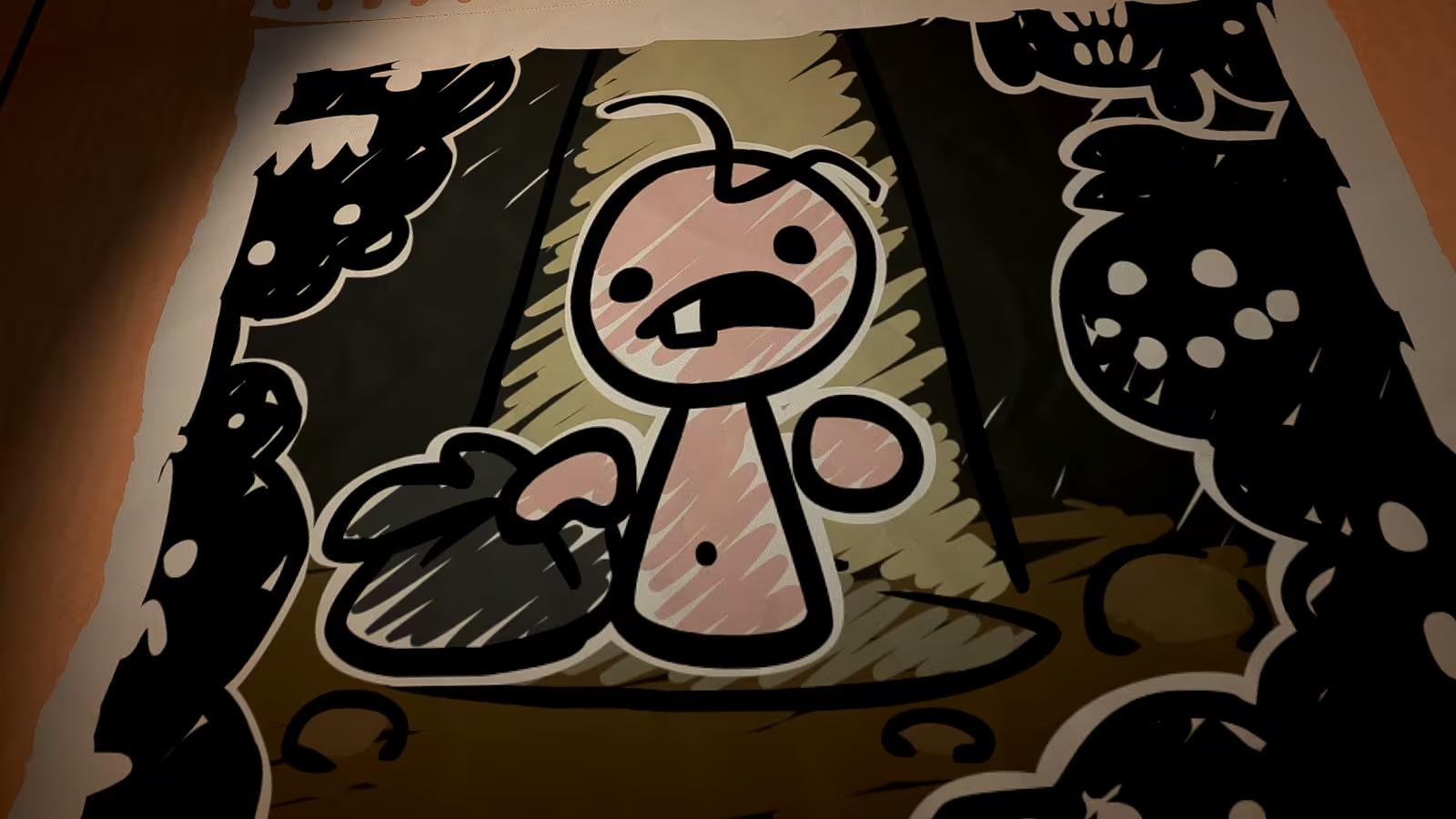
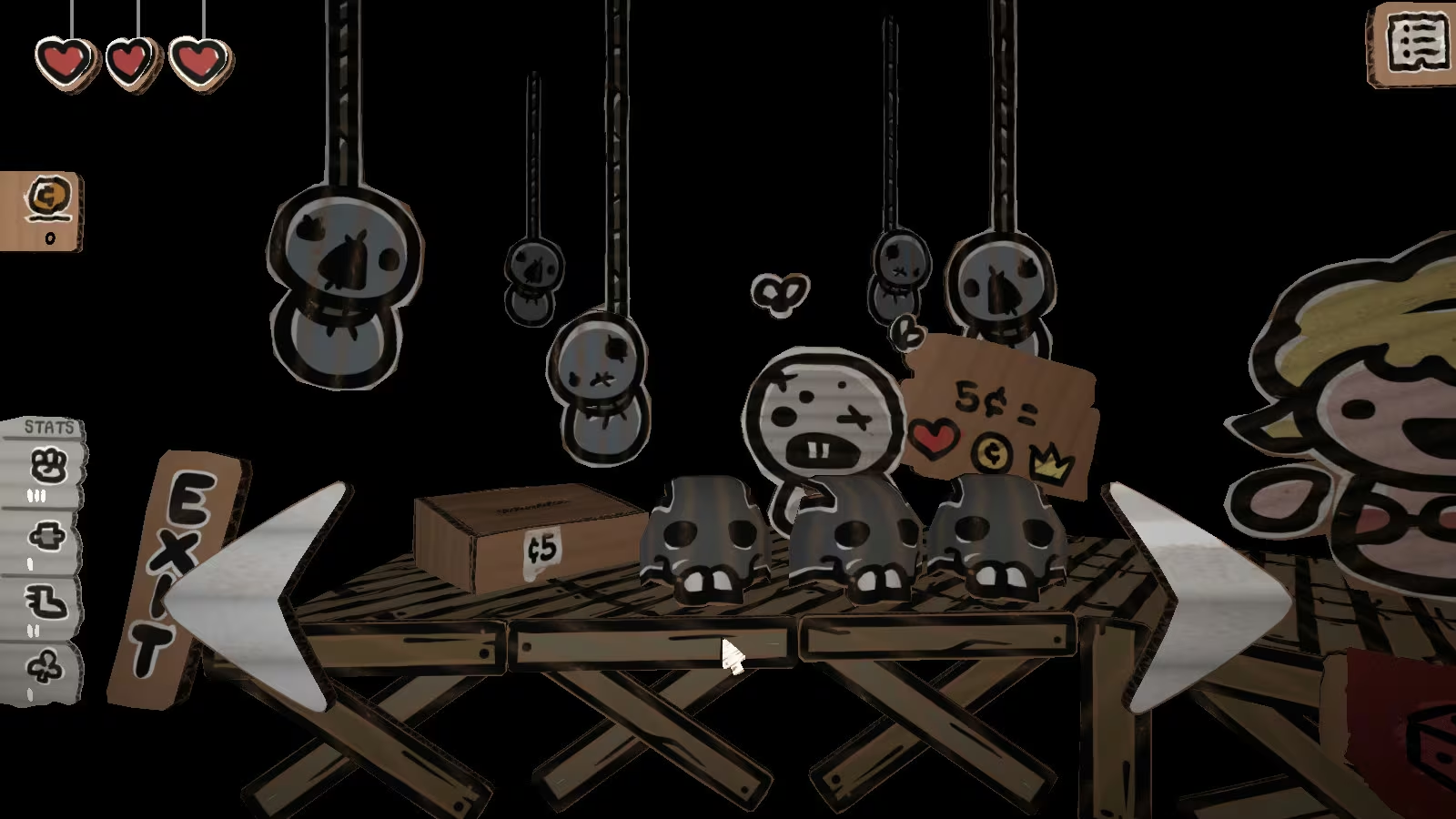
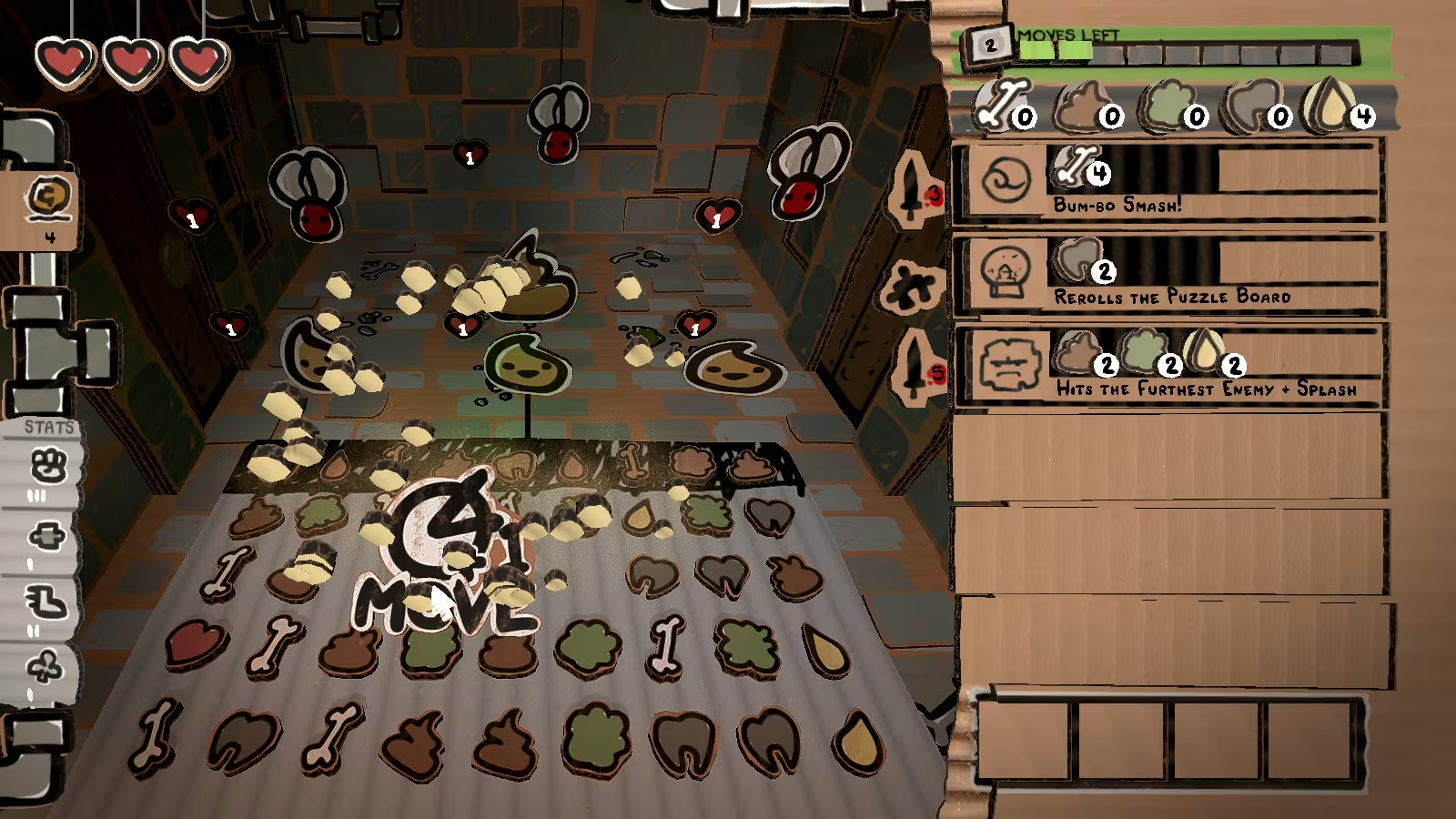
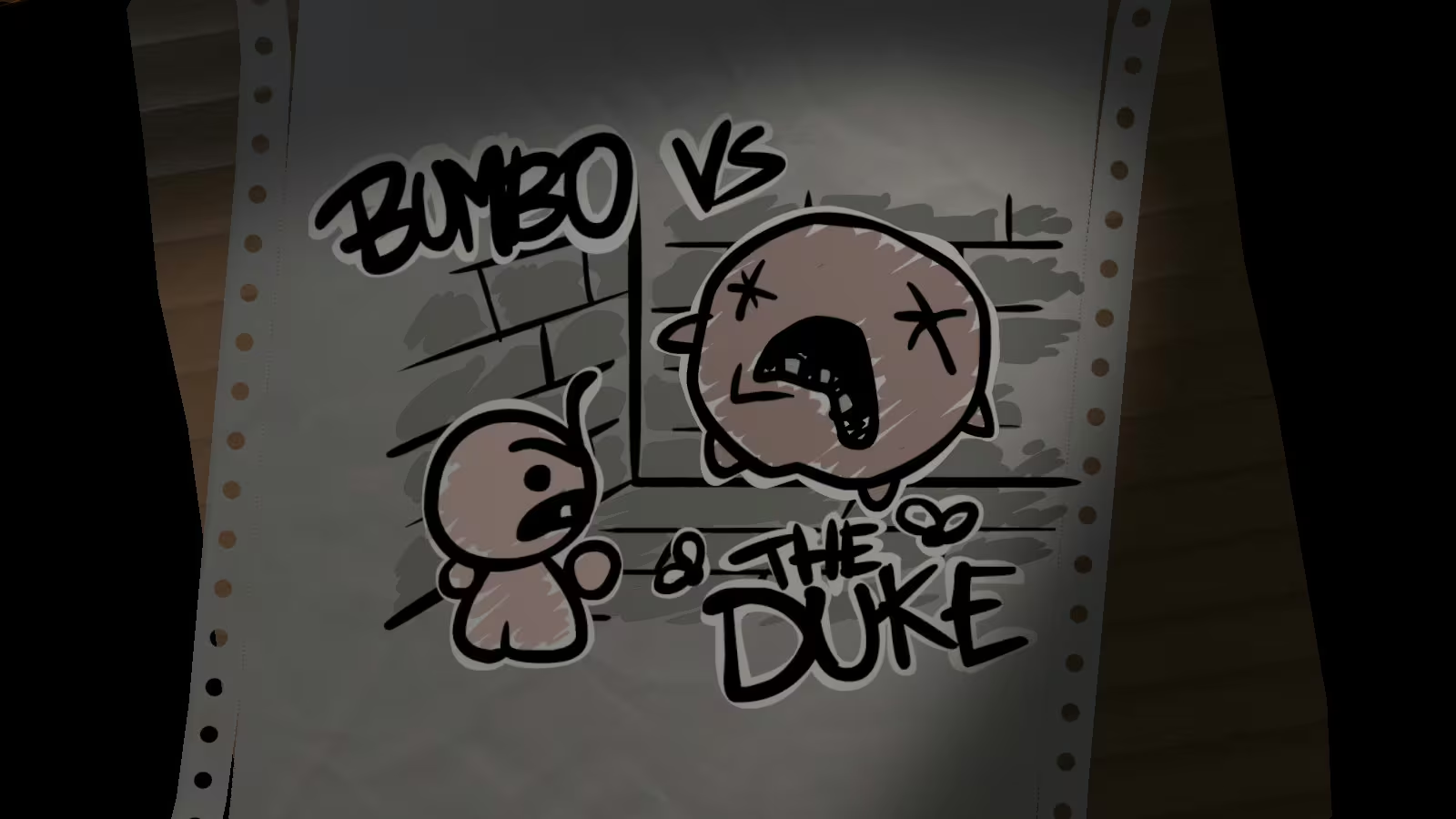
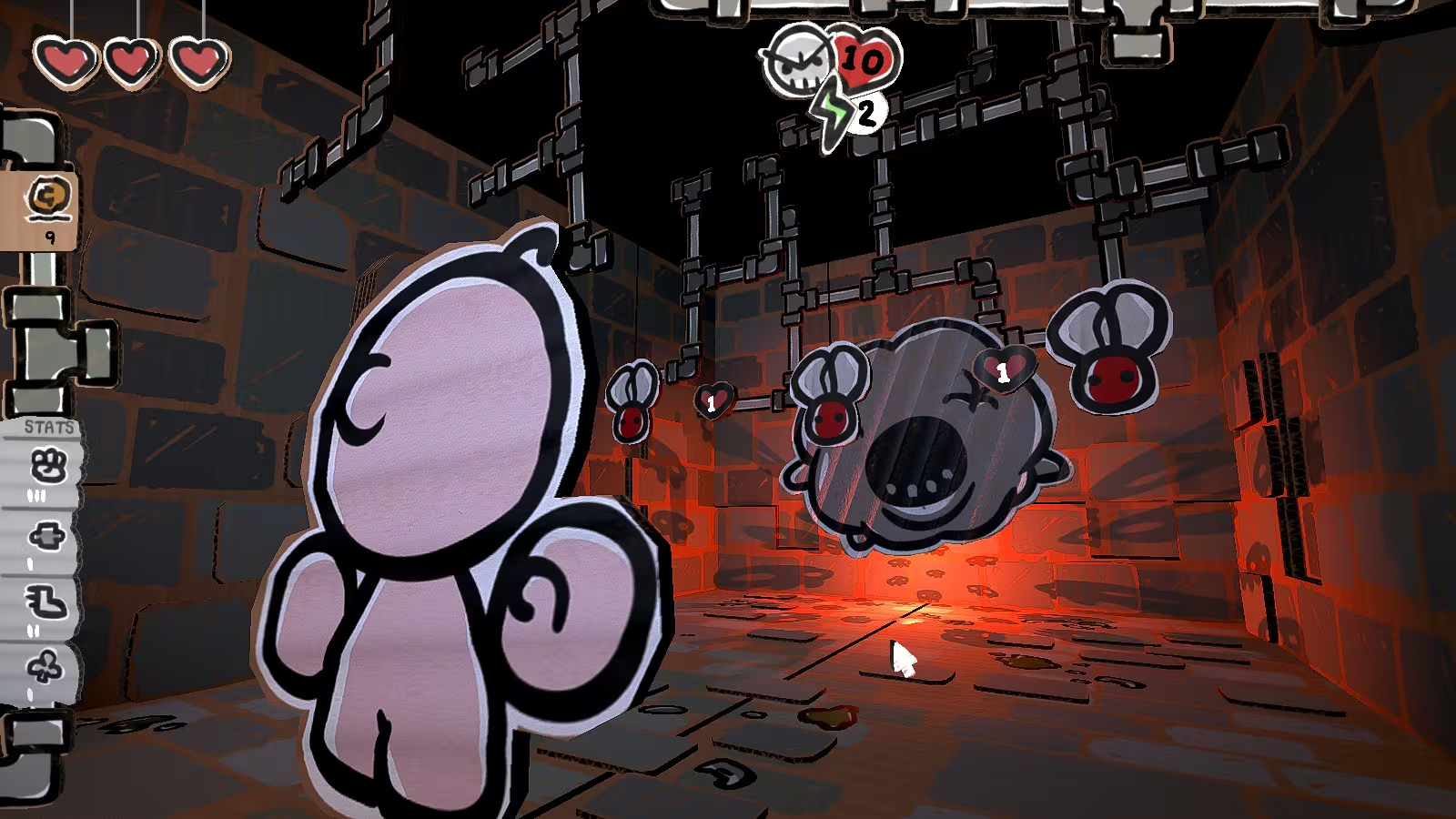
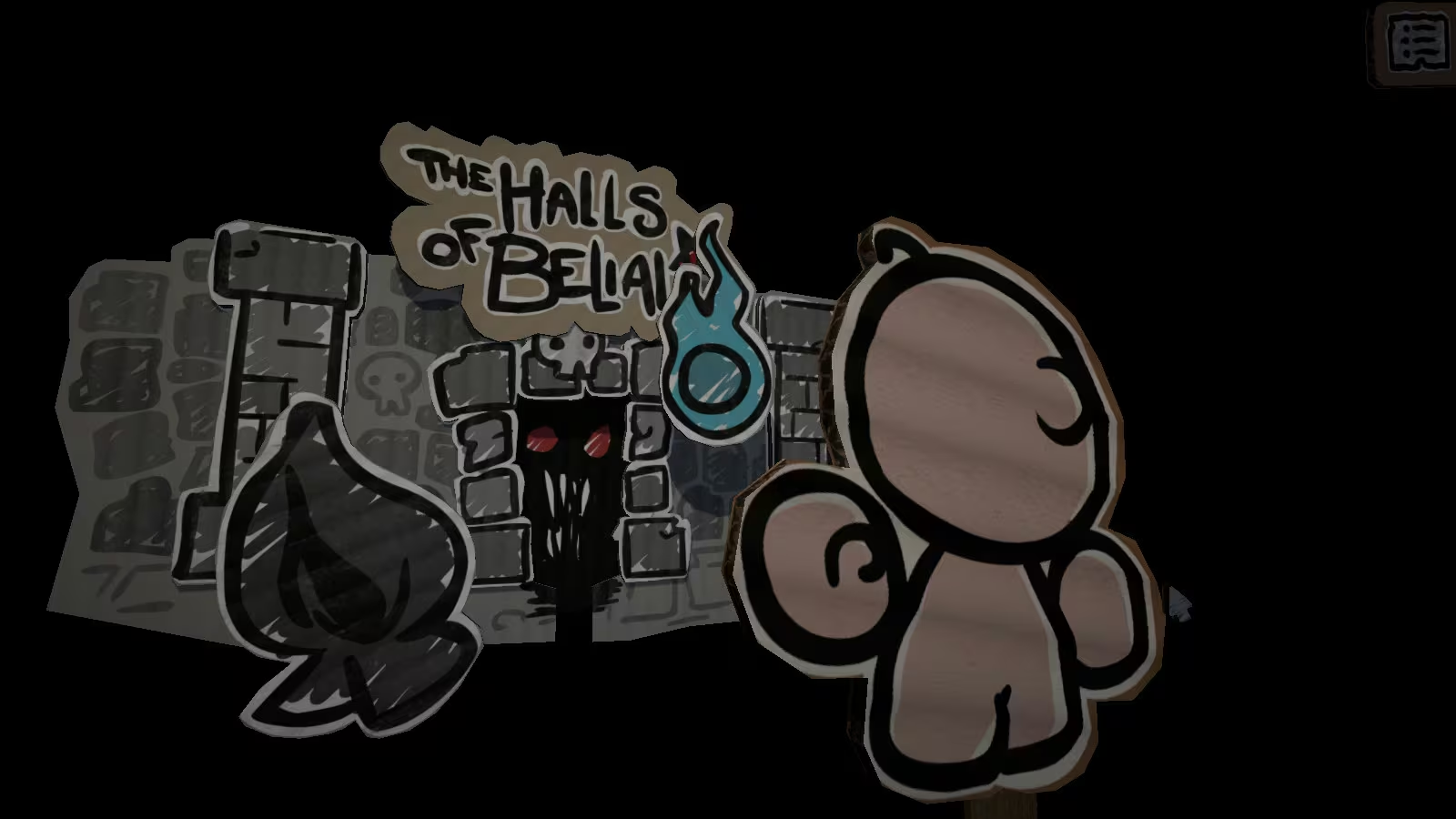
A puzzle based deck building rogue-like prequel to The Binding of Isaac... Made of cardboard!

Global score

81/100

Genres

Adventure, Indie, Strategy, Role-playing (RPG), Puzzle

Similar games

    Pros

    • Unique blend of match-4 puzzle and roguelike gameplay
    • Distinct characters with varied playstyles
    • Engaging strategic depth and planning
    • Charming cardboard art style and music
    • Connected lore to binding of isaac universe

    Cons

    • Initially buggy with softlocks and crashes
    • Lack of save/load functionality at launch
    • Minimal menu options and settings
    • Some rng frustration and difficulty spikes
    • Limited content and replayability compared to isaac

    Analysis

    Broadly representative of its motivational profile, with a few distinct shifts. Motivations that often define this kind of title include Fellowship, Cooperation, Leadership, Violence. Here, the score leans higher than usual among comparable games on Survival, Strategy. It leans lower than usual among comparable games on Escapism.

    How to use the graph
    Similar games map

    Each dot is a game. They are arranged from the same motivation profile as in the “Motivations” section below. Closer dots usually mean more similar reasons to play (exploration, competition, relaxation, etc.)—not that one game is “better” than another.

    • Larger dot with a light outline: the game you are viewing.
    • Colour: groups of games with comparable motivation patterns (statistical clusters).
    • Hover a dot to see the game name; click to open its page.
    • Scroll or double-click the chart to zoom out and see more games.

    Why don’t the axes read like a score? This view uses t-SNE: it only keeps who is close to whom. The scales are not “good to bad” or hours played—they separate groups on the map. Read distance between dots, not the axis numbers.

    Motivations

    • Autonomy
      4

      "Players choose characters with unique spells and playstyles, and make strategic decisions on tile matches and spell usage."

    • Competence
      4

      "The game requires skillful planning and strategic thinking to overcome challenging enemies and bosses."

    • Competition
      -3

      "Focus is on individual runs and personal progression rather than direct competition or leaderboards."

    • Continuation
      3

      "Players report habitual play and replayability through unlocking characters and items, though some find it repetitive."

    • Cooperation
      -5

      "The game is single-player focused with no cooperative multiplayer elements."

    • Creativity
      3

      "Players experiment with different characters, spells, and item combinations to create unique builds."

    • Domination
      -5

      "Interactions are with AI enemies; no player-vs-player dominance or social power dynamics."

    • Escapism
      3

      "Players use the game as a distraction and stress relief with engaging puzzle gameplay and lore."

    • Expectation
      -4

      "Players engage voluntarily out of interest and enjoyment, not obligation or external pressure."

    • Experimenting
      4

      "High emphasis on trying new strategies, character abilities, and item synergies to succeed."

    • Exploration
      2

      "Players discover new enemies, spells, and secrets in procedurally generated floors, though environments are limited."

    • Expression
      2

      "Customization comes from choosing characters and item builds, but no avatar personalization."

    • Fantasy
      4

      "The game features imaginative, grotesque, and fictional elements consistent with the Binding of Isaac universe."

    • Fellowship
      -4

      "Minimal social interaction; players mostly play solo without community features in-game."

    • Growth
      4

      "Players develop skills, learn enemy patterns, and improve strategies over time."

    • Health
      -5

      "Sedentary gameplay with no physical activity or health-related features."

    • Idle
      -3

      "Requires focused attention and planning; not designed for background or idle play."

    • Intimacy
      -5

      "No close social or emotional relationships formed within the game."

    • Leadership
      -5

      "No leadership or group management roles; single-player experience."

    • Progression
      4

      "Players accumulate items, spells, and character unlocks to enhance power and progress."

    • Relaxation
      2

      "Some players find the game relaxing and satisfying, though others note frustration from RNG and difficulty."

    • Sensation
      2

      "Enjoyable art style and music provide sensory stimulation, though some find it repetitive."

    • Status
      -4

      "Achievements exist but are buggy; social recognition is minimal and not a focus."

    • Story
      2

      "The game has a light narrative connected to Binding of Isaac lore, but story is minimal."

    • Strategy
      5

      "Strong emphasis on mental challenge, planning moves, and problem solving."

    • Thrill
      3

      "Players experience suspense and tension from RNG and challenging enemies."

    • Value
      3

      "Players feel the game offers good value for price, especially with ongoing updates and content."

    • Violence
      3

      "Combat involves attacking enemies with spells and tile matches, including destruction and damage."

    • Survival
      4

      "Players must manage resources and avoid damage to survive through floors and bosses."

    Last update: 29/04/2026