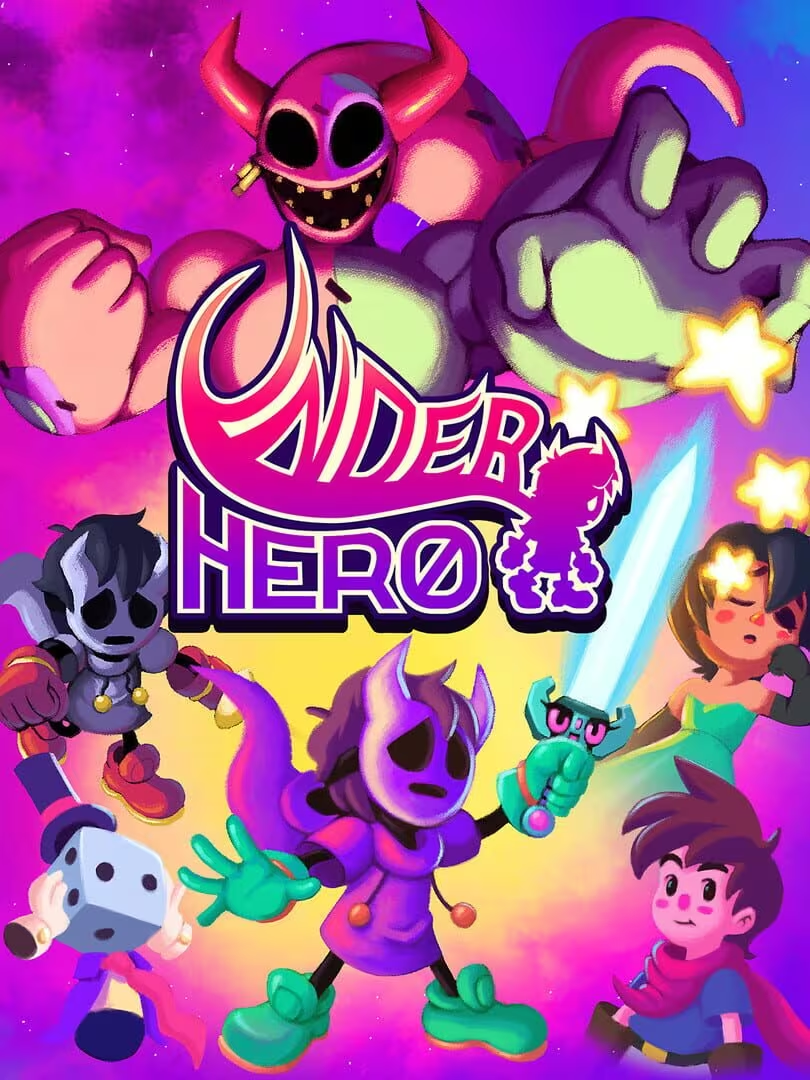
Who Needs a Hero? Thumbnail

Who Needs a Hero? similar games & best alternatives
Who Needs a Hero?

PC (Microsoft Windows), Nintendo Switch, PlayStation 4, PlayStation 5 • 2021

Related articles

Quick resume

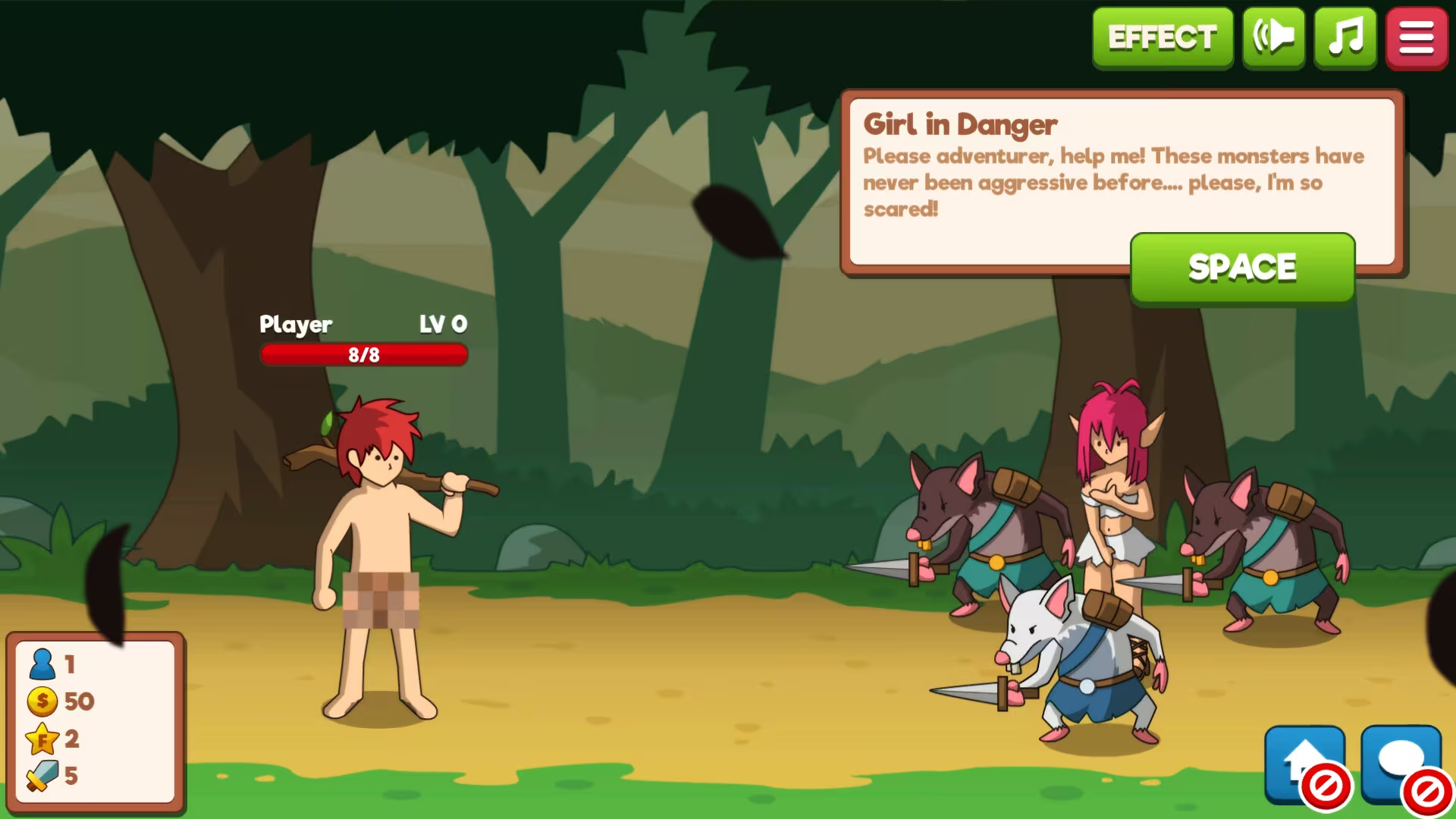
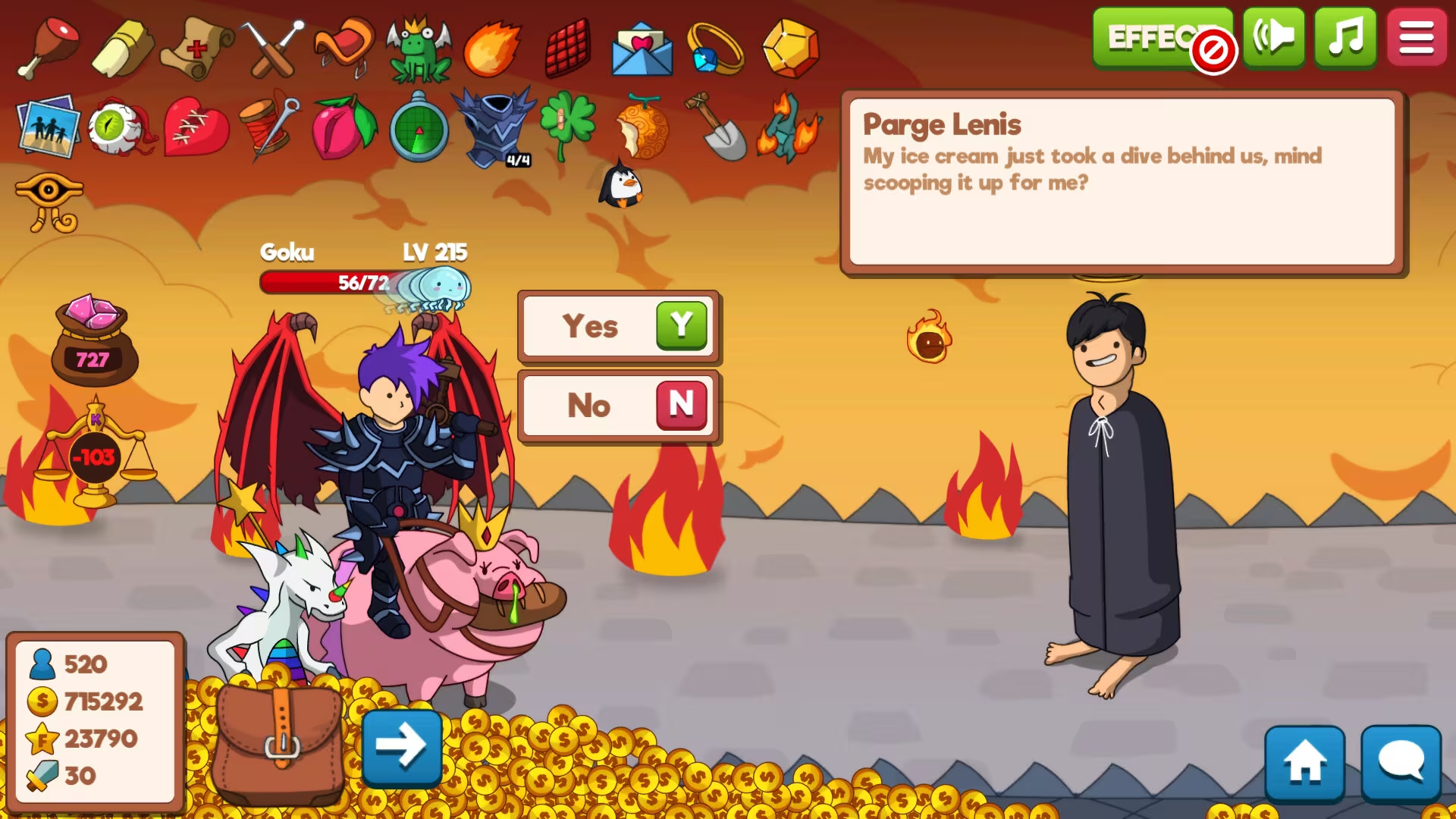
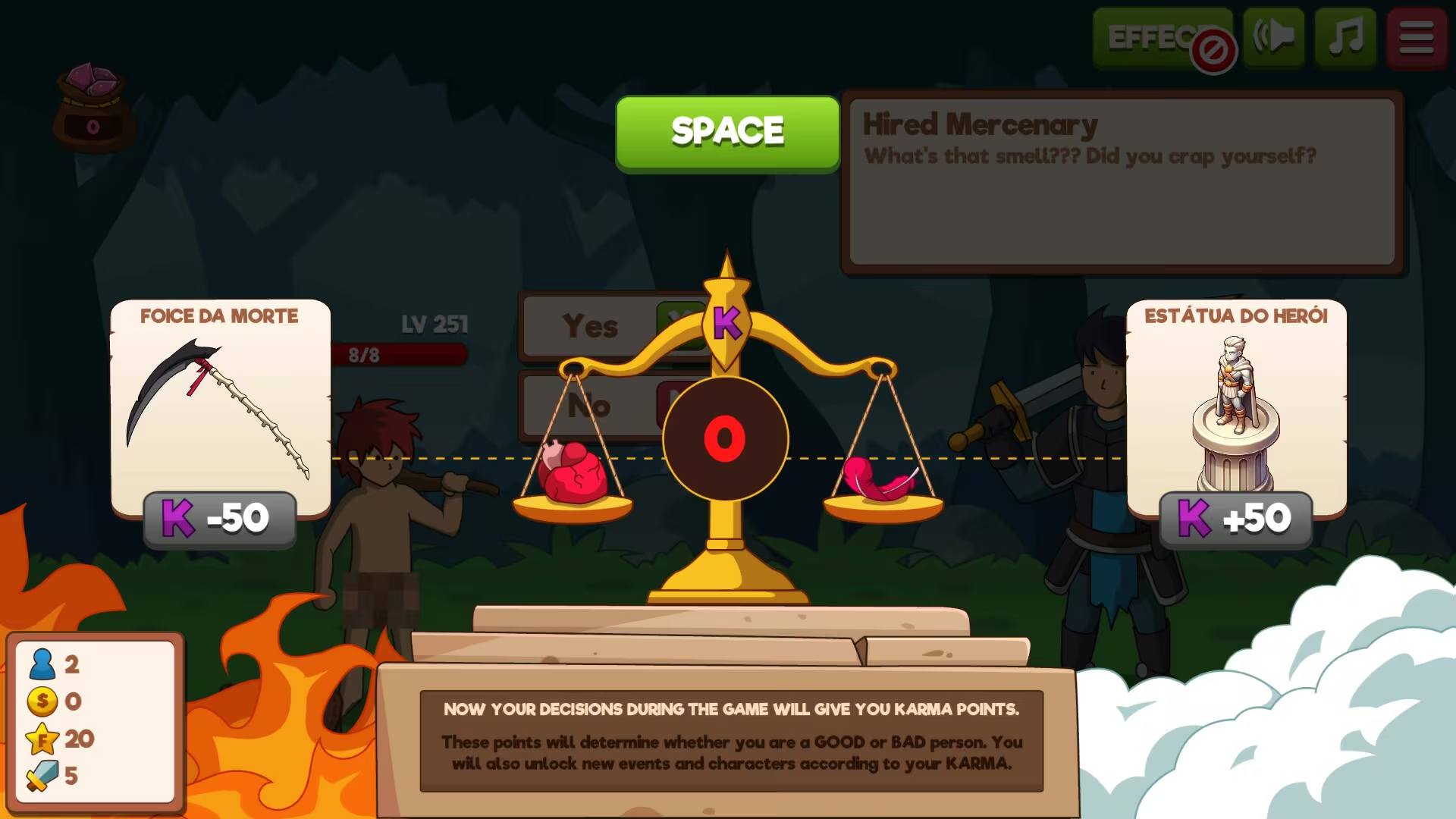
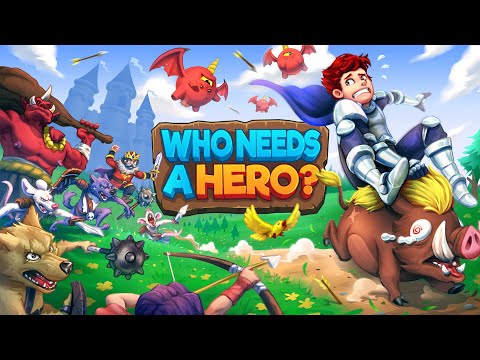
A stick and a dream: that's all you need in an RPG. Make choices that shape your destiny, build relationships, face epic monsters, and choose between being a feared villain or a legend.

Global score

91/100

Genres

Adventure, Casual, Indie, Role-playing (RPG), Simulator, Arcade

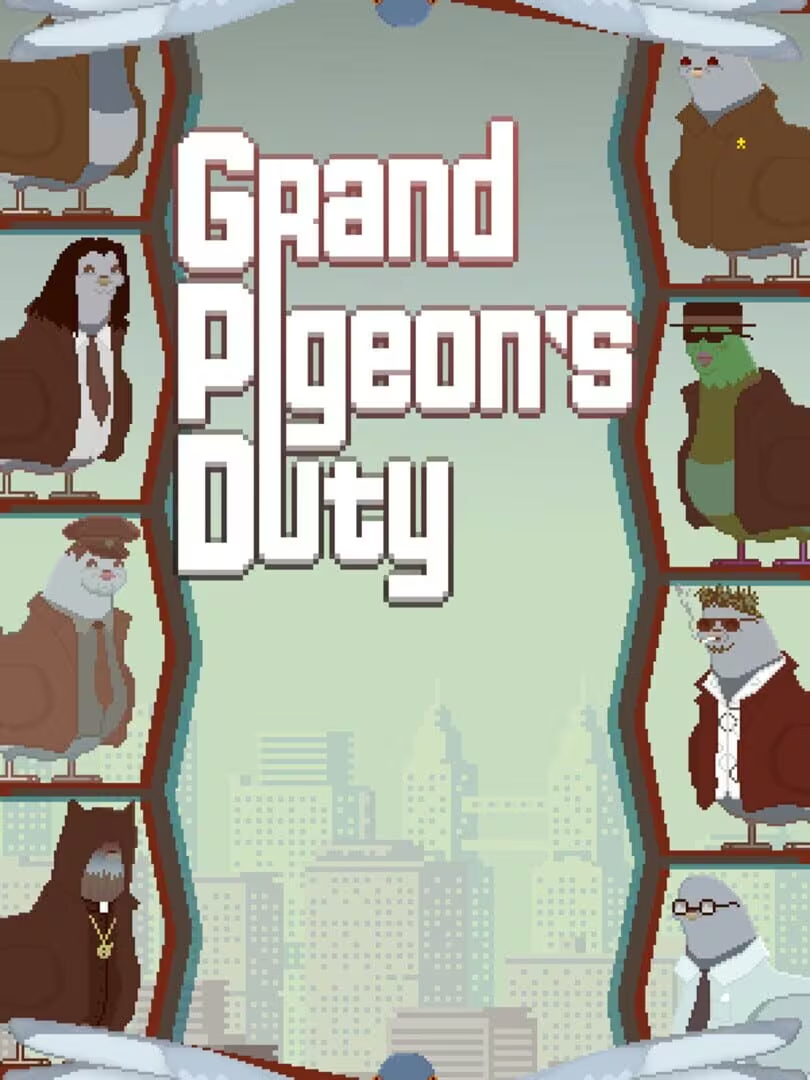
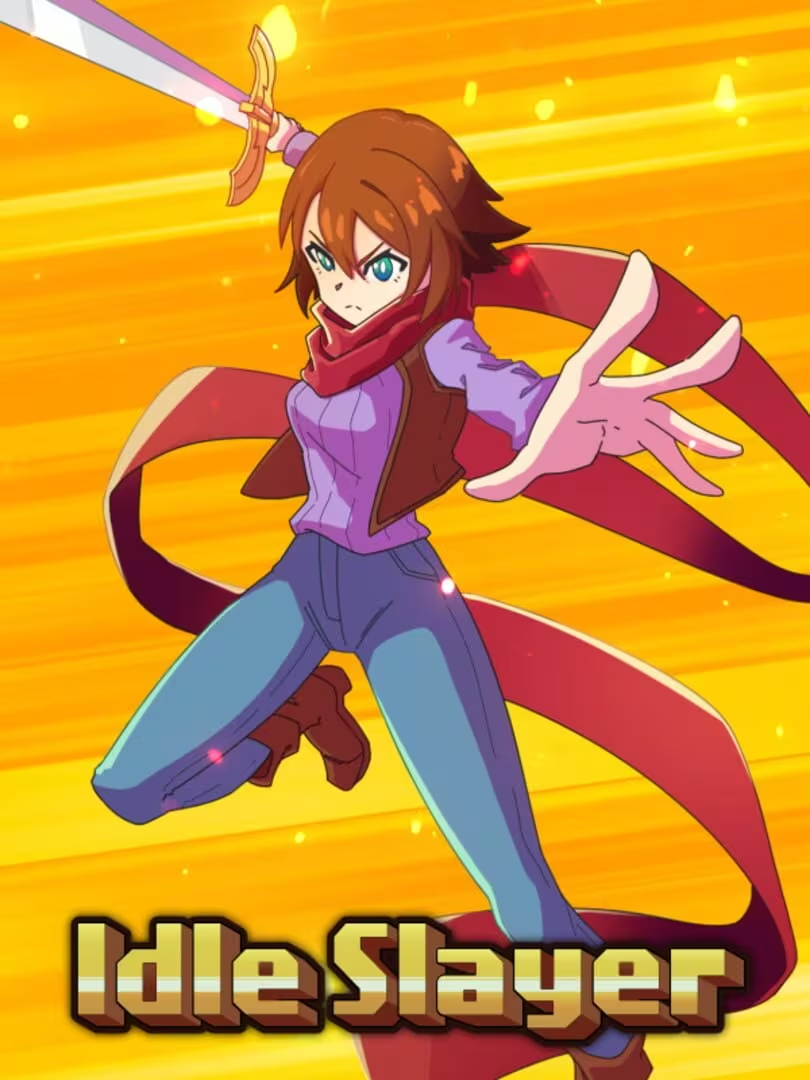
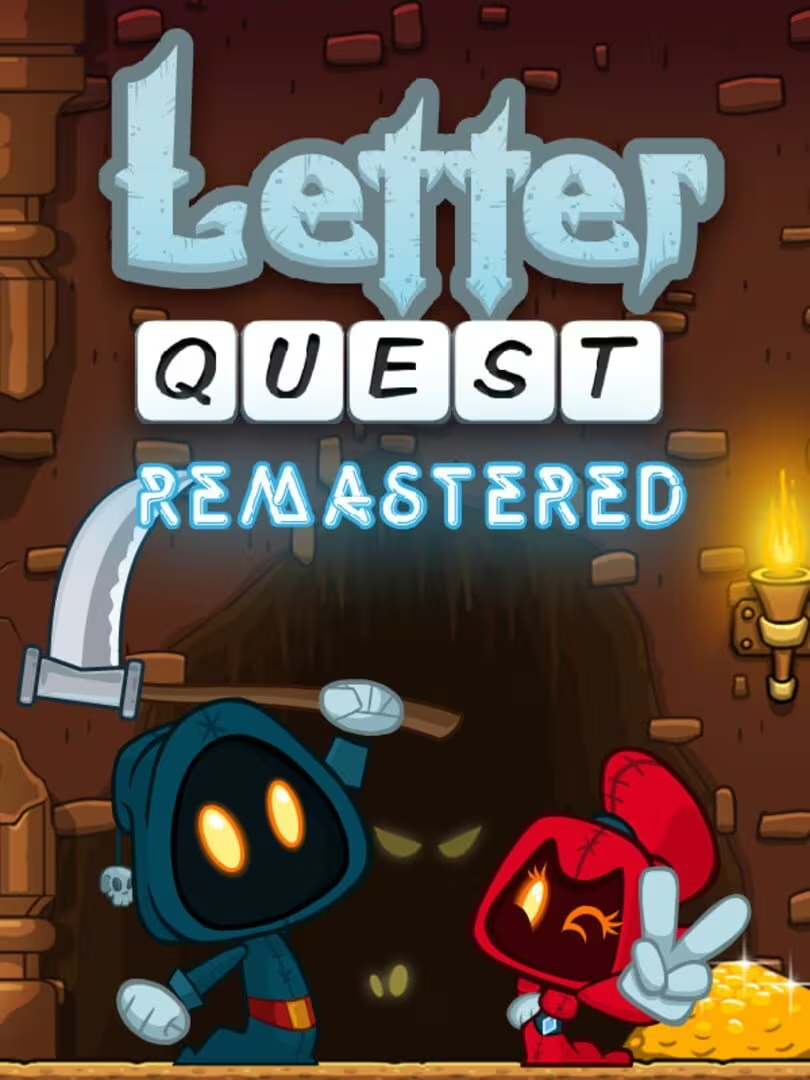
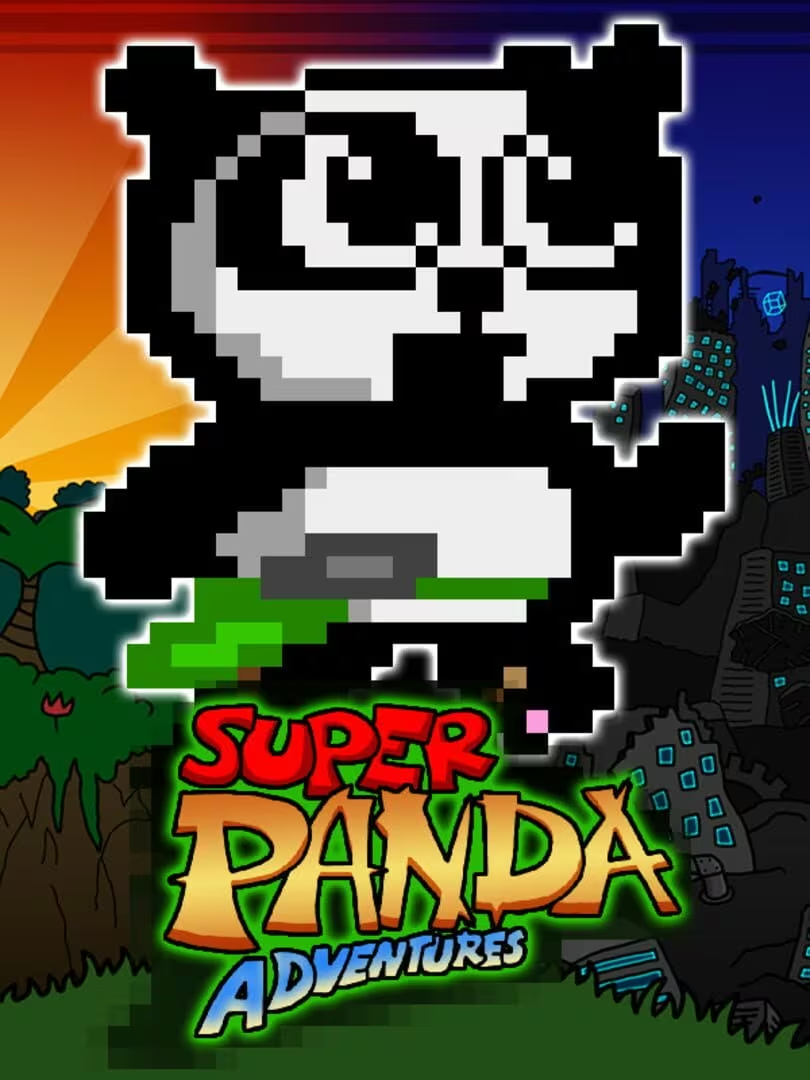
Similar games

    Pros

    • Humorous and lighthearted gameplay
    • Low price with good entertainment value
    • Relaxing and easy to play
    • Unique art style and music
    • Developer actively updates the game

    Cons

    • Limited and repetitive content
    • Short playtime and low replayability
    • Minimal character customization
    • Some rng frustration
    • Lack of deep story or strategic depth

    Analysis

    Less representative of its motivational profile, with noticeable differences. Motivations that often define this kind of title include Idle, Thrill, Violence, Survival. Here, the score leans higher than usual among comparable games on Story. It leans lower than usual among comparable games on Creativity, Expression.

    How to use the graph
    Similar games map

    Each dot is a game. They are arranged from the same motivation profile as in the “Motivations” section below. Closer dots usually mean more similar reasons to play (exploration, competition, relaxation, etc.)—not that one game is “better” than another.

    • Larger dot with a light outline: the game you are viewing.
    • Colour: groups of games with comparable motivation patterns (statistical clusters).
    • Hover a dot to see the game name; click to open its page.
    • Scroll or double-click the chart to zoom out and see more games.

    Why don’t the axes read like a score? This view uses t-SNE: it only keeps who is close to whom. The scales are not “good to bad” or hours played—they separate groups on the map. Read distance between dots, not the axis numbers.

    Motivations

    • Autonomy
      3

      "Players make choices in encounters and decide their path, though many choices have limited impact and some outcomes are RNG-based."

    • Competence
      1

      "Game involves simple dice roll mechanics and light strategic choices, but overall low difficulty and limited skill challenge."

    • Competition
      -4

      "Focus is on personal progression and story; no evidence of player-vs-player or leaderboard competition."

    • Continuation
      1

      "Players enjoy short sessions and some replayability, but content is limited and repetitive, leading to moderate continued engagement."

    • Cooperation
      -5

      "Single-player experience with no cooperative or multiplayer elements."

    • Creativity
      -3

      "Limited customization options; mostly following predefined story and choices with minimal player-driven creation."

    • Domination
      -5

      "No evidence of exerting control or superiority over other players; game is single-player and non-competitive."

    • Escapism
      3

      "Players use the game as a lighthearted distraction and stress relief with humorous and casual gameplay."

    • Expectation
      -4

      "Players engage voluntarily for fun and relaxation, not out of obligation or pressure."

    • Experimenting
      2

      "Some exploration of different choices and outcomes, though many encounters repeat and RNG limits novelty."

    • Exploration
      2

      "Players discover new encounters and story elements, but game world is small and encounters become repetitive."

    • Expression
      -4

      "Minimal character customization; mostly default appearances and limited self-expression."

    • Fantasy
      4

      "Set in a whimsical fantasy world with adventurers, dragons, magic, and humorous fictional scenarios."

    • Fellowship
      -5

      "No social or community features; purely solo play."

    • Growth
      2

      "Some progression through levels and achievements, but limited character development and skill growth."

    • Health
      -5

      "Sedentary gameplay with no physical activity or health-related features."

    • Idle
      3

      "Designed for casual, short play sessions with low attention demand and relaxing pace."

    • Intimacy
      -4

      "No evidence of forming close relationships; interactions are with NPCs and limited to game context."

    • Leadership
      -5

      "No leadership or group management elements present."

    • Progression
      3

      "Players accumulate gold, followers, and levels, but progression is shallow and capped."

    • Relaxation
      4

      "Game is described as easy, stress-free, and relaxing with humorous and lighthearted content."

    • Sensation
      2

      "Pleasant art style and music provide moderate sensory enjoyment without intense stimulation."

    • Status
      -4

      "No social recognition or status systems; achievements are personal and not publicly ranked."

    • Story
      3

      "Contains a light narrative with humorous dialogue and some branching outcomes, though story is simple."

    • Strategy
      1

      "Some decision making and dice roll mechanics, but overall straightforward and luck-based gameplay."

    • Thrill
      1

      "Some suspense from dice rolls and card draws, but low risk and mostly casual experience."

    • Value
      4

      "Players feel the game offers good entertainment value for its low price."

    • Violence
      1

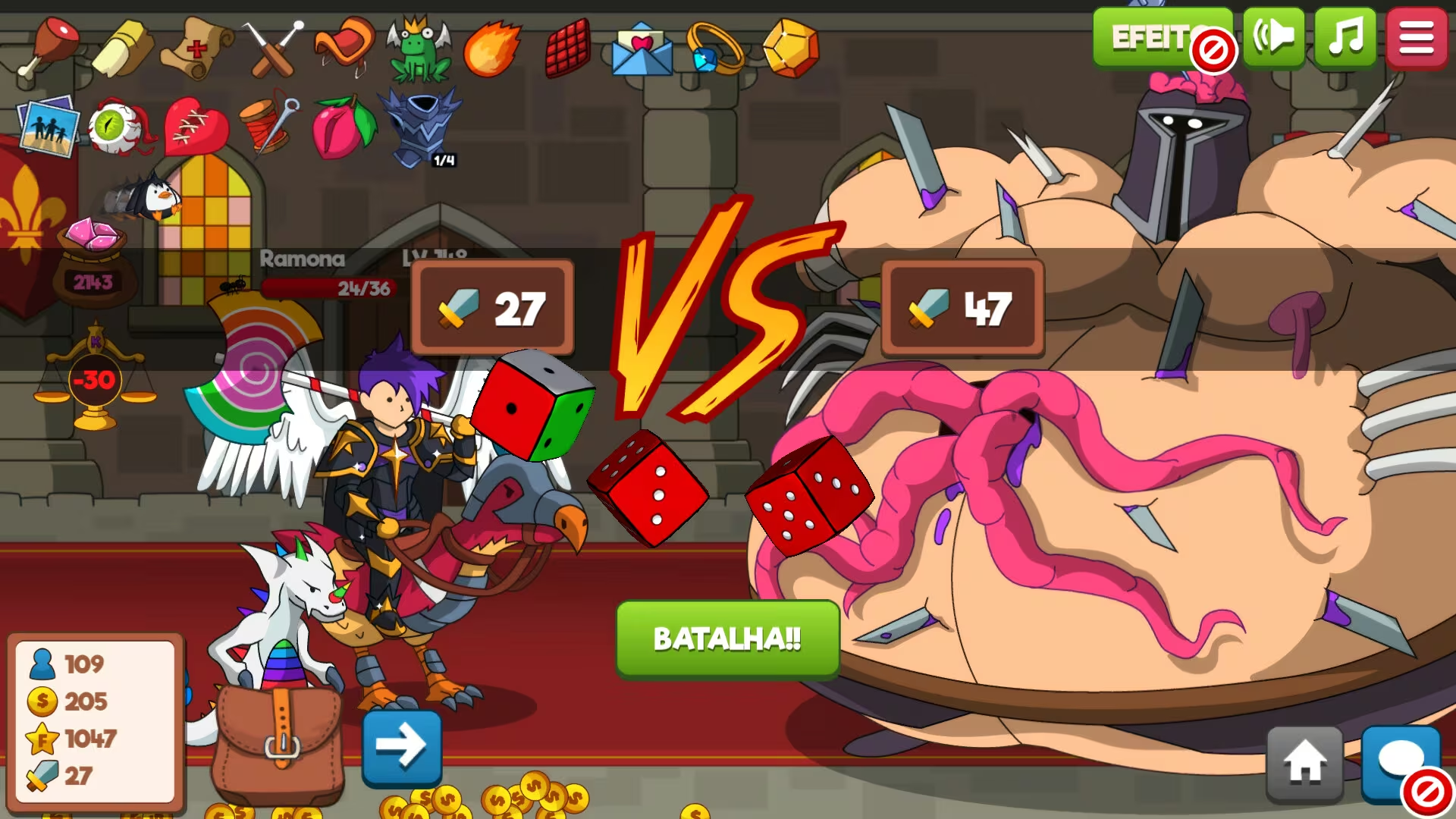
      "Combat is present but simple and dice-based; violence is mild and cartoonish."

    • Survival
      0

      "Some health and death mechanics exist but are forgiving; survival is not a strong focus."

    Last update: 29/04/2026