Deathbulge: Battle of the Bands Thumbnail

Deathbulge: Battle of the Bands similar games & best alternatives
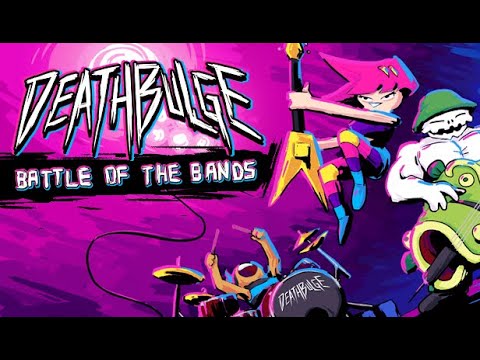
Deathbulge: Battle of the Bands

PC (Microsoft Windows), Mac, Linux • 2023

Related articles

Quick resume

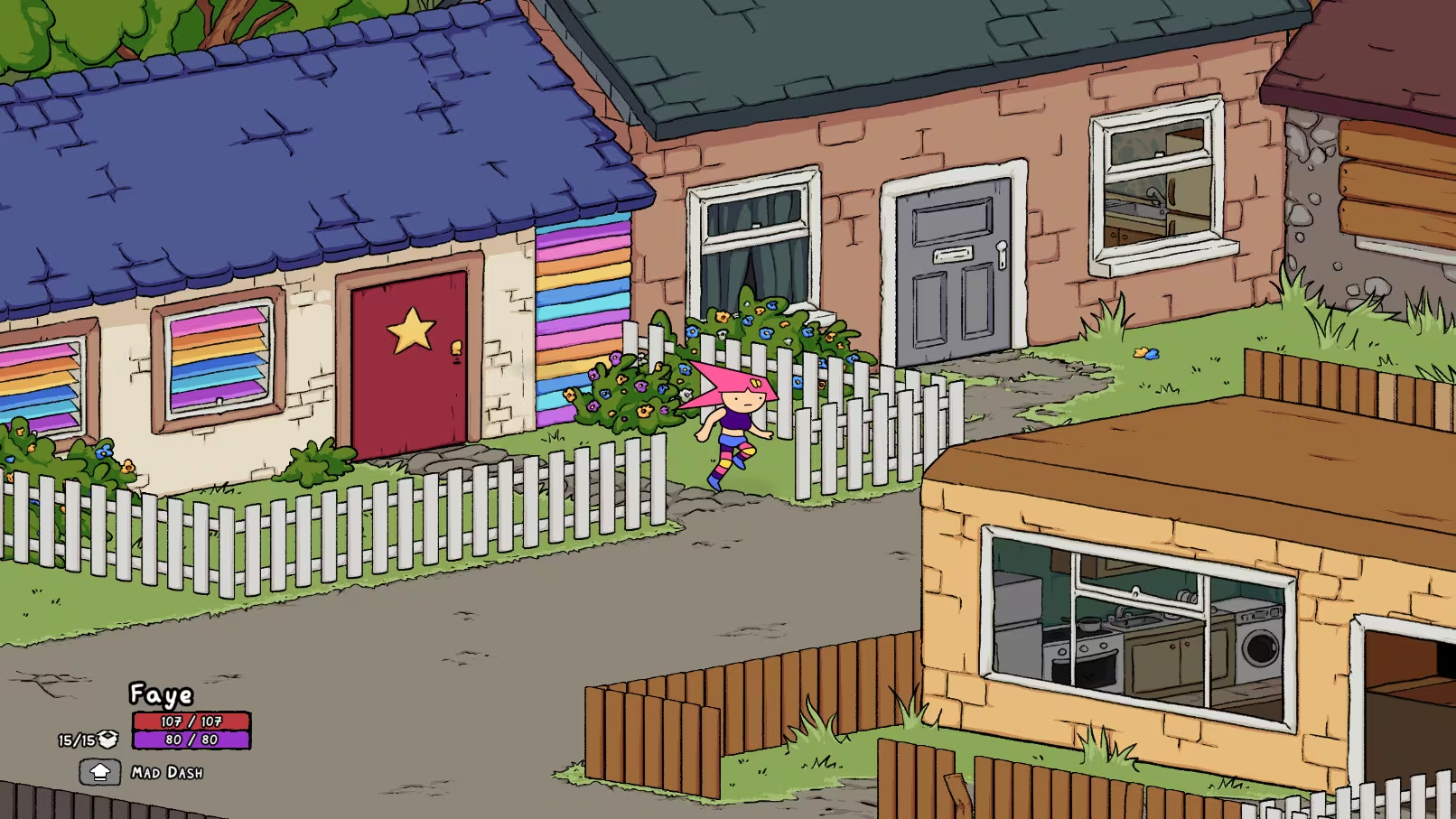
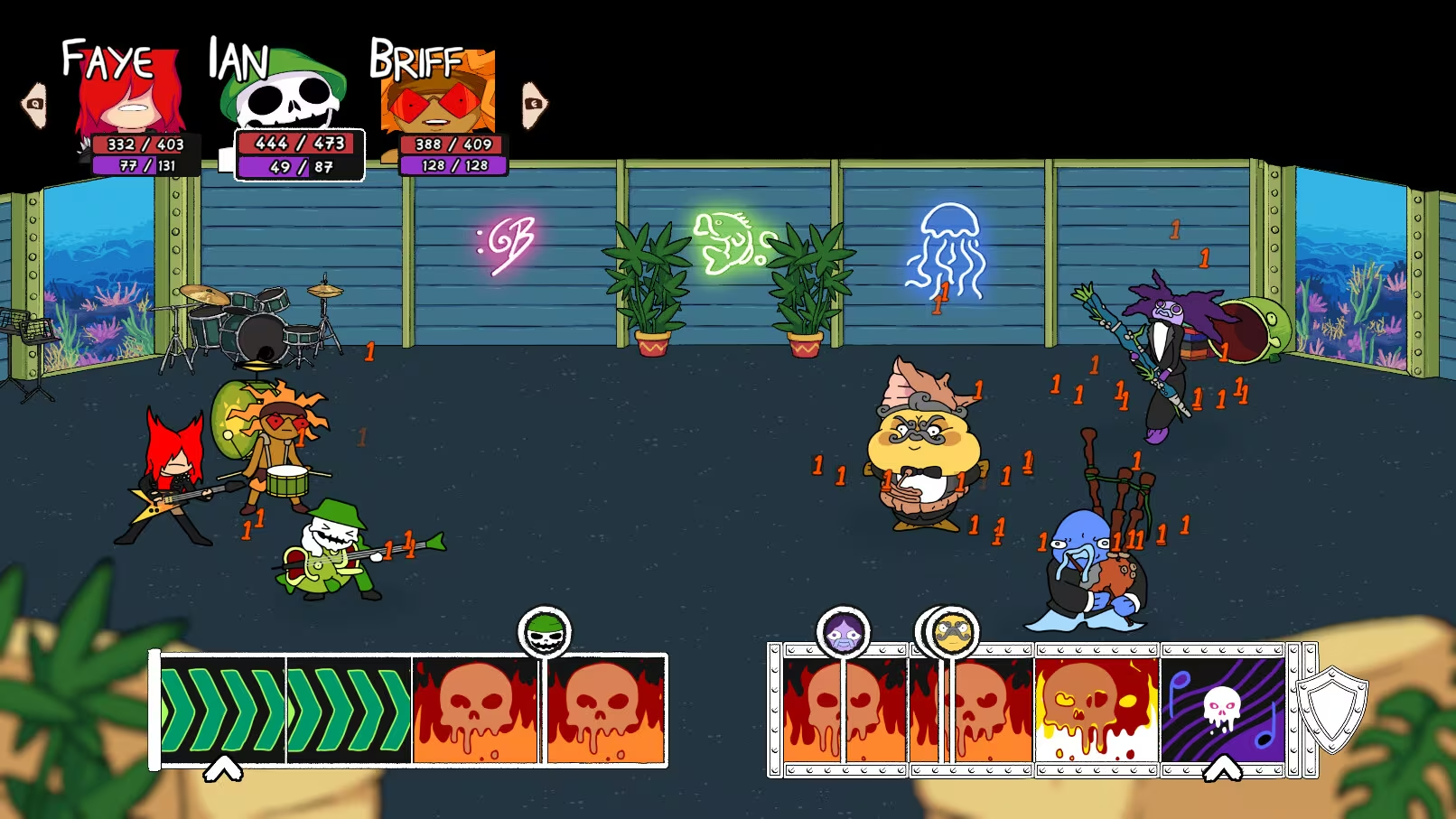
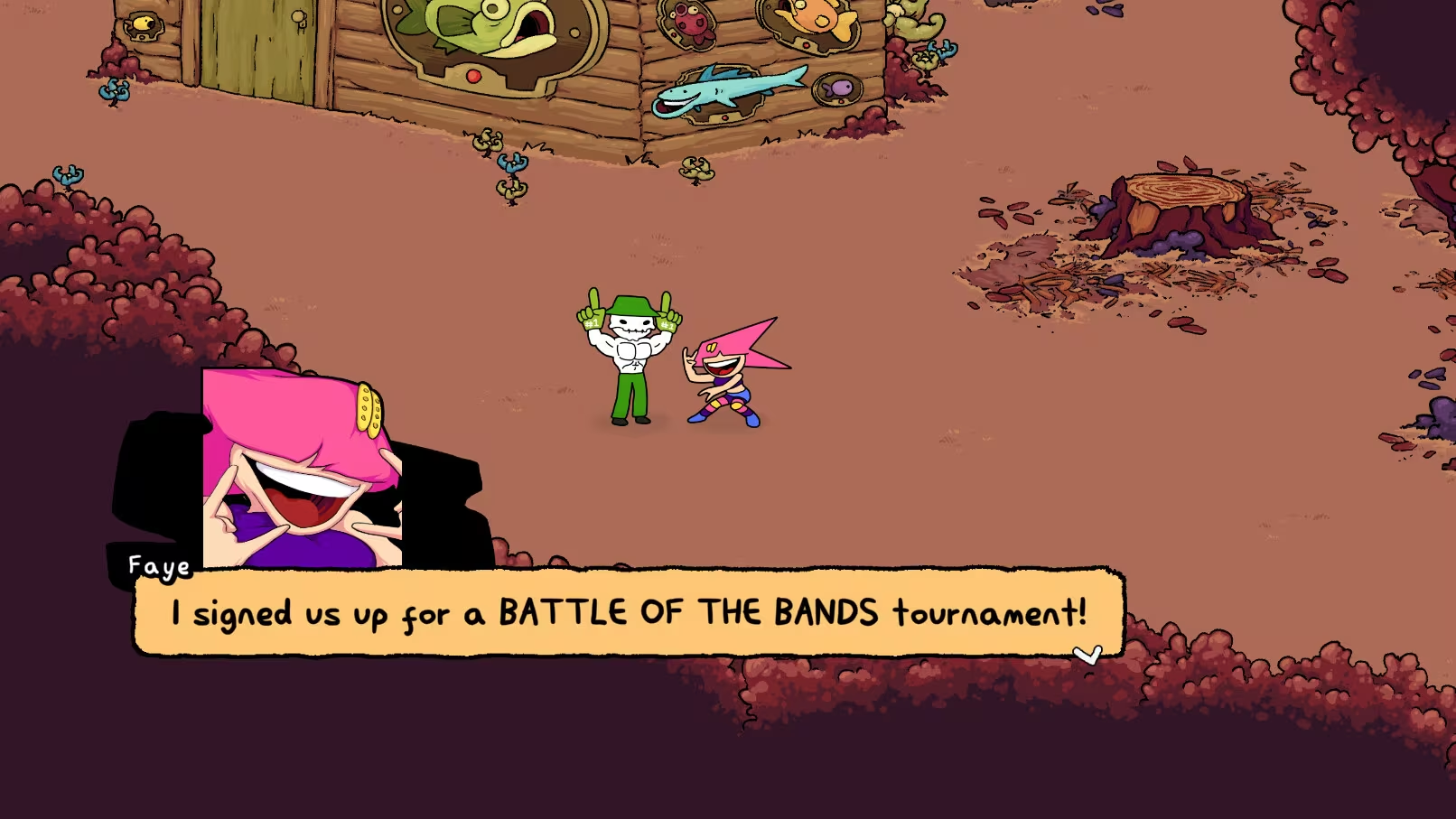
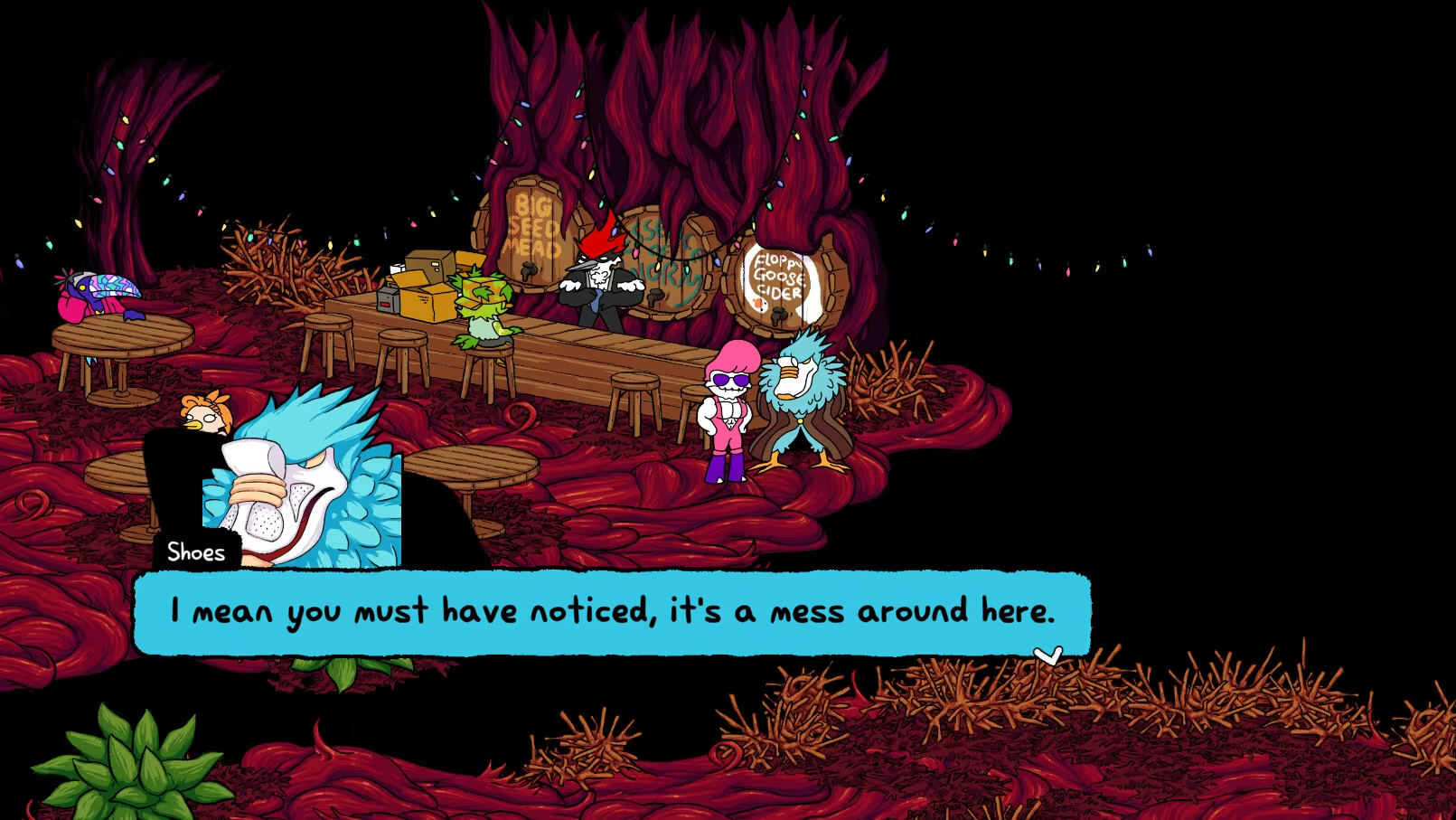
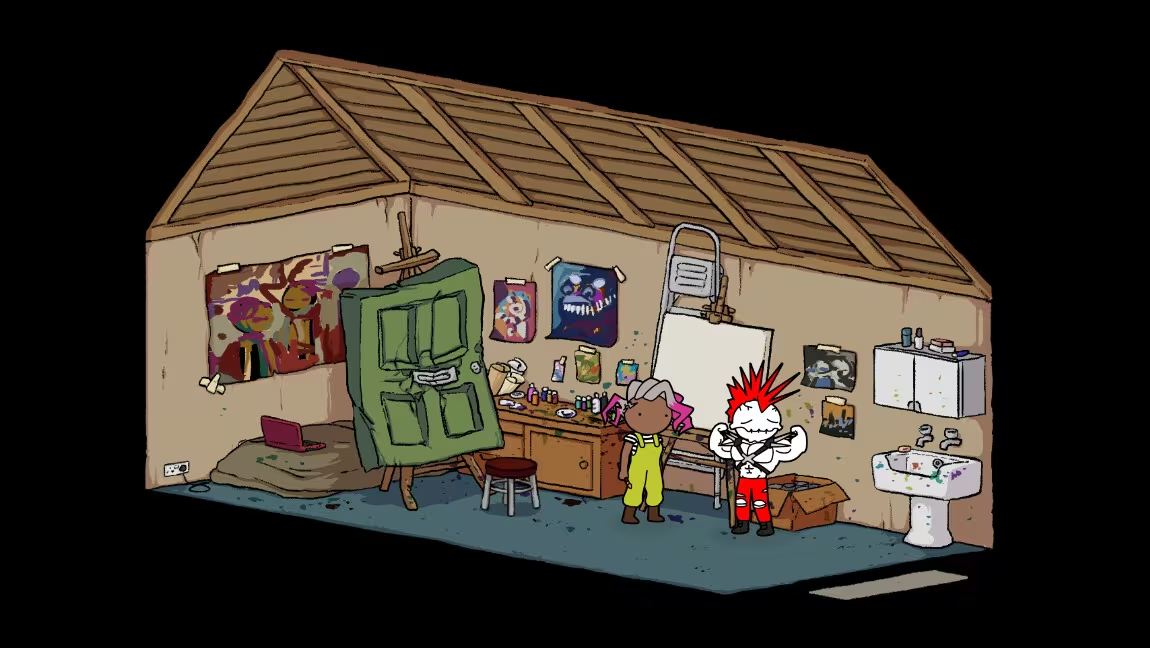
A party-based RPG about a 3-piece band of dysfunctional friends who, upon signing up to a perfectly normal battle of the bands contest, become cursed with an unusual power.

Global score

99/100

Genres

Indie, Role-playing (RPG), Adventure, Turn-based strategy (TBS)

Similar games

    Pros

    • Unique and engaging combat system
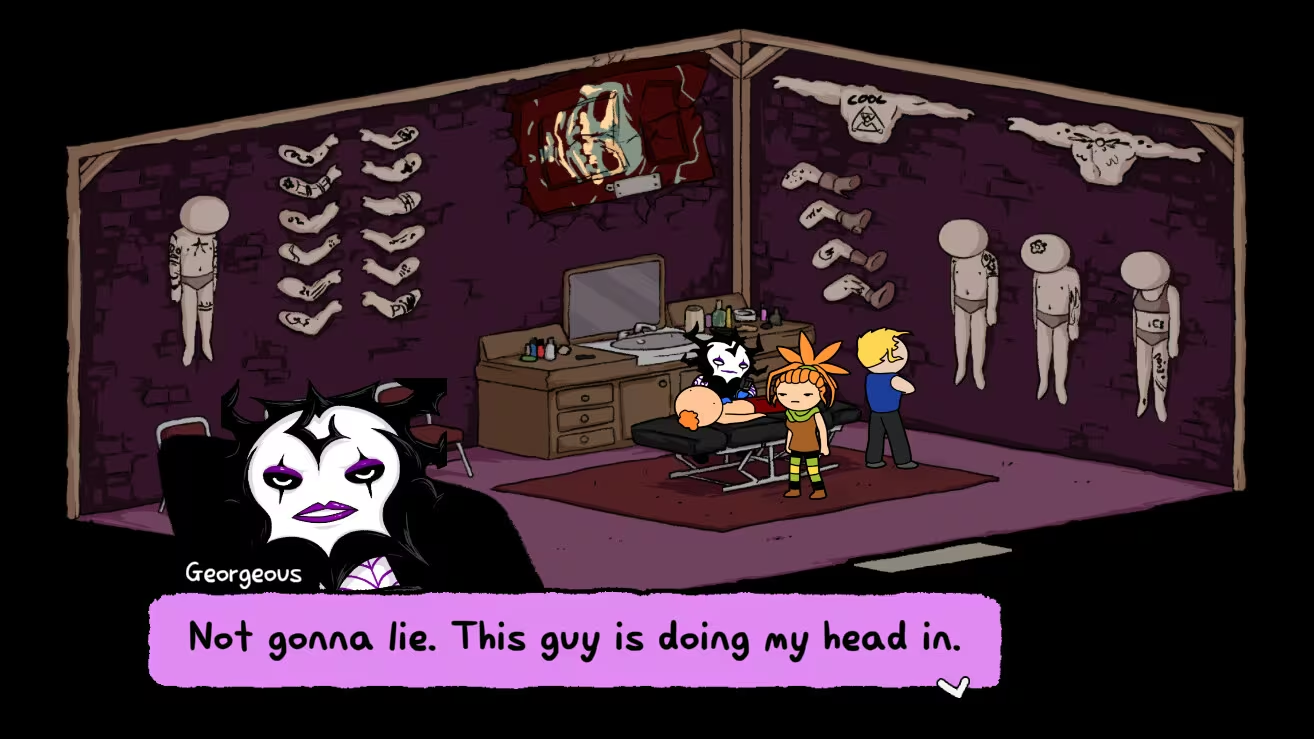
    • Humorous and well-written dialogue
    • Charming art style and animations
    • Excellent and catchy soundtrack
    • Deep character customization and exploration

    Cons

    • Some grinding and backtracking required
    • Combat can become repetitive late game
    • Shorter length compared to some rpgs
    • Minor control and ui quirks
    • Difficulty may be too easy for some players

    Analysis

    A very typical example of its motivational profile. Motivations that often define this kind of title include Leadership, Survival, Violence, Strategy. Here, the score leans higher than usual among comparable games on Relaxation, Sensation, Exploration.

    How to use the graph
    Similar games map

    Each dot is a game. They are arranged from the same motivation profile as in the “Motivations” section below. Closer dots usually mean more similar reasons to play (exploration, competition, relaxation, etc.)—not that one game is “better” than another.

    • Larger dot with a light outline: the game you are viewing.
    • Colour: groups of games with comparable motivation patterns (statistical clusters).
    • Hover a dot to see the game name; click to open its page.
    • Scroll or double-click the chart to zoom out and see more games.

    Why don’t the axes read like a score? This view uses t-SNE: it only keeps who is close to whom. The scales are not “good to bad” or hours played—they separate groups on the map. Read distance between dots, not the axis numbers.

    Motivations

    • Autonomy
      4

      "Players can freely customize characters' classes and skills, switch classes outside combat, and choose strategies in battles."

    • Competence
      4

      "Combat requires strategic thinking, managing buffs/debuffs, and experimenting with builds; boss fights test player skill."

    • Competition
      -3

      "Focus is on personal progression and exploration; no mention of ranked or PvP competition."

    • Continuation
      3

      "Players report long playtimes, replayability, and desire to continue playing for exploration and character builds."

    • Cooperation
      -4

      "Gameplay centers on a single-player party; no cooperative multiplayer or teamwork with other players."

    • Creativity
      4

      "High customization of characters, classes, and skills; exploration rewards creative experimentation."

    • Domination
      -4

      "Interactions emphasize humor and camaraderie rather than exerting control or superiority over others."

    • Escapism
      4

      "Players use the game for stress relief, immersion in a quirky world, and distraction from real-life concerns."

    • Expectation
      -4

      "Players engage voluntarily out of intrinsic interest and enjoyment; no obligation or external pressure noted."

    • Experimenting
      4

      "Players encouraged to try new builds, skills, and strategies; combat system rewards experimentation."

    • Exploration
      4

      "Exploration is rewarded with items, secrets, and story elements; players enjoy discovering hidden content."

    • Expression
      3

      "Character appearance changes with class; players customize skills and builds reflecting personal style."

    • Fantasy
      3

      "Game features imaginative fiction with quirky characters, supernatural elements, and absurd humor."

    • Fellowship
      -3

      "Primarily a single-player experience with limited social interaction beyond NPCs."

    • Growth
      4

      "Players develop skills, unlock abilities, and improve strategies throughout the game."

    • Health
      -4

      "Typical sedentary gameplay with no physical activity or health-related features."

    • Idle
      -3

      "Requires focused attention during combat and exploration; not designed for background play."

    • Intimacy
      -3

      "Social interactions are mostly humorous and surface-level with NPCs; no deep emotional connections."

    • Leadership
      2

      "Players manage a party of characters and make tactical decisions, but no leadership over other players."

    • Progression
      4

      "Players accumulate items, upgrades, and skills; character builds evolve over time."

    • Relaxation
      3

      "Game balances challenge and humor to create an enjoyable, engaging experience without excessive tension."

    • Sensation
      4

      "Strong sensory stimulation from music, visuals, and humorous writing; engaging and exciting."

    • Status
      -3

      "Focus is on personal enjoyment and story; no social status or leaderboard recognition."

    • Story
      4

      "Narrative immersion with quirky characters, ongoing plot, and engaging dialogue."

    • Strategy
      4

      "Combat and character customization require planning, problem solving, and tactical thinking."

    • Thrill
      2

      "Some suspense in boss fights and strategic combat, but overall lighthearted tone reduces tension."

    • Value
      4

      "Players report high enjoyment and content for price; considered a good investment of time and money."

    • Violence
      2

      "Combat involves fighting enemies with musical attacks; some violence but stylized and humorous."

    • Survival
      2

      "Players must avoid defeat in battles and manage resources; moderate challenge but not extreme survival focus."

    Last update: 29/04/2026