Dice People Thumbnail

Dice People similar games & best alternatives

Dice People

PC (Microsoft Windows), Nintendo Switch • 2025

Related articles

Quick resume

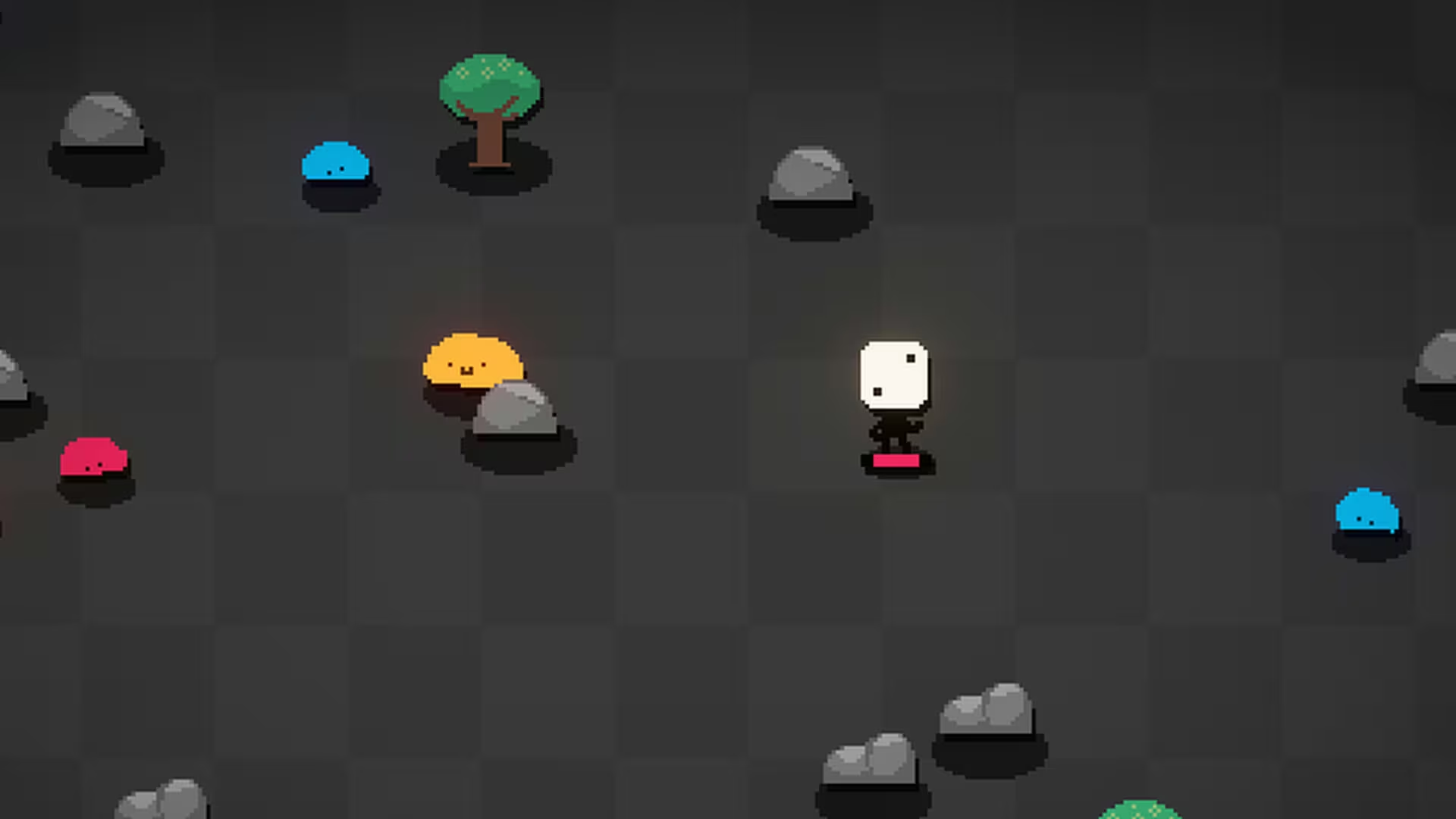
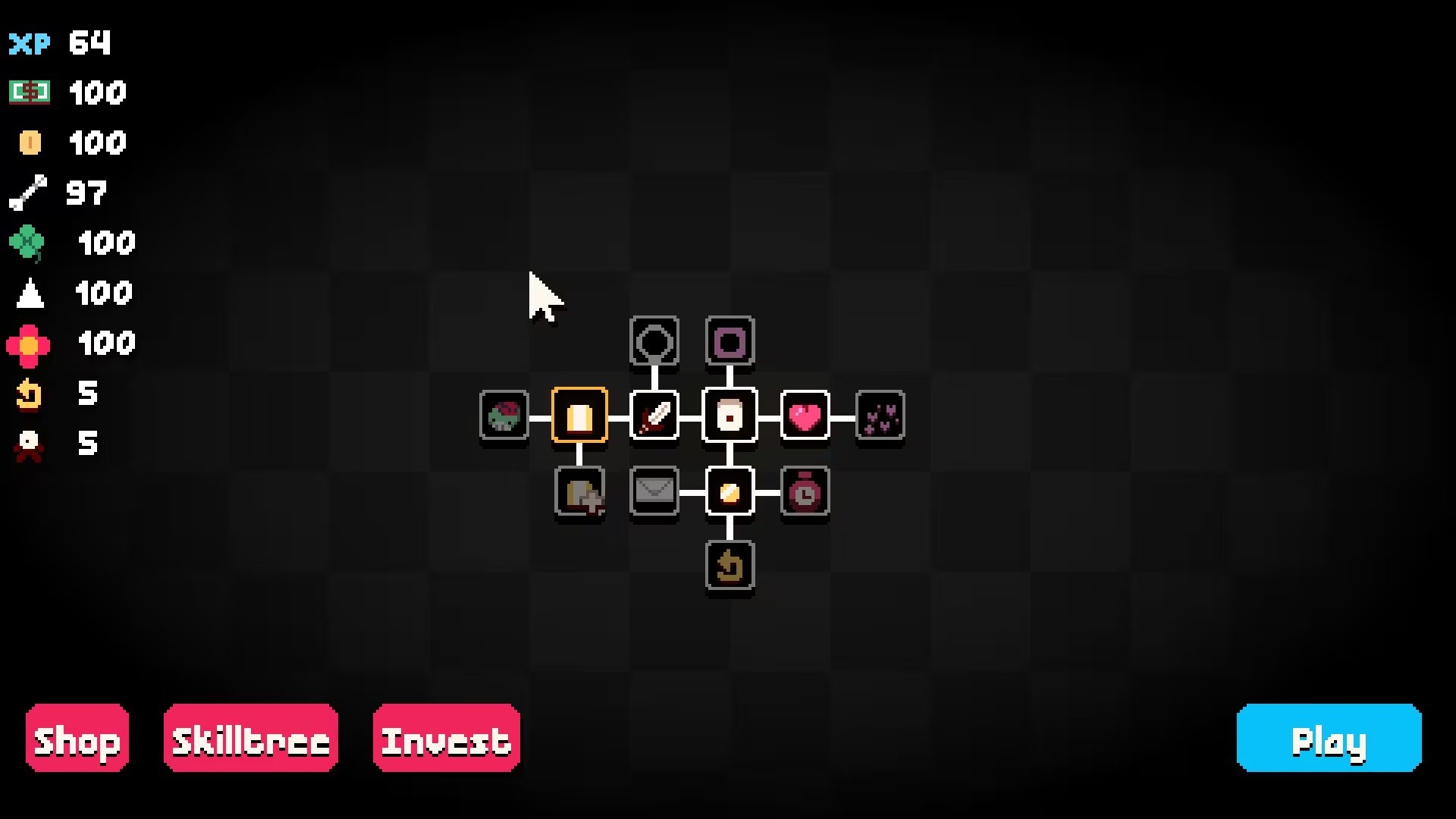
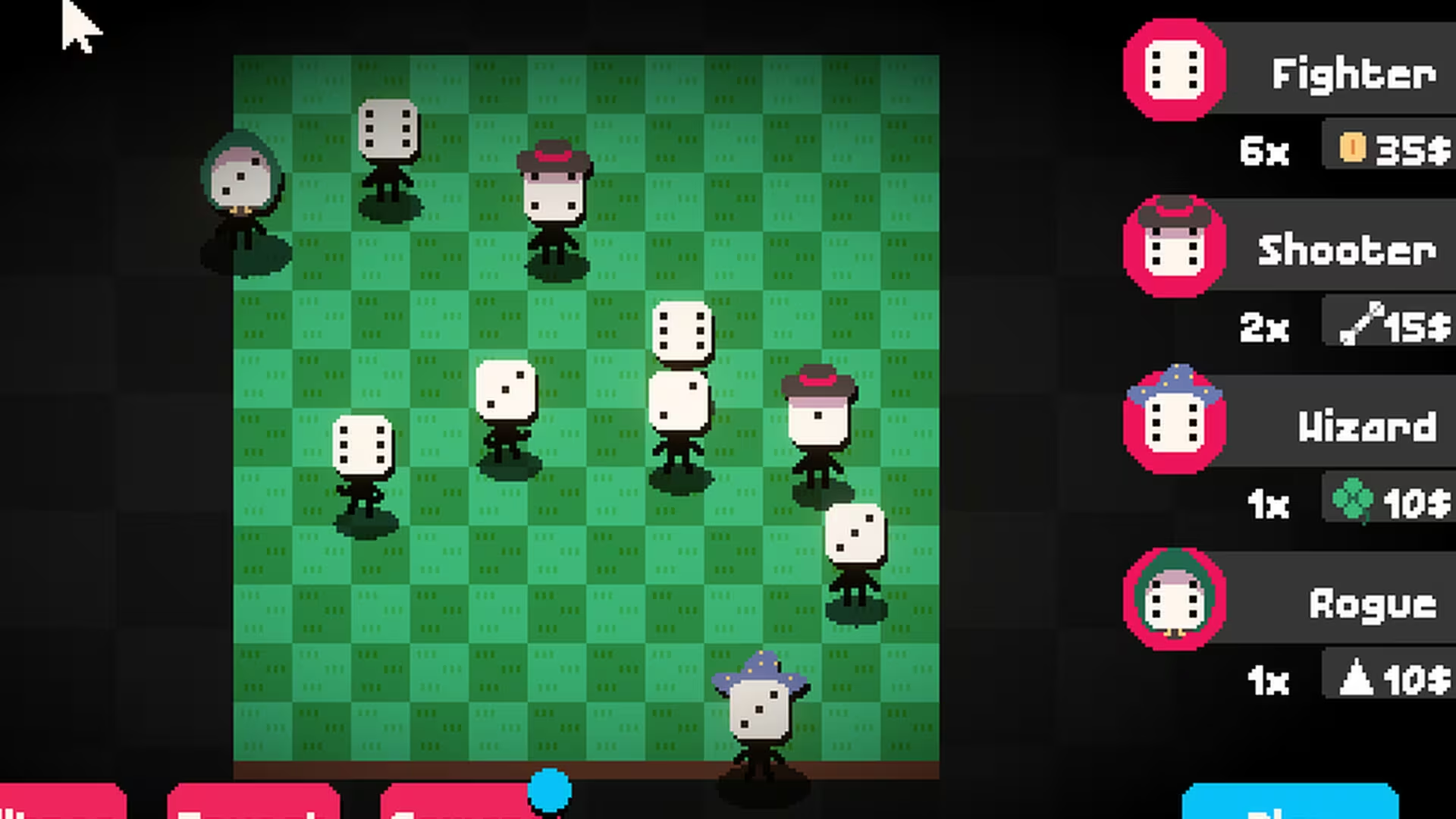
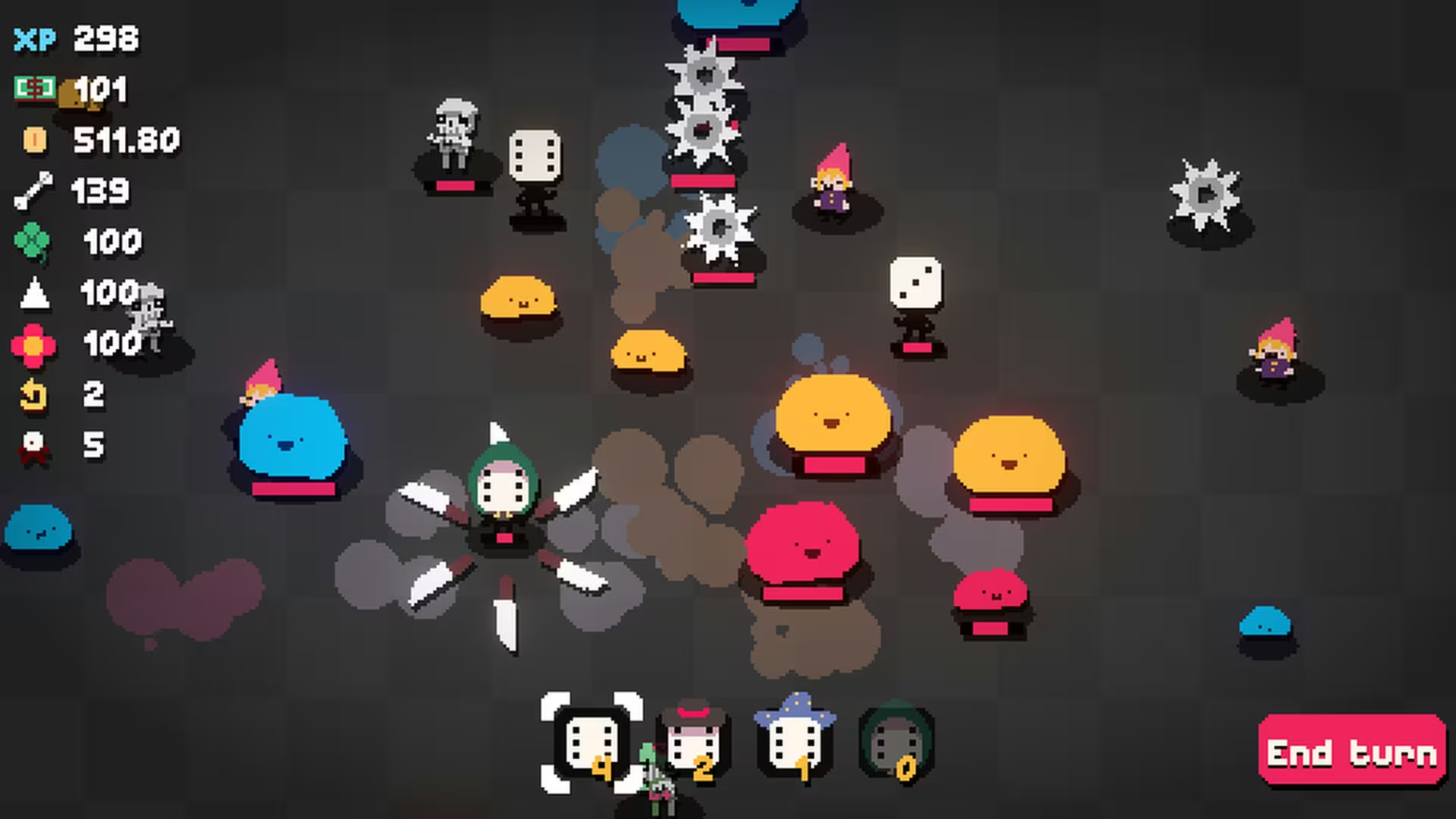
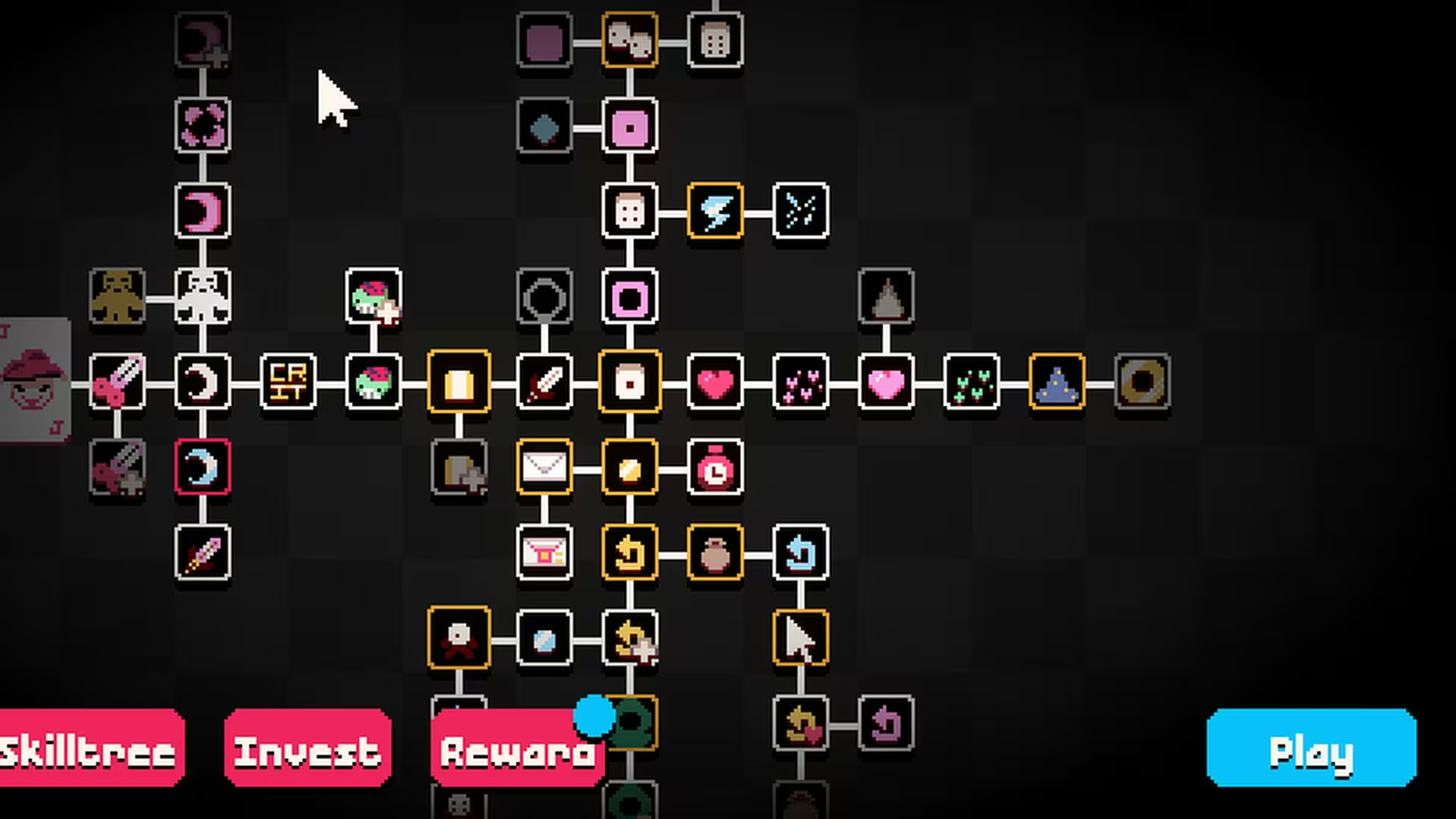
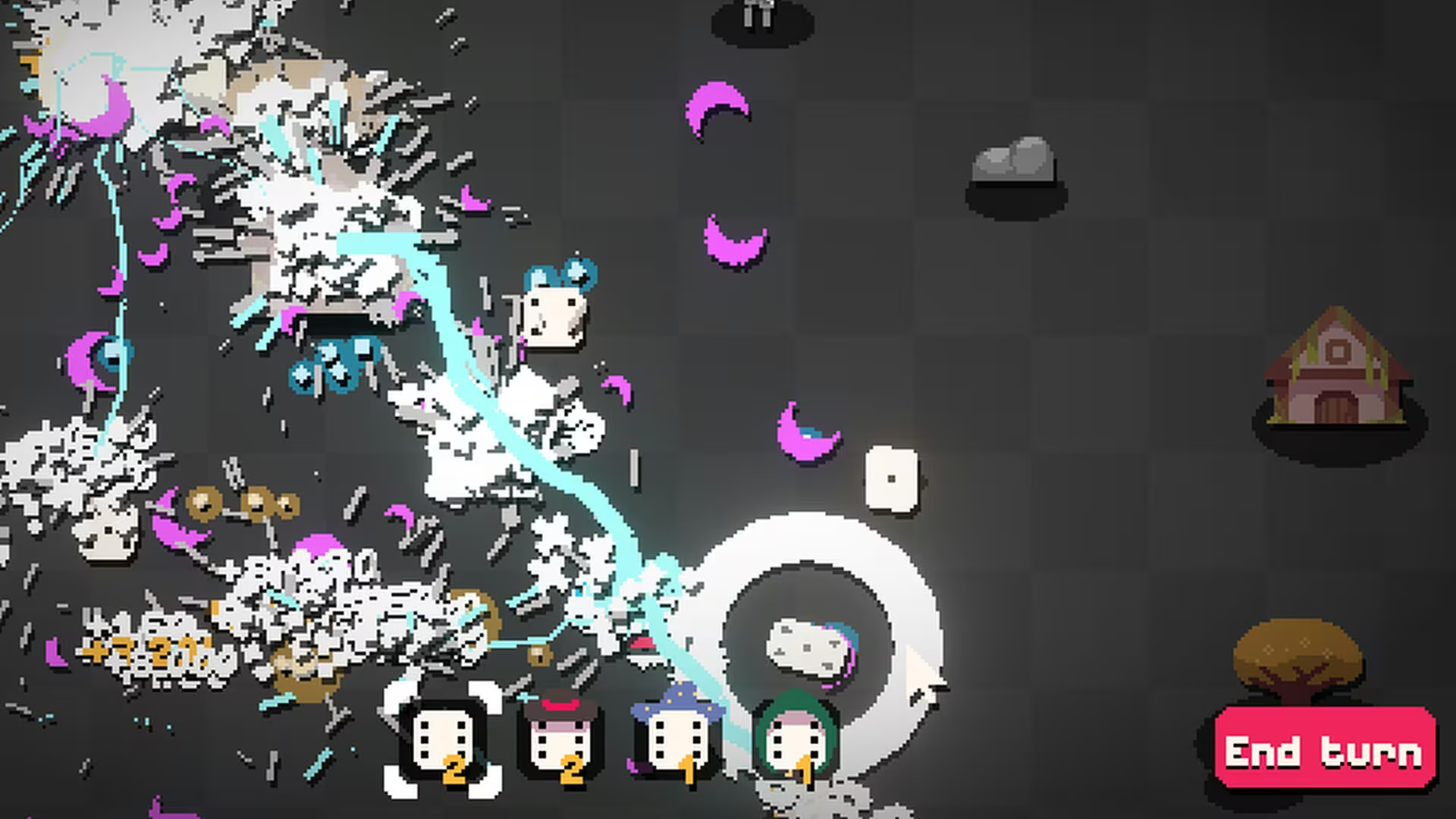
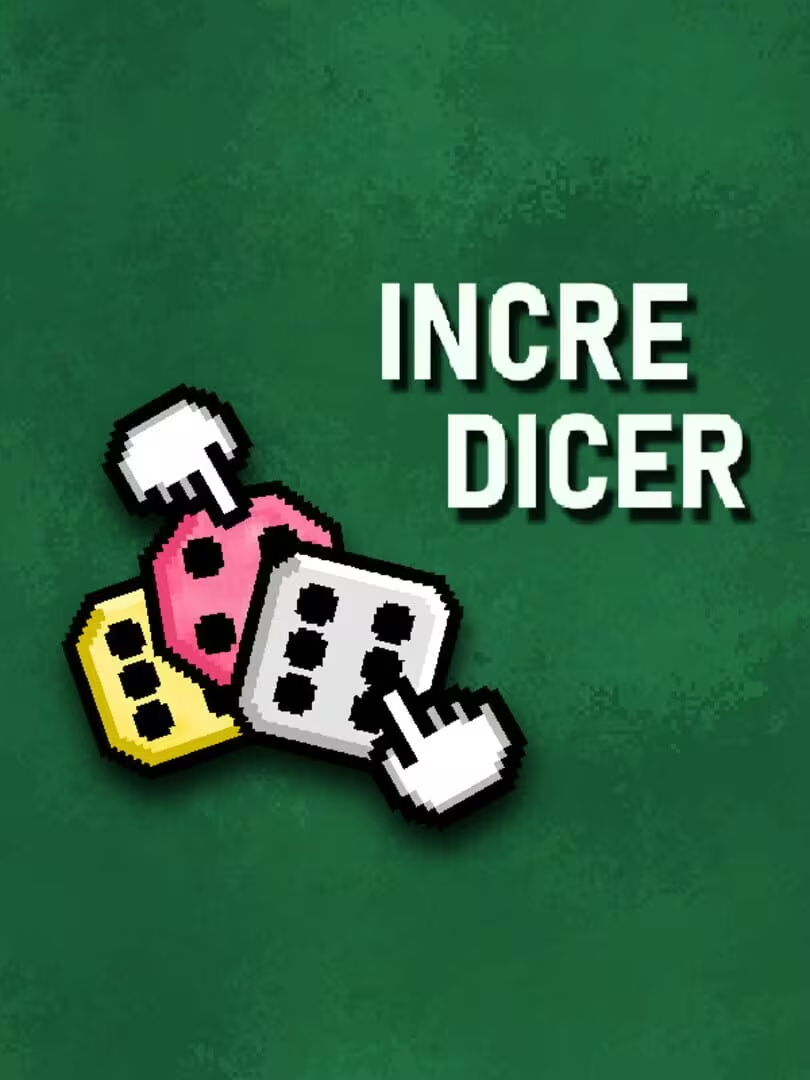
Dice People is an incremental game about rolling dice, creating a mass of units, smashing enemies, and gathering resources to get upgrades in a big skilltree.

Global score

92/100

Genres

Casual, Indie, Strategy, Arcade

Similar games

    Pros

    • Affordable price
    • Satisfying audiovisual feedback
    • Engaging progression and skill tree
    • Simple and accessible gameplay
    • Polished art style

    Cons

    • Very short playtime
    • Limited strategic depth
    • Repetitive gameplay loop
    • Lack of endgame or endless mode
    • Ui and quality-of-life issues

    Analysis

    Broadly representative of its motivational profile, with a few distinct shifts. Motivations that often define this kind of title include Strategy, Survival, Competence, Violence. Here, the score leans higher than usual among comparable games on Violence. It leans lower than usual among comparable games on Story, Intimacy.

    How to use the graph
    Similar games map

    Each dot is a game. They are arranged from the same motivation profile as in the “Motivations” section below. Closer dots usually mean more similar reasons to play (exploration, competition, relaxation, etc.)—not that one game is “better” than another.

    • Larger dot with a light outline: the game you are viewing.
    • Colour: groups of games with comparable motivation patterns (statistical clusters).
    • Hover a dot to see the game name; click to open its page.
    • Scroll or double-click the chart to zoom out and see more games.

    Why don’t the axes read like a score? This view uses t-SNE: it only keeps who is close to whom. The scales are not “good to bad” or hours played—they separate groups on the map. Read distance between dots, not the axis numbers.

    Motivations

    • Autonomy
      3

      "Players can choose where to place dice units and select upgrades, but combat is mostly automated with limited strategic depth."

    • Competence
      -1

      "Early gameplay requires some understanding, but overall skill expression is minimal and strategy is limited; progression relies heavily on upgrades and luck."

    • Competition
      -5

      "No evidence of player comparison or competitive modes; focus is on personal progression and self-paced play."

    • Continuation
      -3

      "Game is short (1.5-3 hours) with limited replay value and no endless mode; players often complete it in one session and then disengage."

    • Cooperation
      -5

      "No multiplayer or cooperative elements; gameplay is entirely single-player and independent."

    • Creativity
      2

      "Players can experiment with upgrade paths and dice placement, but options are limited and gameplay often reduces to spamming units."

    • Domination
      -5

      "No social dominance or power over others; interactions are individual and non-competitive."

    • Escapism
      3

      "Players use the game as a casual distraction and stress relief, enjoying simple, mindless gameplay."

    • Expectation
      -4

      "Players engage voluntarily for fun and relaxation without external pressure or obligation."

    • Experimenting
      2

      "Some experimentation with upgrade paths and dice placement occurs, but the game quickly settles into repetitive routines."

    • Exploration
      -3

      "Limited exploration; game consists of known stages and skill tree with no new areas or secrets to discover."

    • Expression
      -4

      "Minimal customization or self-expression; dice and environments have fixed appearances with no cosmetic options."

    • Fantasy
      1

      "Light fantasy elements with dice characters and enemies, but overall simple and abstract rather than immersive fiction."

    • Fellowship
      -5

      "No community or social features; purely solo experience."

    • Growth
      4

      "Strong focus on progression through skill tree upgrades and resource accumulation; players experience clear growth."

    • Health
      -5

      "Sedentary gameplay with no physical activity or health-related features."

    • Idle
      1

      "Gameplay involves some waiting and automated combat, but requires active clicking and decision-making between rounds."

    • Intimacy
      -5

      "No social or emotional connections formed; interactions are minimal and surface-level."

    • Leadership
      -5

      "No leadership or group management roles; player controls only their own actions."

    • Progression
      5

      "Core gameplay revolves around accumulating upgrades, resources, and unlocking skill tree branches."

    • Relaxation
      3

      "Generally relaxing and satisfying gameplay loop with pleasing sounds and visuals, though some find it repetitive."

    • Sensation
      3

      "Enjoyable audiovisual feedback with satisfying sounds and colorful effects, though sometimes overwhelming."

    • Status
      -5

      "No social recognition or status systems present."

    • Story
      -4

      "No narrative or plot; gameplay is context-free and focused on mechanics."

    • Strategy
      -2

      "Limited strategic depth; optimal play often reduces to spamming units and upgrades with minimal tactical decisions."

    • Thrill
      -3

      "Low suspense or risk; gameplay is predictable and lacks tension."

    • Value
      4

      "Players generally find good value for the low price, enjoying a few hours of entertainment."

    • Violence
      2

      "Combat involves dice units attacking enemies, but violence is cartoonish and non-gratuitous."

    • Survival
      -3

      "No significant threat or survival challenge; gameplay is stable and low-risk."

    Last update: 29/04/2026