Driftland: The Magic Revival Thumbnail

Driftland: The Magic Revival similar games & best alternatives

Driftland: The Magic Revival

PC (Microsoft Windows), Mac • 2019

Related articles

Quick resume

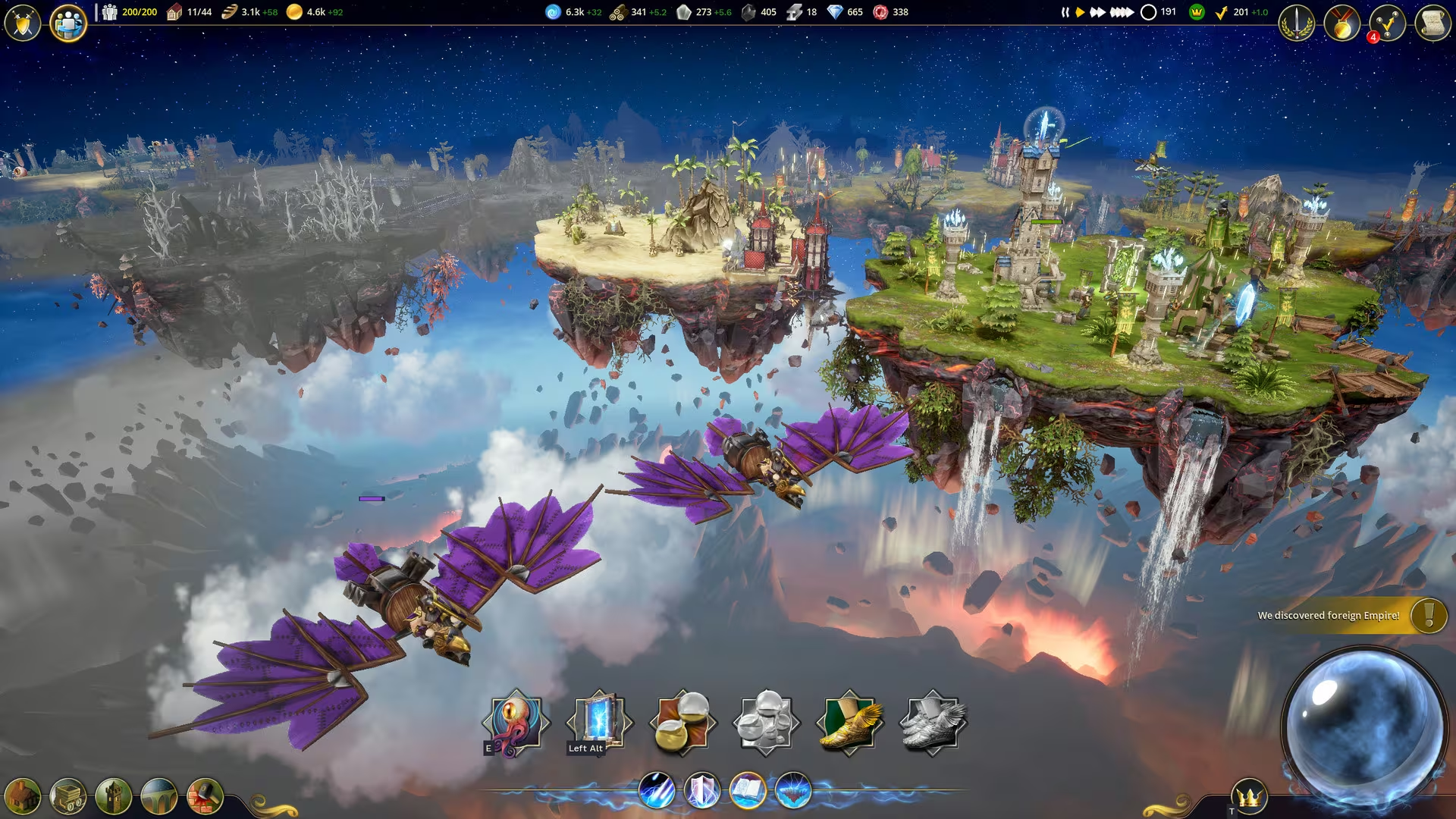
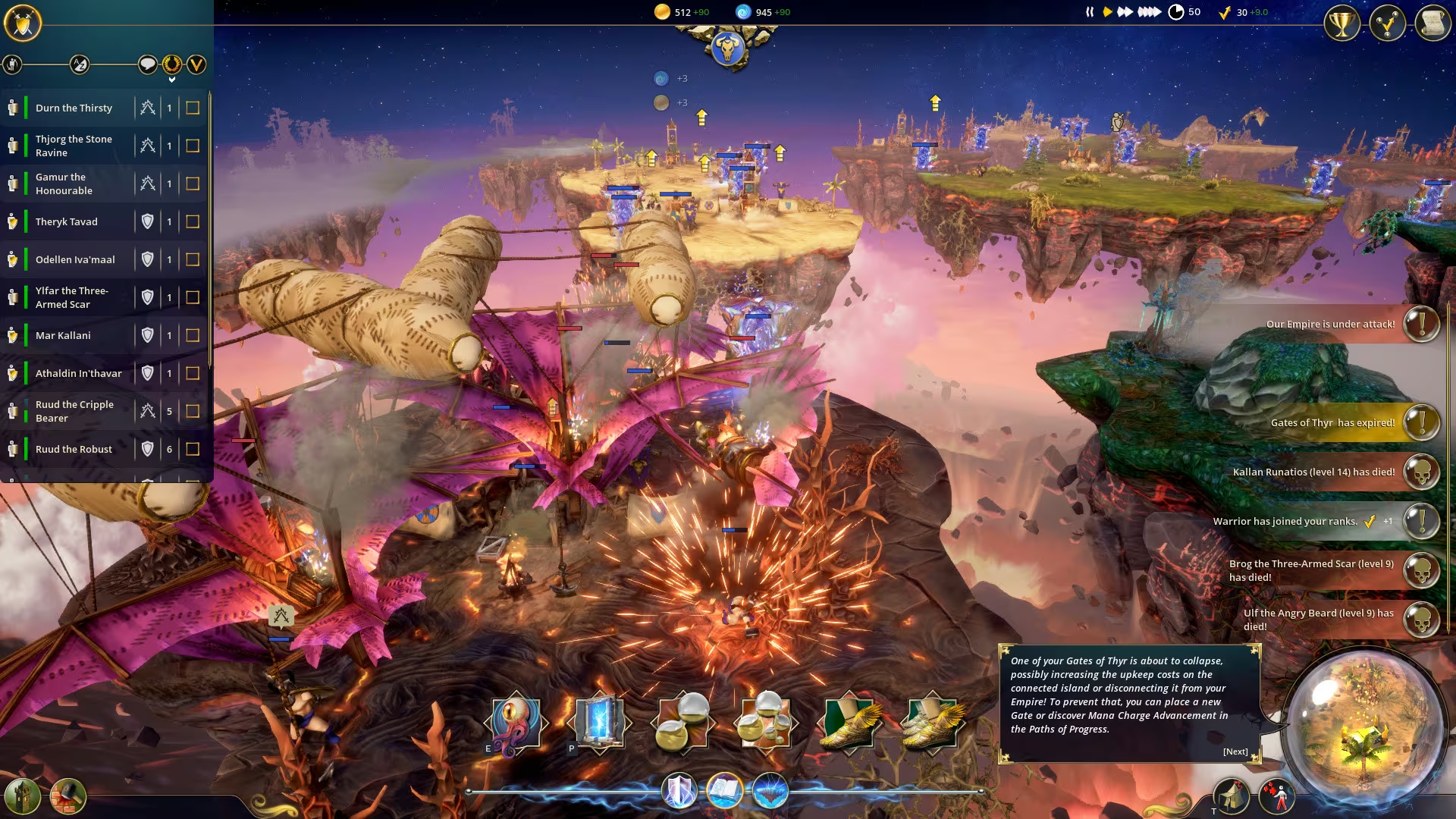
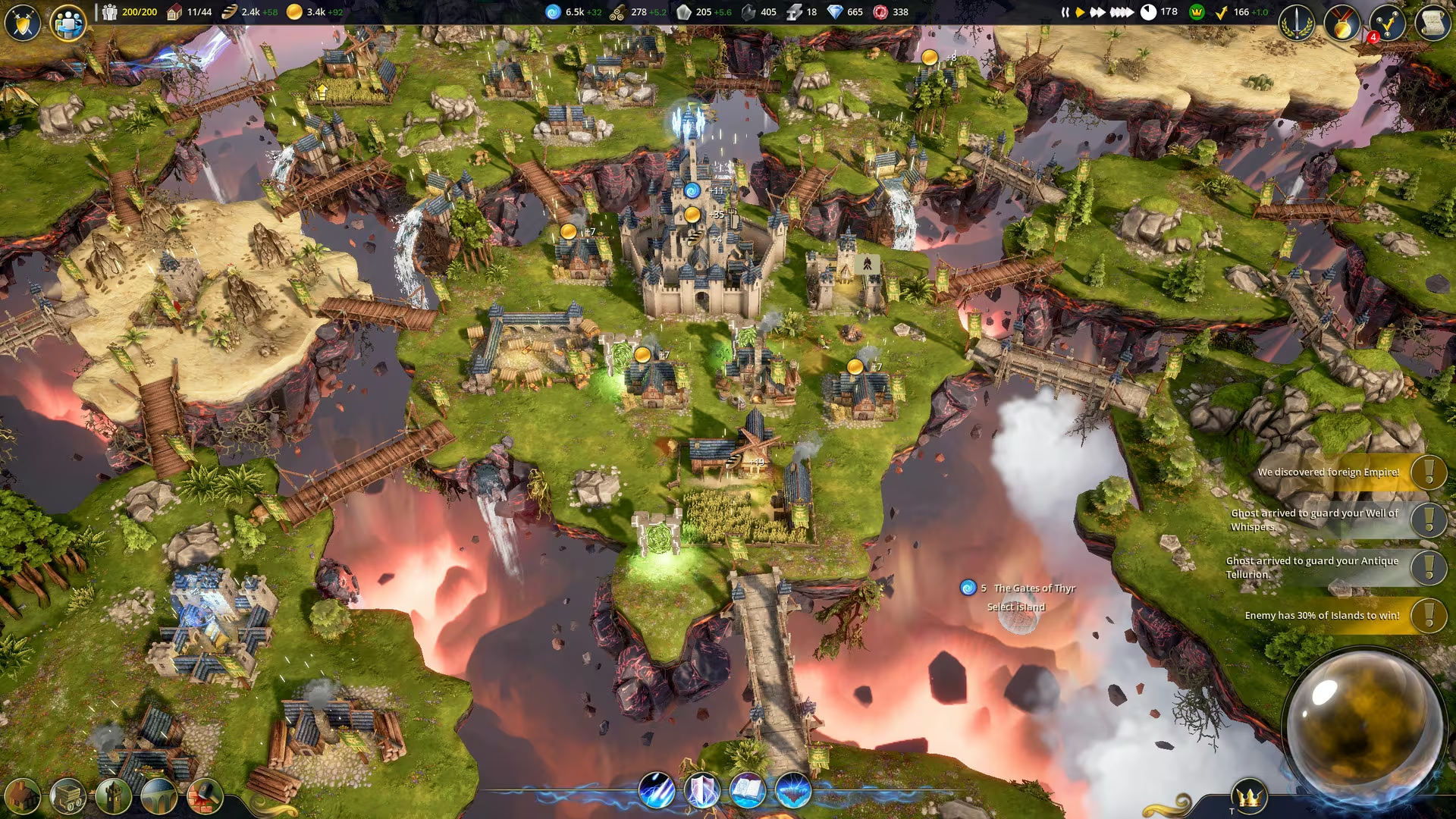
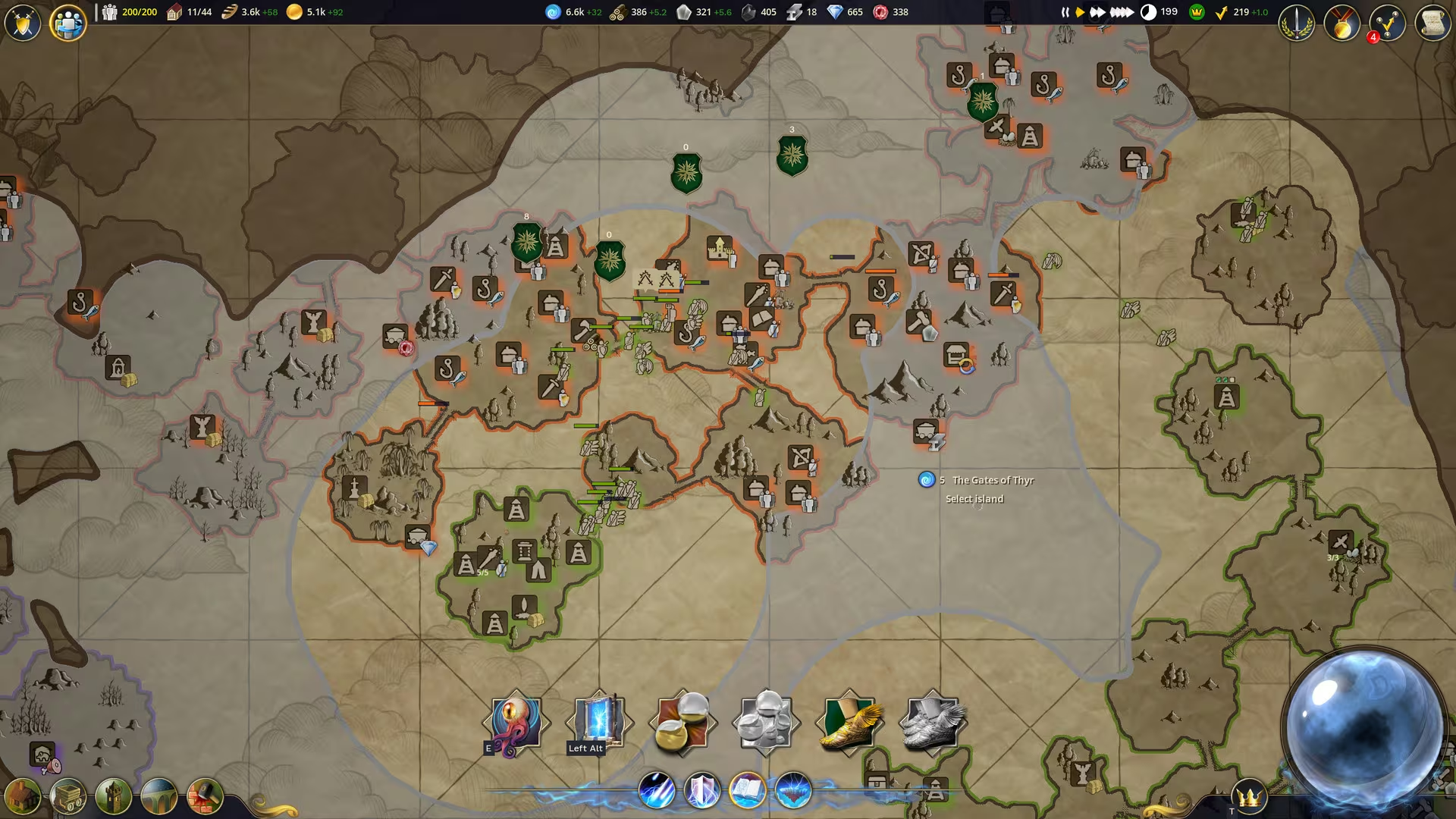
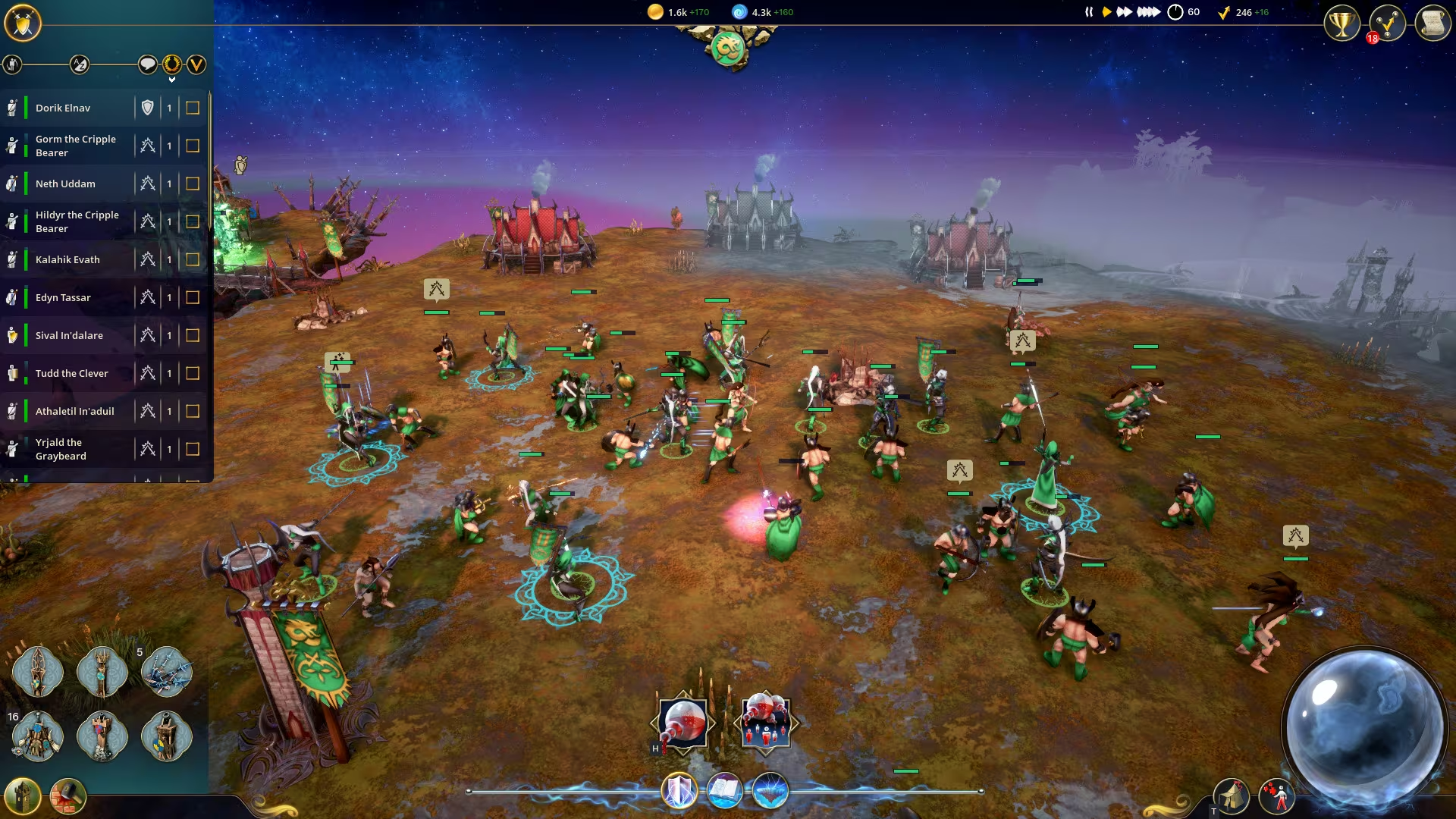
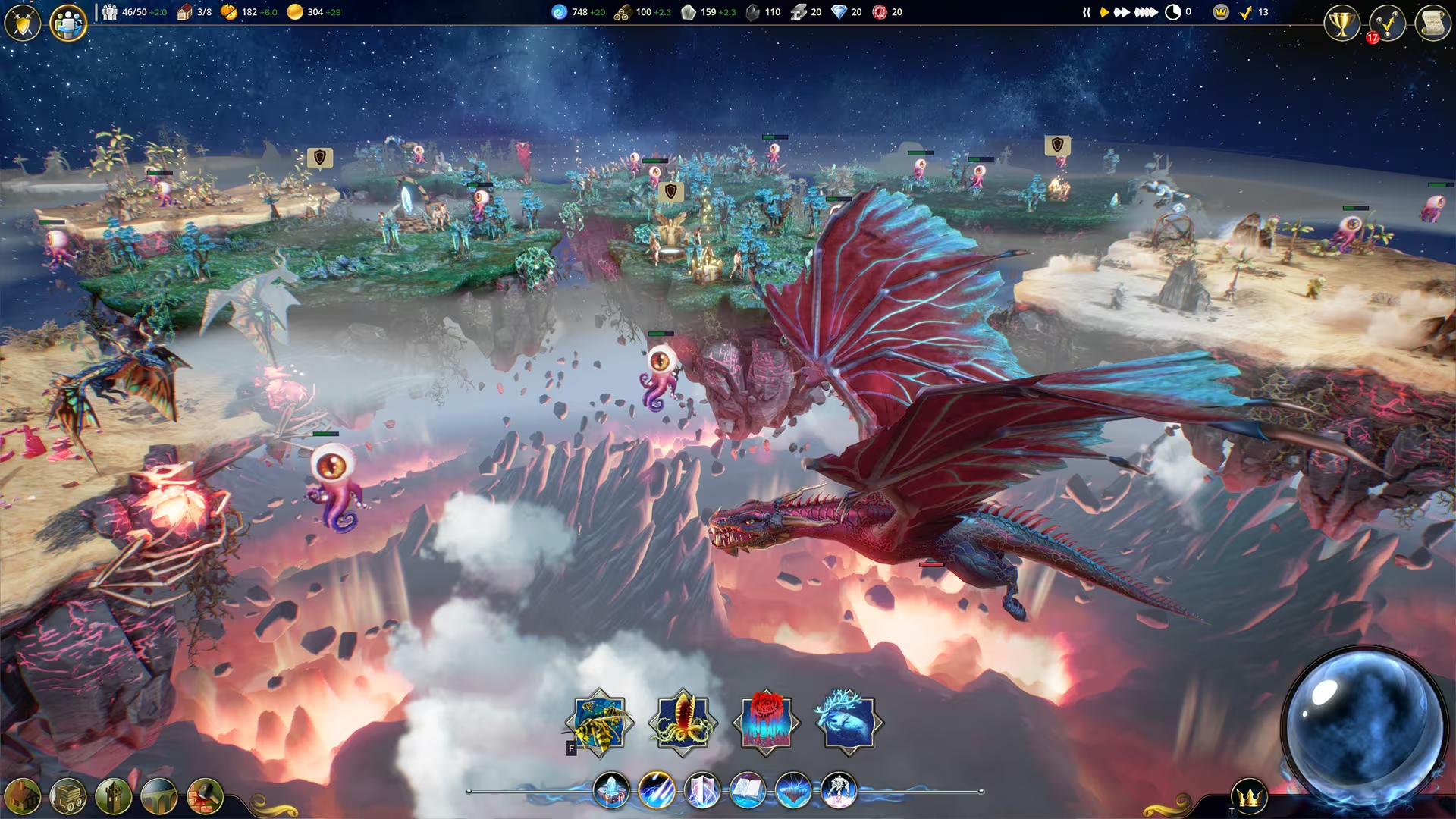
After a devastating war between ancient mages, a powerful spell is all that holds together the shattered planet of Driftland. Take on the role of a powerful mage capable of moving and connecting floating lands, develop a mighty empire, and restore Driftland to its former glory!

Global score

72/100

Genres

Indie, Role-playing (RPG), Simulator, Strategy, Real Time Strategy (RTS)

Similar games

    Pros

    • Unique floating island mechanics
    • Relaxing slow-paced gameplay
    • Indirect unit control system
    • Engaging resource and economy management
    • Beautiful graphics and soundtrack

    Cons

    • Limited multiplayer and community
    • Ai difficulty and behavior issues
    • Minimal narrative and campaign depth
    • Some repetitiveness in late game
    • Lack of unit variety and direct control

    Analysis

    Broadly representative of its motivational profile, with a few distinct shifts. Motivations that often define this kind of title include Leadership, Survival, Violence, Strategy. Here, the score leans higher than usual among comparable games on Competition, Fantasy. It leans lower than usual among comparable games on Thrill.

    How to use the graph
    Similar games map

    Each dot is a game. They are arranged from the same motivation profile as in the “Motivations” section below. Closer dots usually mean more similar reasons to play (exploration, competition, relaxation, etc.)—not that one game is “better” than another.

    • Larger dot with a light outline: the game you are viewing.
    • Colour: groups of games with comparable motivation patterns (statistical clusters).
    • Hover a dot to see the game name; click to open its page.
    • Scroll or double-click the chart to zoom out and see more games.

    Why don’t the axes read like a score? This view uses t-SNE: it only keeps who is close to whom. The scales are not “good to bad” or hours played—they separate groups on the map. Read distance between dots, not the axis numbers.

    Motivations

    • Autonomy
      4

      "Players indirectly control units via flags and bounties, allowing freedom in strategic decisions but limited direct control."

    • Competence
      3

      "Game involves managing economy, resources, and strategic island positioning with some skill in balancing and planning."

    • Competition
      2

      "Includes skirmish and multiplayer modes with AI and player opponents, but AI is often easy and multiplayer is limited."

    • Continuation
      3

      "Players report many hours of engagement and enjoyment, though some find late game repetitive or slow."

    • Cooperation
      -3

      "Focus is on individual empire building and strategy; limited evidence of cooperative multiplayer or teamwork."

    • Creativity
      4

      "Unique mechanics like moving and connecting floating islands, terraforming, and customizing island layouts."

    • Domination
      -2

      "Interactions appear balanced with no strong evidence of trash talk or power imposition; gameplay is strategic."

    • Escapism
      3

      "Players enjoy immersive fantasy world and relaxing pace, providing a pleasant escape from real life."

    • Expectation
      -4

      "Players engage voluntarily out of interest and nostalgia for similar games like Majesty."

    • Experimenting
      3

      "Players explore different island arrangements, resource management strategies, and unit compositions."

    • Exploration
      4

      "Exploration of floating islands and discovery of resources and enemy positions is a core gameplay element."

    • Expression
      2

      "Some customization in island layout and unit upgrades, but limited avatar or cosmetic personalization."

    • Fantasy
      5

      "Strong fantasy setting with magic, flying mounts, spells, and floating islands."

    • Fellowship
      -3

      "Primarily single player or AI skirmish focus; multiplayer is limited and community small."

    • Growth
      3

      "Players learn resource management, strategic planning, and unit progression through gameplay."

    • Health
      -5

      "Typical sedentary computer gameplay with no physical activity elements."

    • Idle
      -3

      "Requires active attention to resource and unit management; slow pacing but not idle or background play."

    • Intimacy
      -4

      "Limited social interaction; multiplayer and community aspects are minimal."

    • Leadership
      3

      "Players lead their empire and manage strategic decisions, though unit control is indirect."

    • Progression
      4

      "Players accumulate resources, upgrades, and units to expand their empire and power."

    • Relaxation
      3

      "Slow pacing and ability to pause create a relaxing and contemplative gameplay experience."

    • Sensation
      3

      "Enjoyable visual effects, colorful magic spells, and pleasant soundtrack provide sensory engagement."

    • Status
      -2

      "Limited multiplayer and social recognition; achievements exist but community is small."

    • Story
      1

      "Campaign provides some narrative but is minimal and not deeply immersive."

    • Strategy
      4

      "Strong emphasis on strategic planning, resource management, and tactical island positioning."

    • Thrill
      -1

      "Pacing is slow and contemplative; some tension in combat but overall controlled experience."

    • Value
      3

      "Players feel the game offers good value for price, especially with frequent updates and content."

    • Violence
      2

      "Combat and destruction exist but are not the sole focus; strategy and economy are emphasized."

    • Survival
      2

      "Players manage threats and defend territory but game is not focused on high-risk survival."

    Last update: 29/04/2026