ZEPHON Thumbnail

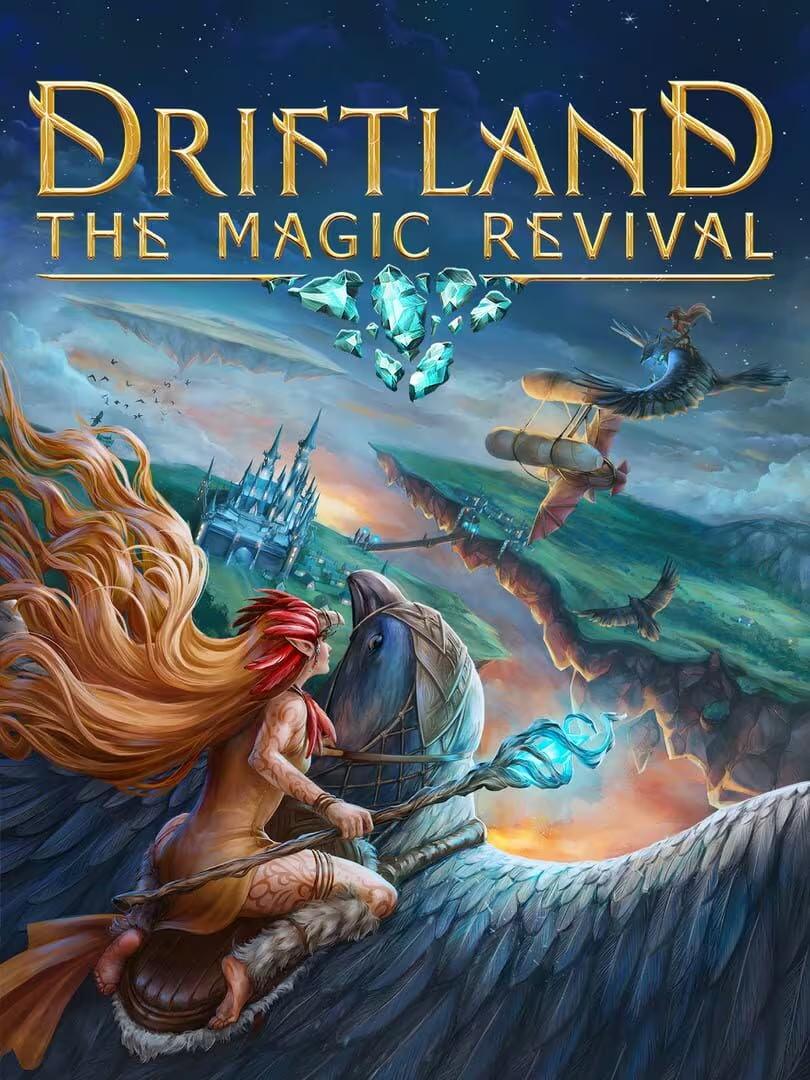
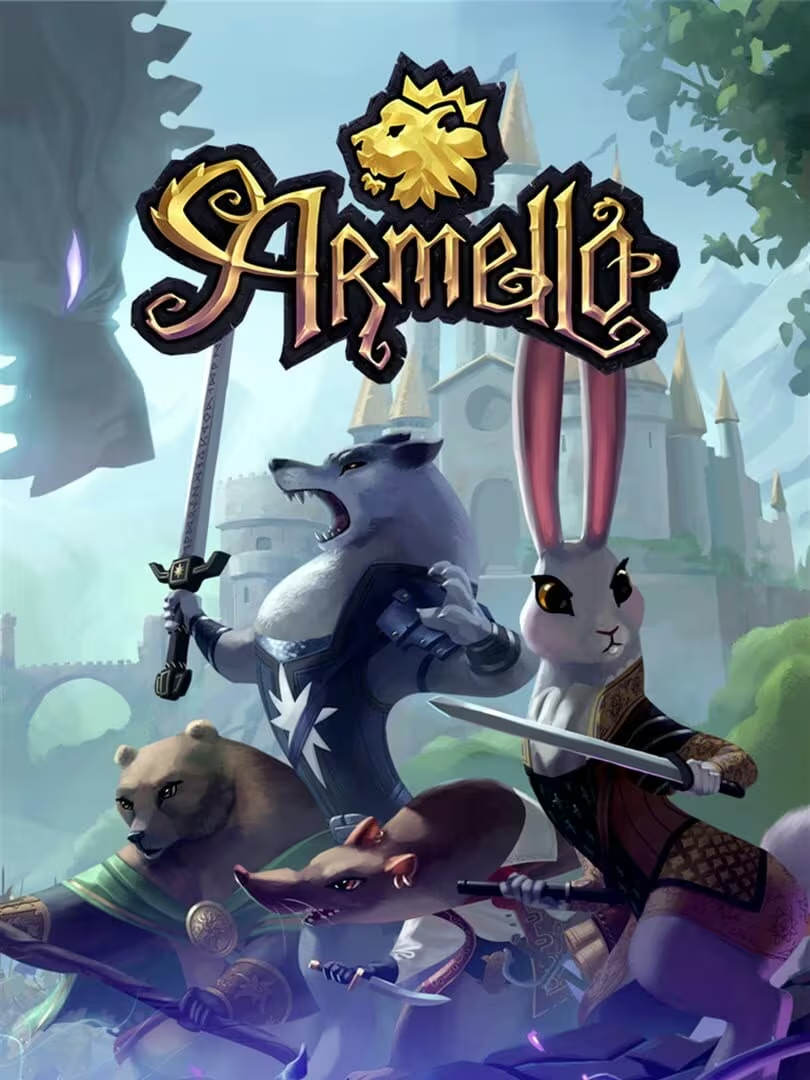
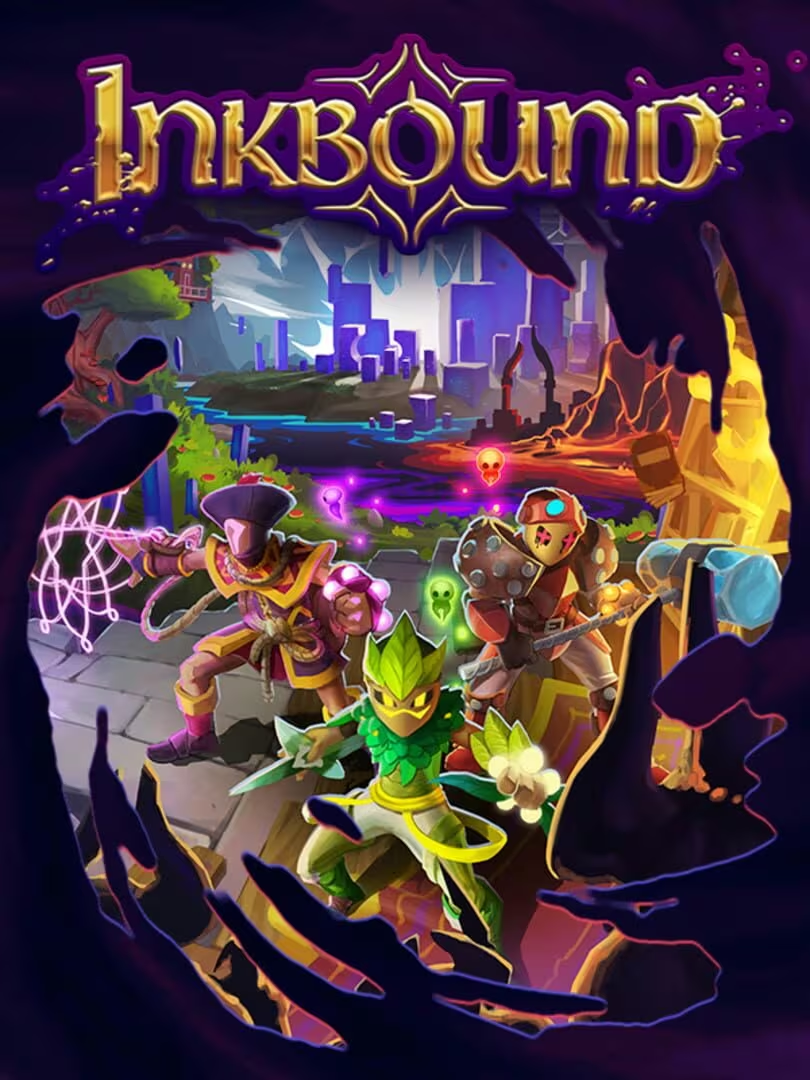
ZEPHON similar games & best alternatives

ZEPHON

PC (Microsoft Windows), Linux • 2024

Related articles

Quick resume

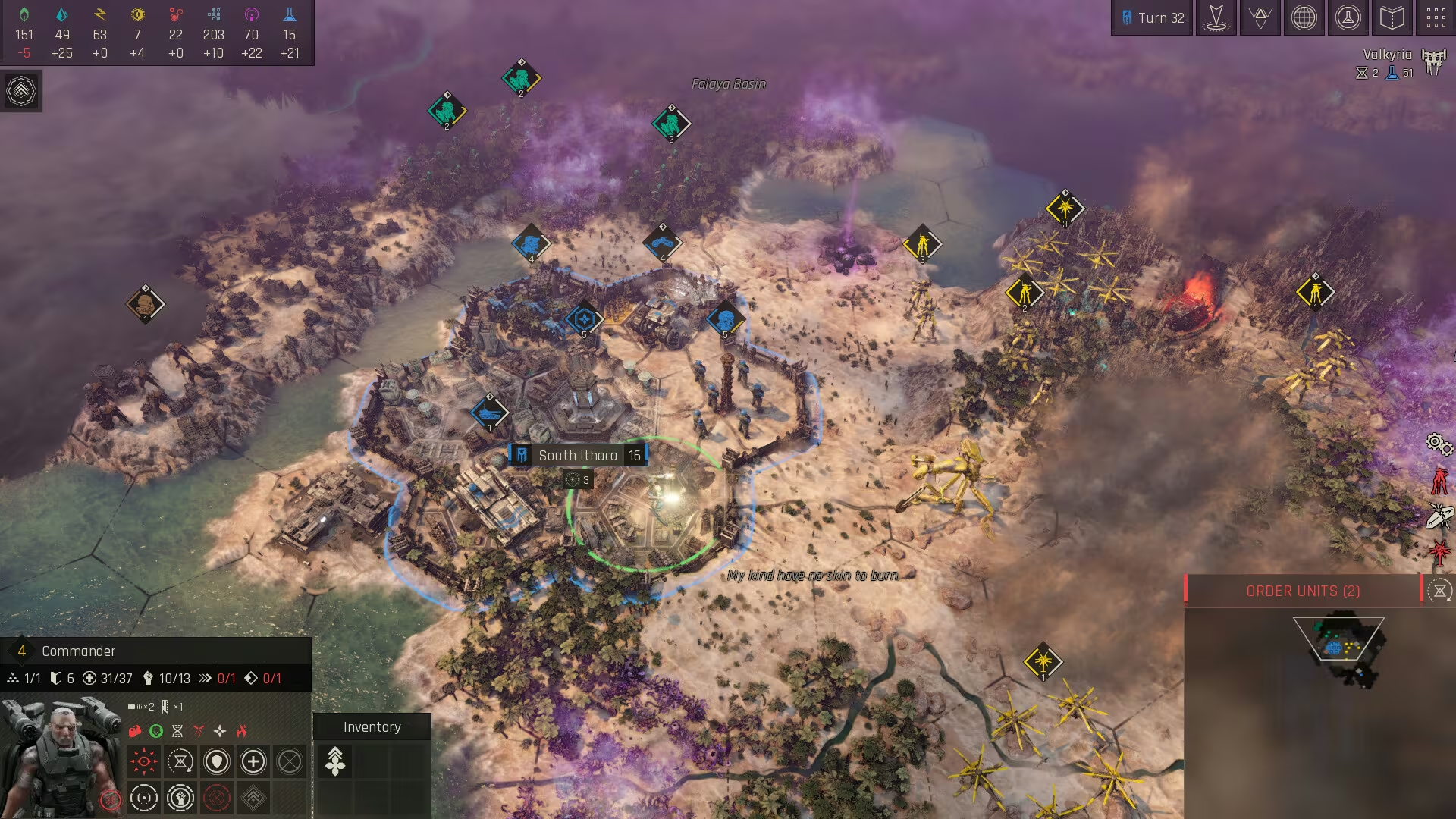
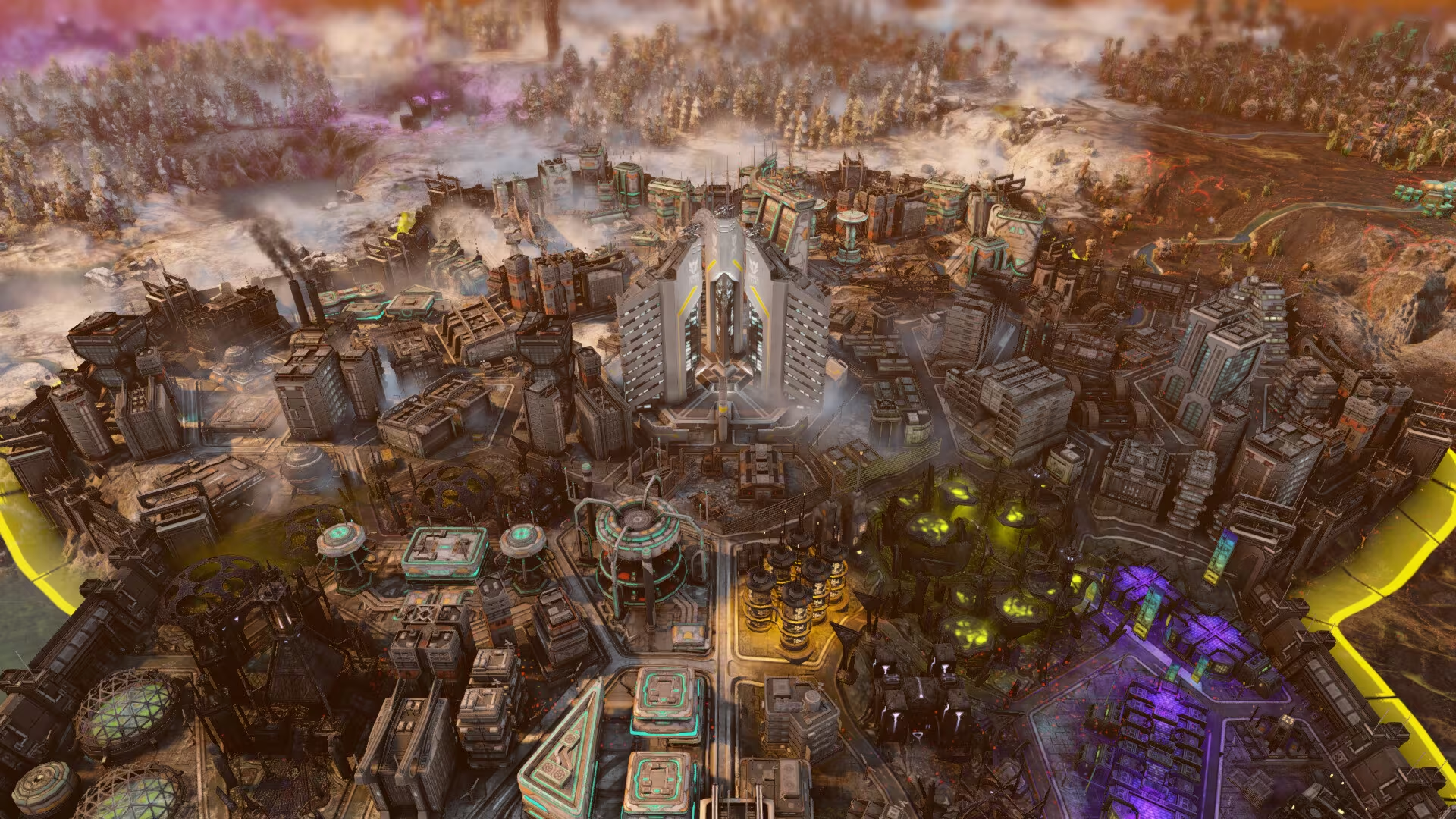
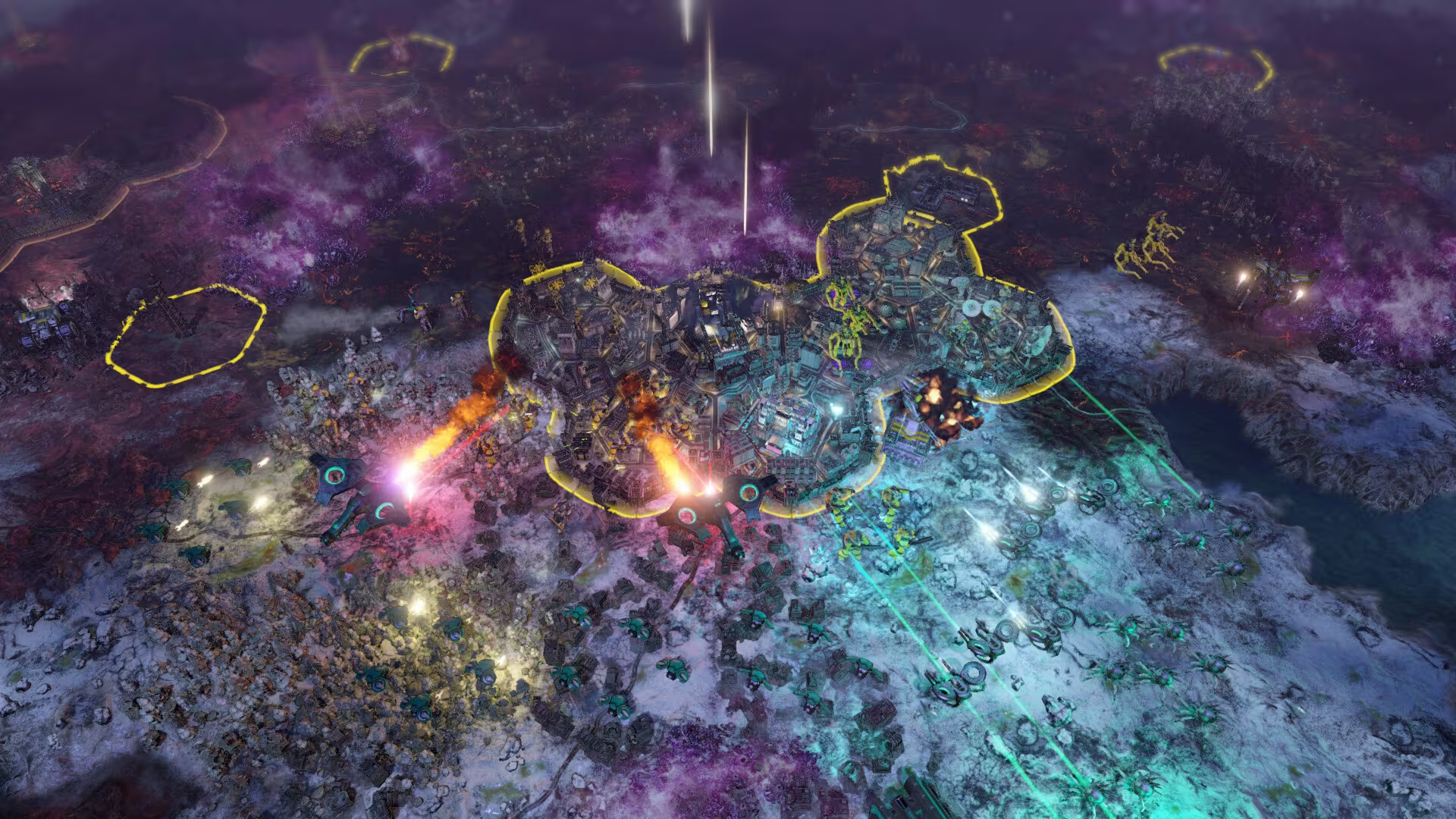
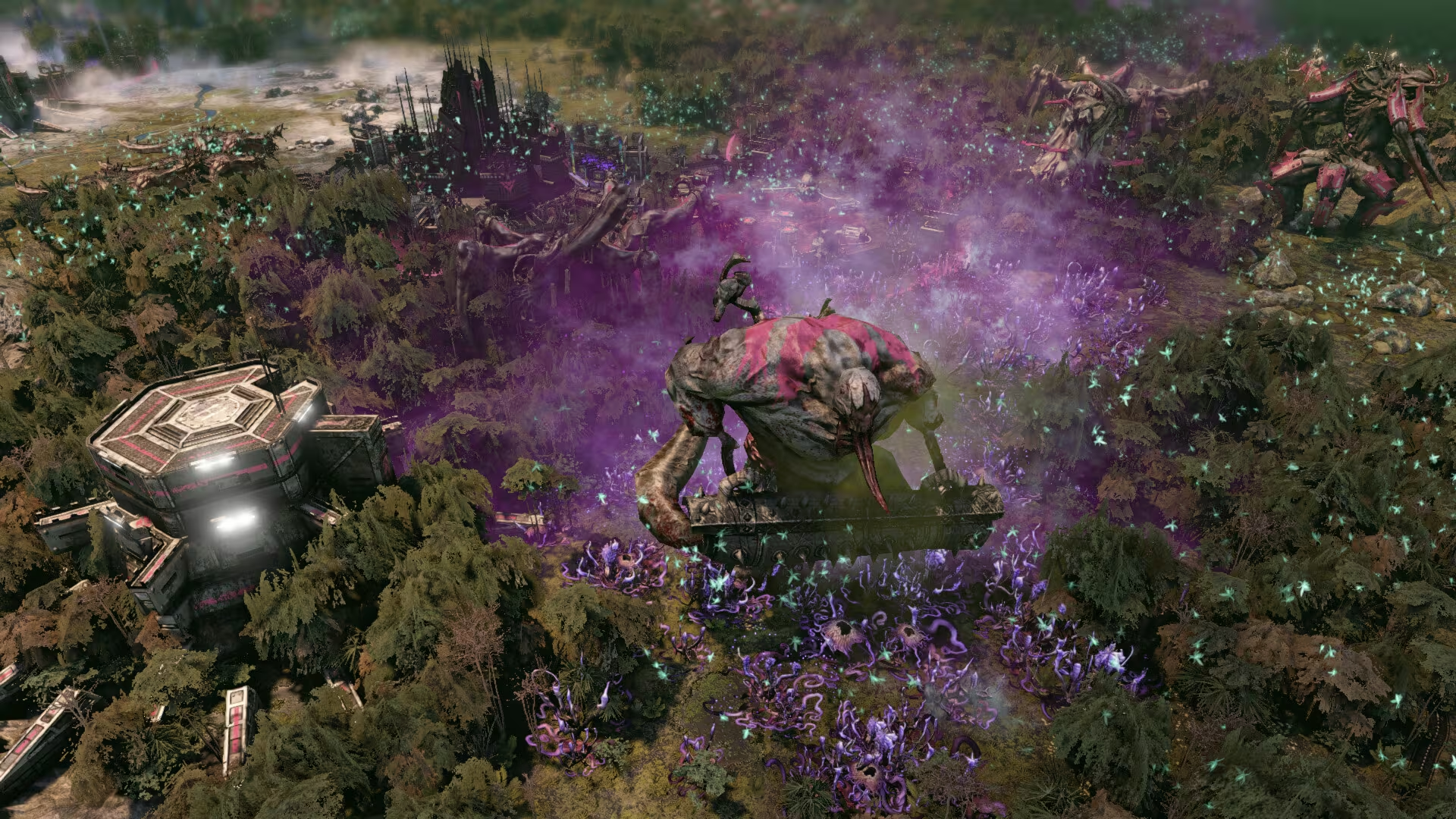
From the developers of Warhammer 40,000: Gladius, ZEPHON is a post-apocalyptic 4X strategy game built on Proxy’s unique tactical combat system. Guide survivors through a turbulent future, navigating unexpected disasters, eldritch horror and cyberpunk monstrosities. What will you do to survive?

Global score

84/100

Genres

Role-playing (RPG), Strategy, Turn-based strategy (TBS), Simulator, Indie

Similar games

    Pros

    • Engaging tactical combat
    • Rich lore and immersive world
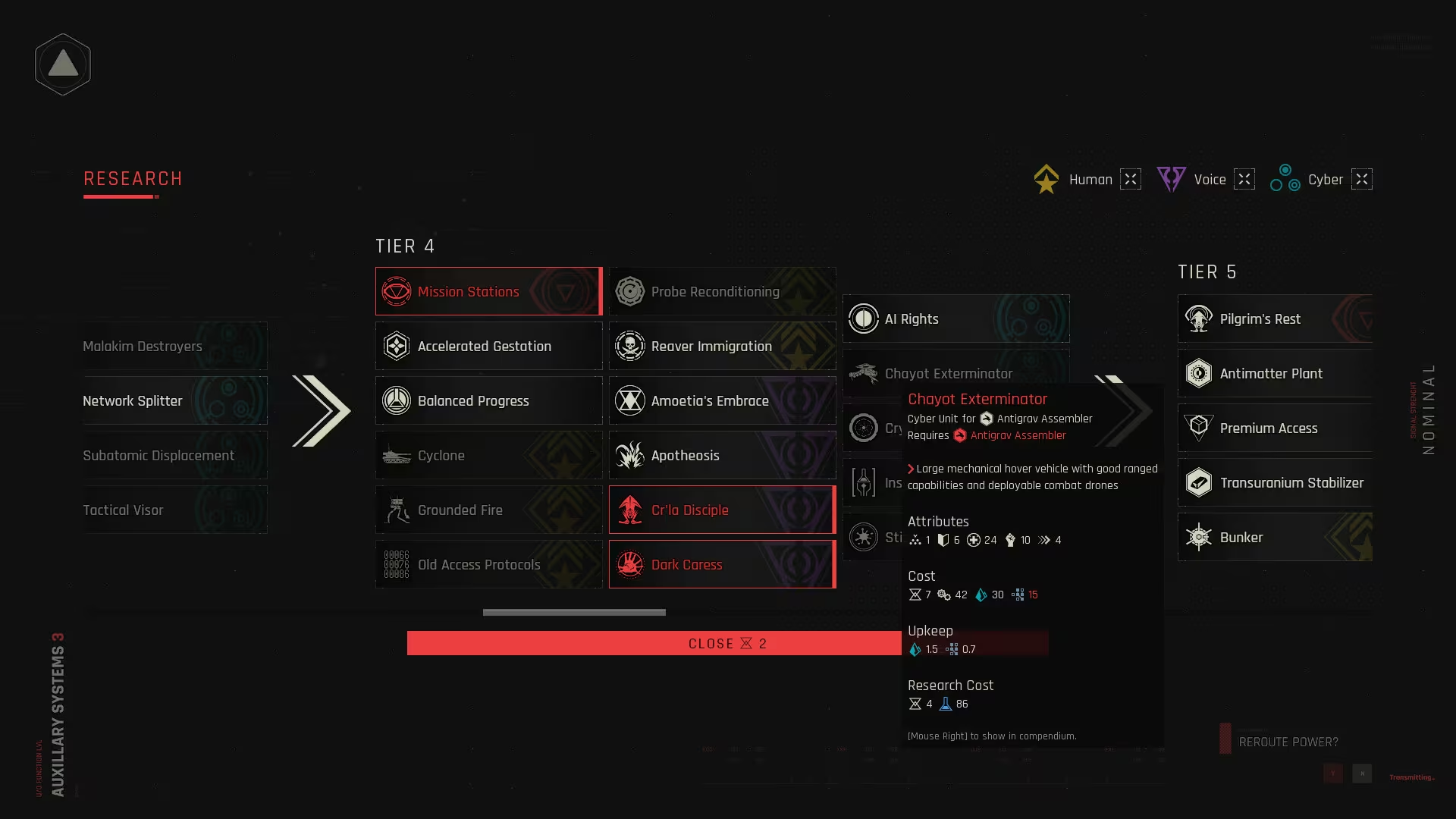
    • Flexible faction and tech customization
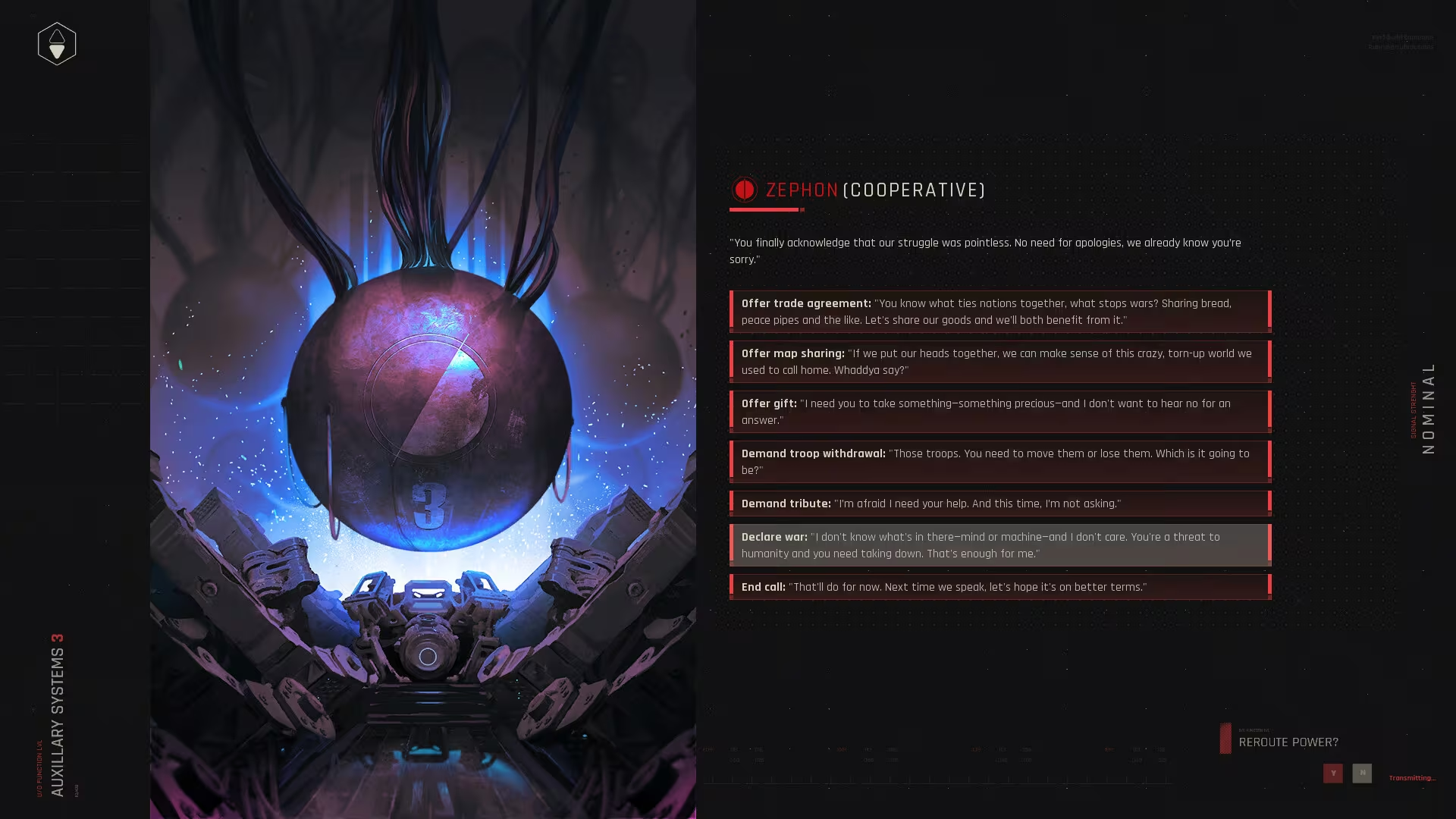
    • Meaningful diplomacy and alliances
    • Polished visuals and sound design

    Cons

    • Limited faction uniqueness due to shared tech tree
    • Some quests and diplomacy can feel simplistic or inconsistent
    • Early game can be challenging for new players
    • Endgame balance issues reported
    • Lack of extensive tutorials

    Analysis

    A very typical example of its motivational profile. Motivations that often define this kind of title include Competition, Fellowship, Domination, Status. Here, the score leans higher than usual among comparable games on Story, Fantasy, Leadership.

    How to use the graph
    Similar games map

    Each dot is a game. They are arranged from the same motivation profile as in the “Motivations” section below. Closer dots usually mean more similar reasons to play (exploration, competition, relaxation, etc.)—not that one game is “better” than another.

    • Larger dot with a light outline: the game you are viewing.
    • Colour: groups of games with comparable motivation patterns (statistical clusters).
    • Hover a dot to see the game name; click to open its page.
    • Scroll or double-click the chart to zoom out and see more games.

    Why don’t the axes read like a score? This view uses t-SNE: it only keeps who is close to whom. The scales are not “good to bad” or hours played—they separate groups on the map. Read distance between dots, not the axis numbers.

    Motivations

    • Autonomy
      4

      "Players have freedom to choose leaders, tech paths, and playstyles with flexible faction and unit customization."

    • Competence
      4

      "Engages players in tactical combat requiring skillful positioning, unit management, and strategic planning."

    • Competition
      3

      "Includes multiplayer matches with alliances and rivalries, but also supports single-player and casual play."

    • Continuation
      4

      "Players report long sessions and habitual play with high replayability due to mutators and varied factions."

    • Cooperation
      3

      "Diplomacy and alliances with other players and NPC factions encourage cooperative strategies."

    • Creativity
      3

      "Players can customize tech trees, mix faction units, and adapt strategies, though within a shared tech framework."

    • Domination
      2

      "Competitive multiplayer and diplomacy involve exerting power, but interactions emphasize alliances and negotiation."

    • Escapism
      4

      "Immersive post-apocalyptic sci-fi setting with rich lore and atmosphere provides strong real-world escape."

    • Expectation
      -4

      "Players engage voluntarily out of intrinsic interest and enjoyment, not obligation or external pressure."

    • Experimenting
      4

      "Players try different leaders, tech paths, and alliances, exploring varied strategies and unit combinations."

    • Exploration
      3

      "Map exploration and discovery of resources, quests, and neutral factions are important gameplay elements."

    • Expression
      2

      "Limited character customization, but leader choices and unit upgrades allow some personal expression."

    • Fantasy
      4

      "Strong sci-fi fantasy elements with eldritch horrors, cybernetics, and post-apocalyptic themes."

    • Fellowship
      3

      "Community and multiplayer alliances foster social connection and shared goals."

    • Growth
      4

      "Players develop skills in tactical combat and strategic planning, learning leader abilities and tech synergies."

    • Health
      -5

      "Typical sedentary turn-based gameplay with no physical activity component."

    • Idle
      -3

      "Requires continuous attention and strategic decision-making throughout turns."

    • Intimacy
      1

      "Some social interaction through alliances and diplomacy, but limited emotional closeness."

    • Leadership
      3

      "Players lead armies and manage alliances, guiding strategic decisions and diplomacy."

    • Progression
      4

      "Players accumulate tech, units, and upgrades, advancing through a tech tree and building armies."

    • Relaxation
      2

      "Balanced challenge with moments of tension and flow; some players find it engaging and satisfying."

    • Sensation
      3

      "Enjoyable visual and auditory design with immersive music, voice acting, and unit animations."

    • Status
      2

      "Multiplayer and leaderboards provide recognition, but social evaluation is not the main focus."

    • Story
      4

      "Strong narrative immersion with lore, leader personalities, quests, and world-building."

    • Strategy
      5

      "High mental challenge requiring tactical combat, resource management, diplomacy, and planning."

    • Thrill
      3

      "Excitement from tactical battles, endgame crises, and unpredictable diplomacy."

    • Value
      3

      "Players perceive good value for price with polished gameplay, replayability, and content."

    • Violence
      4

      "Combat and destruction are central gameplay elements with diverse unit battles."

    • Survival
      4

      "Players manage resources and units to survive threats from enemies and neutral factions."

    Last update: 29/04/2026