Fairy Fencer F Thumbnail

Fairy Fencer F similar games & best alternatives
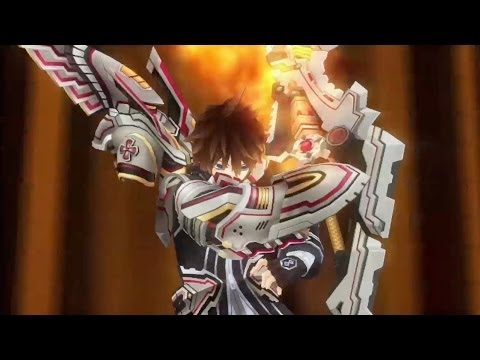
Fairy Fencer F

PC (Microsoft Windows), PlayStation 3 • 2015

Related articles

Quick resume

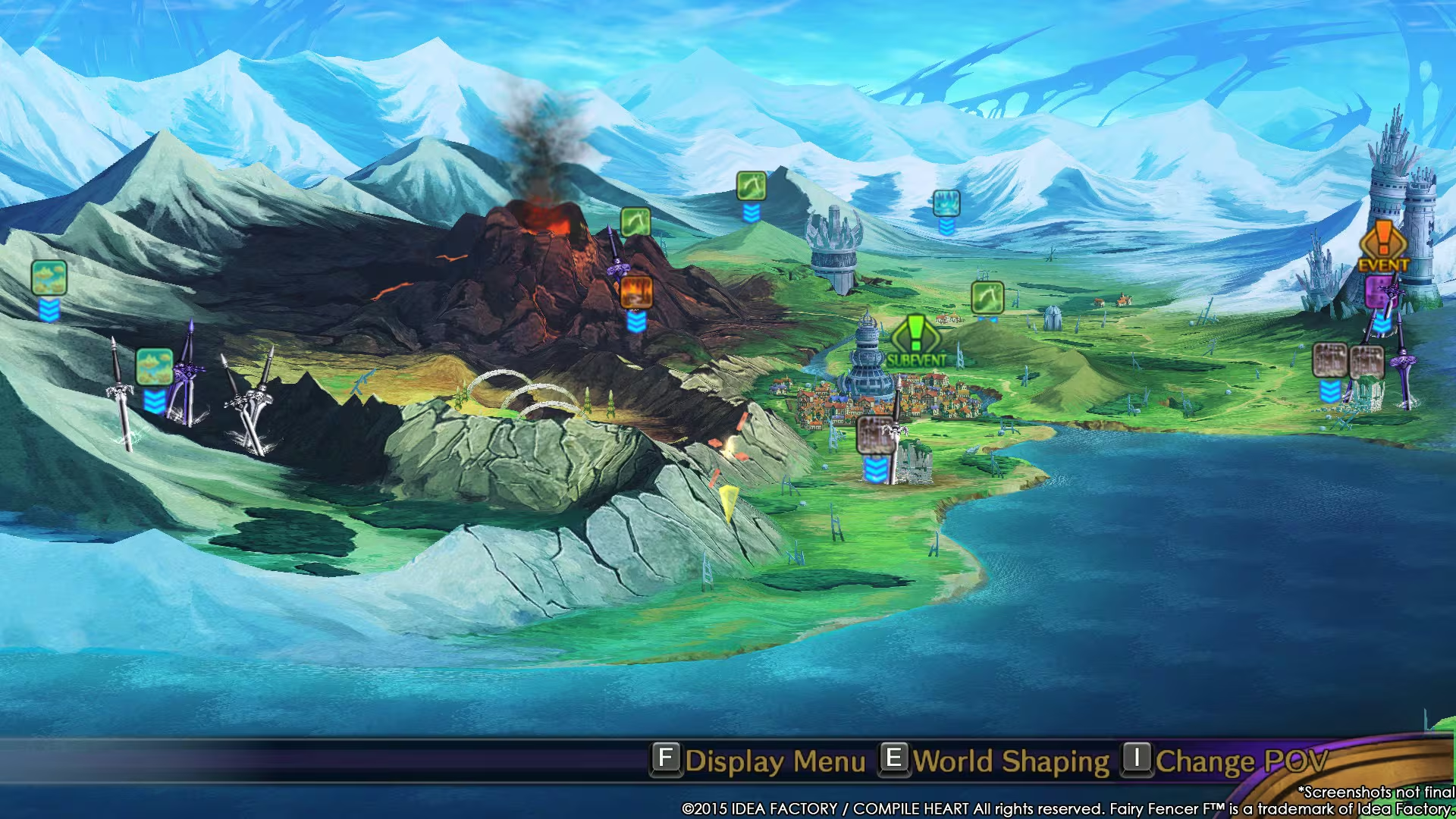
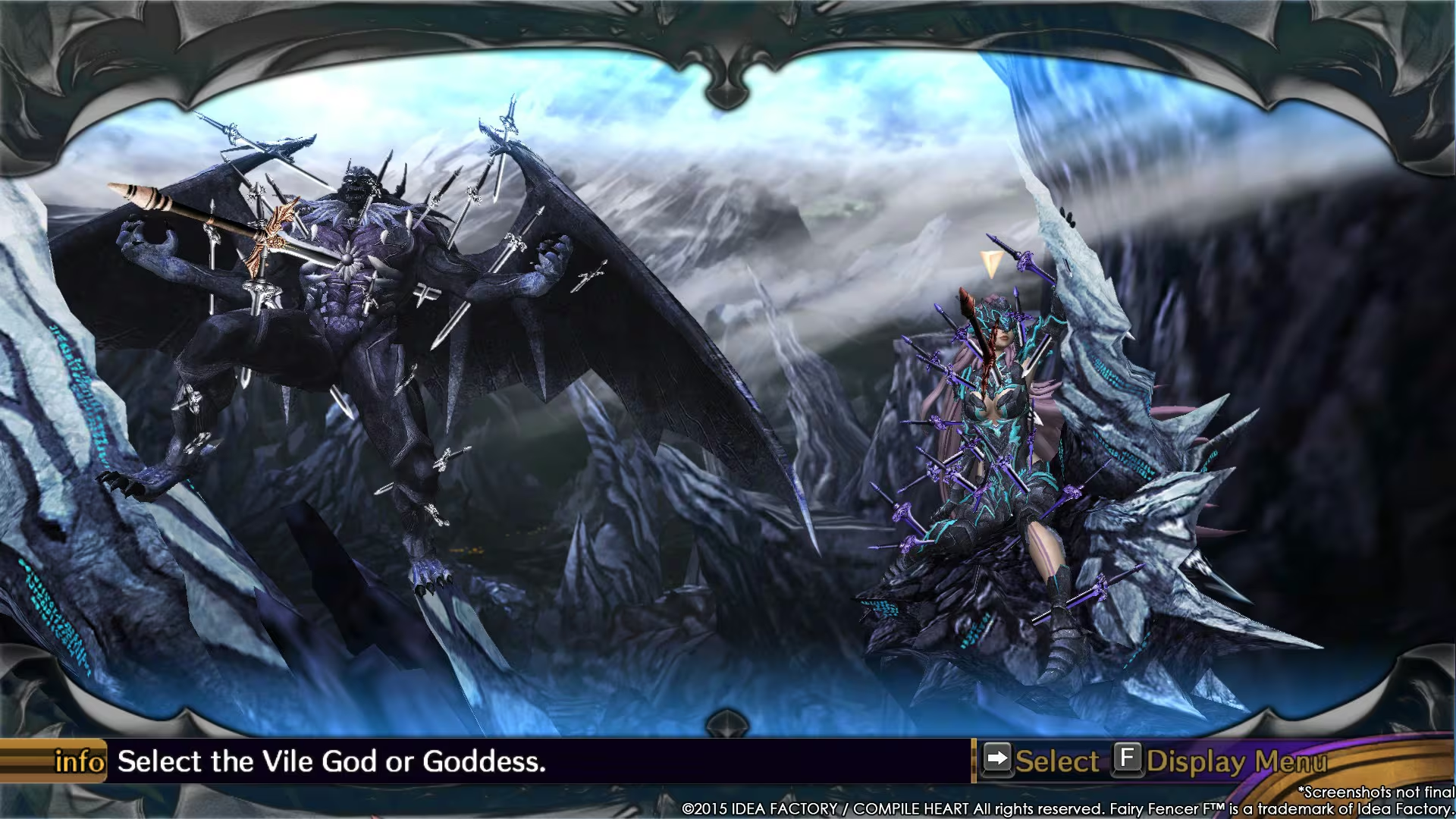
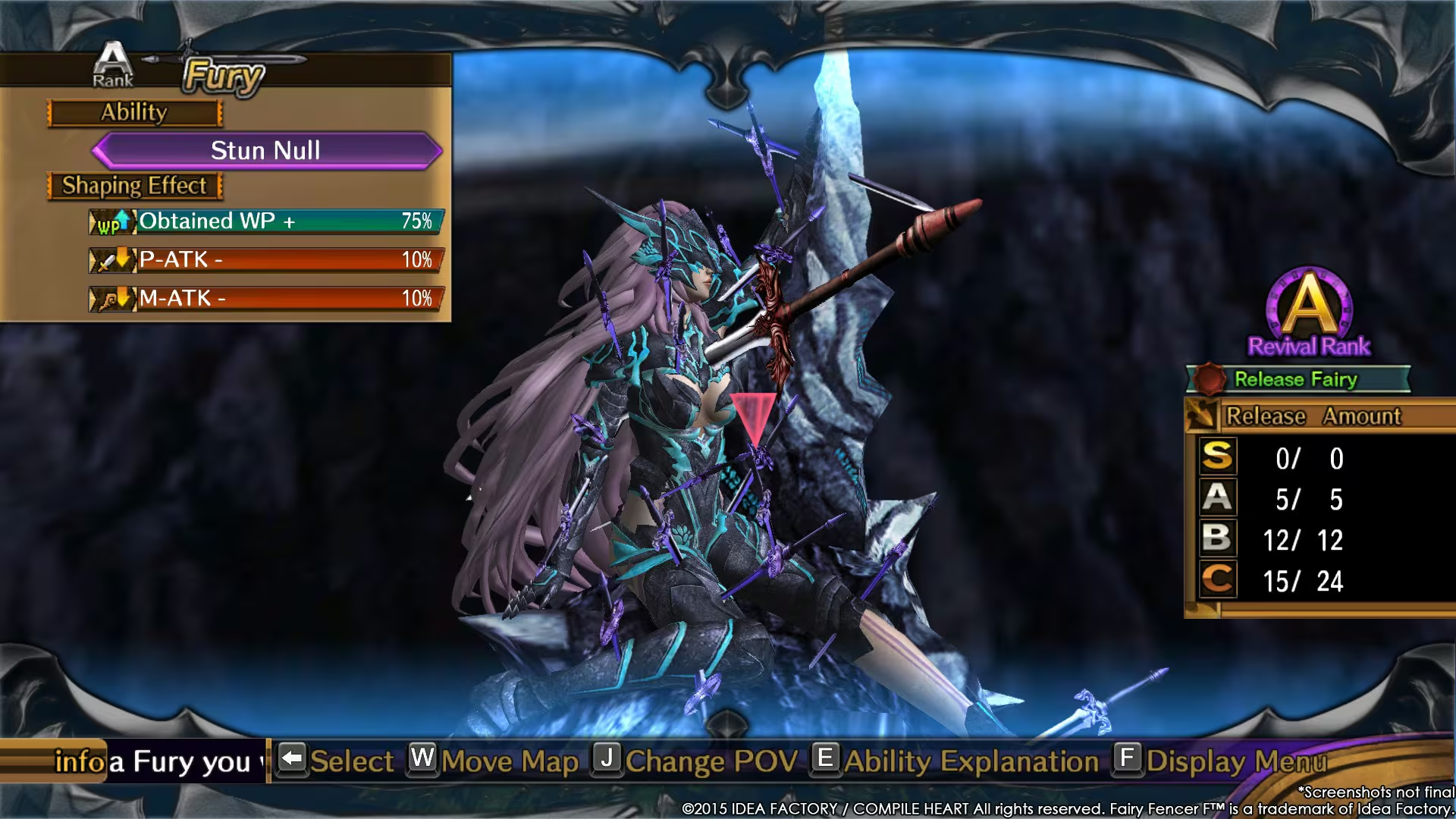
Long ago, the Vile God and the Goddess waged war with each other. Equally matched, they were sealed away in another world… Now a lazy young man named Fang somehow finds himself a key part of this war he’d really rather not deal with, but fate beckons in this uncommon RPG!

Global score

89/100

Genres

Role-playing (RPG)

Similar games

    Pros

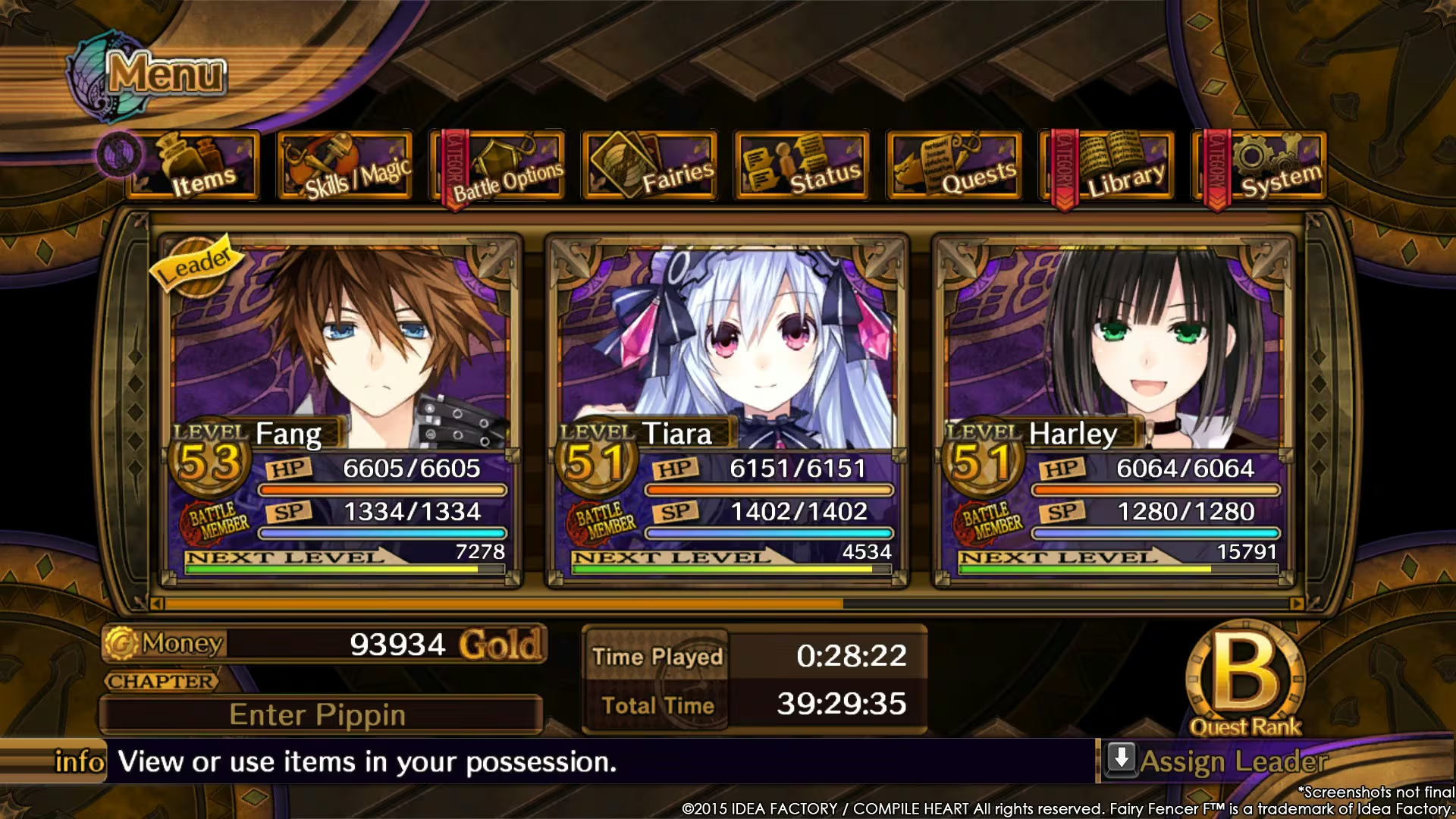
    • Engaging and humorous characters
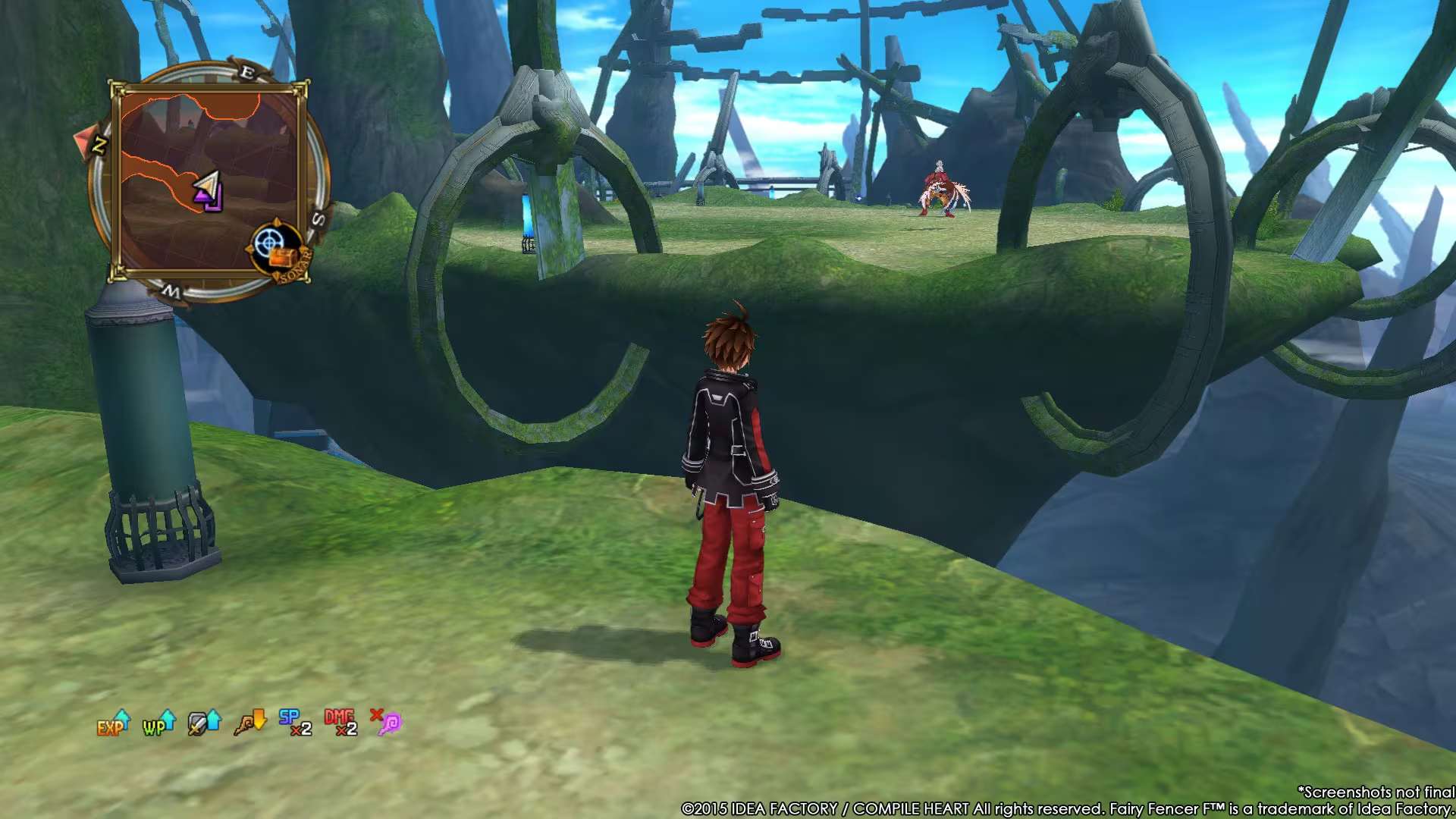
    • Customizable combat and weapon systems
    • Well-optimized pc port
    • Pleasant soundtrack and voice acting
    • Multiple endings and replayability

    Cons

    • Repetitive dungeon design
    • Somewhat clichéd and simple story
    • Grind-heavy progression
    • Lack of difficulty options
    • Limited social and cooperative features

    Analysis

    A very typical example of its motivational profile. Motivations that often define this kind of title include Fellowship, Cooperation, Leadership, Violence. Here, the score leans higher than usual among comparable games on Leadership. It leans lower than usual among comparable games on Exploration, Thrill.

    How to use the graph
    Similar games map

    Each dot is a game. They are arranged from the same motivation profile as in the “Motivations” section below. Closer dots usually mean more similar reasons to play (exploration, competition, relaxation, etc.)—not that one game is “better” than another.

    • Larger dot with a light outline: the game you are viewing.
    • Colour: groups of games with comparable motivation patterns (statistical clusters).
    • Hover a dot to see the game name; click to open its page.
    • Scroll or double-click the chart to zoom out and see more games.

    Why don’t the axes read like a score? This view uses t-SNE: it only keeps who is close to whom. The scales are not “good to bad” or hours played—they separate groups on the map. Read distance between dots, not the axis numbers.

    Motivations

    • Autonomy
      3

      "Players can freely choose character upgrades, weapon boosts, and skill development paths, allowing personal freedom in playstyle."

    • Competence
      3

      "Combat involves skillful positioning and combo customization, with feedback from battle performance and weapon point system."

    • Competition
      -3

      "Focus is on personal progress and story; no evidence of competitive multiplayer or leaderboards."

    • Continuation
      3

      "Players report long playtimes, replayability with multiple endings, and some grind that encourages habitual play."

    • Cooperation
      -4

      "Gameplay is single-player focused with individual party management; no cooperative multiplayer or teamwork with others."

    • Creativity
      3

      "Players customize combos, weapon stats, and fairy assignments, allowing creative experimentation within systems."

    • Domination
      -4

      "Interactions emphasize camaraderie and humor rather than dominance or power over others."

    • Escapism
      4

      "Players enjoy the anime-style fantasy world and story as a lighthearted escape from reality."

    • Expectation
      -4

      "Players engage voluntarily for enjoyment and personal interest, not out of obligation or pressure."

    • Experimenting
      3

      "The game encourages trying different skill builds, weapon combos, and fairy effects to optimize play."

    • Exploration
      1

      "Exploration is limited to dungeon crawling with some world map interaction; not a major focus."

    • Expression
      3

      "Players can customize character costumes and accessories, expressing personal aesthetic preferences."

    • Fantasy
      5

      "Strong fantasy setting with fairies, magical weapons, and anime-inspired story and characters."

    • Fellowship
      -3

      "Social interaction is minimal; game is primarily a solo experience with limited community features."

    • Growth
      4

      "Players develop characters and weapons through leveling and weapon points, learning new skills."

    • Health
      -4

      "Game involves sedentary play with no physical activity elements."

    • Idle
      -3

      "Requires focused attention on battles and story progression; not designed for passive or background play."

    • Intimacy
      -3

      "Character relationships are scripted and humorous but lack deep emotional or social connection."

    • Leadership
      -3

      "Players manage party members but do not lead or manage other players or groups."

    • Progression
      4

      "Strong emphasis on accumulating weapon points, skills, and character upgrades over time."

    • Relaxation
      3

      "Gameplay is easy and relaxing for many players, with some tension in later parts."

    • Sensation
      3

      "Visual and auditory effects, including flashy combat animations and music, provide sensory enjoyment."

    • Status
      -4

      "Achievements and social recognition are minimal; focus is on personal experience rather than social status."

    • Story
      3

      "Narrative immersion through character interactions and multiple endings, though story is somewhat clichéd."

    • Strategy
      3

      "Combat and character development require planning and tactical decision-making."

    • Thrill
      1

      "Some suspense in boss fights and story twists, but overall gameplay is easy and predictable."

    • Value
      4

      "Players perceive good value for time and money, especially at discounted prices and with replayability."

    • Violence
      2

      "Combat involves fighting enemies and bosses, but violence is stylized and fantasy-based."

    • Survival
      1

      "Some resource and health management in combat, but overall low risk and easy difficulty."

    Last update: 29/04/2026