FIVE NIGHTS AT FREDDY'S: HELP WANTED similar games & best alternatives

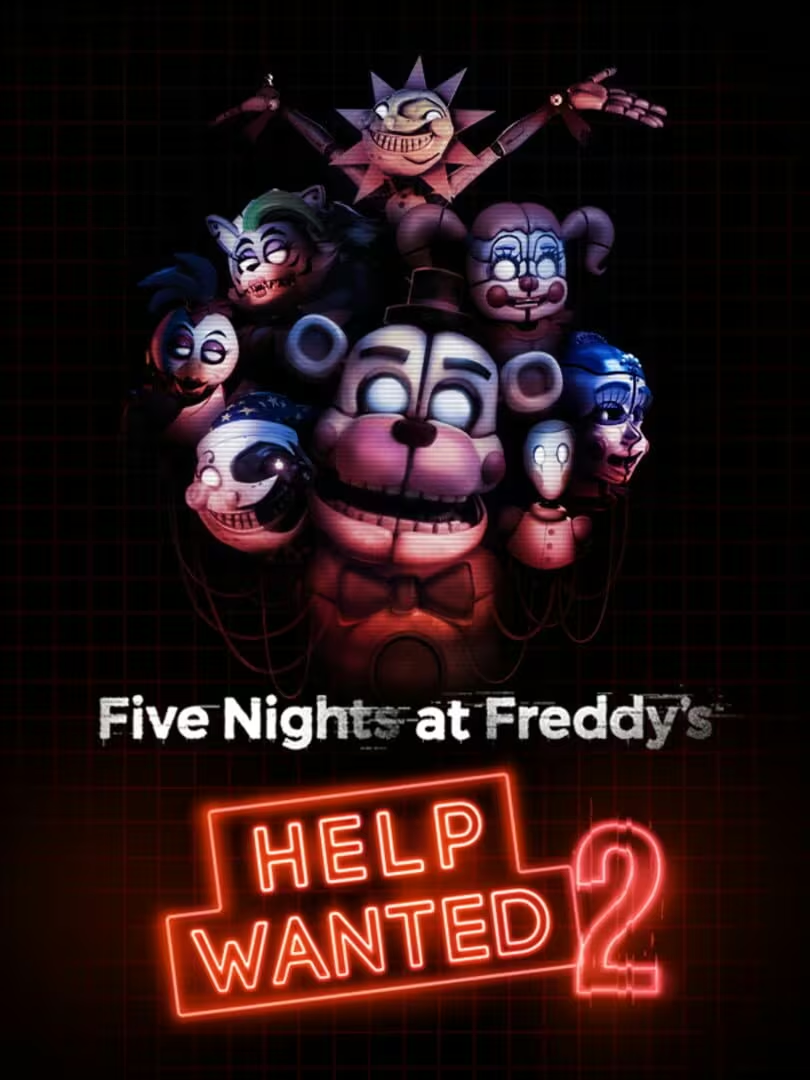
FIVE NIGHTS AT FREDDY'S: HELP WANTED
2019
Related articles
Quick resume
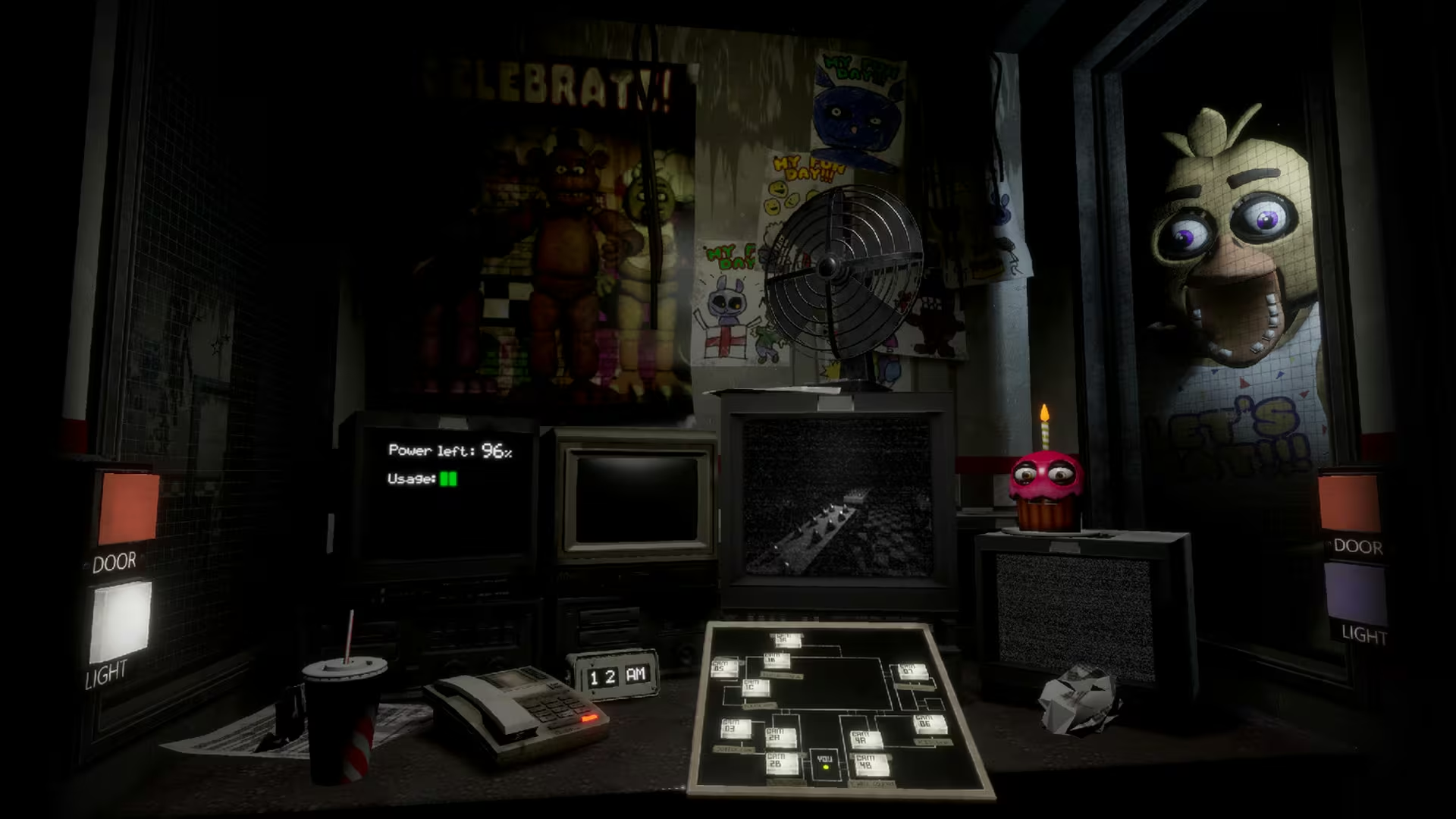
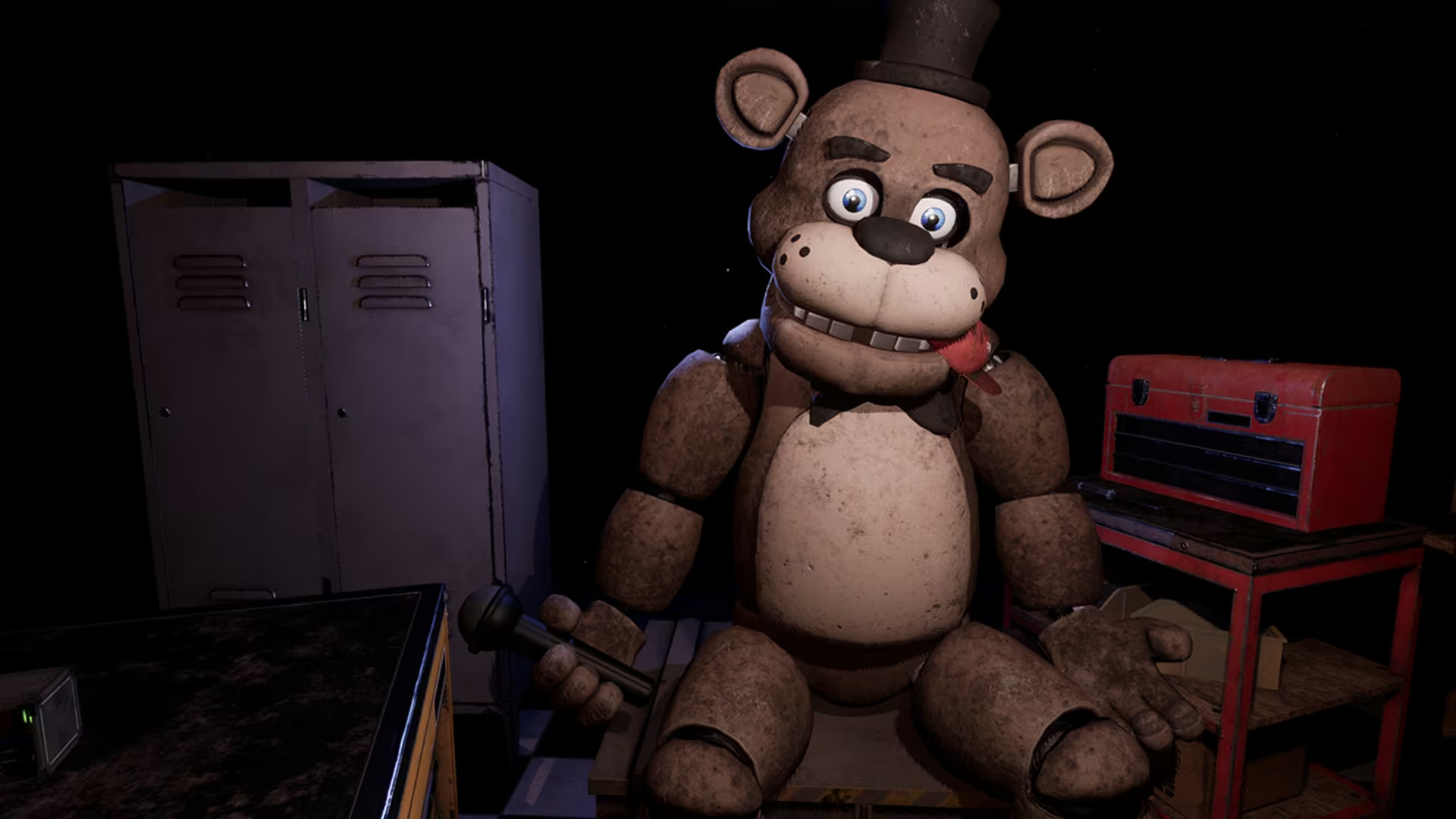
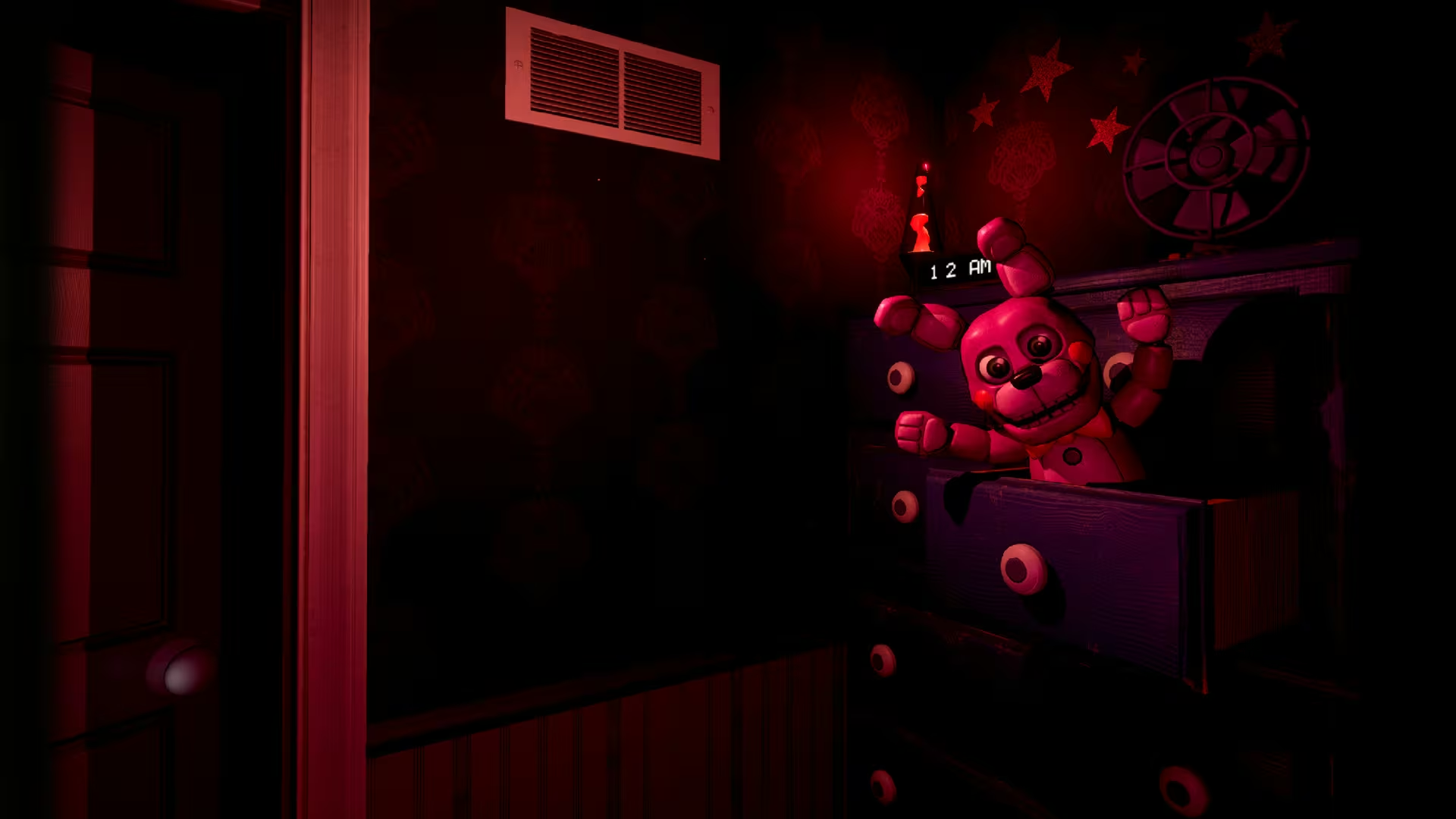
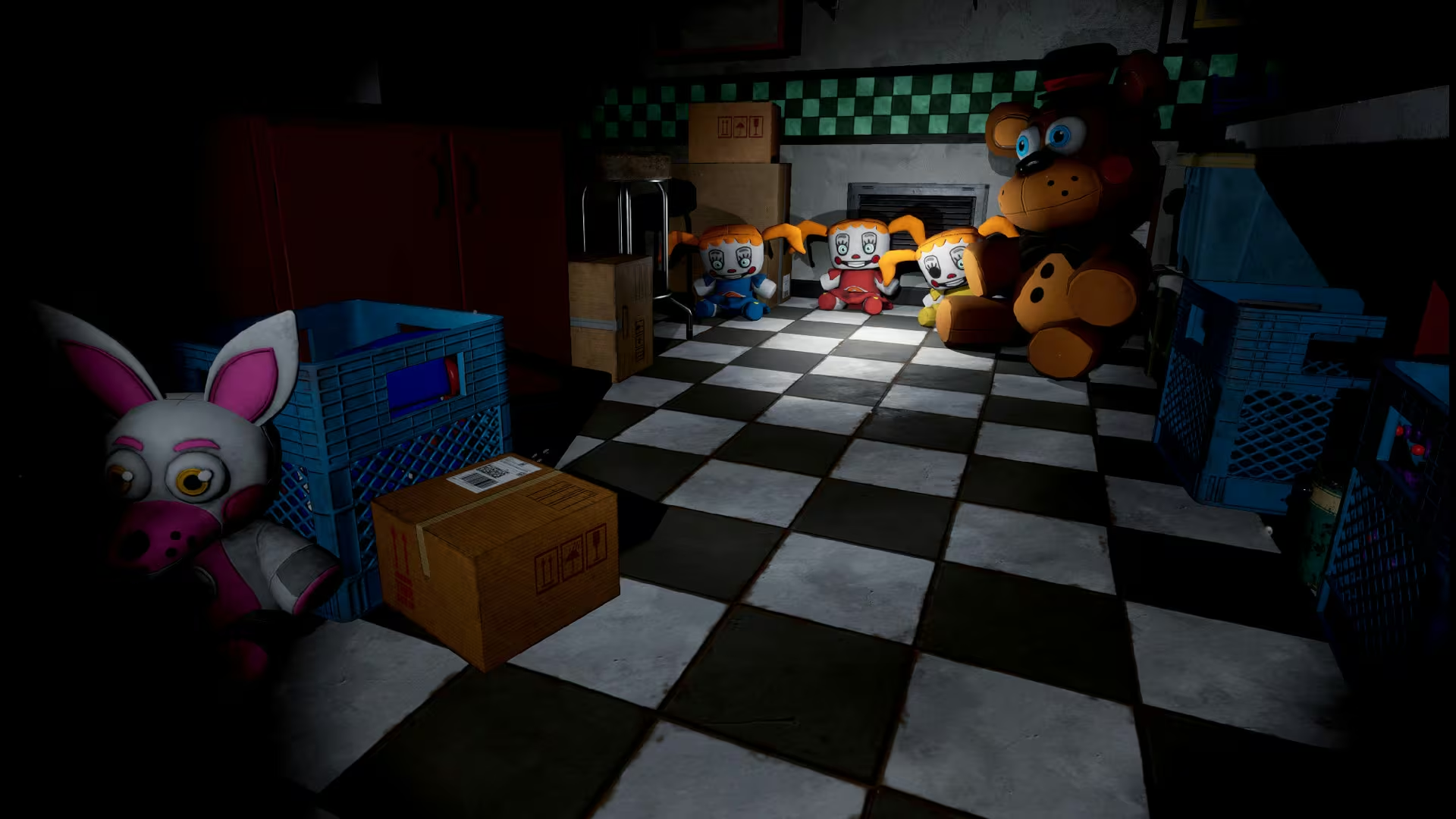
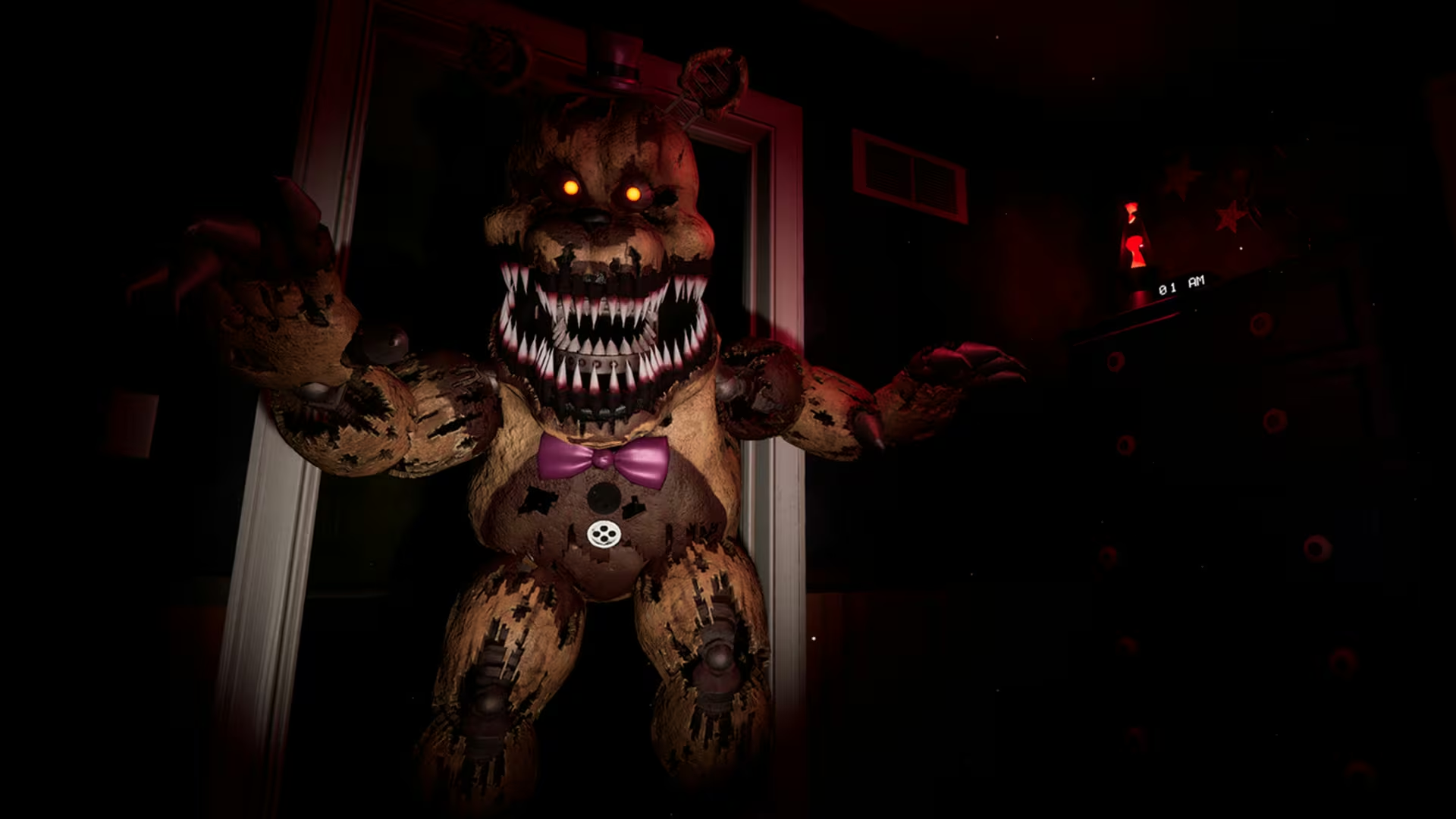
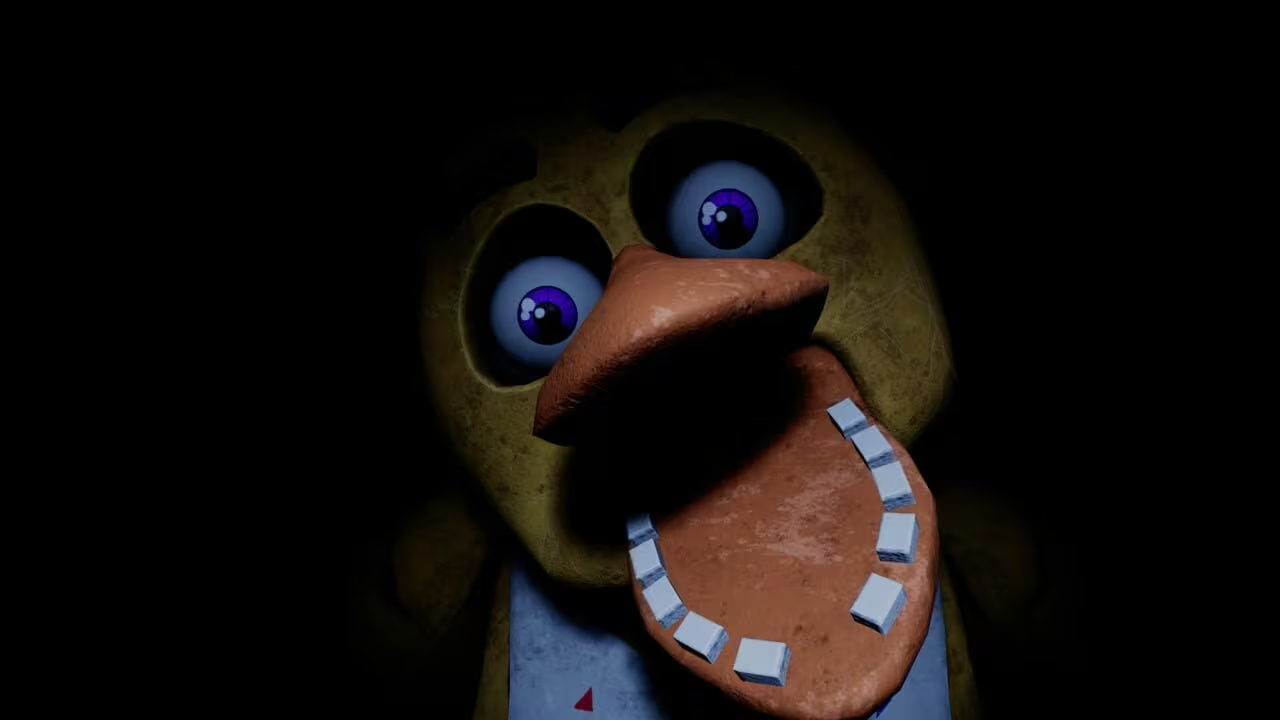
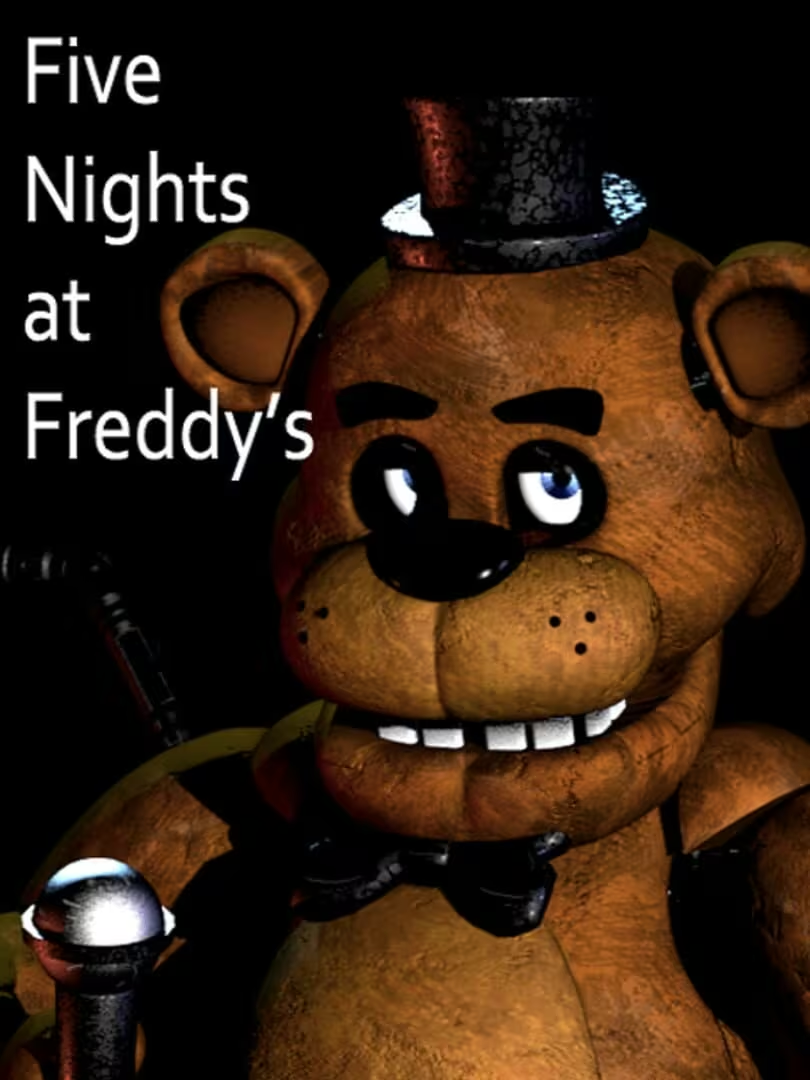
Five Nights at Freddy’s: Help Wanted is a collection of classic and original mini-games set in the Five Nights universe. Experience the horror in flat (non-VR) mode or VR. Oculus Rift and HTC Vive are supported. A VR Headset is NOT required to play.
Global score
96/100
Genres
Action, Casual, Point-and-click, Strategy, Role-playing (RPG), Puzzle
Similar games
Pros
- Immersive vr horror experience
- Nostalgic recreation of classic fnaf games
- Challenging and skill-based gameplay
- Good value for content volume
- Strong atmosphere and sensory stimulation
Cons
- Some technical bugs and ui issues
- Non-vr mode less immersive and natural
- Certain mini-games can be frustrating
- Limited social or cooperative play
- Potentially stressful or intense for some players
Analysis
Broadly representative of its motivational profile, with a few distinct shifts. Motivations that often define this kind of title include Relaxation, Survival, Violence, Fellowship. Here, the score leans higher than usual among comparable games on Fellowship. It leans lower than usual among comparable games on Expression, Relaxation.
How to use the graph
Similar games map
Each dot is a game. They are arranged from the same motivation profile as in the “Motivations” section below. Closer dots usually mean more similar reasons to play (exploration, competition, relaxation, etc.)—not that one game is “better” than another.
- Larger dot with a light outline: the game you are viewing.
- Colour: groups of games with comparable motivation patterns (statistical clusters).
- Hover a dot to see the game name; click to open its page.
- Scroll or double-click the chart to zoom out and see more games.
Why don’t the axes read like a score? This view uses t-SNE: it only keeps who is close to whom. The scales are not “good to bad” or hours played—they separate groups on the map. Read distance between dots, not the axis numbers.
Motivations
-
Autonomy3
"Players can choose different mini-games and modes, including VR or non-VR play, allowing freedom in how to engage with the game."
-
Competence4
"The game is described as challenging with significant brain usage, requiring skill to survive and complete achievements."
-
Competition-3
"Focus is on personal survival and achievement rather than direct competition or leaderboards."
-
Continuation4
"Players report replaying the game multiple times, enjoying the challenge and horror experience, indicating habitual engagement."
-
Cooperation-4
"Gameplay is primarily solo, focusing on individual survival and tasks with little to no mention of cooperative multiplayer."
-
Creativity2
"Some customization and interaction with objects in VR, but mostly follows predefined mini-games and scenarios."
-
Domination-4
"Interactions are about survival and evasion rather than exerting control or superiority over others."
-
Escapism5
"Strong evidence of players using the game for immersive horror experience and distraction from real life."
-
Expectation-4
"Players engage voluntarily out of interest and nostalgia, with no indication of obligation or external pressure."
-
Experimenting3
"Players explore different mini-games, modes, and VR/non-VR options, trying various challenges."
-
Exploration2
"Some discovery of secrets and lore, but mostly structured levels and mini-games."
-
Expression-2
"Limited customization; players mostly experience preset characters and environments."
-
Fantasy4
"Strong fictional horror setting with animatronic monsters and supernatural elements."
-
Fellowship1
"Some social sharing and community engagement mentioned, but gameplay is mostly individual."
-
Growth3
"Players develop skills to master difficult challenges and improve performance."
-
Health-4
"Sedentary VR and PC gameplay with no physical activity focus; some reports of stress or heart issues."
-
Idle-3
"Requires focused attention due to horror and challenge elements; not casual or background play."
-
Intimacy-4
"Minimal social or emotional closeness; interactions are mostly surface-level or solo."
-
Leadership-5
"No leadership or group management roles; purely individual gameplay."
-
Progression3
"Players unlock achievements and complete levels, showing accumulation of progress."
-
Relaxation-4
"Game induces tension and fear rather than relaxation or flow."
-
Sensation4
"Strong sensory stimulation through VR immersion, jump scares, and audio-visual effects."
-
Status-3
"Little emphasis on social recognition or leaderboards; focus is on personal experience."
-
Story3
"Contains lore and narrative elements that engage players beyond isolated gameplay."
-
Strategy3
"Requires planning, resource management, and problem solving to survive and progress."
-
Thrill5
"High suspense and fear from jump scares and tense atmosphere, especially in VR."
-
Value4
"Players feel the game is worth the price due to content volume and quality."
-
Violence3
"Enjoyment of horror combat and survival against animatronic threats, involving virtual violence."
-
Survival5
"Core gameplay revolves around avoiding death and surviving threats through careful management."
Last update: 29/04/2026