Five Nights at Freddy's: Help Wanted 2 Thumbnail

Five Nights at Freddy's: Help Wanted 2 similar games & best alternatives

Five Nights at Freddy's: Help Wanted 2

PC (Microsoft Windows), SteamVR, Xbox Series X|S, Meta Quest 3, Nintendo Switch, PlayStation 5, PlayStation VR2, Meta Quest 2 • 2023

Related articles

Quick resume

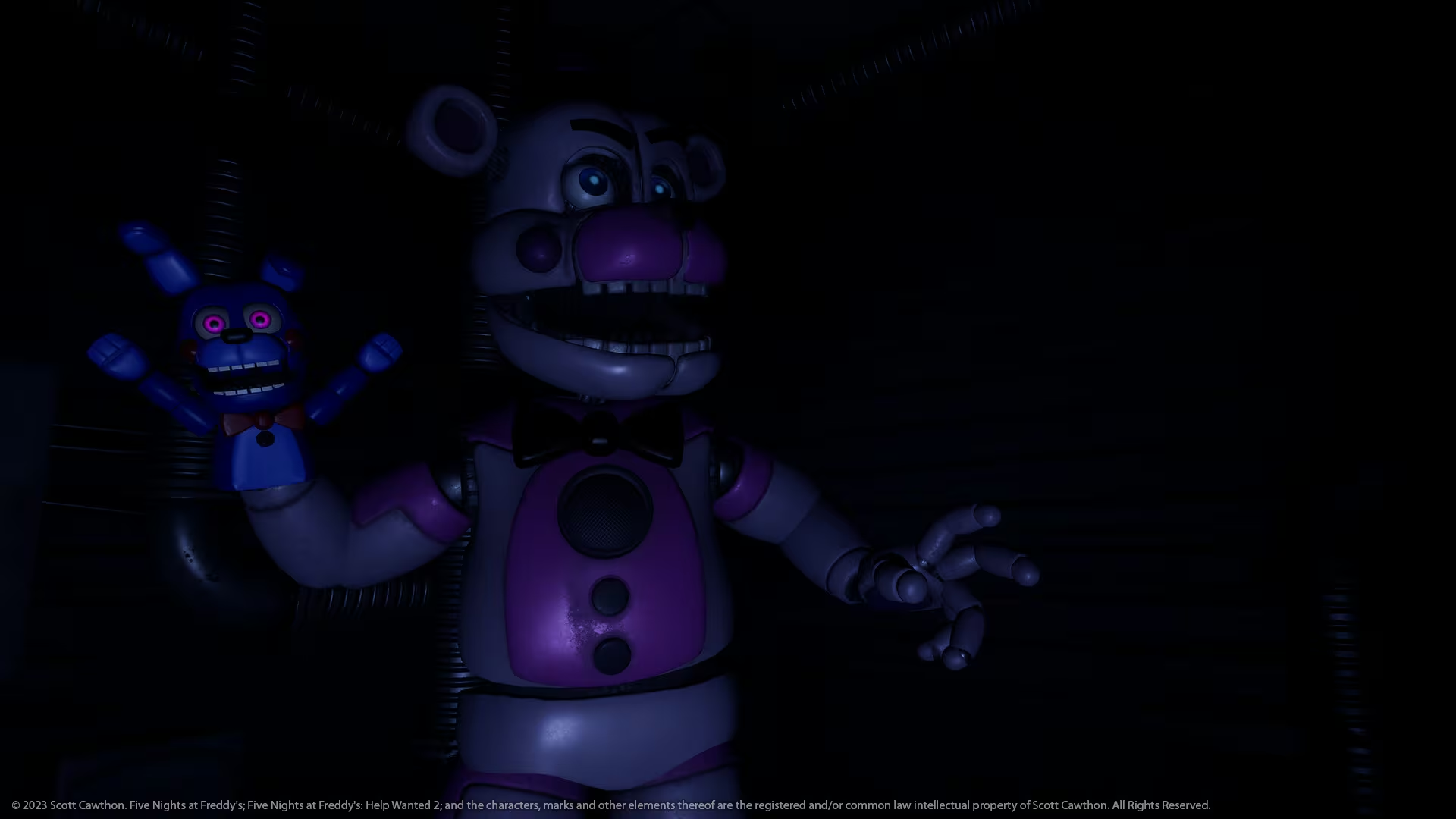
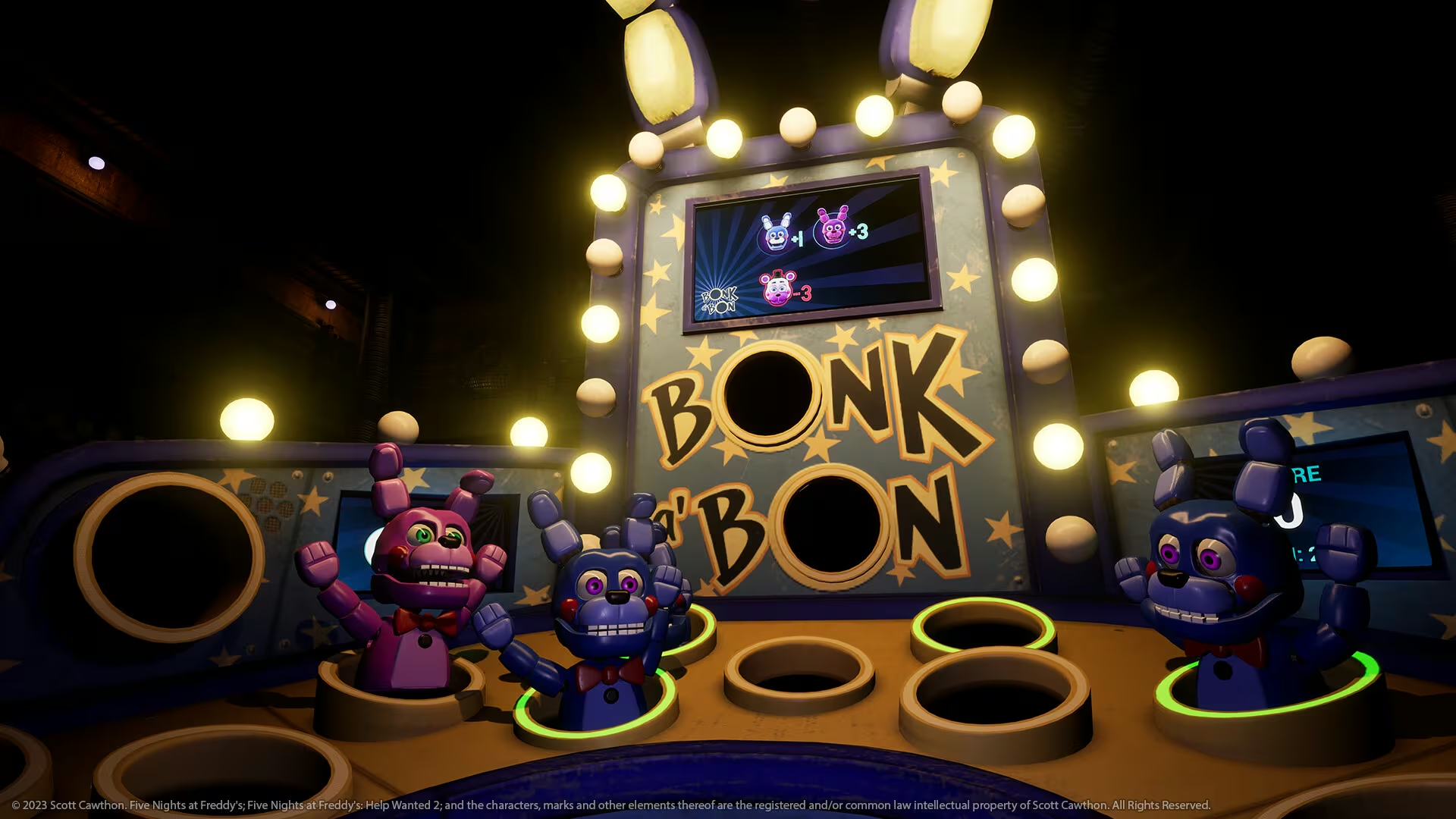
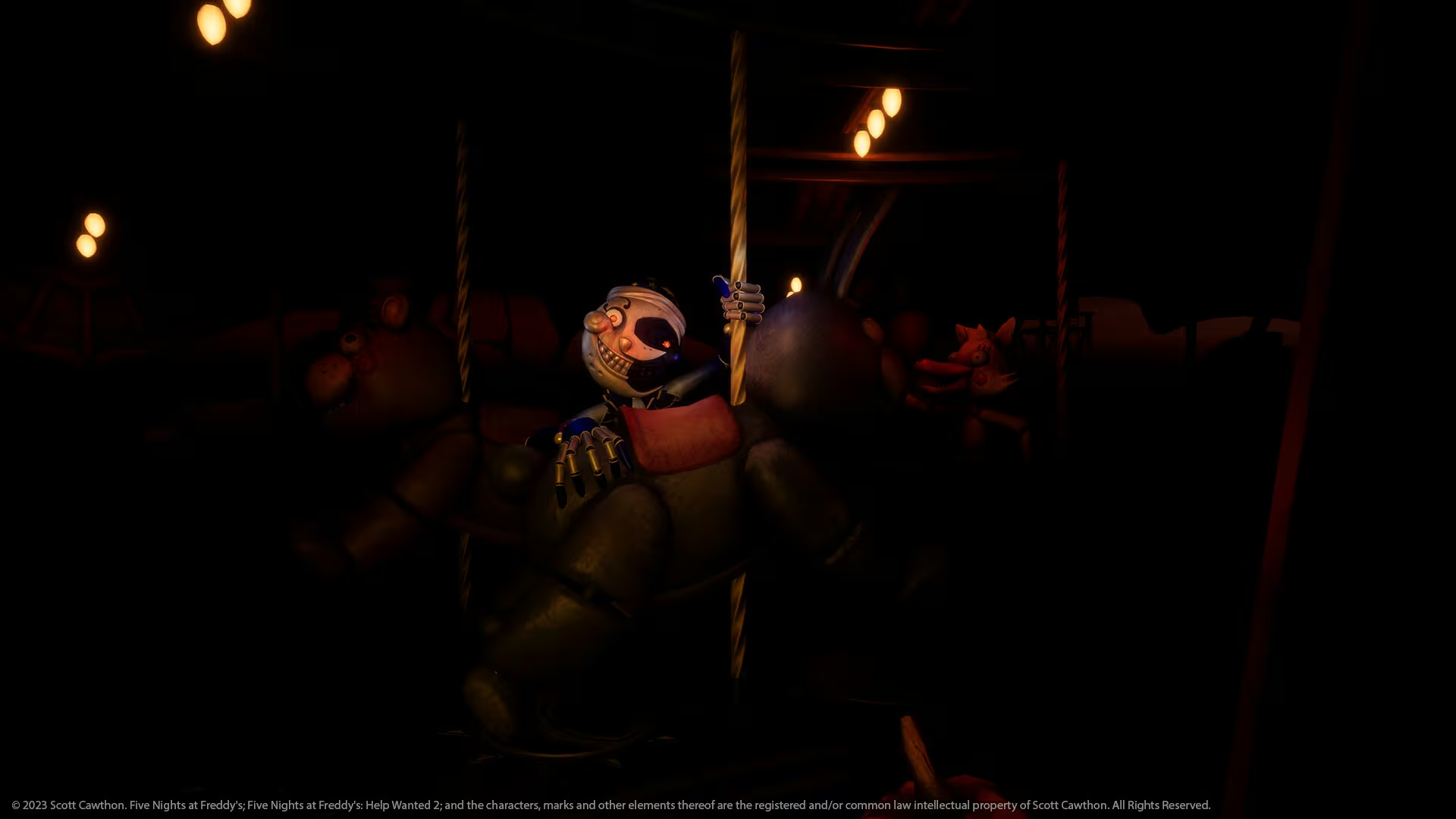
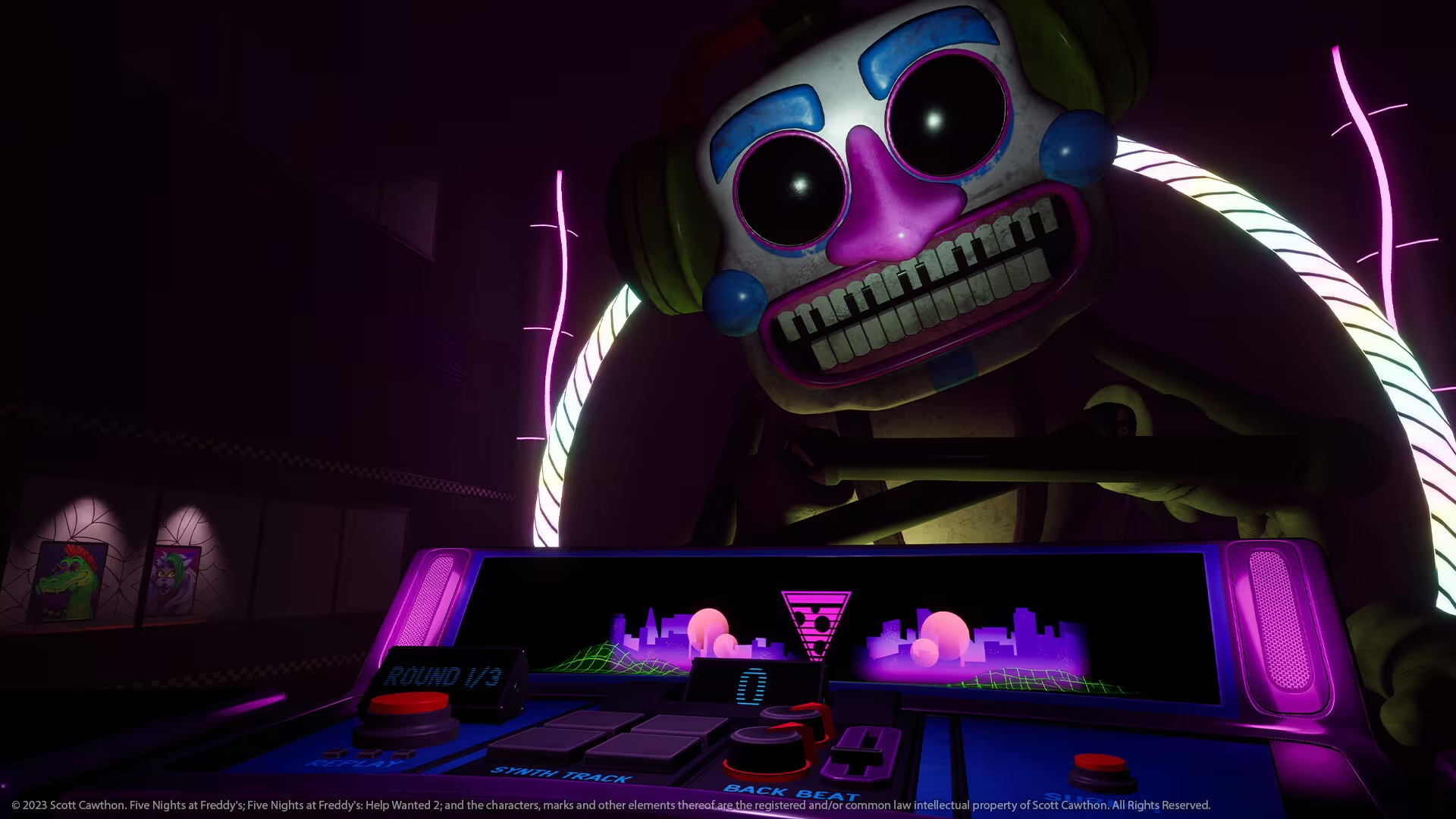
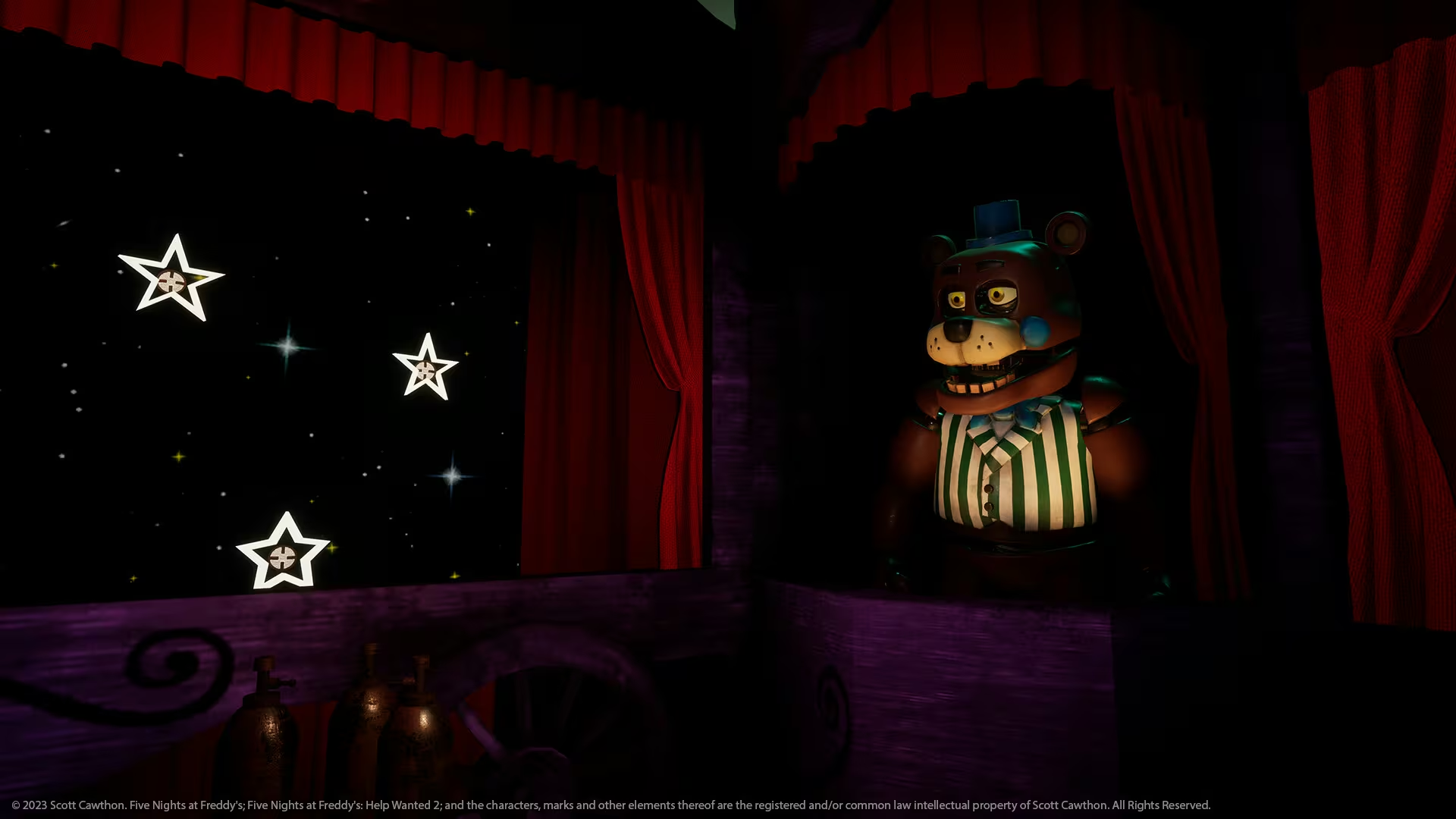
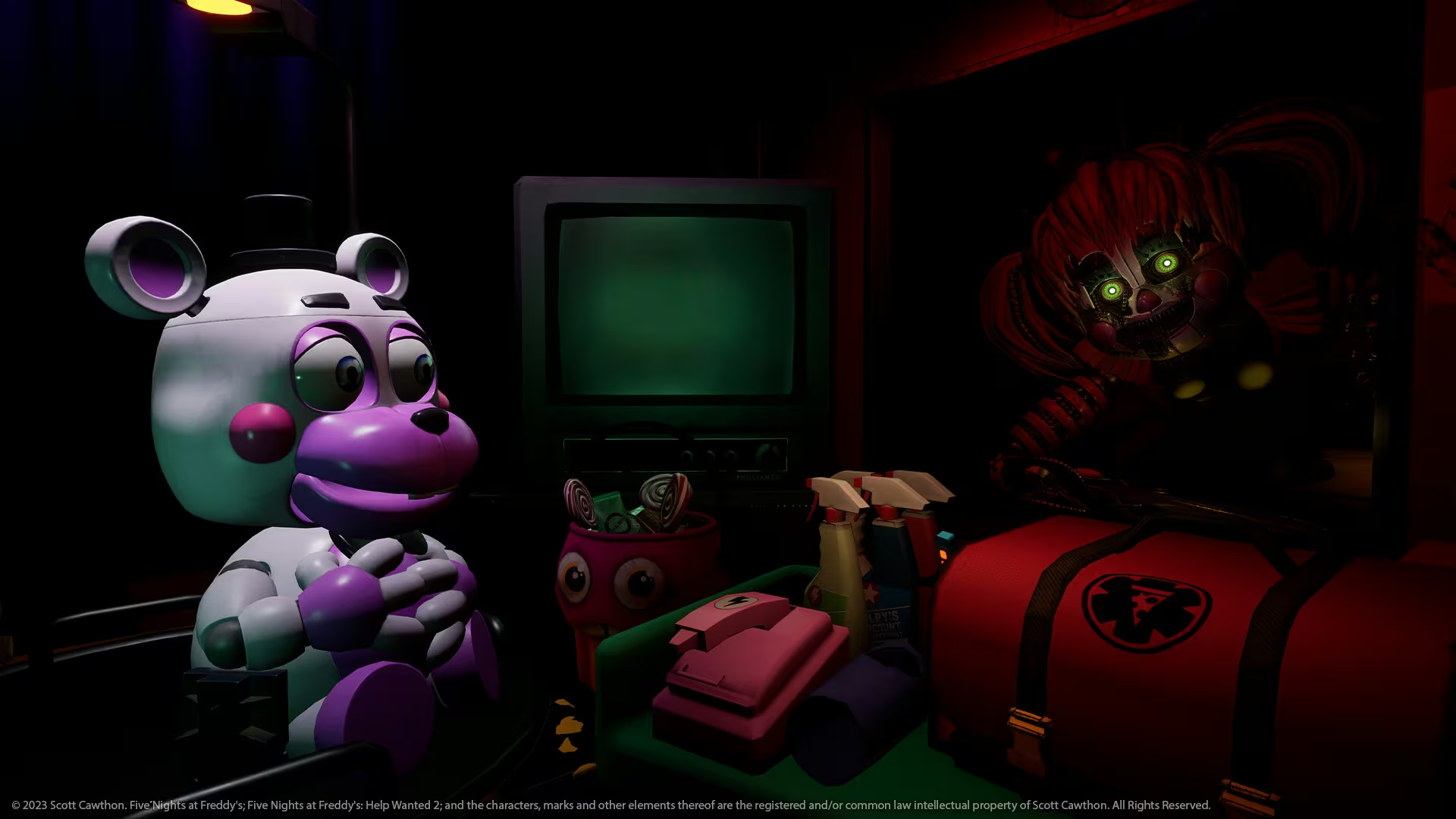
Five Nights at Freddy’s: Help Wanted 2 is the sequel to the terrifying VR experience that brought new life to the iconic horror franchise. As a brand new Fazbear employee you’ll have to prove you have what it takes to excel in all aspects of Pizzeria management and maintenance.

Global score

95/100

Genres

Indie, Simulator, Puzzle

Similar games

    Pros

    • Fun and varied minigames
    • Good vr immersion and graphics
    • Engaging lore and secrets
    • Challenging gameplay
    • Well optimized

    Cons

    • Some confusing or obtuse puzzles
    • Minor bugs and glitches
    • Lack of cooperative multiplayer
    • Some minigames feel repetitive or too easy
    • Price considered high by some

    Analysis

    Less representative of its motivational profile, with noticeable differences. Motivations that often define this kind of title include Relaxation, Survival, Violence, Fellowship. Here, the score leans higher than usual among comparable games on Status, Relaxation, Competition.

    How to use the graph
    Similar games map

    Each dot is a game. They are arranged from the same motivation profile as in the “Motivations” section below. Closer dots usually mean more similar reasons to play (exploration, competition, relaxation, etc.)—not that one game is “better” than another.

    • Larger dot with a light outline: the game you are viewing.
    • Colour: groups of games with comparable motivation patterns (statistical clusters).
    • Hover a dot to see the game name; click to open its page.
    • Scroll or double-click the chart to zoom out and see more games.

    Why don’t the axes read like a score? This view uses t-SNE: it only keeps who is close to whom. The scales are not “good to bad” or hours played—they separate groups on the map. Read distance between dots, not the axis numbers.

    Motivations

    • Autonomy
      4

      "Players have control over various minigames and can choose different modes and challenges, with some freedom in approach."

    • Competence
      4

      "Game offers significant brain usage, skill challenges, and some difficult minigames requiring mastery."

    • Competition
      1

      "Leaderboards and ranks exist but are optional; focus is more on personal challenge than direct competition."

    • Continuation
      3

      "Long playtime with many minigames and achievements encourages extended engagement and replay."

    • Cooperation
      -4

      "Gameplay is primarily single-player focused with individual tasks and no cooperative multiplayer elements."

    • Creativity
      3

      "Includes customization of animatronics on stage and various unique minigames, though mostly predefined content."

    • Domination
      -5

      "No evidence of exerting control or superiority over others; gameplay is individual and balanced."

    • Escapism
      4

      "Players use the game as a fun, immersive VR experience to escape reality and enjoy horror-themed challenges."

    • Expectation
      -4

      "Players engage voluntarily out of interest and enjoyment rather than obligation or pressure."

    • Experimenting
      3

      "Players try various minigames and explore secrets and puzzles, encouraging experimentation."

    • Exploration
      2

      "Some exploration of lore and hidden secrets within minigames and hub area, though mostly structured."

    • Expression
      3

      "Customization of characters on stage and interaction with environment allows some self-expression."

    • Fantasy
      5

      "Strong fantasy elements with animatronic characters, horror themes, and fictional narrative."

    • Fellowship
      -3

      "Minimal social connection; mostly solo play with limited community interaction."

    • Growth
      3

      "Players develop skills to master minigames and solve puzzles, showing learning and improvement."

    • Health
      -3

      "Primarily sedentary VR gameplay with no physical exercise or rehab aspects."

    • Idle
      -4

      "Requires focused attention and active engagement during gameplay sessions."

    • Intimacy
      -4

      "No close relationship formation; interactions are limited to game mechanics and solo experience."

    • Leadership
      -5

      "No leadership or management roles; players act independently without guiding others."

    • Progression
      3

      "Players collect items, unlock characters, and achieve badges, showing accumulation and advancement."

    • Relaxation
      1

      "Some moments of flow and fun, but overall gameplay is tense and challenging rather than purely relaxing."

    • Sensation
      4

      "Strong sensory stimulation through VR immersion, visuals, audio, and emotional excitement."

    • Status
      1

      "Some recognition through achievements and leaderboards, but not a central focus."

    • Story
      3

      "Contains lore and narrative elements integrated into minigames and secret puzzles."

    • Strategy
      3

      "Requires problem solving, planning, and skillful execution in various minigames."

    • Thrill
      4

      "Offers suspense, jumpscares, and tense moments that create excitement and relief."

    • Value
      2

      "Generally considered worth the price with good content, though some mention price concerns."

    • Violence
      3

      "Includes combat-like actions such as hitting or throwing objects at animatronics."

    • Survival
      3

      "Gameplay involves avoiding threats and managing challenges to stay alive in minigames."

    Last update: 29/04/2026