God's Basement Thumbnail

God's Basement similar games & best alternatives

God's Basement

PC (Microsoft Windows) • 2018

Related articles

Quick resume

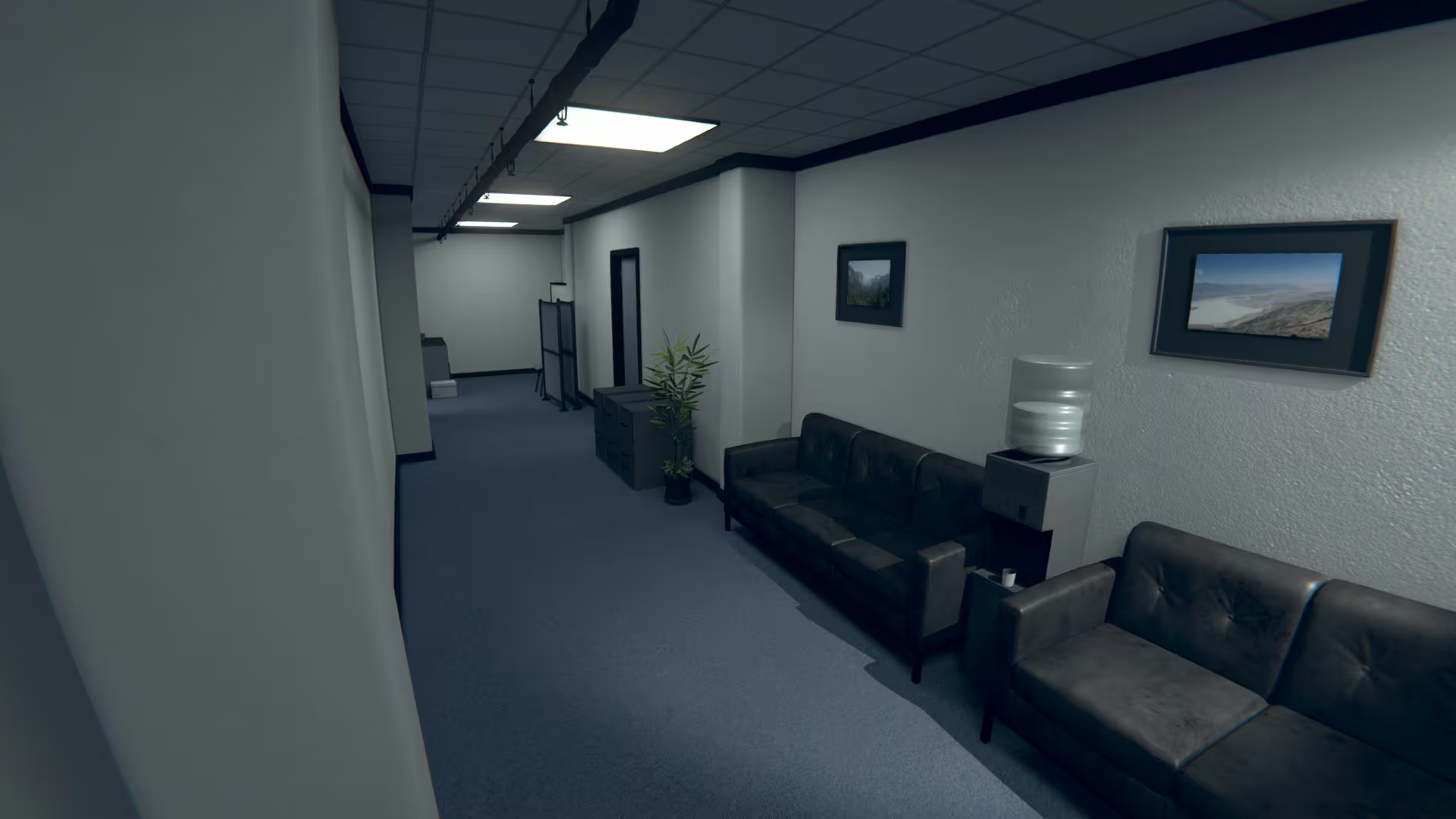
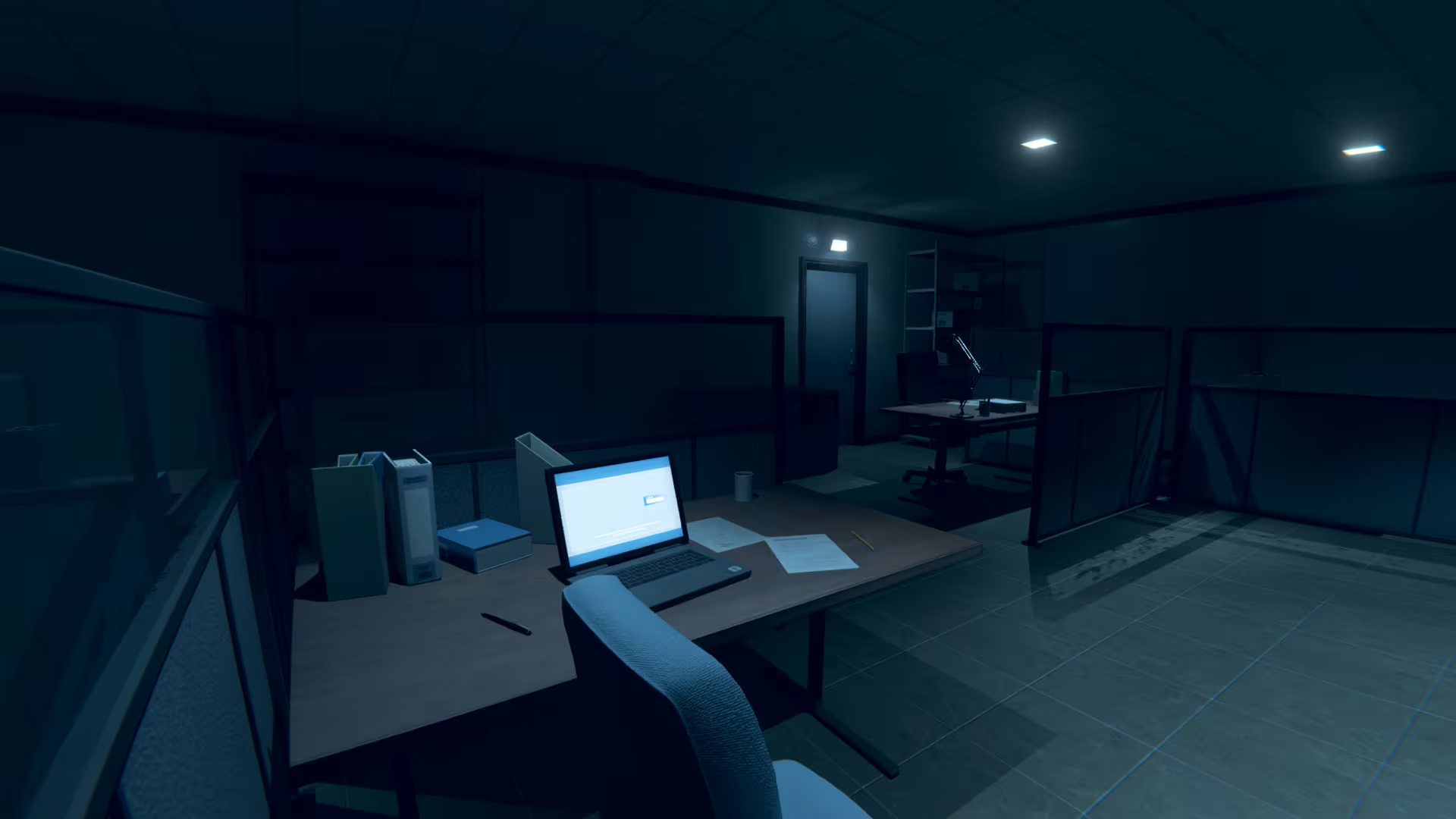
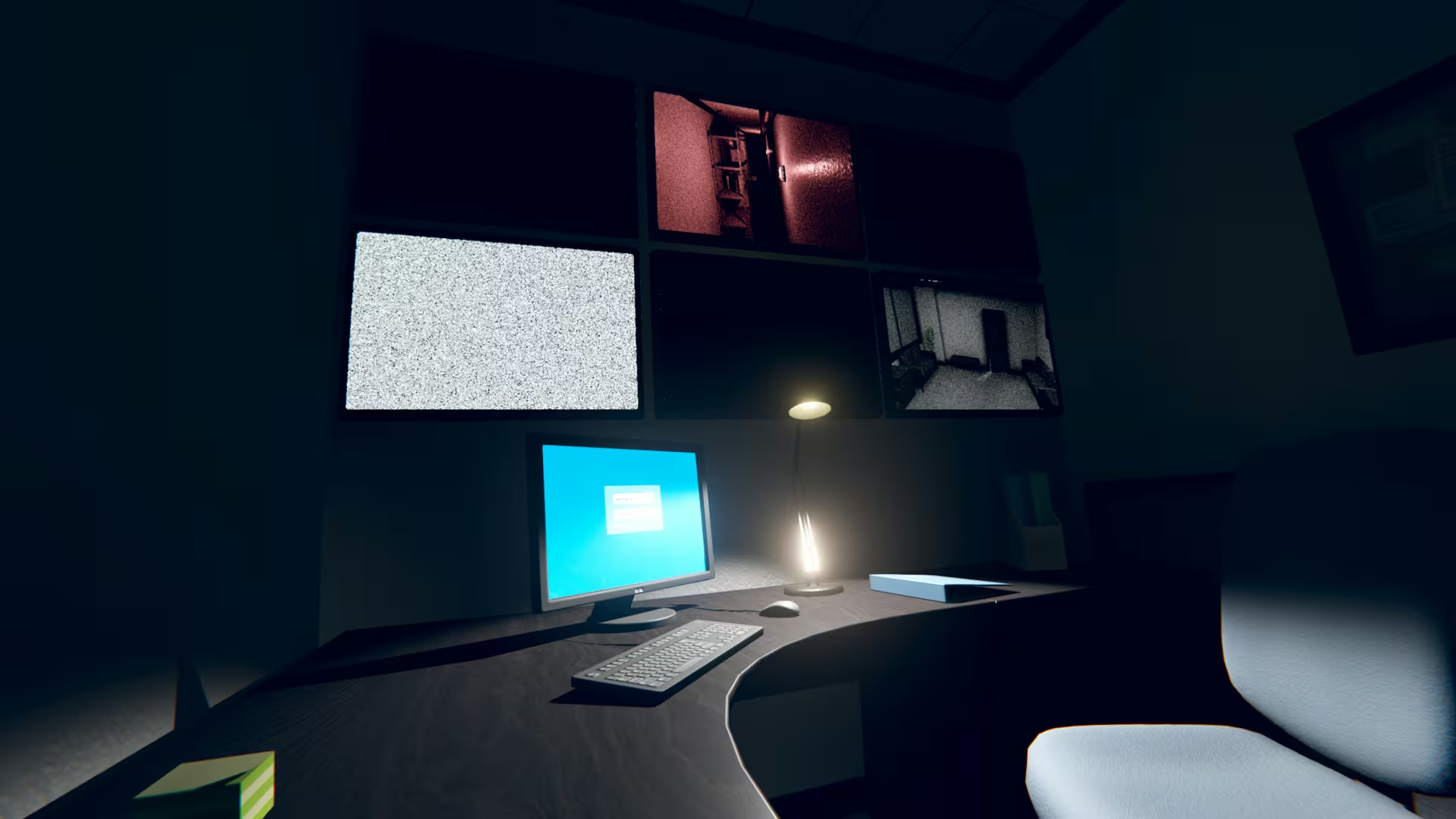
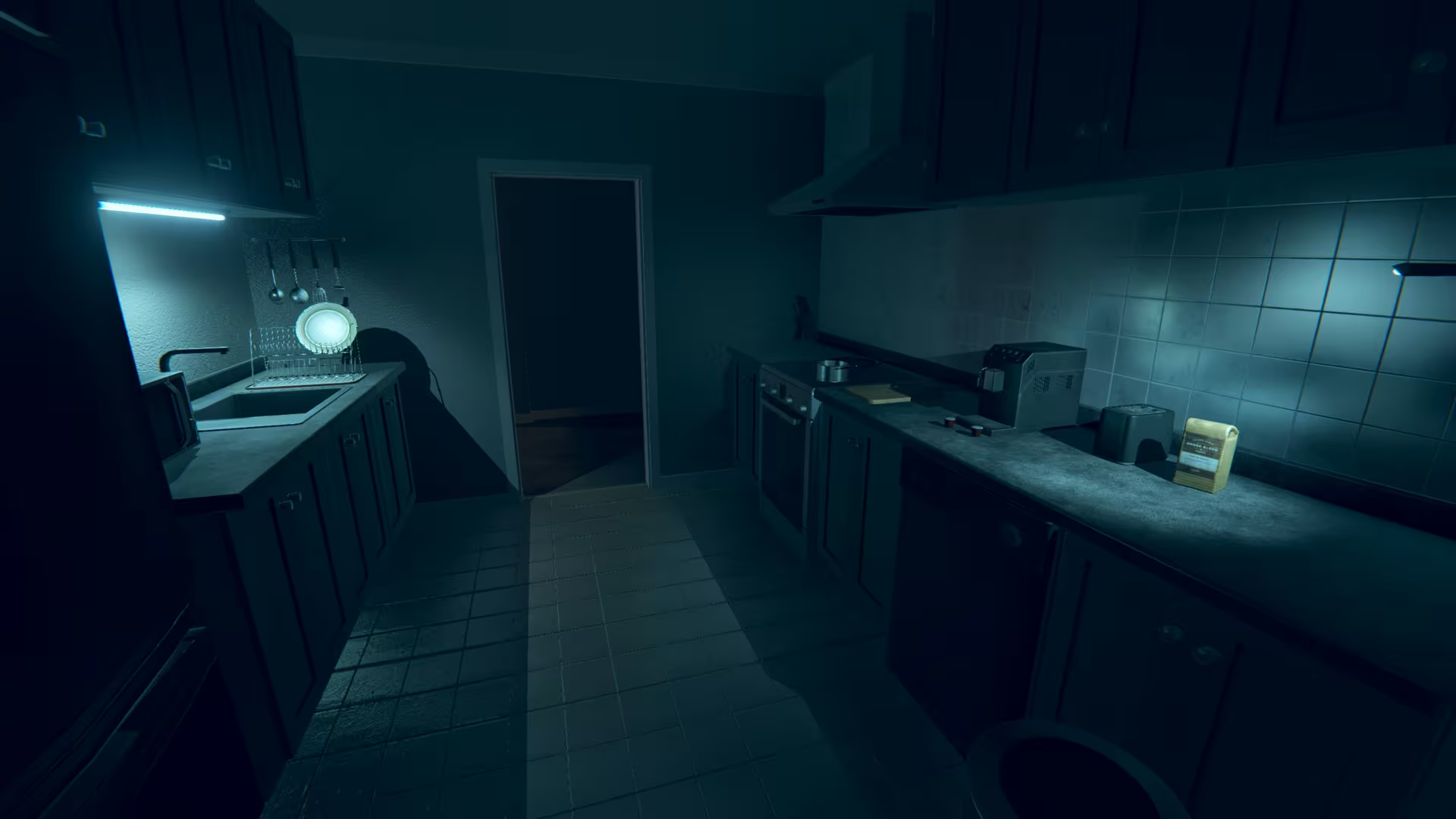
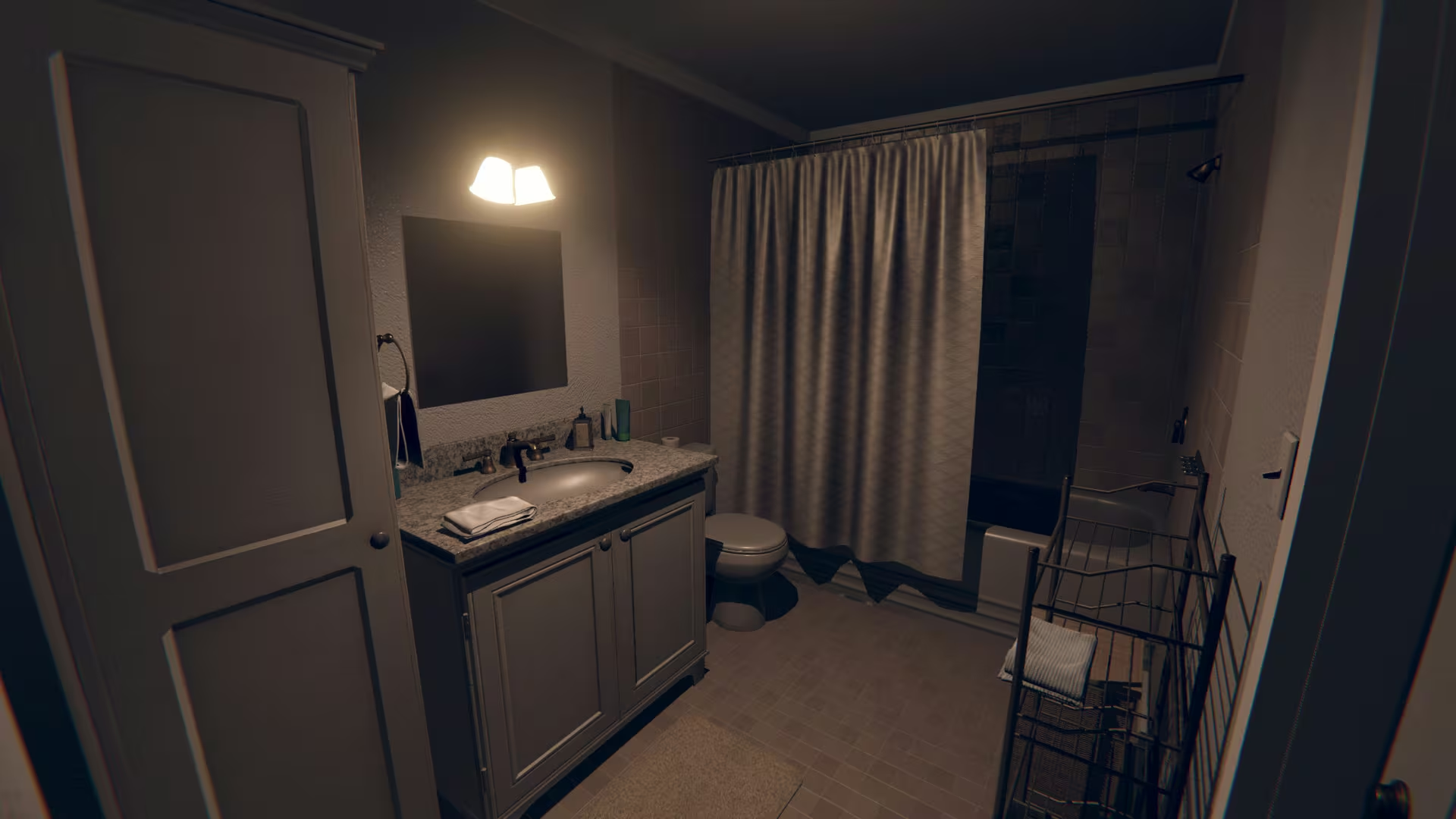
God's Basement is a first-person, narrative-driven, single player horror game. Uncover the secrets of an afterlife shrouded in mystery, as an entity known as "The Operator" leads you deeper into the fringes of a seemingly eternal purgatory.

Global score

74/100

Genres

Adventure, Indie

Similar games

    Pros

    • Strong atmospheric horror and tension
    • Engaging and emotional story
    • Effective sound design
    • Accessible gameplay with hint system
    • Well-made for a single developer's first game

    Cons

    • Short game length
    • Some puzzles obscure or frustrating
    • Repetitive environments and backtracking
    • Slow pacing and waiting for triggers
    • Minor bugs and clipping issues

    Analysis

    Less representative of its motivational profile, with noticeable differences. Motivations that often define this kind of title include Survival, Violence, Fellowship, Expression. Here, the score leans higher than usual among comparable games on Idle, Thrill. It leans lower than usual among comparable games on Expression.

    How to use the graph
    Similar games map

    Each dot is a game. They are arranged from the same motivation profile as in the “Motivations” section below. Closer dots usually mean more similar reasons to play (exploration, competition, relaxation, etc.)—not that one game is “better” than another.

    • Larger dot with a light outline: the game you are viewing.
    • Colour: groups of games with comparable motivation patterns (statistical clusters).
    • Hover a dot to see the game name; click to open its page.
    • Scroll or double-click the chart to zoom out and see more games.

    Why don’t the axes read like a score? This view uses t-SNE: it only keeps who is close to whom. The scales are not “good to bad” or hours played—they separate groups on the map. Read distance between dots, not the axis numbers.

    Motivations

    • Autonomy
      4

      "Players have freedom to explore environments and interact with objects, but progression is linear and requires triggering specific events."

    • Competence
      1

      "Gameplay involves simple puzzles and exploration with some obscure triggers; not highly skill-demanding but requires attention and puzzle solving."

    • Competition
      -5

      "No competitive elements; focus is on solo experience without comparison to others."

    • Continuation
      1

      "Players are engaged by story and atmosphere but some frustration with slow pacing and repeated areas may reduce habitual play."

    • Cooperation
      -5

      "Entirely single-player experience with no cooperative or multiplayer features."

    • Creativity
      2

      "Players can explore and interpret story elements creatively, but game structure and puzzles are predefined and linear."

    • Domination
      -5

      "No elements of exerting control or superiority over others; purely individual experience."

    • Escapism
      4

      "Strongly immersive horror atmosphere and story provide escape from real life into a psychological narrative."

    • Expectation
      -4

      "Players engage voluntarily out of interest in horror and story; no obligation or external pressure noted."

    • Experimenting
      1

      "Some exploration and puzzle solving encourages trying different approaches, but overall gameplay is linear and guided."

    • Exploration
      3

      "Players explore environments and uncover story through notes and triggers, though areas are reused and limited."

    • Expression
      -5

      "No character customization or player expression; presentation is fixed and standardized."

    • Fantasy
      4

      "Game presents an imaginative afterlife setting with supernatural and psychological horror elements."

    • Fellowship
      -5

      "No social or community features; experience is solitary."

    • Growth
      2

      "Players learn story details and puzzle solutions, gaining understanding and insight as they progress."

    • Health
      -5

      "Sedentary gameplay typical of walking simulators; no physical activity or health-related features."

    • Idle
      3

      "Gameplay includes waiting for triggers and slow pacing, allowing for intermittent attention."

    • Intimacy
      -5

      "No close social interactions or emotional sharing with others; solitary experience."

    • Leadership
      -5

      "No leadership or group management roles; single-player only."

    • Progression
      2

      "Players progress through story and unlock new areas and puzzles, but no item collection or upgrades."

    • Relaxation
      1

      "Atmosphere creates tension and suspense but pacing is slow and some players find it frustrating."

    • Sensation
      3

      "Effective use of sound design and lighting creates sensory stimulation and emotional tension."

    • Status
      -5

      "No social recognition or status systems; individual experience without external evaluation."

    • Story
      5

      "Strong narrative focus with immersive storytelling and plot twists central to player engagement."

    • Strategy
      1

      "Some puzzle solving requires reasoning, but overall gameplay is straightforward and linear."

    • Thrill
      3

      "Suspense and occasional jump scares provide moments of thrill and tension release."

    • Value
      1

      "Generally considered good value on sale due to short length and quality; full price seen as high."

    • Violence
      -5

      "No combat or destructive gameplay; focus on exploration and story."

    • Survival
      -5

      "No survival mechanics or threat of failure; player cannot die or be harmed."

    Last update: 29/04/2026