A Chair in a Room : Greenwater Thumbnail

A Chair in a Room : Greenwater similar games & best alternatives

A Chair in a Room : Greenwater

PC (Microsoft Windows), PlayStation VR • 2016

Related articles

Quick resume

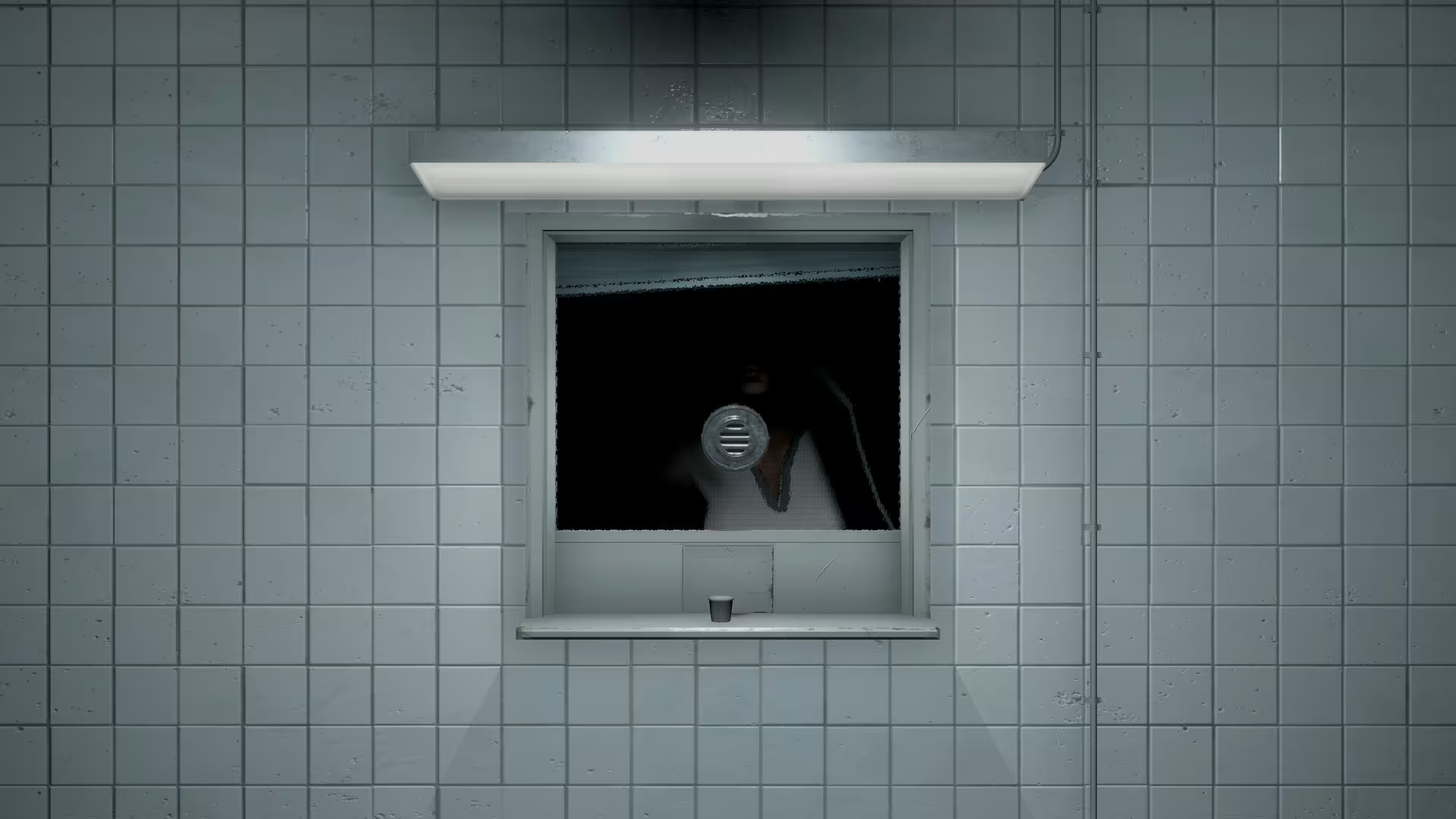
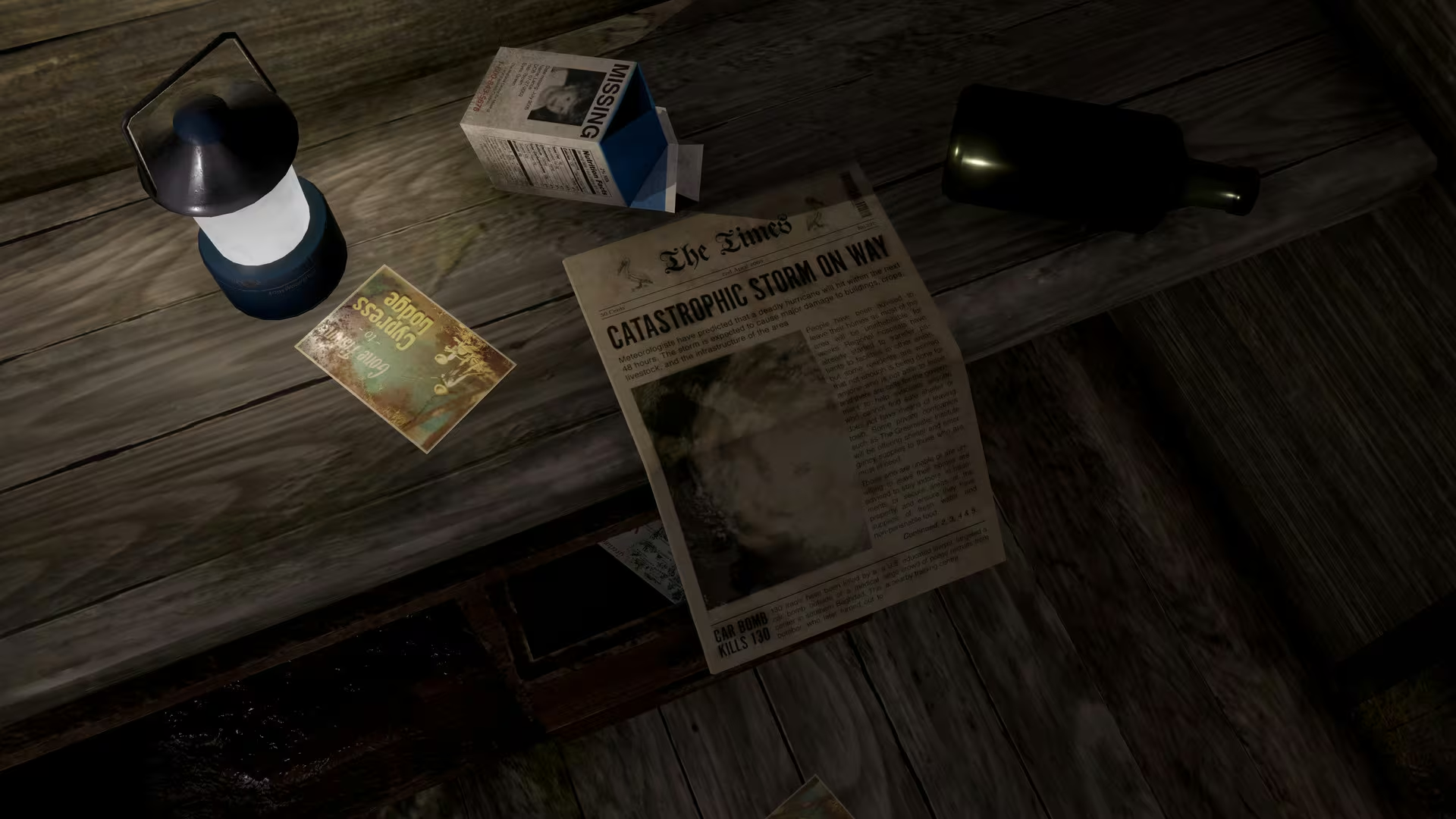
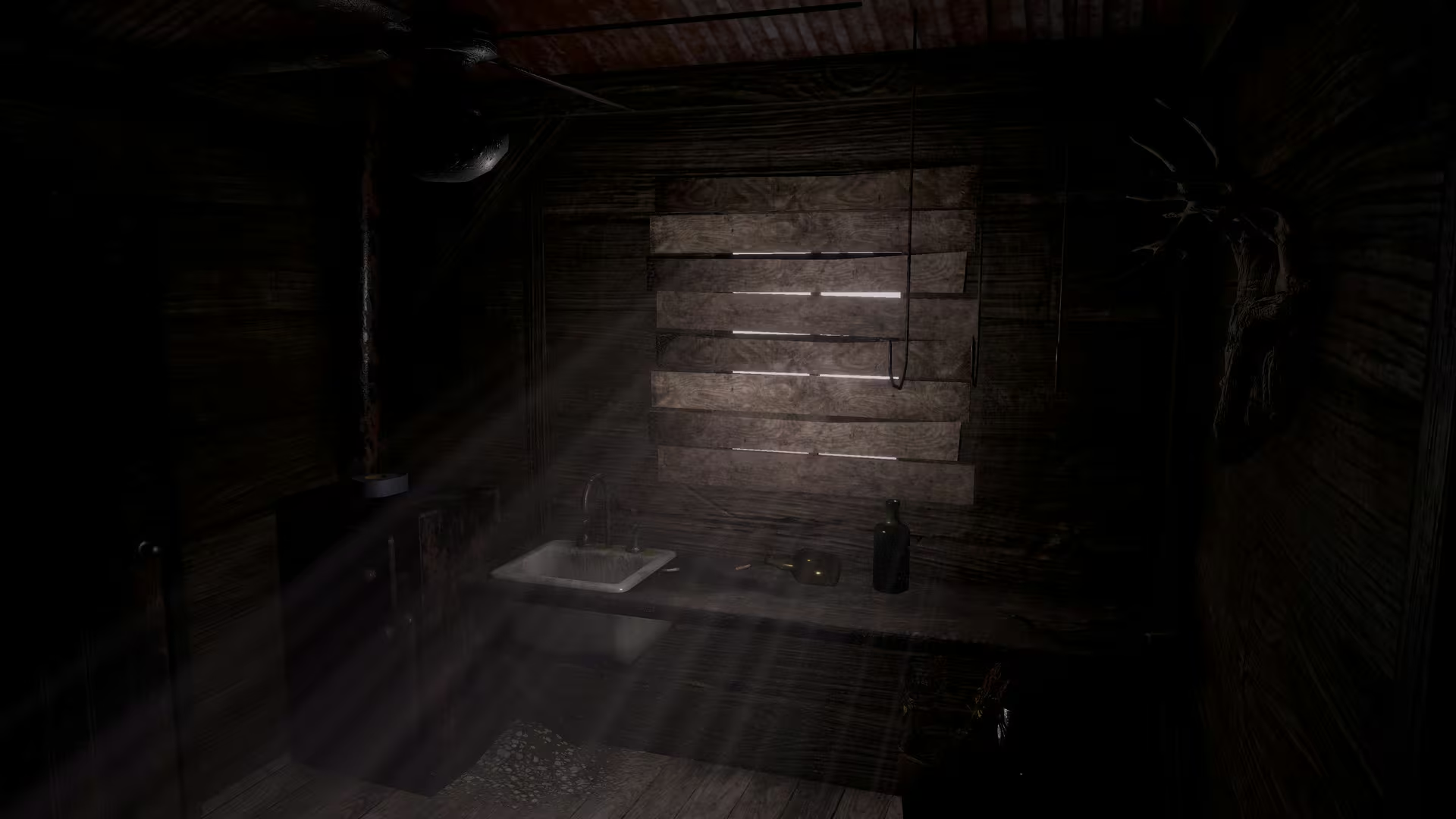
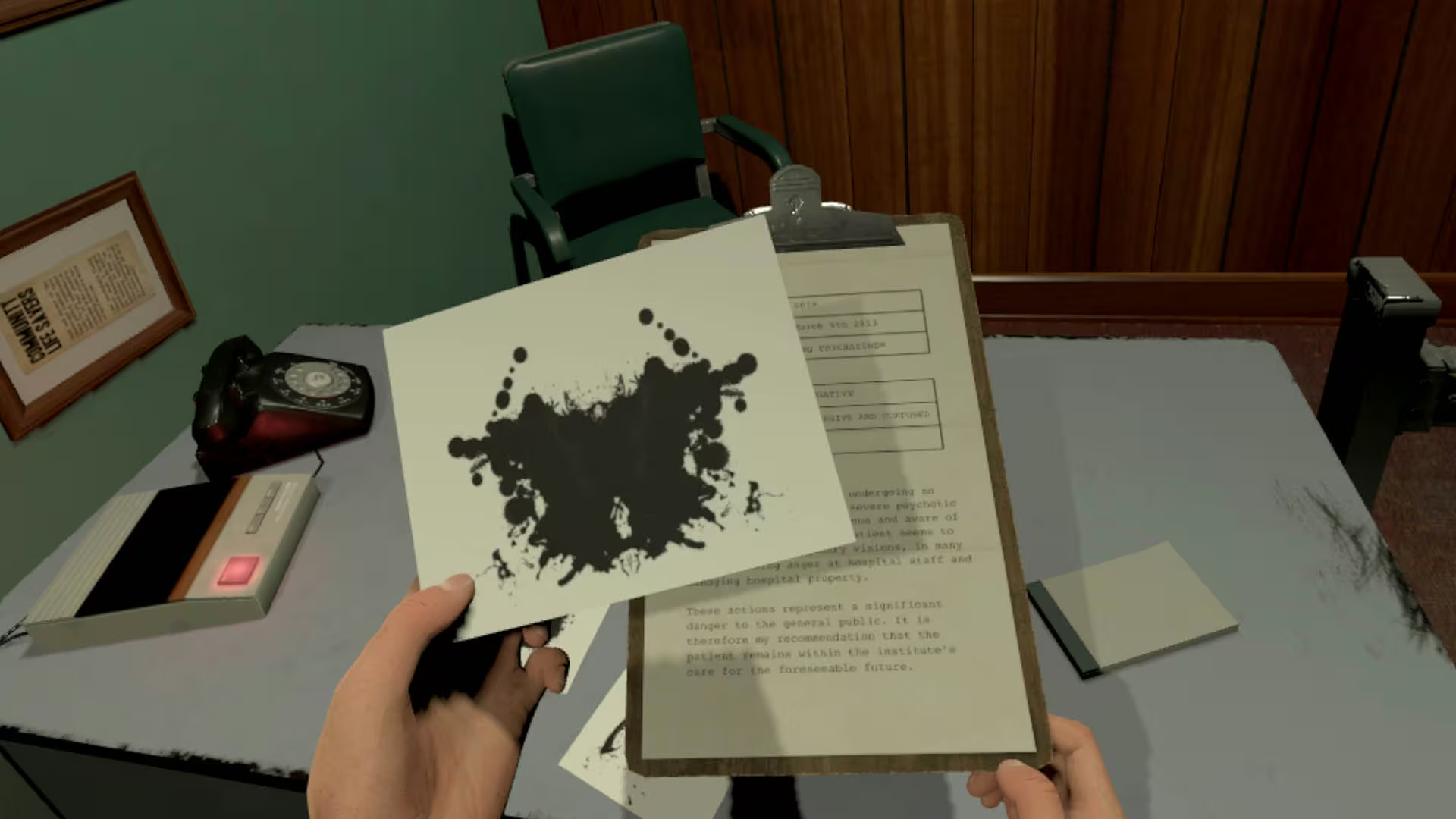
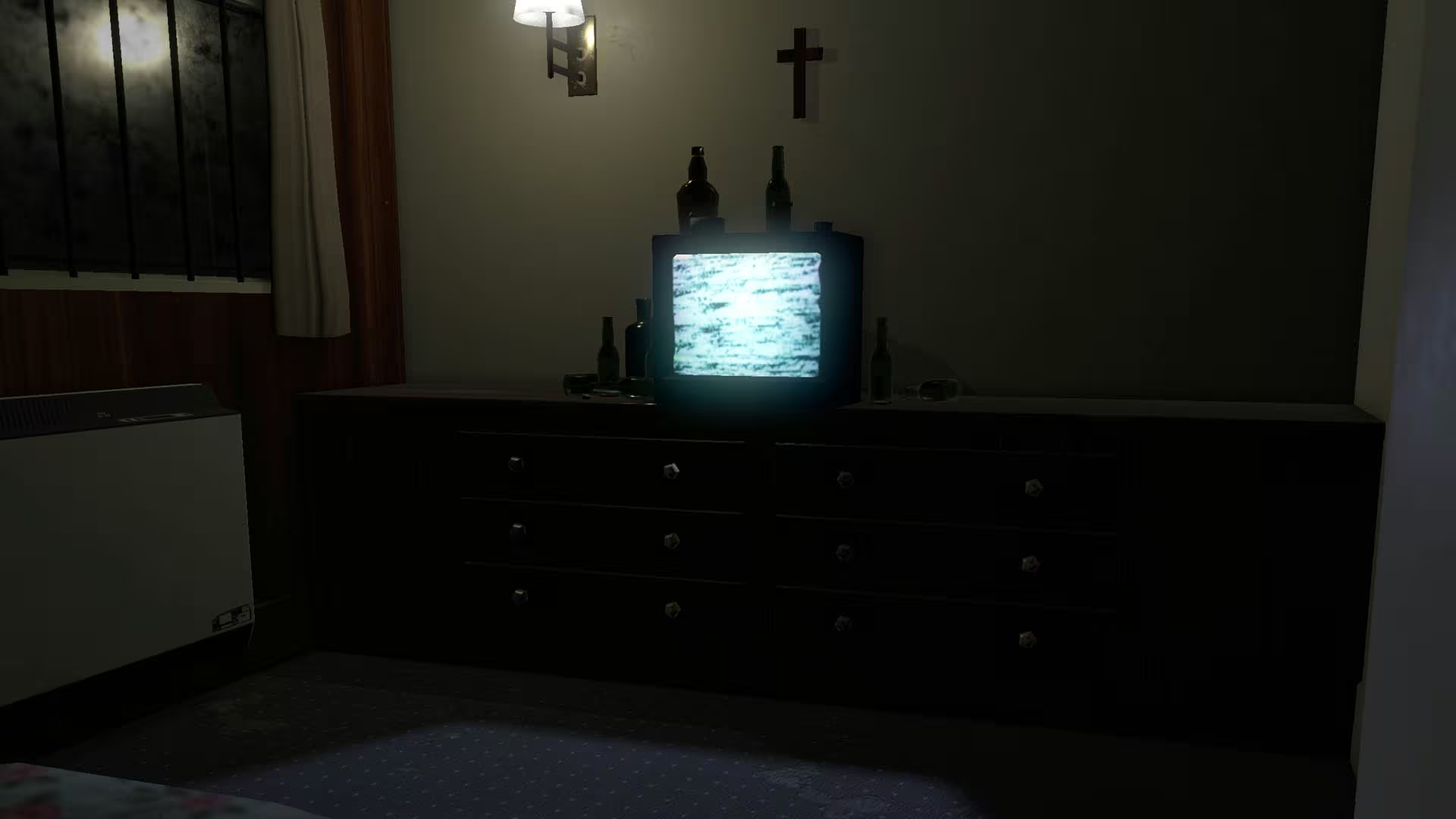
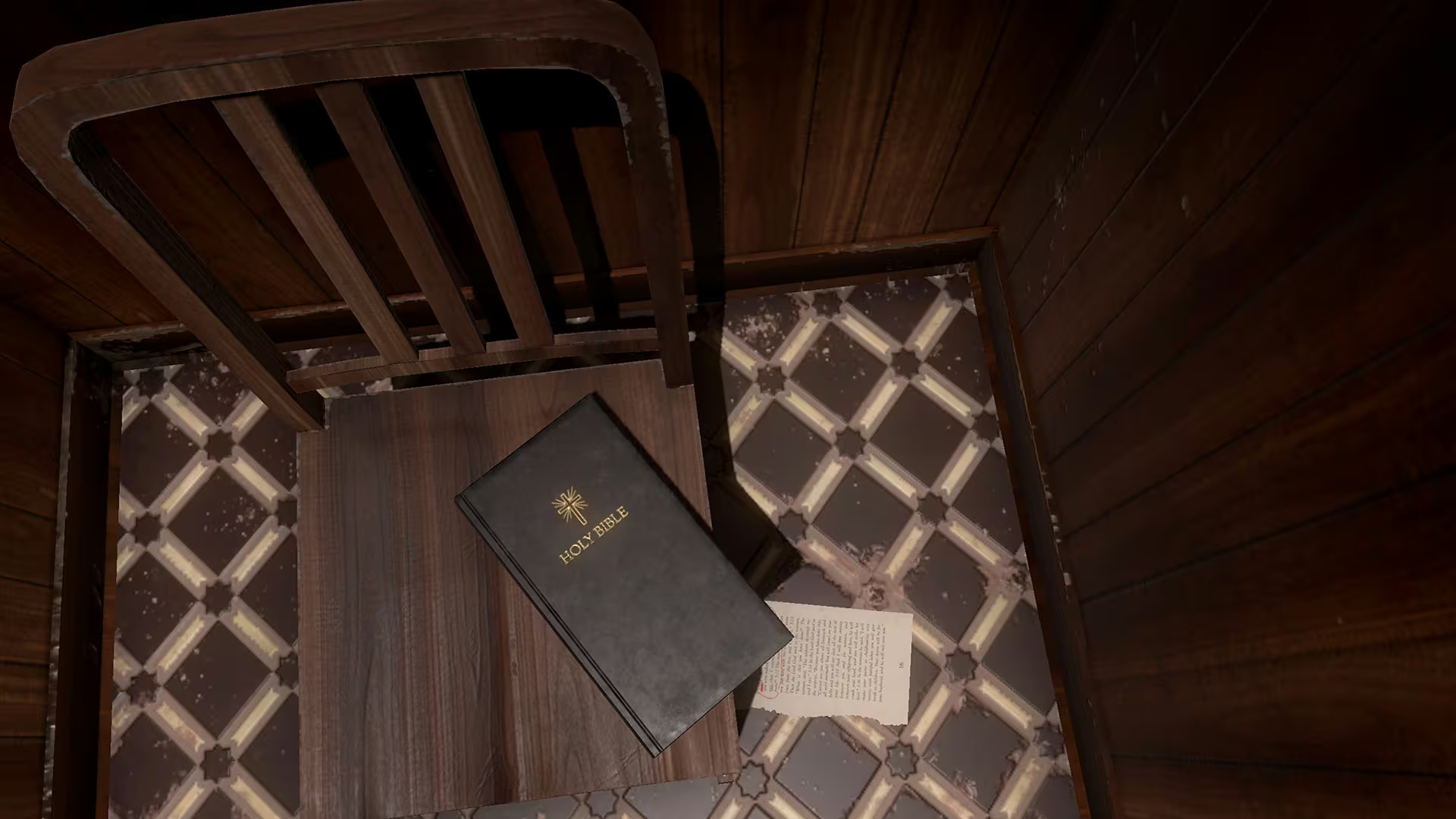
Explore your surroundings as the protagonist of your own horror story as you immerse yourself in this tense VR thriller set in America’s Deep South. Navigate your way through your memories, piecing together the clues and puzzles, to solve the mystery of how you have awoken in the sinister Greenwater Institute, known only as Patient No.

Global score

83/100

Genres

Adventure, Indie, Simulator

Similar games

    Pros

    • Immersive room-scale vr horror
    • Engaging psychological thriller story
    • Well-designed puzzles
    • Strong atmosphere and sound design
    • Effective use of vr presence

    Cons

    • Some physics and object interaction glitches
    • Short playtime
    • Requires large play space for best experience
    • Puzzle difficulty can be obscure
    • Limited replay value

    Analysis

    Less representative of its motivational profile, with noticeable differences. Motivations that often define this kind of title include Health, Story, Competition, Status. Here, the score leans higher than usual among comparable games on Story. It leans lower than usual among comparable games on Expression, Competition.

    How to use the graph
    Similar games map

    Each dot is a game. They are arranged from the same motivation profile as in the “Motivations” section below. Closer dots usually mean more similar reasons to play (exploration, competition, relaxation, etc.)—not that one game is “better” than another.

    • Larger dot with a light outline: the game you are viewing.
    • Colour: groups of games with comparable motivation patterns (statistical clusters).
    • Hover a dot to see the game name; click to open its page.
    • Scroll or double-click the chart to zoom out and see more games.

    Why don’t the axes read like a score? This view uses t-SNE: it only keeps who is close to whom. The scales are not “good to bad” or hours played—they separate groups on the map. Read distance between dots, not the axis numbers.

    Motivations

    • Autonomy
      4

      "Players have freedom to explore rooms, solve puzzles, and interact with objects in a non-linear manner within each area."

    • Competence
      3

      "Puzzles require some skill and problem solving, but are not overly difficult; players receive feedback through progression."

    • Competition
      -5

      "No competitive elements; focus is on personal experience and story progression."

    • Continuation
      2

      "Players often play in multiple sessions and reflect on the experience, indicating moderate attachment."

    • Cooperation
      -5

      "Single-player experience with no cooperative gameplay."

    • Creativity
      1

      "Some player interaction with objects and puzzle solving, but within predefined environments and story."

    • Domination
      -5

      "No social dominance or power dynamics; solitary experience."

    • Escapism
      5

      "Strong escapism through immersive horror atmosphere and psychological thriller narrative."

    • Expectation
      -4

      "Players engage voluntarily out of interest and intrinsic motivation to experience the story and scares."

    • Experimenting
      2

      "Players explore environments and try different puzzle solutions, though within structured gameplay."

    • Exploration
      3

      "Players discover new rooms and clues, progressing through a series of environments."

    • Expression
      -5

      "No character customization or personal expression; fixed narrative and presentation."

    • Fantasy
      3

      "Psychological horror and thriller elements create an imaginative, unsettling fictional experience."

    • Fellowship
      -5

      "Primarily a solitary experience with minimal social interaction."

    • Growth
      3

      "Players develop problem-solving skills and understanding of story through gameplay."

    • Health
      1

      "Requires physical movement in room-scale VR, encouraging moderate physical activity."

    • Idle
      -4

      "Requires focused attention and active engagement; not suited for passive or background play."

    • Intimacy
      -5

      "No social or emotional relationship building; solitary psychological experience."

    • Leadership
      -5

      "No leadership or group management elements."

    • Progression
      3

      "Players progress through chapters and unlock story elements and puzzles."

    • Relaxation
      -3

      "Tense, suspenseful atmosphere creates sustained emotional strain rather than relaxation."

    • Sensation
      4

      "Strong sensory stimulation through immersive audio, visuals, and VR presence."

    • Status
      -5

      "No social recognition or status systems."

    • Story
      5

      "Narrative-driven experience with psychological thriller plot and immersive storytelling."

    • Strategy
      2

      "Puzzle solving requires some reasoning and planning, though not highly complex."

    • Thrill
      4

      "Sustained suspense and psychological tension with occasional jump scares create thrill."

    • Value
      3

      "Players perceive good value for immersive VR horror experience despite short playtime."

    • Violence
      -4

      "Focus is on psychological horror and puzzle solving rather than combat or destruction."

    • Survival
      1

      "Some elements of avoiding failure and progressing through threats, but not core gameplay."

    Last update: 29/04/2026