Rhome Thumbnail

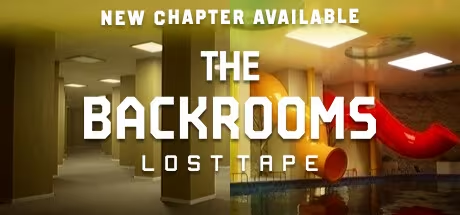
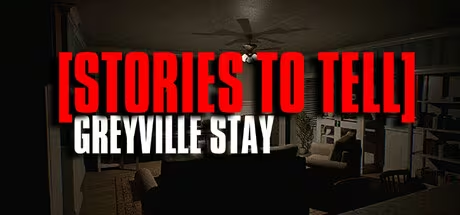
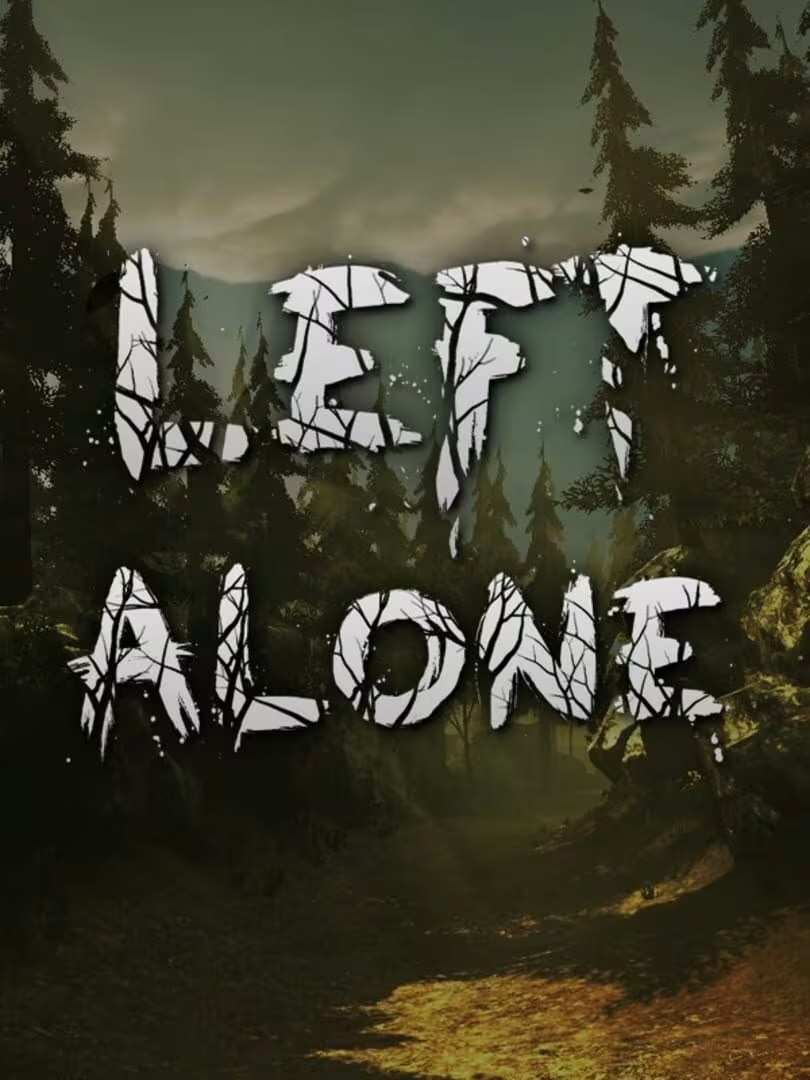
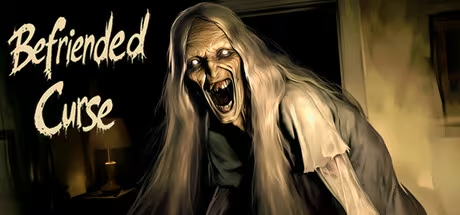
Rhome similar games & best alternatives

Rhome

PC (Microsoft Windows) • 2020

Related articles

Quick resume

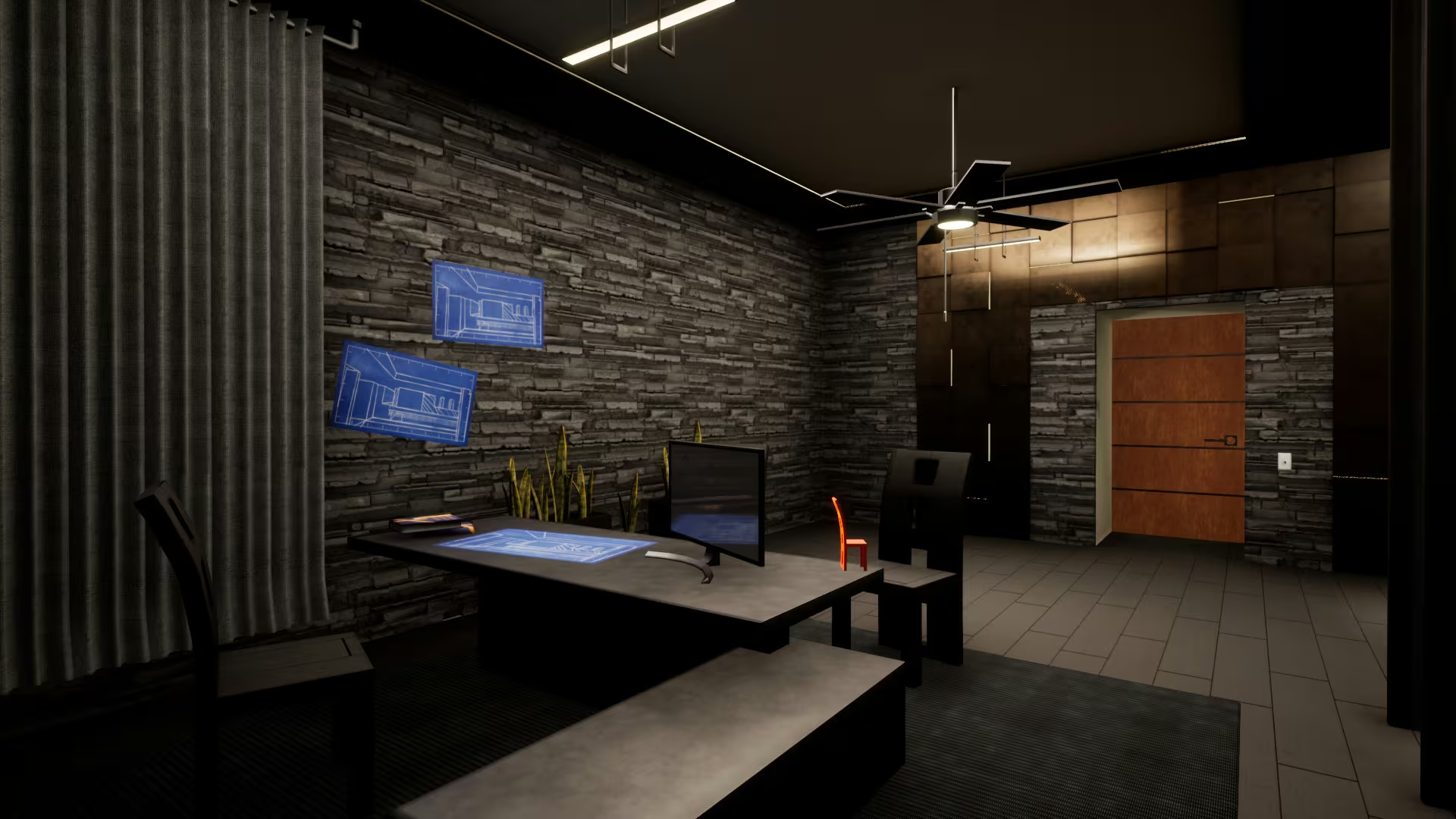
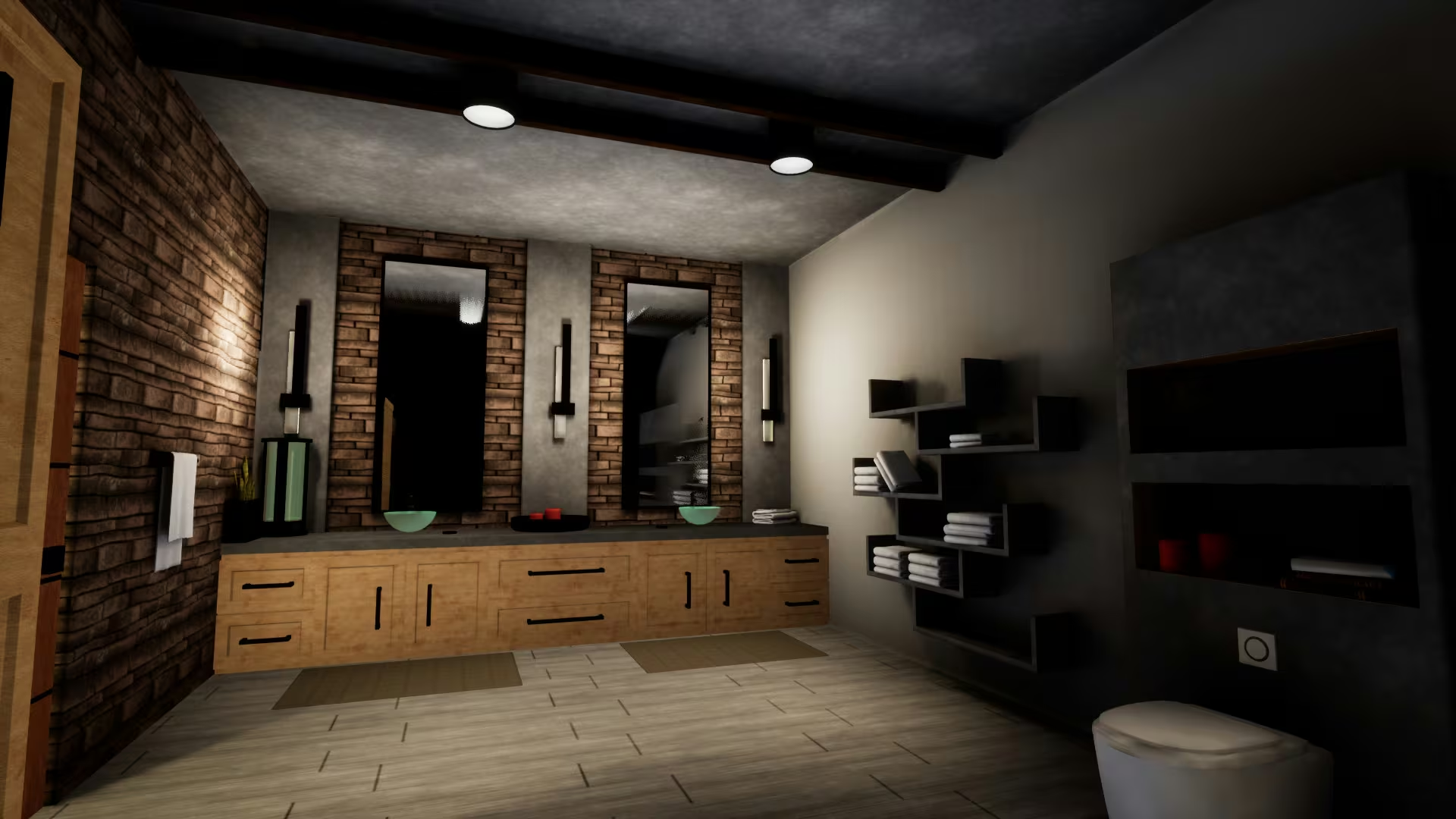
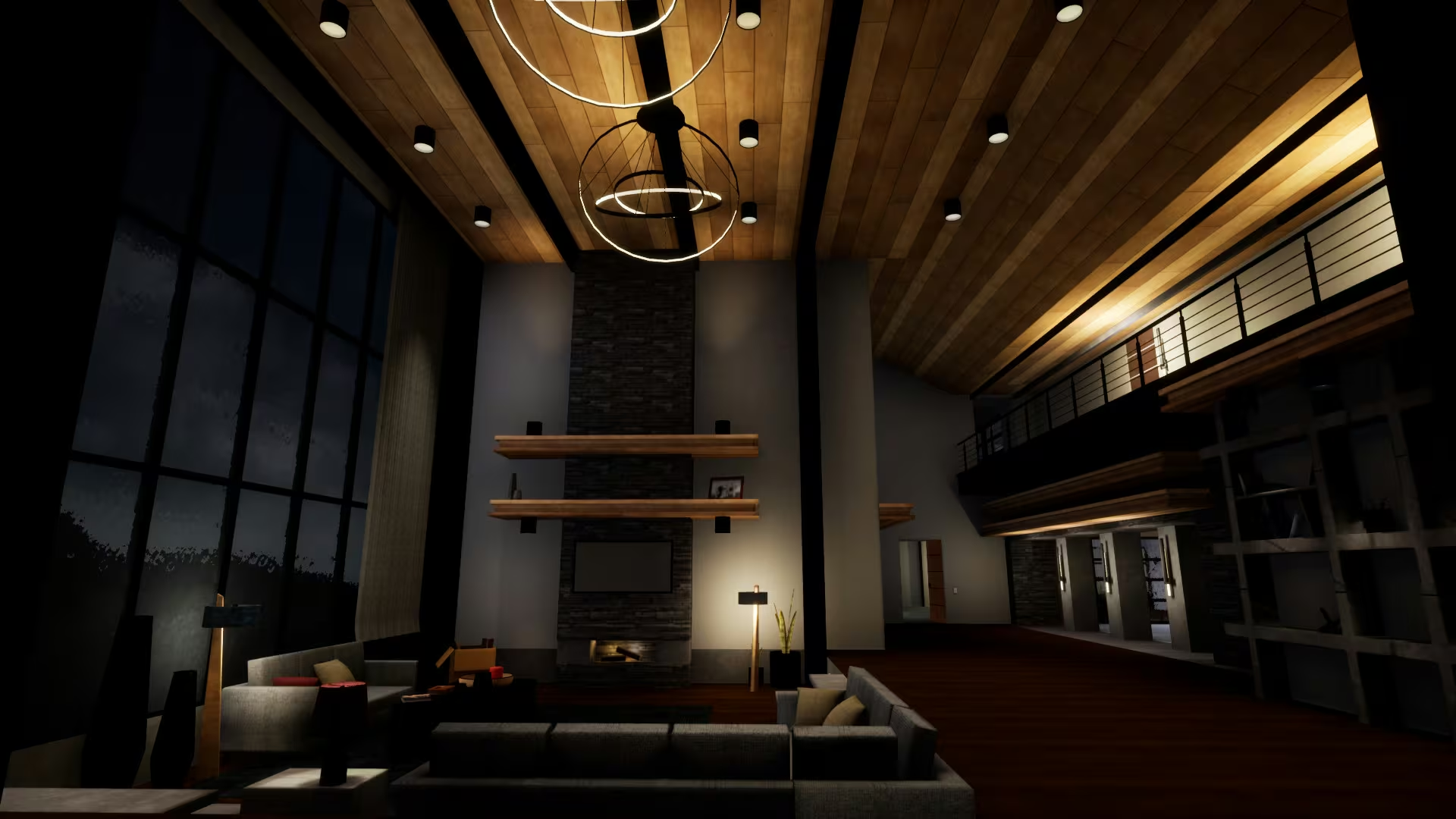
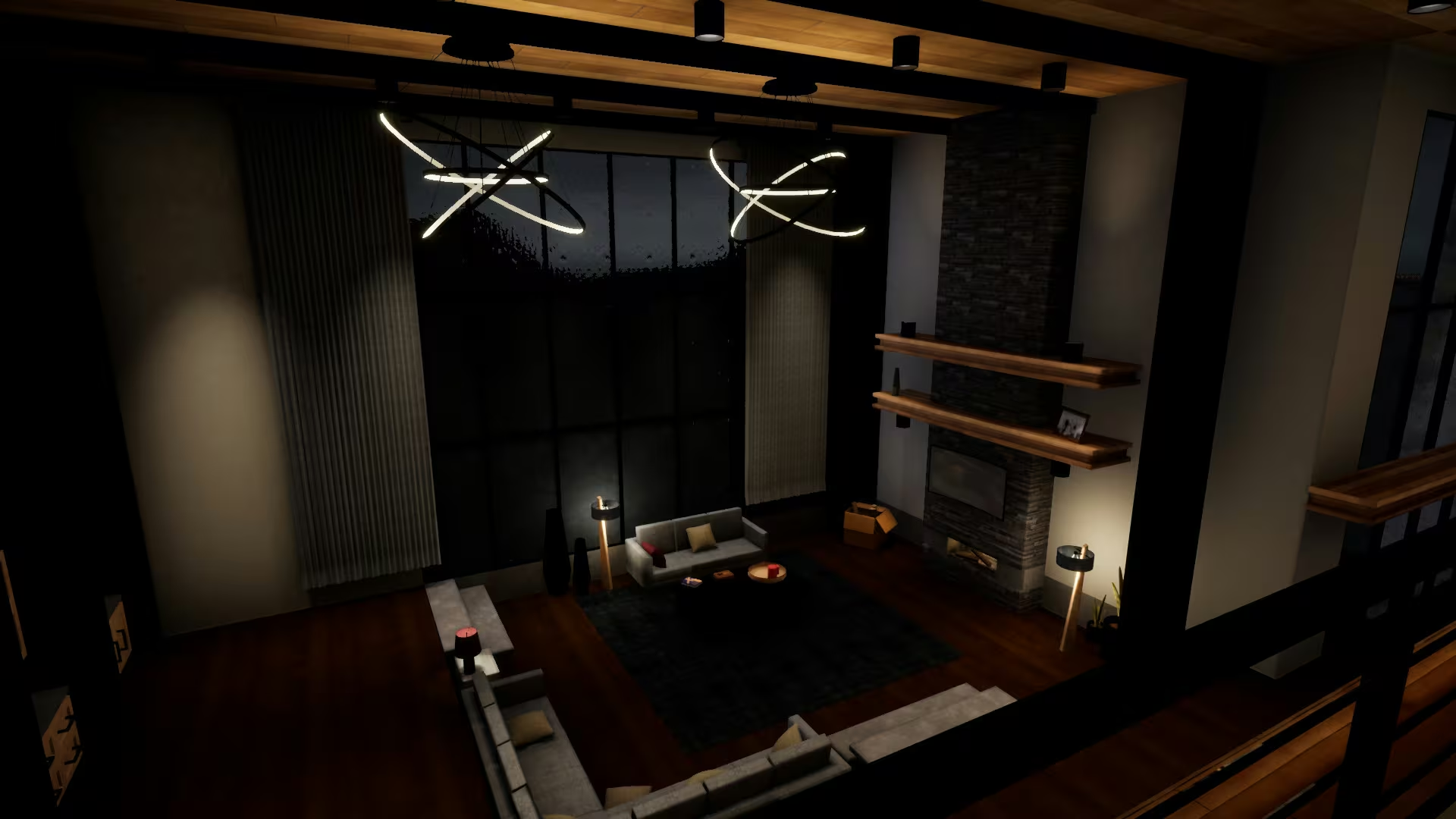
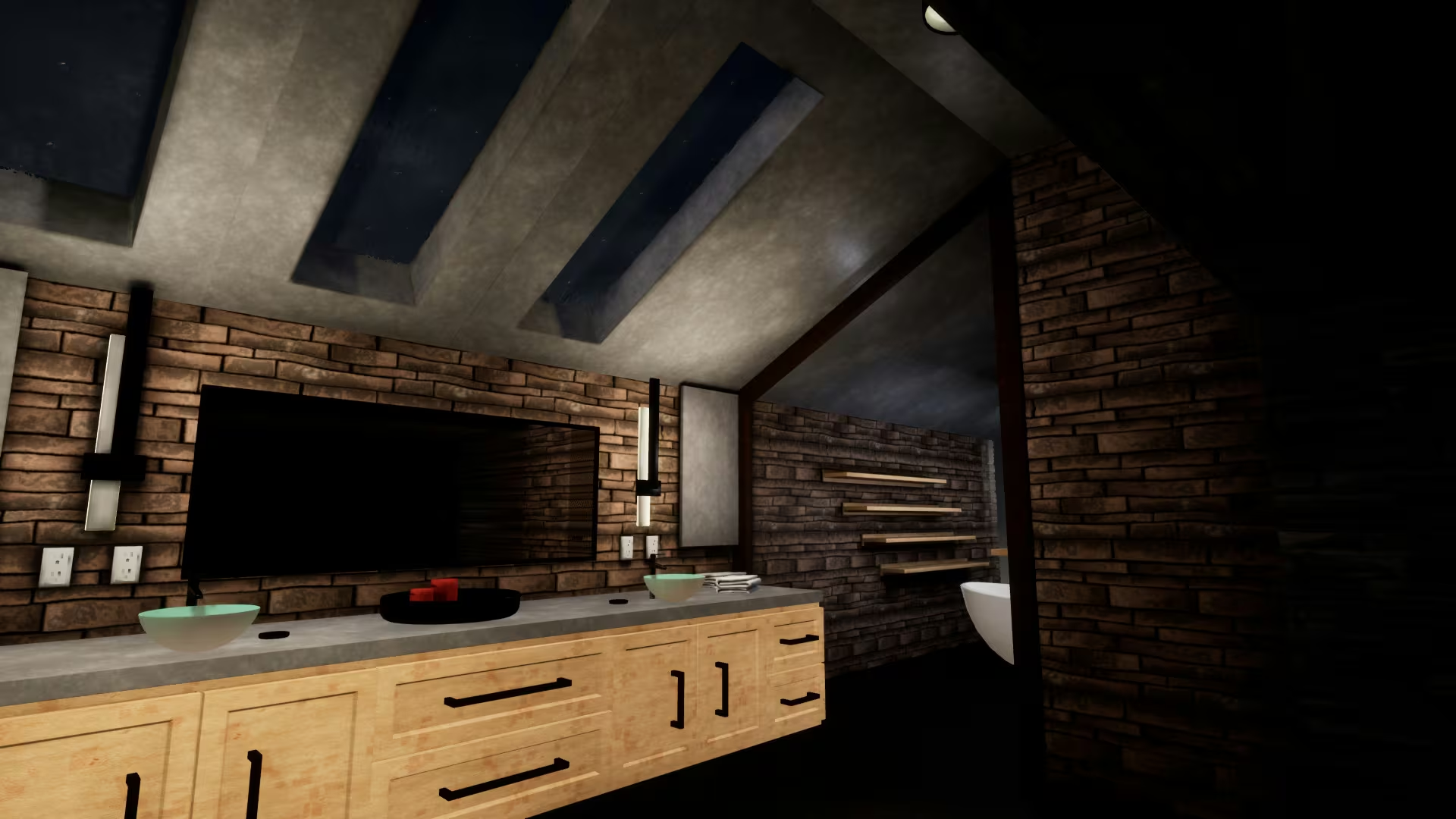
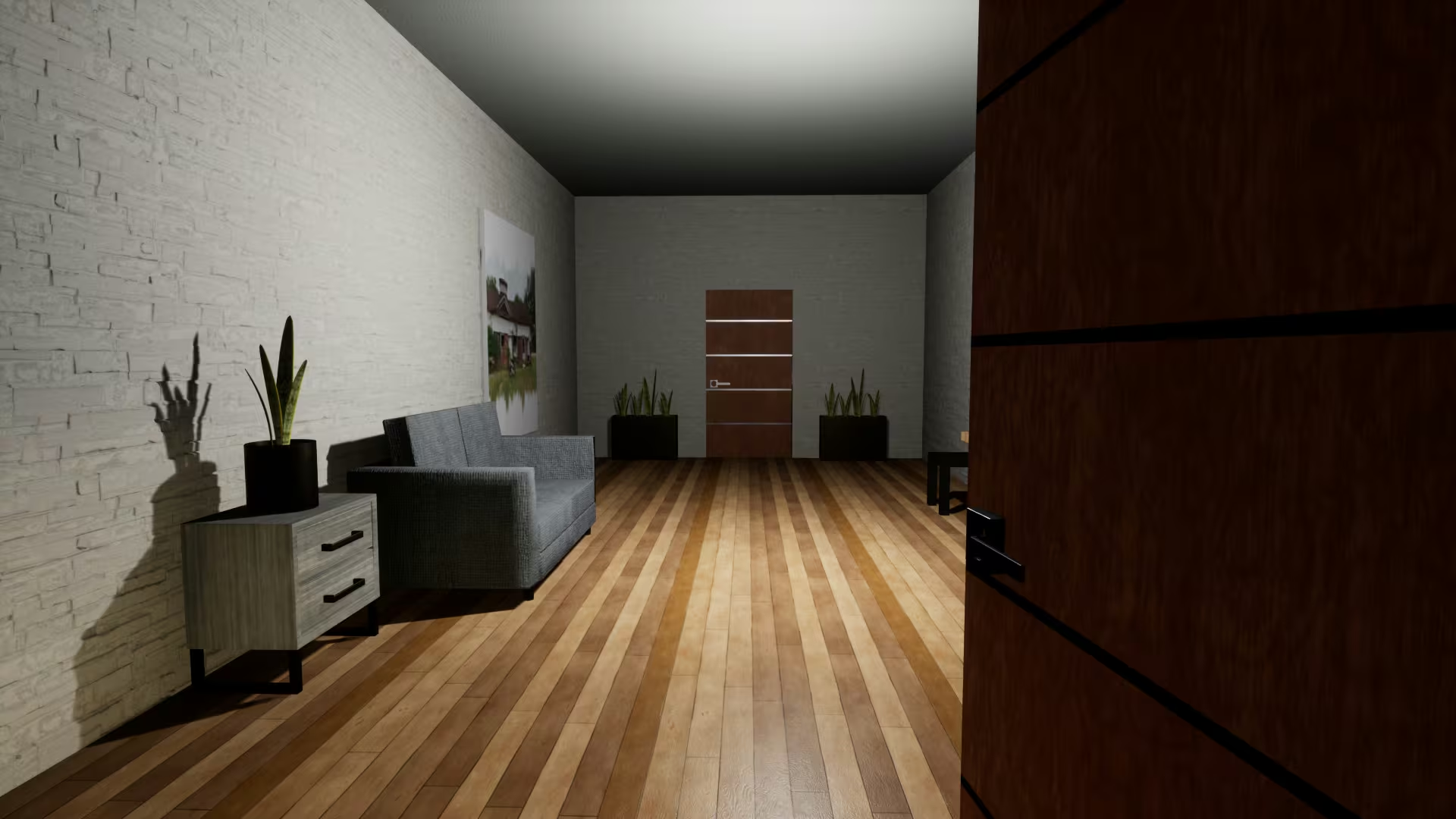
Rhome is a first-person dark atmospheric exploration game made by students at SMU Guildhall. Players navigate an increasingly chaotic and psychologically unnerving environment to reveal the fate of Hailey Rhome. Proceeds from your purchase on Steam go to support student development.

Global score

89/100

Genres

Adventure, Casual, Free To Play, Indie

Similar games

    Pros

    • Immersive psychological horror atmosphere
    • Highly creative and detailed environment design
    • Excellent voice acting
    • Free to play
    • Well-paced short narrative experience

    Cons

    • Very short gameplay length
    • Limited puzzle complexity
    • Some minor technical issues reported
    • Linear and minimal interactivity
    • Lack of replay value for some players

    Analysis

    Less representative of its motivational profile, with noticeable differences. Motivations that often define this kind of title include Survival, Violence, Fellowship, Expression. Here, the score leans higher than usual among comparable games on Thrill. It leans lower than usual among comparable games on Strategy, Continuation.

    How to use the graph
    Similar games map

    Each dot is a game. They are arranged from the same motivation profile as in the “Motivations” section below. Closer dots usually mean more similar reasons to play (exploration, competition, relaxation, etc.)—not that one game is “better” than another.

    • Larger dot with a light outline: the game you are viewing.
    • Colour: groups of games with comparable motivation patterns (statistical clusters).
    • Hover a dot to see the game name; click to open its page.
    • Scroll or double-click the chart to zoom out and see more games.

    Why don’t the axes read like a score? This view uses t-SNE: it only keeps who is close to whom. The scales are not “good to bad” or hours played—they separate groups on the map. Read distance between dots, not the axis numbers.

    Motivations

    • Autonomy
      3

      "Players explore a surreal, shifting house with some light puzzle interaction, allowing personal navigation and decision-making within a linear narrative."

    • Competence
      1

      "Gameplay involves light puzzles and exploration with minimal challenge; some players found puzzles easy and limited."

    • Competition
      -5

      "No competitive elements; focus is on personal experience and story."

    • Continuation
      -3

      "Short game (~30-45 minutes) with limited replay value; some players replay for atmosphere but generally a one-time experience."

    • Cooperation
      -5

      "Single-player experience with no multiplayer or cooperative features."

    • Creativity
      4

      "Highly creative environment design with surreal, shifting architecture and symbolic storytelling."

    • Domination
      -5

      "No elements of dominance or control over others; purely individual experience."

    • Escapism
      4

      "Strong psychological horror atmosphere provides immersive escape from reality."

    • Expectation
      -4

      "Players engage voluntarily, motivated by interest in psychological horror and narrative experience."

    • Experimenting
      2

      "Exploration of surreal environments and light puzzle mechanics encourages some experimentation."

    • Exploration
      4

      "Exploring a large, changing house with new areas and secrets is a core gameplay element."

    • Expression
      -3

      "Limited customization or self-expression; players experience a fixed narrative and environment."

    • Fantasy
      4

      "Surreal, psychological horror setting with non-realistic, shifting architecture and narrative."

    • Fellowship
      -5

      "No social or community features; strictly solo play."

    • Growth
      1

      "Some learning involved in puzzle solving and understanding story, but limited skill development."

    • Health
      -5

      "Sedentary gameplay typical of walking simulators."

    • Idle
      -4

      "Requires continuous attention and engagement during the short playtime."

    • Intimacy
      -4

      "Limited social interaction; emotional engagement is with the narrative rather than other players."

    • Leadership
      -5

      "No leadership or group management elements."

    • Progression
      2

      "Some progression through story and unlocking new areas, but no item collection or upgrades."

    • Relaxation
      2

      "Atmosphere creates tension and unease but also moments of calm exploration."

    • Sensation
      3

      "Strong sensory stimulation via visuals, sound design, and voice acting enhances emotional experience."

    • Status
      -5

      "No social recognition or status systems."

    • Story
      4

      "Narrative-driven experience with psychological horror themes and emotional storytelling."

    • Strategy
      -3

      "Minimal strategic or problem-solving demands; puzzles are light and straightforward."

    • Thrill
      3

      "Psychological horror and suspense create tension and occasional scares without jump scares."

    • Value
      4

      "Highly praised for quality and experience especially given it is free; good value for time."

    • Violence
      -5

      "No violence or combat; focus on exploration and psychological themes."

    • Survival
      -5

      "No survival mechanics or threats; safe exploration environment."

    Last update: 29/04/2026