HELLCARD Thumbnail

HELLCARD similar games & best alternatives
HELLCARD

PC (Microsoft Windows), Nintendo Switch, PlayStation 4, Mac • 2024

Related articles

Quick resume

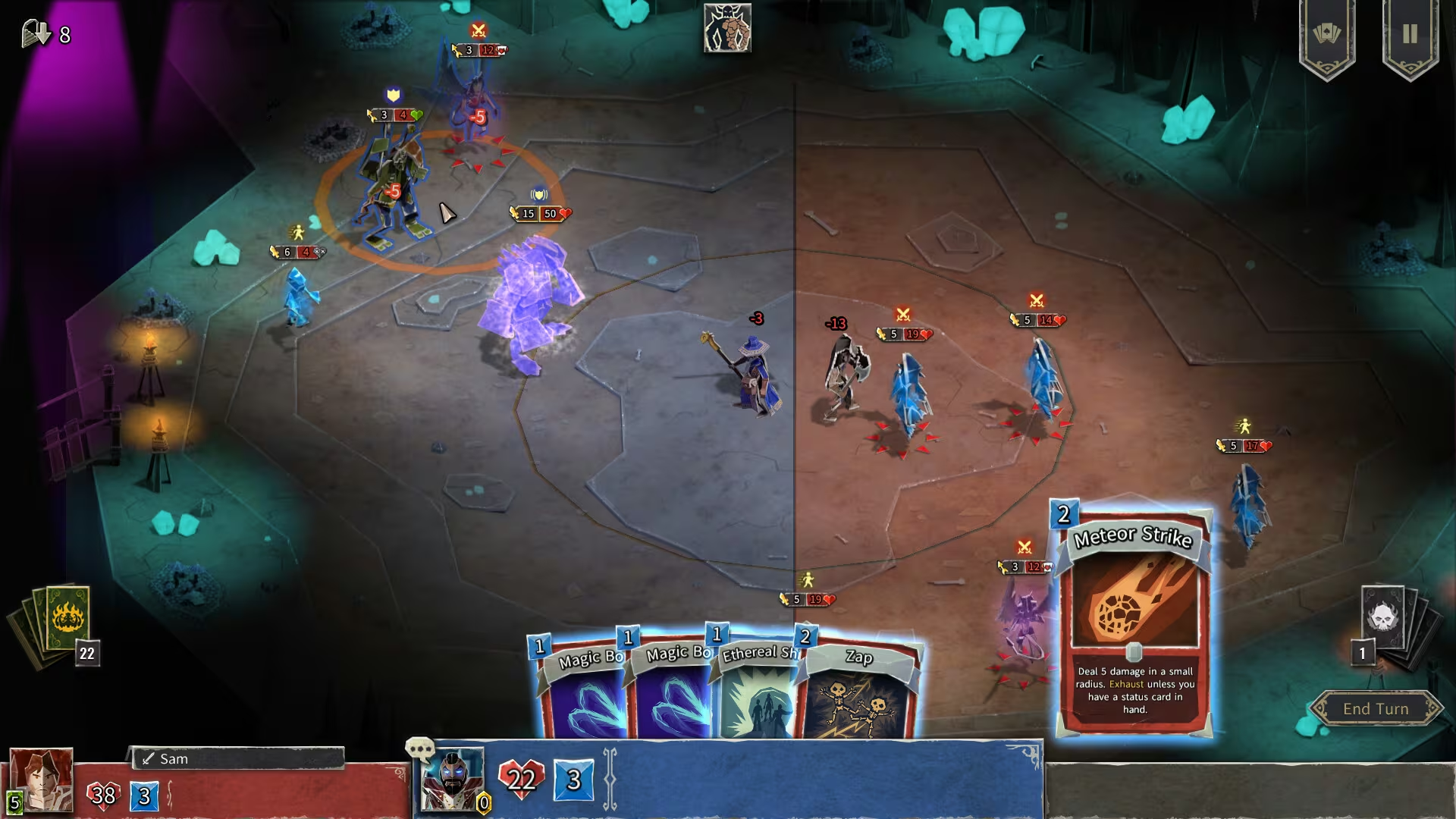
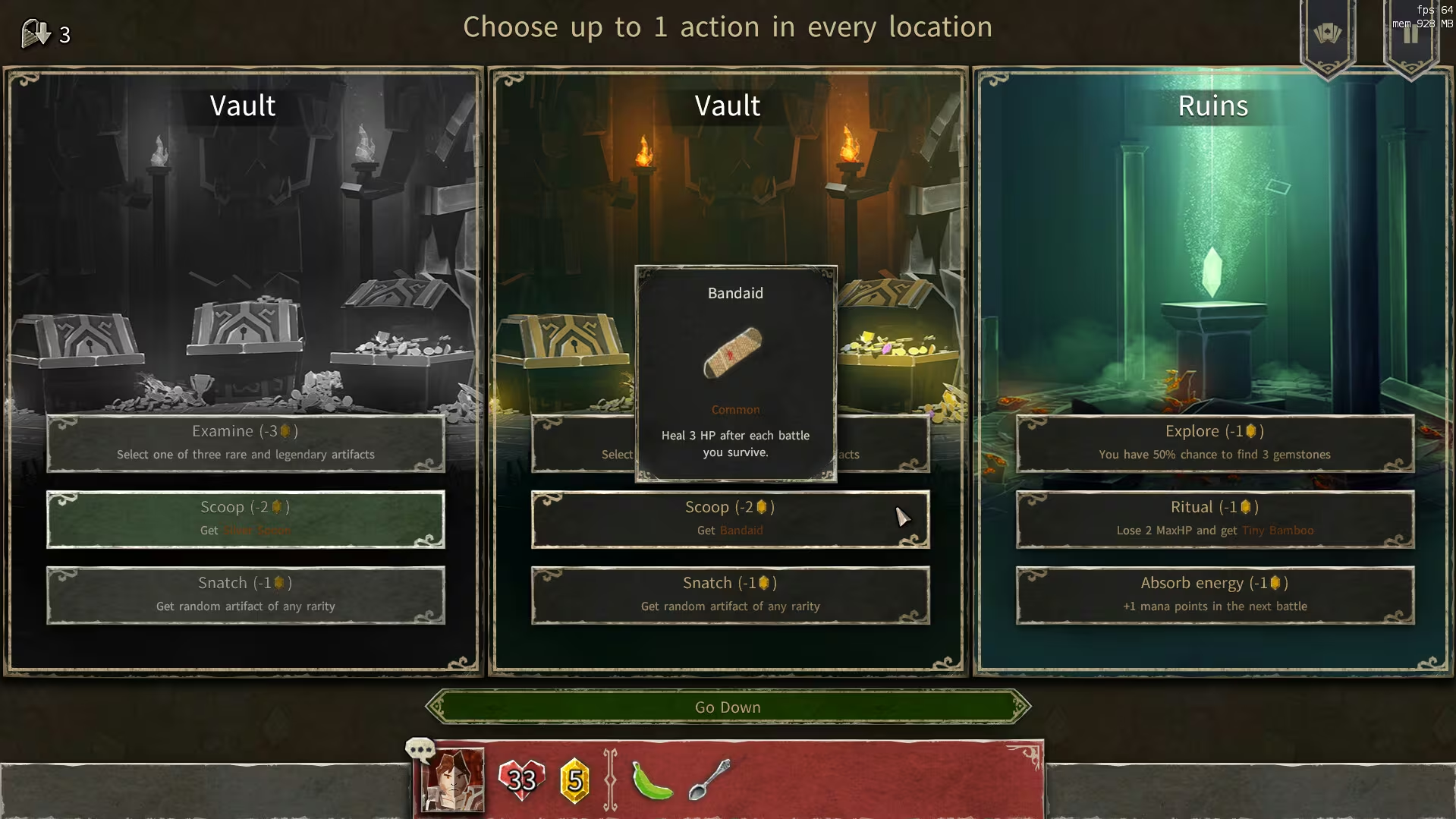
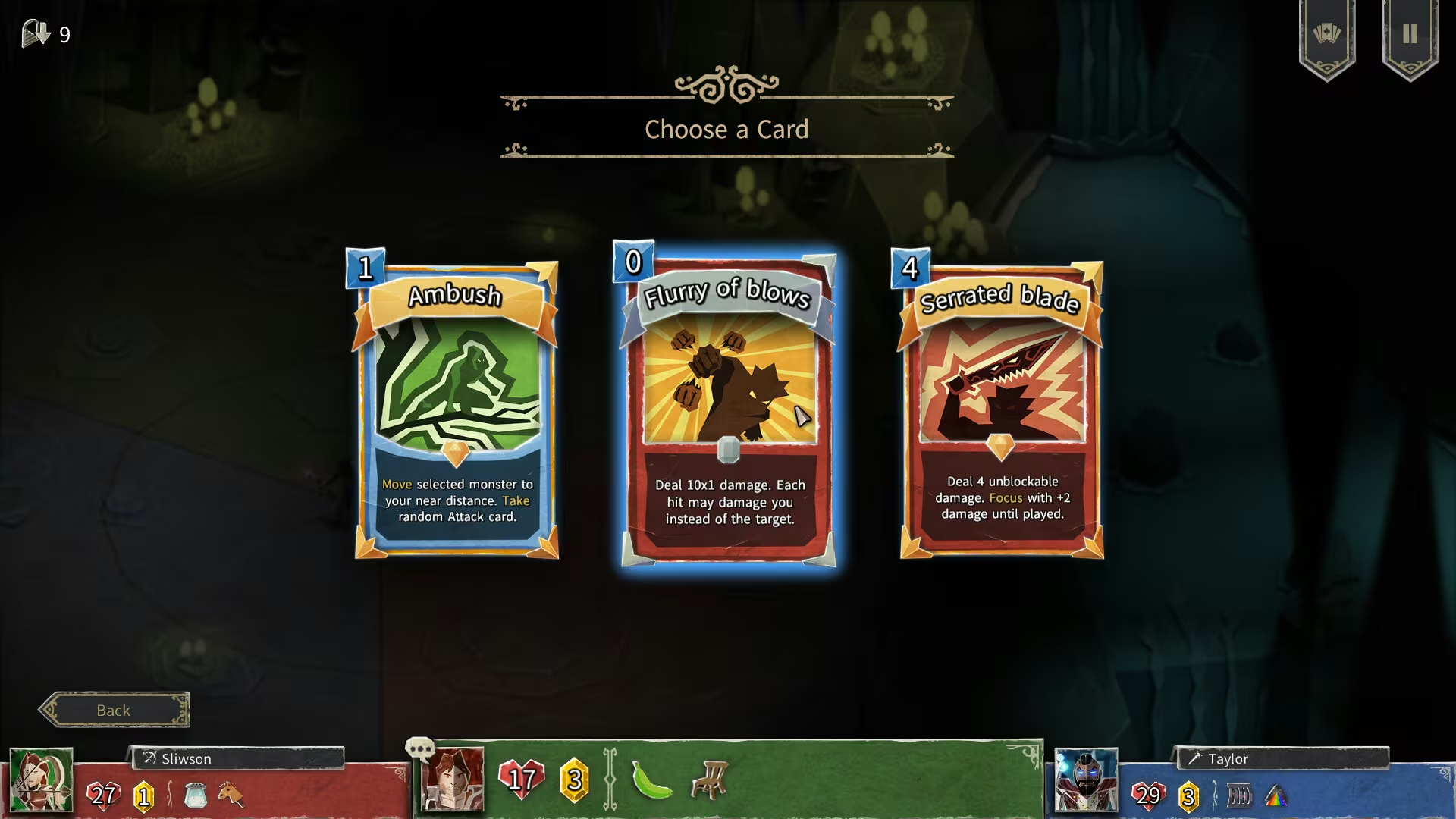
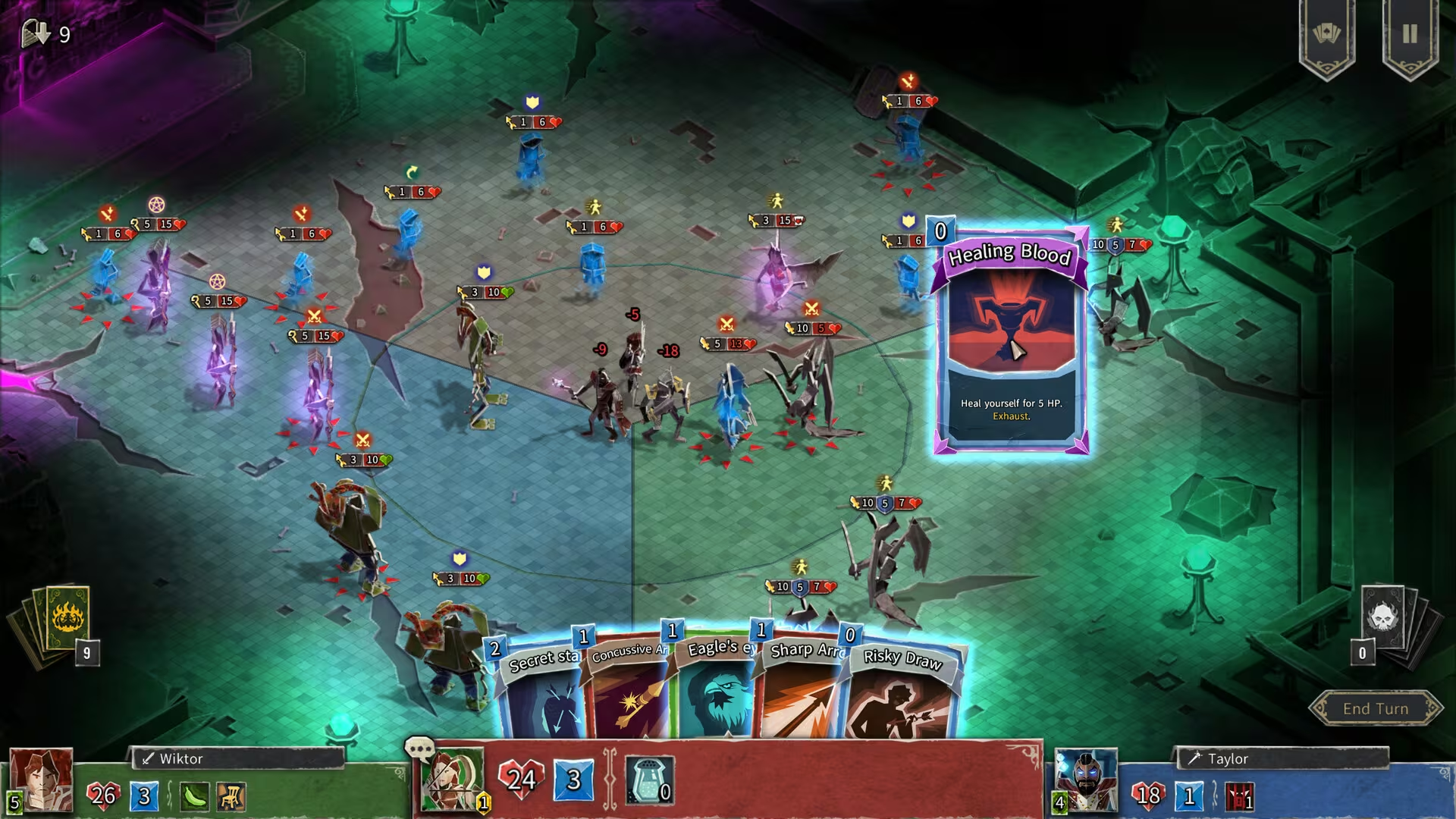
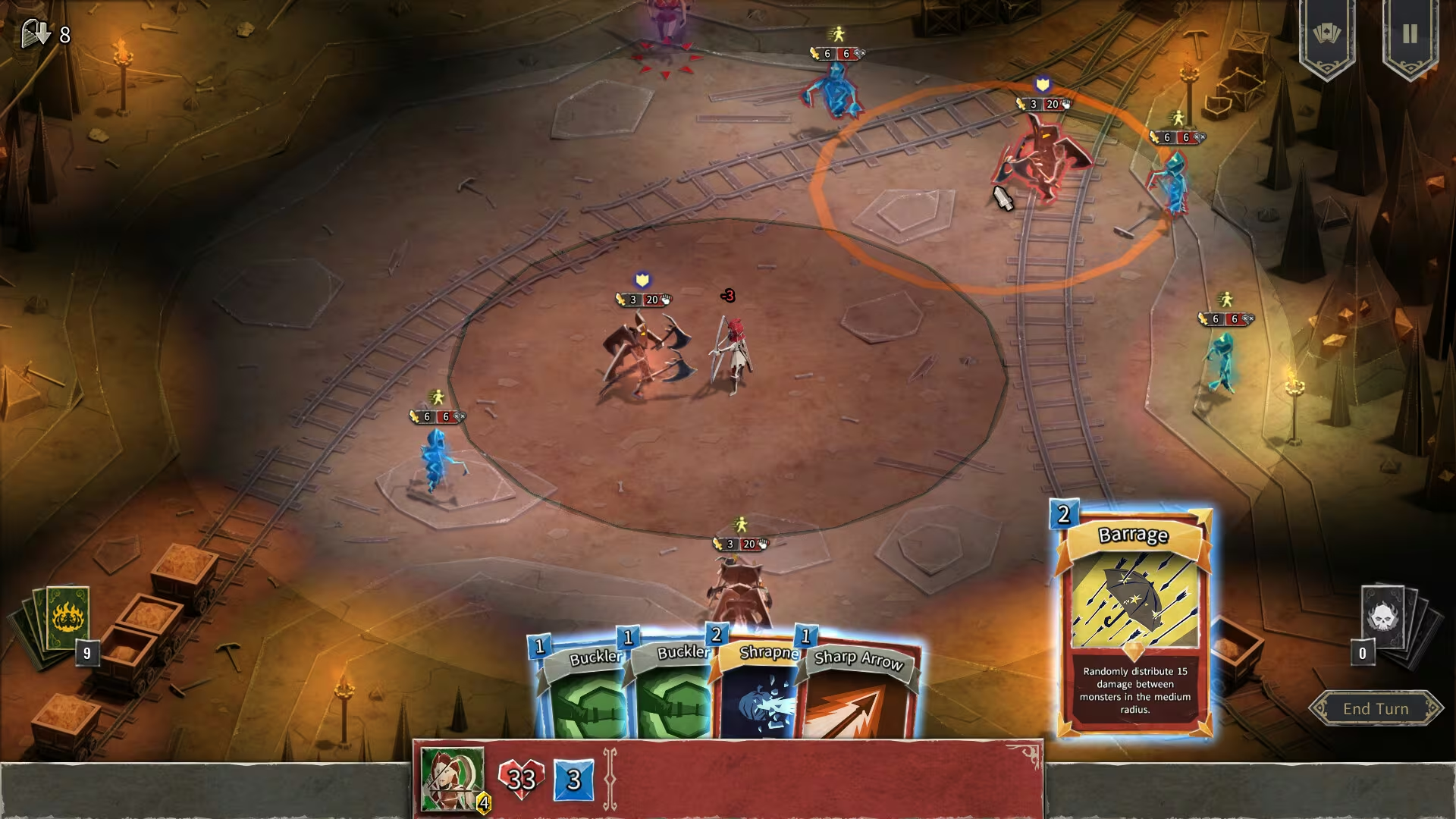
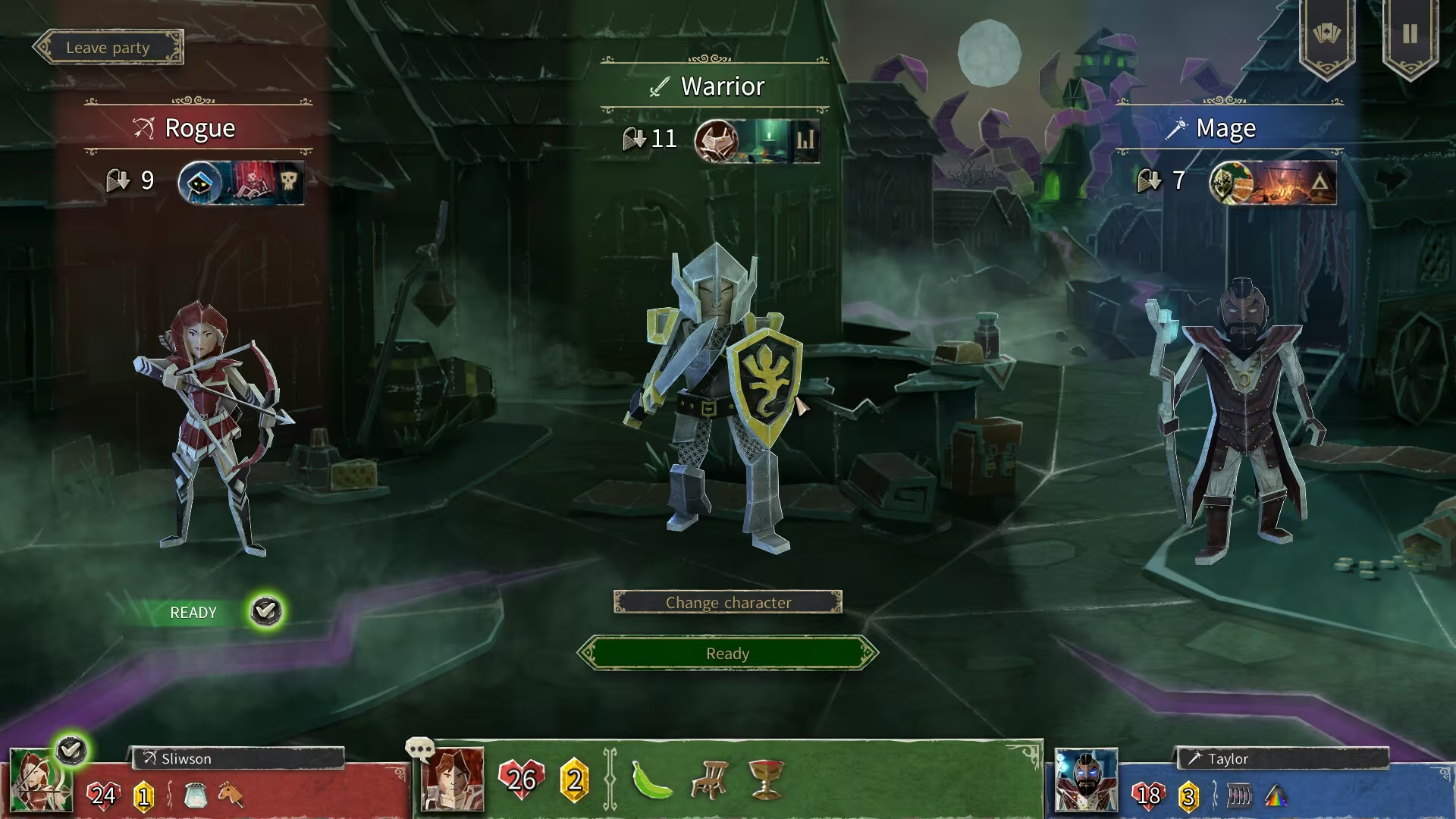
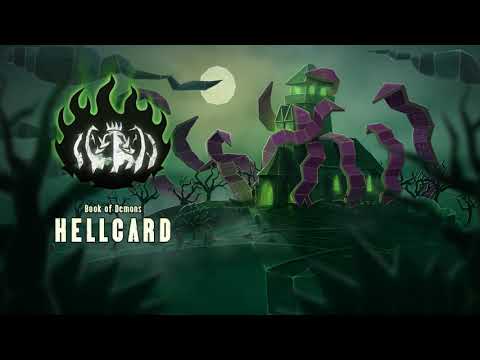
Hellcard is a unique cooperative deck builder rogue-like game. Descend into the paper dungeons on your own, recruit computer-controlled companions or join other players' lobbies in fast-paced tactical card battles against the armies of darkness and the Archdemon himself!

Global score

86/100

Genres

Adventure, Indie, Role-playing (RPG), Strategy, Turn-based strategy (TBS), Tactical, Card & Board Game

Similar games

    Pros

    • Engaging co-op multiplayer
    • Deep strategic deckbuilding
    • Unique enemy positioning mechanic
    • Strong progression and unlocks
    • Active developer support and updates

    Cons

    • Single player less balanced and engaging
    • Limited content and classes currently
    • Some balance issues and rng frustration
    • Long turn times can slow gameplay
    • Matchmaking and multiplayer population limited

    Analysis

    A very typical example of its motivational profile. Motivations that often define this kind of title include Cooperation, Fellowship, Intimacy, Leadership. Here, the score leans higher than usual among comparable games on Competition, Status, Intimacy.

    How to use the graph
    Similar games map

    Each dot is a game. They are arranged from the same motivation profile as in the “Motivations” section below. Closer dots usually mean more similar reasons to play (exploration, competition, relaxation, etc.)—not that one game is “better” than another.

    • Larger dot with a light outline: the game you are viewing.
    • Colour: groups of games with comparable motivation patterns (statistical clusters).
    • Hover a dot to see the game name; click to open its page.
    • Scroll or double-click the chart to zoom out and see more games.

    Why don’t the axes read like a score? This view uses t-SNE: it only keeps who is close to whom. The scales are not “good to bad” or hours played—they separate groups on the map. Read distance between dots, not the axis numbers.

    Motivations

    • Autonomy
      4

      "Players have significant control over deck building, character selection, and strategic decisions during combat and map progression."

    • Competence
      4

      "Game involves strategic planning, skillful card play, and overcoming challenging enemies with feedback on performance and progression."

    • Competition
      3

      "Includes leaderboards and torment modes encouraging players to improve and compare performance, but also supports casual and cooperative play."

    • Continuation
      4

      "Players report habitual play, long sessions, and repeated runs driven by unlocks, progression, and multiplayer engagement."

    • Cooperation
      5

      "Strong emphasis on multiplayer co-op with teamwork, communication, and complementary deck synergies as core gameplay elements."

    • Creativity
      4

      "Players create and customize decks, experiment with card upgrades and artifacts, and develop unique builds and strategies."

    • Domination
      -3

      "Focus on balanced team play and shared decision-making; no strong evidence of power imposition or dominance over others."

    • Escapism
      4

      "Players use the game as a fun distraction and stress relief, enjoying immersive tactical gameplay and cooperative social interaction."

    • Expectation
      -4

      "Players engage voluntarily out of intrinsic interest and enjoyment; no indication of obligation or external pressure."

    • Experimenting
      4

      "Players explore various card synergies, builds, and strategic options; game encourages trying new tactics and combinations."

    • Exploration
      3

      "Players explore randomized dungeon layouts and choose paths with different enemies and rewards, supporting discovery."

    • Expression
      2

      "Some cosmetic unlocks like outfits and voice lines exist, but main expression is through deck and strategy customization."

    • Fantasy
      4

      "Game features imaginative papercraft fantasy setting, classes with magical abilities, and roguelike narrative elements."

    • Fellowship
      5

      "Strong community and social play focus; players enjoy shared experiences, communication, and cooperative achievements."

    • Growth
      4

      "Players develop skills, learn card synergies, and unlock new cards and artifacts, supporting personal and gameplay growth."

    • Health
      -4

      "Primarily sedentary gameplay with no physical activity elements; typical of card-based roguelikes."

    • Idle
      -3

      "Requires focused attention and strategic thinking; turns can be long and complex, discouraging idle or background play."

    • Intimacy
      3

      "Players form social bonds through cooperative play and communication, though not focused on deep emotional sharing."

    • Leadership
      1

      "Some players may guide team strategy in co-op, but gameplay emphasizes shared decision-making and balanced roles."

    • Progression
      4

      "Strong meta-progression with unlockable cards, artifacts, and character upgrades that persist between runs."

    • Relaxation
      2

      "Gameplay balances challenge and flow; some tension in difficult runs but overall satisfying and engaging experience."

    • Sensation
      2

      "Visual and auditory style is distinctive and pleasant but not highly stimulating; focus is on strategic depth."

    • Status
      2

      "Leaderboards and achievements provide recognition, but social status is not a dominant motivation."

    • Story
      2

      "Narrative elements exist but are minimal; gameplay is more focused on mechanics and strategy than story immersion."

    • Strategy
      5

      "Core gameplay revolves around deep strategic planning, problem solving, and tactical decision-making."

    • Thrill
      3

      "Players experience suspense and excitement from challenging encounters, risk-reward decisions, and multiplayer dynamics."

    • Value
      4

      "Players perceive good value in gameplay hours, replayability, and ongoing developer support."

    • Violence
      2

      "Combat and damage dealing are central, but stylized and tactical rather than gratuitous or chaotic."

    • Survival
      4

      "Game emphasizes resource management, avoiding damage, and overcoming threats to survive runs."

    Last update: 29/04/2026