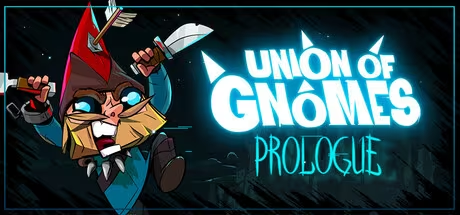
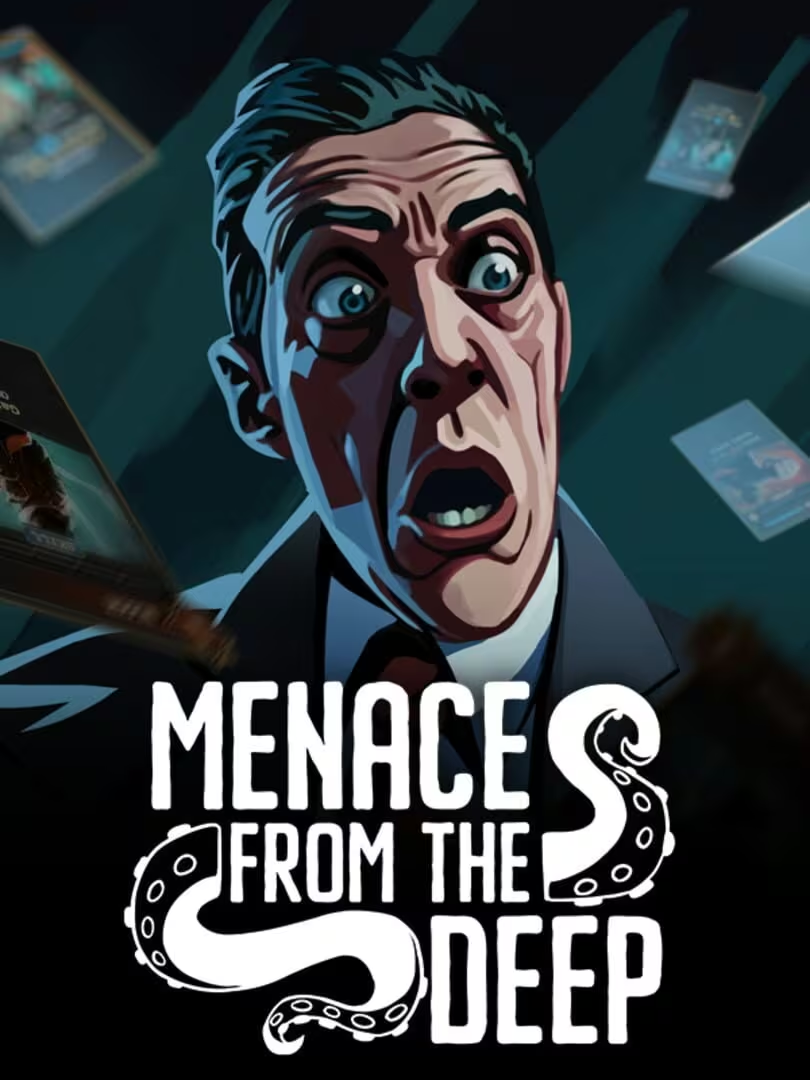
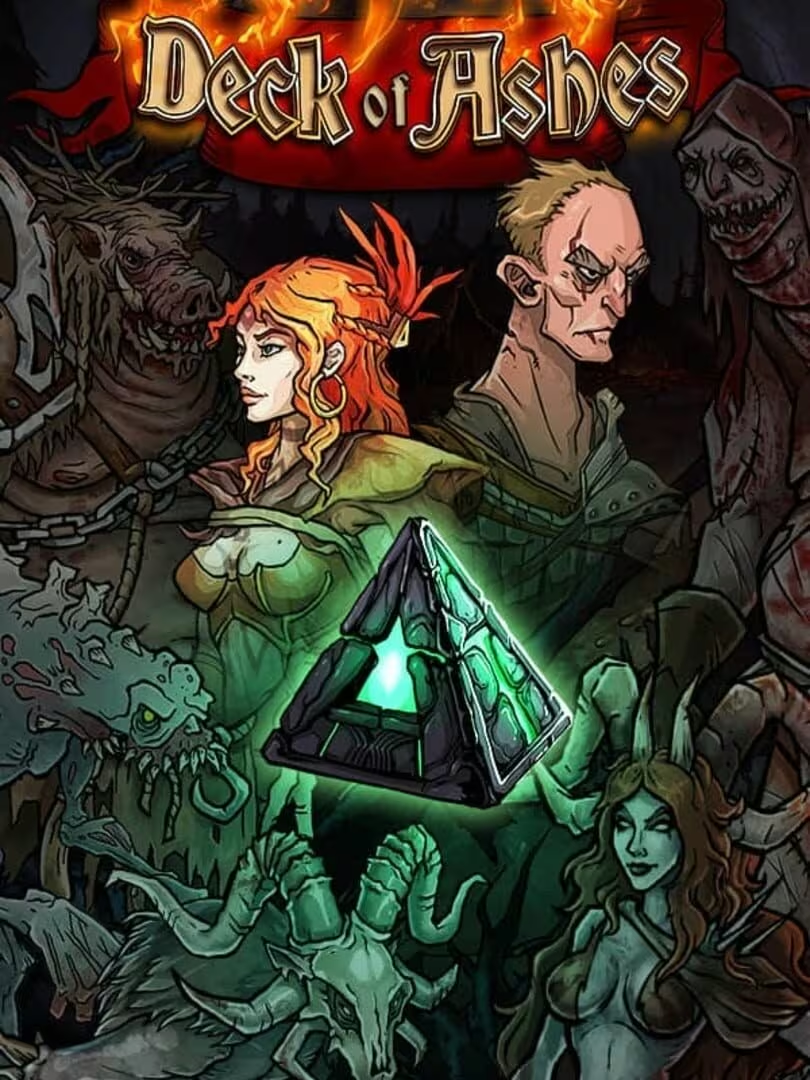
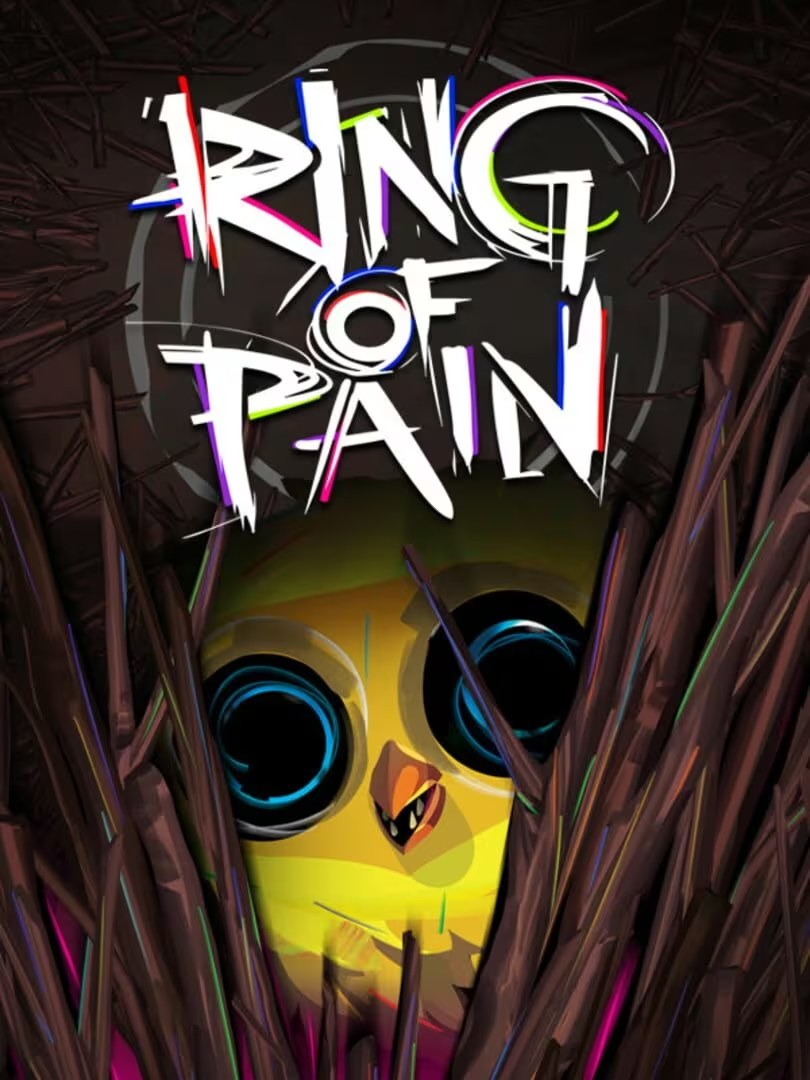
Monster Train 2 Thumbnail

Monster Train 2 similar games & best alternatives
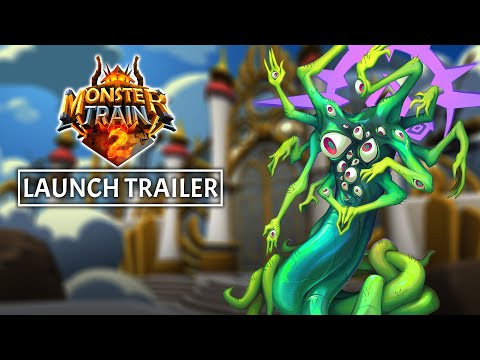
Monster Train 2

PC (Microsoft Windows), Mac, Xbox Series X|S, Nintendo Switch, PlayStation 5 • 2025

Related articles

Quick resume

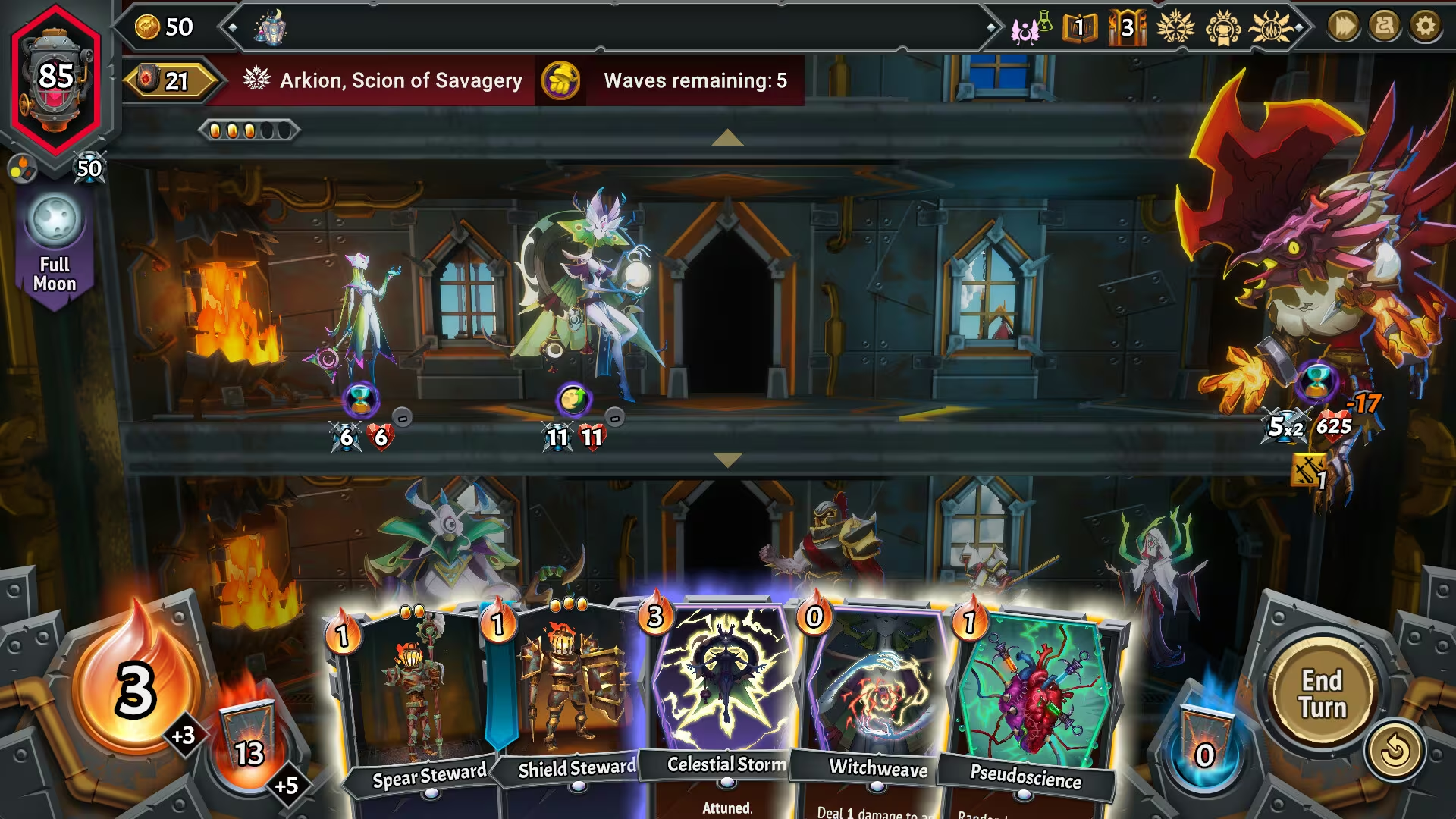
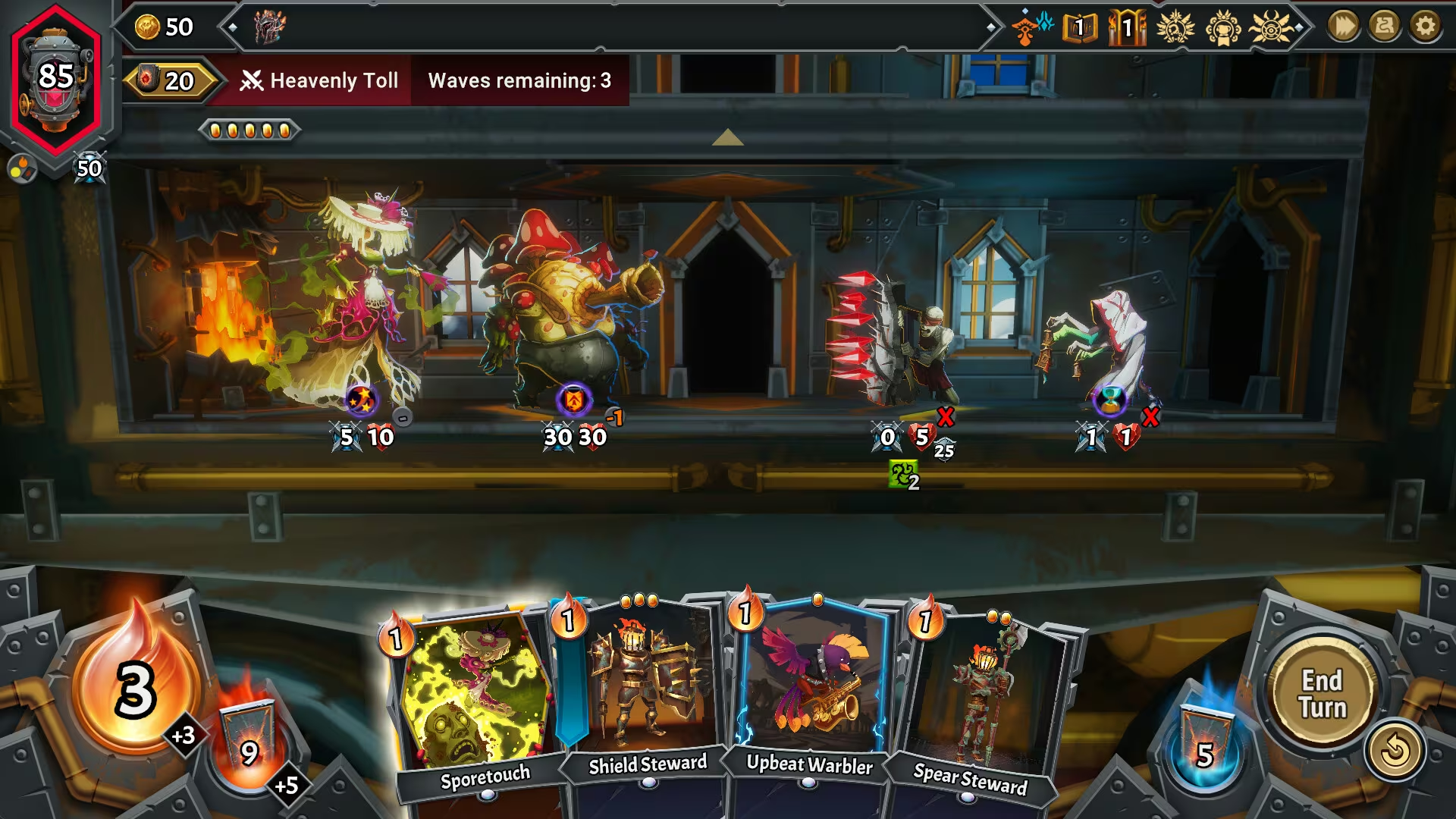
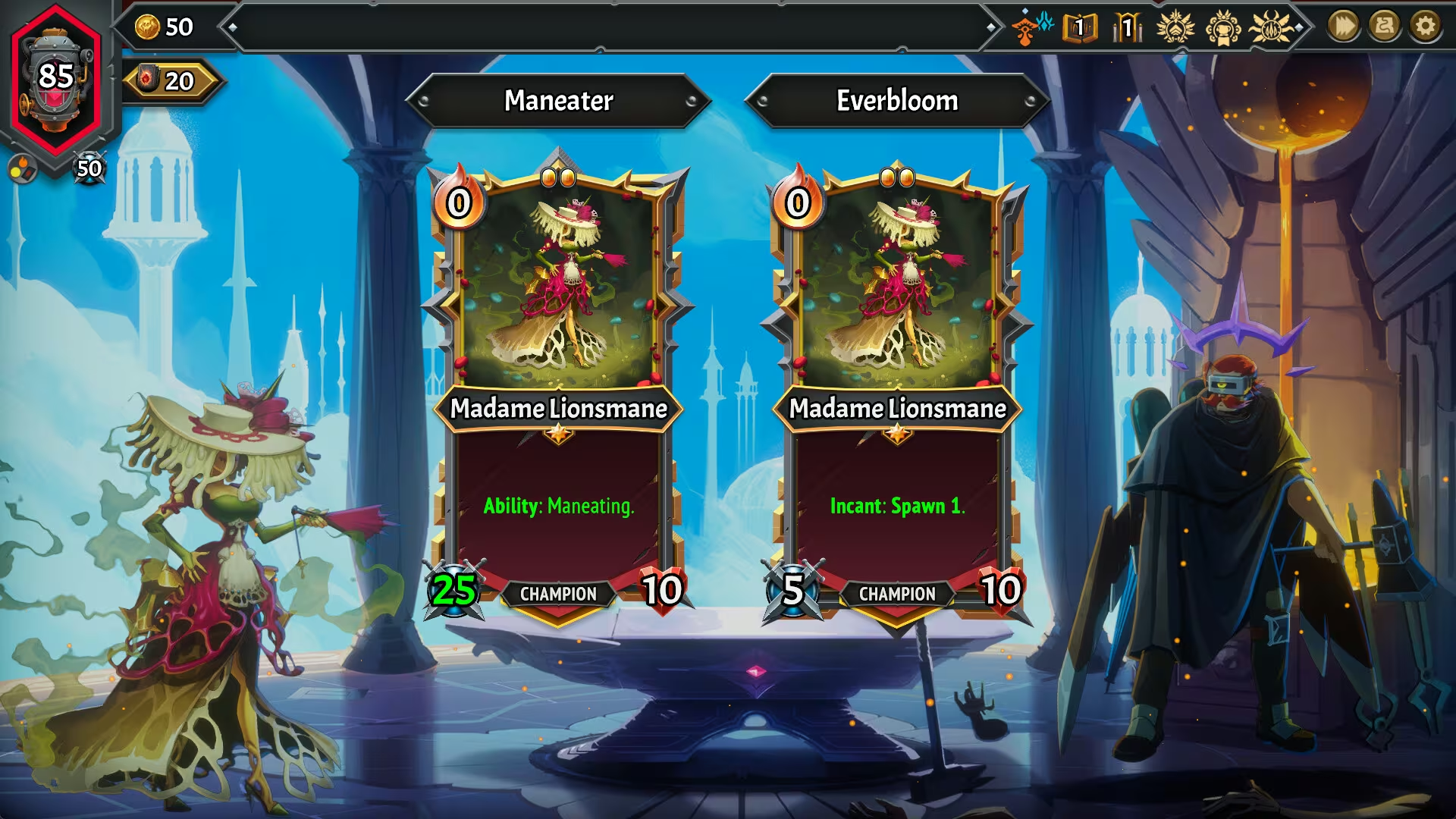
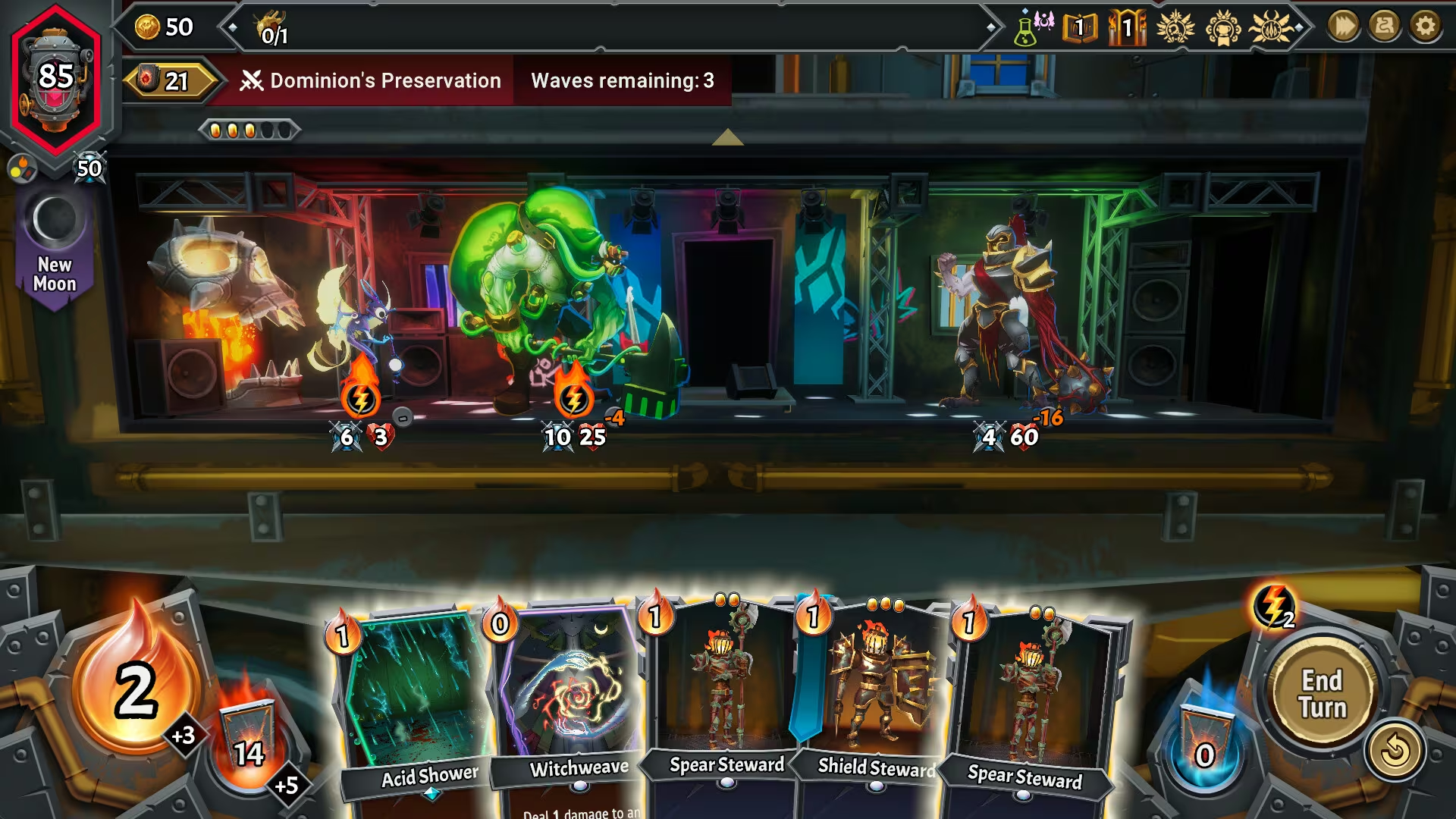
Monster Train returns with all new clans, new enemy factions, new challenges, new modes and more! Defend your Pyre in the classic three-tiered, vertical gameplay that made the original roguelike deckbuilder a hit.

Global score

96/100

Genres

Indie, Strategy, Turn-based strategy (TBS), Card & Board Game

Similar games

    Pros

    • Deep and engaging strategic gameplay
    • Extensive content with many clans and combos
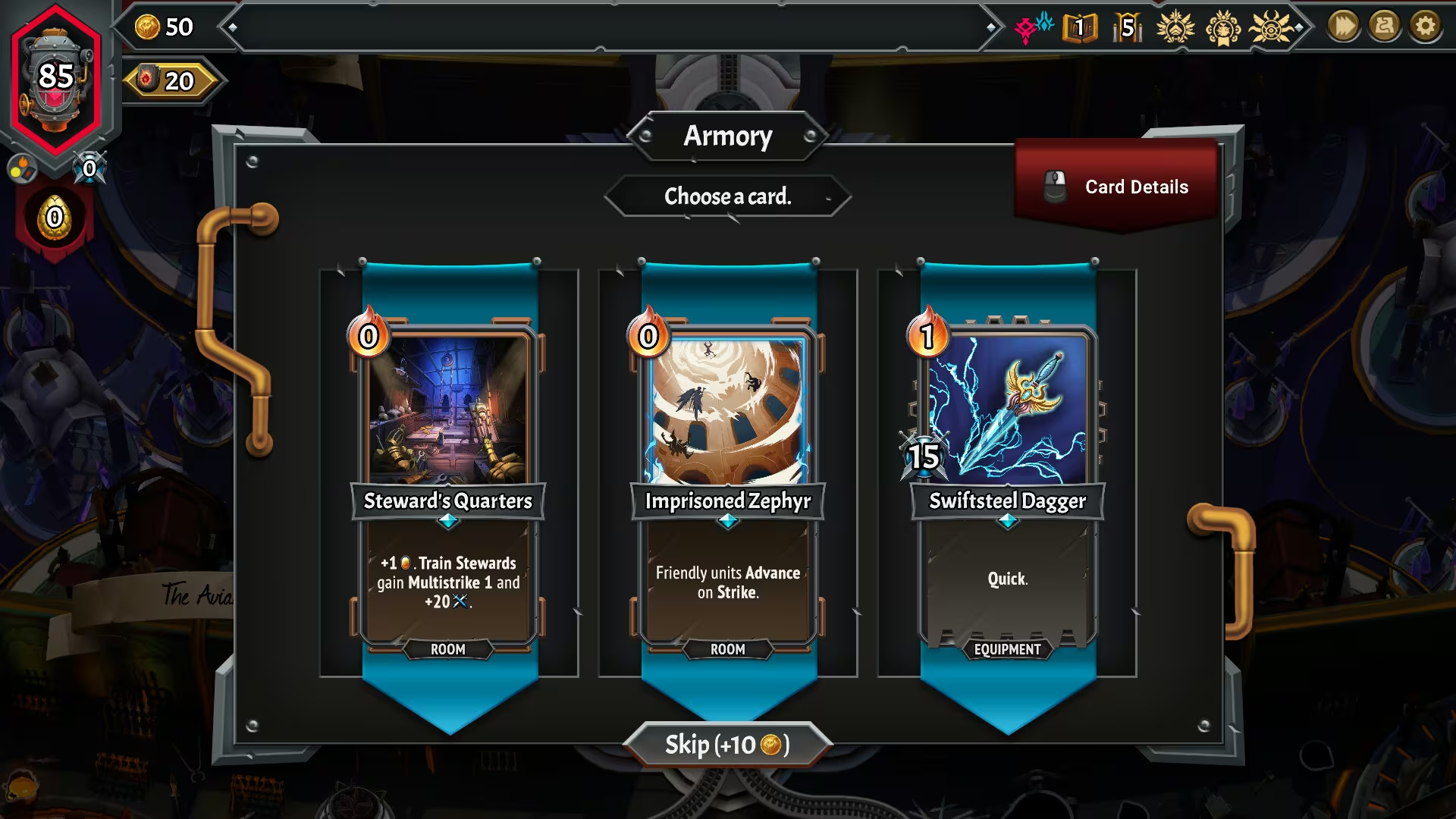
    • Quality of life improvements like undo and deployment phase
    • High replayability and meta-progression
    • Excellent soundtrack and satisfying combat

    Cons

    • Story and lore are shallow and sometimes cringeworthy
    • Art style changes are divisive and sometimes cluttered
    • Steep learning curve for new players
    • Some clans feel unbalanced or less fun
    • No multiplayer or social features

    Analysis

    Broadly representative of its motivational profile, with a few distinct shifts. Motivations that often define this kind of title include Fellowship, Cooperation, Leadership, Violence. Here, the score leans higher than usual among comparable games on Survival, Strategy, Creativity.

    How to use the graph
    Similar games map

    Each dot is a game. They are arranged from the same motivation profile as in the “Motivations” section below. Closer dots usually mean more similar reasons to play (exploration, competition, relaxation, etc.)—not that one game is “better” than another.

    • Larger dot with a light outline: the game you are viewing.
    • Colour: groups of games with comparable motivation patterns (statistical clusters).
    • Hover a dot to see the game name; click to open its page.
    • Scroll or double-click the chart to zoom out and see more games.

    Why don’t the axes read like a score? This view uses t-SNE: it only keeps who is close to whom. The scales are not “good to bad” or hours played—they separate groups on the map. Read distance between dots, not the axis numbers.

    Motivations

    • Autonomy
      4

      "Players have significant control over deck building, unit placement, and strategic decisions including deployment phase and equipment choices."

    • Competence
      5

      "High skill ceiling with complex synergies, strategic planning, and challenging difficulty levels that reward mastery."

    • Competition
      -3

      "Focus is primarily on personal runs and self-improvement rather than direct player-vs-player competition."

    • Continuation
      5

      "Highly addictive with long play sessions, meta progression, and extensive replayability encouraging habitual play."

    • Cooperation
      -5

      "Single-player roguelike deckbuilder with no cooperative multiplayer elements."

    • Creativity
      5

      "Extensive deckbuilding, clan combinations, equipment, room cards, and pyre customization enable creative strategies."

    • Domination
      -5

      "No evidence of exerting control over others; gameplay is solo and self-directed."

    • Escapism
      4

      "Players use the game as a distraction and stress relief with immersive fantasy and engaging gameplay."

    • Expectation
      -4

      "Players engage voluntarily out of intrinsic interest and enjoyment rather than obligation."

    • Experimenting
      5

      "Strong emphasis on trying new clan combos, synergies, and strategies with many mechanics to explore."

    • Exploration
      3

      "Exploration of new card combinations, clan synergies, and strategic possibilities within runs."

    • Expression
      3

      "Customization of pyres, equipment, and decks allows some self-expression, though limited to gameplay elements."

    • Fantasy
      5

      "Strong fantasy theme with imaginative clans, monsters, and a hellbound train setting."

    • Fellowship
      -5

      "No social or community gameplay elements; focus is on solo play."

    • Growth
      5

      "Players learn complex mechanics, improve skills, and unlock new content over time."

    • Health
      -5

      "Typical sedentary gameplay with no physical activity or health-related features."

    • Idle
      -4

      "Requires focused attention and strategic thinking throughout runs; not suited for idle play."

    • Intimacy
      -5

      "No evidence of close social relationships or emotional sharing in gameplay."

    • Leadership
      -5

      "No leadership or group management roles; entirely single-player experience."

    • Progression
      5

      "Strong meta-progression with unlocking clans, cards, pyres, and difficulty levels."

    • Relaxation
      2

      "Some players find flow and satisfaction, but the game is challenging and can be tense."

    • Sensation
      3

      "Enjoyable soundtrack, visual effects, and satisfying combat animations provide sensory stimulation."

    • Status
      -4

      "No social status or recognition systems; achievements are personal and not publicly ranked."

    • Story
      2

      "Includes a story and lore, but it is secondary and not deeply immersive according to reviews."

    • Strategy
      5

      "Core gameplay revolves around strategic deckbuilding, unit placement, and tactical decision-making."

    • Thrill
      3

      "Challenging encounters and risk-reward mechanics create moments of suspense and excitement."

    • Value
      5

      "Highly praised for content volume, replayability, and price, offering excellent value for money."

    • Violence
      3

      "Combat and destruction of enemies are central, though stylized and fantasy-themed."

    • Survival
      4

      "Players must manage resources and survive waves of enemies, emphasizing threat avoidance."

    Last update: 29/04/2026