Human Resource Machine similar games & best alternatives
Human Resource Machine
2015
Related articles
Quick resume
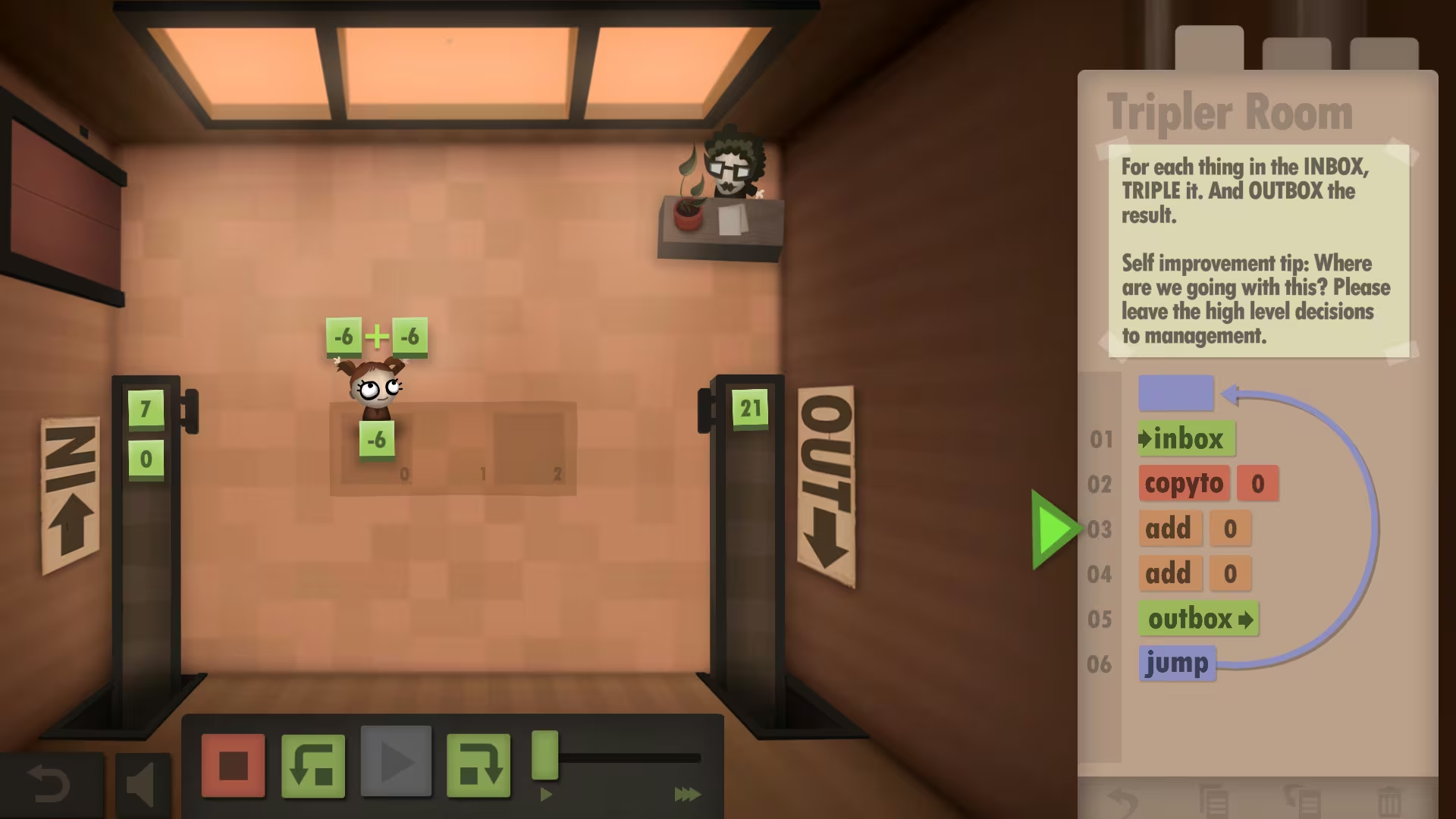
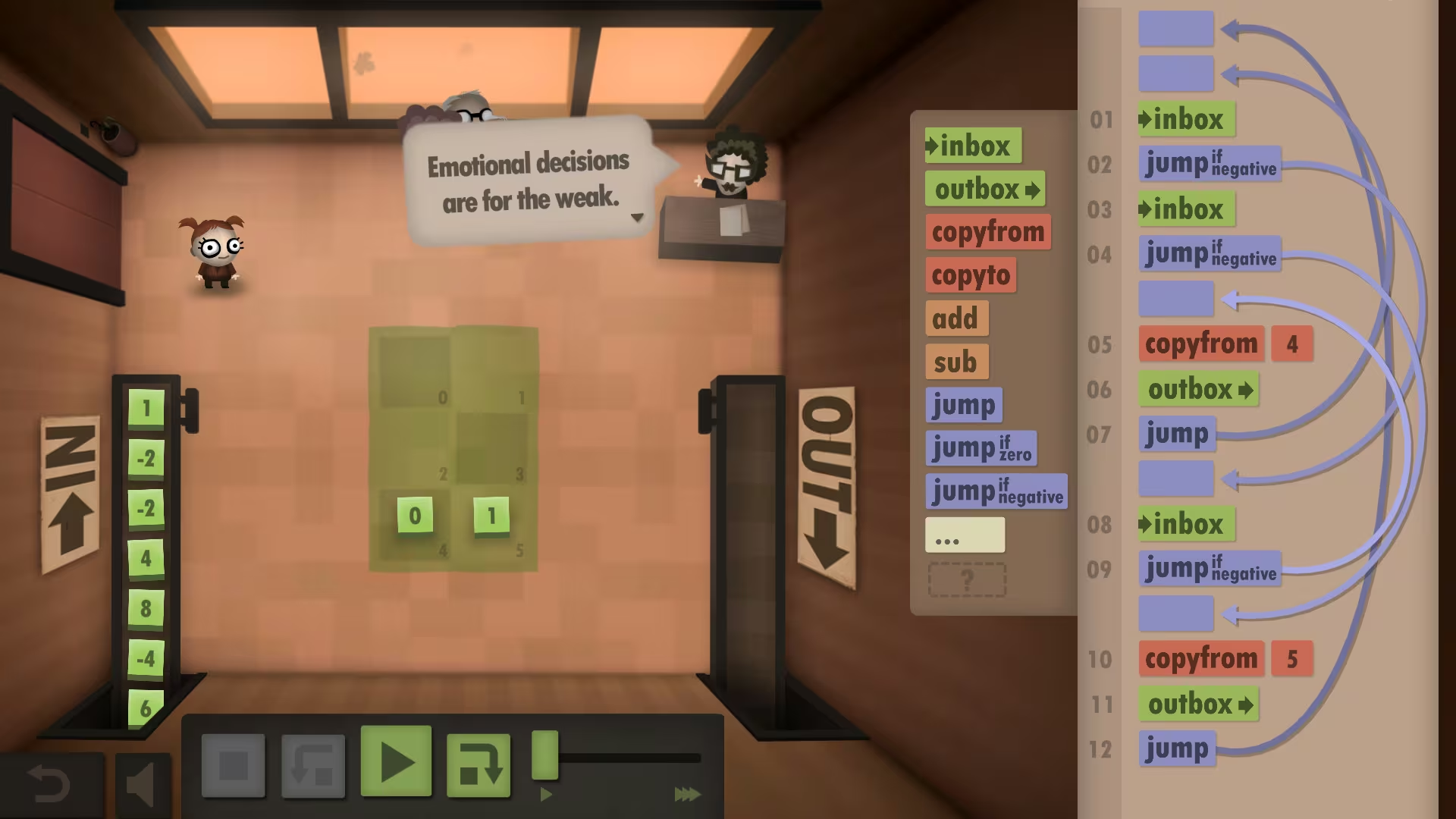
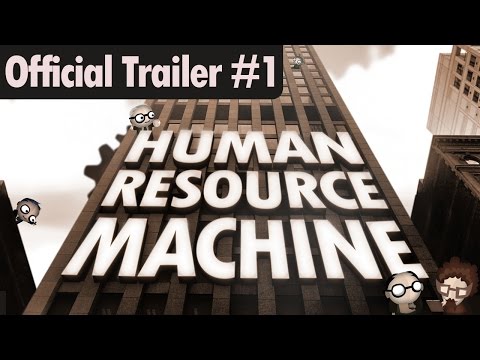
Program little office workers to solve puzzles. Be a good employee! The machines are coming... for your job. From the creators of World of Goo and Little Inferno.
Global score
94/100
Genres
Casual, Indie, Simulator, Strategy, Puzzle
Pros
- Engaging programming puzzles
- Gradual difficulty curve
- Educational value
- Unique art style and humor
- Optimization challenges
Cons
- Limited ui and code editing features
- Steep learning curve for non-programmers
- Short overall length
- Lack of social or multiplayer features
- Minimal narrative depth
Motivations
-
Autonomy4
"Players freely create their own programs to solve puzzles with minimal imposed structure, allowing personal problem-solving approaches."
-
Competence5
"The game challenges players with increasingly complex programming puzzles requiring skill, logical thinking, and optimization."
-
Competition-2
"Focus is on individual puzzle solving and self-improvement rather than direct competition with others."
-
Continuation3
"Players often engage in extended sessions to solve puzzles and optimize solutions, showing attachment and repeated play."
-
Cooperation-5
"The game is a single-player experience focused on individual problem solving without cooperative elements."
-
Creativity4
"Players creatively devise unique algorithms and optimize code solutions within limited instruction sets."
-
Domination-5
"No social dominance or power dynamics; interactions are solitary and self-directed."
-
Escapism2
"Provides mental engagement and distraction through programming puzzles, though not primarily for real-life escape."
-
Expectation-4
"Players engage voluntarily out of interest in puzzles and programming rather than obligation or external pressure."
-
Experimenting4
"Encourages trying different coding approaches and optimization strategies to solve puzzles."
-
Exploration-3
"Gameplay centers on puzzle solving in a fixed environment rather than discovering new areas or secrets."
-
Expression-3
"Limited customization; expression mainly through coding style rather than visual or avatar personalization."
-
Fantasy-4
"Grounded in realistic programming concepts and office setting rather than imaginative or fictional scenarios."
-
Fellowship-5
"Minimal social interaction; experience is solitary without community or group identity focus."
-
Growth5
"Strong emphasis on learning programming logic, problem solving, and personal skill development."
-
Health-5
"Sedentary gameplay focused on mental challenges without physical activity."
-
Idle-4
"Requires focused attention and continuous engagement to solve puzzles; not suited for casual idle play."
-
Intimacy-5
"No social or emotional relationship building; purely individual cognitive experience."
-
Leadership-5
"No leadership or group management elements; player acts independently."
-
Progression3
"Progression through levels and unlocking more complex puzzles, with optional optimization achievements."
-
Relaxation-2
"Can be mentally taxing and frustrating at times, especially with optimization challenges."
-
Sensation1
"Enjoyable visual and auditory style but sensory stimulation is moderate and understated."
-
Status-4
"No social recognition or status systems; achievements are personal and internal."
-
Story1
"Minimal narrative with light corporate satire; story is secondary to gameplay."
-
Strategy5
"Heavy focus on logical planning, algorithm design, and problem solving under constraints."
-
Thrill-3
"Low suspense or risk; challenges are intellectual rather than emotionally thrilling."
-
Value4
"Players report good value for time spent, especially for those interested in programming and puzzles."
-
Violence-5
"No violent content; gameplay is constructive and intellectual."
-
Survival-5
"No survival or threat avoidance mechanics; stable puzzle environment."
Similar games
Last update: 06/03/2026