Automachef Thumbnail

Automachef similar games & best alternatives
Automachef

PC (Microsoft Windows), Nintendo Switch • 2019

Related articles

Quick resume

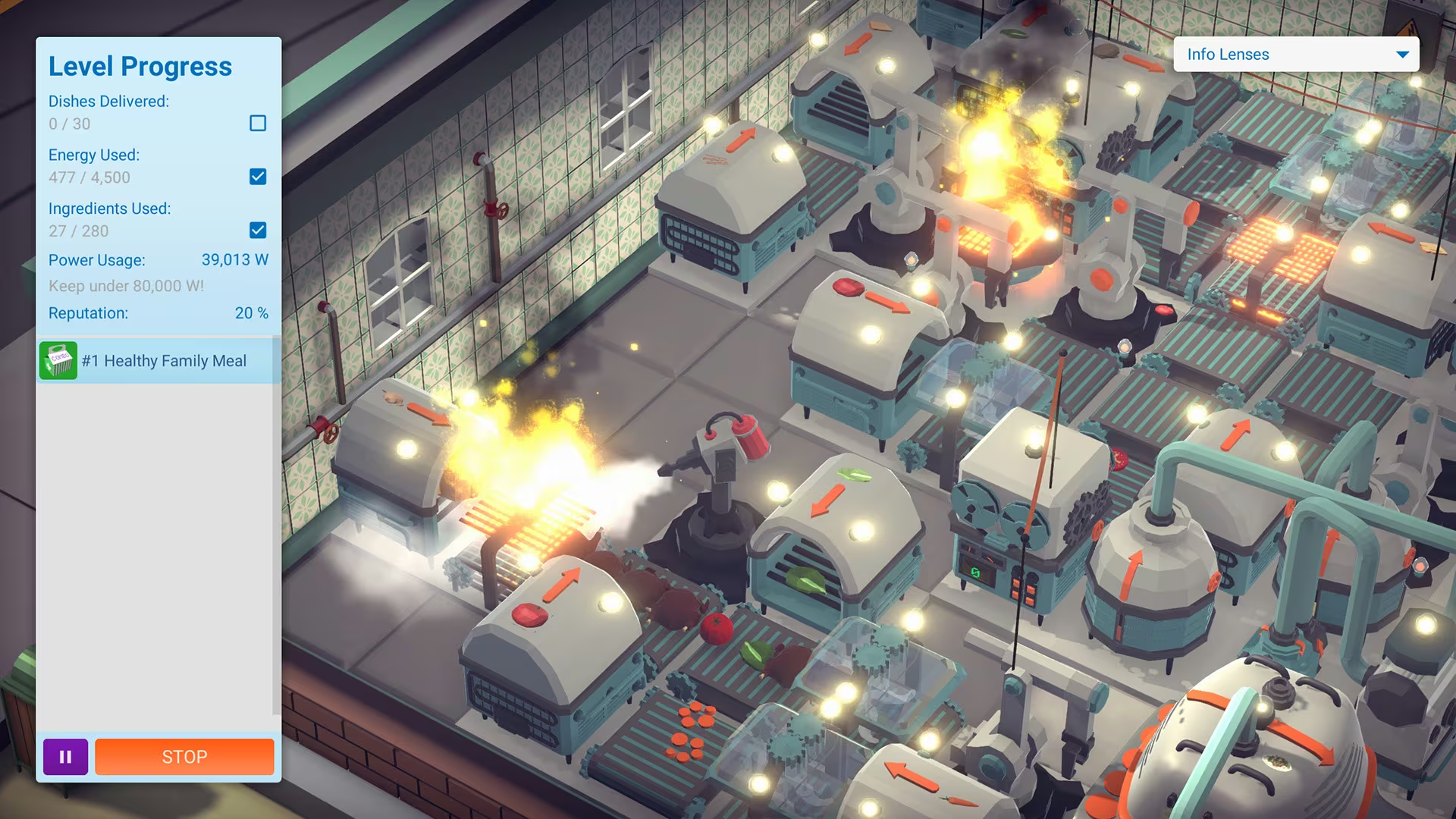
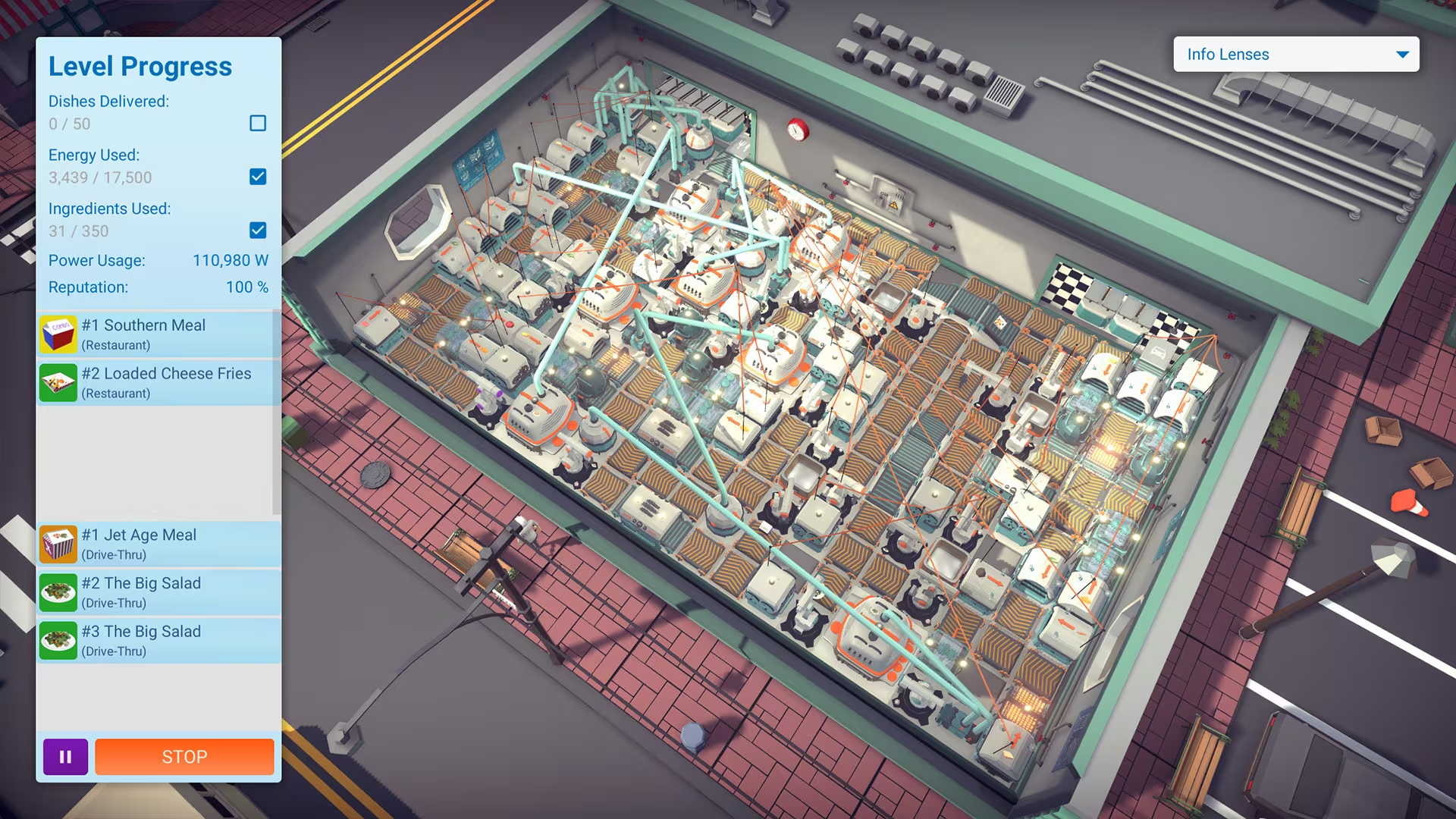
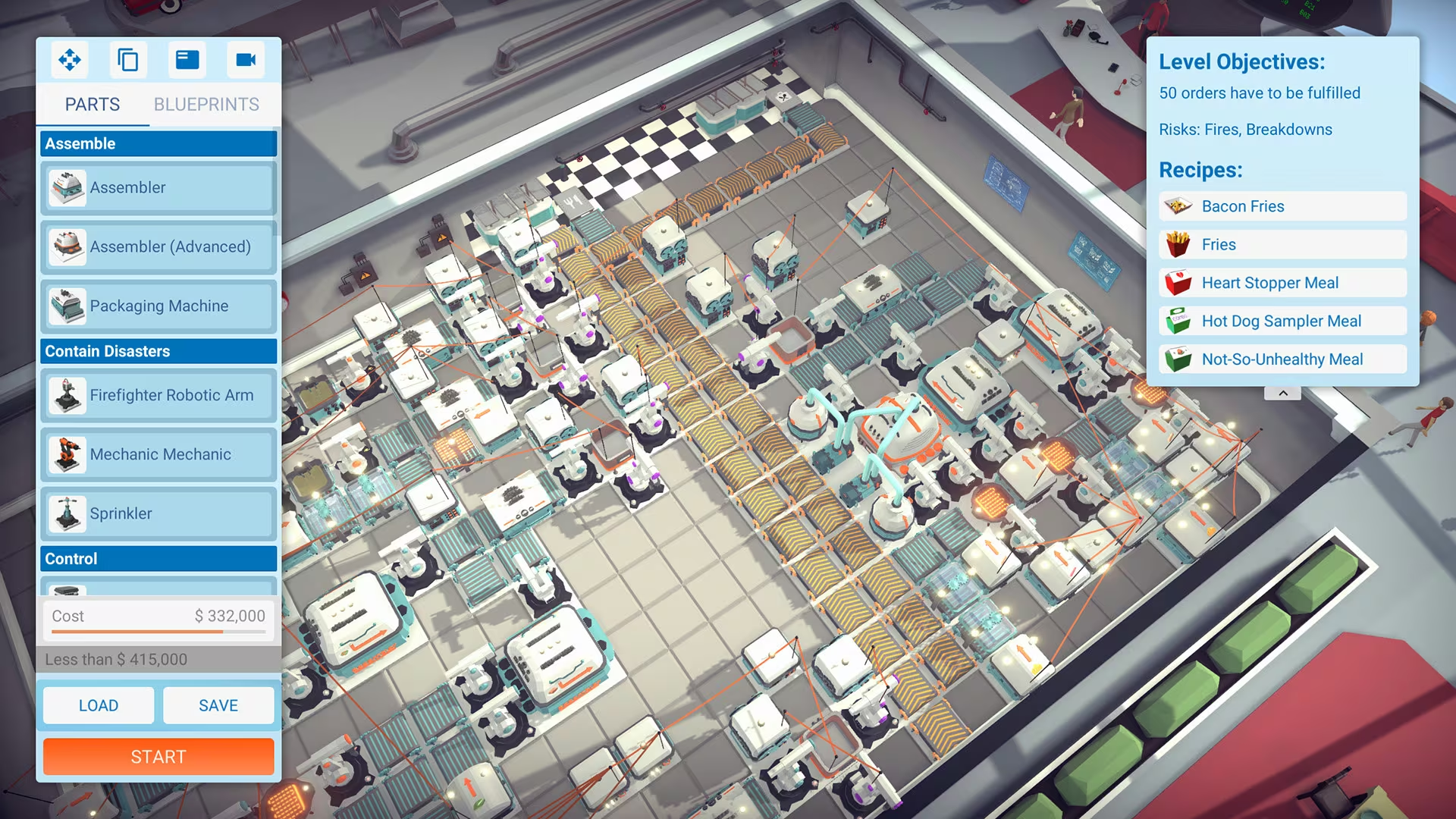
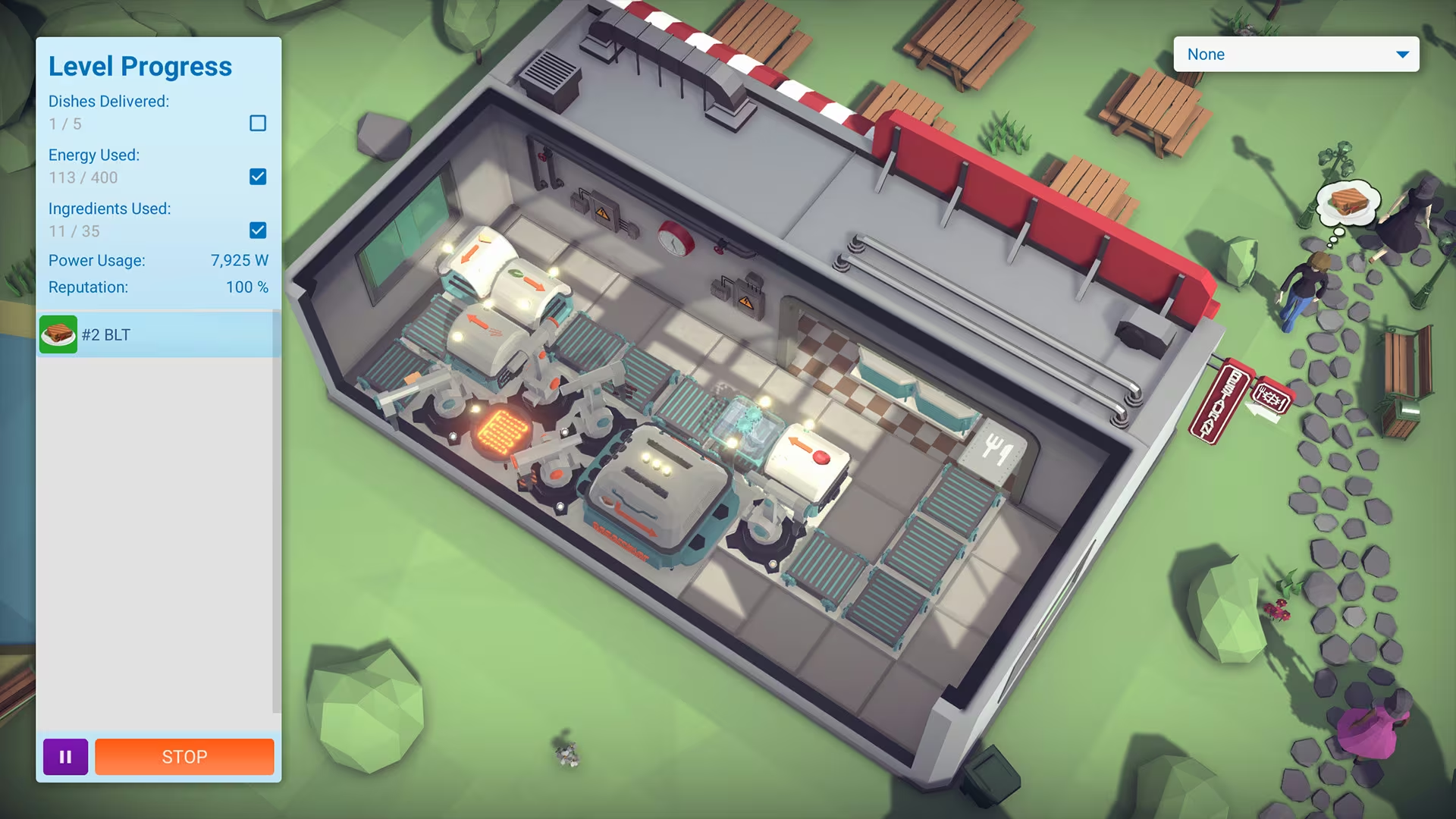
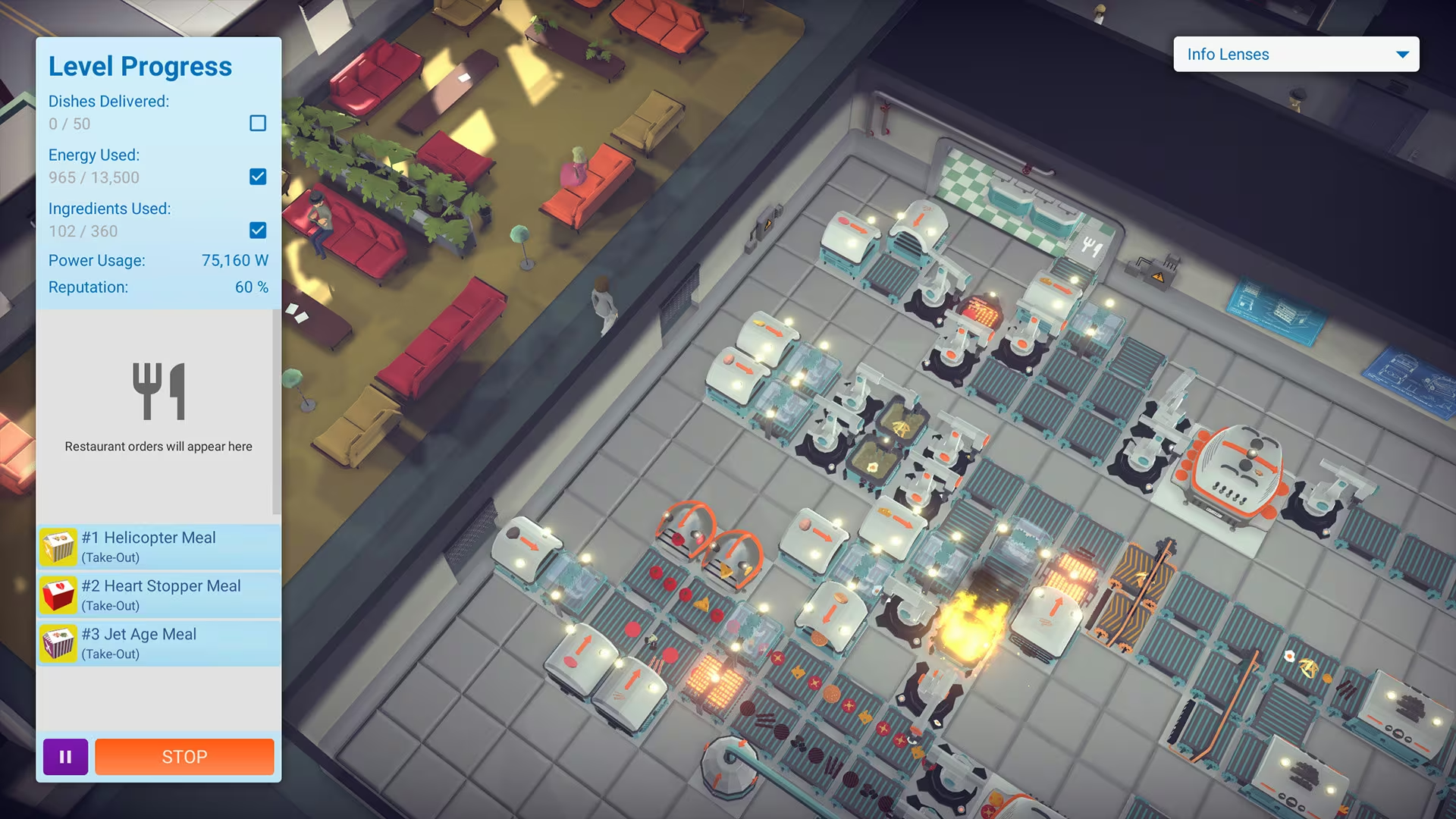
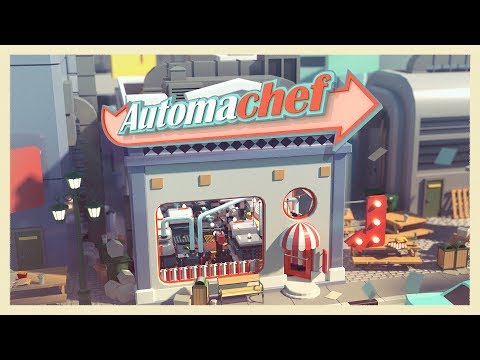
Welcome to Automachef, a resource management puzzler where you design kitchens, program machinery and watch your genius come to life! It’s time to engineer tomorrow’s kitchen, today!

Global score

72/100

Genres

Indie, Simulator, Strategy, Puzzle

Similar games

    Pros

    • Challenging and rewarding puzzle gameplay
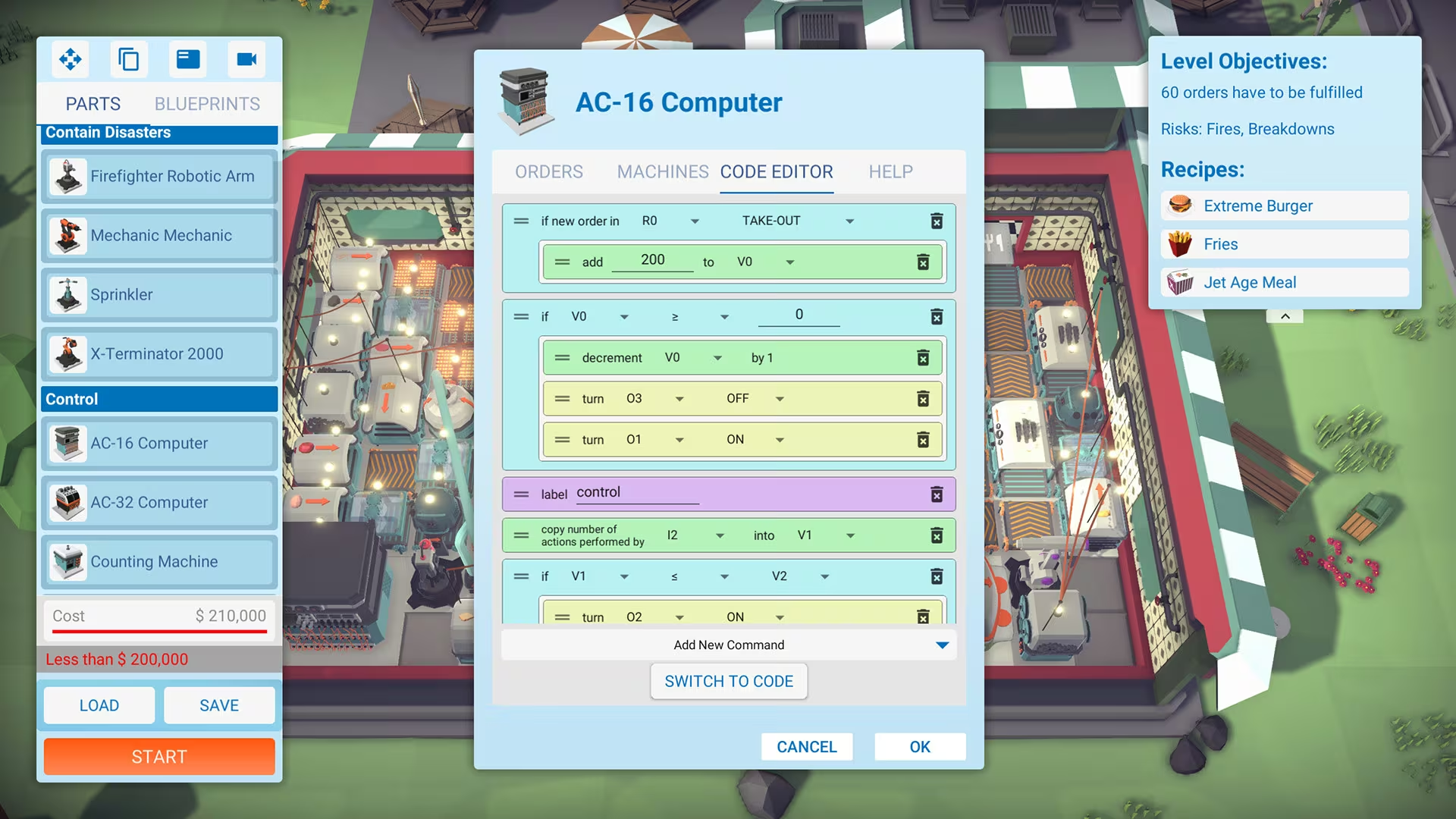
    • Deep automation and programming mechanics
    • Solid sense of progression and efficiency optimization
    • Humorous and charming 1950s diner theme
    • Active developer engagement and mod support

    Cons

    • Clunky and unintuitive ui with excessive clicking
    • Steep learning curve with sparse tutorials
    • Some mechanics underexplained or underutilized
    • Limited freedom due to strict level constraints
    • Lack of multiplayer or social features

    Analysis

    Broadly representative of its motivational profile, with a few distinct shifts. Motivations that often define this kind of title include Fantasy, Violence, Story, Thrill. Here, the score leans higher than usual among comparable games on Story. It leans lower than usual among comparable games on Relaxation, Exploration.

    How to use the graph
    Similar games map

    Each dot is a game. They are arranged from the same motivation profile as in the “Motivations” section below. Closer dots usually mean more similar reasons to play (exploration, competition, relaxation, etc.)—not that one game is “better” than another.

    • Larger dot with a light outline: the game you are viewing.
    • Colour: groups of games with comparable motivation patterns (statistical clusters).
    • Hover a dot to see the game name; click to open its page.
    • Scroll or double-click the chart to zoom out and see more games.

    Why don’t the axes read like a score? This view uses t-SNE: it only keeps who is close to whom. The scales are not “good to bad” or hours played—they separate groups on the map. Read distance between dots, not the axis numbers.

    Motivations

    • Autonomy
      4

      "Players design and optimize their own factory layouts and control machine programming, allowing significant freedom in problem solving."

    • Competence
      5

      "The game provides challenging puzzles requiring skillful optimization, logical thinking, and programming to achieve efficient solutions."

    • Competition
      -3

      "Focus is on personal optimization and efficiency rather than direct competition; leaderboards or rankings are minimal or absent."

    • Continuation
      3

      "Many players report long play sessions and repeated attempts to perfect solutions, indicating sustained engagement."

    • Cooperation
      -5

      "The game is single-player focused with no cooperative multiplayer or teamwork elements."

    • Creativity
      3

      "Players create custom factory layouts and experiment with machine arrangements, though solutions can be constrained by level limits."

    • Domination
      -5

      "Interactions are individual and puzzle-focused without exerting control or superiority over others."

    • Escapism
      3

      "Players use the game as a mental challenge and distraction, enjoying the puzzle-solving and automation theme."

    • Expectation
      -4

      "Engagement is driven by intrinsic interest and personal challenge rather than obligation or external pressure."

    • Experimenting
      4

      "Players try different machine setups, tweak parameters, and explore programming options to optimize kitchens."

    • Exploration
      -3

      "Gameplay is level-based with fixed layouts; discovery is limited to mastering mechanics rather than exploring new areas."

    • Expression
      -2

      "Customization is functional (factory design) rather than aesthetic; limited avatar or cosmetic personalization."

    • Fantasy
      -1

      "The game has a light humorous sci-fi theme but largely focuses on realistic factory automation concepts."

    • Fellowship
      -5

      "No social or community gameplay elements; players engage individually."

    • Growth
      4

      "Players develop problem-solving, programming, and management skills through increasingly complex challenges."

    • Health
      -5

      "Gameplay is sedentary with no physical activity or health-related features."

    • Idle
      -4

      "Requires focused attention and active problem solving; not suited for casual or background play."

    • Intimacy
      -5

      "No social or emotional relationship building; purely individual gameplay."

    • Leadership
      -5

      "No leadership or group management roles; single-player puzzle focus."

    • Progression
      3

      "Players unlock new machines and levels, and improve efficiency scores, reflecting progression through content."

    • Relaxation
      -2

      "The game can be mentally taxing and frustrating at times, with some tension from challenging puzzles."

    • Sensation
      1

      "Visuals and sounds are pleasant but understated; sensory stimulation is moderate and functional."

    • Status
      -4

      "Achievements and leaderboards exist but social recognition is minimal; focus is on personal accomplishment."

    • Story
      1

      "Light narrative with humorous elements, but gameplay is primarily puzzle and optimization focused."

    • Strategy
      5

      "Strong emphasis on mental challenge, planning, and problem solving to optimize factory layouts and processes."

    • Thrill
      -3

      "Gameplay is steady and logical rather than suspenseful or risk-driven."

    • Value
      3

      "Players generally feel the game offers good value for time spent, especially on sale."

    • Violence
      -5

      "No violent content; focus is on constructive automation and puzzle solving."

    • Survival
      -3

      "No survival mechanics; challenges are puzzle-based rather than threat avoidance."

    Last update: 29/04/2026