Hunted: The Demon’s Forge™ similar games & best alternatives
Should you play it?
It will take the combined efforts of two great warriors to explore menacing dungeons, overgrown ruins, and downtrodden towns … and discover the secrets of the Demon’s Forge.
What works
- Strong co-op gameplay
- Engaging character interactions and banter
- Dark fantasy atmosphere
- Skill and weapon progression
- Hidden secrets and puzzles
Things to keep in mind
- Linear level design
- Some technical bugs and glitches
- Co-op online servers discontinued
- Limited character customization
- Combat can be repetitive
What to play next
Similar games, hidden gems, and fresh directions from this game.
Top picks
Games that feel the closest overall
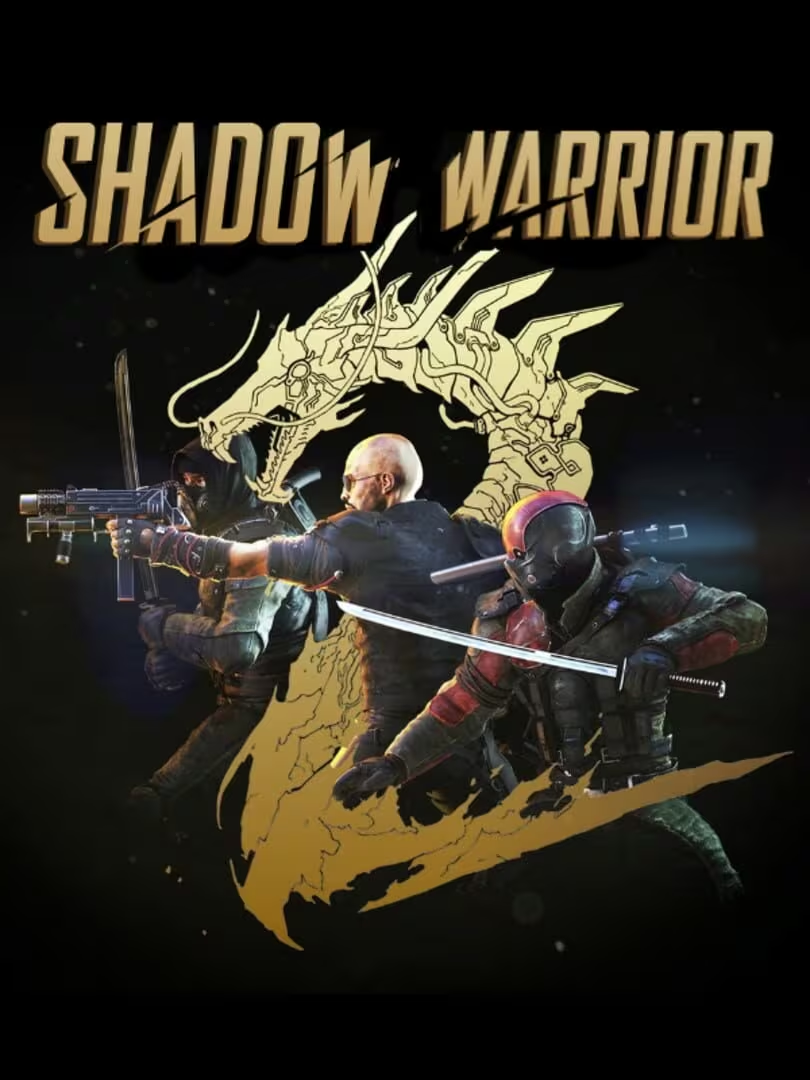
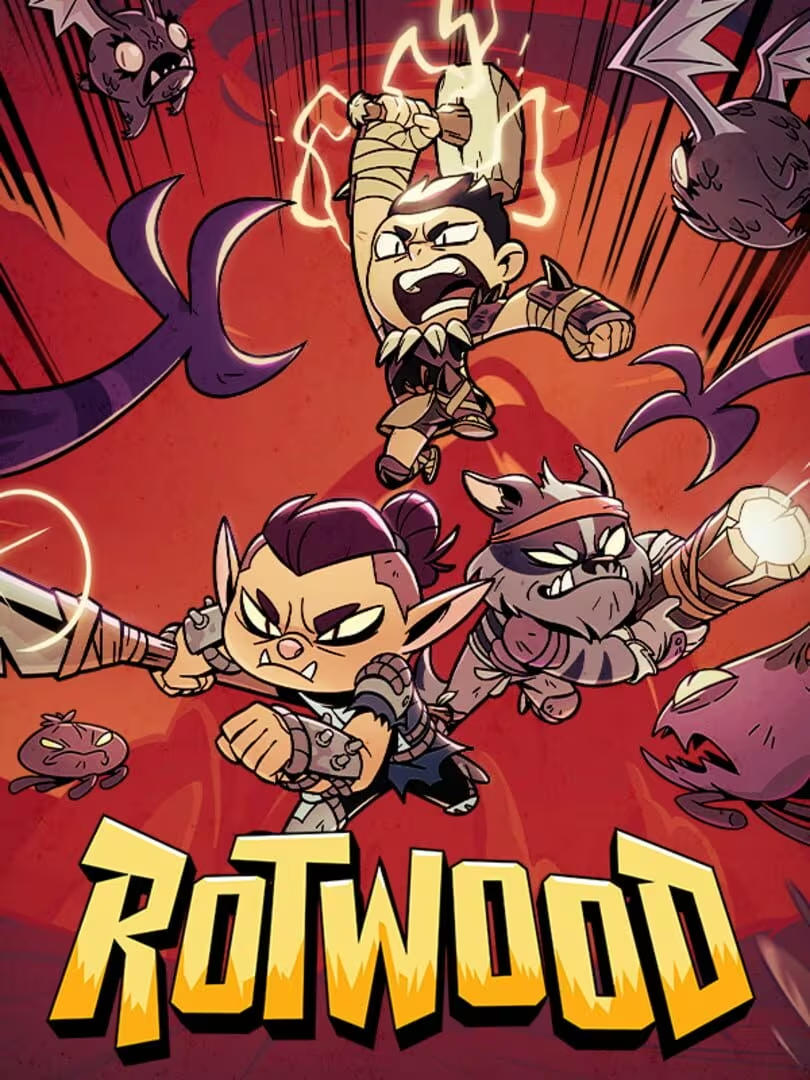
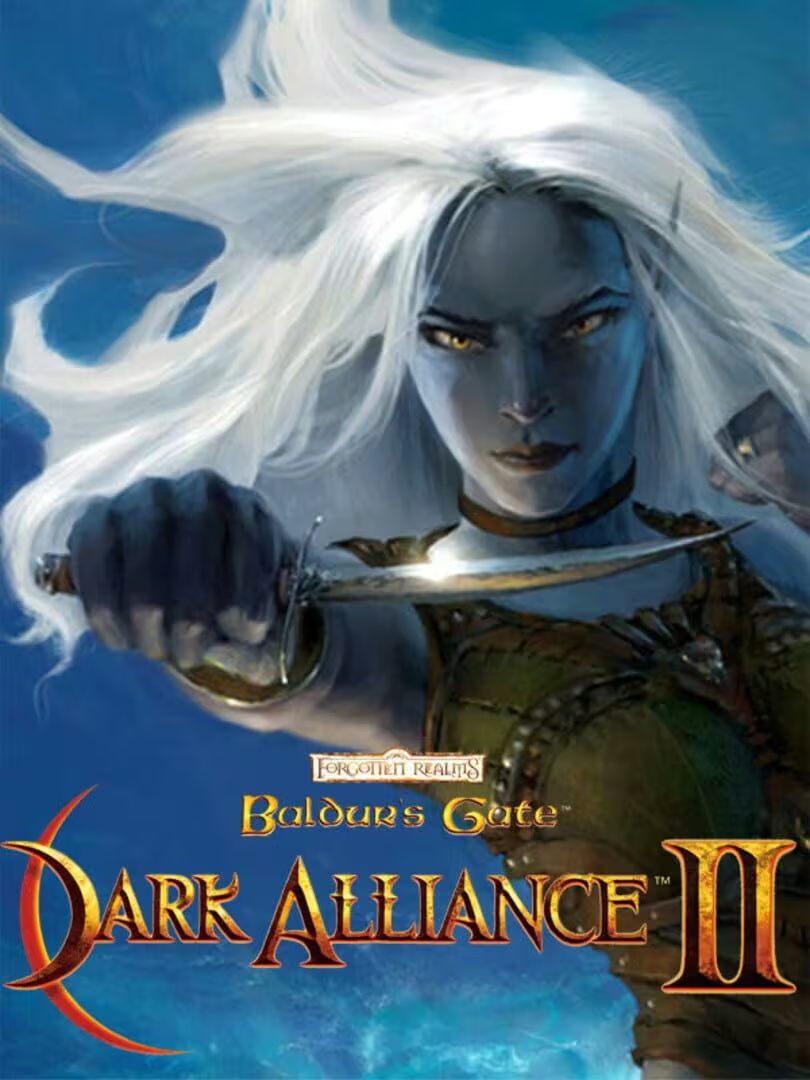
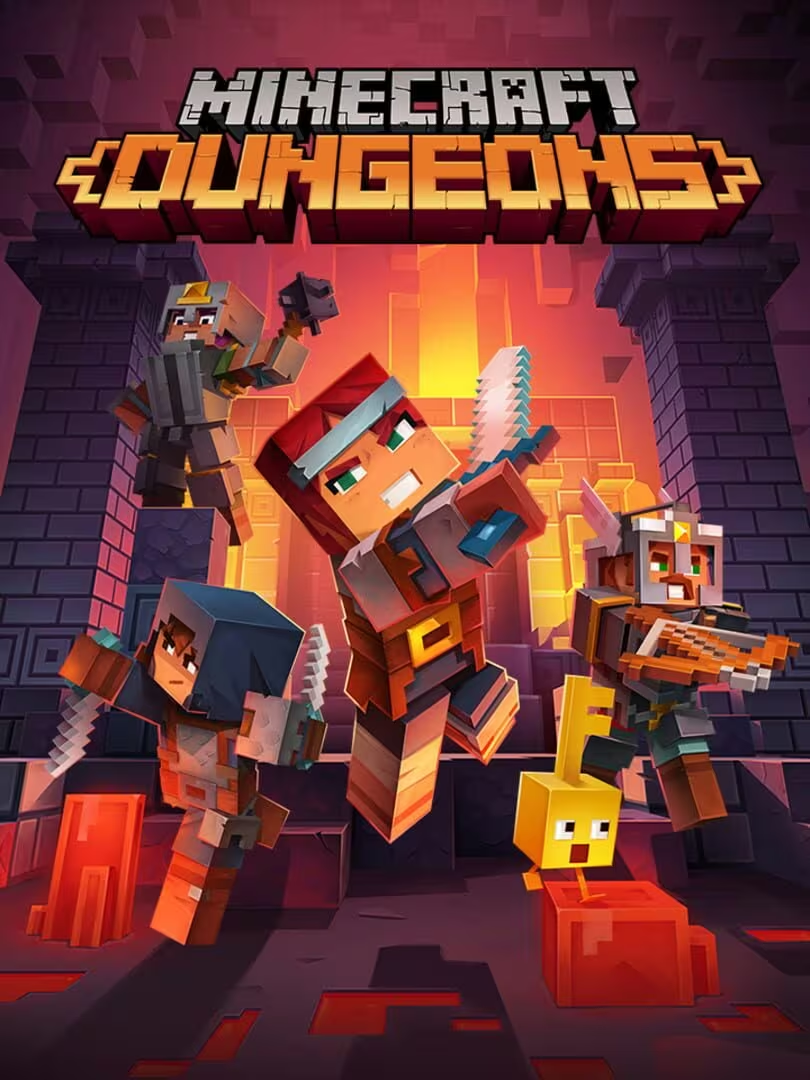
Hidden Gems
Less popular games with surprisingly high similarity
If you liked…
Recommendations by what you enjoyed most
Similarity map
Explore nearby similar games and see why they’re close.
Hunted: The Demon’s Forge™: A very typical example of its motivational profile. Motivations that often define this kind of title include Cooperation, Fellowship, Intimacy, Leadership. Here, the score leans higher than usual among comparable games on Violence, Cooperation, Intimacy.
Why this game works
A motivational profile of the game, with the closest similar game for each player motivation.
-
Autonomy
Game with the same Autonomy vibe
3"Players can switch between characters at any time and choose different combat styles, but the game is overall linear with limited freedom of movement."
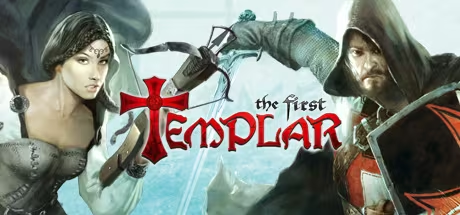 The First Templar - Steam Special Edition
"Players can switch between two characters and choose combat style, but gameplay is mostly linear and guided."
-
Competence
Game with the same Competence vibe
3"Combat requires timing, strategy, and skillful use of abilities and resources, providing a satisfying challenge especially on higher difficulties."
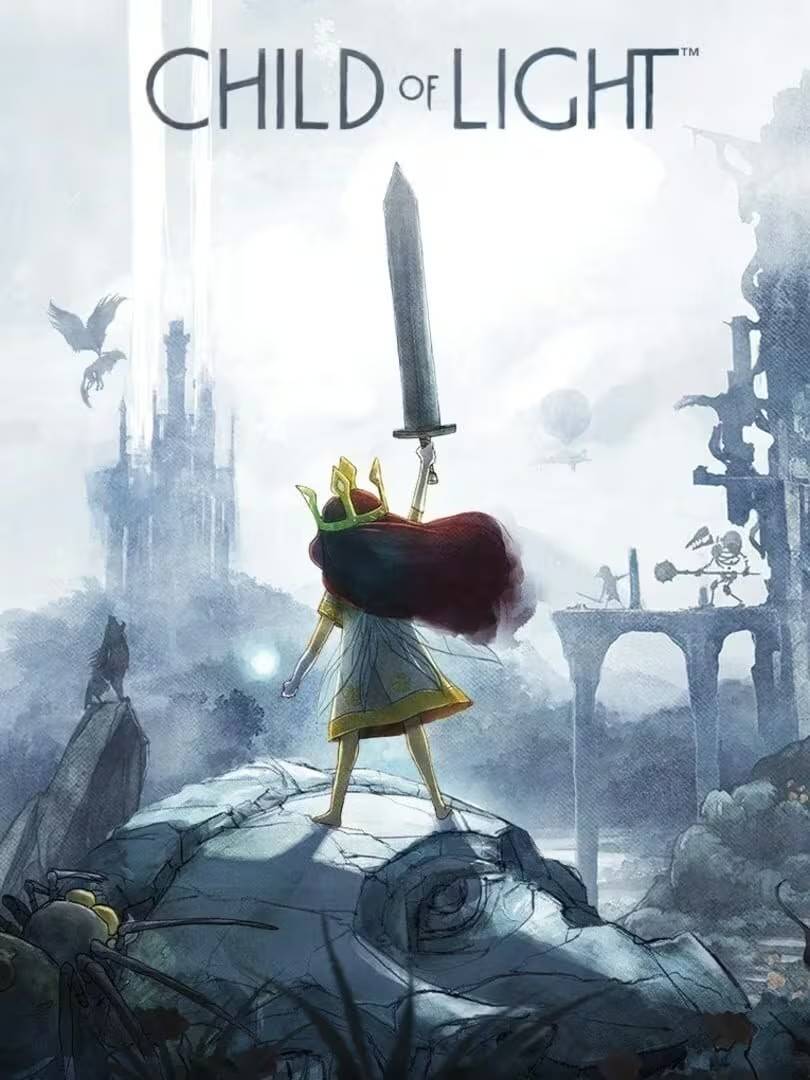 Child of Light
"Combat requires skillful use of melee, ranged, and magic abilities; game is challenging especially on higher difficulties."
-
Competition
Game with the same Competition vibe
-3"Focus is on cooperative or solo play without ranked or leaderboard competition."
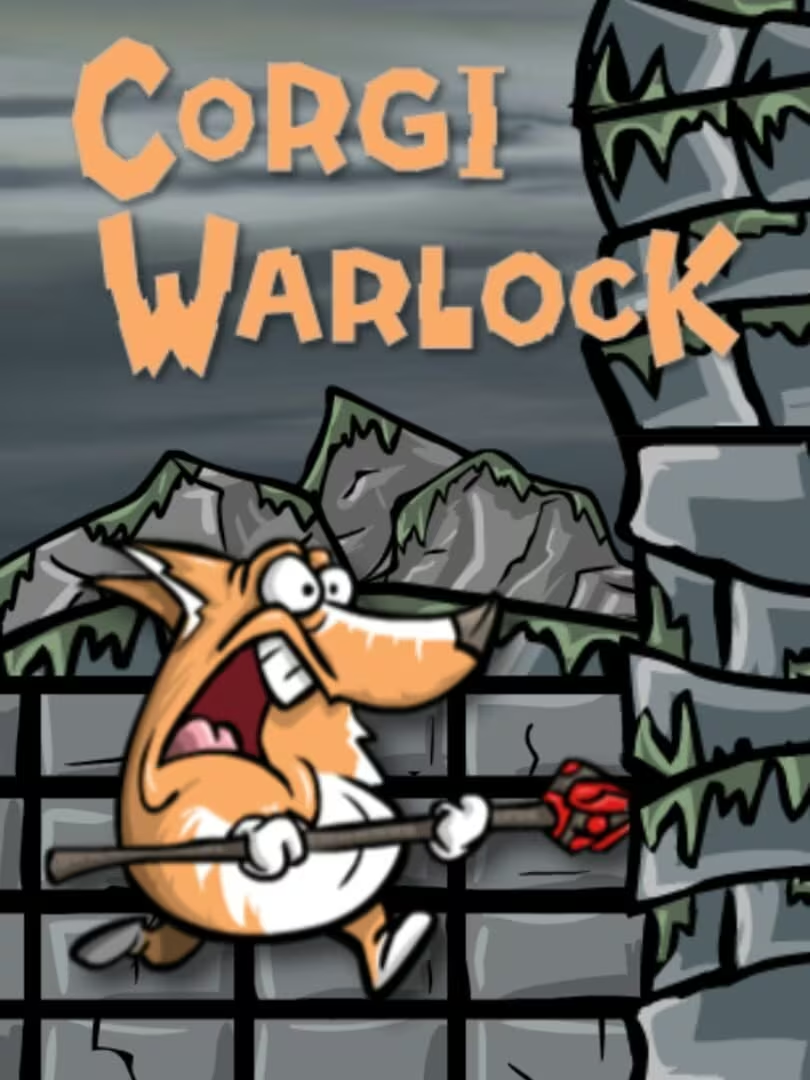 Corgi Warlock
"Focus is on cooperative play or solo experience without competitive elements or leaderboards."
-
Continuation
Game with the same Continuation vibe
3"Players report multiple playthroughs, replayability with different endings, and engagement with story and exploration."
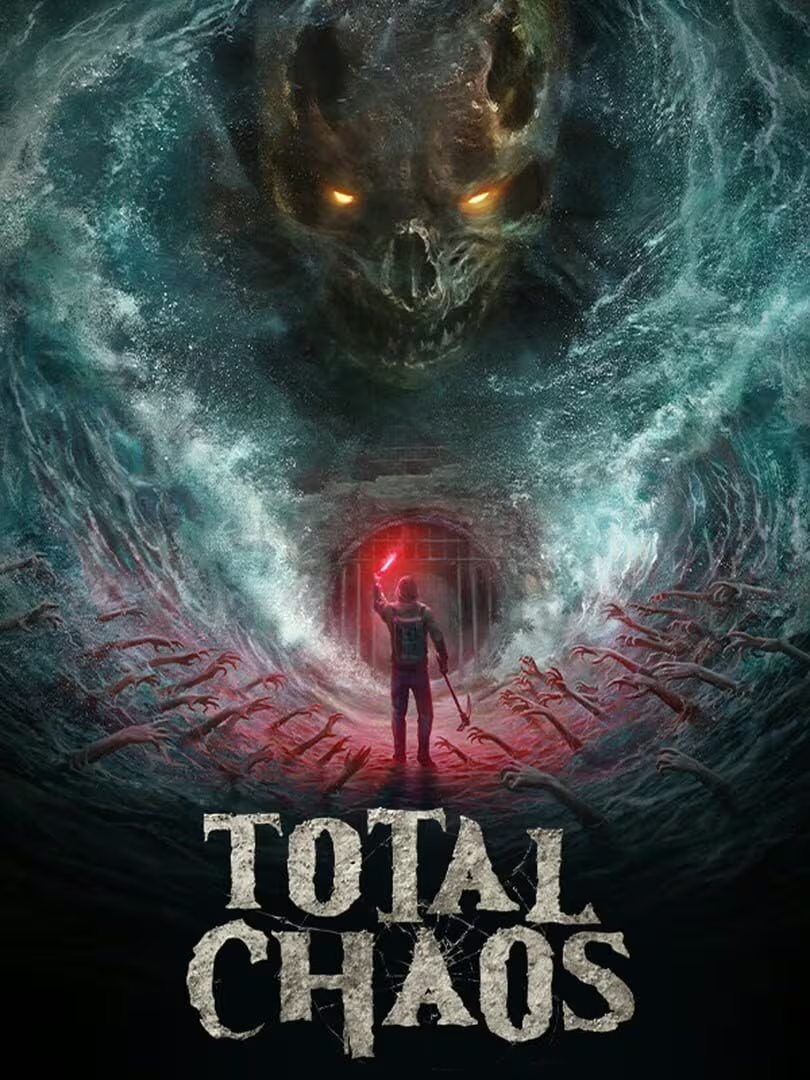 Total Chaos
"Players report multiple playthroughs, exploration of secrets, and replayability via character switching and difficulty."
-
Cooperation
Game with the same Cooperation vibe
5"Strong emphasis on local co-op play with a second player or AI partner, with gameplay designed around teamwork."
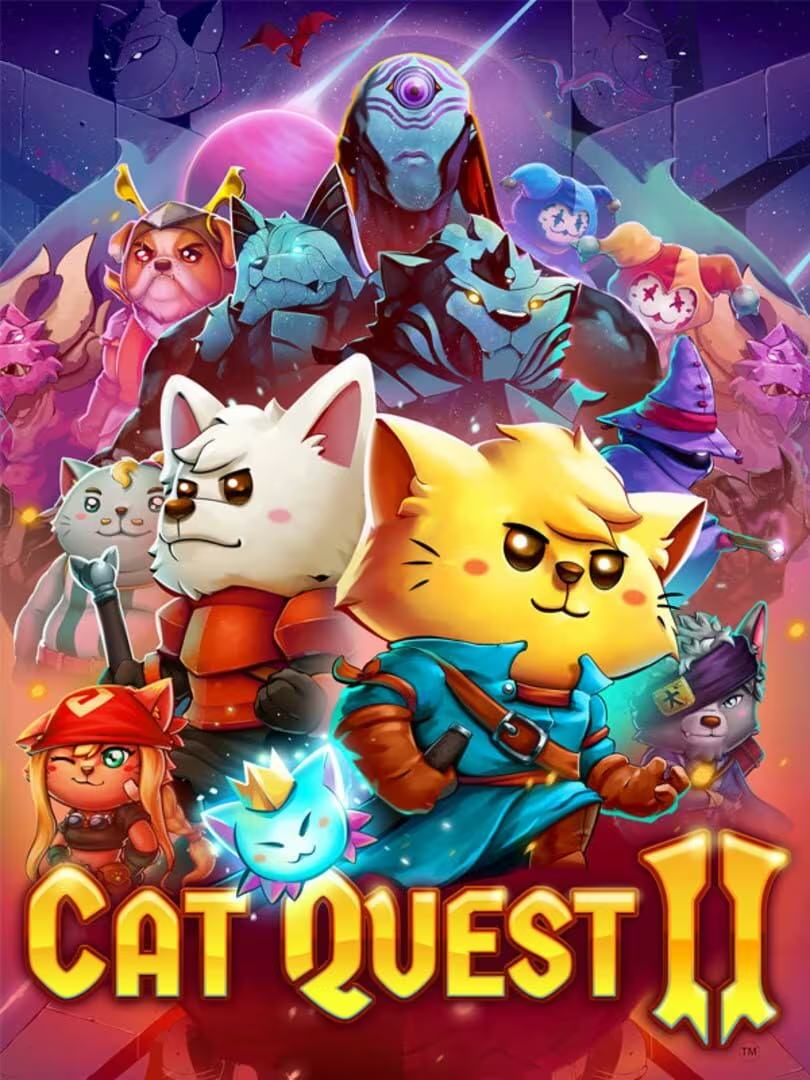 Cat Quest II
"Game is designed around two-player co-op with strong AI companion support; cooperation is core to experience."
-
Creativity
Game with the same Creativity vibe
2"Includes map editor and some customization of characters and upgrades, but core gameplay follows established structures."
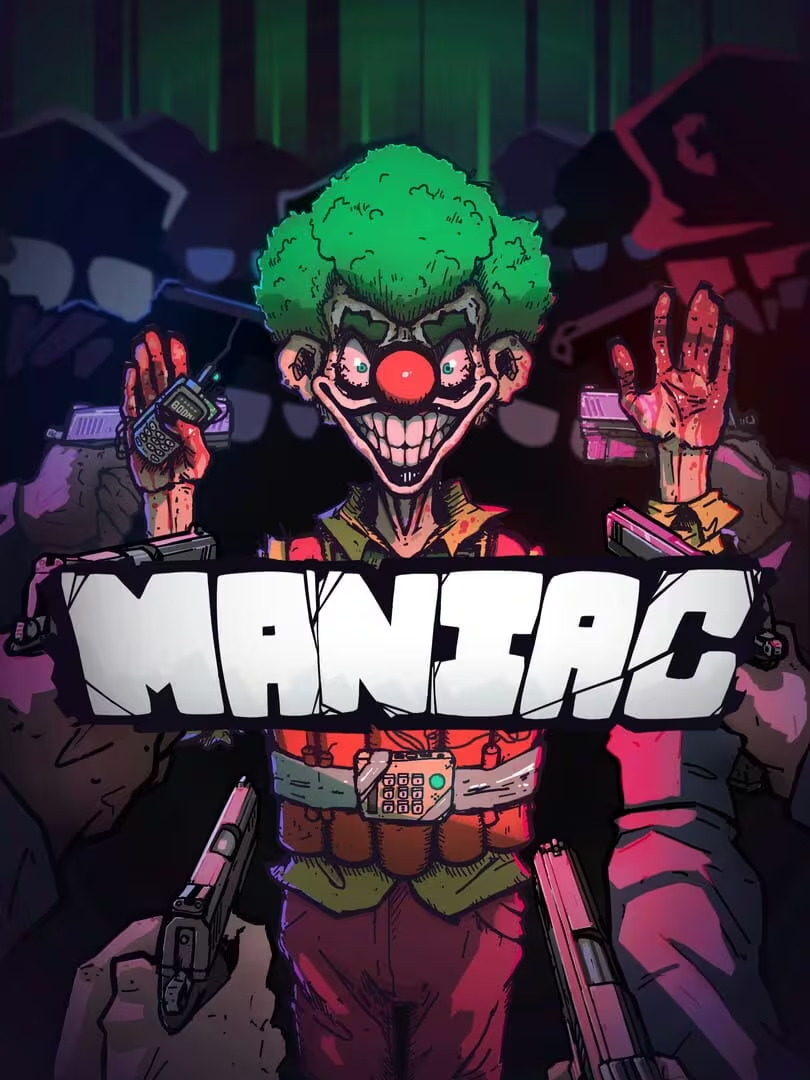 Maniac
"Includes map editor and some customization of skills and weapons, but main gameplay follows preset structure."
-
Domination
Game with the same Domination vibe
-4"Interactions emphasize shared experience and cooperation; no evidence of dominance or power over others."
 PANICORE
"Interactions emphasize partnership and banter; no evidence of dominance or power over others."
-
Escapism
Game with the same Escapism vibe
4"Dark fantasy setting and immersive world provide strong escape from real life."
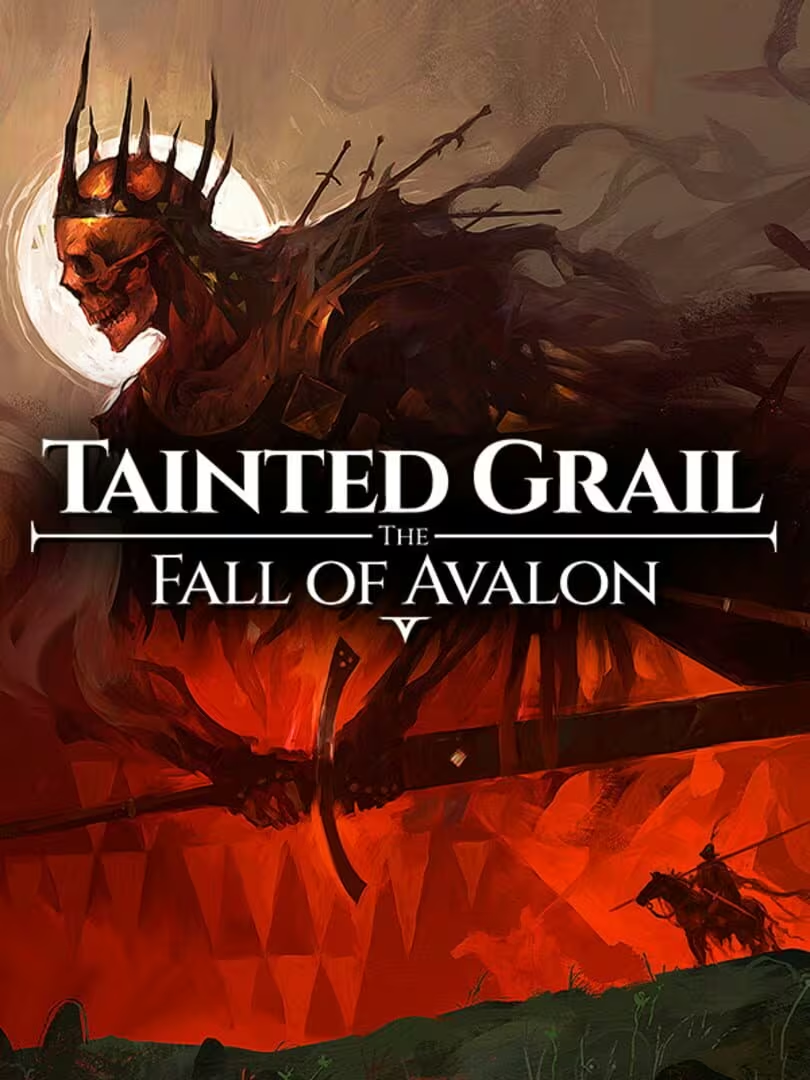 Tainted Grail: The Fall of Avalon
"Dark fantasy setting and immersive world provide strong escape from real life."
-
Expectation
Game with the same Expectation vibe
-4"Players engage voluntarily for enjoyment; no indication of obligation or external pressure."
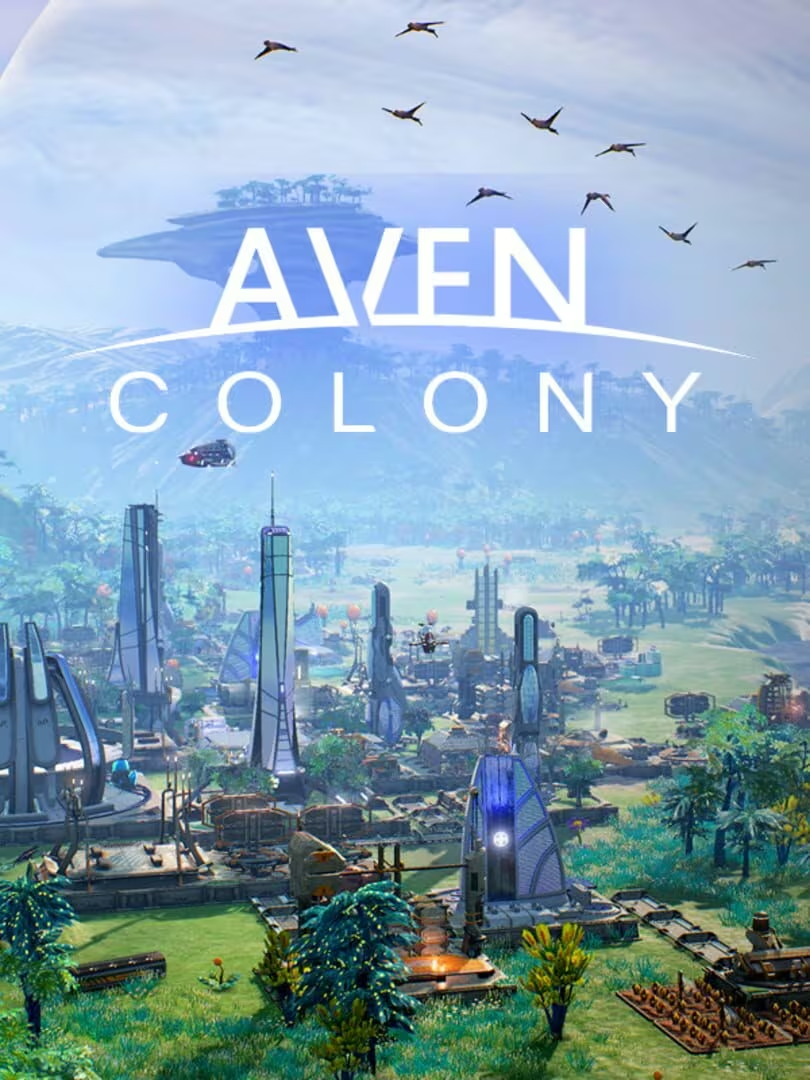 Aven Colony
"Players engage voluntarily for enjoyment; no indication of obligation or external pressure."
-
Experimenting
Game with the same Experimenting vibe
2"Players try different characters and abilities, exploring unique moves and strategies."
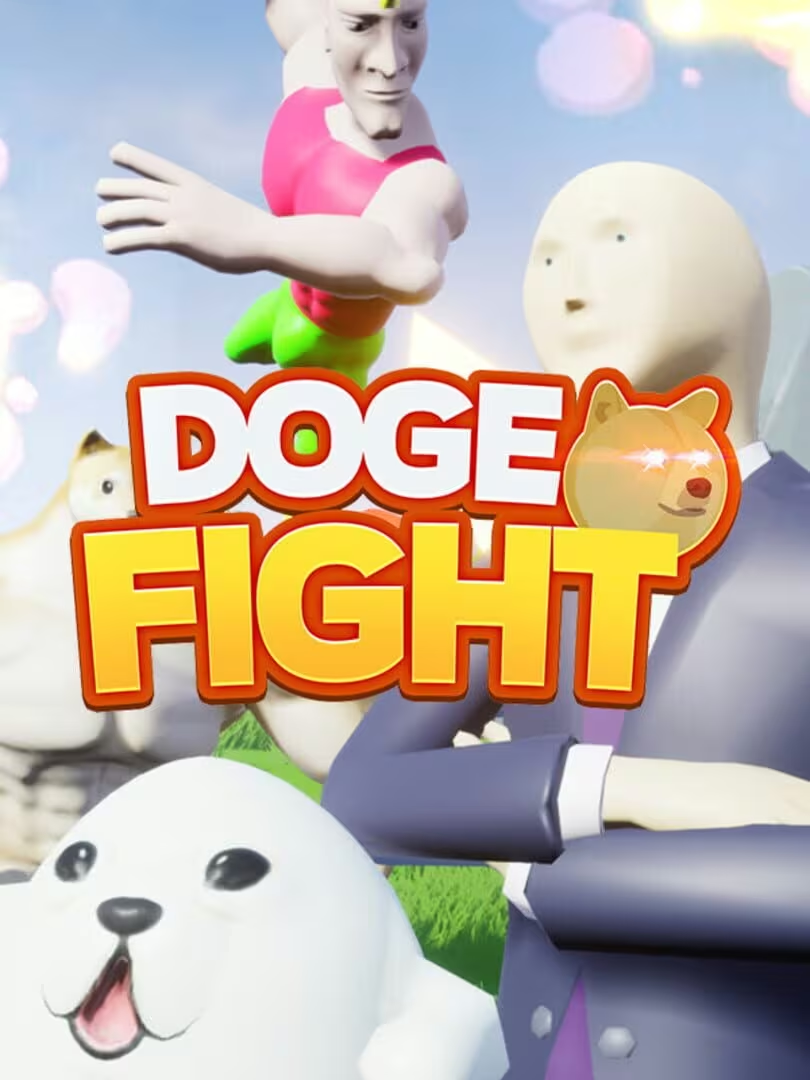 DogeFight
"Players can try different characters, weapons, and skills; some exploration of secrets and puzzles."
-
Exploration
Game with the same Exploration vibe
3"Game includes secrets, hidden areas, and encourages discovery within levels."
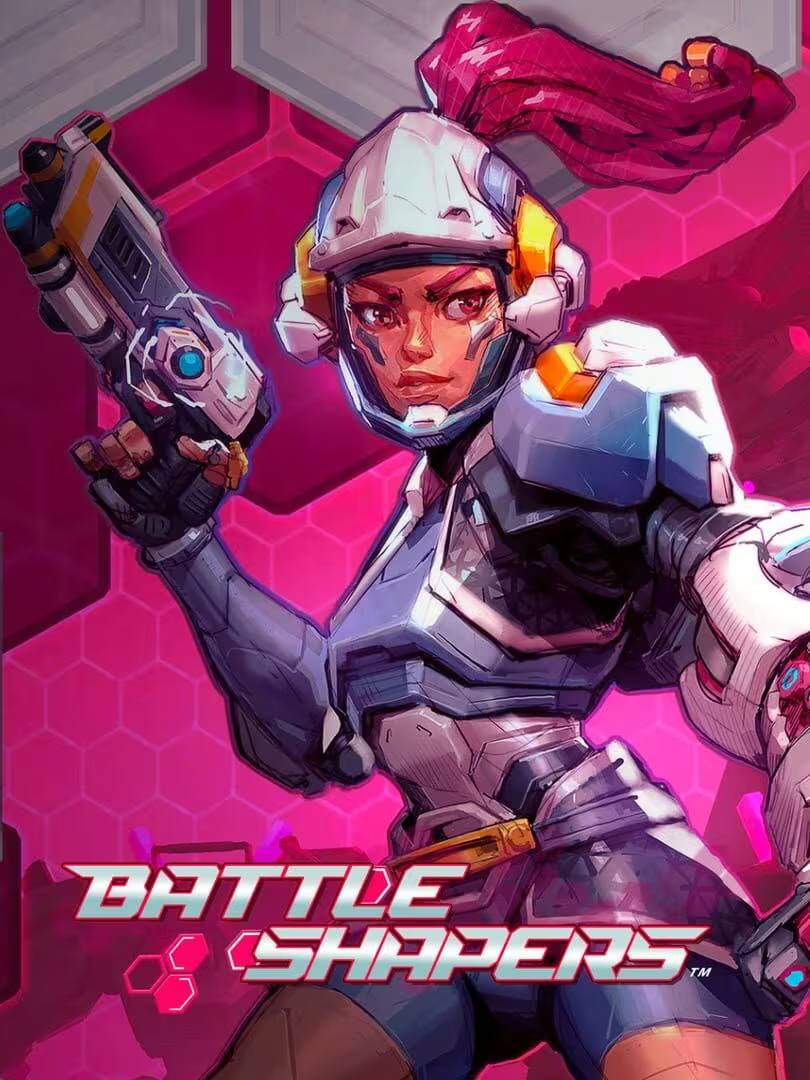 Battle Shapers
"Game features hidden areas, secret dungeons, and encourages exploration within linear levels."
-
Expression
Game with the same Expression vibe
1"Limited character customization mainly in weapon and equipment choices; no deep avatar personalization."
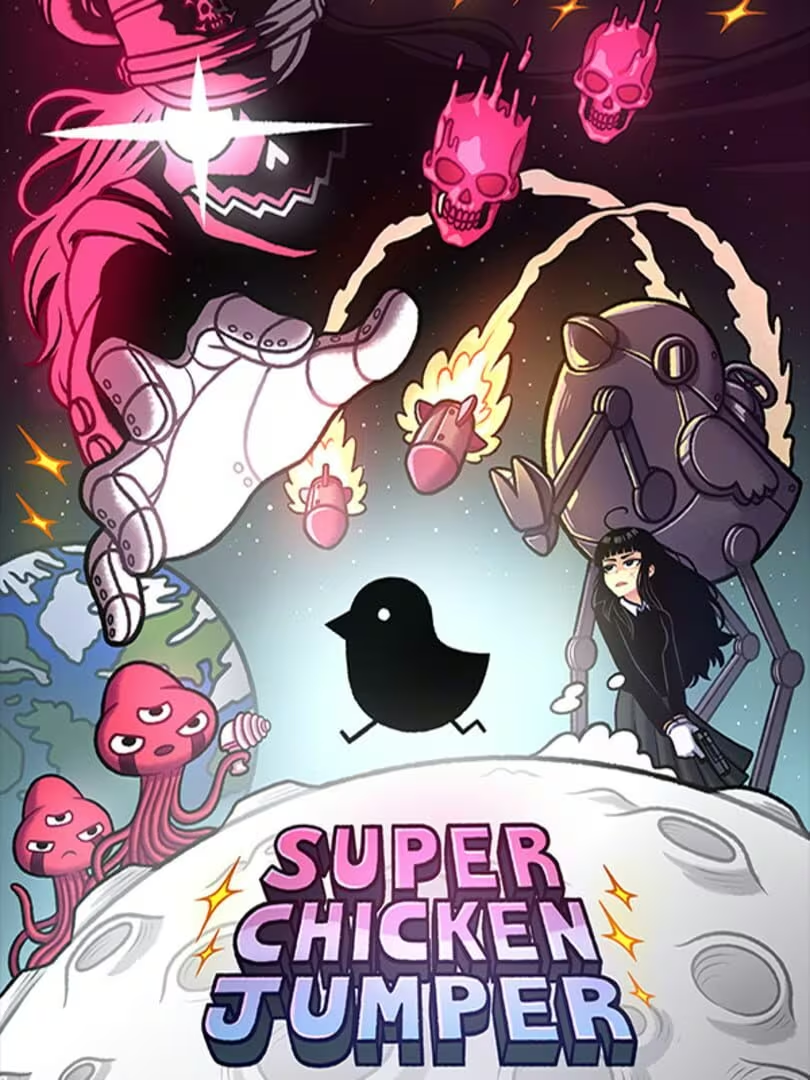 SUPER CHICKEN JUMPER
"Limited character customization mostly through weapons and skill upgrades; no deep avatar personalization."
-
Fantasy
Game with the same Fantasy vibe
5"Strong fantasy theme with magical weapons, mythical creatures, and a dark fantasy setting."
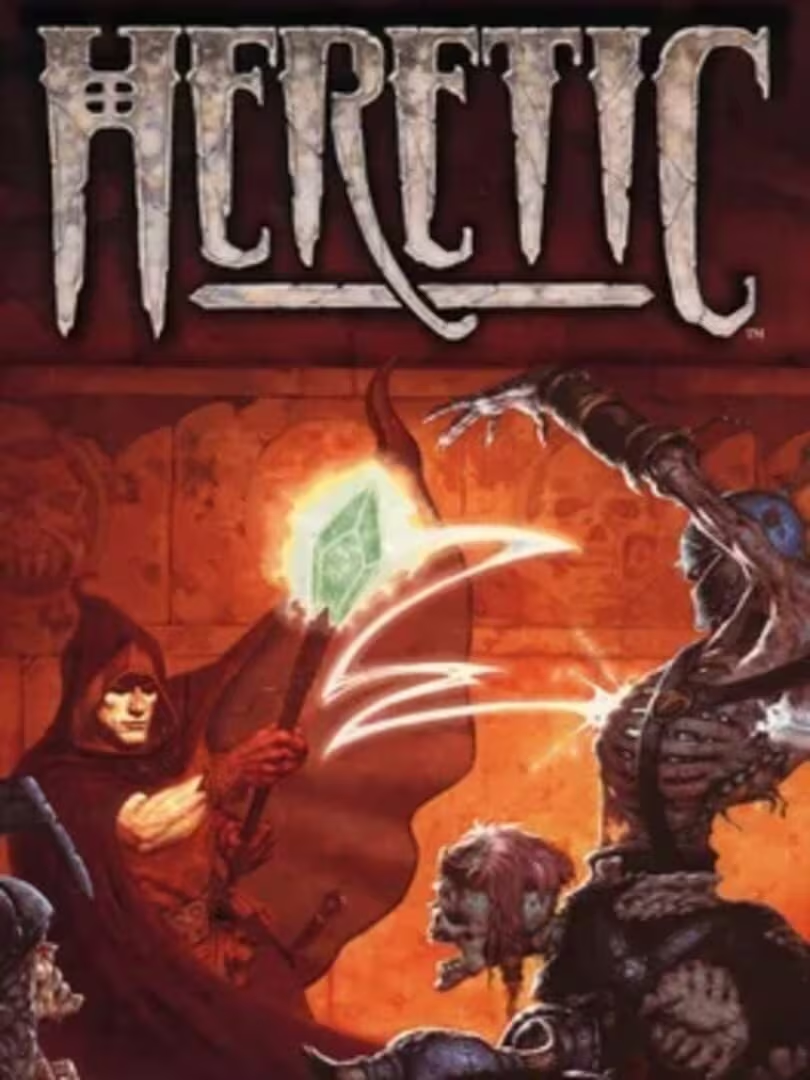 Heretic: Shadow of the Serpent Riders
"Strong dark fantasy theme with magic, mythical creatures, and fictional story elements."
-
Fellowship
Game with the same Fellowship vibe
4"Community and multiplayer co-op foster a sense of belonging and shared experience."
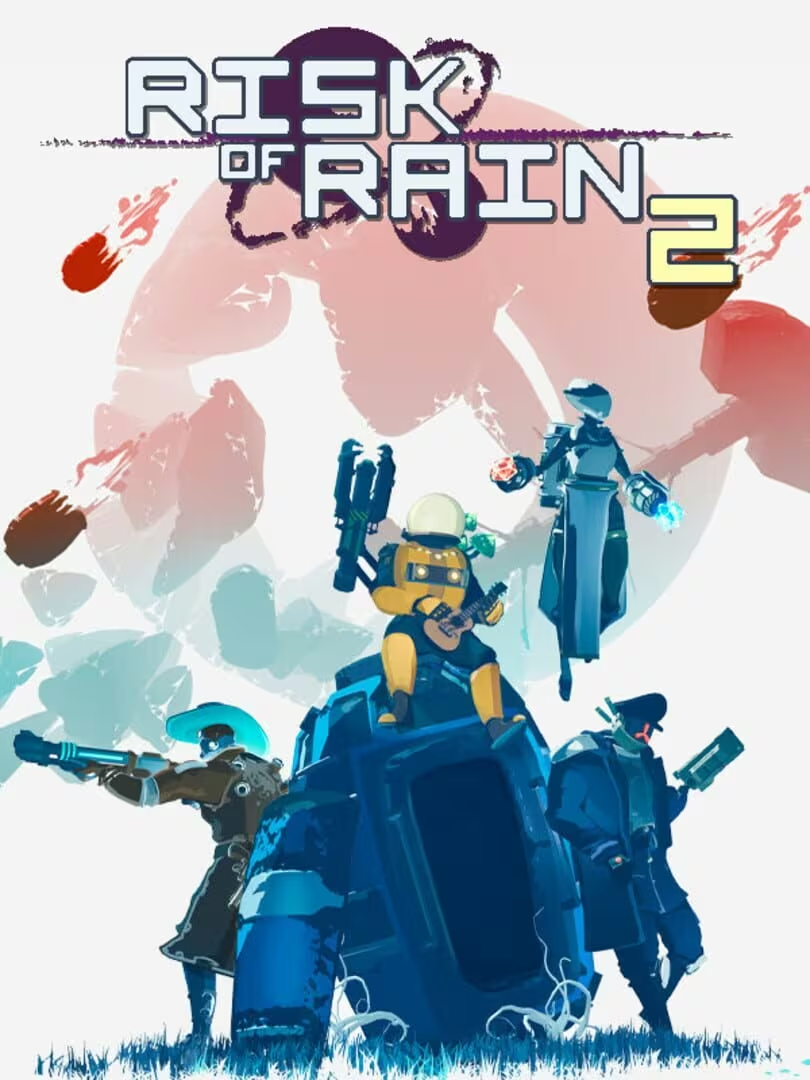 Risk of Rain 2
"Co-op play and community guides for multiplayer foster a sense of belonging and shared experience."
-
Growth
Game with the same Growth vibe
3"Skill acquisition, weapon upgrades, and learning combat mechanics provide personal development."
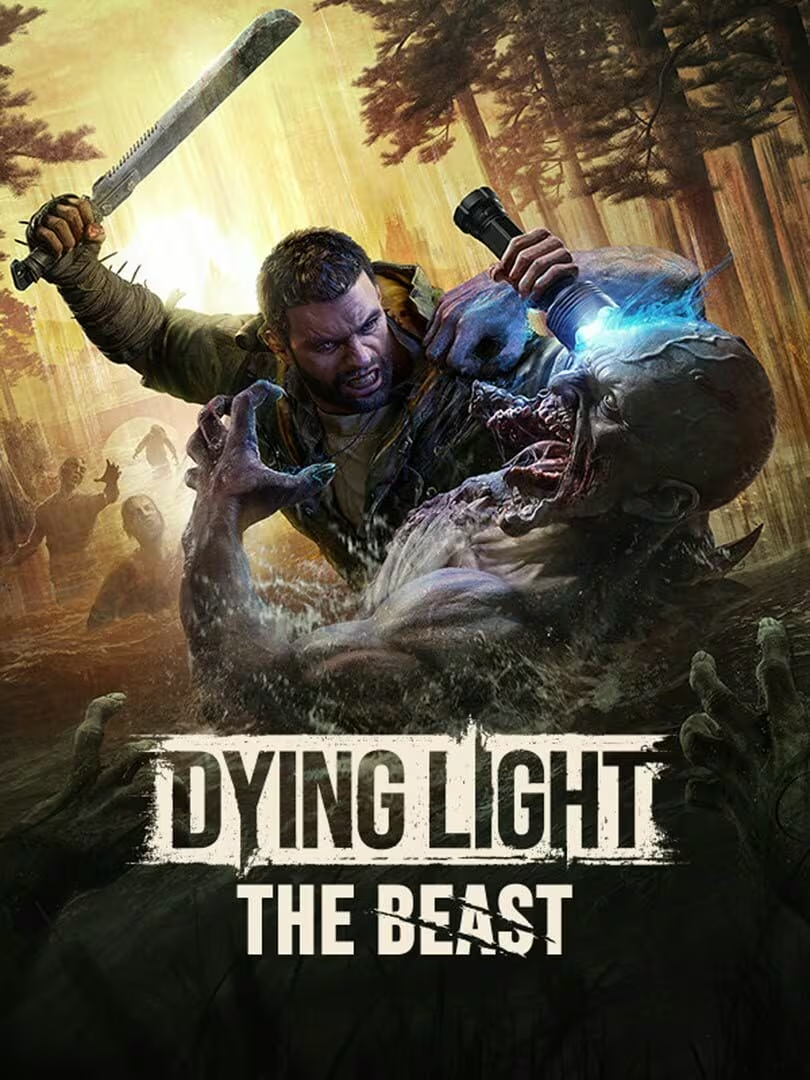 Dying Light: The Beast
"Skill trees, ability upgrades, and learning combat mechanics provide personal development."
-
Health
Game with the same Health vibe
-4"Sedentary gameplay typical of action RPGs; no physical activity or health-related features."
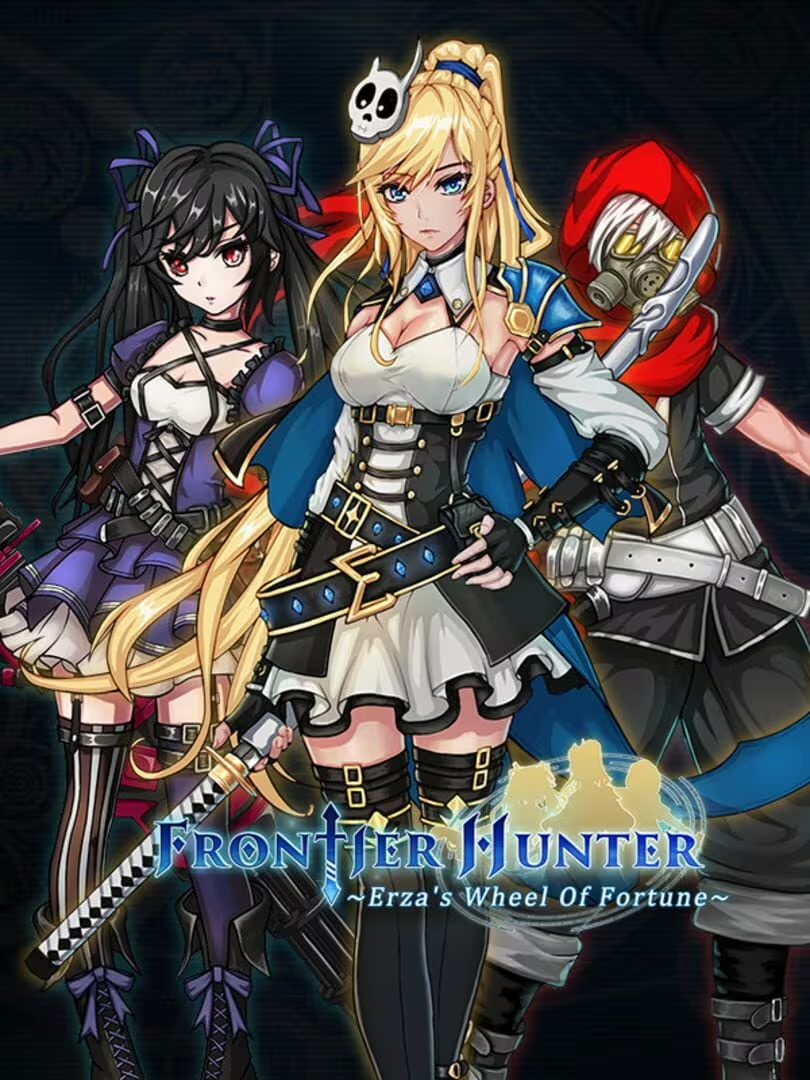 Frontier Hunter: Erza’s Wheel of Fortune
"Sedentary gameplay typical of action RPGs; no physical activity or health-related features."
-
Idle
Game with the same Idle vibe
-3"Requires focused attention during combat and puzzle solving; not designed for passive or background play."
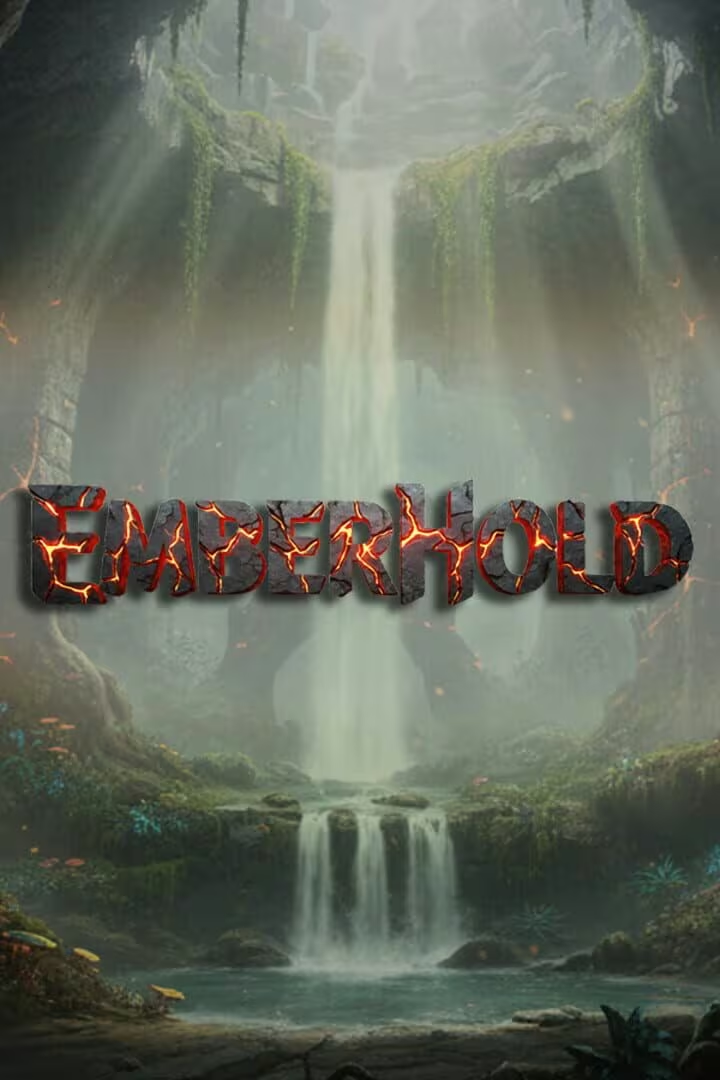 Emberhold
"Requires focused attention during combat and puzzle solving; not suited for passive or background play."
-
Intimacy
Game with the same Intimacy vibe
3"Co-op play fosters social interaction and bonding; character dialogues add emotional connection."
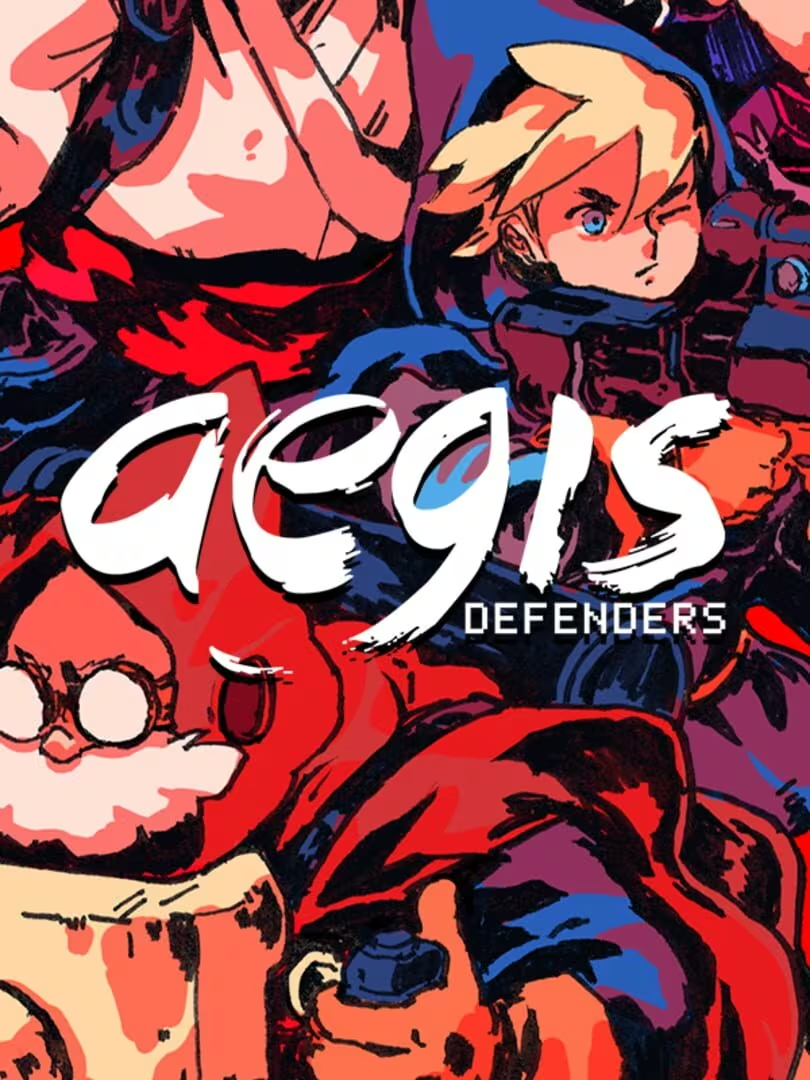 Aegis Defenders
"Strong character interactions and banter create emotional connection; co-op play enhances social bonds."
-
Leadership
Game with the same Leadership vibe
-2"Players cooperate as equals; no strong leadership or hierarchical roles described."
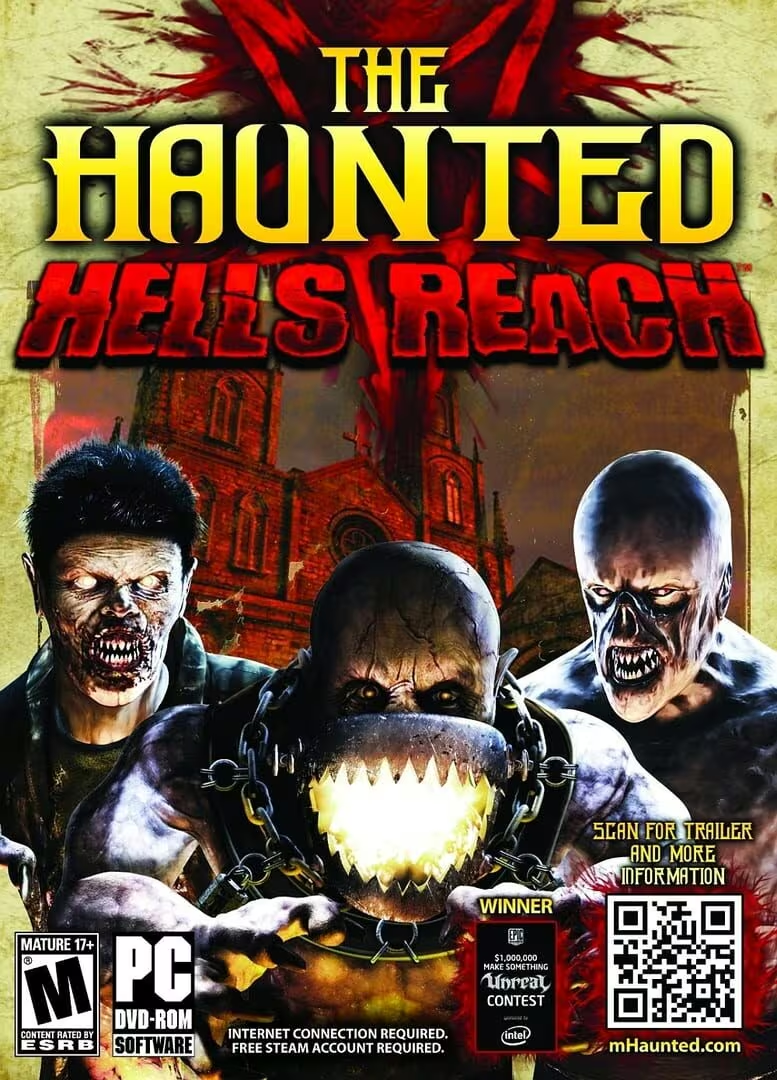 The Haunted: Hells Reach
"Players cooperate as equals; no strong leadership or hierarchical roles indicated."
-
Progression
Game with the same Progression vibe
4"Collecting items, upgrades, and unlocking abilities drives player progression."
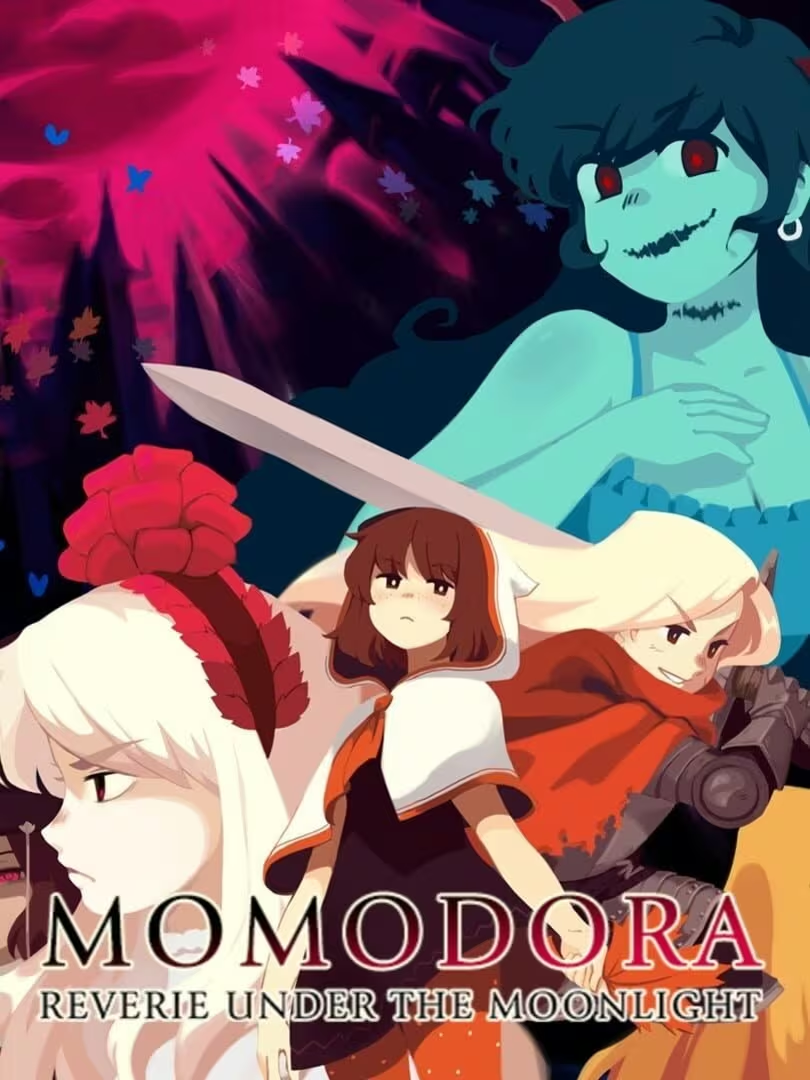 Momodora: Reverie Under The Moonlight
"Collecting weapons, upgrading skills, and unlocking abilities drive player progression."
-
Relaxation
Game with the same Relaxation vibe
2"Some players find the game fun and engaging, though others note tension in competitive modes and challenges."
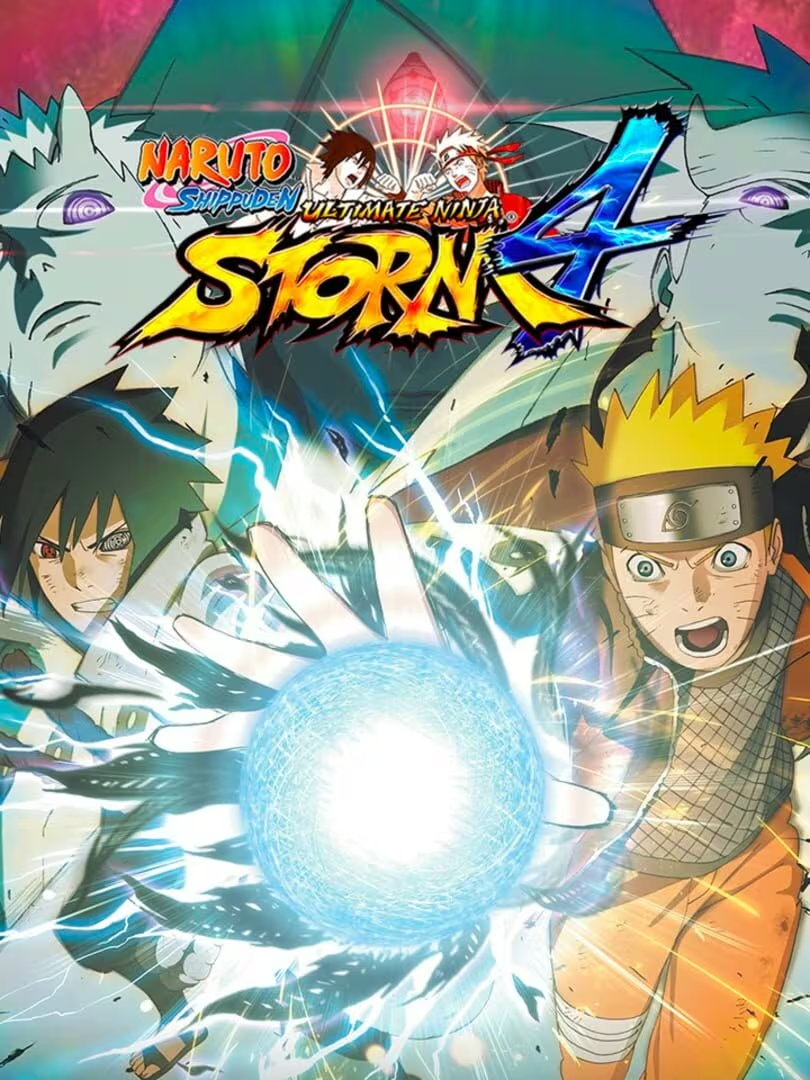 NARUTO SHIPPUDEN: Ultimate Ninja STORM 4
"Some players find the game engaging and fun, though combat difficulty can create tension."
-
Sensation
Game with the same Sensation vibe
3"Visuals, sound design, and combat animations provide sensory stimulation and excitement."
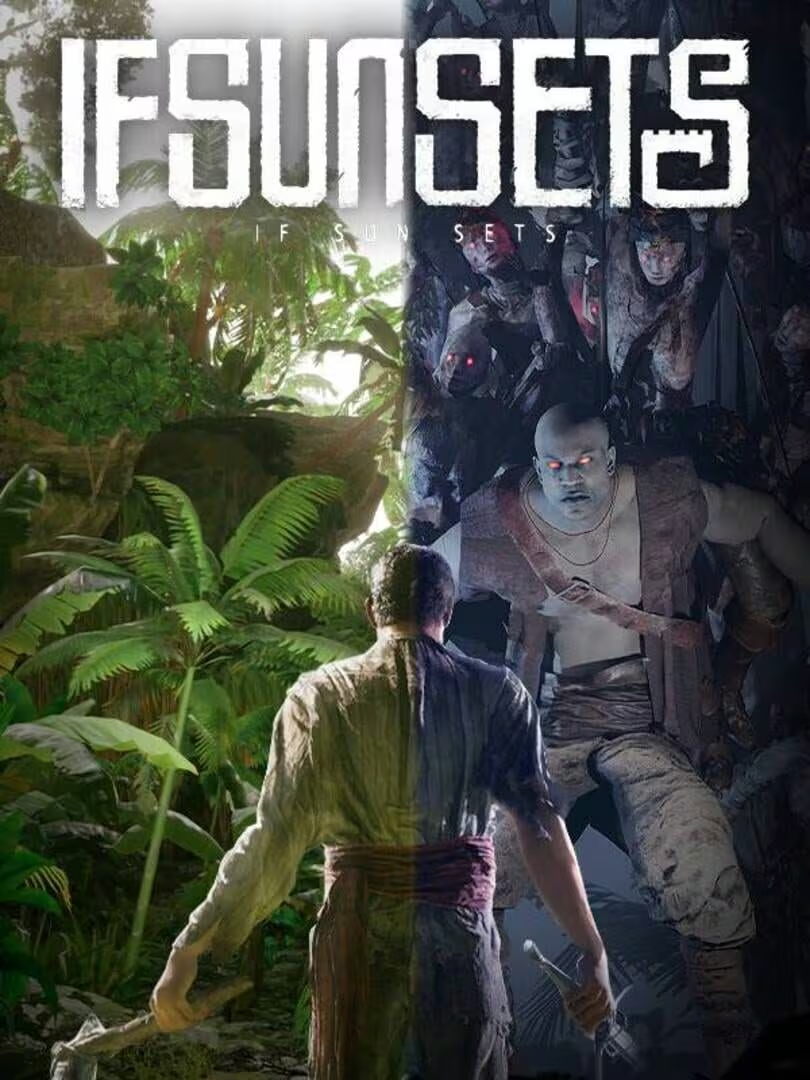 IfSunSets
"Visuals, sound effects, and combat animations provide sensory stimulation and excitement."
-
Status
Game with the same Status vibe
-3"No social status or ranking systems; focus is on personal and cooperative play."
 LEGO® Marvel™ Super Heroes
"No social status or ranking systems; focus is on cooperative play and personal enjoyment."
-
Story
Game with the same Story vibe
3"Narrative is linear but engaging with multiple endings and character interactions."
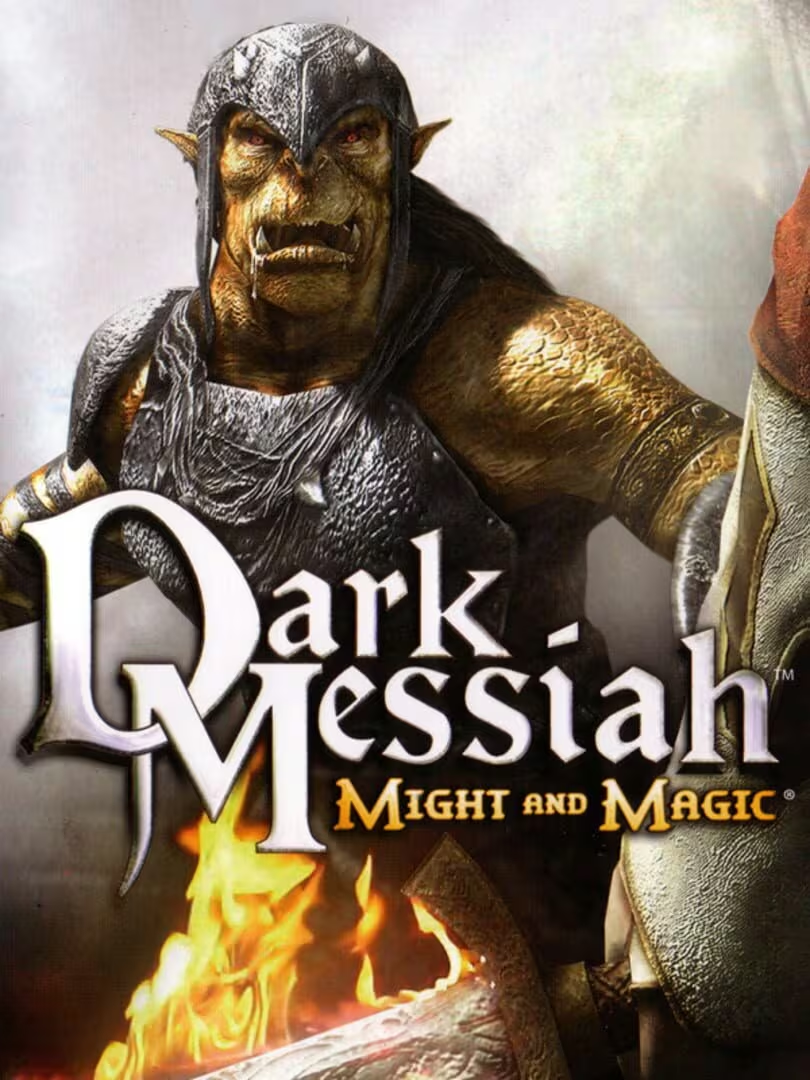 Dark Messiah of Might & Magic
"Narrative and character dialogue are important; story is linear but engaging with multiple endings."
-
Strategy
Game with the same Strategy vibe
3"Combat and puzzle solving require planning and tactical use of items and skills."
 Super Cane Magic ZERO - Legend of the Cane Cane
"Combat and puzzle solving require tactical thinking and planning; skill use is important."
-
Thrill
Game with the same Thrill vibe
3"Combat difficulty and boss fights create suspense and excitement."
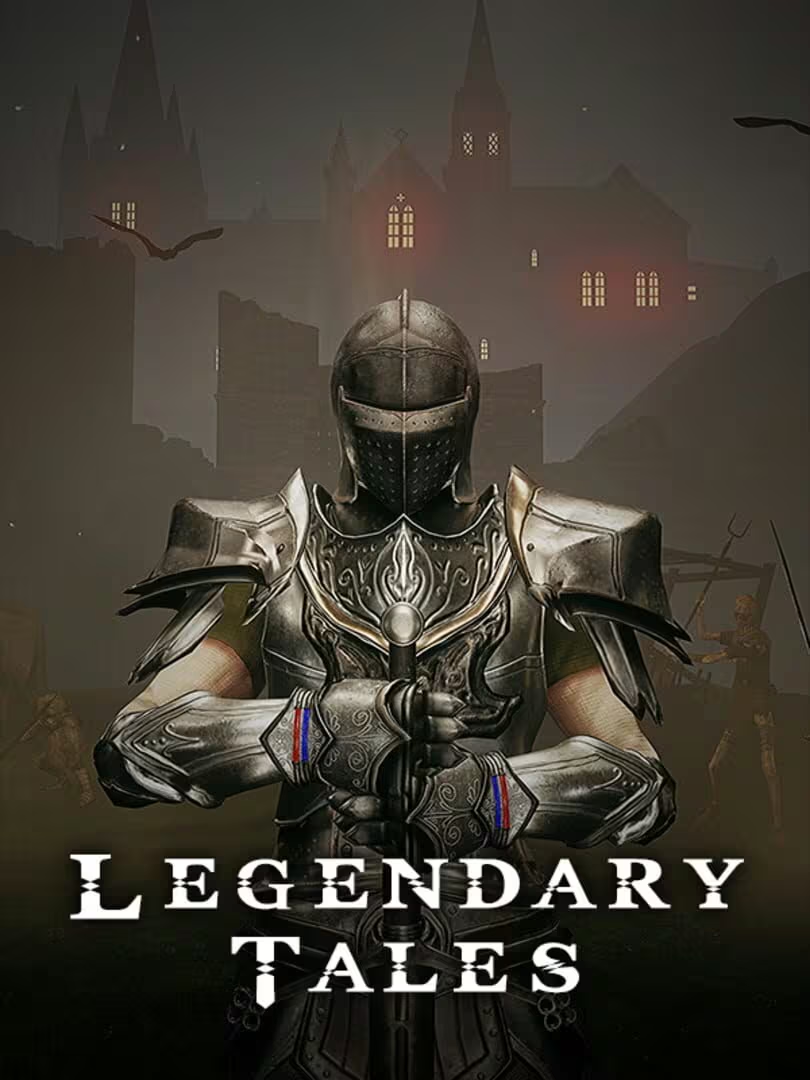 Legendary Tales
"Combat difficulty and boss fights create suspense and excitement."
-
Value
Game with the same Value vibe
4"Players report good value especially when purchased on sale; long playtime and replayability."
The First Templar - Steam Special Edition
"Players report good value especially when purchased on sale; decent length and replayability."
-
Violence
Game with the same Violence vibe
4"Combat involves melee, ranged attacks, and killing enemies; violence is a core gameplay element."
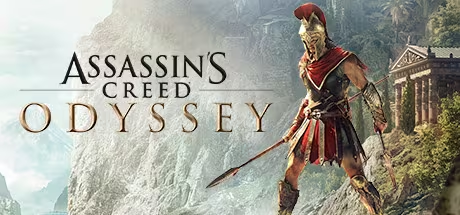 Assassin's Creed® Odyssey
"Combat involves melee and ranged attacks with enemies; violence is a core gameplay element."
-
Survival
Game with the same Survival vibe
3"Players must manage health, potions, and combat tactics to survive challenging enemies and bosses."
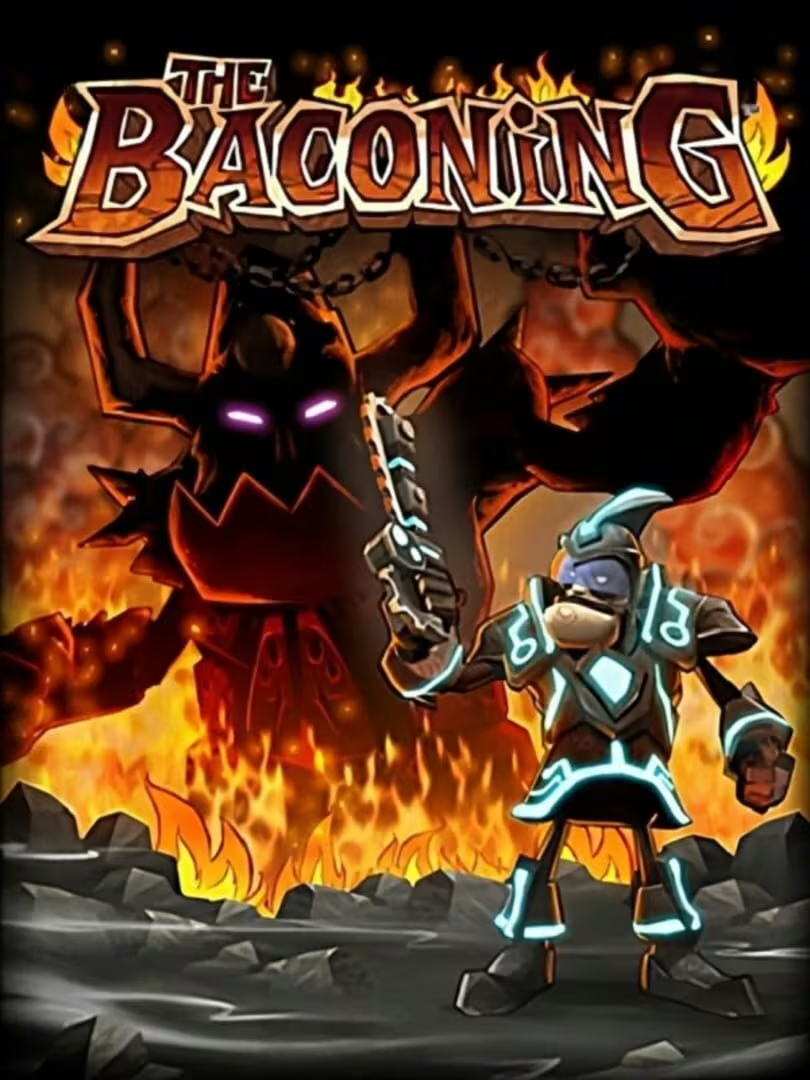 The Baconing
"Players must manage health, potions, and resources to survive challenging combat encounters."
Last update: 01/06/2026