Hyperdimension Neptunia Re;Birth3 V Generation similar games & best alternatives

No screenshot has been retrieved yet
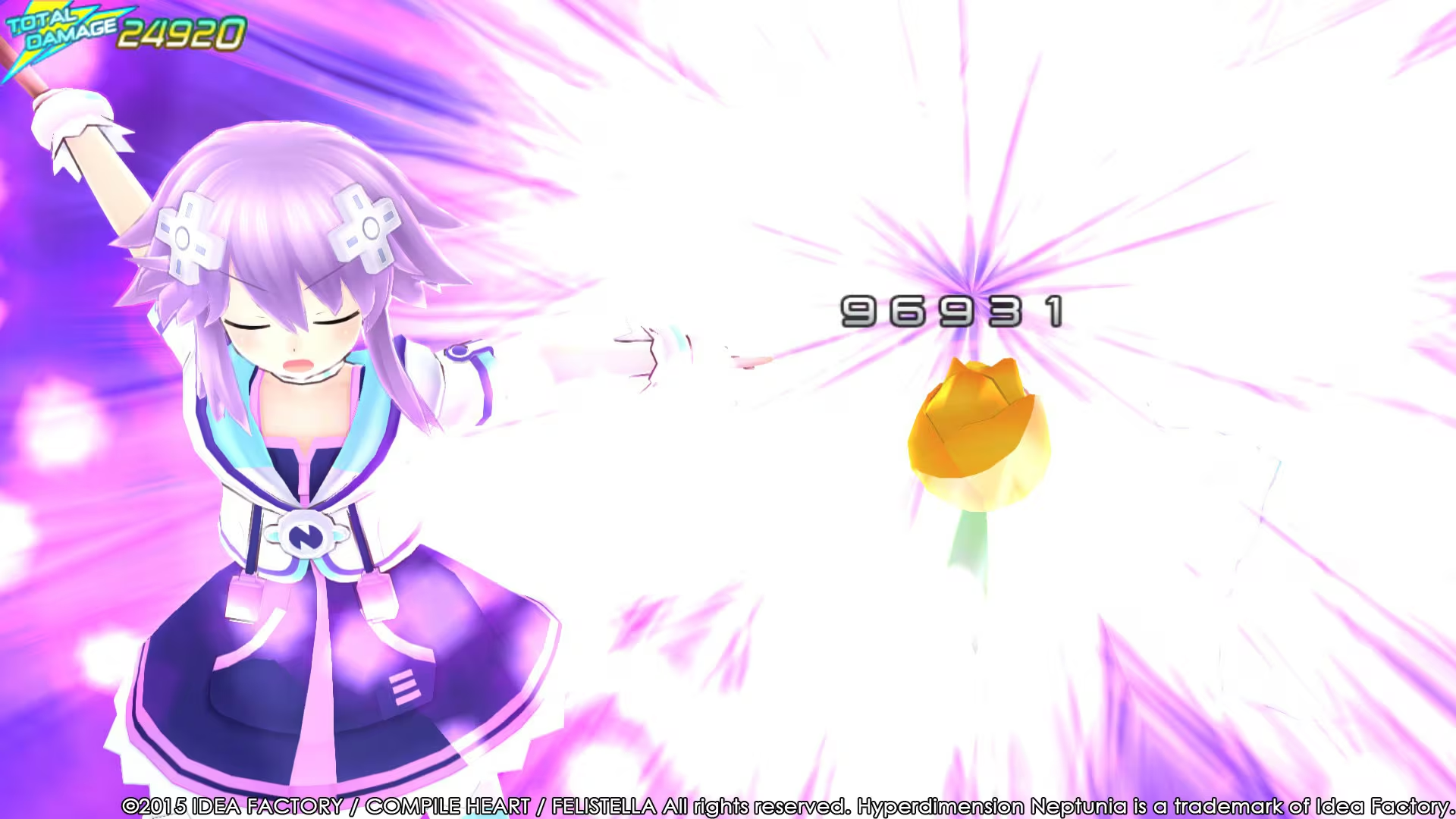
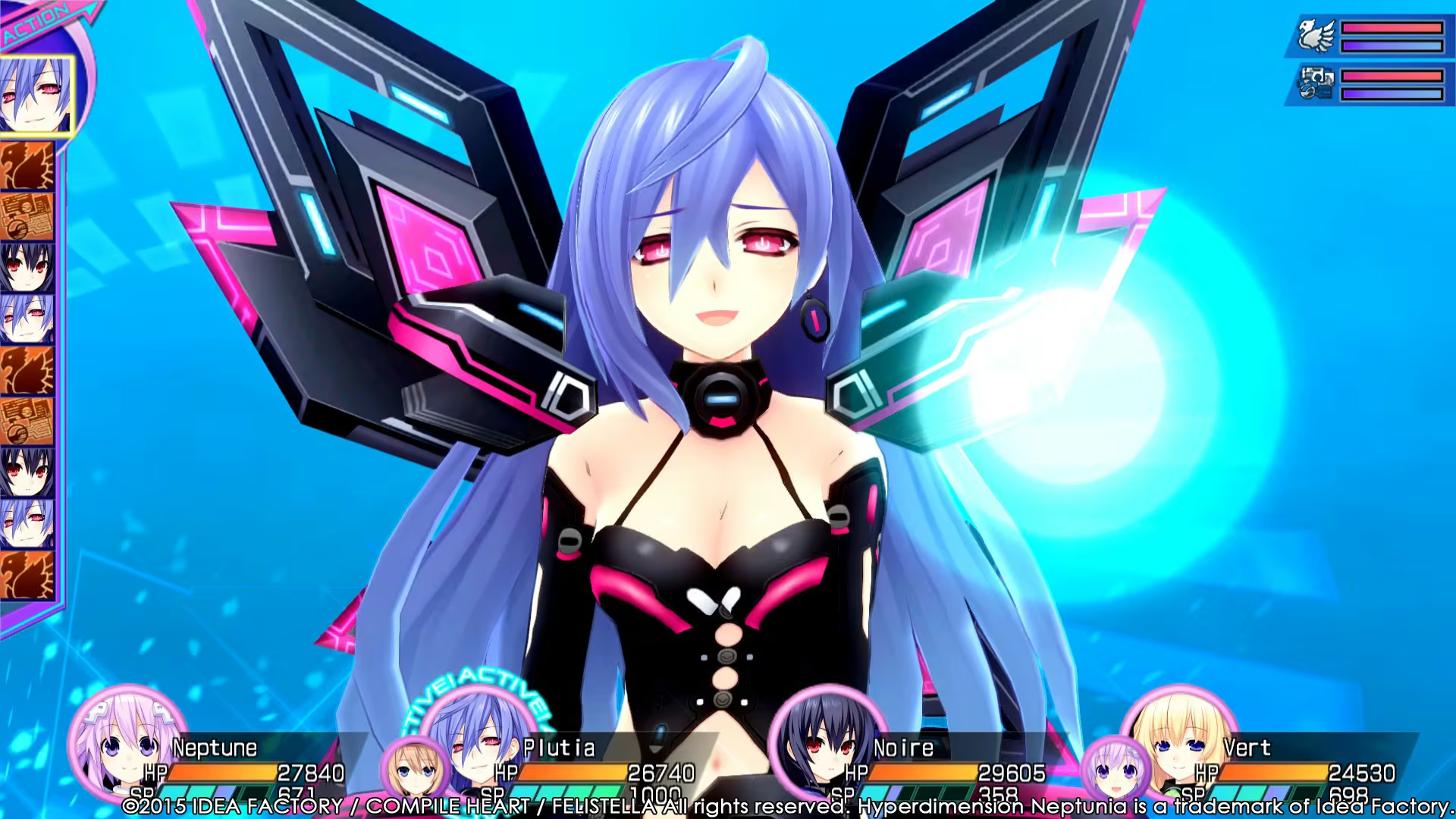
Should you play it?
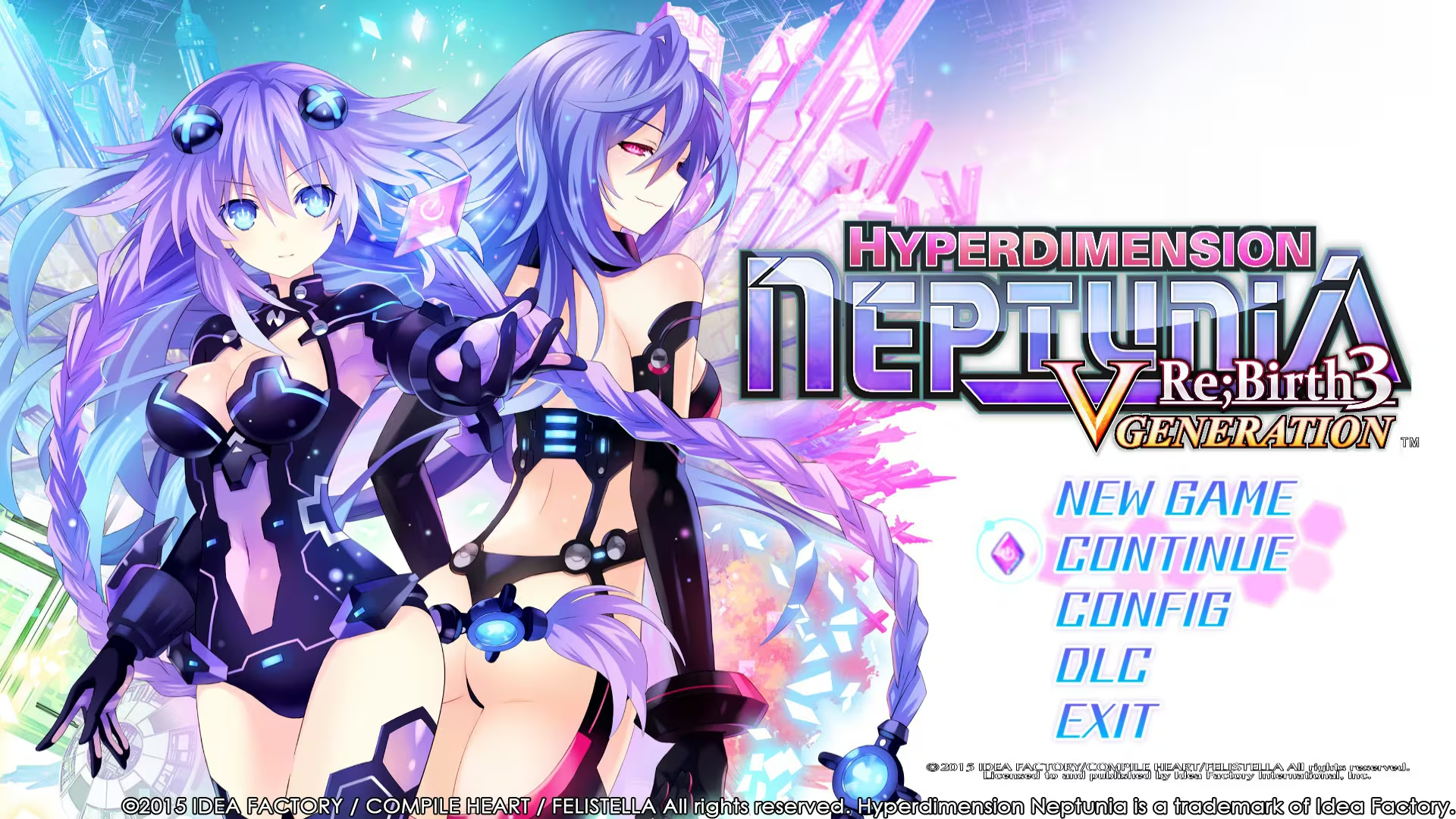
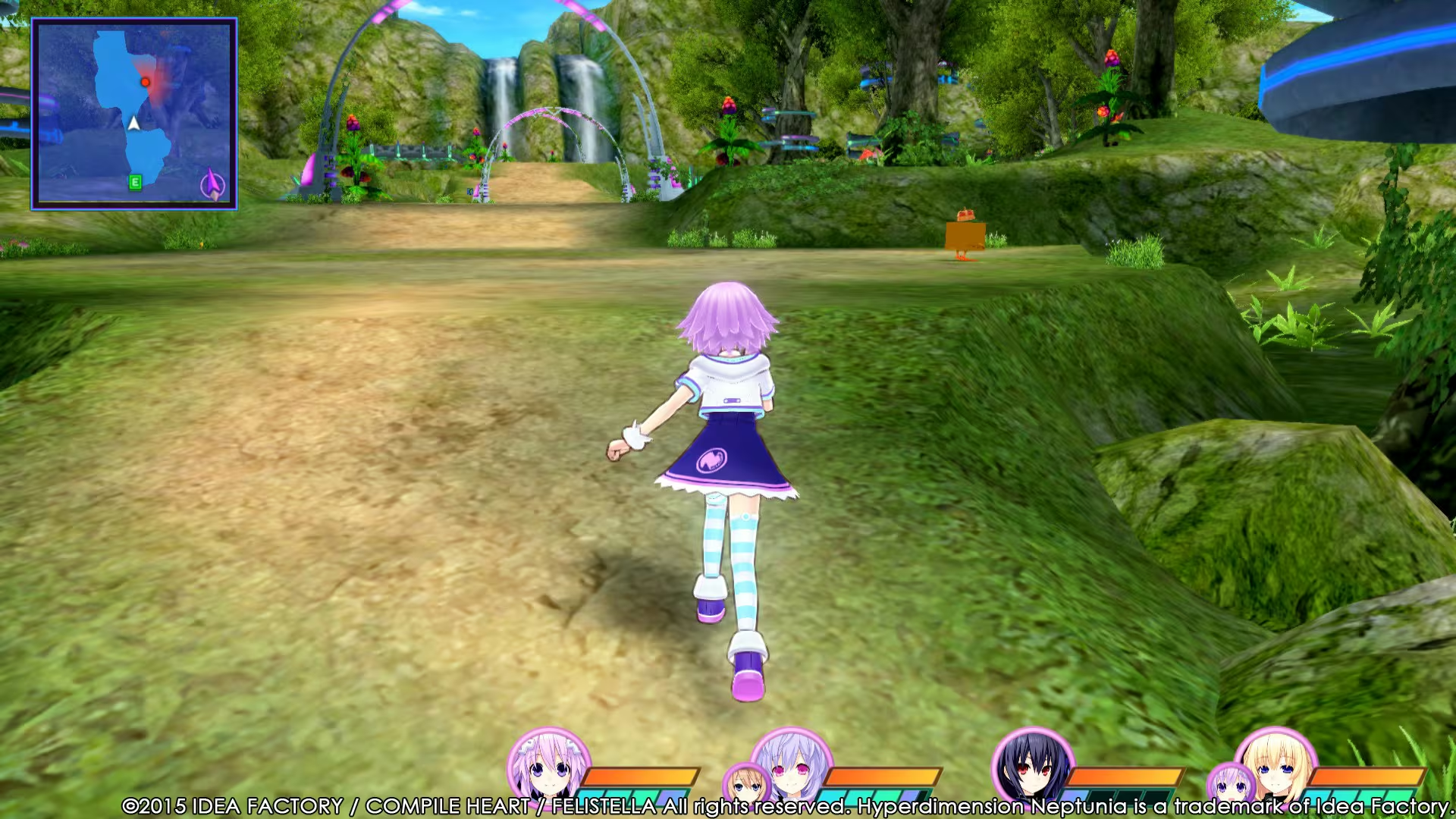
Lost in an alternate dimension, Neptune must collect enough shares to get back home. Sounds easy – except the Seven Sages want to rid Gamindustri of CPUs, including Neptune! Help defeat them and return her to her own world in this JRPG – or be stuck in the '80s forever!
What works
- Engaging and humorous story
- Large cast of characters
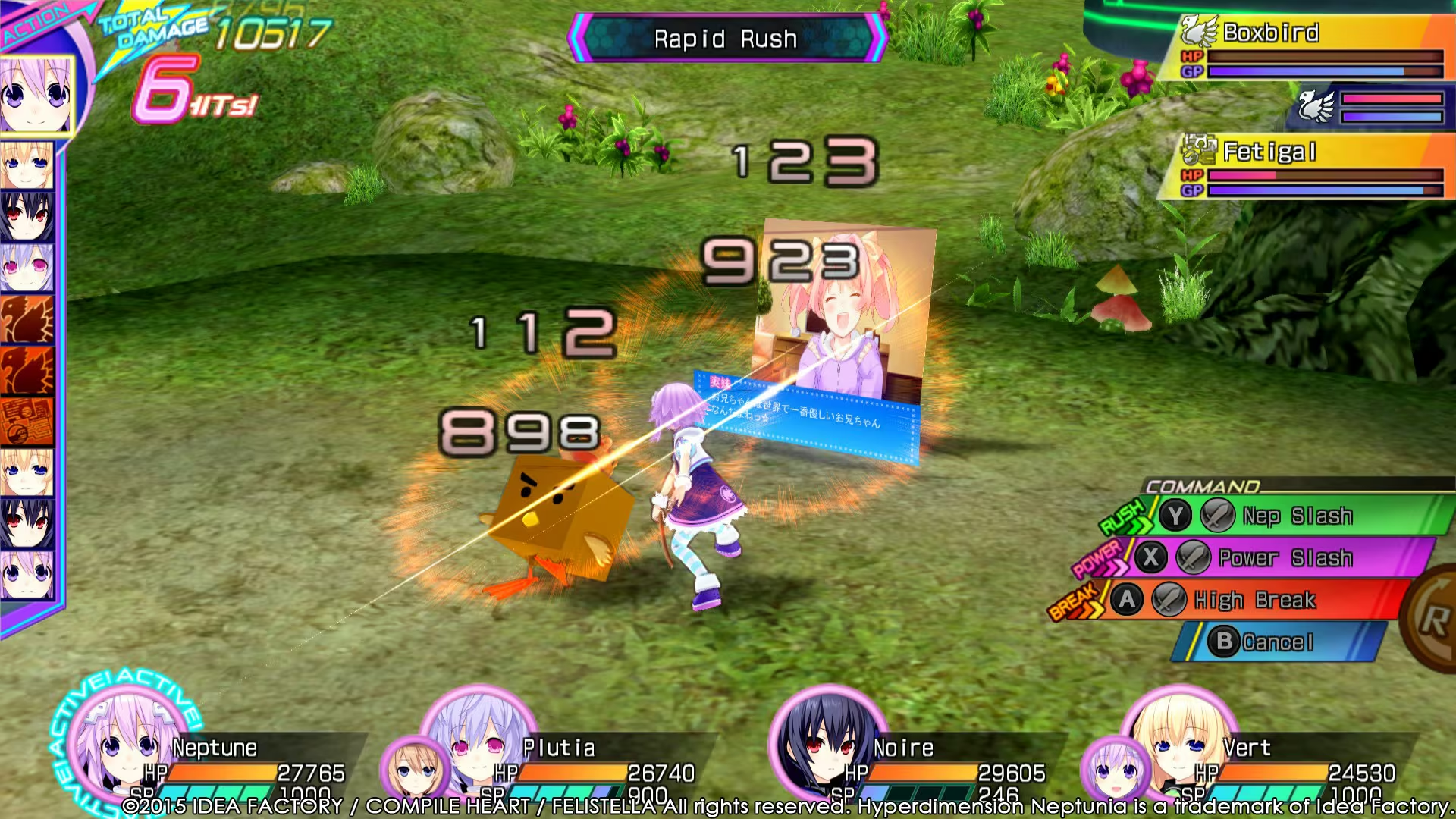
- Improved ui and gameplay mechanics
- Long playtime with multiple endings
- Included dlc content
Things to keep in mind
- Reused dungeons and assets
- Grind-heavy gameplay
- Some crashes and bugs reported
- Limited english voice acting
- Lack of multiplayer or cooperative play
What to play next
Top picks
Games that feel the closest overall
-
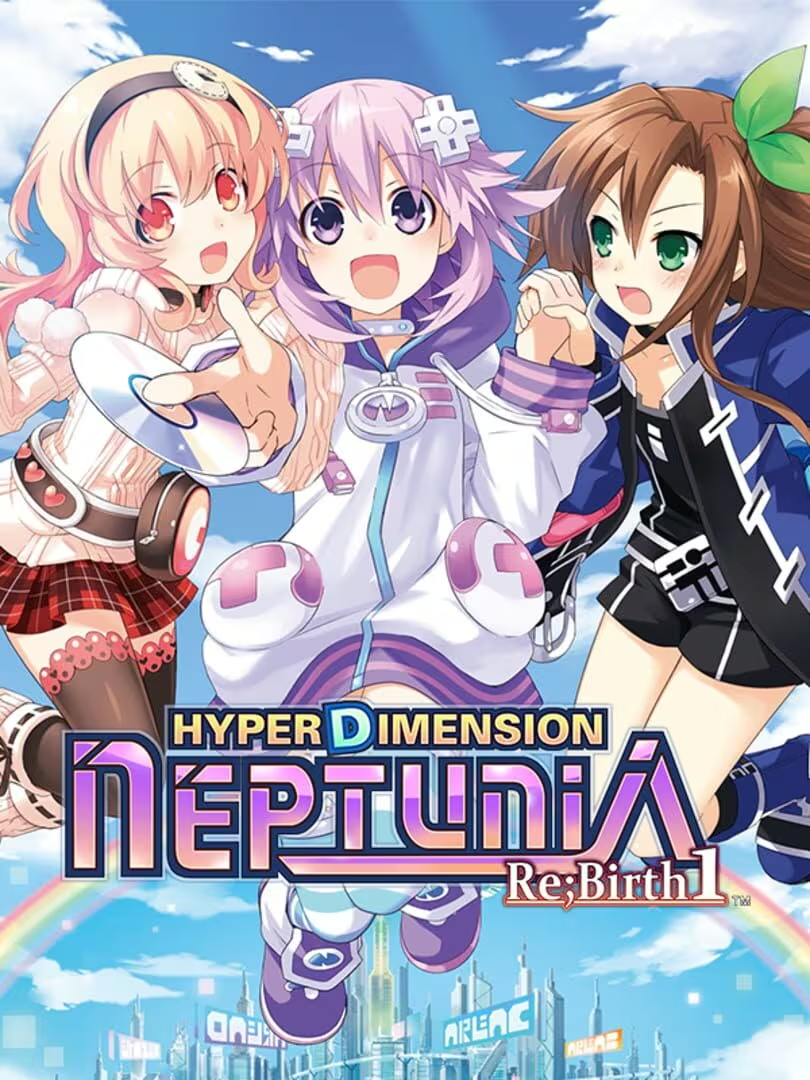
Hyperdimension Neptunia Re;Birth1
-
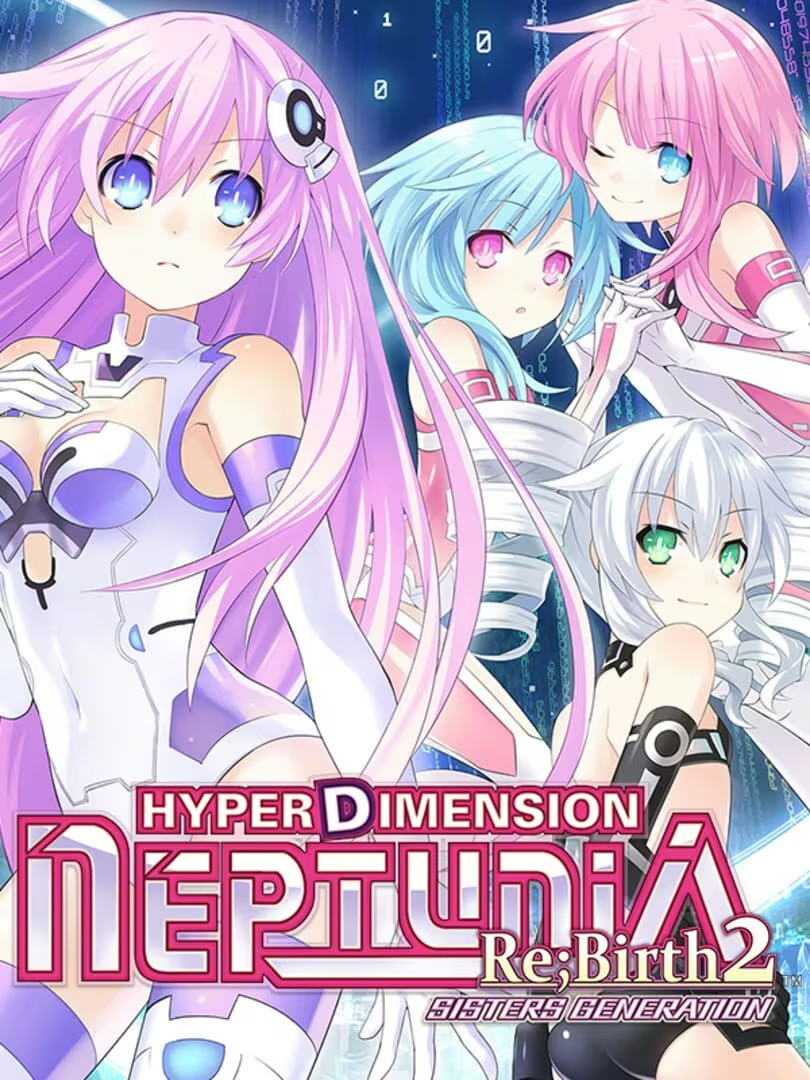
Hyperdimension Neptunia Re;Birth2: Sisters Generation
-
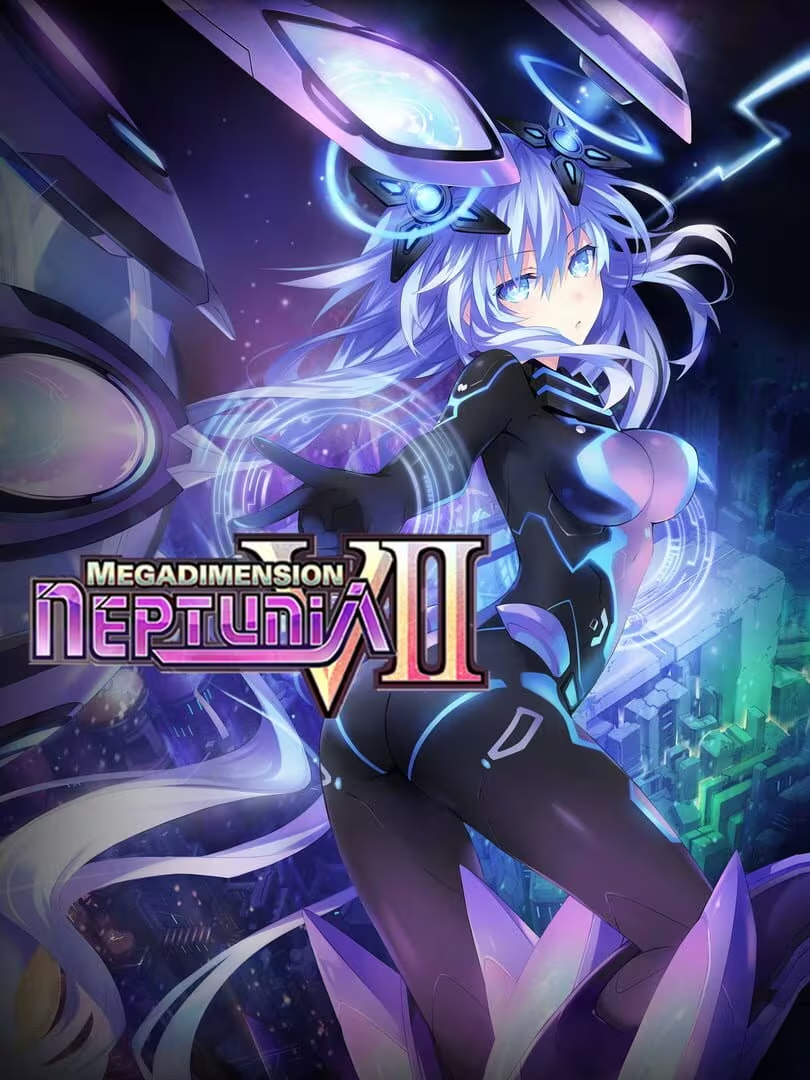
Megadimension Neptunia VII
-
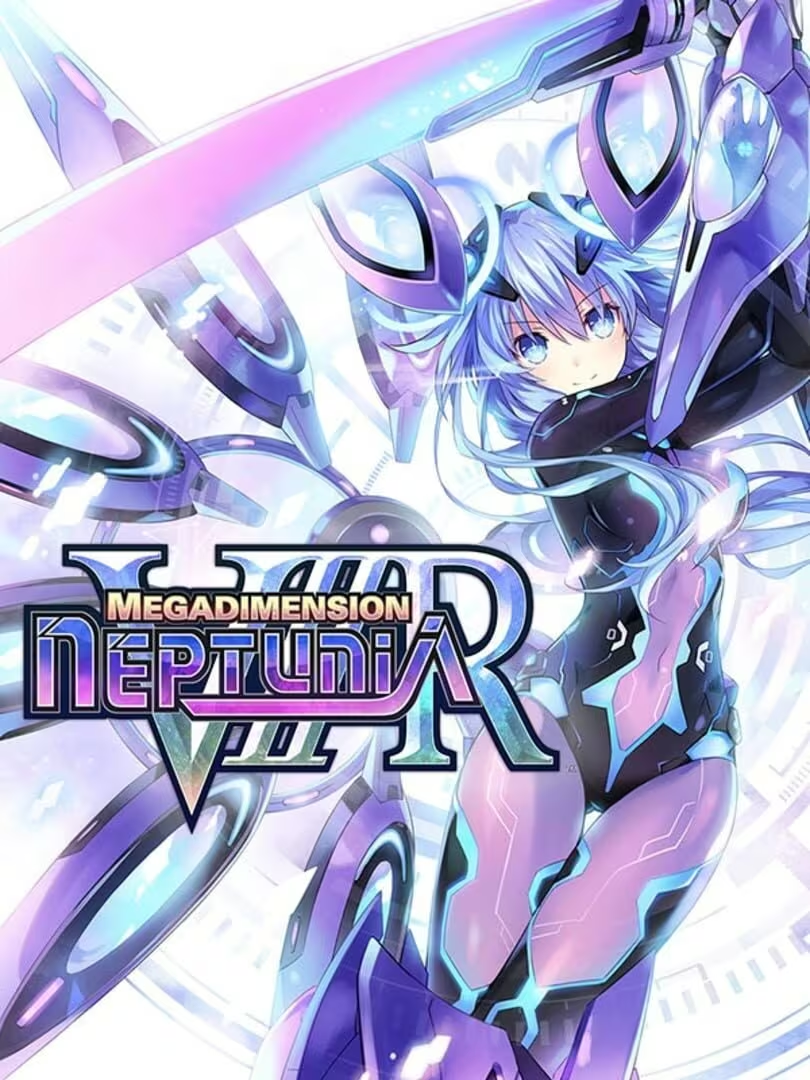
Megadimension Neptunia VIIR
-
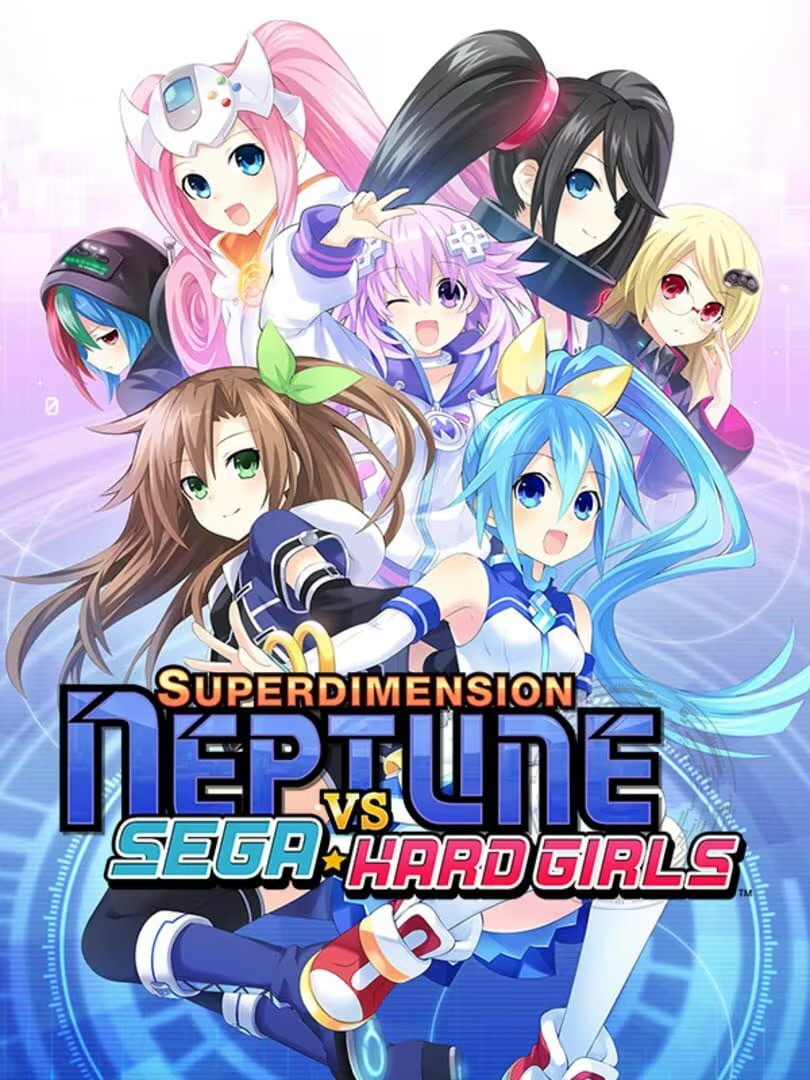
Superdimension Neptune VS Sega Hard Girls
-
Hyperdevotion Noire: Goddess Black Heart (Neptunia)
-
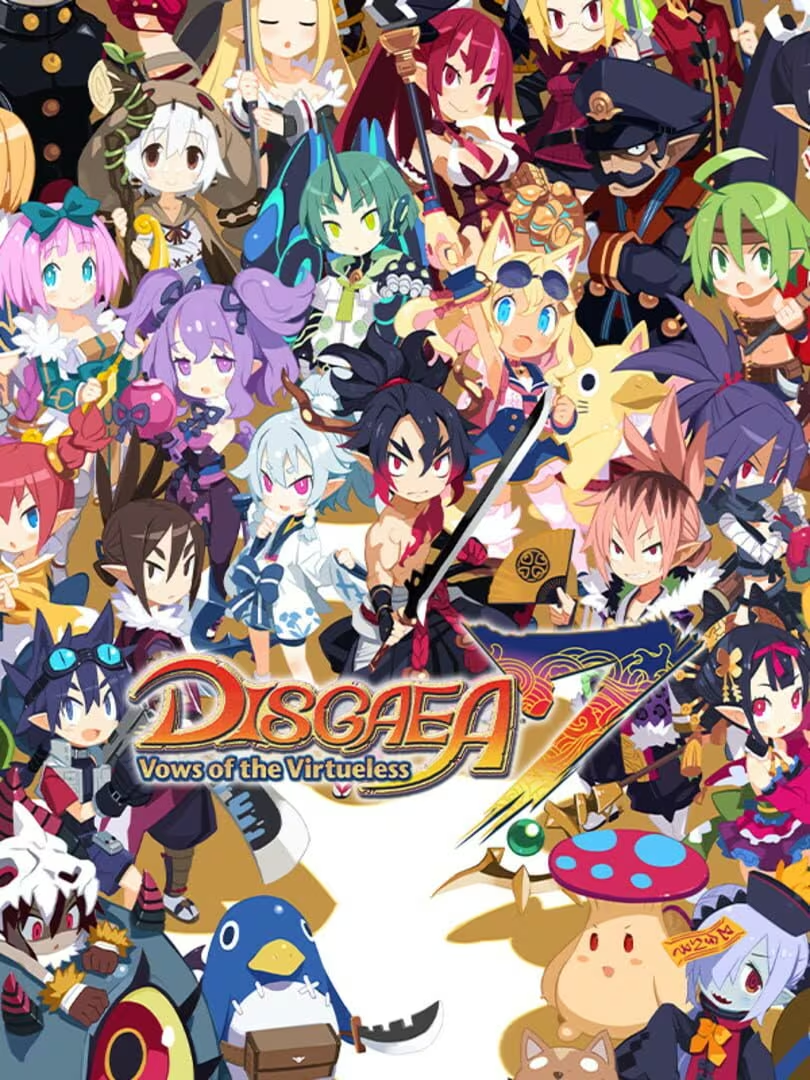
Disgaea 7: Vows of the Virtueless
-

Fairy Fencer F Advent Dark Force
-
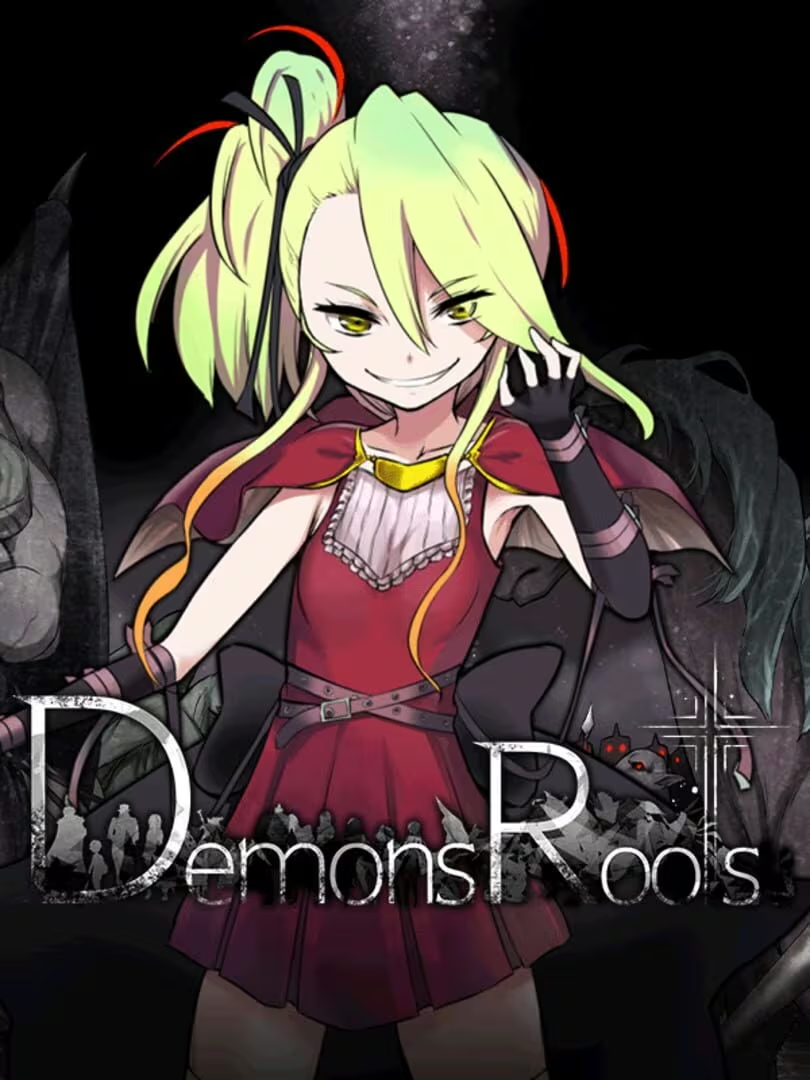
Demons Roots
Less fellowship-oriented
Games that feels like Hyperdimension Neptunia Re;Birth3 V Generation but with less of a community feel · 11 games
-

-The Sacrificial Girl of the Fantasy 3 Kingdoms-
-
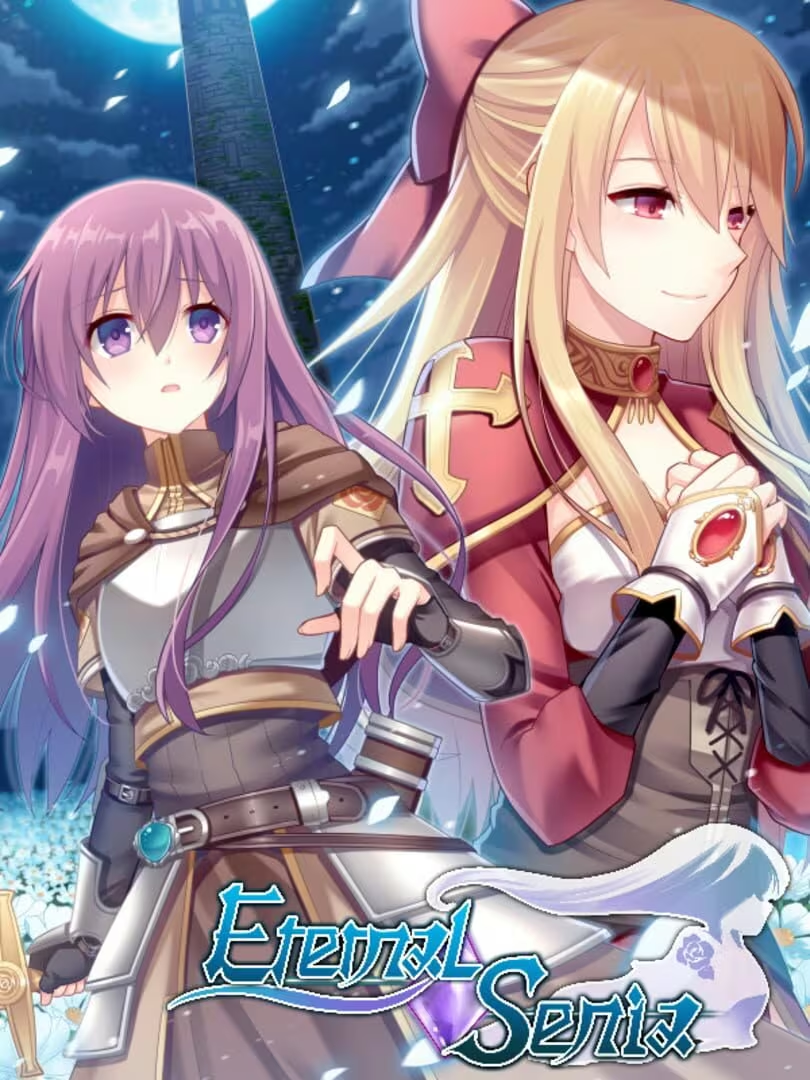
Eternal Senia
-
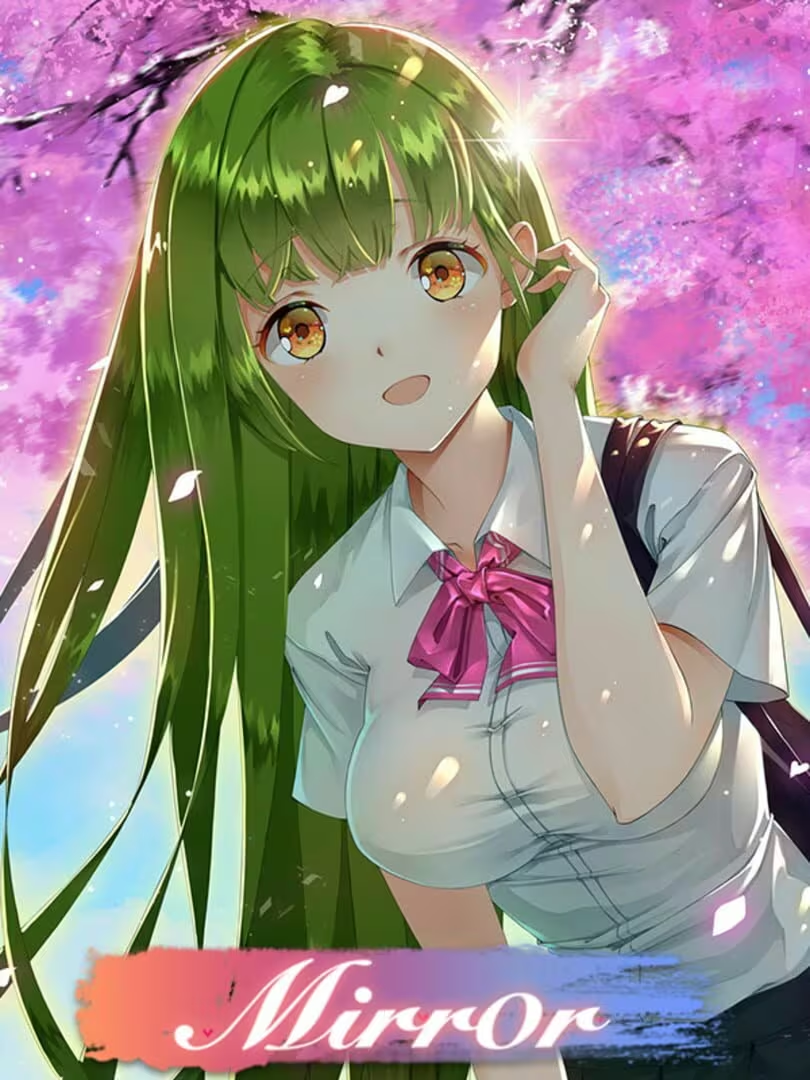
Mirror
-
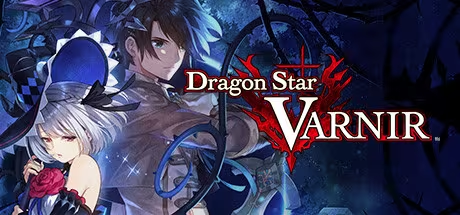
Dragon Star Varnir
-
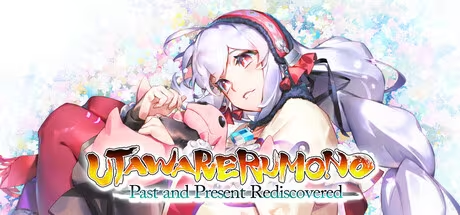
Utawarerumono: Past and Present Rediscovered
-
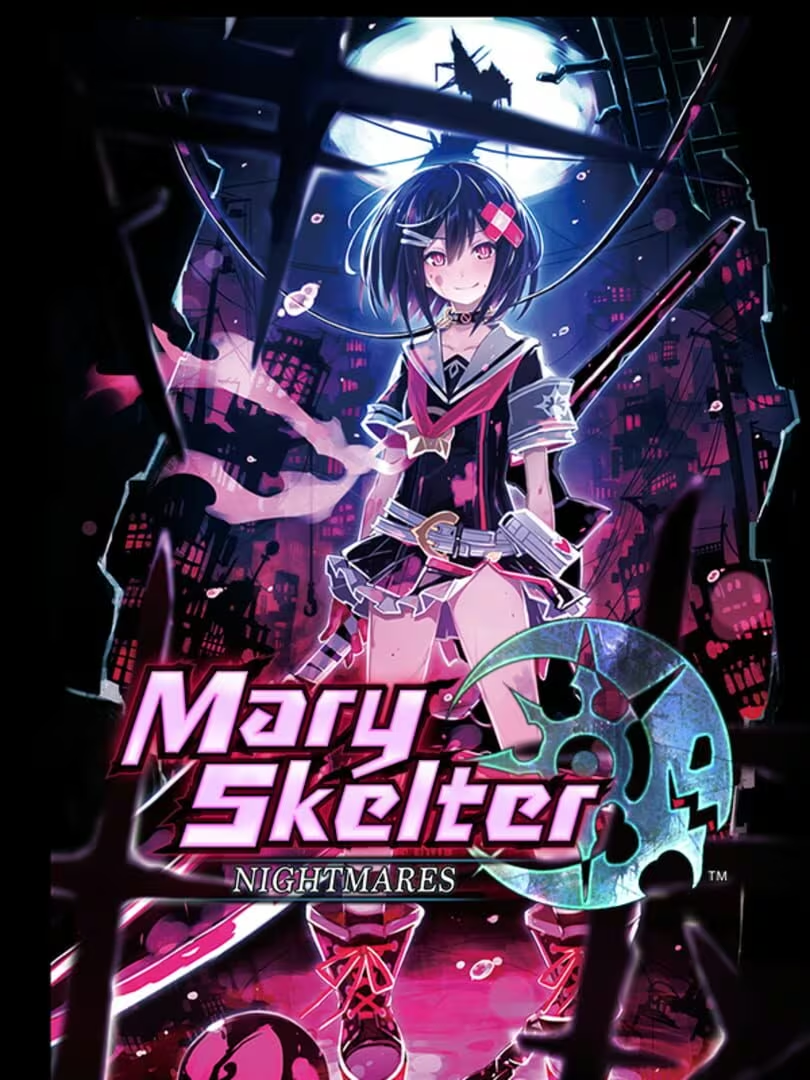
Mary Skelter: Nightmares
-
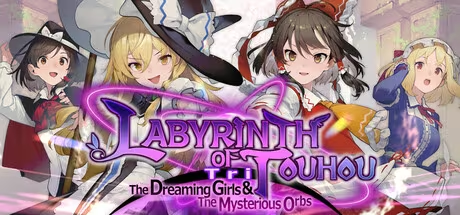
Labyrinth of Touhou Tri -The Dreaming Girls & The Mysterious Orbs-
-
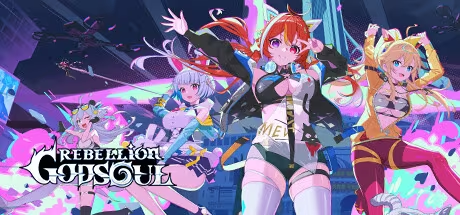
Rebellion GODSOUL: Awakening
-
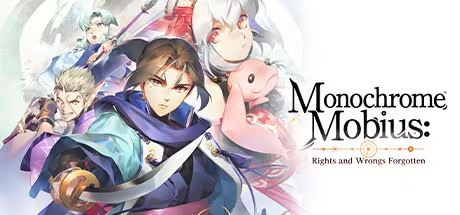
Monochrome Mobius: Rights and Wrongs Forgotten
-
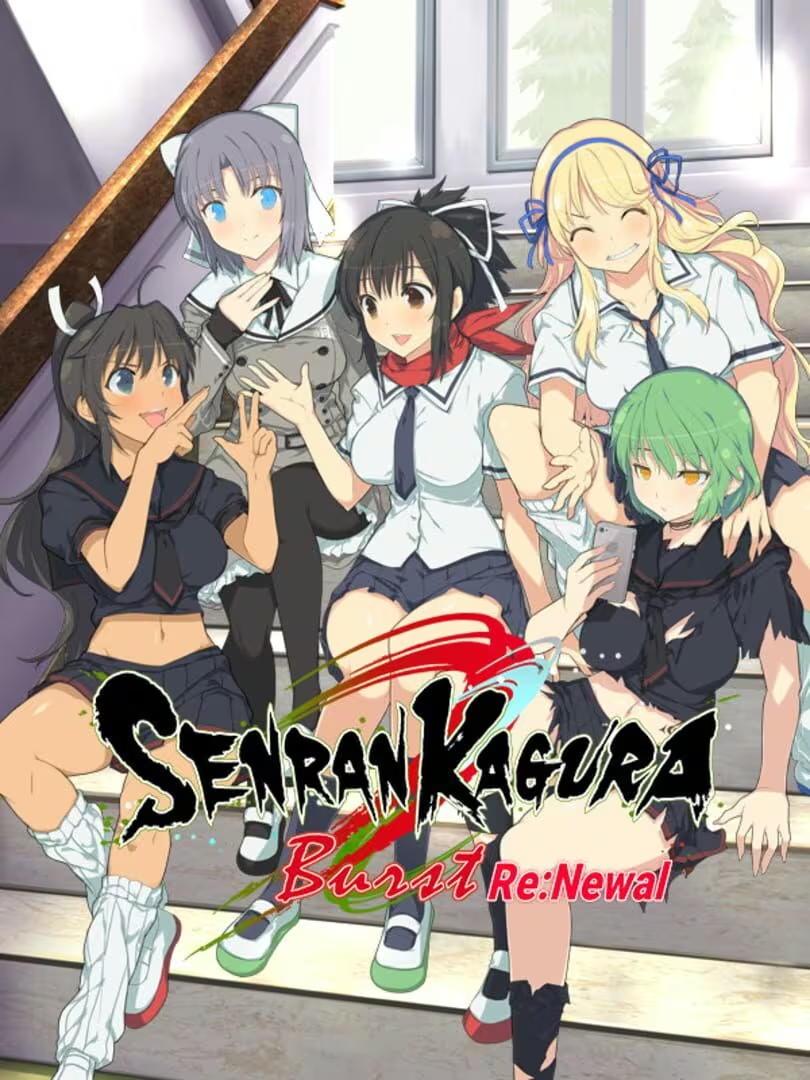
SENRAN KAGURA Burst Re:Newal
-
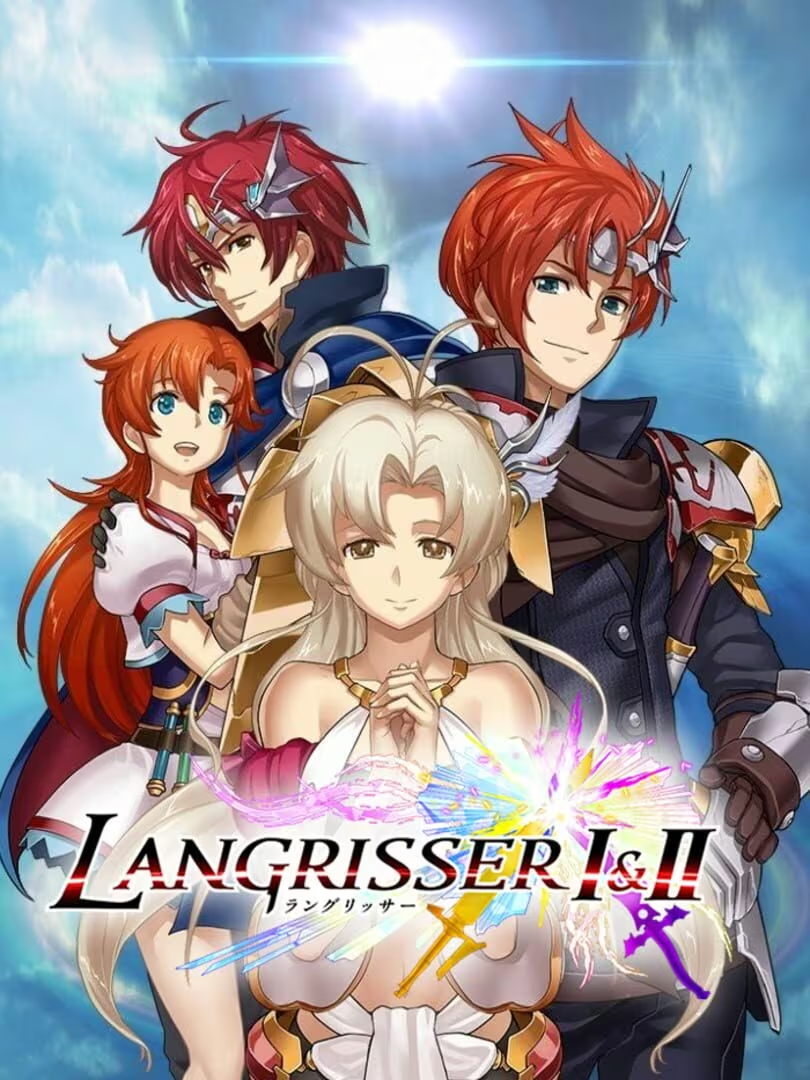
Langrisser I & II
More social
Games that feels like Hyperdimension Neptunia Re;Birth3 V Generation but with more teamwork and cooperation · 9 games
-

Touhou Genso Wanderer -Lotus Labyrinth R-
-
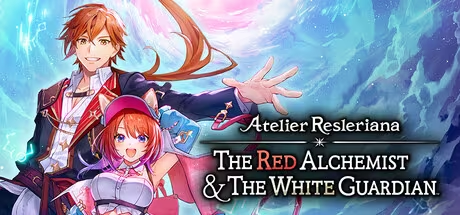
Atelier Resleriana: The Red Alchemist & the White Guardian
-
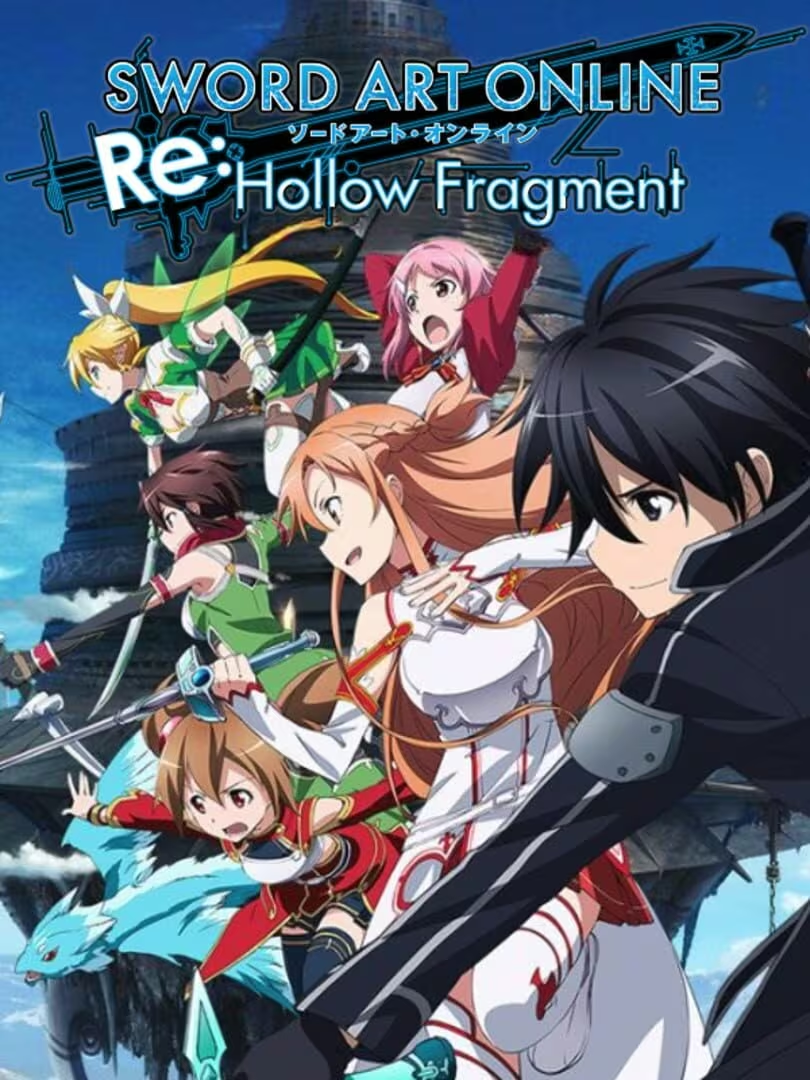
Sword Art Online Re: Hollow Fragment
-
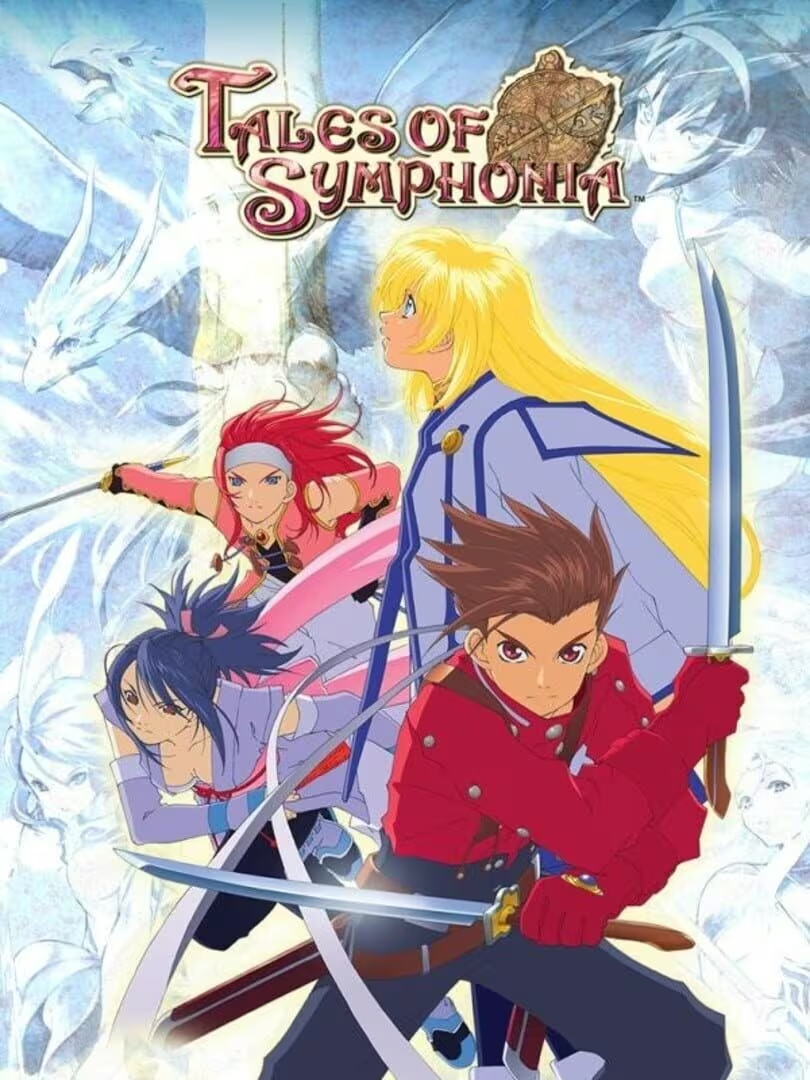
Tales of Symphonia
-
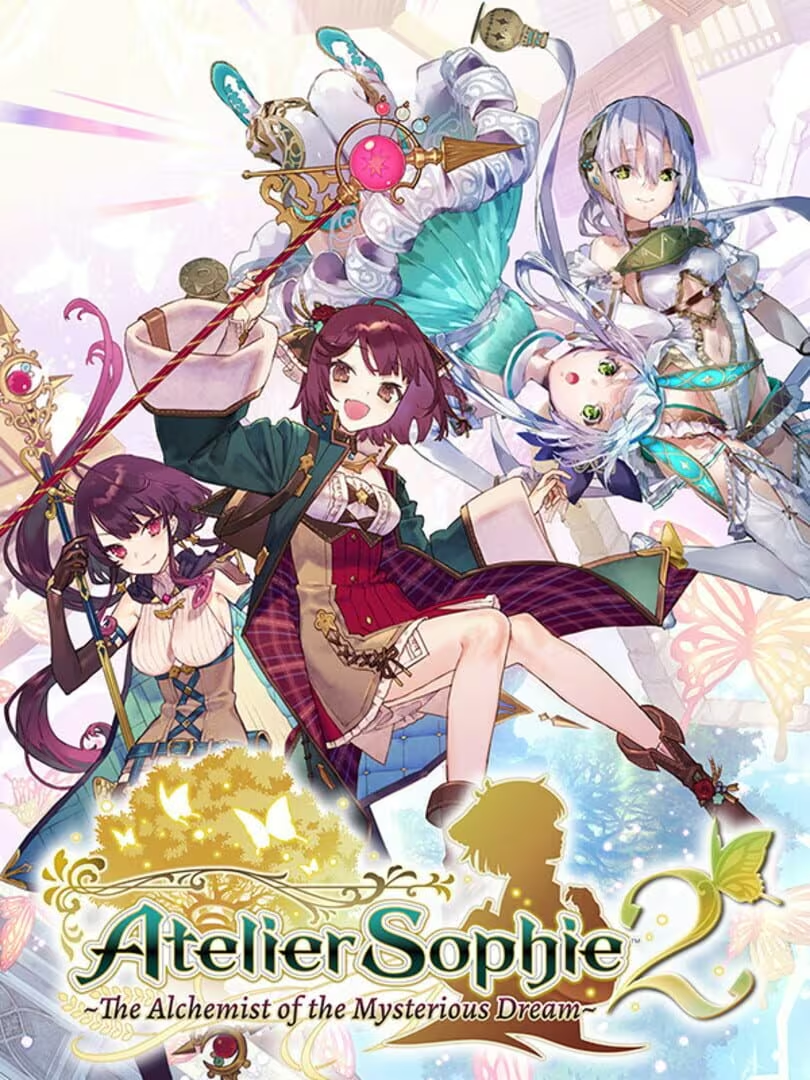
Atelier Sophie 2: The Alchemist of the Mysterious Dream
-
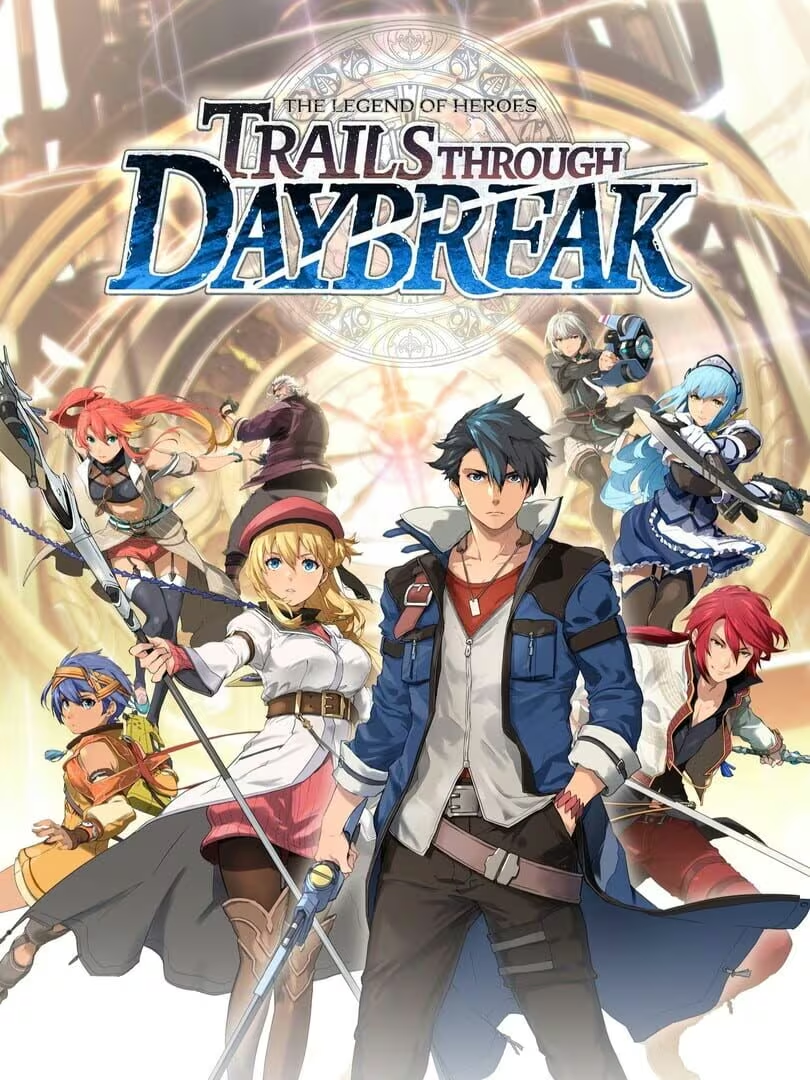
The Legend of Heroes: Trails through Daybreak
-
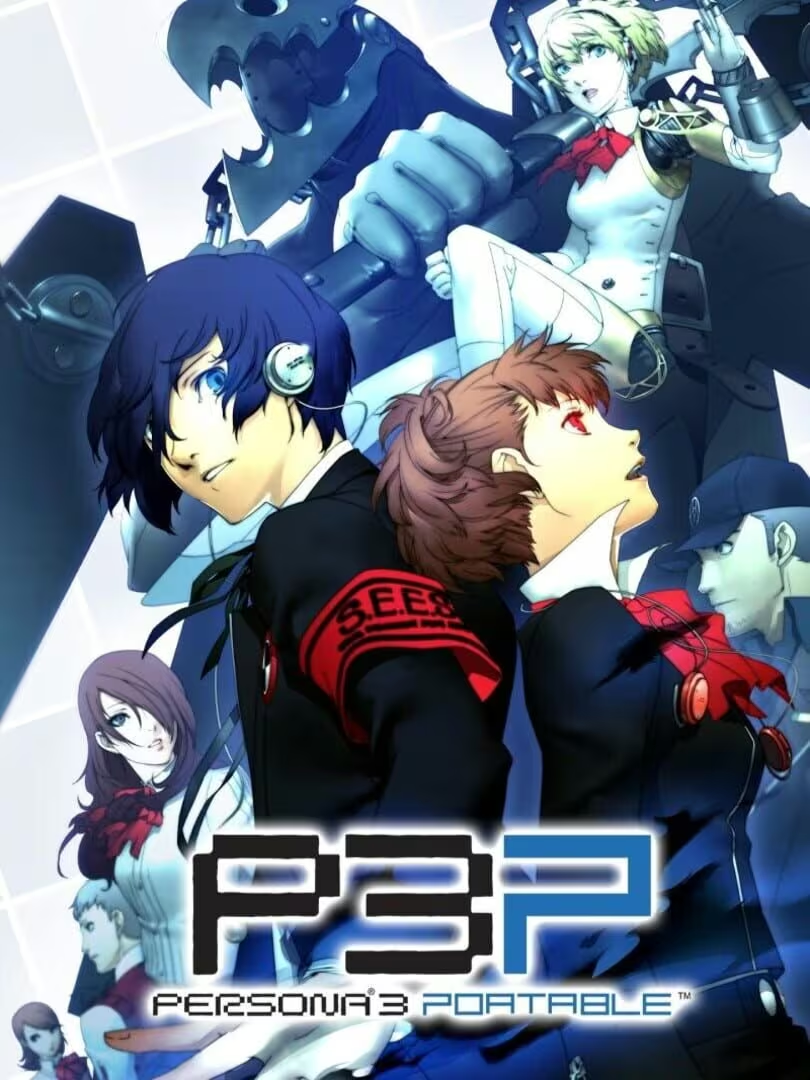
Persona 3 Portable
-
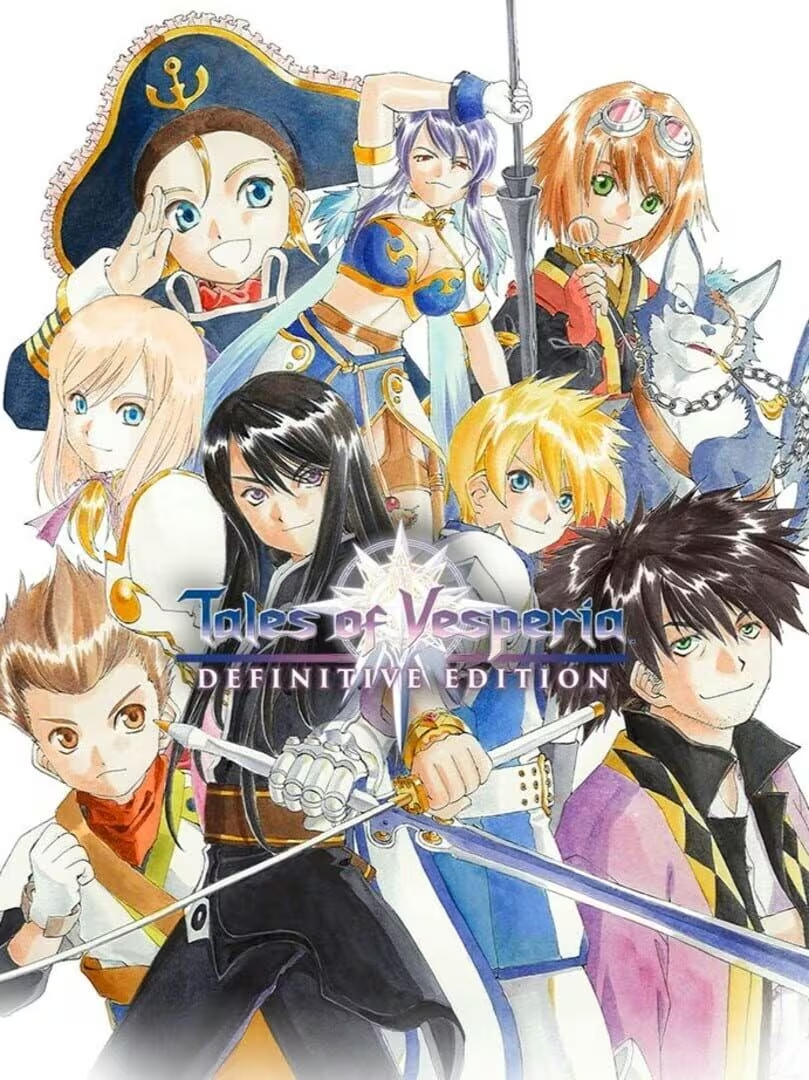
Tales of Vesperia: Definitive Edition
-

.hack//G.U. Last Recode
Less value-seeking
Games that feels like Hyperdimension Neptunia Re;Birth3 V Generation but with less emphasis on value for time or money · 4 games

Less intimate
Games that feels like Hyperdimension Neptunia Re;Birth3 V Generation but with less focus on close relationships · 3 games
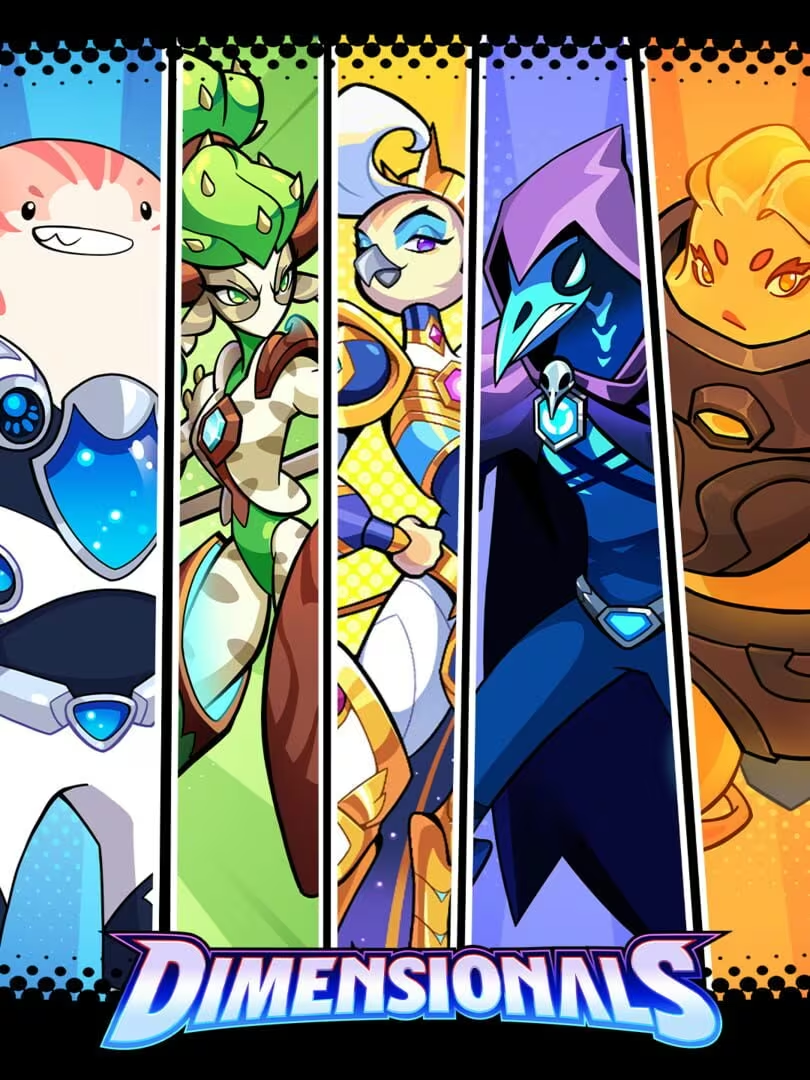
Others
Other games that might remind you of Hyperdimension Neptunia Re;Birth3 V Generation · 14 games
-
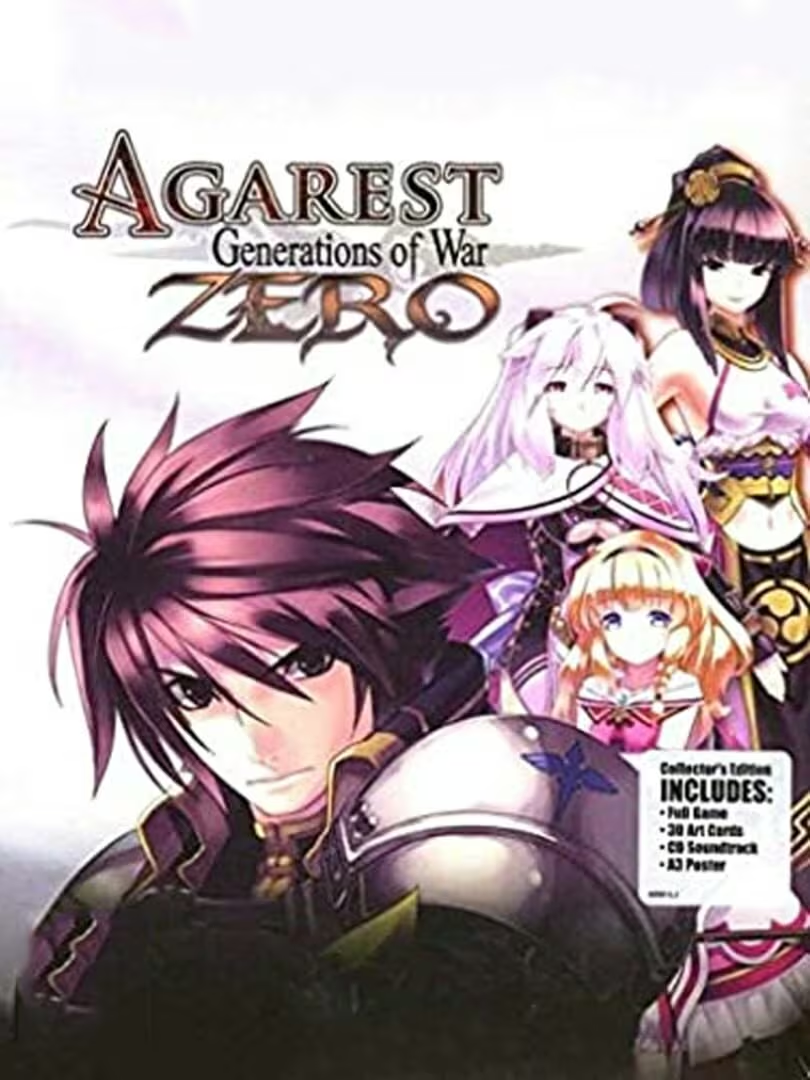
Agarest: Generations of War Zero
-
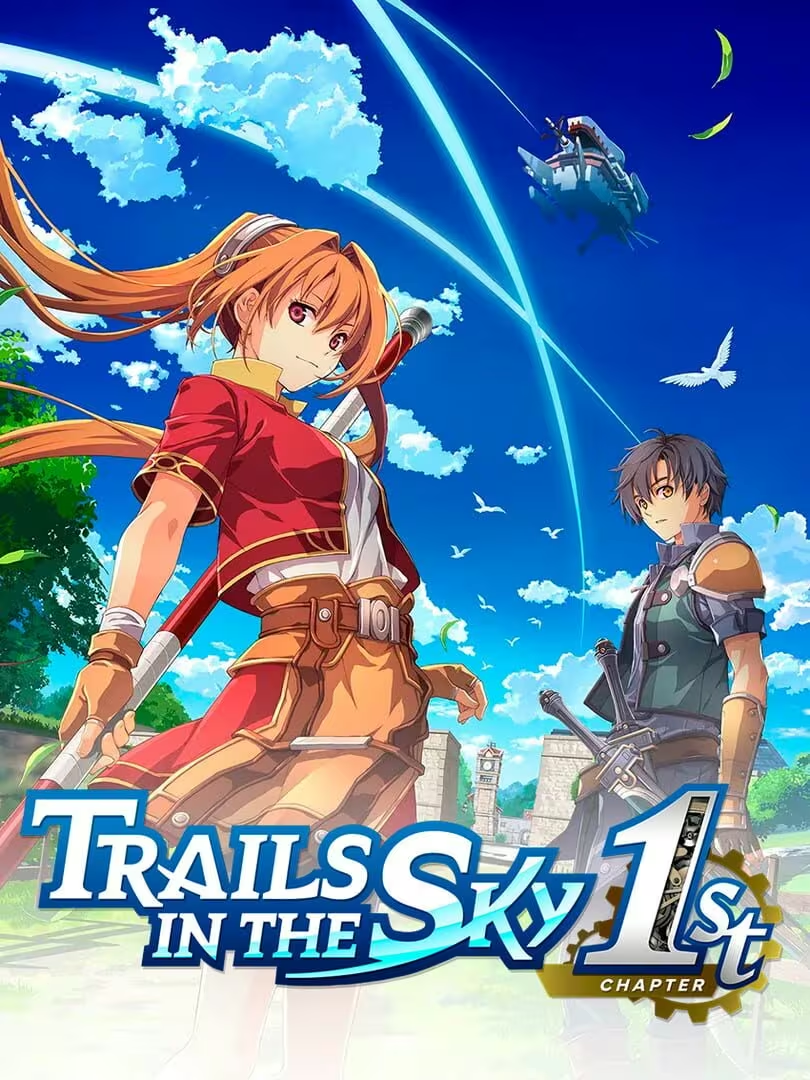
Trails in the Sky 1st Chapter
-
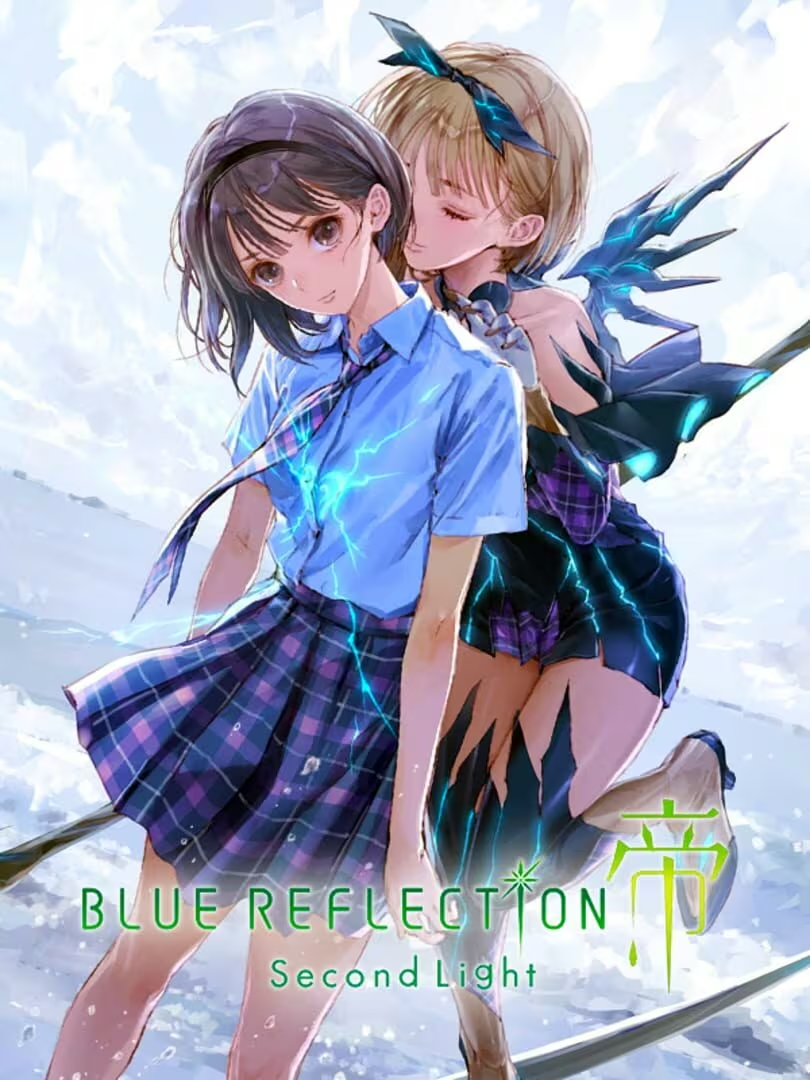
BLUE REFLECTION: Second Light
-
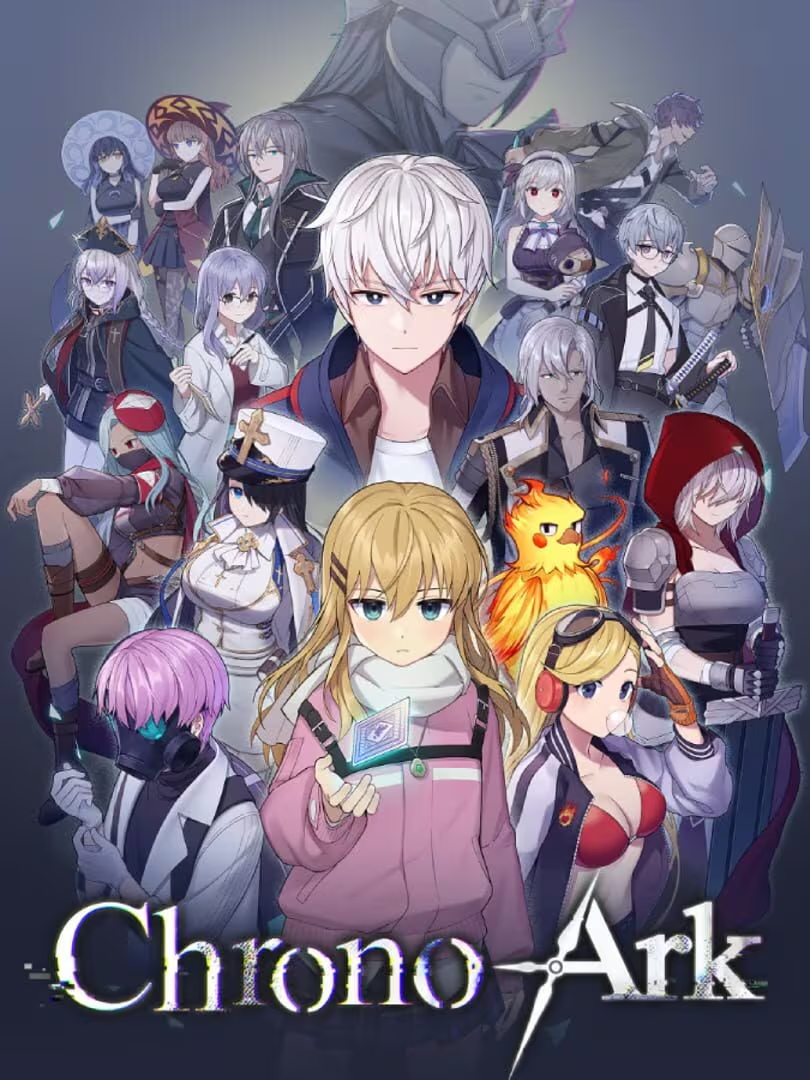
Chrono Ark
-
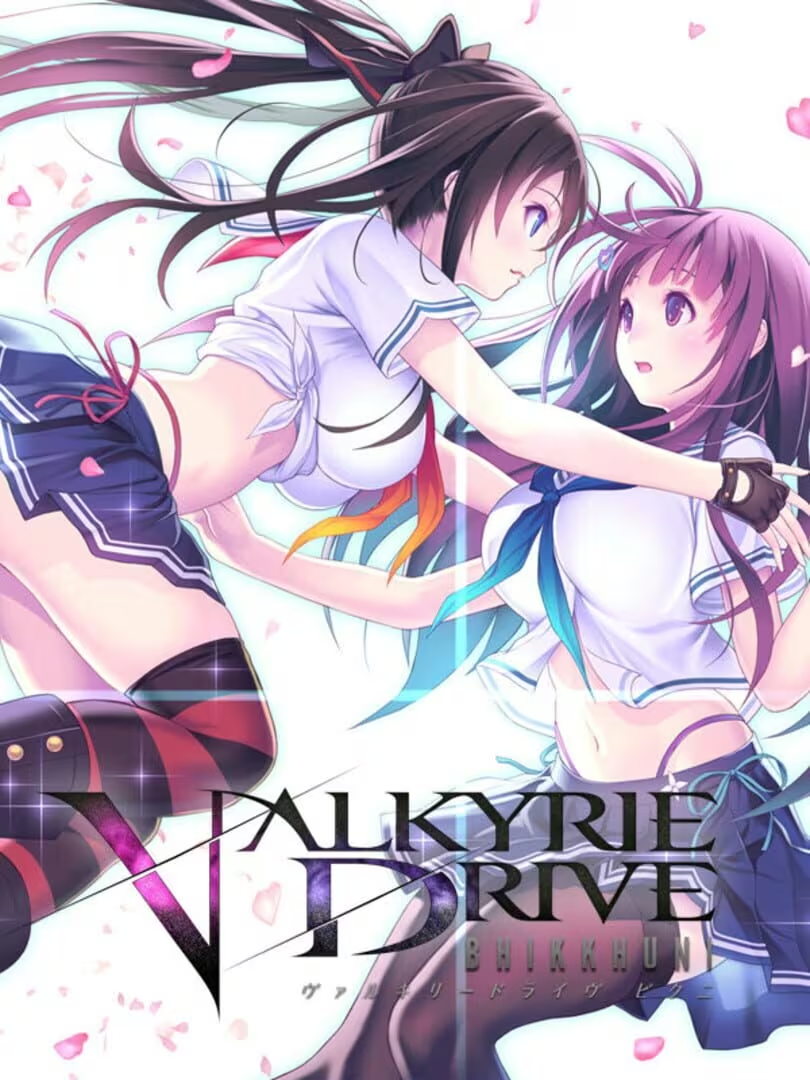
VALKYRIE DRIVE -BHIKKHUNI-
-
Trails in the Sky 2nd Chapter
-
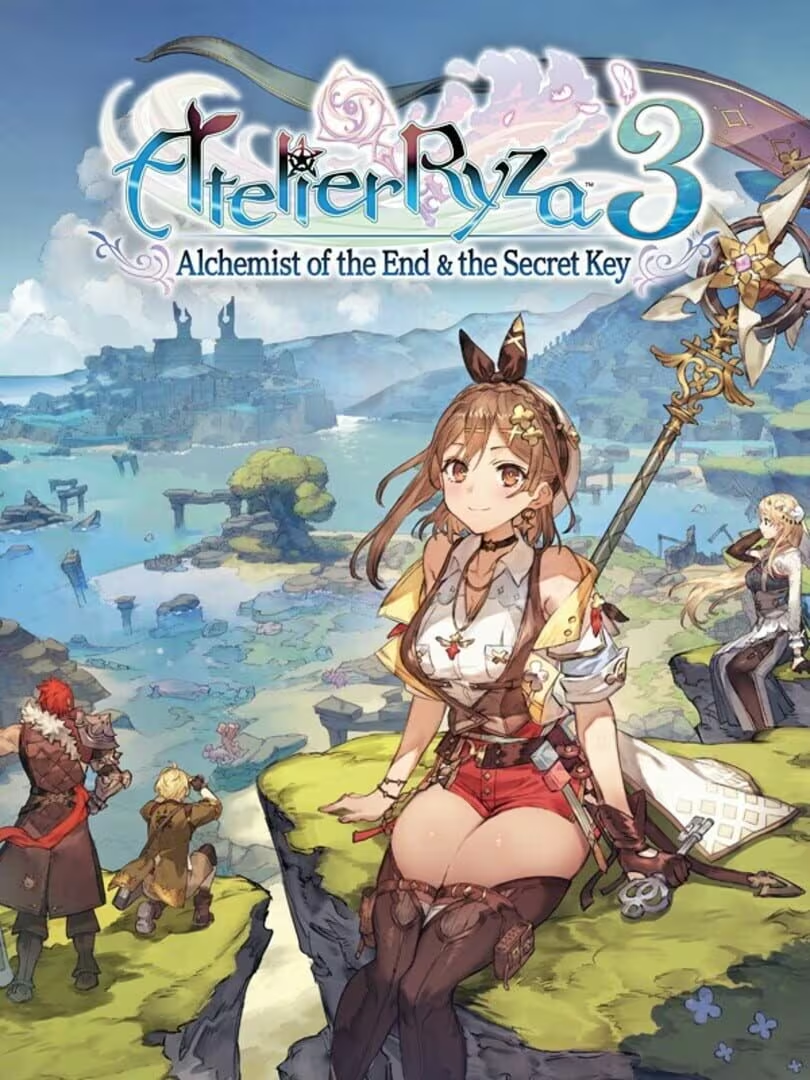
Atelier Ryza 3: Alchemist of the End & the Secret Key
-
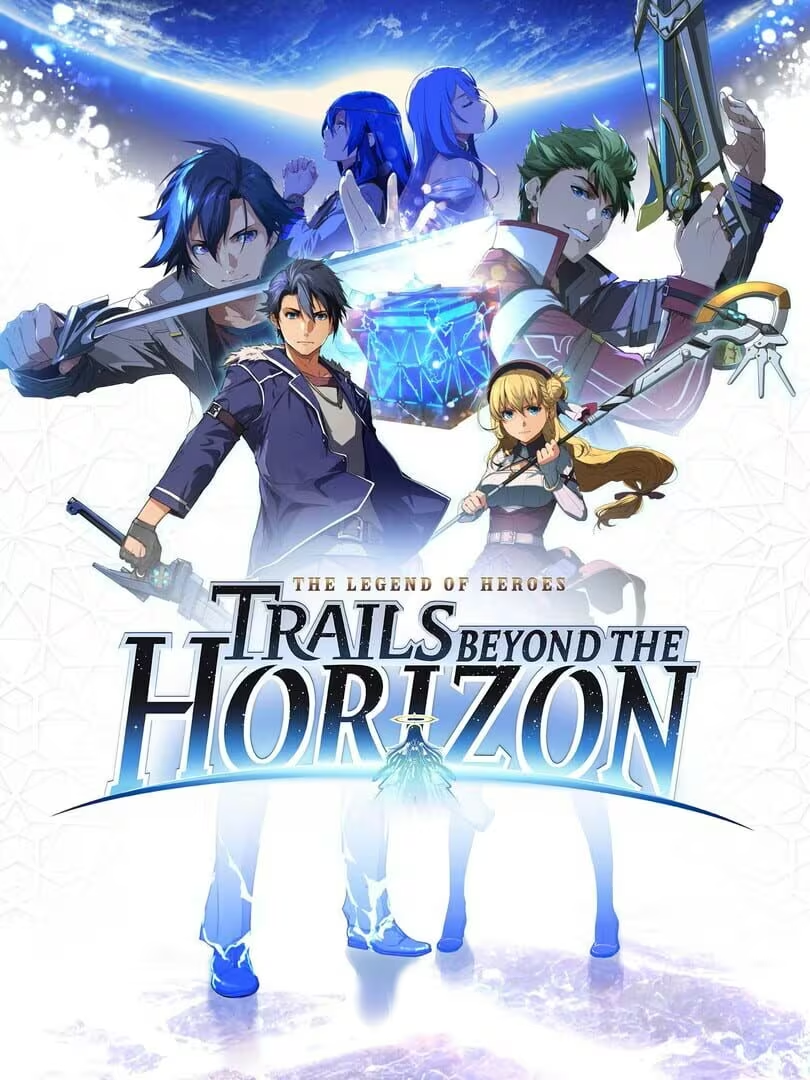
The Legend of Heroes: Trails beyond the Horizon
-
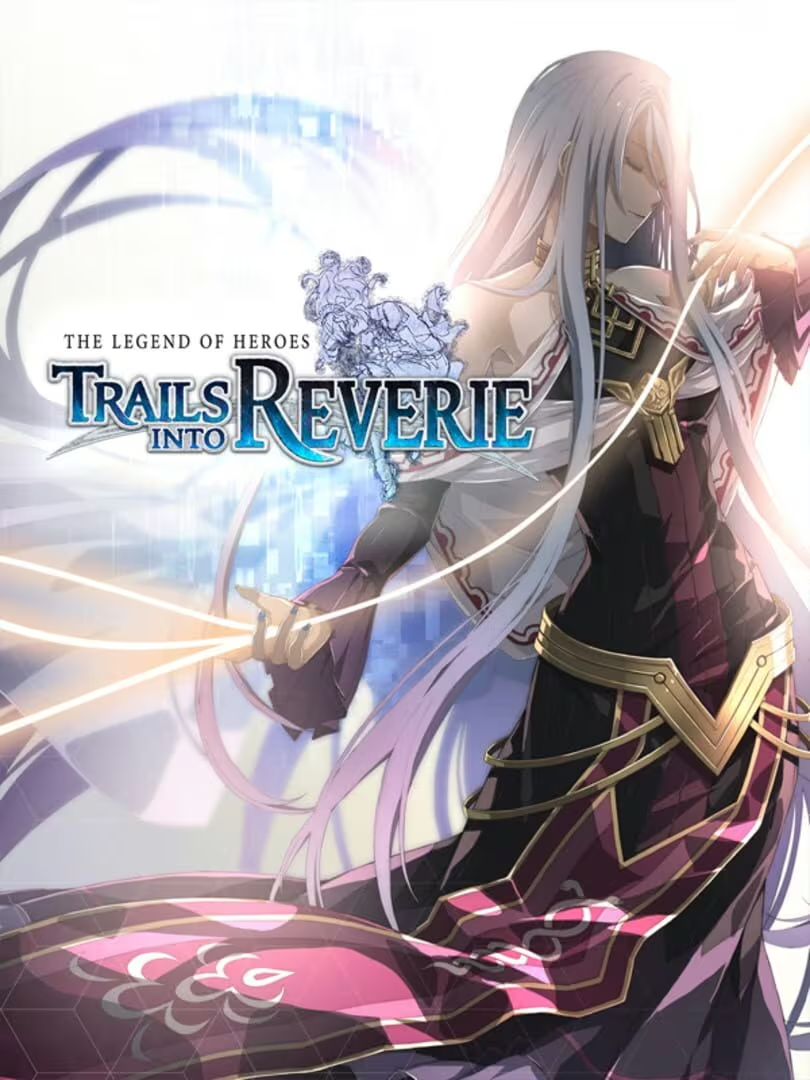
The Legend of Heroes: Trails into Reverie
-
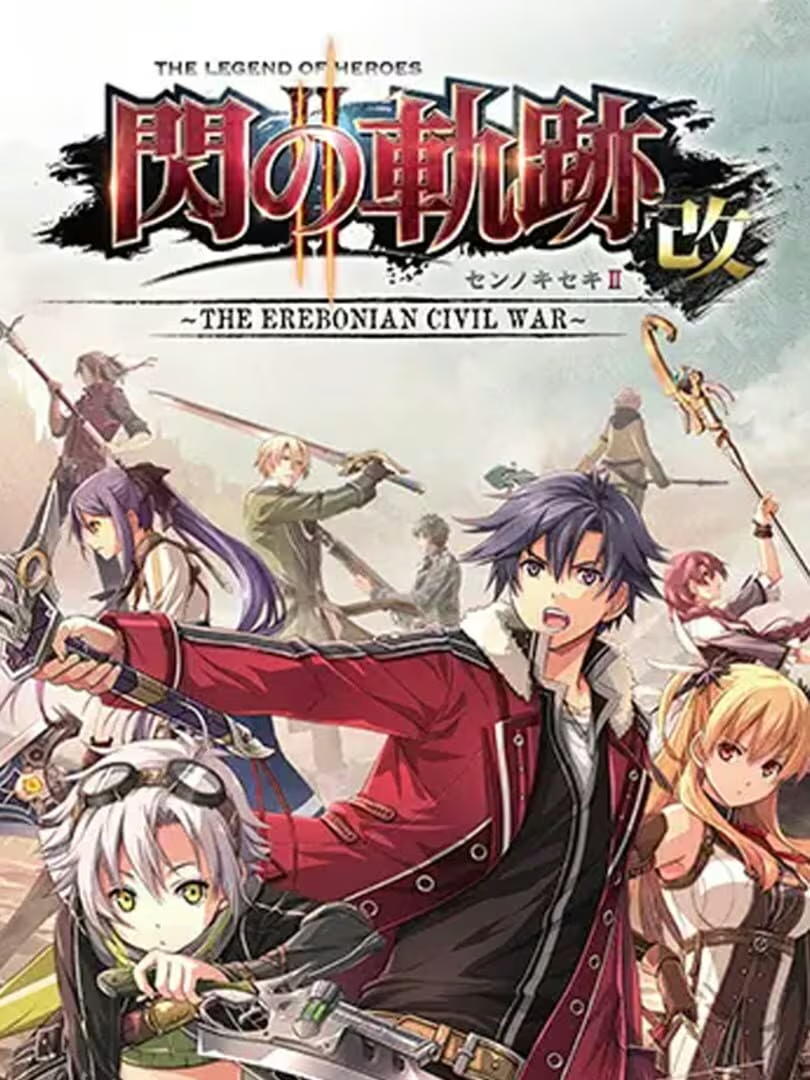
The Legend of Heroes: Trails of Cold Steel II
-

👑Idle Calibur:Zero💕(选王之剑:零)
-
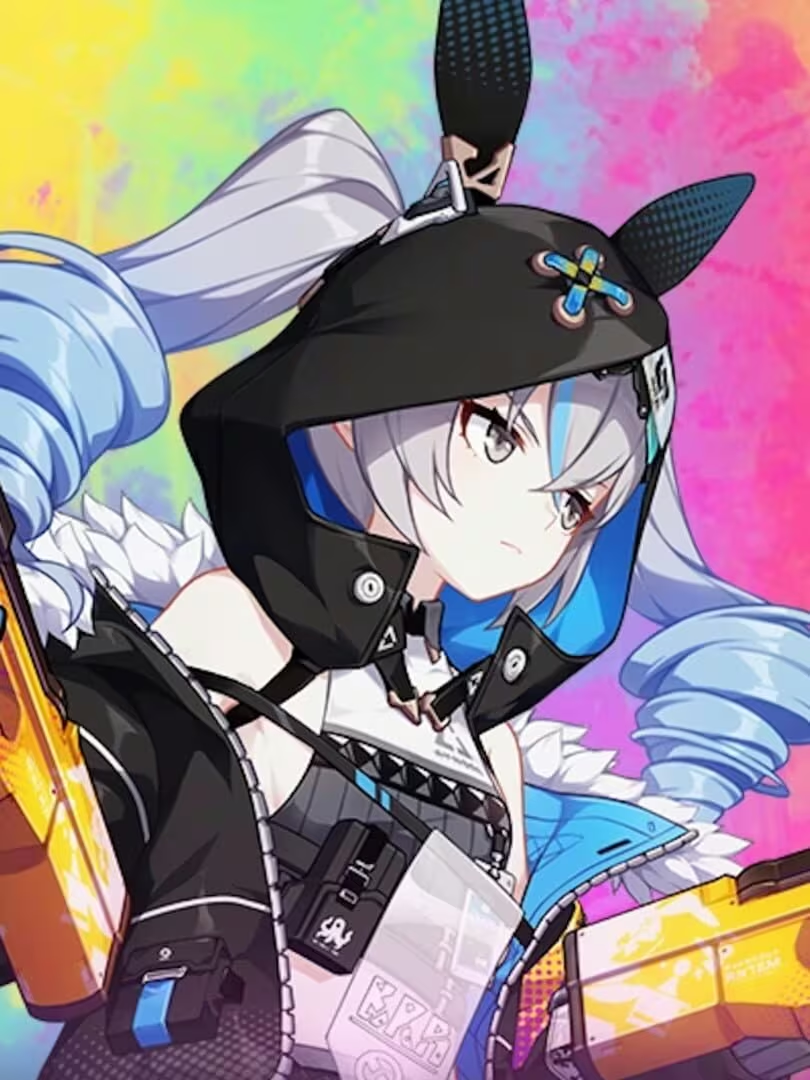
Honkai Impact 3rd
-
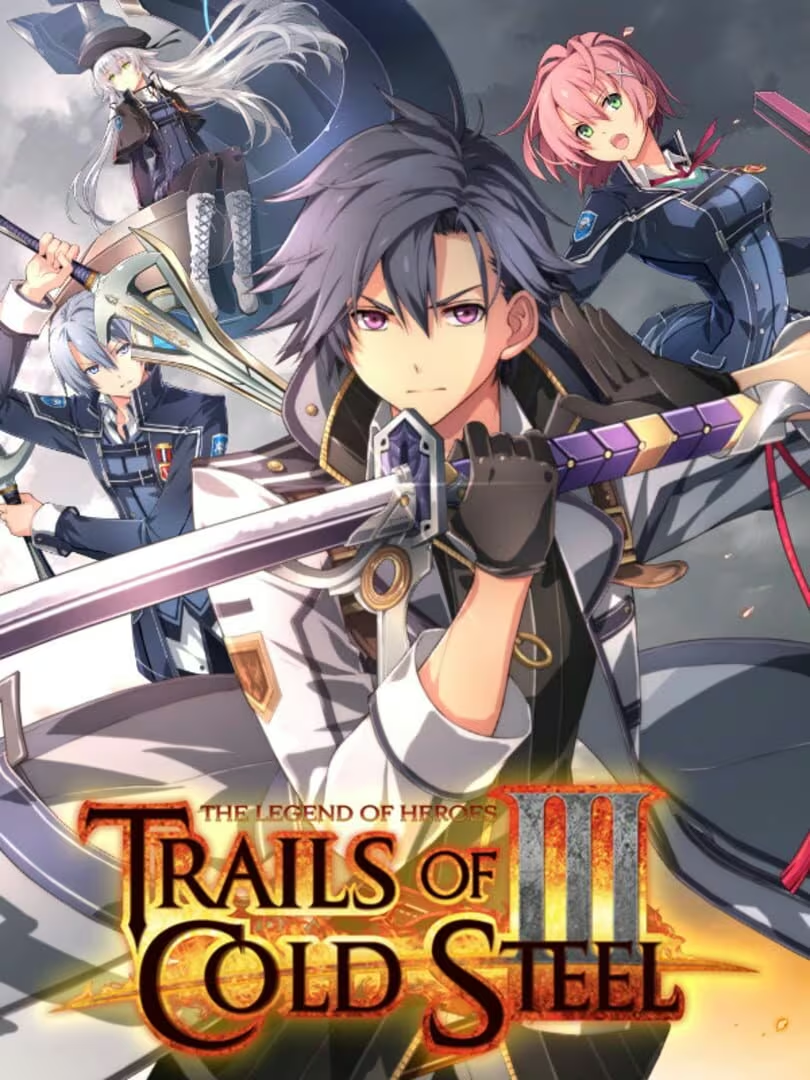
The Legend of Heroes: Trails of Cold Steel III
-
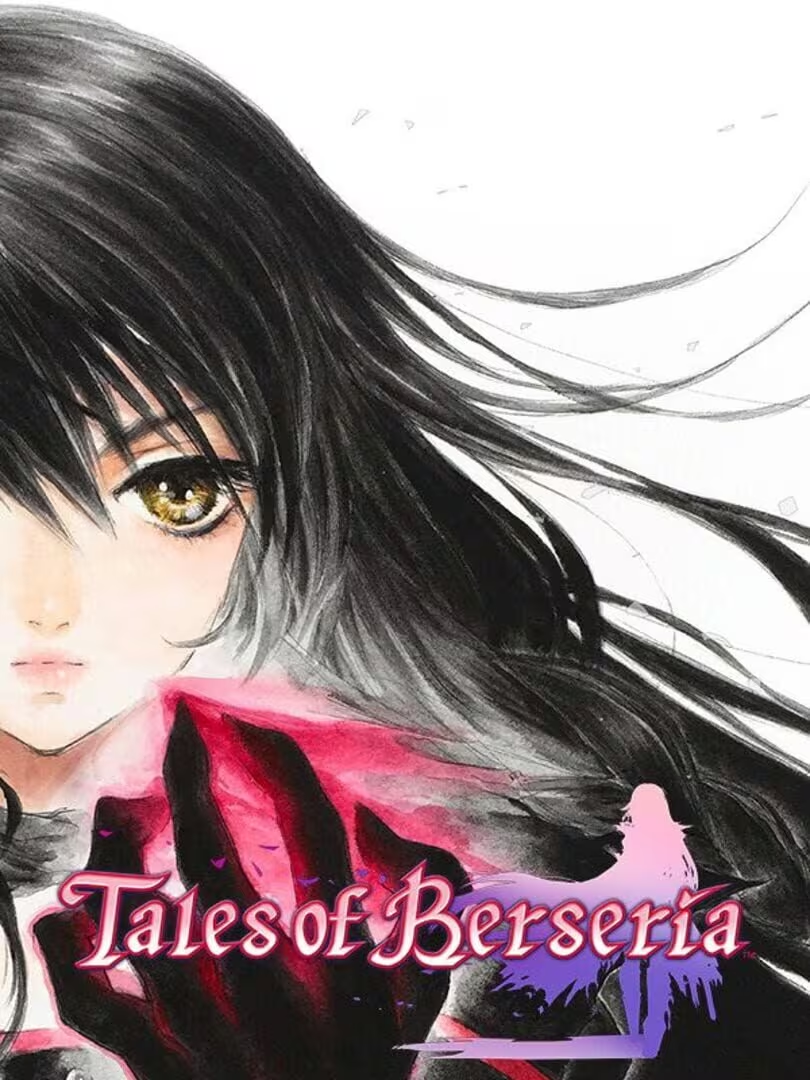
Tales of Berseria™
From the same developer
From the same developer, ranked by motivational fit.
Last update: 06/10/2026