FAIRY TAIL similar games & best alternatives
FAIRY TAIL
2020
Related articles
Quick resume
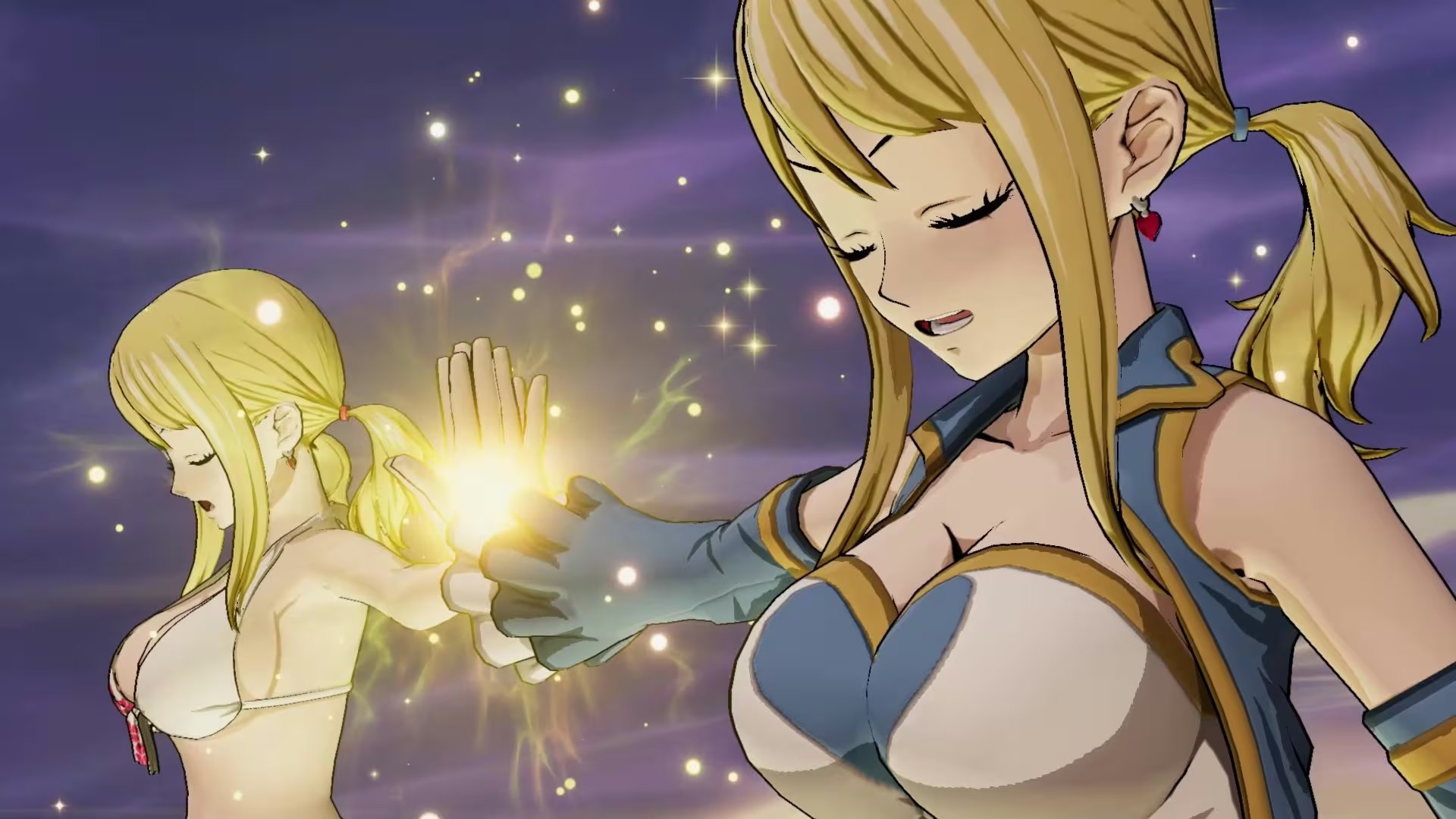
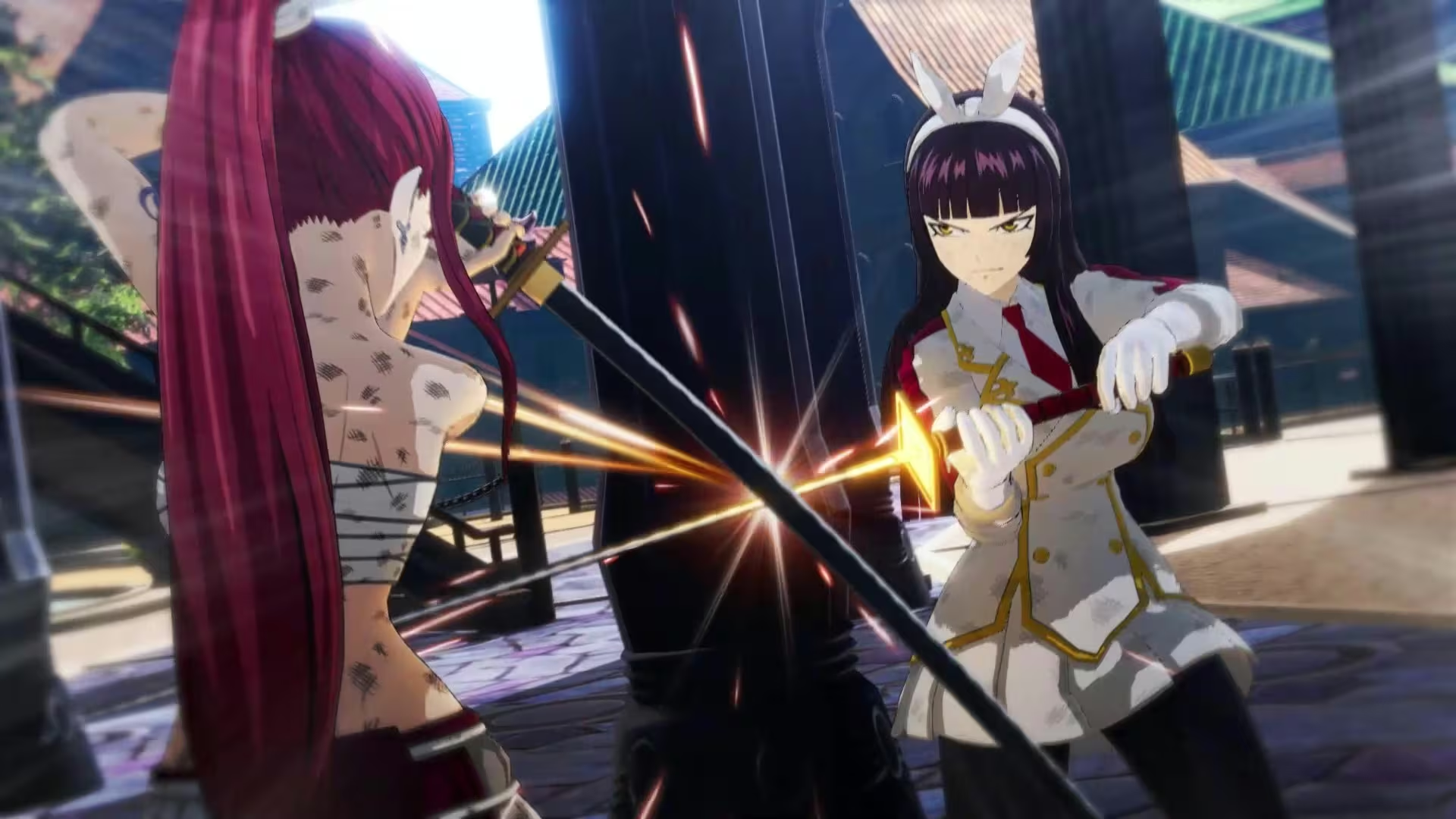
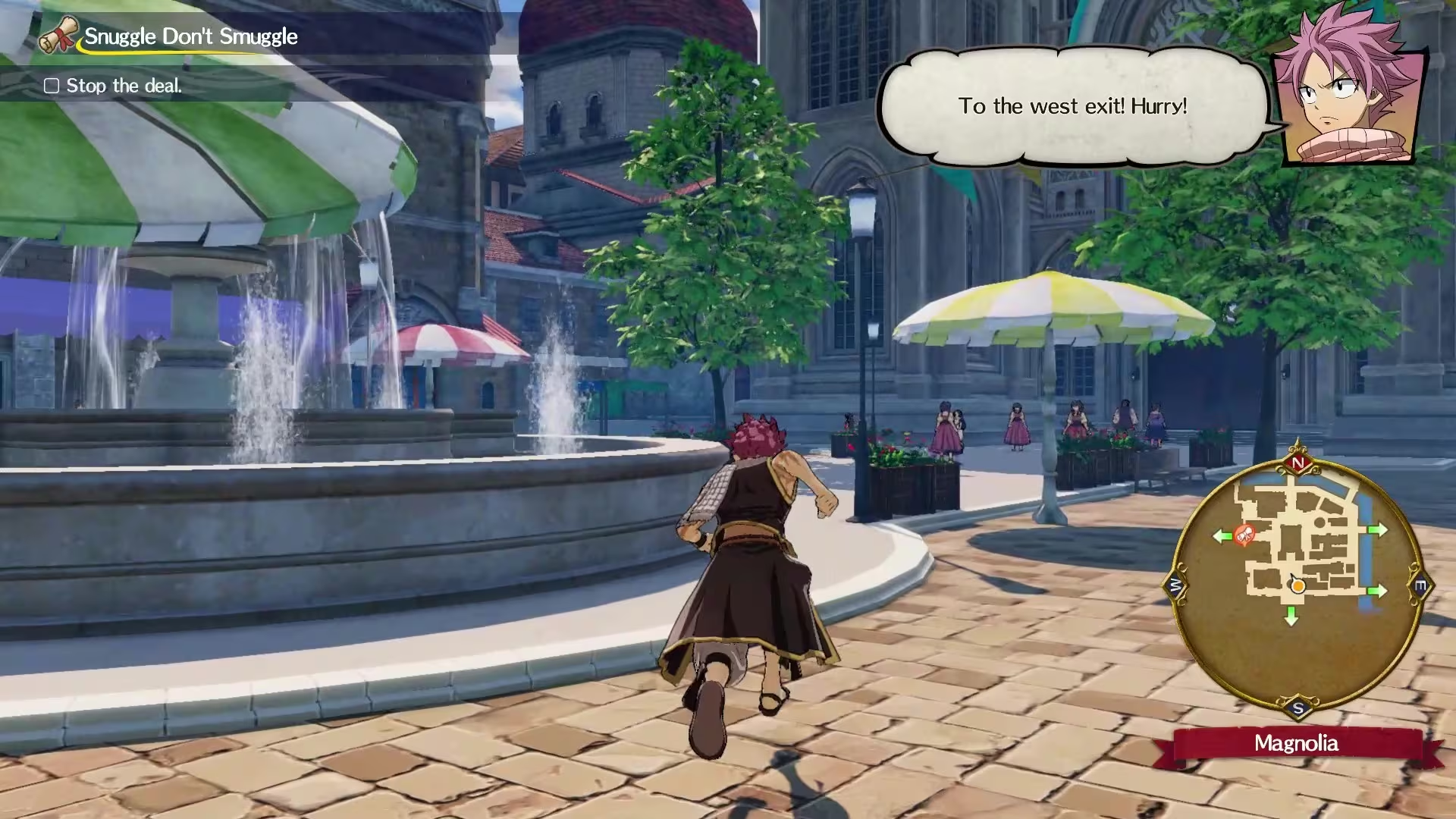
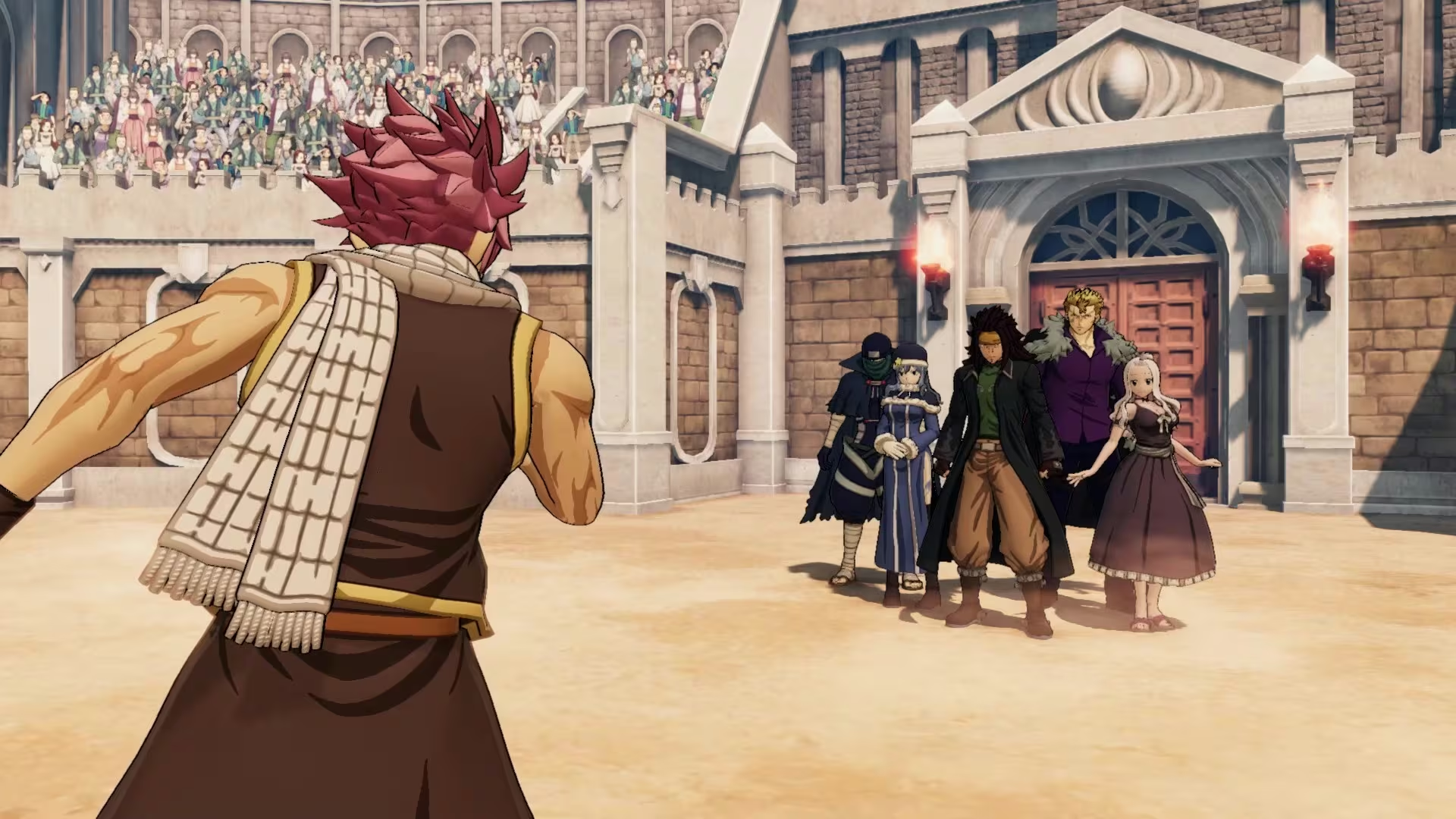
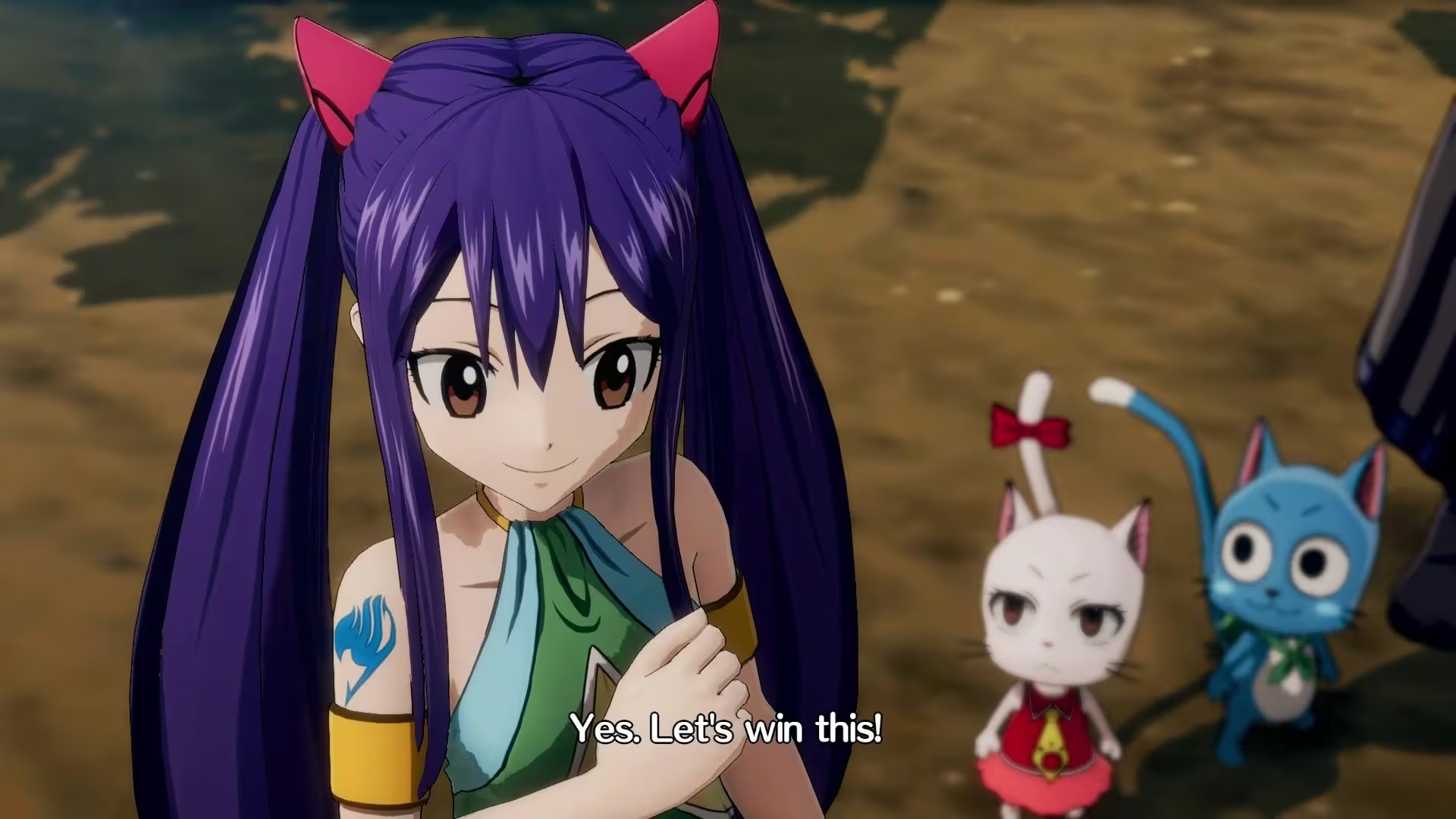
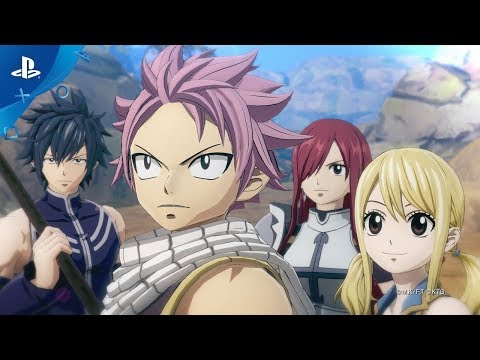
Magic x Guilds x RPG = ”FAIRY TAIL”! Based on the fantasy adventure comic about Natsu, a Dragon Slayer of the rowdy Fairy Tail magician guild, and his unique group of friends battling against unusual and memorable enemies.
Global score
74/100
Genres
Action, Adventure, Role-playing (RPG)
Similar games
Pros
- Faithful adaptation of fairy tail story and characters
- Engaging turn-based combat system
- Character customization and progression
- Good soundtrack and voice acting
- Relaxing and nostalgic experience for fans
Cons
- Overpriced at full price with expensive dlc
- Repetitive quests and limited enemy variety
- Missing character models and some story content
- Keyboard controls are clunky, controller recommended
- Dated graphics and reused npc models
Analysis
Less representative of its motivational profile, with noticeable differences. Motivations that often define this kind of title include Expression, Fellowship, Cooperation, Competition. Here, the score leans higher than usual among comparable games on Leadership, Fellowship, Expression.
How to use the graph
Similar games map
Each dot is a game. They are arranged from the same motivation profile as in the “Motivations” section below. Closer dots usually mean more similar reasons to play (exploration, competition, relaxation, etc.)—not that one game is “better” than another.
- Larger dot with a light outline: the game you are viewing.
- Colour: groups of games with comparable motivation patterns (statistical clusters).
- Hover a dot to see the game name; click to open its page.
- Scroll or double-click the chart to zoom out and see more games.
Why don’t the axes read like a score? This view uses t-SNE: it only keeps who is close to whom. The scales are not “good to bad” or hours played—they separate groups on the map. Read distance between dots, not the axis numbers.
Motivations
-
Autonomy3
"Players have freedom to choose characters for battles and customize builds, with some forced character use in story missions but overall good player control."
-
Competence2
"Combat involves strategic turn-based mechanics with skill progression, but overall difficulty is low and some find it easy or repetitive."
-
Competition-3
"Focus is on single-player experience and personal progression; no evidence of competitive multiplayer or leaderboard features."
-
Continuation2
"Many players report long playtimes and engagement with side quests and character progression, though some find repetitive quests tedious."
-
Cooperation-4
"Game is primarily single-player with no multiplayer or cooperative gameplay mentioned."
-
Creativity2
"Players can customize character builds and equip lacrima, but world and story content is linear with limited environmental creativity."
-
Domination-5
"No evidence of exerting control or superiority over others; gameplay is individual and cooperative dominance is not present."
-
Escapism4
"Players use the game to relax, relieve stress, and immerse in the Fairy Tail world, often as a nostalgic or comforting experience."
-
Expectation-4
"Players engage voluntarily out of personal interest and fandom, not out of obligation or external pressure."
-
Experimenting2
"Players try different character combinations and strategies, though gameplay is somewhat repetitive and follows established routines."
-
Exploration1
"Game features exploration of several areas and towns, but maps are small and environments are reused with limited variety."
-
Expression3
"Players can customize characters with different costumes and lacrima, expressing personal preferences within the game."
-
Fantasy5
"Strongly based on the anime's fantasy world with magic, guilds, and fictional story arcs."
-
Fellowship1
"Some sense of community through guild rebuilding and character interactions, but mostly a solo experience."
-
Growth3
"Players level up characters, improve stats, and unlock abilities, supporting personal development in gameplay."
-
Health-5
"No physical activity or health-related features; typical sedentary gaming experience."
-
Idle-3
"Requires focused attention during battles and story; not designed for background or idle play."
-
Intimacy1
"Character interactions and relationship building add some social depth, but no multiplayer or close social connections."
-
Leadership2
"Players manage guild rebuilding and character progression, implying some leadership elements within single-player context."
-
Progression4
"Strong emphasis on leveling characters, unlocking abilities, upgrading guild, and collecting costumes and lacrima."
-
Relaxation3
"Many players find the game relaxing and enjoyable, with a balance of challenge and flow in combat and story."
-
Sensation2
"Visual and auditory elements like flashy combat animations and music enhance sensory enjoyment, though graphics are dated."
-
Status-4
"No social status or recognition systems; gameplay is focused on personal experience without social evaluation."
-
Story4
"Narrative immersion is strong for fans, with story arcs from the anime and character-driven plot, though some story parts are skipped."
-
Strategy3
"Turn-based combat requires tactical thinking and planning, with positioning and skill combinations important."
-
Thrill1
"Some challenge and suspense in boss fights, but overall gameplay is low risk and not highly tense."
-
Value-3
"Many players feel the game is overpriced at full price, with expensive DLC and content gating reducing perceived value."
-
Violence3
"Combat involves magic attacks and battles against monsters, with visual destruction and fighting elements."
-
Survival0
"Game involves managing health and magic points in combat but lacks high-risk survival mechanics or resource scarcity."
Last update: 29/04/2026