Idle Skilling Thumbnail

Idle Skilling similar games & best alternatives
Idle Skilling

PC (Microsoft Windows), iOS, Android • 2022

Related articles

Quick resume

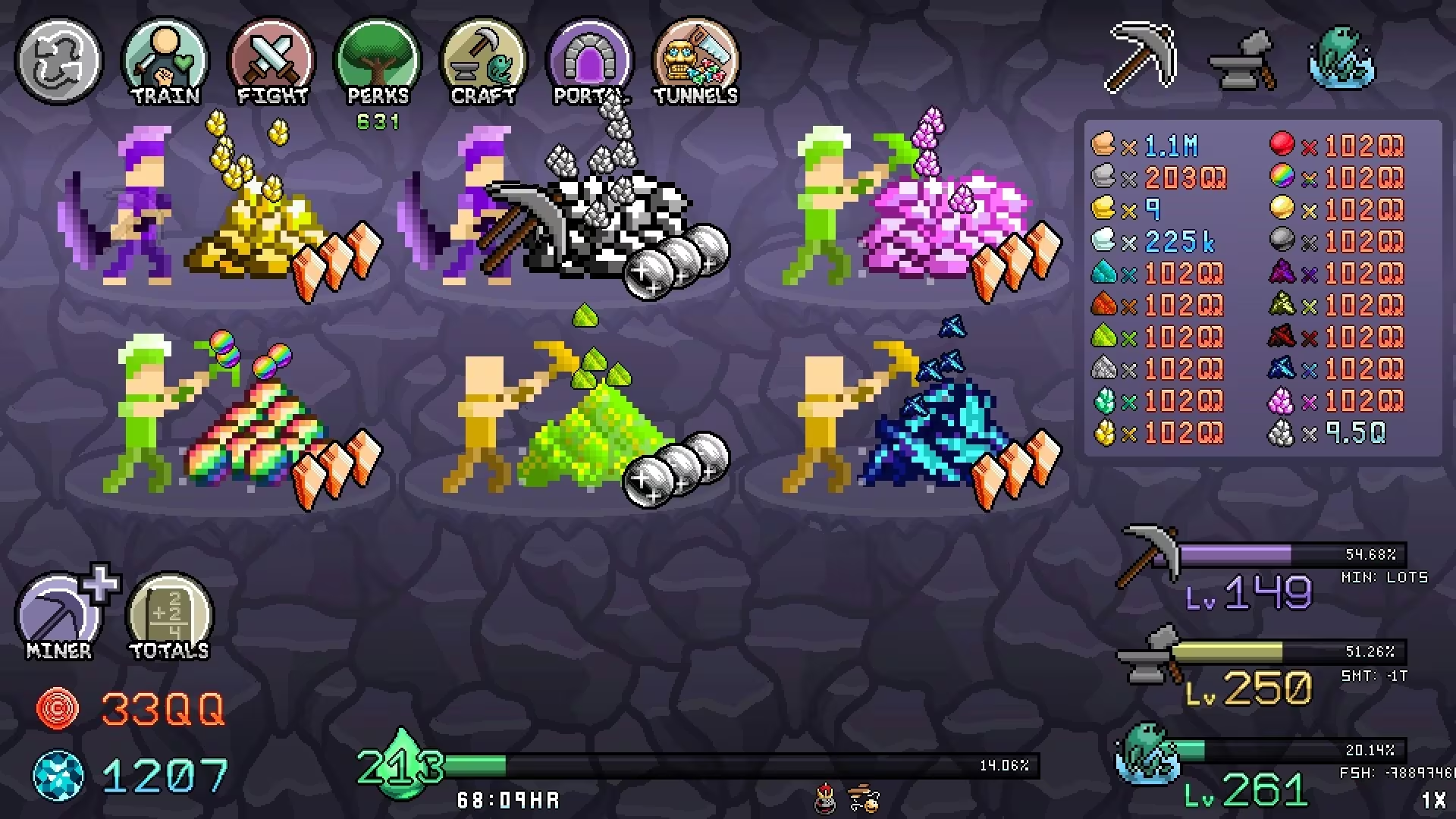
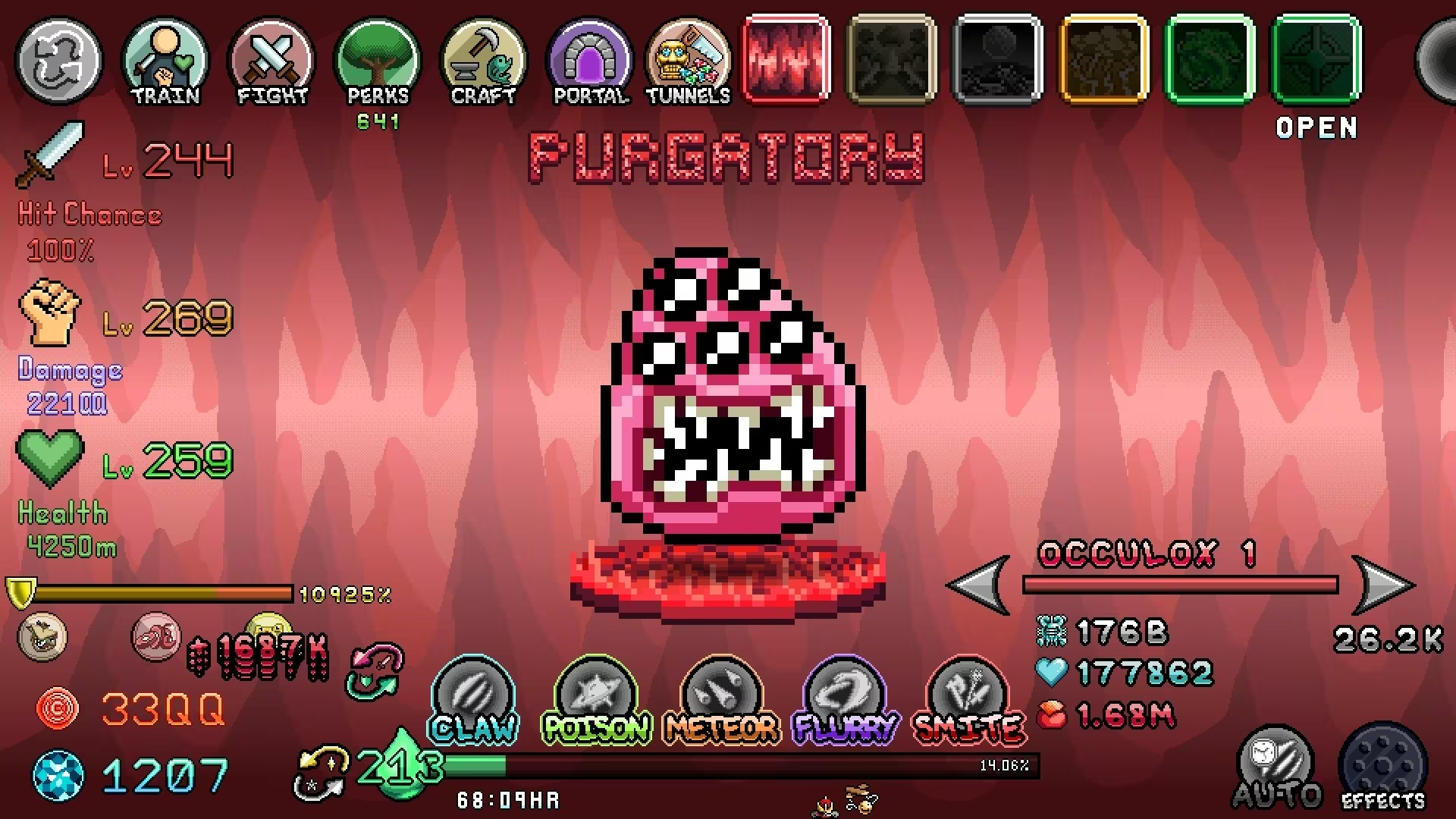
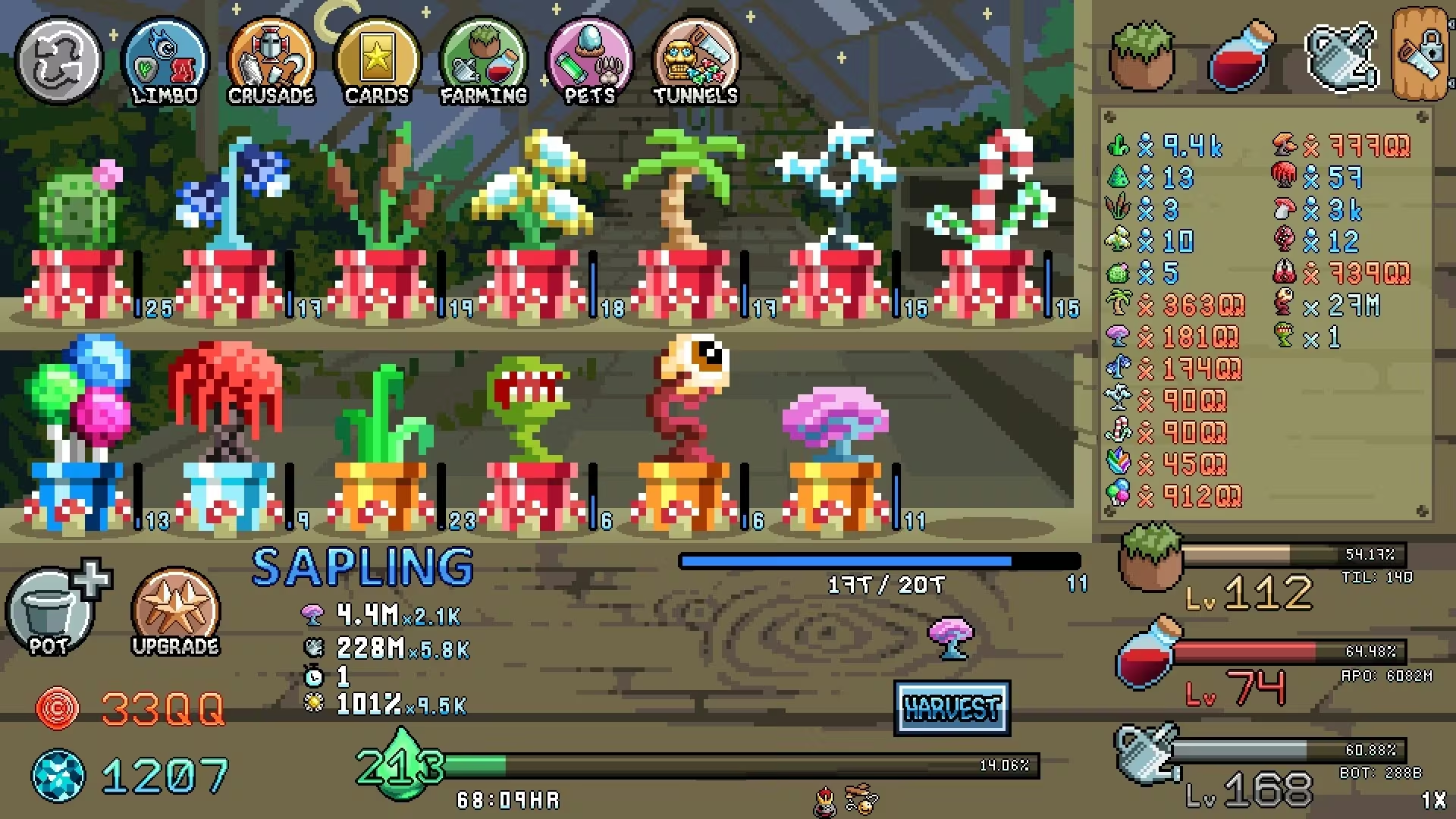
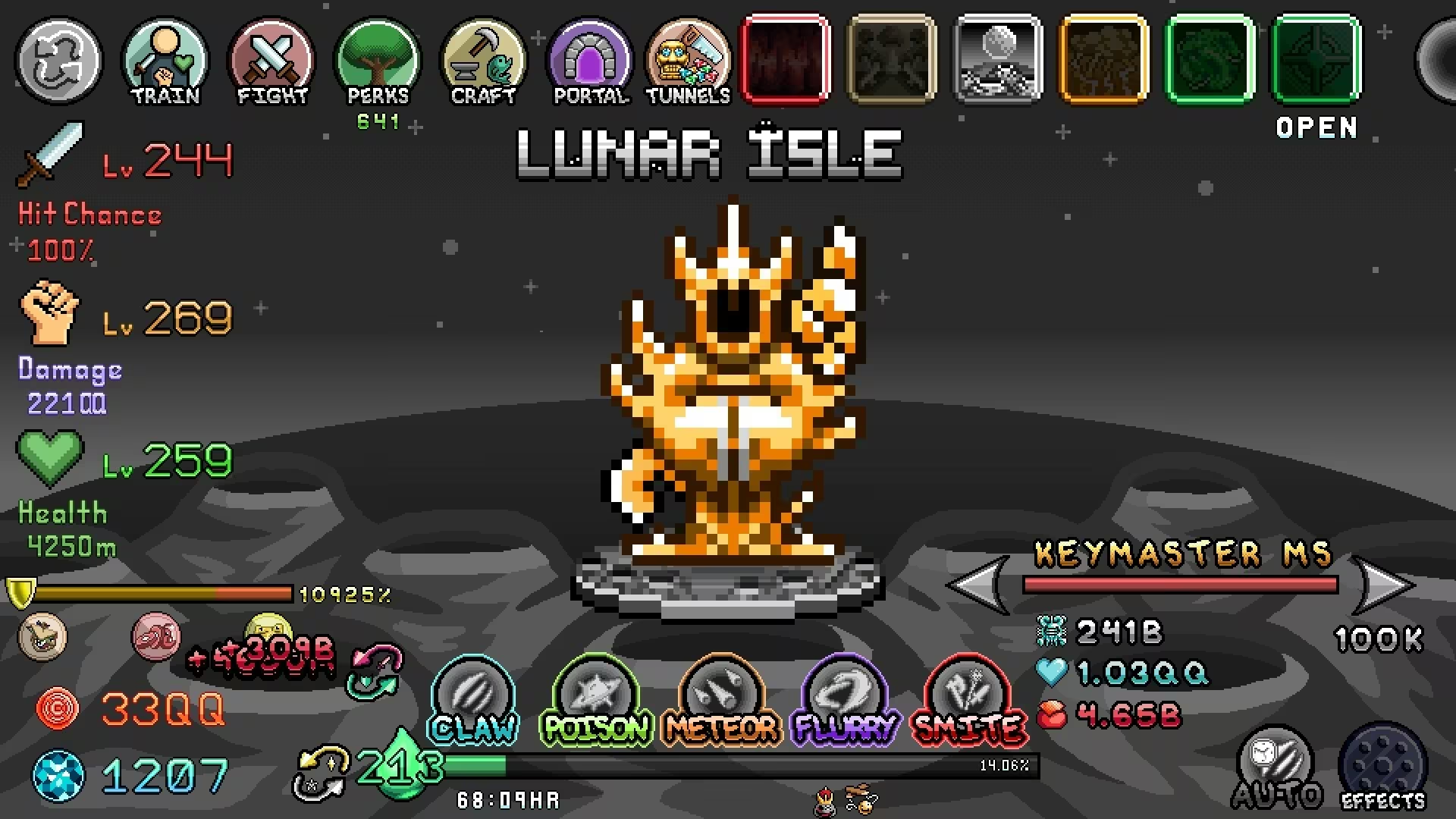
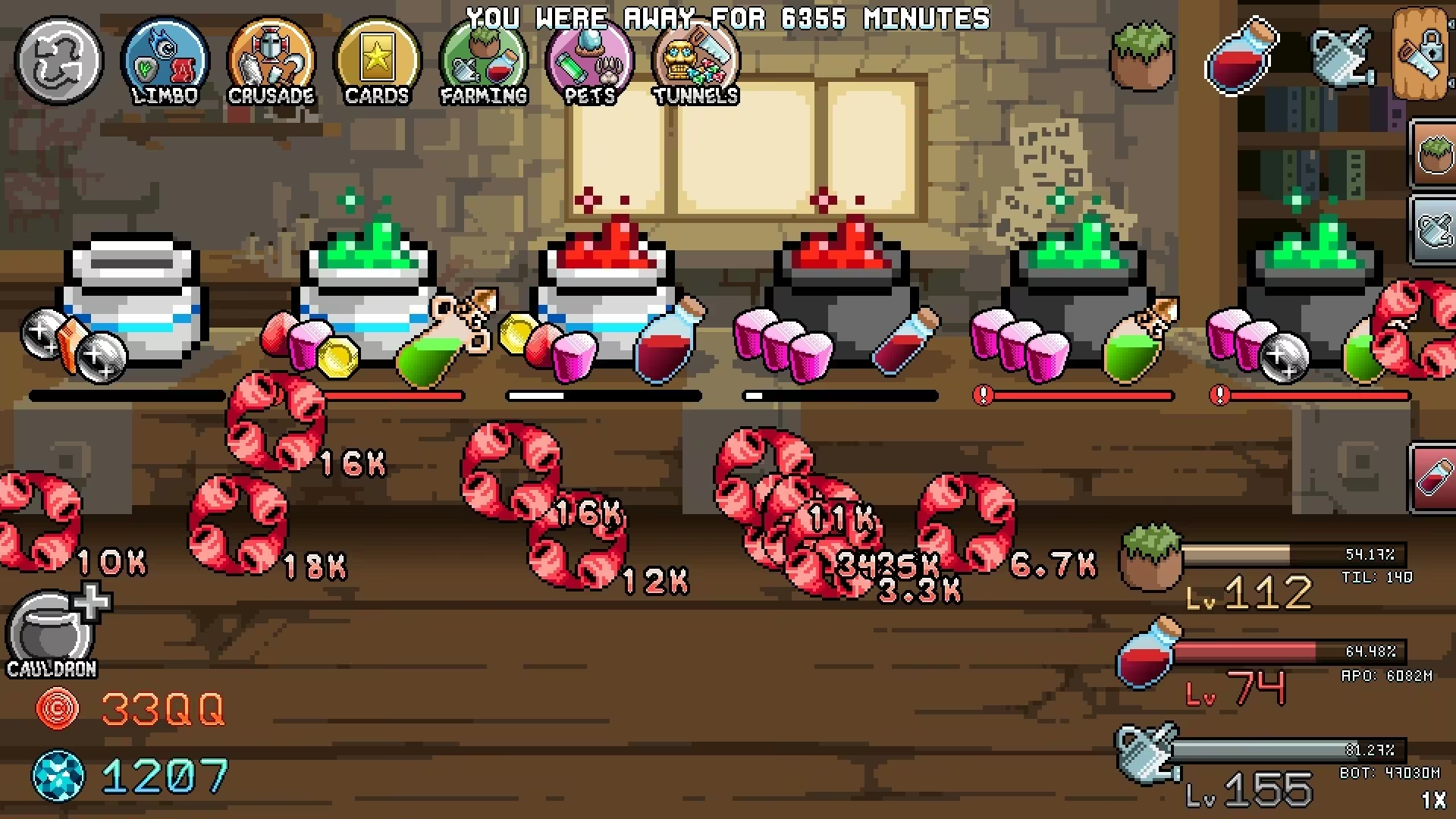
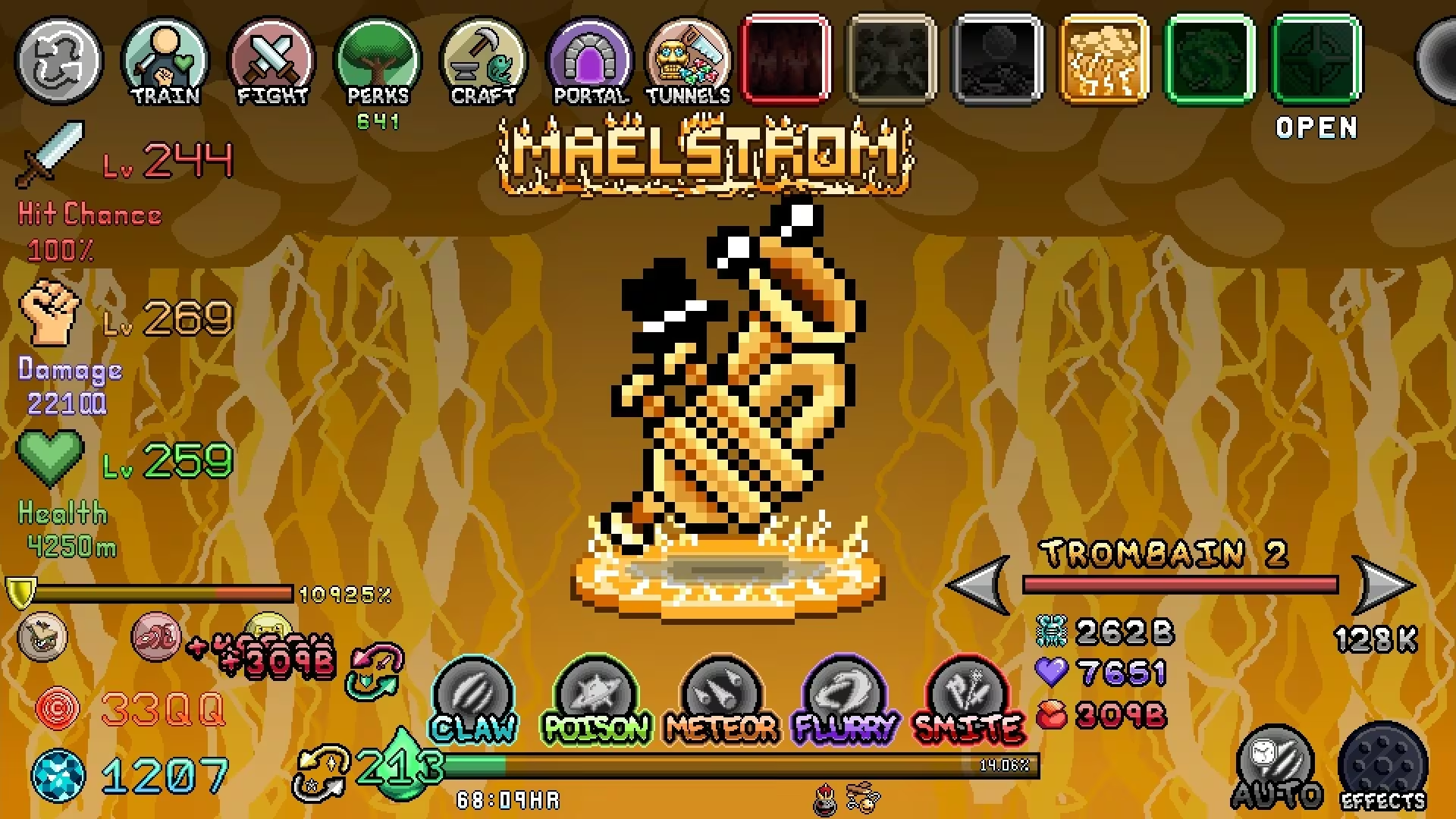
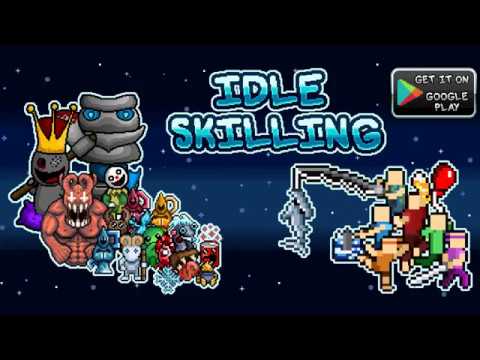
Idle Skilling is the ultimate Idle Game with years of content! Meant to be played for 5-10 minutes a day, you gradually unlock new skills like mining, fishing, pet breeding, crusading, potion-making, lab-research, construction, and more! With new updates coming, you'll never run out of stuff to do!

Global score

70/100

Genres

Casual, Indie, Simulator, Free To Play, Point-and-click, Role-playing (RPG)

Similar games

    Pros

    • Extensive content and depth for an idle game
    • Flexible playstyle allowing active or passive engagement
    • Fair free-to-play design with no mandatory paywalls
    • Long-term player retention and habitual play
    • Engaging progression and skill systems

    Cons

    • Late-game bugs and performance issues reported
    • No cross-save between mobile and pc versions
    • Lack of sound and music reduces immersion
    • Some pay-to-speed-up elements can feel exploitative
    • No narrative or multiplayer/cooperative features

    Analysis

    A very typical example of its motivational profile. Motivations that often define this kind of title include Idle, Thrill, Violence, Survival. Here, the score leans higher than usual among comparable games on Violence. It leans lower than usual among comparable games on Story, Survival.

    How to use the graph
    Similar games map

    Each dot is a game. They are arranged from the same motivation profile as in the “Motivations” section below. Closer dots usually mean more similar reasons to play (exploration, competition, relaxation, etc.)—not that one game is “better” than another.

    • Larger dot with a light outline: the game you are viewing.
    • Colour: groups of games with comparable motivation patterns (statistical clusters).
    • Hover a dot to see the game name; click to open its page.
    • Scroll or double-click the chart to zoom out and see more games.

    Why don’t the axes read like a score? This view uses t-SNE: it only keeps who is close to whom. The scales are not “good to bad” or hours played—they separate groups on the map. Read distance between dots, not the axis numbers.

    Motivations

    • Autonomy
      4

      "Players can choose how actively to play or idle, select skills and upgrades freely, and manage multiple systems at their own pace."

    • Competence
      3

      "Game offers skill progression, strategic resource management, and challenges that reward player effectiveness, though some aspects are repetitive."

    • Competition
      -4

      "Single-player idle game focused on personal progression without leaderboards or direct player comparison."

    • Continuation
      5

      "Many players report long playtimes, habitual daily check-ins, and extended engagement over months or years."

    • Cooperation
      -5

      "No multiplayer or cooperative gameplay; entirely single-player experience."

    • Creativity
      2

      "Players can customize skill builds and strategies, but no direct building or creative modification of game elements."

    • Domination
      -5

      "No social dominance or power over others; gameplay is individual and non-competitive."

    • Escapism
      4

      "Players use the game as a relaxing distraction and stress relief, enjoying dopamine hits and idle progression."

    • Expectation
      -4

      "Players engage voluntarily for fun and relaxation, not out of obligation or external pressure."

    • Experimenting
      3

      "Game encourages trying different skill combinations and strategies, though some routines become established over time."

    • Exploration
      3

      "Players discover new zones, secrets, and unlockables gradually, fostering curiosity-driven exploration."

    • Expression
      1

      "Limited self-expression mainly through skill and pet choices; no extensive avatar or environment customization."

    • Fantasy
      3

      "Set in a pixel-art fantasy world with RPG elements, monsters, and magical skills."

    • Fellowship
      -4

      "Minimal social interaction; community exists outside the game but gameplay is solo."

    • Growth
      5

      "Strong focus on learning game mechanics, skill progression, and personal improvement over long play."

    • Health
      -5

      "Sedentary gameplay typical of idle games, no physical activity involved."

    • Idle
      5

      "Core mechanic is idle progression with rewards accumulating while away from the game."

    • Intimacy
      -5

      "No close relationships or emotional sharing within gameplay."

    • Leadership
      -5

      "No leadership or group management roles; entirely individual play."

    • Progression
      5

      "Heavy emphasis on accumulating items, upgrades, and skill levels to advance."

    • Relaxation
      4

      "Players find the game relaxing and satisfying, balancing challenge with idle flow."

    • Sensation
      2

      "Visual and numerical feedback with pixel art and satisfying number increases, but minimal sound and sensory stimulation."

    • Status
      -4

      "No social status or recognition systems within the game."

    • Story
      -4

      "No significant narrative or plot; gameplay is context-free and progression-focused."

    • Strategy
      3

      "Requires planning skill builds, resource allocation, and timing for upgrades and resets."

    • Thrill
      -3

      "Low risk and suspense; gameplay is steady and predictable without high tension."

    • Value
      4

      "Free to play with generous progression without spending money; good perceived value for time invested."

    • Violence
      1

      "Combat is present but stylized and minimal; focus is more on progression than violence."

    • Survival
      -4

      "No survival mechanics or threat avoidance; stable and safe gameplay environment."

    Last update: 29/04/2026