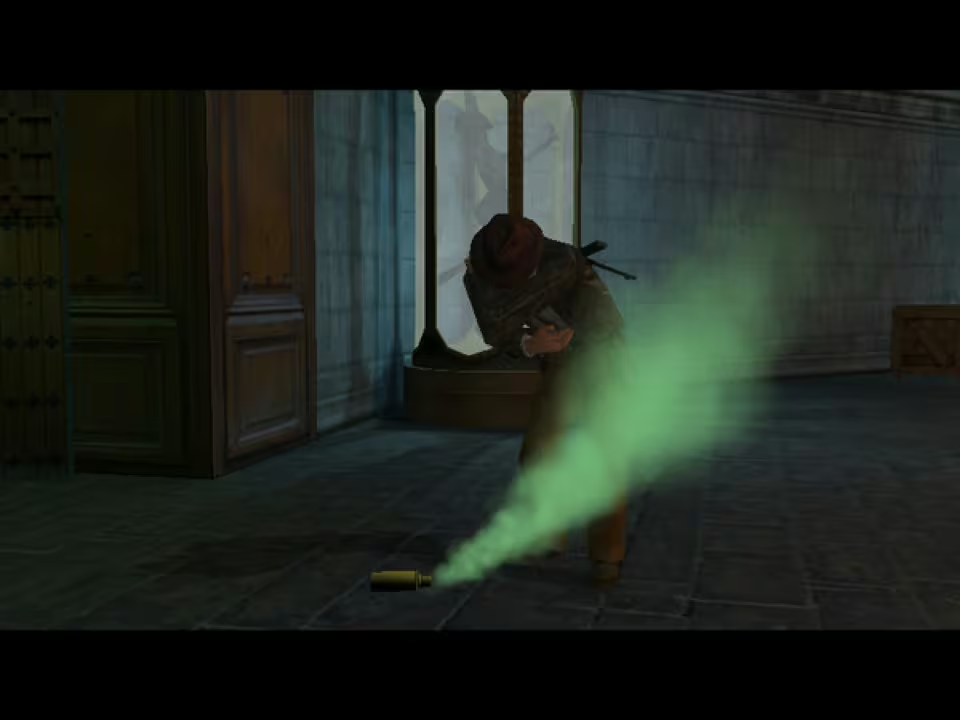
Indiana Jones® and the Emperor's Tomb™ Thumbnail

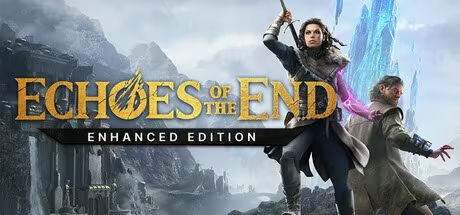
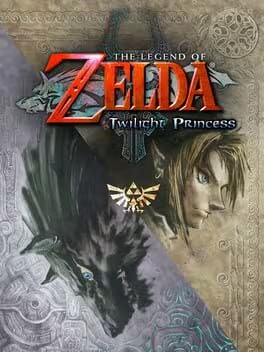
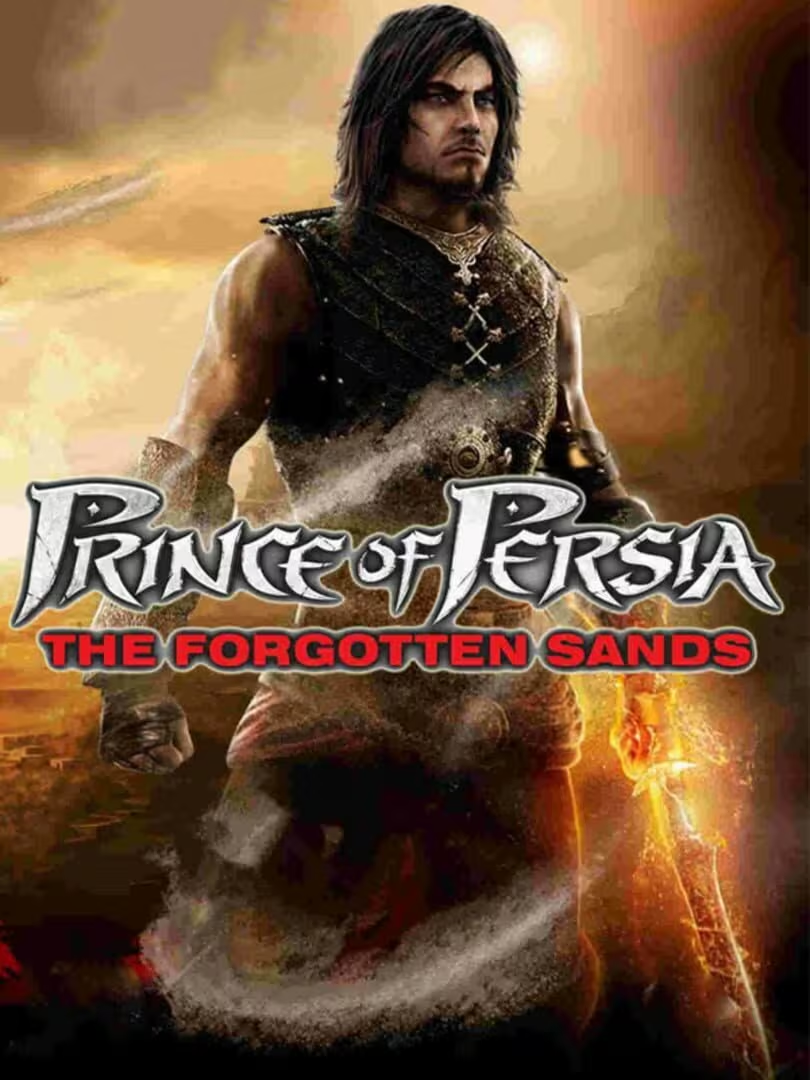
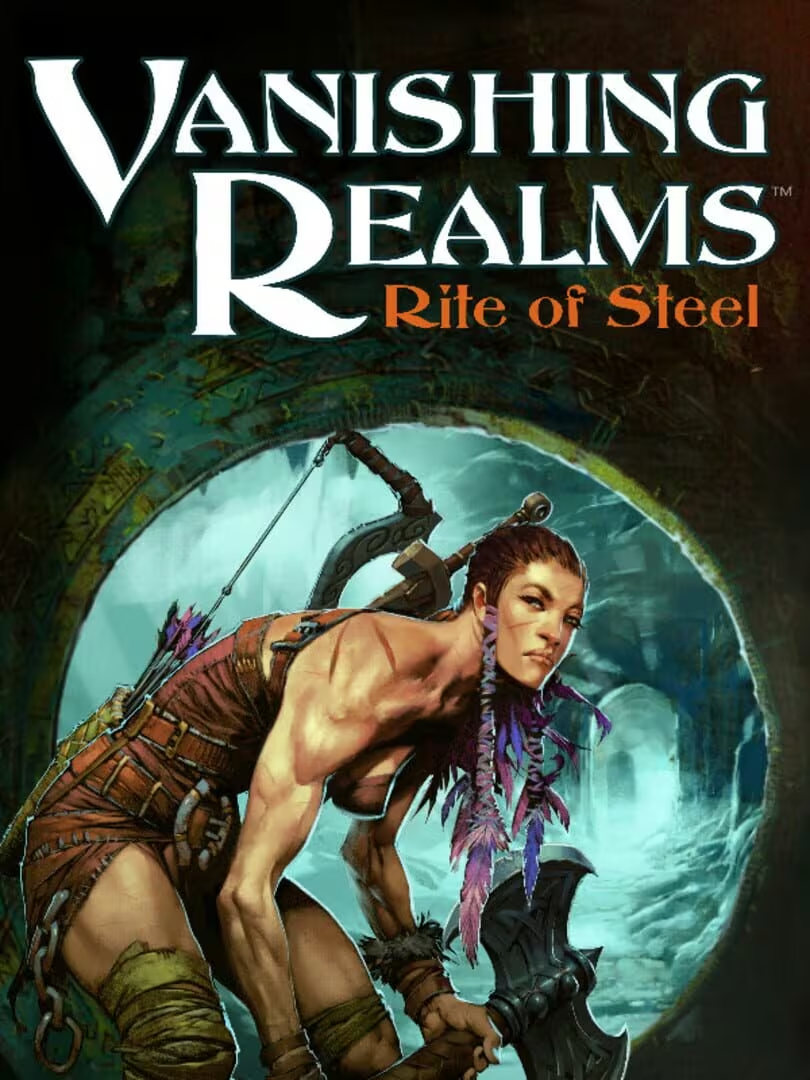
Indiana Jones® and the Emperor's Tomb™ similar games & best alternatives

Indiana Jones® and the Emperor's Tomb™

PC (Microsoft Windows), PlayStation 2, Xbox, Mac • 2018

Related articles

Quick resume

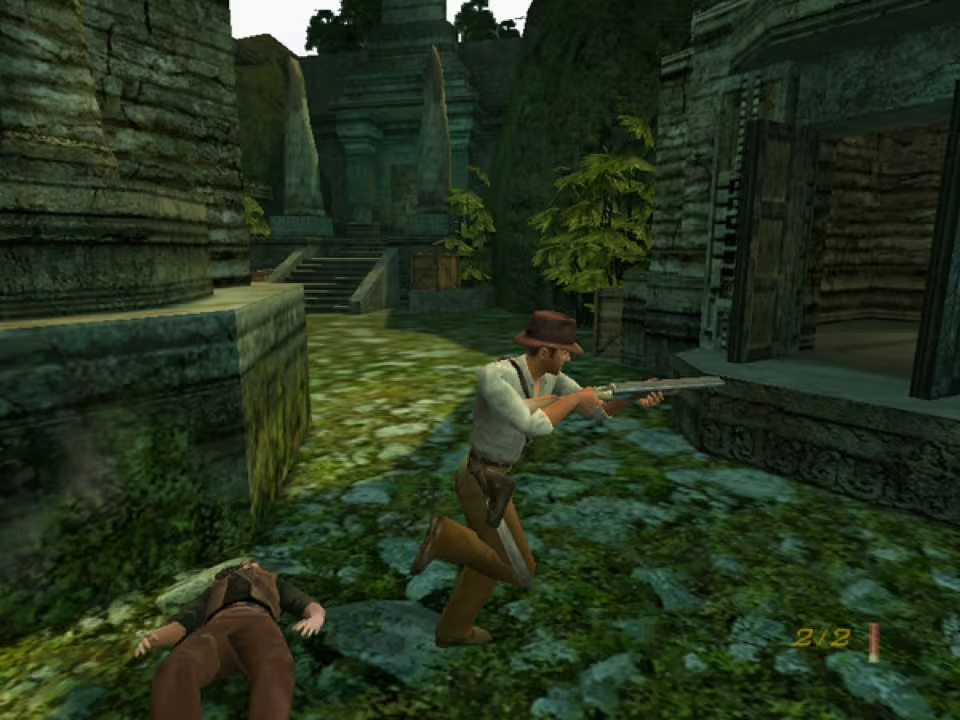
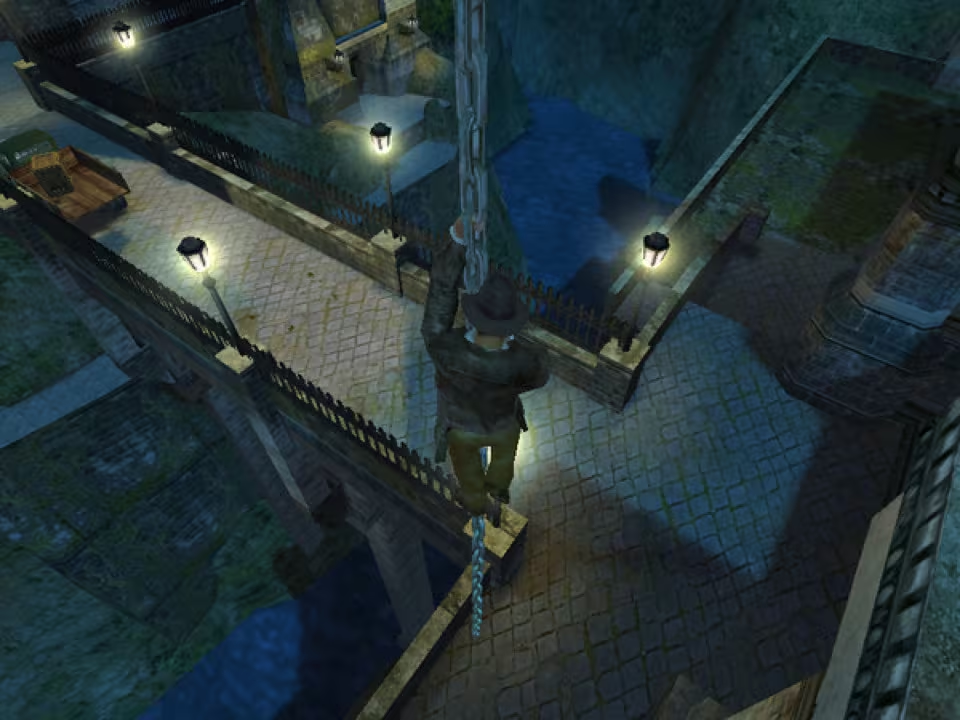
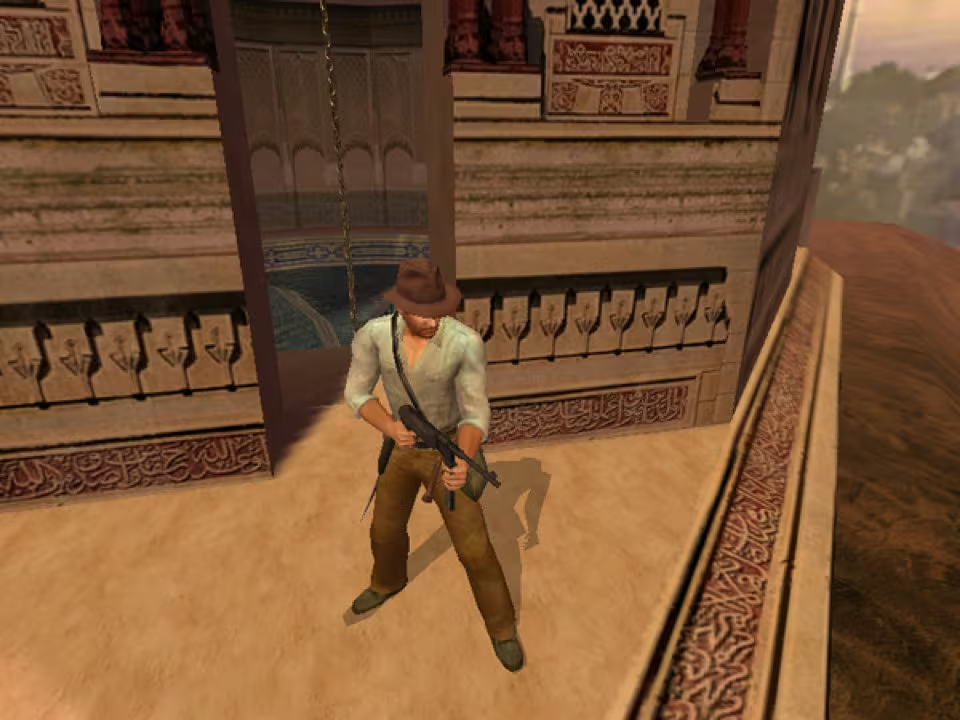
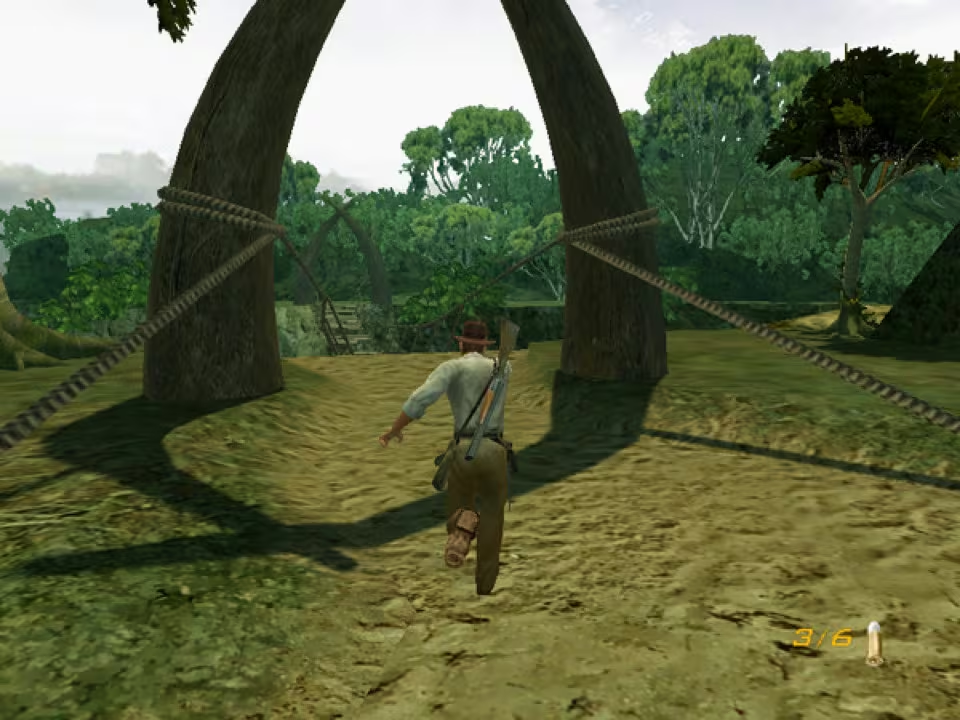
As Indiana Jones, you’ll travel to 1935 China to prevent a powerful artifact from falling into evil hands. This globe-spanning adventure pits you against evil Nazis and the Asian underworld. It’ll take more than just a trusty whip and pistol to avoid the perils of the Emperor’s Tomb.

Global score

92/100

Genres

Action, Adventure

Similar games

    Pros

    • Engaging combat system
    • Nostalgic and immersive experience
    • Diverse global locations
    • Challenging platforming and puzzles
    • Good value for price

    Cons

    • Clunky camera and controls
    • Lack of mid-level save points
    • Some difficulty spikes and trial-and-error sections
    • Dated graphics and resolution limitations
    • No multiplayer or social features

    Analysis

    Broadly representative of its motivational profile, with a few distinct shifts. Motivations that often define this kind of title include Fellowship, Cooperation, Leadership, Violence. Here, the score leans higher than usual among comparable games on Violence. It leans lower than usual among comparable games on Expression, Creativity.

    How to use the graph
    Similar games map

    Each dot is a game. They are arranged from the same motivation profile as in the “Motivations” section below. Closer dots usually mean more similar reasons to play (exploration, competition, relaxation, etc.)—not that one game is “better” than another.

    • Larger dot with a light outline: the game you are viewing.
    • Colour: groups of games with comparable motivation patterns (statistical clusters).
    • Hover a dot to see the game name; click to open its page.
    • Scroll or double-click the chart to zoom out and see more games.

    Why don’t the axes read like a score? This view uses t-SNE: it only keeps who is close to whom. The scales are not “good to bad” or hours played—they separate groups on the map. Read distance between dots, not the axis numbers.

    Motivations

    • Autonomy
      3

      "Players have freedom to explore levels, solve puzzles, and choose combat approaches, though progression is linear."

    • Competence
      4

      "Combat system with combos and platforming challenges provide skill tests; difficulty spikes require mastery."

    • Competition
      -5

      "Single-player experience focused on personal progress without player-vs-player or leaderboard elements."

    • Continuation
      4

      "Many players report long playtimes and repeated sessions driven by nostalgia and engaging gameplay."

    • Cooperation
      -5

      "Entirely single-player with no cooperative or multiplayer modes."

    • Creativity
      1

      "Limited player creativity mainly in combat combos and puzzle solving within predefined level design."

    • Domination
      -5

      "No social or multiplayer dominance elements; gameplay is individual and narrative-driven."

    • Escapism
      5

      "Strong nostalgic and immersive qualities provide escapism from real life, as noted by players."

    • Expectation
      -4

      "Players engage voluntarily out of personal interest and nostalgia, not obligation or external pressure."

    • Experimenting
      3

      "Players experiment with combat combos, puzzle approaches, and exploration within levels."

    • Exploration
      4

      "Game features diverse global locations and encourages discovery of hidden artifacts and secrets."

    • Expression
      -3

      "Minimal character customization; players use default Indiana Jones avatar and preset aesthetics."

    • Fantasy
      4

      "Imaginative fiction with supernatural elements and pulp adventure themes consistent with Indiana Jones lore."

    • Fellowship
      -5

      "Solo experience with no social or community gameplay features."

    • Growth
      3

      "Players develop skills in combat, platforming, and puzzle solving over time."

    • Health
      -5

      "Traditional sedentary gameplay without physical activity or health-related features."

    • Idle
      -4

      "Requires focused attention and continuous engagement; no background or idle play reported."

    • Intimacy
      -5

      "No social or emotional relationship-building mechanics; purely individual gameplay."

    • Leadership
      -5

      "No leadership or group management elements; single-player narrative focus."

    • Progression
      4

      "Players collect artifacts, weapons, and upgrades, progressing through increasingly difficult levels."

    • Relaxation
      1

      "Some players find the game relaxing and nostalgic, but difficulty spikes and trial-and-error can cause frustration."

    • Sensation
      3

      "Engaging audiovisuals and combat feedback provide sensory stimulation and excitement."

    • Status
      -5

      "No social recognition or status systems; achievements are personal and offline."

    • Story
      3

      "Narrative-driven with cutscenes and voice acting, though story is considered average but immersive."

    • Strategy
      2

      "Requires some planning in combat and puzzle solving, but mostly straightforward gameplay."

    • Thrill
      3

      "Combat and platforming challenges create moments of tension and excitement."

    • Value
      4

      "Highly regarded for price and nostalgic value; considered a good return on investment."

    • Violence
      4

      "Combat focused on fistfights, weapon use, and defeating enemies with visceral feedback."

    • Survival
      3

      "Players must avoid death and manage health resources; some levels have trial-and-error difficulty."

    Last update: 29/04/2026