Lost Lands: A Hidden Object Adventure Thumbnail

Lost Lands: A Hidden Object Adventure similar games & best alternatives

Lost Lands: A Hidden Object Adventure

PC (Microsoft Windows), iOS, Mac • 2015

Related articles

Quick resume

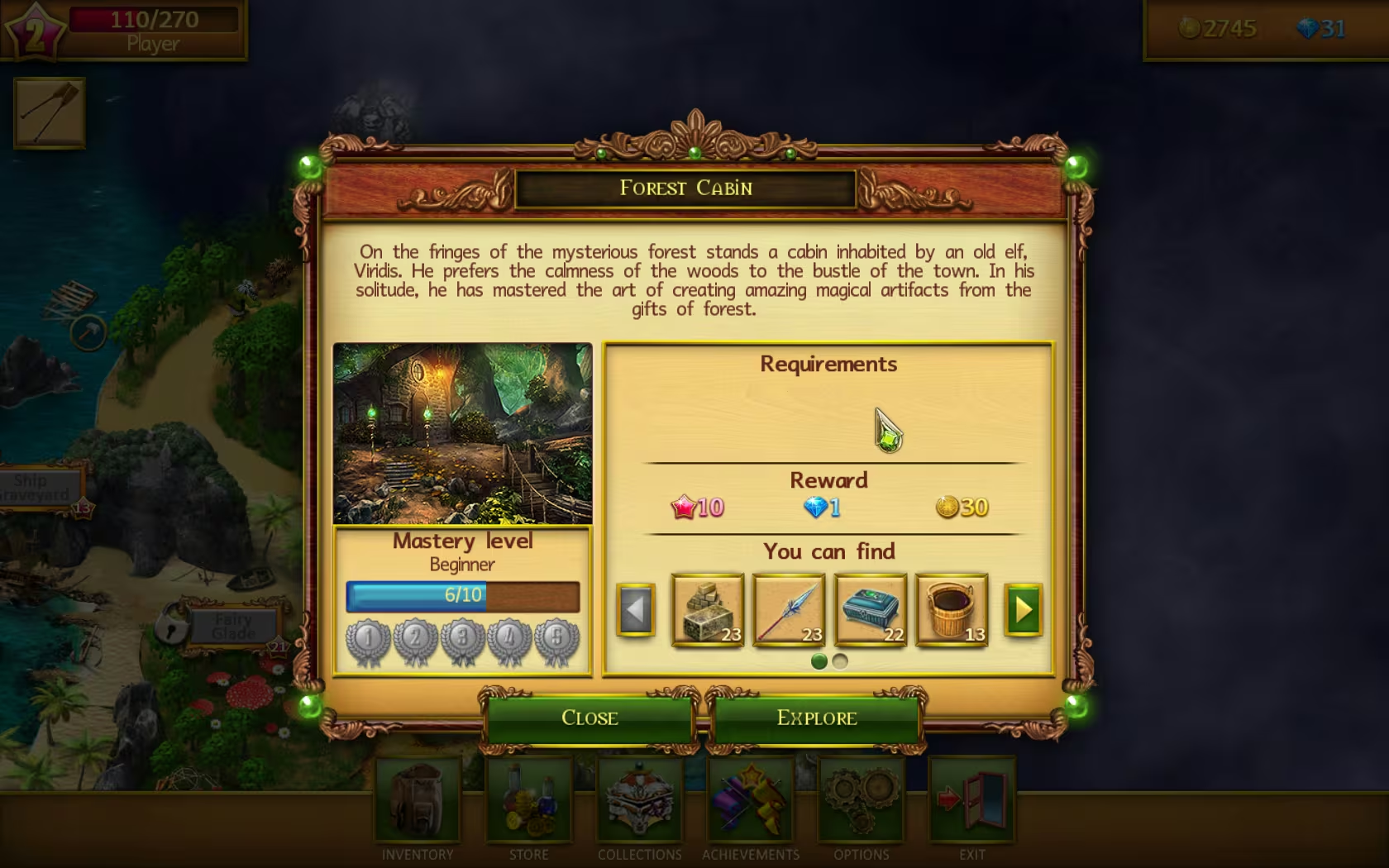
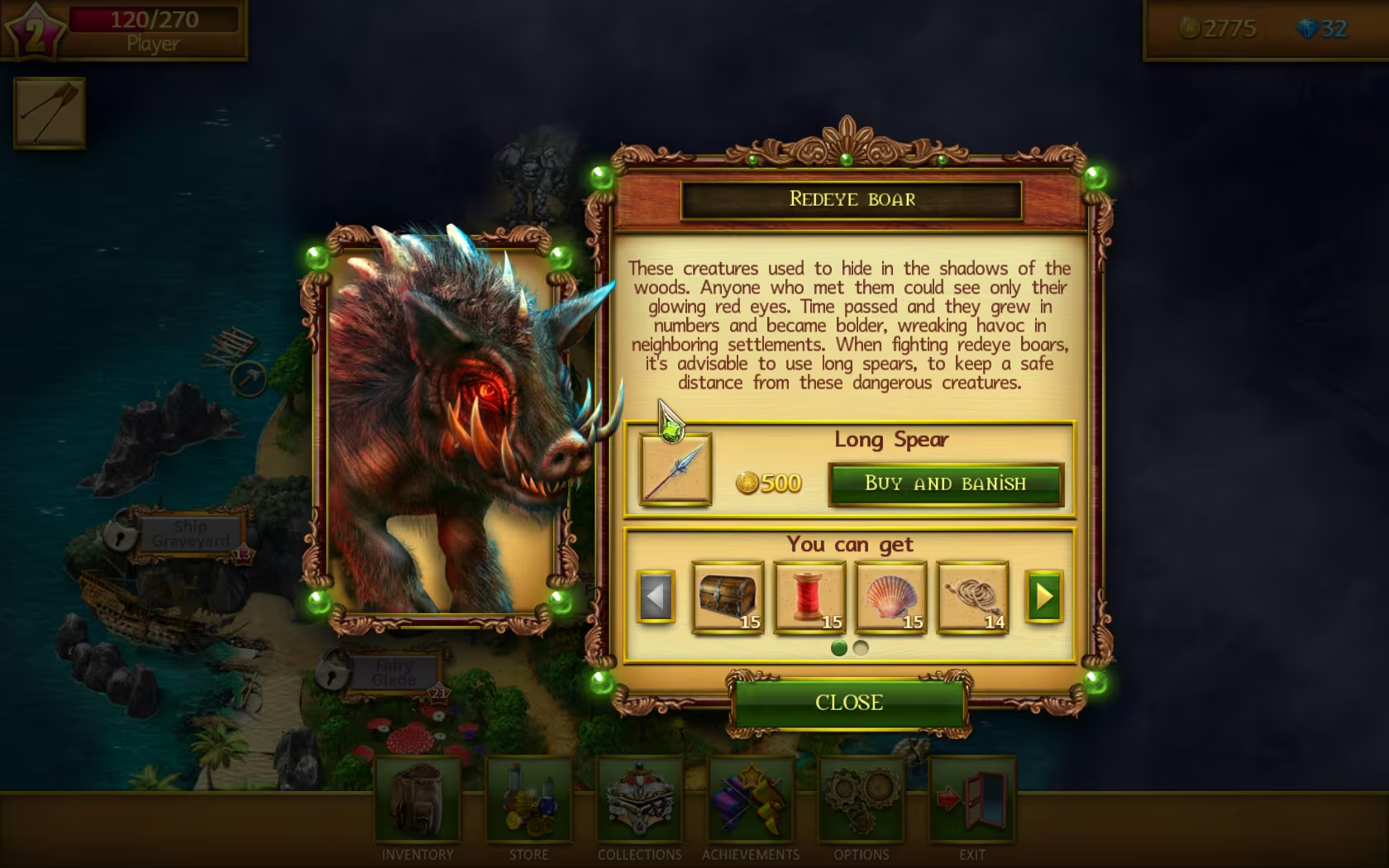
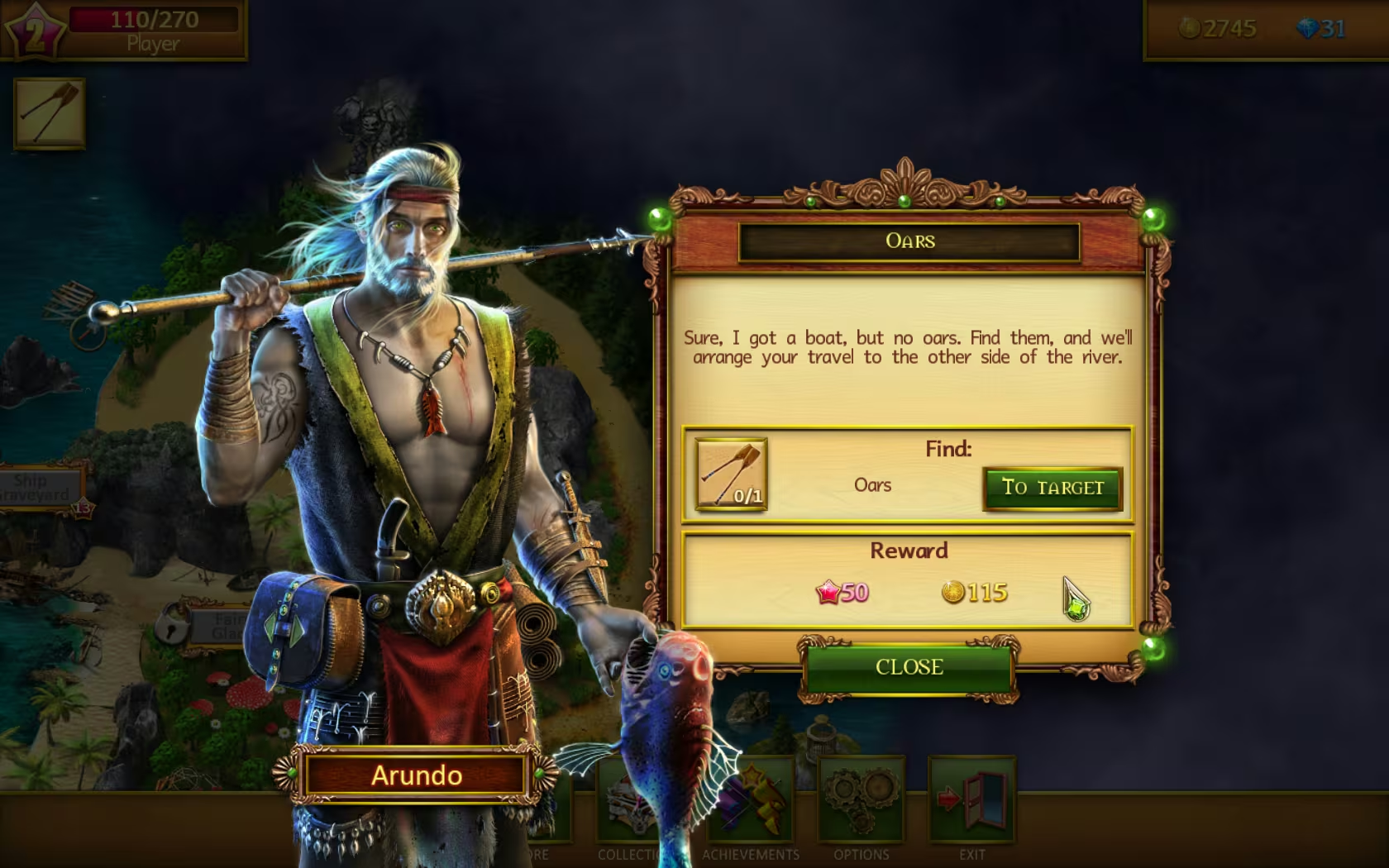
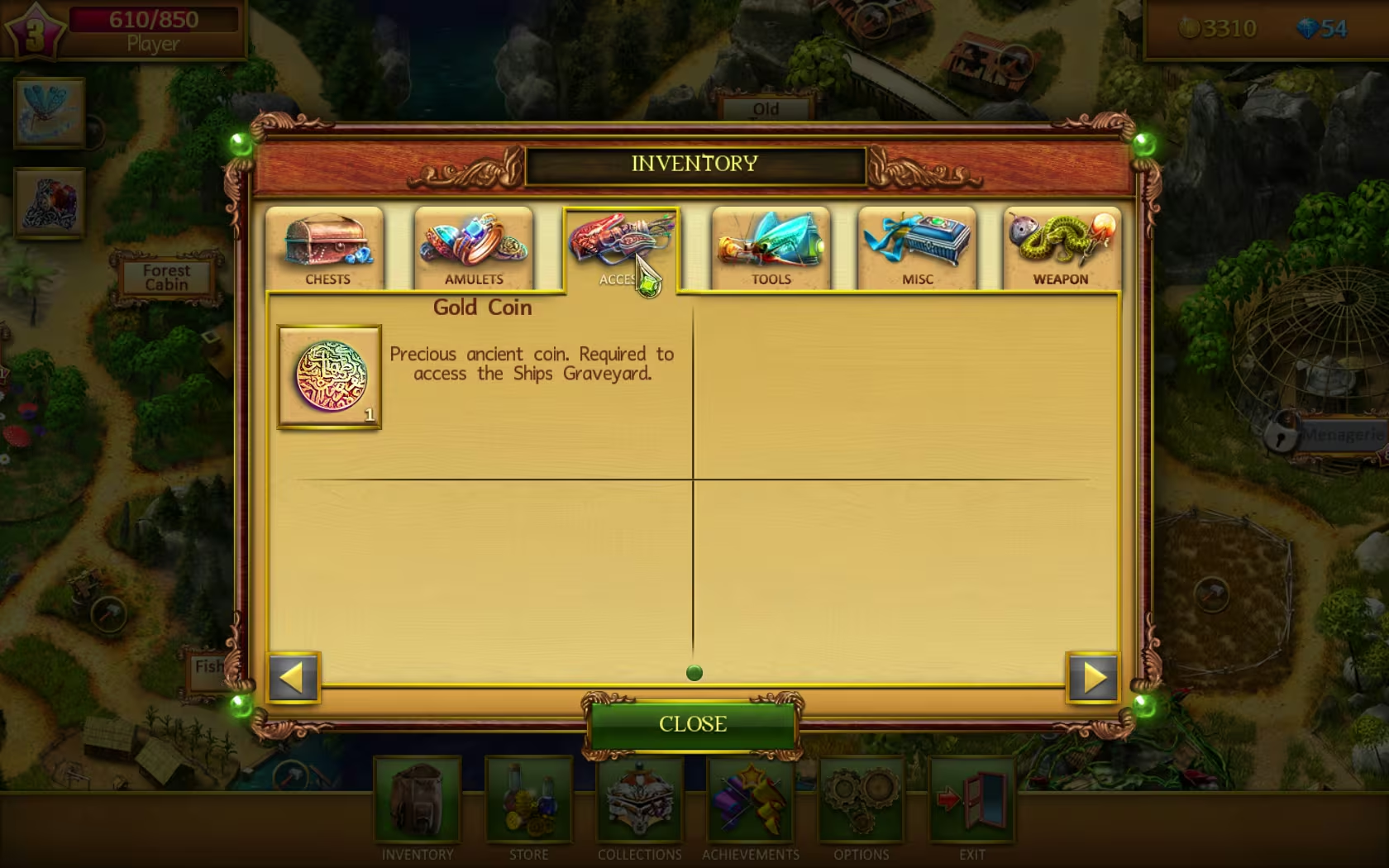
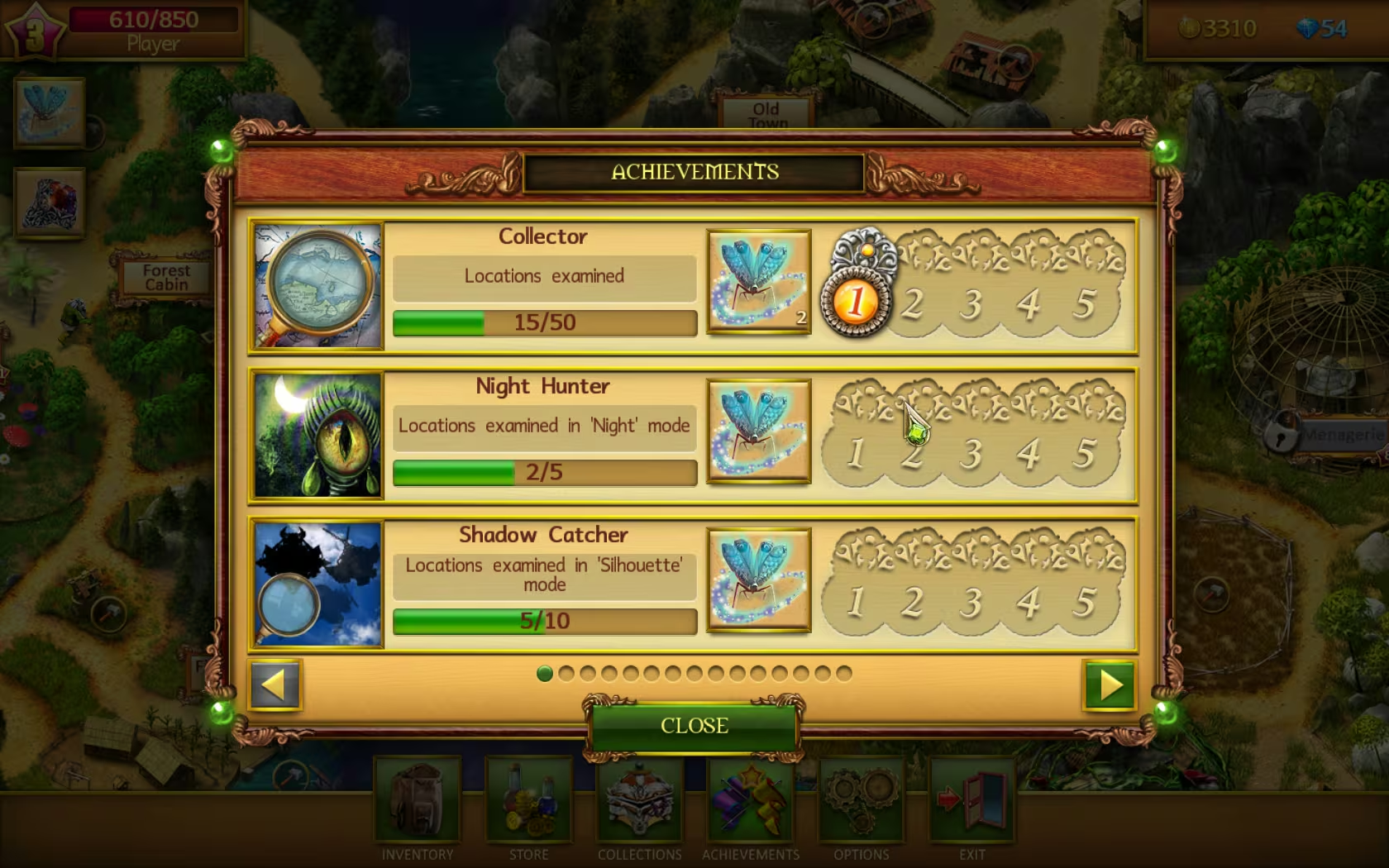
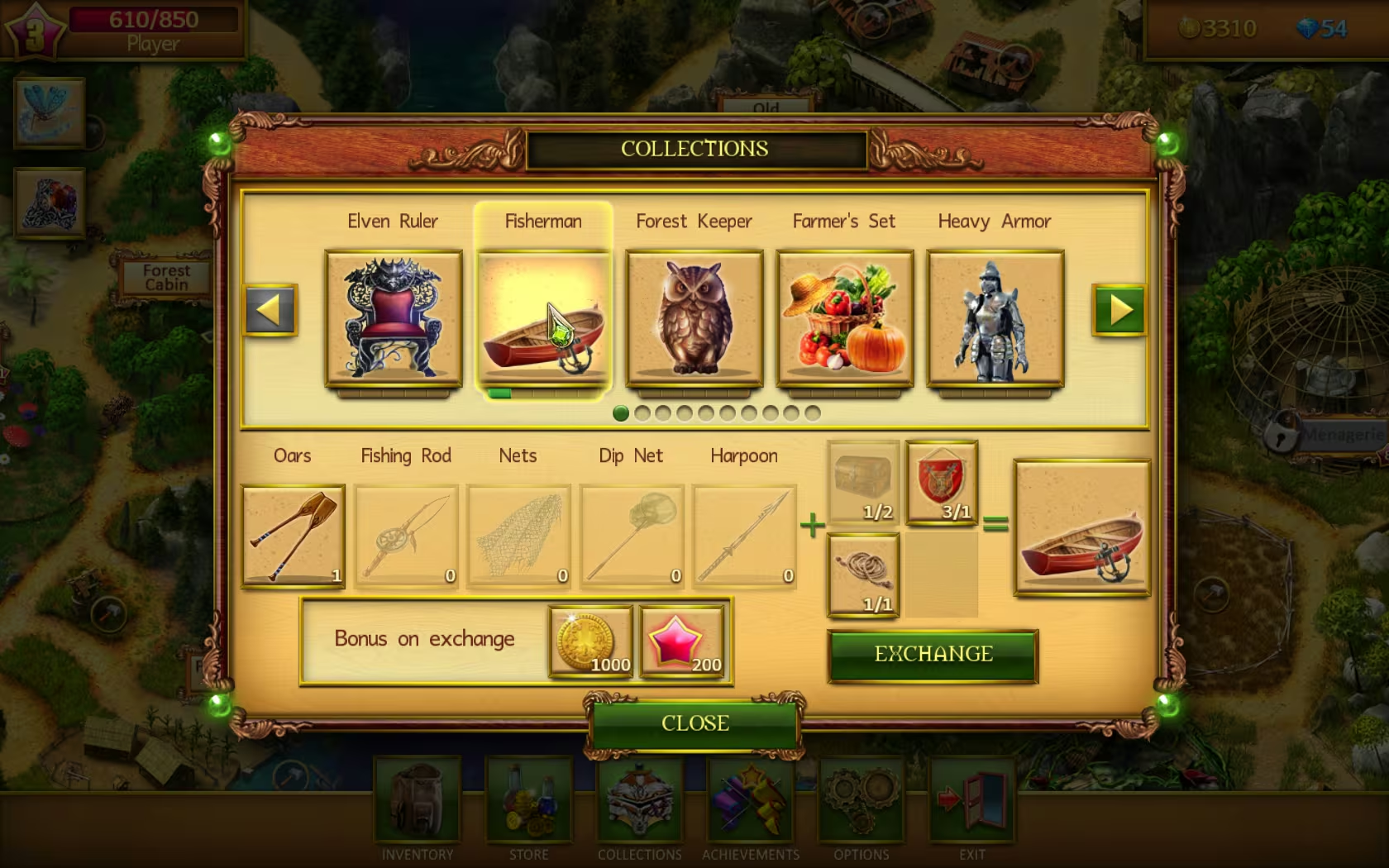
Persecuted by ill fate, the elven nation land on a lost island. They'll need sharp blades as well as sharp minds to survive. An exciting hidden-object adventure game which tells the story of an ancient elven tribe forced to survive on a long-lost island.

Global score

88/100

Genres

Adventure, Casual, Free To Play, Puzzle

Similar games

    Pros

    • Free to play
    • Pleasant graphics and sound
    • Relaxing casual gameplay
    • Variety of puzzles and quests
    • Fair progression system

    Cons

    • Energy system limits continuous play
    • Repetitive hidden object scenes
    • Microtransactions can be intrusive
    • Slow achievement progress
    • Minimal story depth

    Analysis

    Broadly representative of its motivational profile, with a few distinct shifts. Motivations that often define this kind of title include Strategy, Survival, Competence, Violence. Here, the score leans higher than usual among comparable games on Idle, Strategy, Survival.

    How to use the graph
    Similar games map

    Each dot is a game. They are arranged from the same motivation profile as in the “Motivations” section below. Closer dots usually mean more similar reasons to play (exploration, competition, relaxation, etc.)—not that one game is “better” than another.

    • Larger dot with a light outline: the game you are viewing.
    • Colour: groups of games with comparable motivation patterns (statistical clusters).
    • Hover a dot to see the game name; click to open its page.
    • Scroll or double-click the chart to zoom out and see more games.

    Why don’t the axes read like a score? This view uses t-SNE: it only keeps who is close to whom. The scales are not “good to bad” or hours played—they separate groups on the map. Read distance between dots, not the axis numbers.

    Motivations

    • Autonomy
      2

      "Players can choose quests and explore locations but are limited by energy and repetitive tasks, allowing some control but within constraints."

    • Competence
      1

      "The game involves skill in finding hidden objects and solving puzzles, but many tasks become repetitive and predictable over time."

    • Competition
      -4

      "The game is single-player focused with no competitive elements or leaderboards."

    • Continuation
      -3

      "Energy system limits continuous play, encouraging short sessions and breaks; some players find it addictive but many disengage quickly due to wait times."

    • Cooperation
      -5

      "Entirely single-player with no cooperative gameplay or social collaboration."

    • Creativity
      -2

      "Limited creativity; players follow predefined hidden object scenes and quests with minimal customization or creation."

    • Domination
      -5

      "No player versus player or dominance mechanics; interactions are individual and equal."

    • Escapism
      3

      "Players use the game as a relaxing distraction and casual escape from real life stress."

    • Expectation
      -4

      "Players engage voluntarily for enjoyment and relaxation rather than obligation or external pressure."

    • Experimenting
      -1

      "Some variation in puzzles and object placements, but largely repetitive with established routines."

    • Exploration
      1

      "Players unlock and revisit multiple locations, but many scenes repeat with limited variation."

    • Expression
      -3

      "Minimal customization or self-expression; gameplay follows preset scenes and story."

    • Fantasy
      3

      "Set in a fantasy world with elves and magical themes, providing an imaginative experience."

    • Fellowship
      -5

      "No social or community features; gameplay is solitary."

    • Growth
      2

      "Players level up, complete quests, and improve mastery of locations, indicating some personal development."

    • Health
      -5

      "Sedentary gameplay with no physical activity or health-related features."

    • Idle
      4

      "Designed for short play sessions with enforced breaks due to energy recharge times."

    • Intimacy
      -5

      "No close social interactions or relationship building."

    • Leadership
      -5

      "No leadership or management roles; gameplay is individual."

    • Progression
      4

      "Strong progression through leveling, unlocking locations, collecting items, and completing achievements."

    • Relaxation
      3

      "Many players find the game relaxing and a good way to unwind in short bursts."

    • Sensation
      2

      "Colorful graphics and pleasant sound design provide moderate sensory enjoyment."

    • Status
      -5

      "No social recognition or status systems present."

    • Story
      2

      "There is a narrative and quests, but story delivery is minimal and sometimes fragmented."

    • Strategy
      1

      "Some strategic elements in resource management and quest choices, but mostly straightforward gameplay."

    • Thrill
      -2

      "Gameplay is low risk and lacks suspense; timed puzzles add mild tension but overall calm experience."

    • Value
      3

      "Free to play with optional purchases; many players feel it offers fair value for casual play."

    • Violence
      -3

      "Minimal combat elements; focus is on finding objects and puzzle solving rather than destruction."

    • Survival
      0

      "Some resource management and enemy encounters, but low threat level and no strong survival pressure."

    Last update: 29/04/2026