Zavix Tower Thumbnail

Zavix Tower similar games & best alternatives

Zavix Tower

PC (Microsoft Windows) • 2016

Related articles

Quick resume

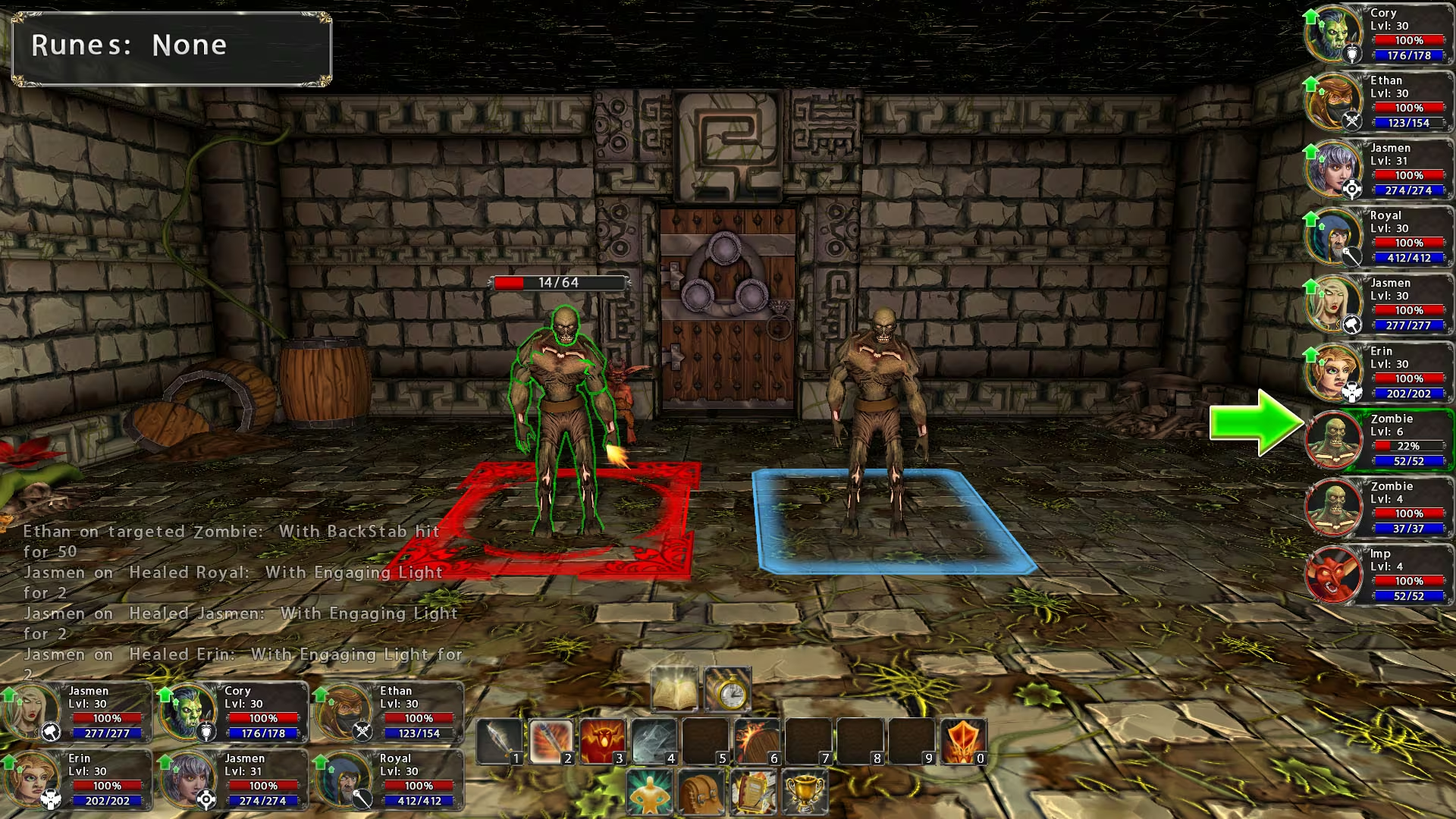
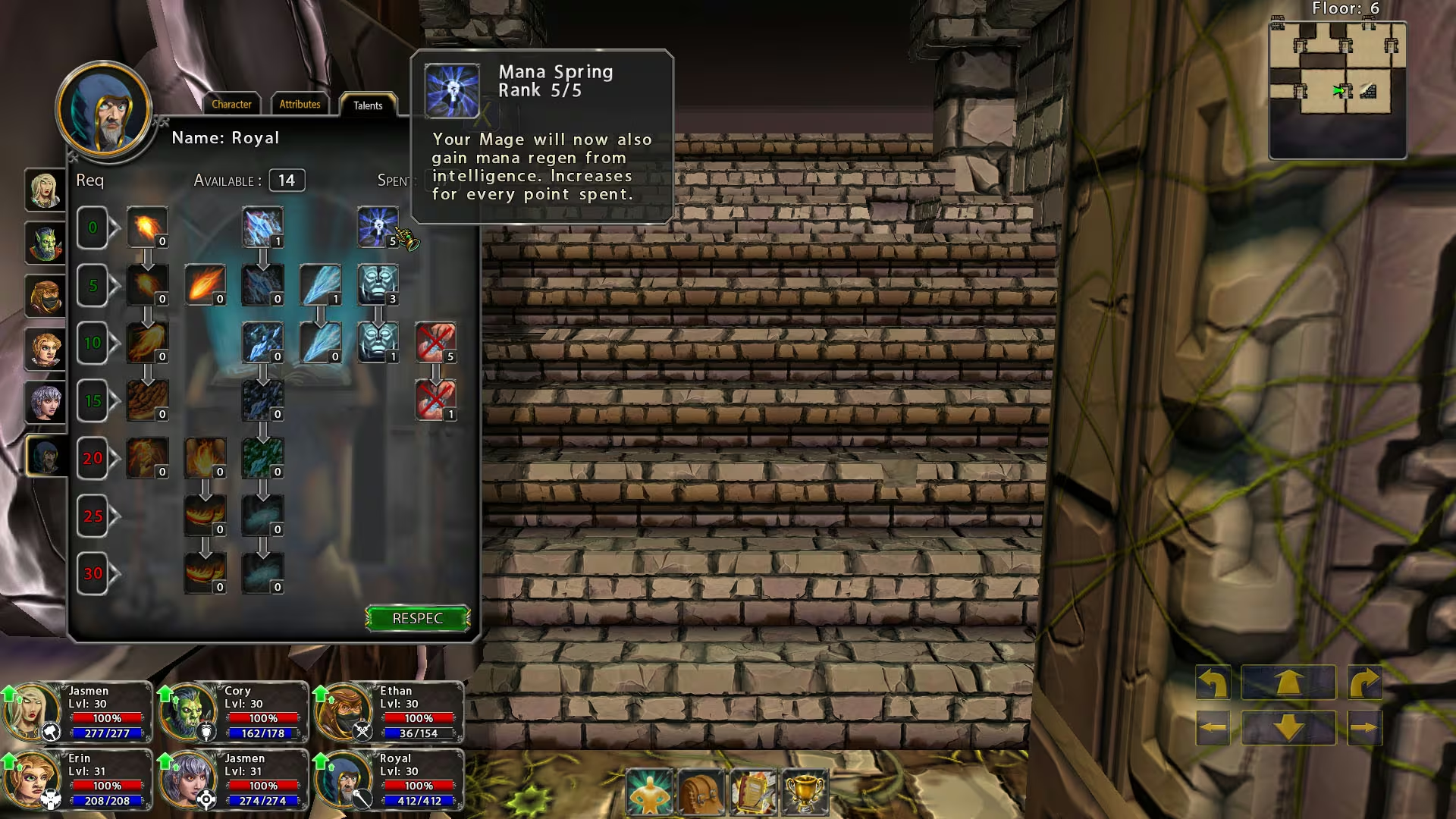
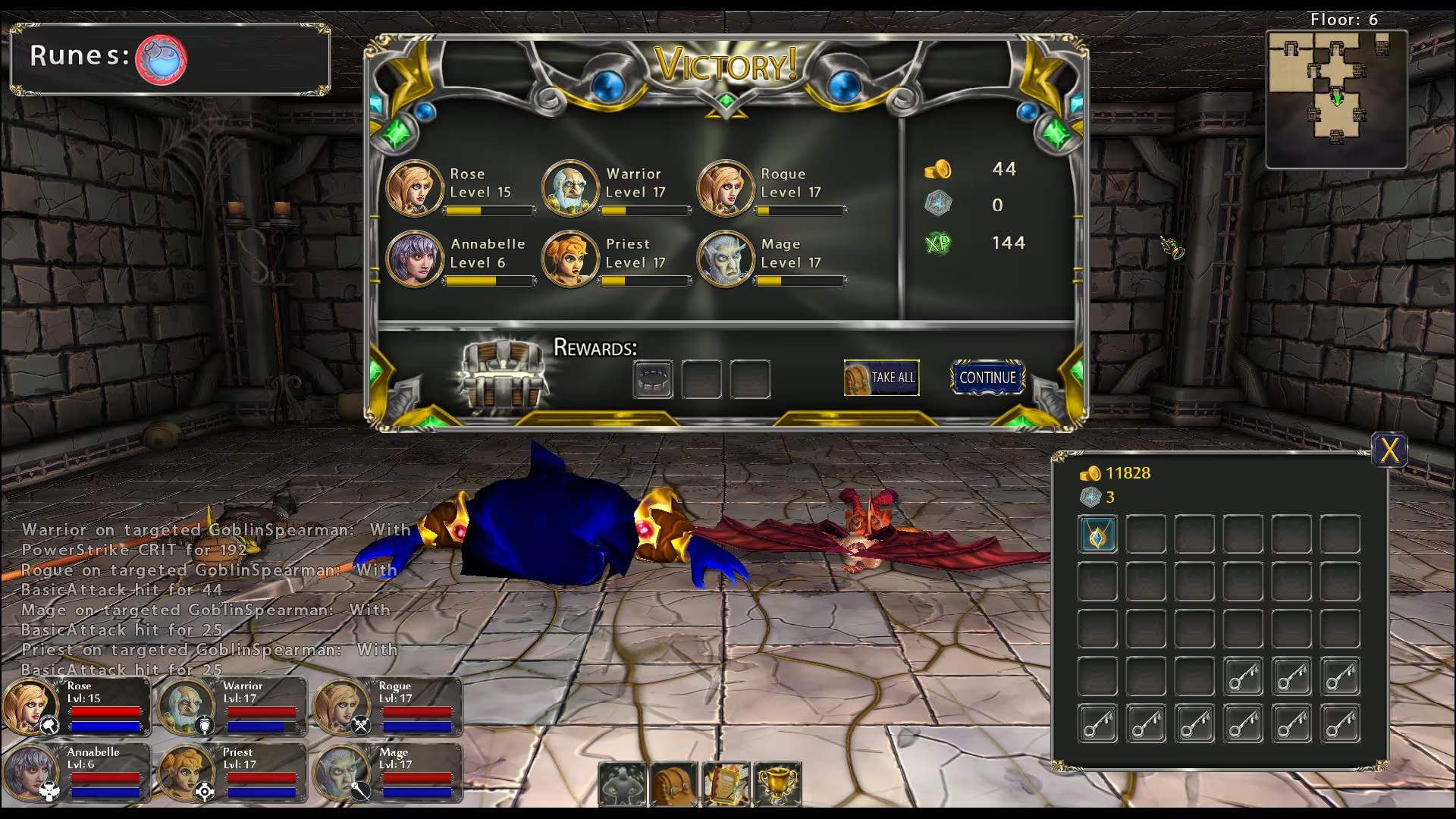
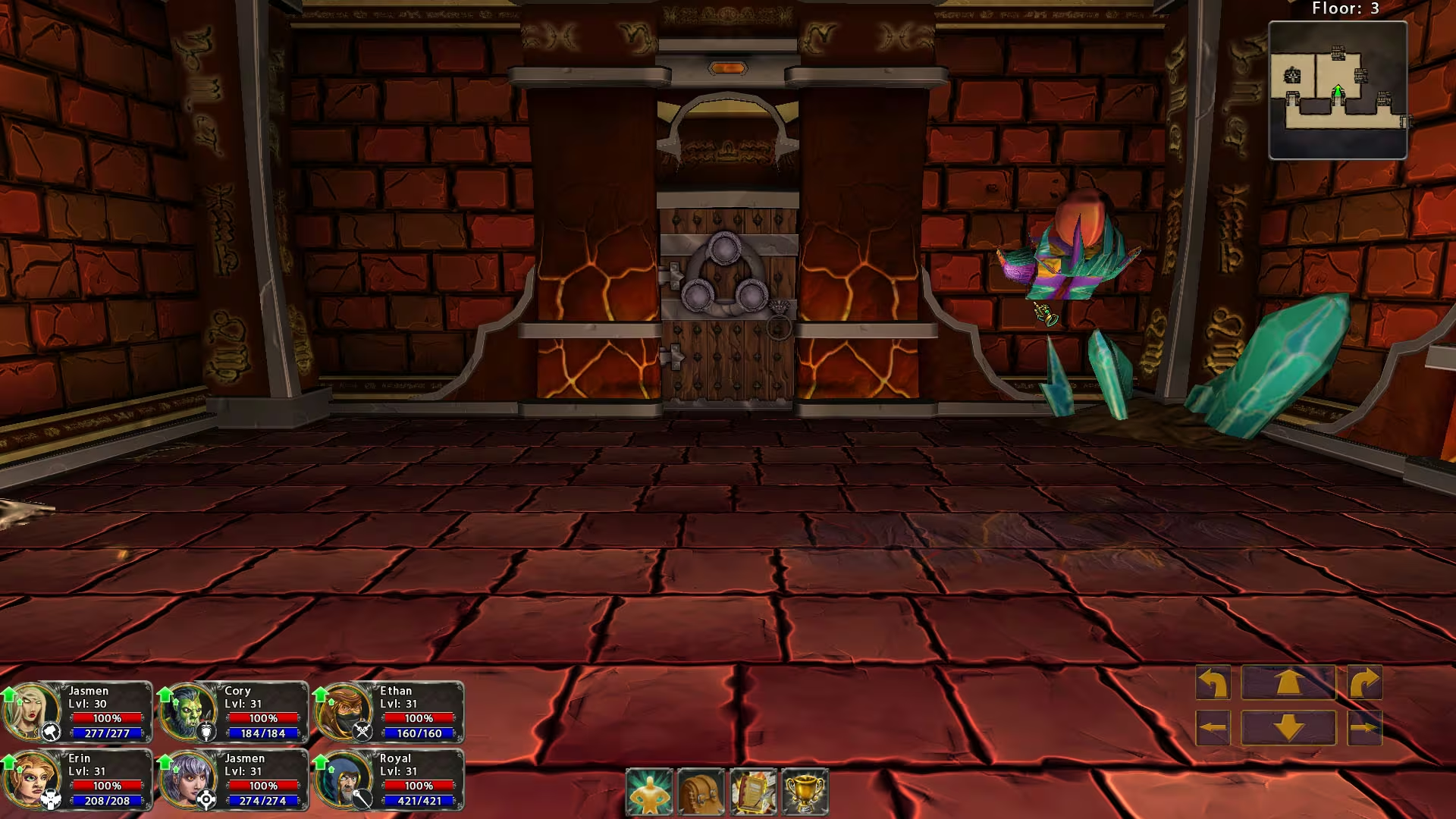
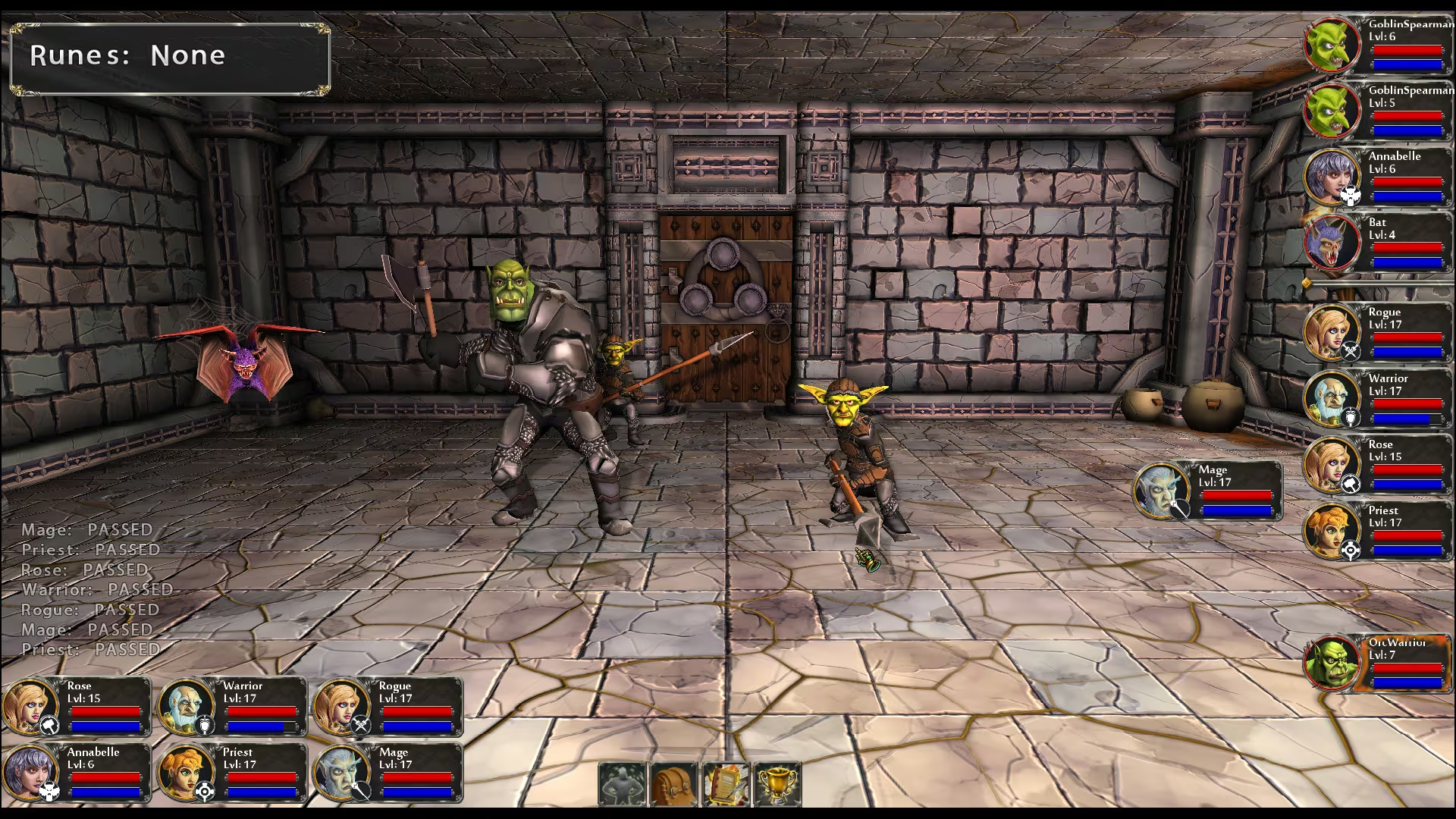
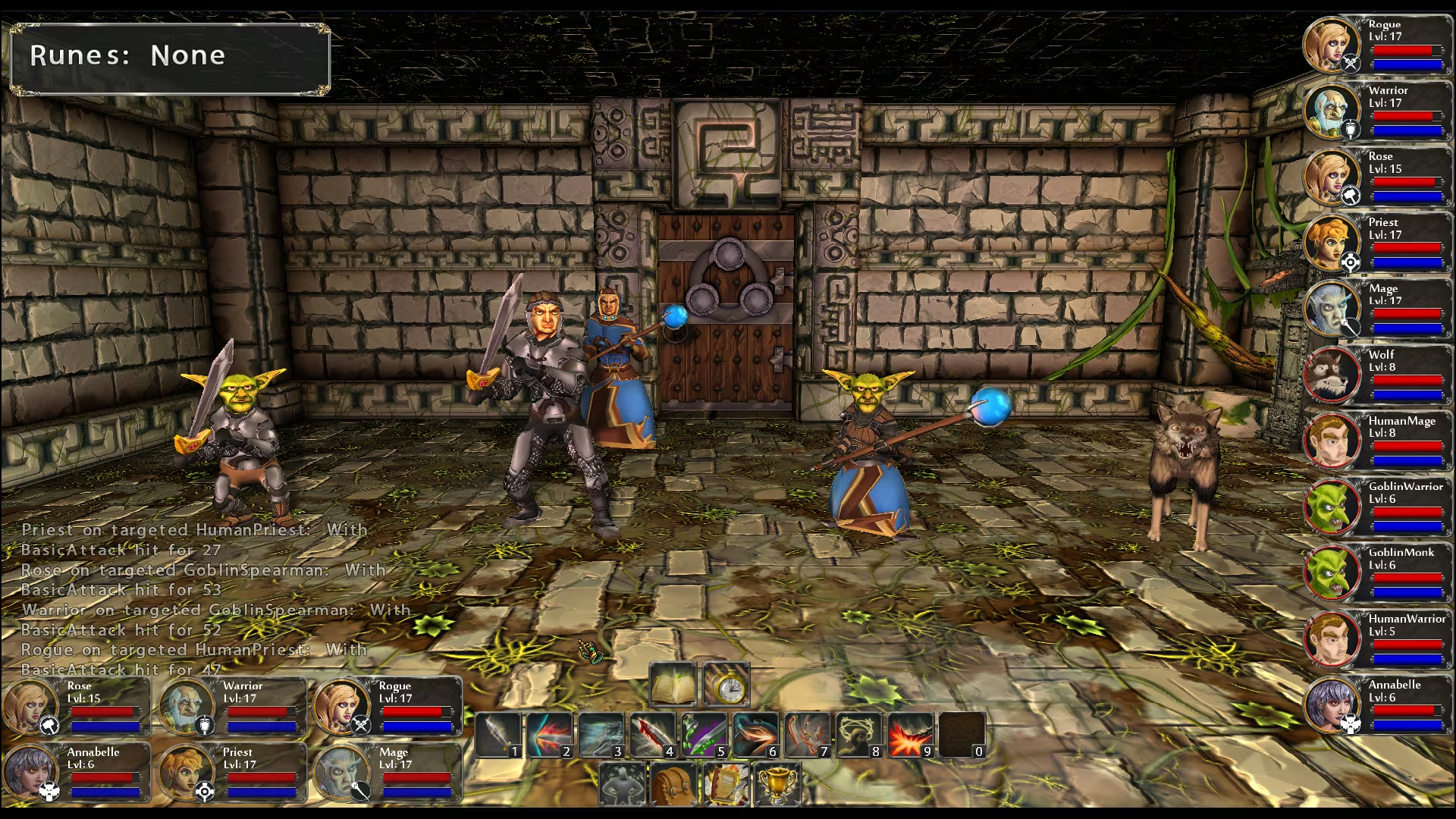
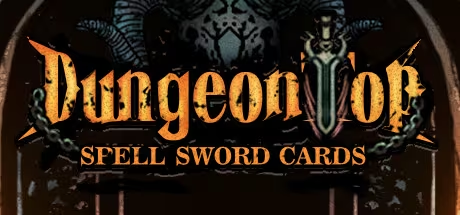
Zavix Tower is an old-school, party-based, first-person CRPG with rogue-like elements, an upgrade-able and persistent town, and turn-based combat.

Global score

73/100

Genres

Adventure, Casual, Indie, Role-playing (RPG), Strategy

Similar games

    Pros

    • Fun and addictive gameplay
    • Customizable party and character builds
    • Frequent developer updates and community engagement
    • Good value for price
    • Relaxing and suitable for short or long sessions

    Cons

    • Repetitive dungeon layouts and enemies
    • Minimal story and lore
    • Basic graphics and sound
    • Some ui and control clunkiness
    • Lack of multiplayer or social features

    Analysis

    A very typical example of its motivational profile. Motivations that often define this kind of title include Leadership, Survival, Violence, Strategy. Here, the score leans higher than usual among comparable games on Relaxation, Violence. It leans lower than usual among comparable games on Story.

    How to use the graph
    Similar games map

    Each dot is a game. They are arranged from the same motivation profile as in the “Motivations” section below. Closer dots usually mean more similar reasons to play (exploration, competition, relaxation, etc.)—not that one game is “better” than another.

    • Larger dot with a light outline: the game you are viewing.
    • Colour: groups of games with comparable motivation patterns (statistical clusters).
    • Hover a dot to see the game name; click to open its page.
    • Scroll or double-click the chart to zoom out and see more games.

    Why don’t the axes read like a score? This view uses t-SNE: it only keeps who is close to whom. The scales are not “good to bad” or hours played—they separate groups on the map. Read distance between dots, not the axis numbers.

    Motivations

    • Autonomy
      4

      "Players can customize characters, choose party composition, and decide when to progress or retreat, showing high control over actions."

    • Competence
      3

      "Combat requires strategic decisions, skill point allocation, and equipment management, providing a moderate challenge and feedback."

    • Competition
      -3

      "Focus is on personal progression and self-set goals; leaderboards exist but no strong emphasis on player-vs-player competition."

    • Continuation
      4

      "Many players report long playtimes and habitual return to the game, enjoying repeated dungeon runs and character growth."

    • Cooperation
      -4

      "Gameplay centers on managing a single player's party; no multiplayer or cooperative play mentioned."

    • Creativity
      3

      "Players customize characters' stats, skills, and party setups; some modding possible for portraits, but dungeon layout is procedural."

    • Domination
      -4

      "Interactions are with AI enemies; no evidence of player dominance over others or social power dynamics."

    • Escapism
      4

      "Players use the game as a relaxing distraction, often playing while listening to podcasts or music, escaping real life."

    • Expectation
      -4

      "Players engage voluntarily for fun and relaxation, with no reported obligation or external pressure to play."

    • Experimenting
      3

      "Players try different party compositions, strategies, and character builds to optimize performance."

    • Exploration
      2

      "Procedurally generated dungeons offer some novelty, but rooms and layouts are relatively uniform and repetitive."

    • Expression
      2

      "Some avatar customization possible via modding portraits; limited cosmetic options otherwise."

    • Fantasy
      4

      "Set in a fantasy world with demons, magic, and classic RPG classes, providing an imaginative fictional experience."

    • Fellowship
      -4

      "Game is single player with minimal social interaction; community exists but gameplay is individual."

    • Growth
      4

      "Strong emphasis on character leveling, skill trees, and equipment upgrades for personal development."

    • Health
      -4

      "Sedentary gameplay typical of dungeon crawlers; no physical activity or health-related features."

    • Idle
      -3

      "Requires player attention during combat and management; not designed for passive or background play."

    • Intimacy
      -5

      "No evidence of close social relationships or emotional sharing; interactions are limited to gameplay mechanics."

    • Leadership
      3

      "Players lead and manage a party of up to six characters, making strategic decisions and directing actions."

    • Progression
      5

      "Core gameplay revolves around leveling up, acquiring better gear, and unlocking new classes and skills."

    • Relaxation
      3

      "Many players find the game relaxing and enjoyable, suitable for casual play sessions."

    • Sensation
      1

      "Graphics and sounds are simple and functional; some players find music repetitive but overall sensory input is moderate."

    • Status
      -3

      "Limited social recognition; achievements and progress are mostly personal and not widely visible."

    • Story
      -2

      "Minimal story presented mostly through lore books; gameplay focuses on combat and dungeon crawling."

    • Strategy
      4

      "Combat and party management require tactical thinking, skill allocation, and planning."

    • Thrill
      2

      "Some tension in boss fights and risk of losing gear, but overall gameplay is steady and predictable."

    • Value
      4

      "Players report good value for time and money, with frequent updates and no pay-to-win mechanics."

    • Violence
      4

      "Combat involves fighting and defeating monsters with weapons and magic; violence is central to gameplay."

    • Survival
      3

      "Players must manage resources and avoid death to progress; losing gear on death adds stakes."

    Last update: 29/04/2026