Metaphor: ReFantazio Thumbnail

Metaphor: ReFantazio similar games & best alternatives

Metaphor: ReFantazio

PC (Microsoft Windows), Xbox Series X|S, PlayStation 4, PlayStation 5 • 2024

Related articles

Quick resume

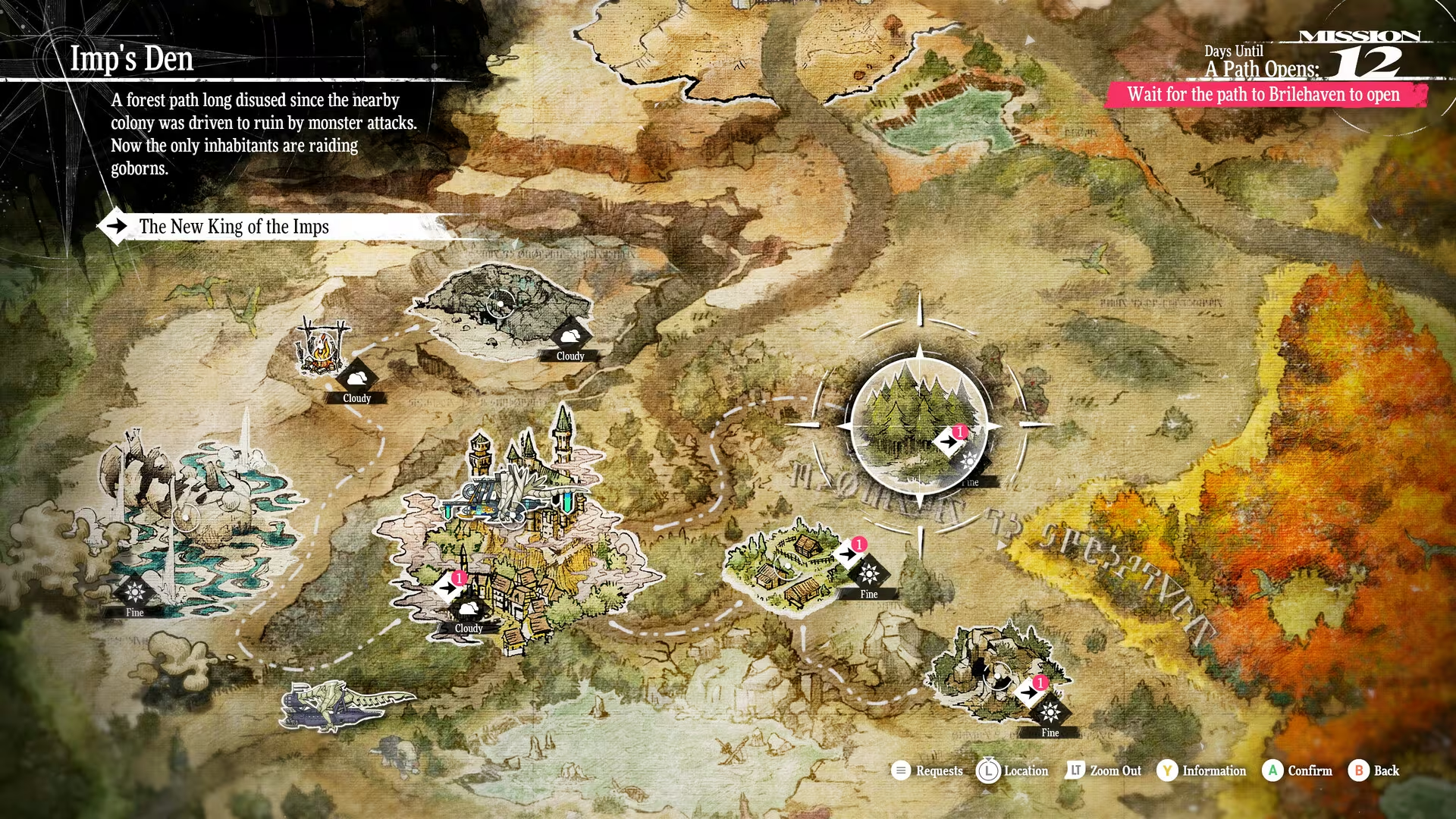
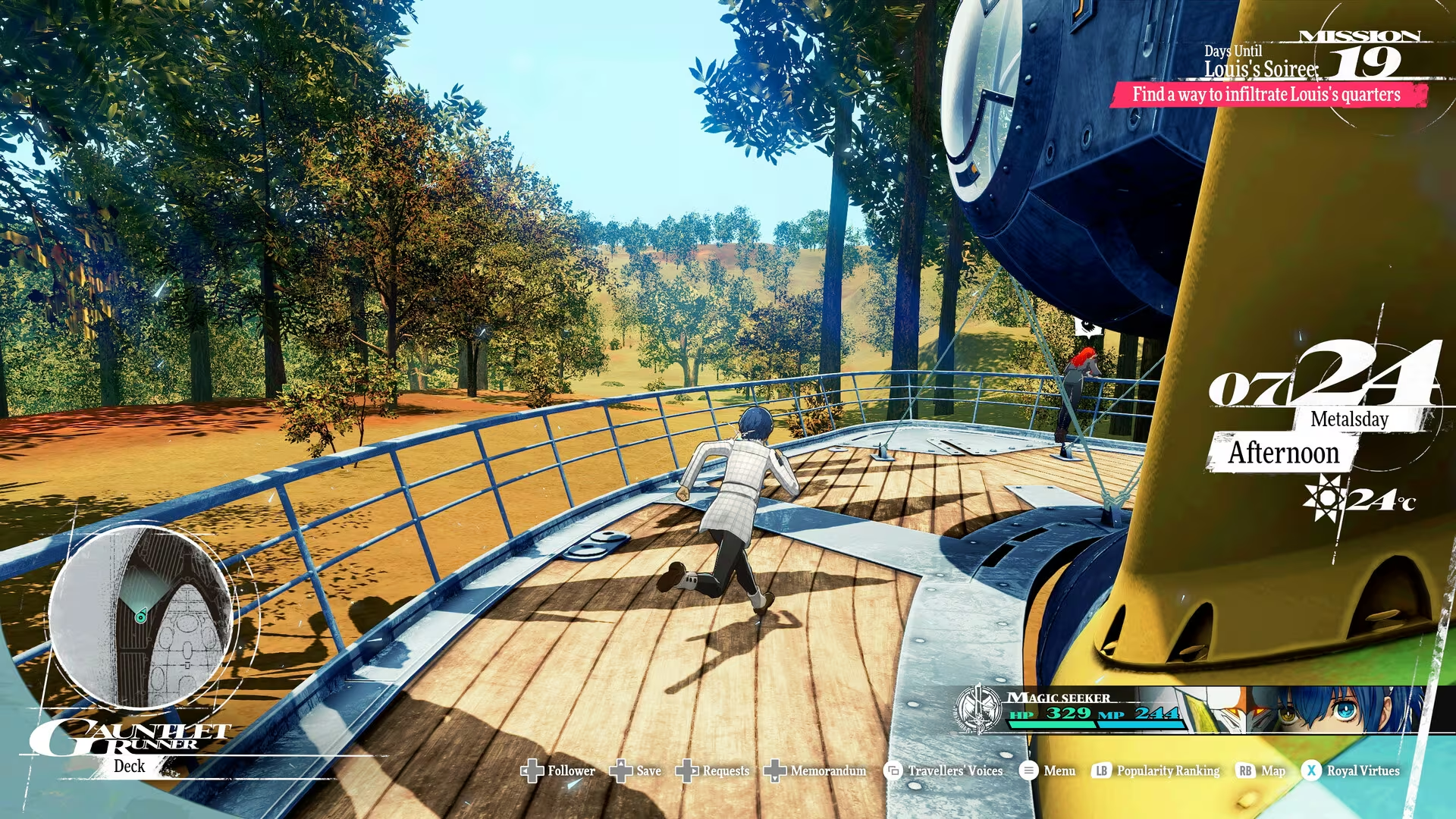
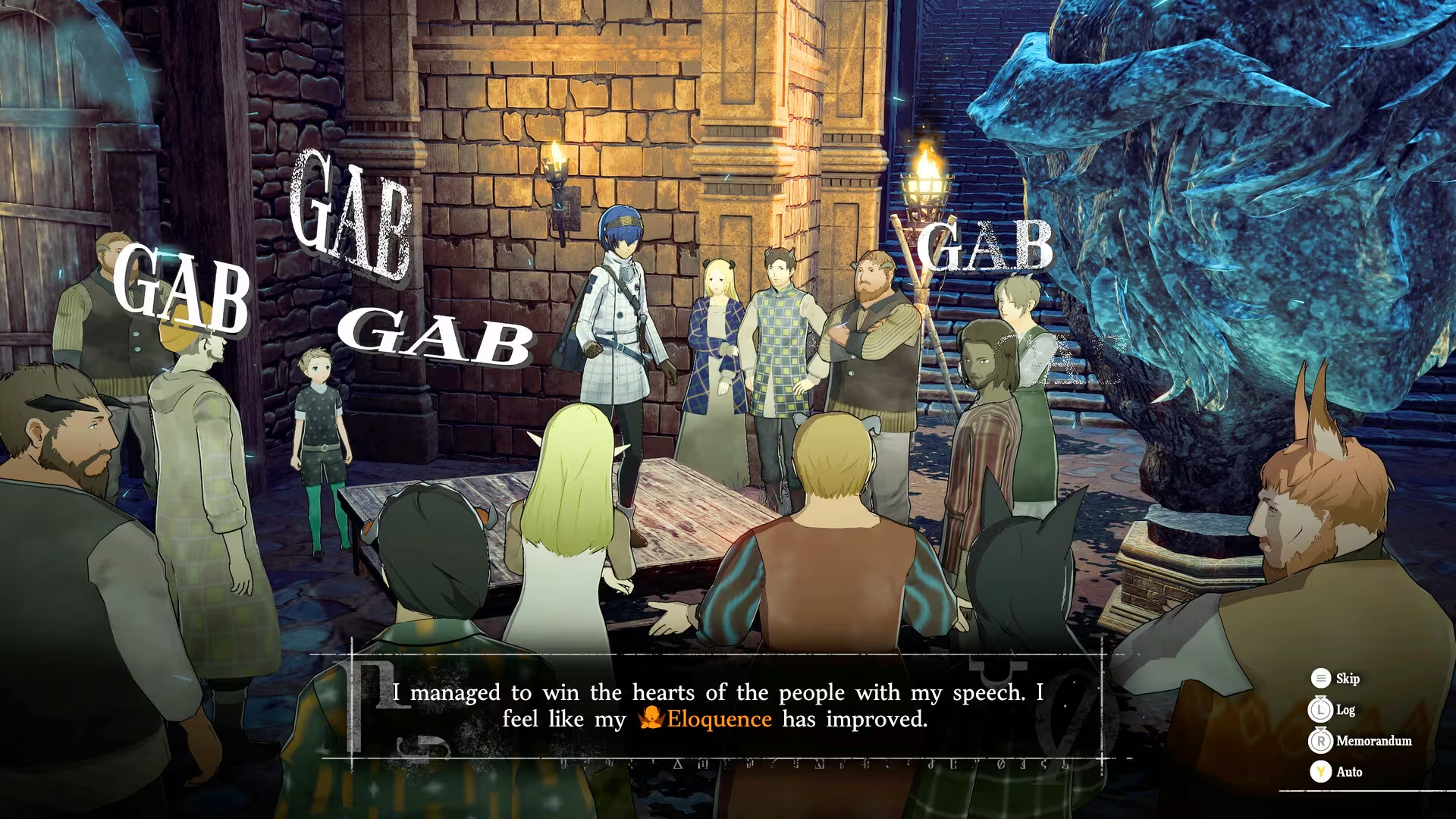
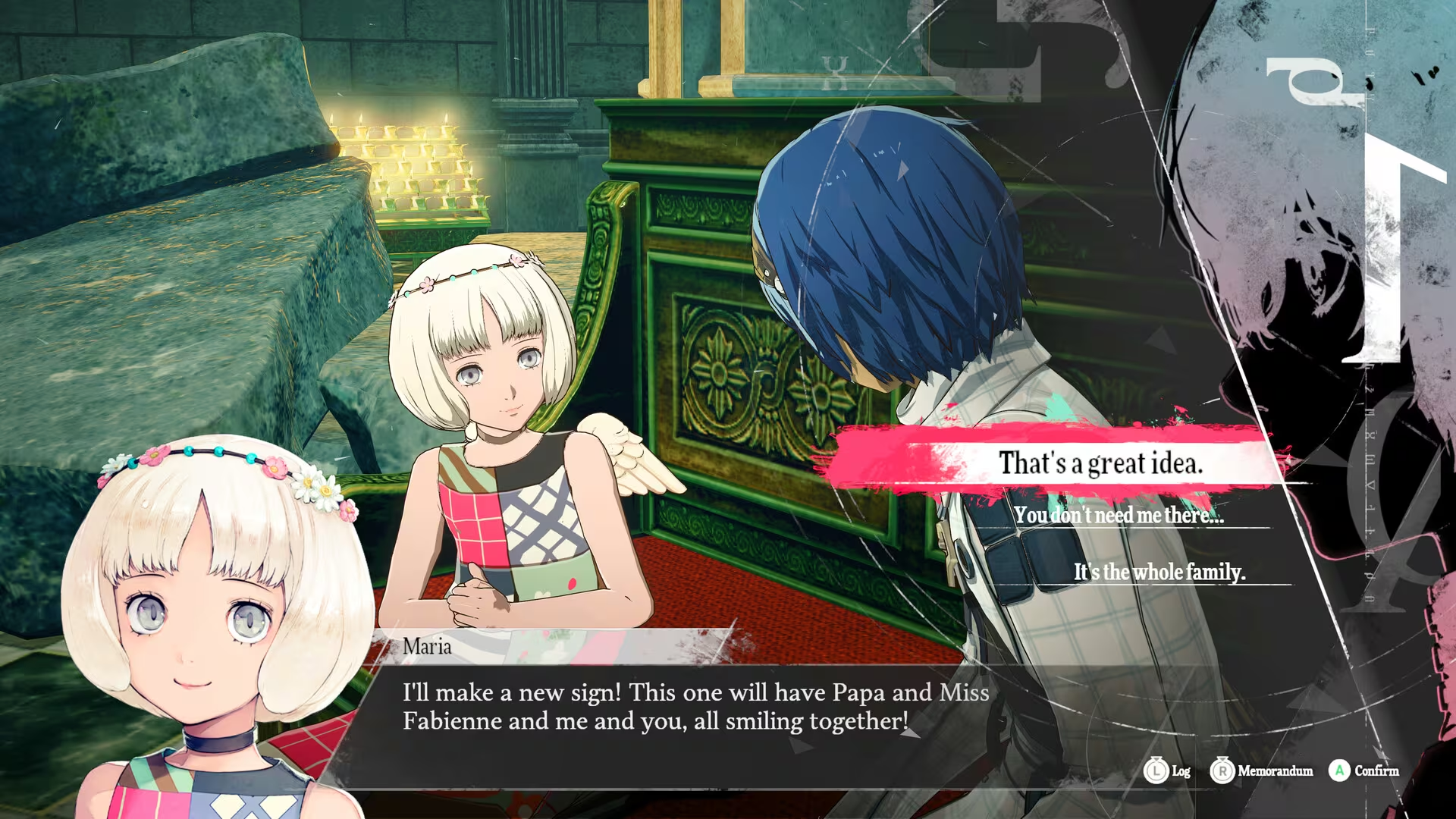
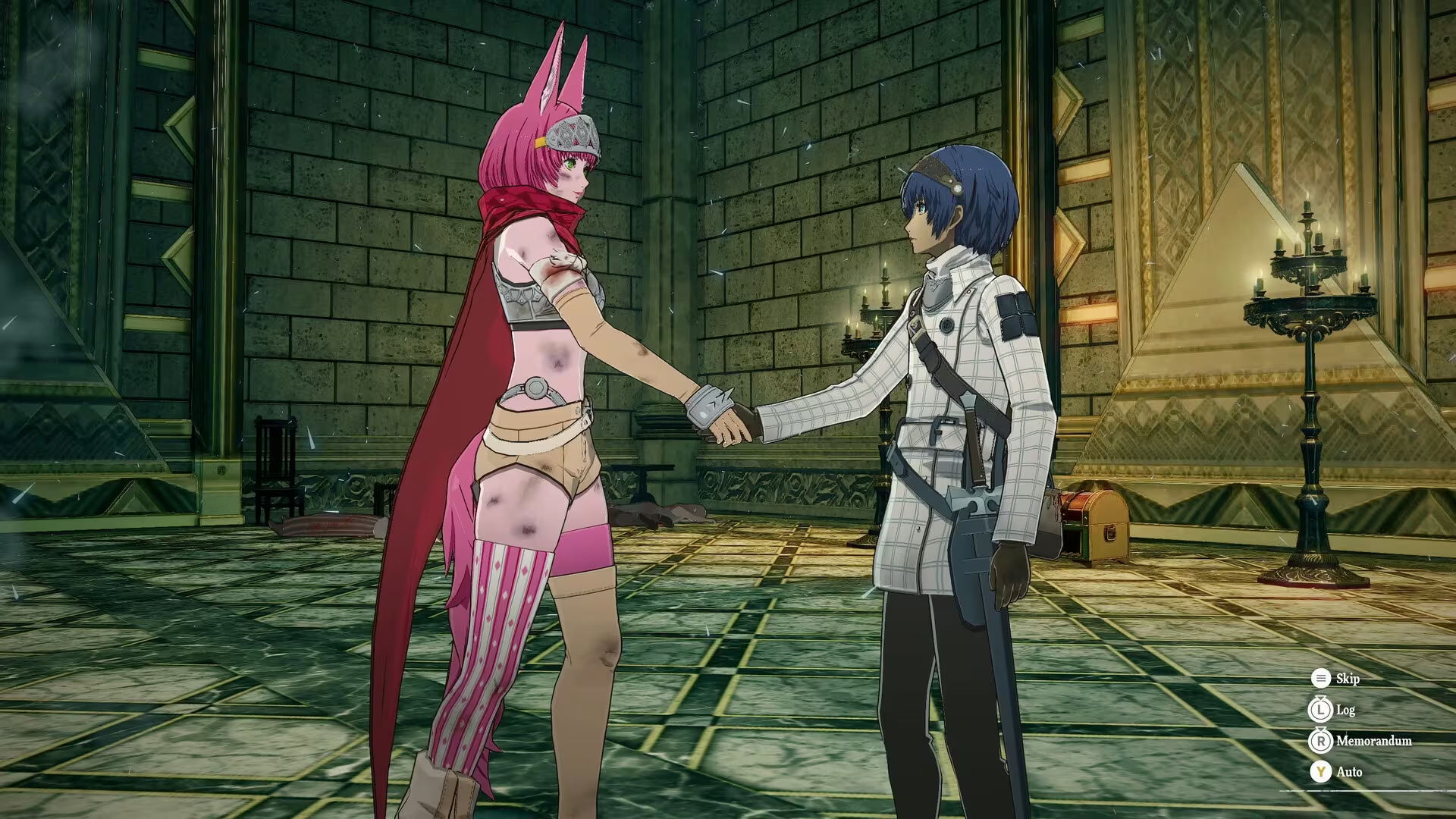
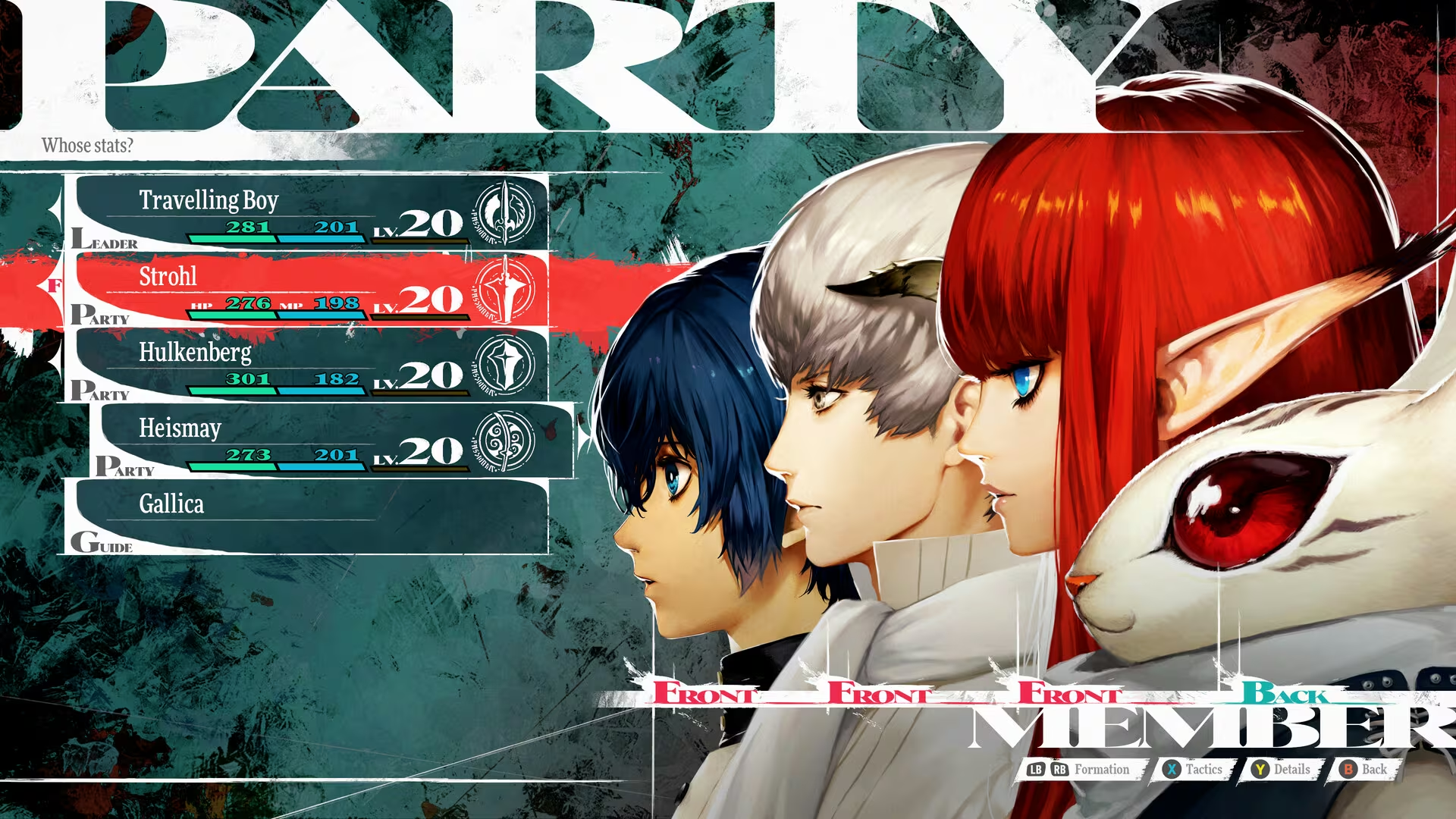
After his assassination, the will of the late king decrees the next monarch to be elected by the people. Forge bonds and win over a kingdom divided in this award-winning fantasy RPG with turn-based and action combat, party customization with powerful Archetypes, and hours of exploration.

Global score

90/100

Genres

Action, Adventure, Role-playing (RPG), Turn-based strategy (TBS)

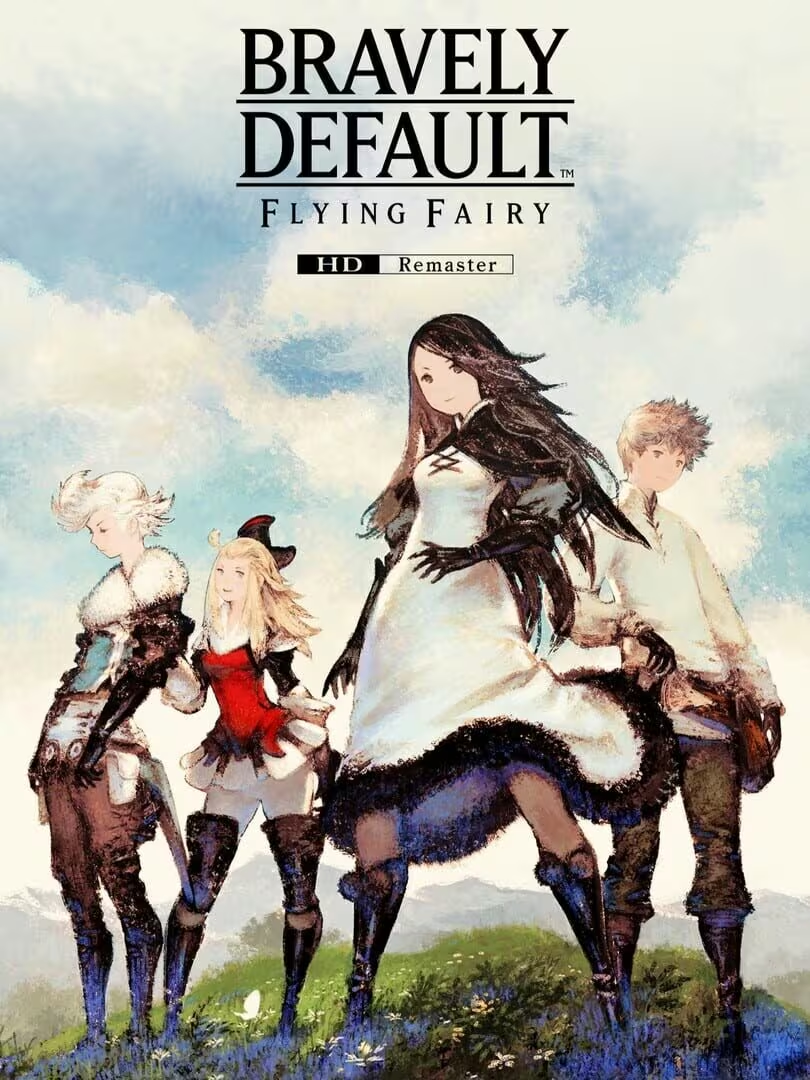
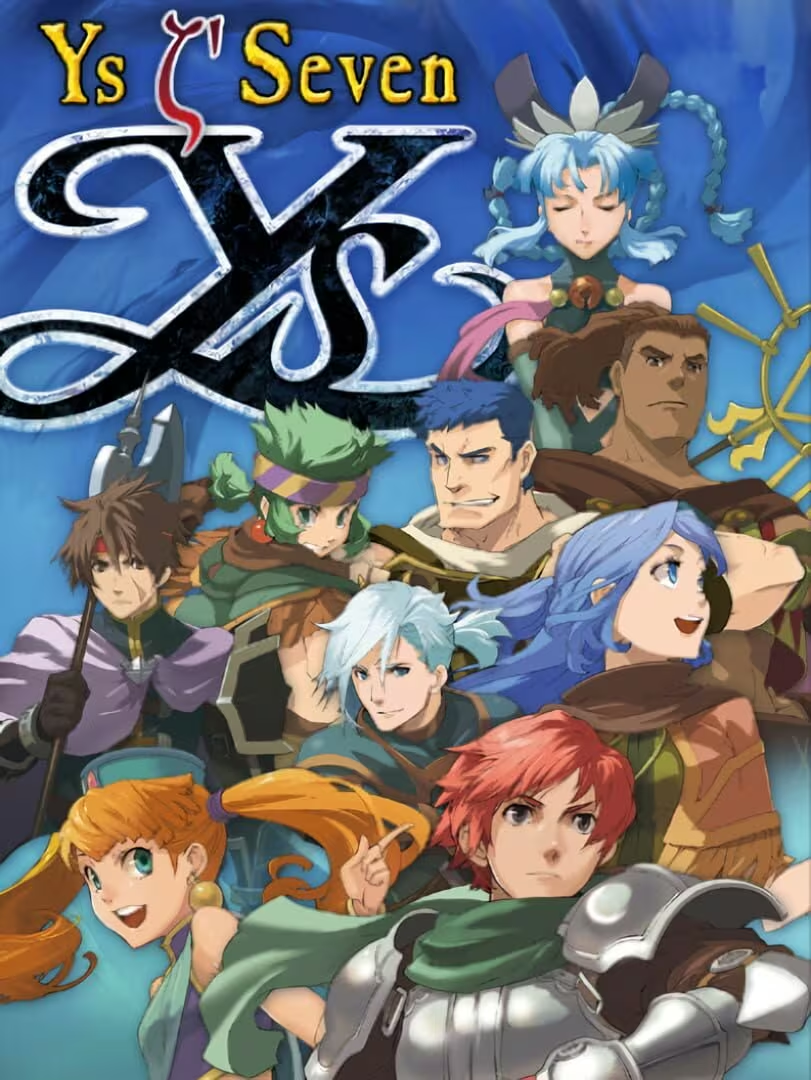
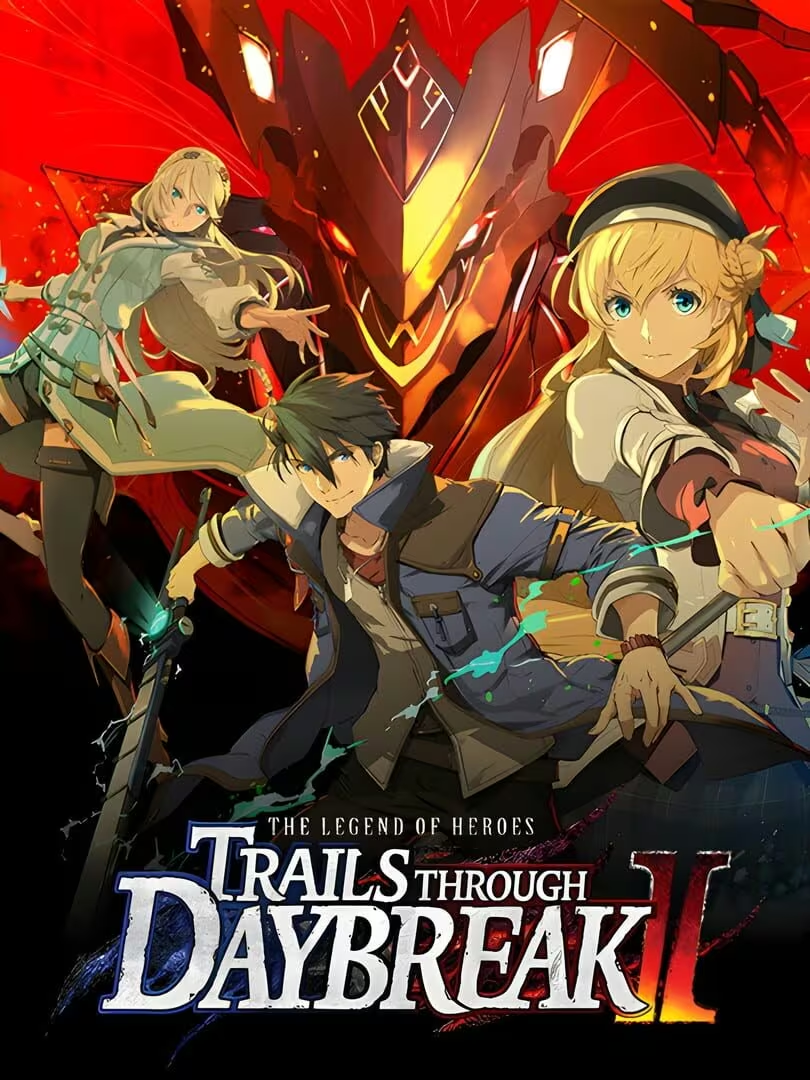
Similar games

    Pros

    • Engaging and strategic combat system
    • Rich fantasy world and story
    • Deep character customization with archetypes
    • Strong audiovisual presentation
    • Meaningful social links and character development

    Cons

    • Repetitive dungeon design and enemy variety
    • Performance issues on some hardware
    • Some pacing and difficulty spikes late game
    • No romance options
    • Occasional ui and localization quirks

    Analysis

    Broadly representative of its motivational profile, with a few distinct shifts. Motivations that often define this kind of title include Cooperation, Fellowship, Intimacy, Leadership. Here, the score leans higher than usual among comparable games on Story, Leadership. It leans lower than usual among comparable games on Cooperation.

    How to use the graph
    Similar games map

    Each dot is a game. They are arranged from the same motivation profile as in the “Motivations” section below. Closer dots usually mean more similar reasons to play (exploration, competition, relaxation, etc.)—not that one game is “better” than another.

    • Larger dot with a light outline: the game you are viewing.
    • Colour: groups of games with comparable motivation patterns (statistical clusters).
    • Hover a dot to see the game name; click to open its page.
    • Scroll or double-click the chart to zoom out and see more games.

    Why don’t the axes read like a score? This view uses t-SNE: it only keeps who is close to whom. The scales are not “good to bad” or hours played—they separate groups on the map. Read distance between dots, not the axis numbers.

    Motivations

    • Autonomy
      4

      "Players have freedom to choose archetypes, customize party builds, and make meaningful story decisions."

    • Competence
      4

      "Combat is strategic and challenging with a press-turn-like system and requires skillful planning."

    • Competition
      -3

      "Focus is on personal progression and story; no evidence of competitive multiplayer or leaderboards."

    • Continuation
      4

      "Players report long playtimes, habitual engagement, and deep investment in story and characters."

    • Cooperation
      -2

      "Gameplay centers on individual party management rather than multiplayer cooperation."

    • Creativity
      4

      "Archetype system allows extensive customization and experimentation with character builds."

    • Domination
      -4

      "Interactions emphasize equality and shared narrative rather than exerting control over others."

    • Escapism
      5

      "Strong fantasy setting and immersive story provide escape from real life."

    • Expectation
      -4

      "Players engage out of intrinsic interest and enjoyment rather than obligation."

    • Experimenting
      4

      "Encouraged to try different archetypes and strategies, with flexible party composition."

    • Exploration
      3

      "World exploration with secrets, side quests, and travel between regions is a core feature."

    • Expression
      3

      "Customization of characters via archetypes and equipment supports player expression."

    • Fantasy
      5

      "Set in a rich fantasy world with mythical themes and imaginative fiction."

    • Fellowship
      2

      "Strong social links and party relationships foster a sense of community within the game."

    • Growth
      4

      "Players develop skills, unlock archetypes, and improve characters over long play sessions."

    • Health
      -4

      "Typical sedentary gameplay with no physical activity elements."

    • Idle
      -3

      "Requires focused attention and engagement; not designed for background or idle play."

    • Intimacy
      2

      "Emotional connections with characters through social links and story moments."

    • Leadership
      3

      "Players lead and manage party members and make strategic decisions."

    • Progression
      5

      "Strong emphasis on leveling up, unlocking archetypes, and acquiring items."

    • Relaxation
      3

      "Balanced challenge with moments of flow and tension release."

    • Sensation
      4

      "Rich audiovisual presentation with striking art and memorable music."

    • Status
      -3

      "Focus is on personal story and progression rather than social recognition."

    • Story
      5

      "Narrative immersion is a major focus with deep story, character development, and themes."

    • Strategy
      5

      "Combat and party management require planning, tactical thinking, and problem solving."

    • Thrill
      3

      "Combat includes suspenseful moments and risk-reward mechanics."

    • Value
      4

      "Players feel the game offers strong return on time invested with extensive content."

    • Violence
      3

      "Combat involves defeating enemies and bosses, with some violent fantasy elements."

    • Survival
      3

      "Combat requires managing threats and resources to avoid failure."

    Last update: 29/04/2026