Wizardry: Proving Grounds of the Mad Overlord Thumbnail

Wizardry: Proving Grounds of the Mad Overlord similar games & best alternatives

Wizardry: Proving Grounds of the Mad Overlord

PC (Microsoft Windows), DOS, Apple II • 2024

Related articles

Quick resume

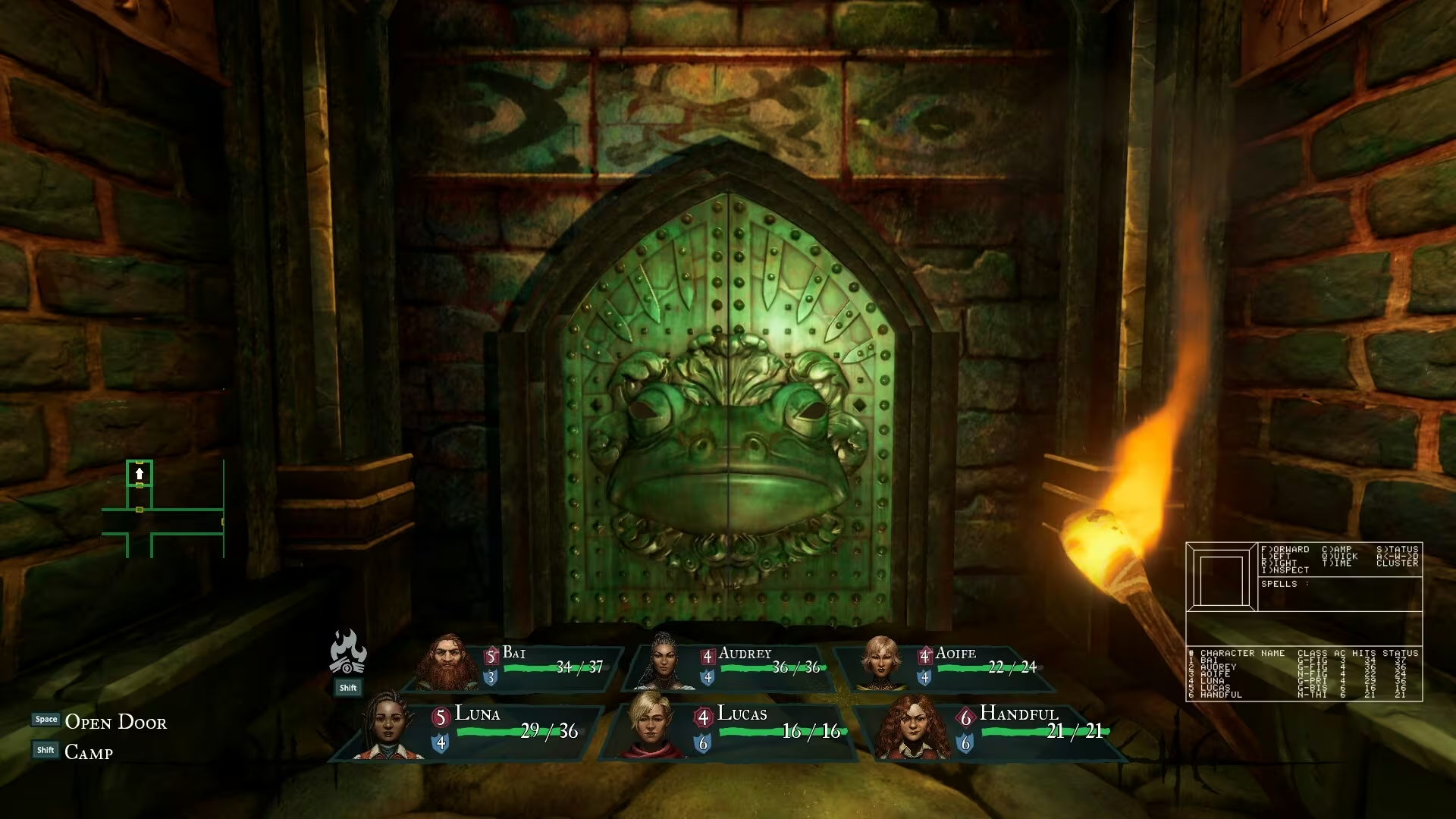
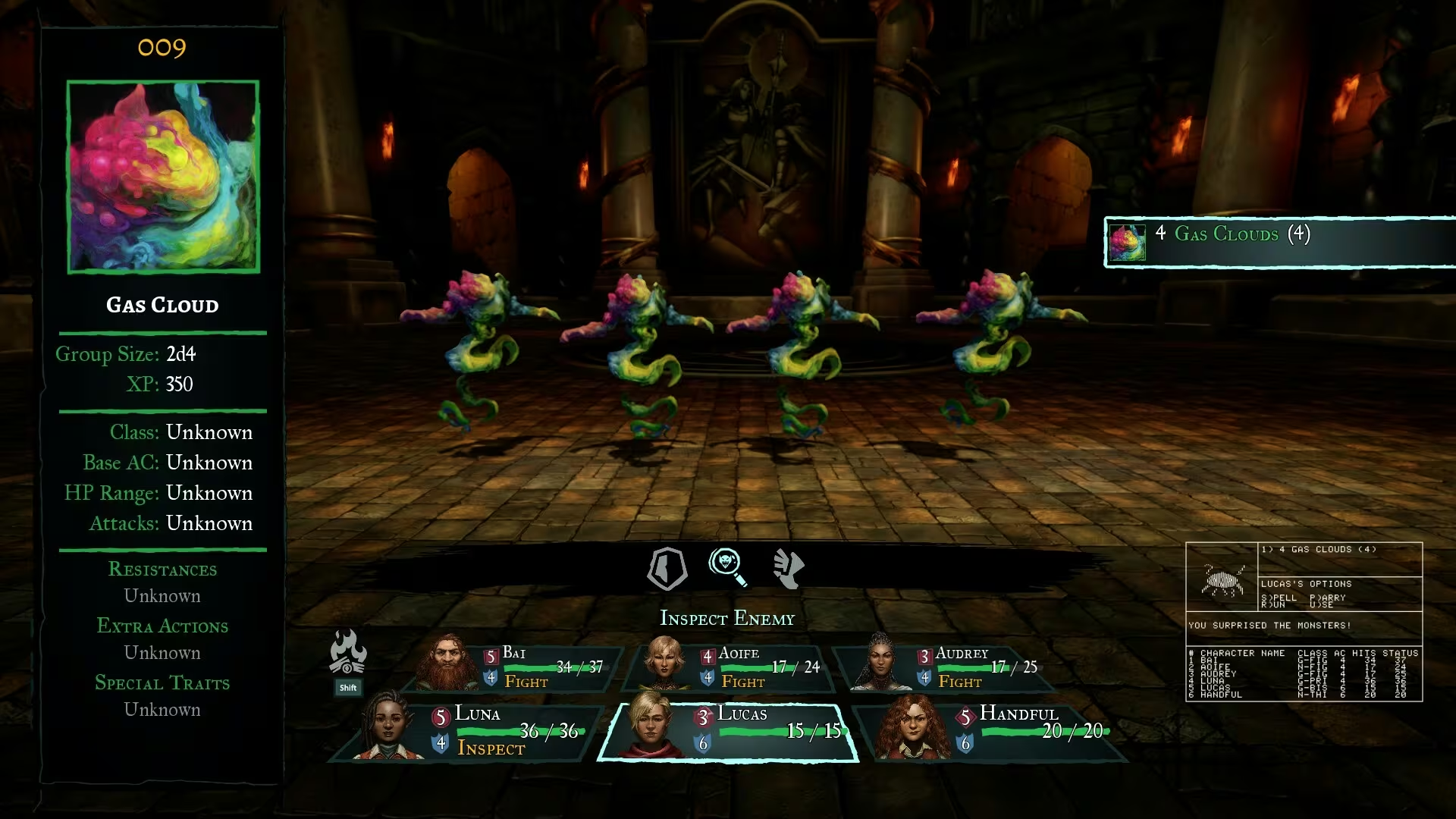
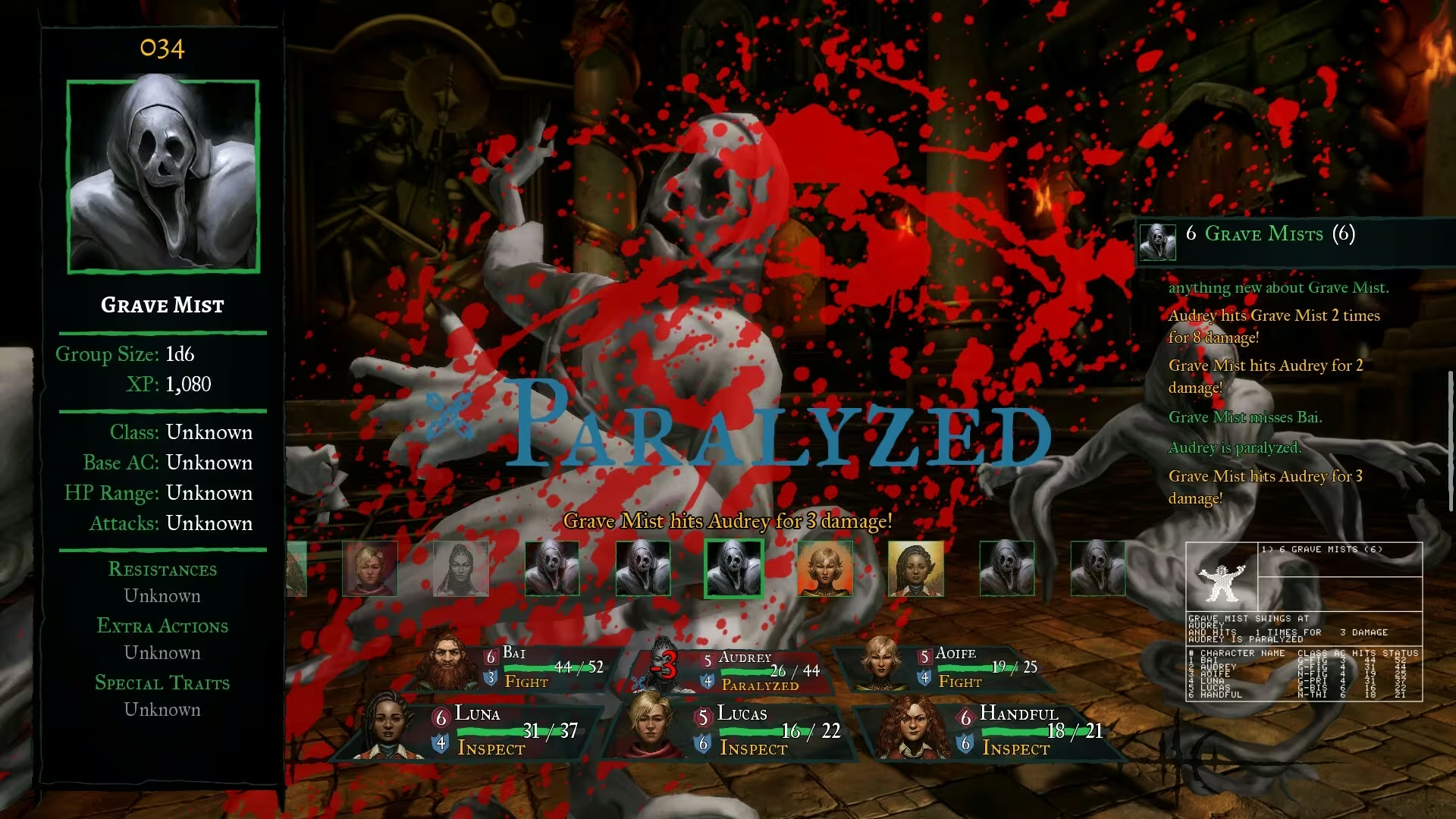
Wizardry: Proving Grounds of the Mad Overlord is a full 3D remake of the first game in the legendary Wizardry series of RPGs.

Global score

78/100

Genres

Action, Role-playing (RPG)

Similar games

    Pros

    • Faithful remake with modern graphics
    • Challenging and rewarding gameplay
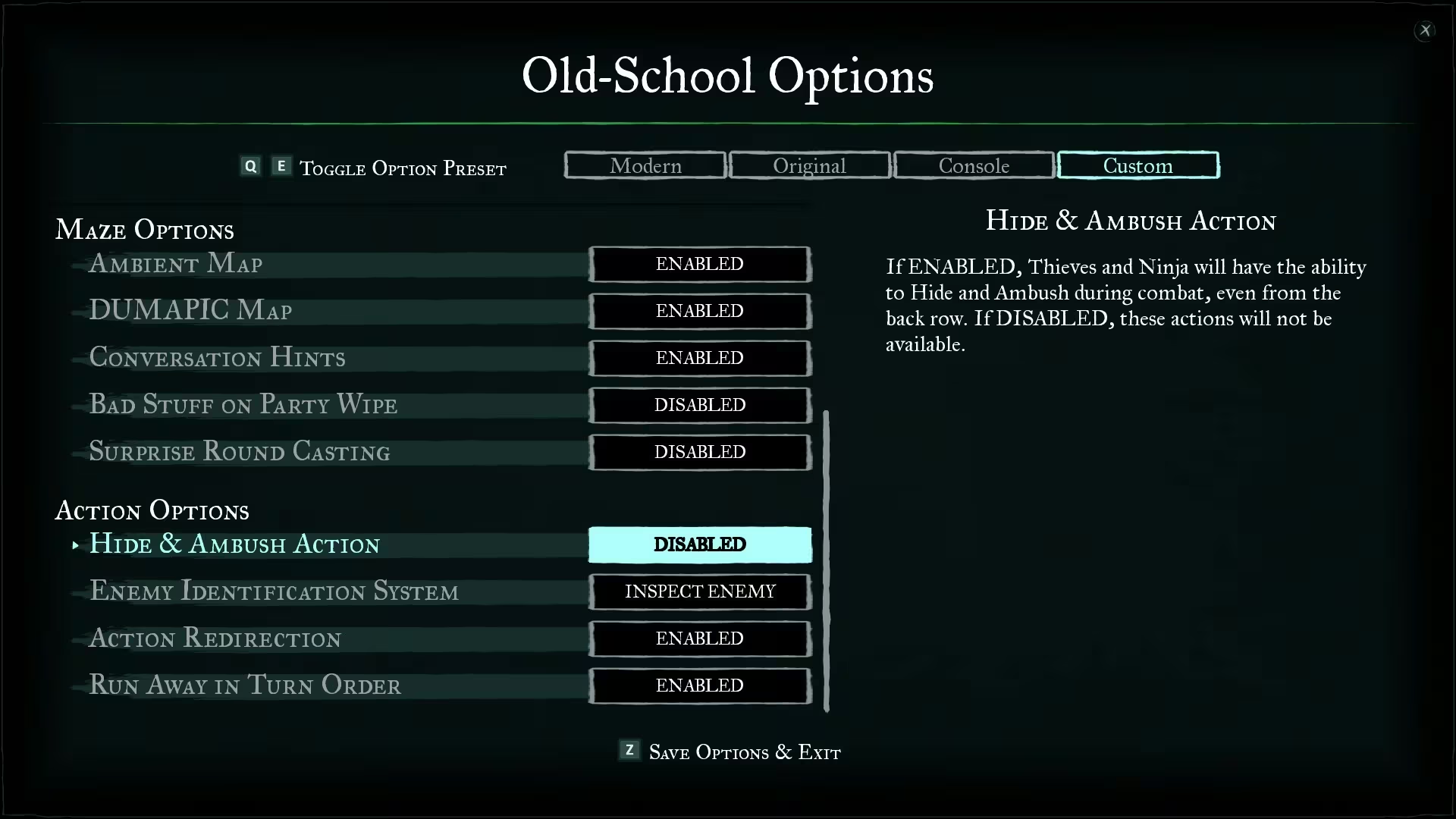
    • Quality of life options to customize experience
    • Immersive dungeon exploration
    • Strong nostalgia factor

    Cons

    • Steep learning curve and difficulty
    • Some ui and control quirks
    • Auto-save limits save scumming
    • Price considered high by some
    • Limited narrative and social features

    Analysis

    Broadly representative of its motivational profile, with a few distinct shifts. Motivations that often define this kind of title include Leadership, Survival, Violence, Strategy. Here, the score leans higher than usual among comparable games on Exploration, Fantasy. It leans lower than usual among comparable games on Relaxation.

    How to use the graph
    Similar games map

    Each dot is a game. They are arranged from the same motivation profile as in the “Motivations” section below. Closer dots usually mean more similar reasons to play (exploration, competition, relaxation, etc.)—not that one game is “better” than another.

    • Larger dot with a light outline: the game you are viewing.
    • Colour: groups of games with comparable motivation patterns (statistical clusters).
    • Hover a dot to see the game name; click to open its page.
    • Scroll or double-click the chart to zoom out and see more games.

    Why don’t the axes read like a score? This view uses t-SNE: it only keeps who is close to whom. The scales are not “good to bad” or hours played—they separate groups on the map. Read distance between dots, not the axis numbers.

    Motivations

    • Autonomy
      4

      "Players have freedom to create and customize characters, choose quality of life options, and decide how to approach the dungeon crawl."

    • Competence
      5

      "The game is challenging, requiring skillful party management, strategic planning, and overcoming difficult encounters."

    • Competition
      -4

      "Focus is on personal progress and survival rather than competing against others; no mention of PvP or leaderboards."

    • Continuation
      4

      "Players invest many hours, often returning repeatedly to grind, level up, and rescue party members, showing strong attachment."

    • Cooperation
      -3

      "Gameplay centers on managing own party; no multiplayer or cooperative play mentioned."

    • Creativity
      3

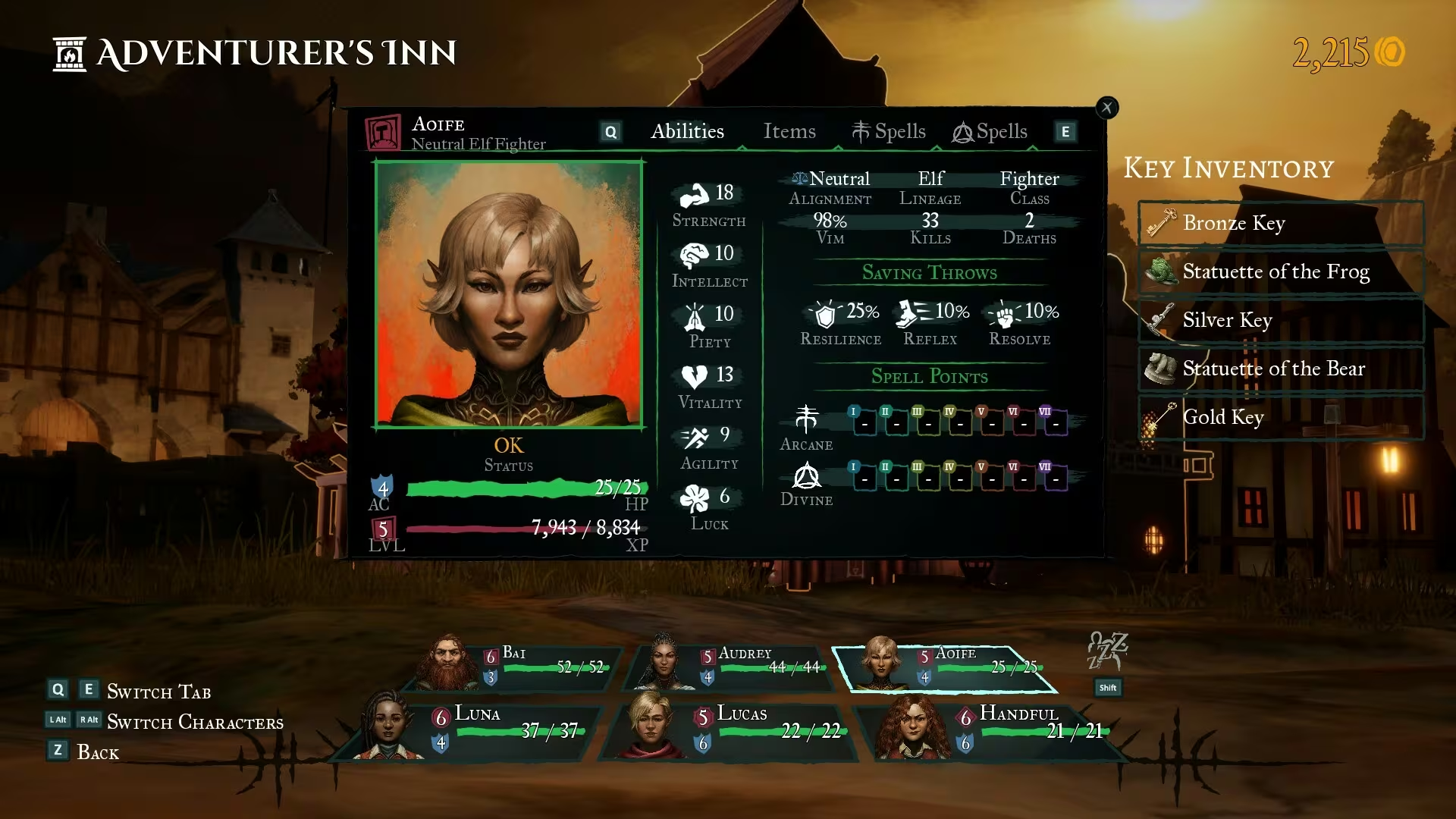
      "Character creation and party composition involve creative choices; some customization of gameplay experience via toggles."

    • Domination
      -4

      "Interactions are balanced and focused on survival rather than exerting power or superiority over others."

    • Escapism
      4

      "Players use the game as a nostalgic escape and immersive experience into a challenging fantasy dungeon."

    • Expectation
      -4

      "Players engage voluntarily out of personal interest and nostalgia, not due to obligation or pressure."

    • Experimenting
      4

      "Players experiment with character builds, strategies, and toggling various quality of life features."

    • Exploration
      5

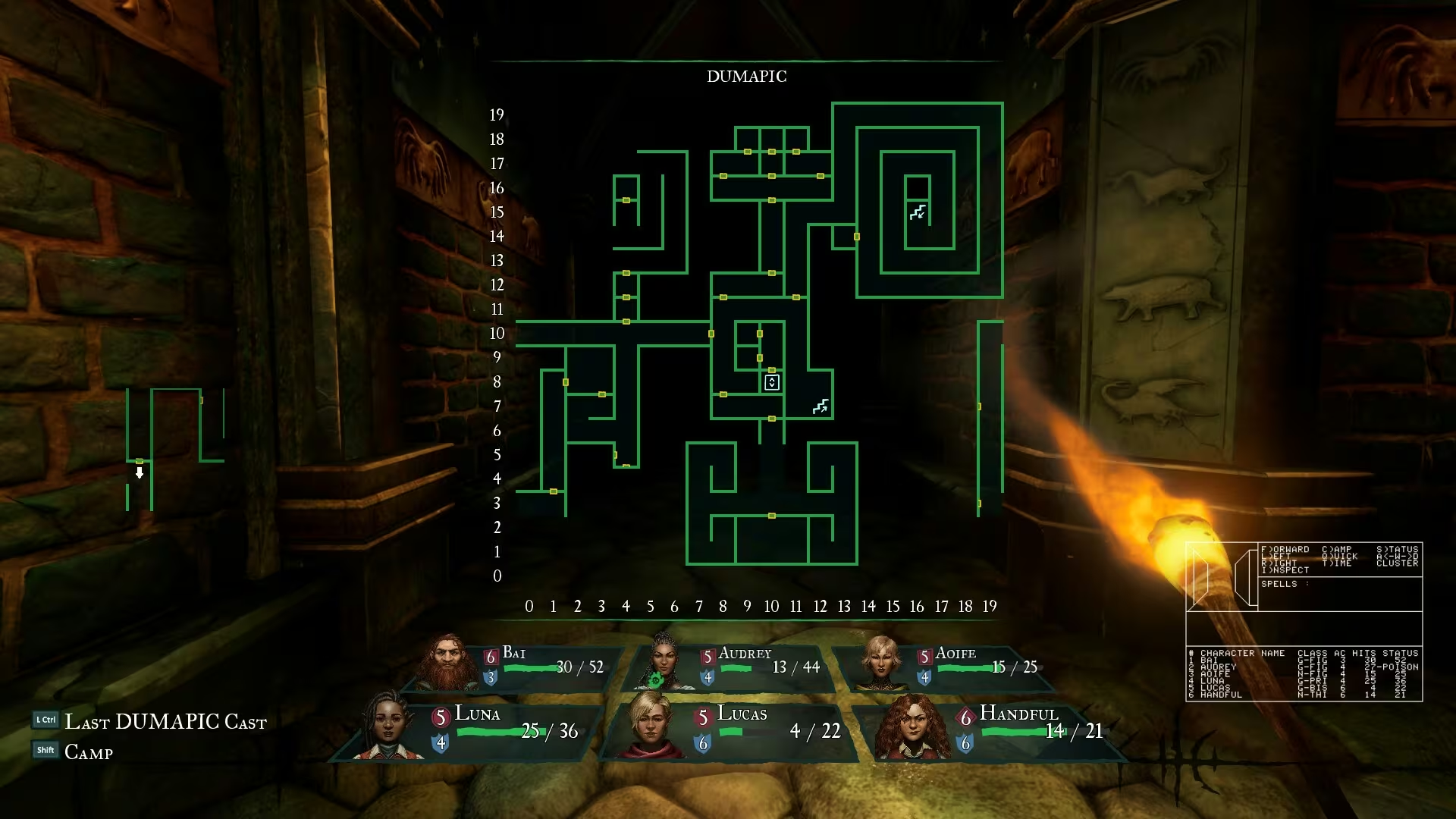
      "Core gameplay involves exploring complex dungeon levels, mapping, and discovering secrets."

    • Expression
      3

      "Players customize characters and party composition; some cosmetic options and portraits available."

    • Fantasy
      5

      "Strong fantasy setting with magic, monsters, and dungeon crawling rooted in classic RPG lore."

    • Fellowship
      -4

      "Gameplay is primarily solo or single-party focused with minimal social interaction."

    • Growth
      5

      "Players develop characters through leveling, skill acquisition, and learning game mechanics."

    • Health
      -5

      "Sedentary gameplay with no physical activity or health-related features."

    • Idle
      -4

      "Requires sustained attention and focus; players engage deeply with game mechanics and strategy."

    • Intimacy
      -5

      "No evidence of forming close relationships or emotional sharing; focus is on gameplay."

    • Leadership
      3

      "Players lead and manage their own party, making strategic decisions and guiding progression."

    • Progression
      5

      "Strong emphasis on leveling up characters, acquiring items, and advancing through dungeon floors."

    • Relaxation
      -3

      "Game is tense and challenging, with frequent party wipes and high stakes, not primarily relaxing."

    • Sensation
      3

      "Enjoyable updated graphics, animations, and music provide sensory stimulation and immersion."

    • Status
      -4

      "No social recognition or leaderboards; focus is on individual achievement and survival."

    • Story
      2

      "Minimal narrative focus; gameplay centers on dungeon exploration and combat rather than story."

    • Strategy
      5

      "Requires careful planning, resource management, and tactical combat decisions."

    • Thrill
      4

      "High tension and suspense from difficult encounters, permanent death, and risk of losing progress."

    • Value
      3

      "Players perceive good value in nostalgia, challenge, and depth despite some complaints about price."

    • Violence
      4

      "Combat and defeating monsters are core gameplay elements involving destruction and violence."

    • Survival
      5

      "Strong survival theme with resource management, avoiding death, and retrieving fallen party members."

    Last update: 29/04/2026