Utawarerumono: Mask of Deception Thumbnail

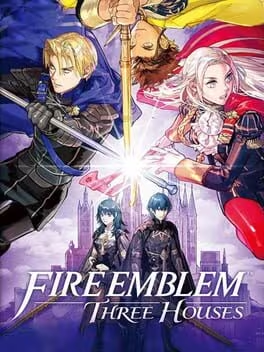
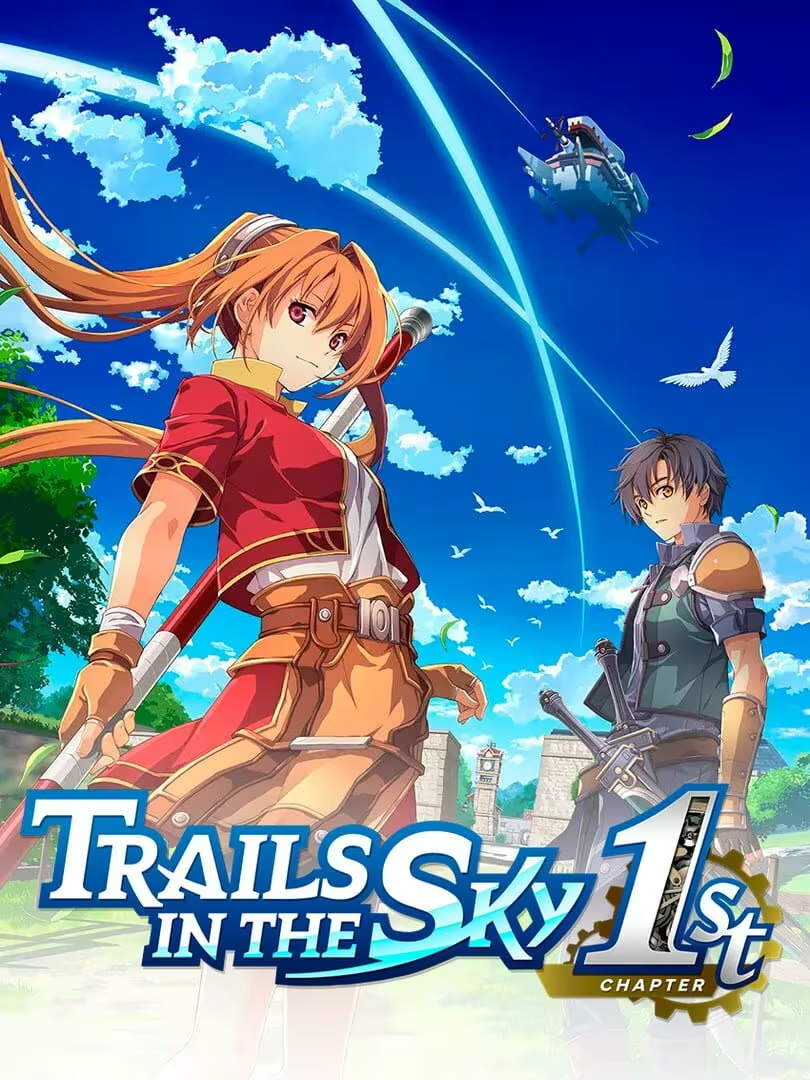
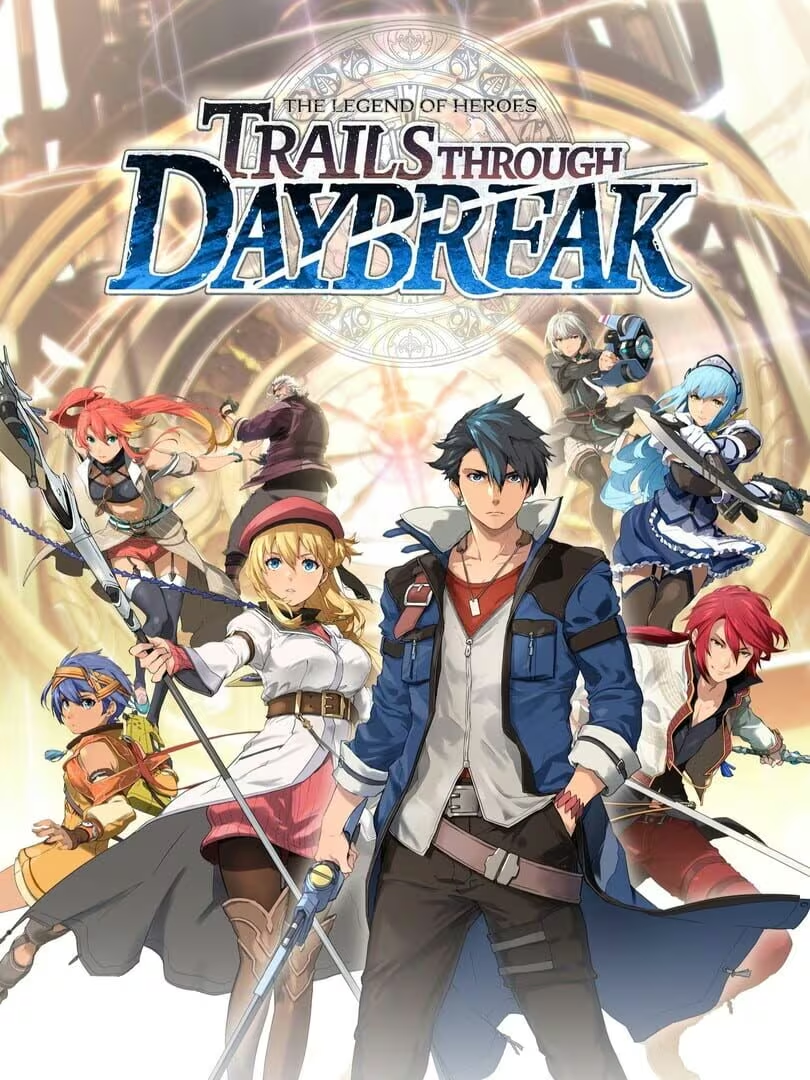
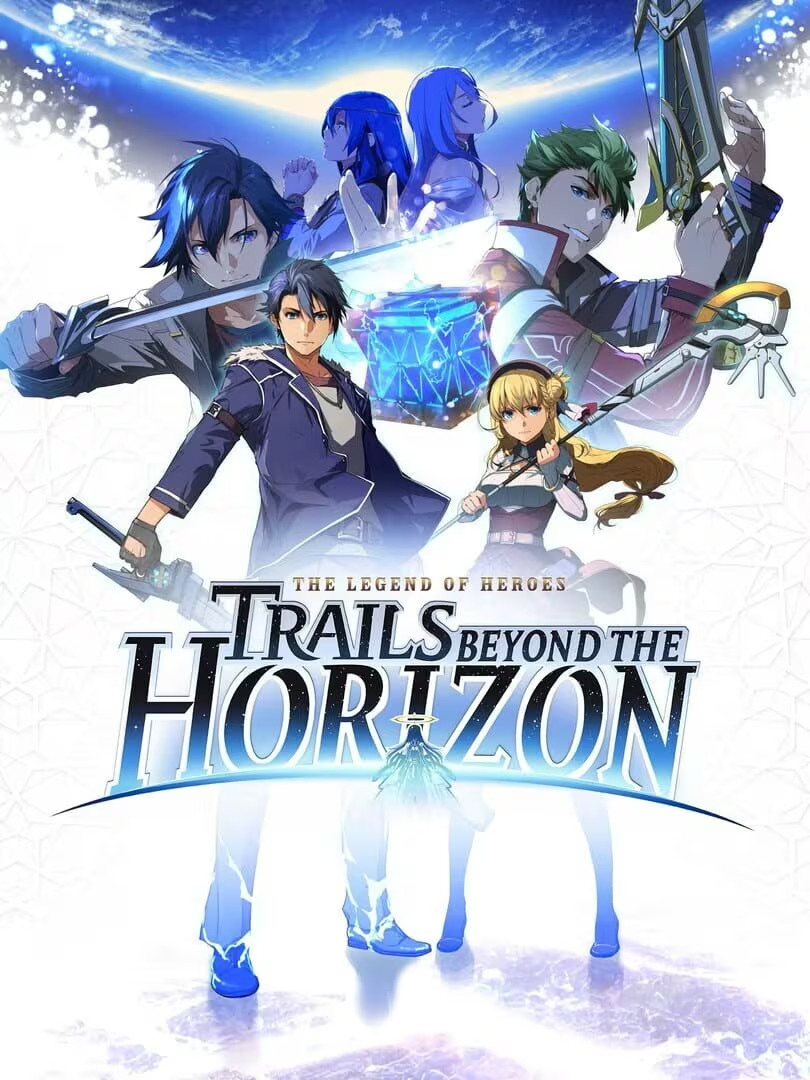
Utawarerumono: Mask of Deception similar games & best alternatives
Utawarerumono: Mask of Deception

PC (Microsoft Windows), PlayStation 4, PlayStation Vita, Nintendo Switch, PlayStation 3 • 2020

Related articles

Quick resume

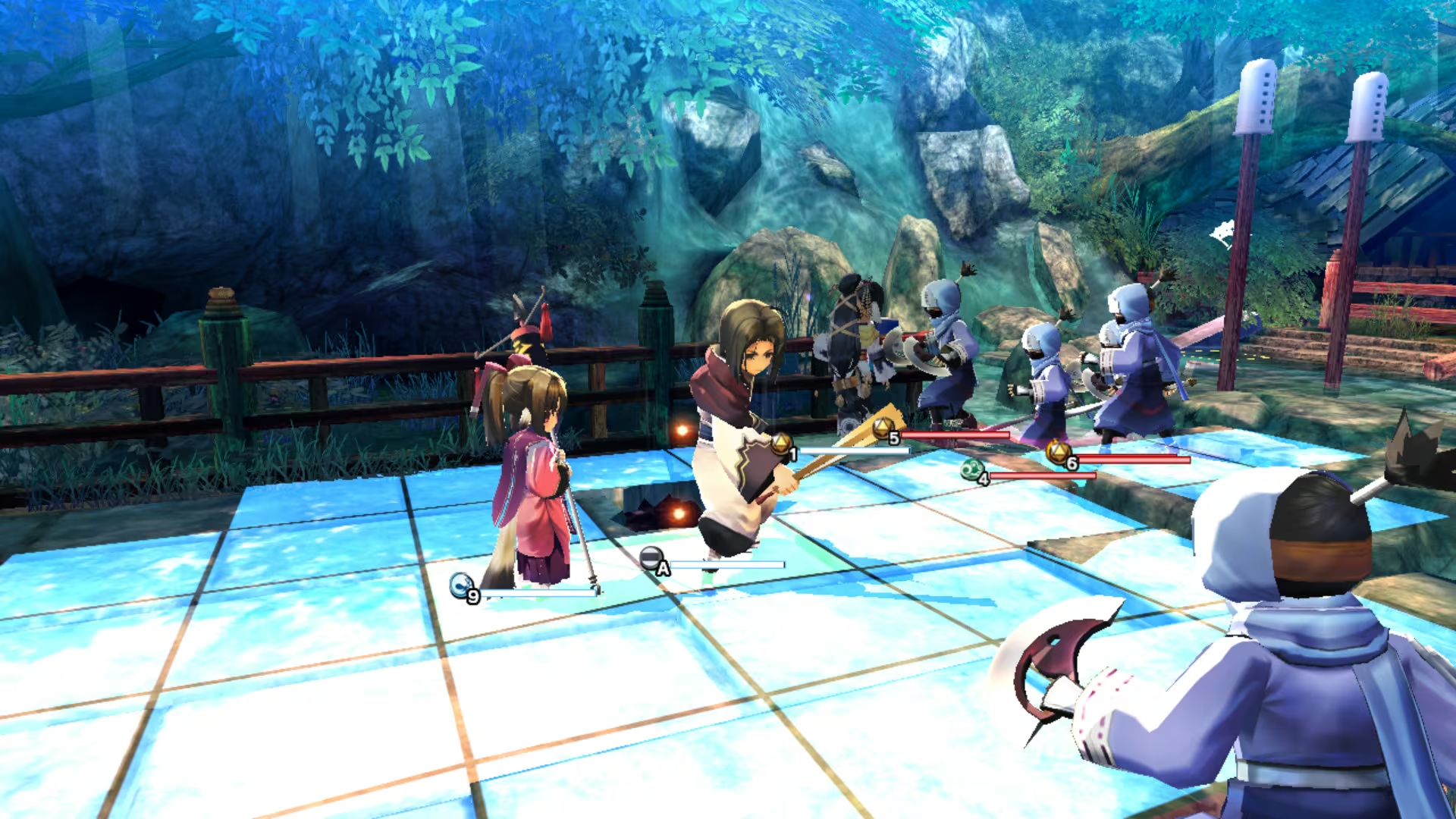
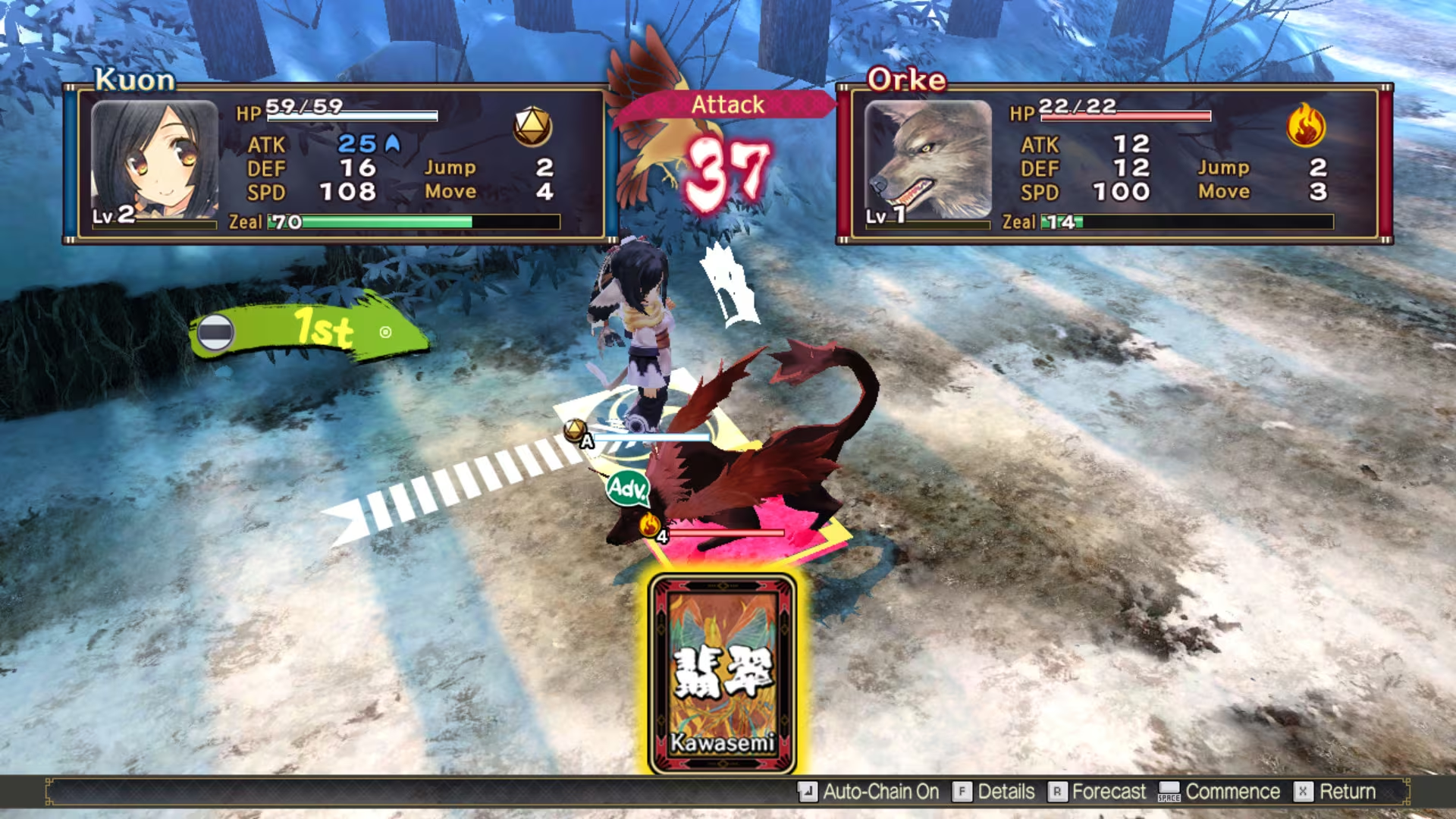
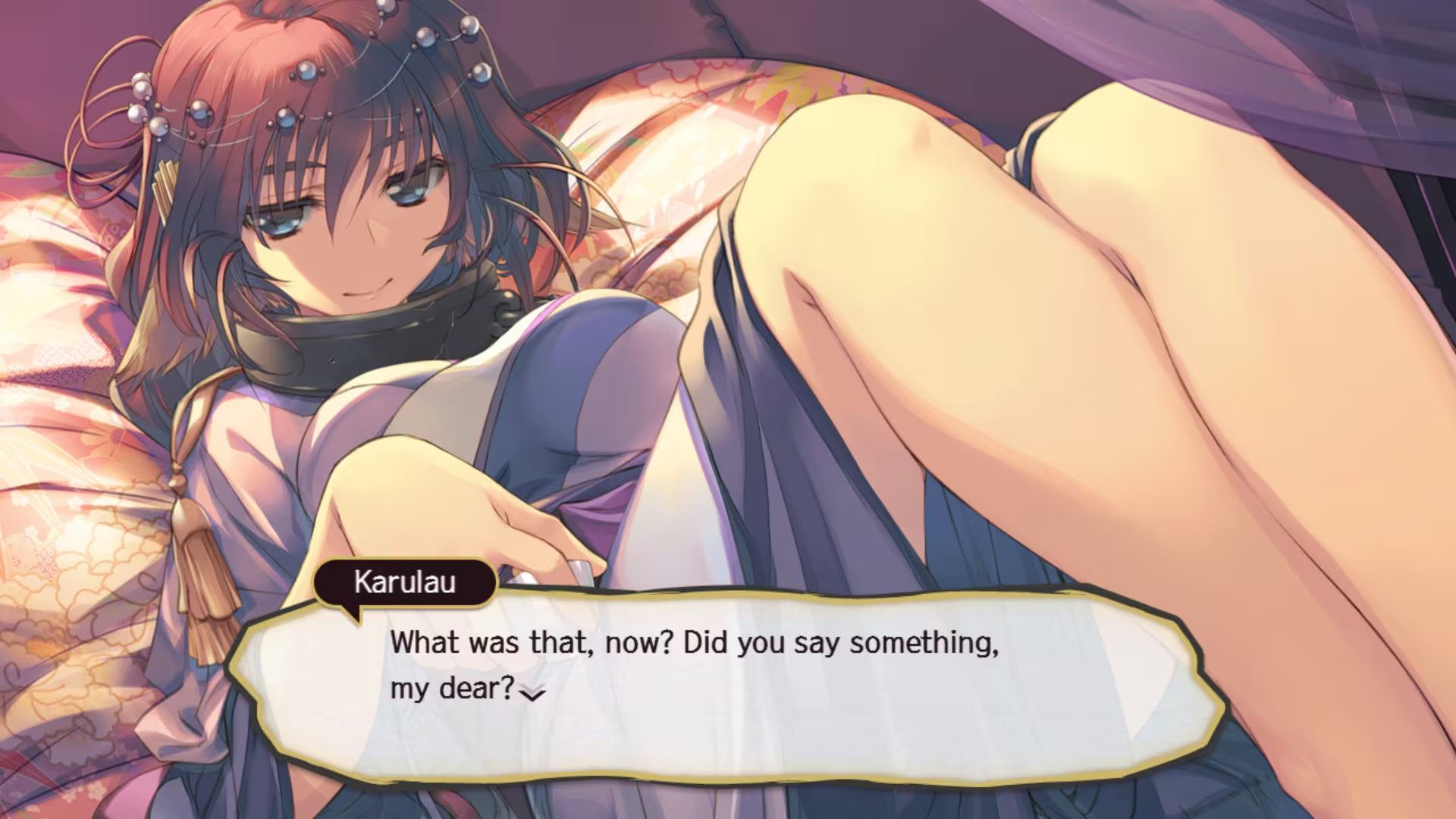
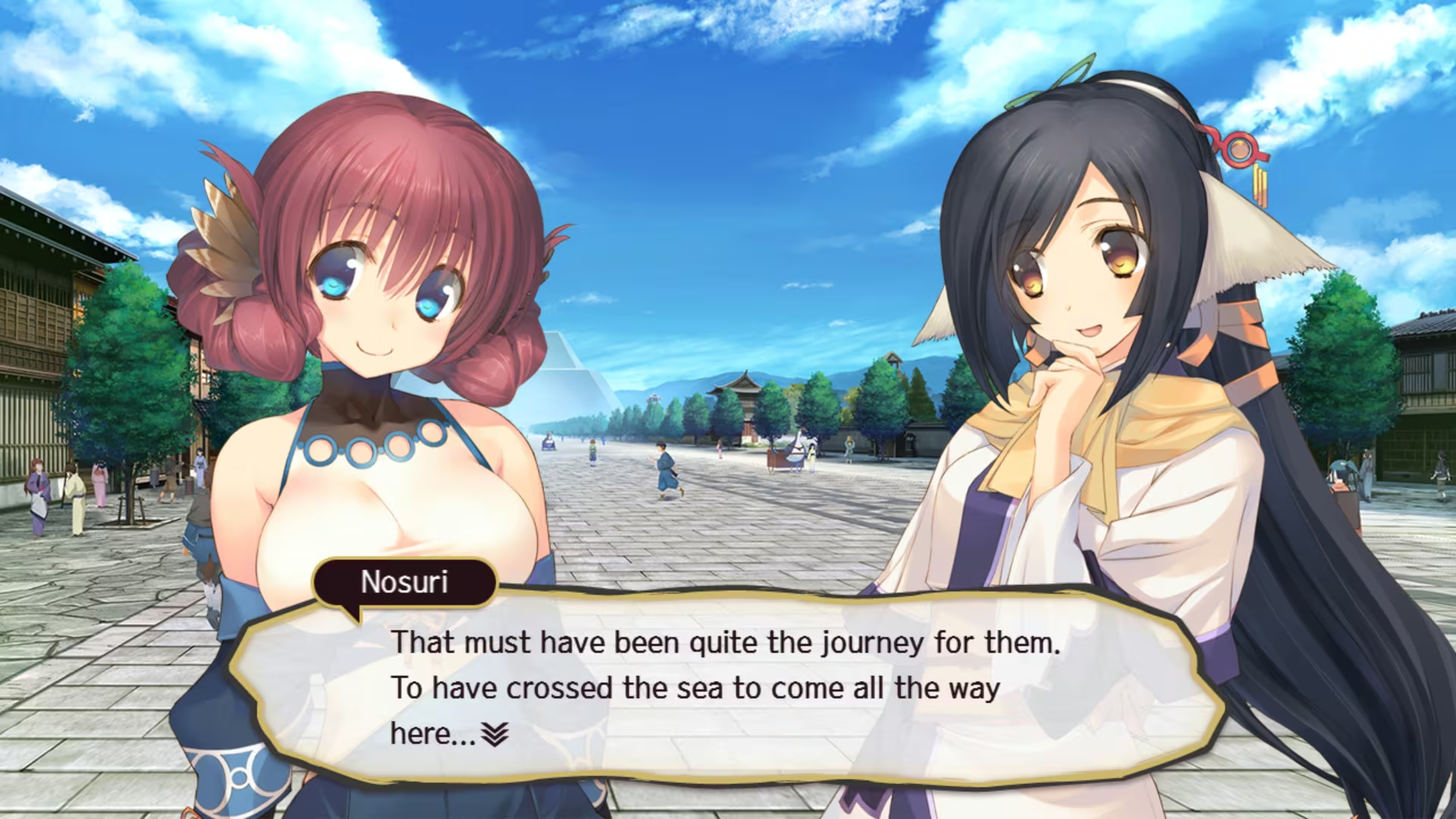
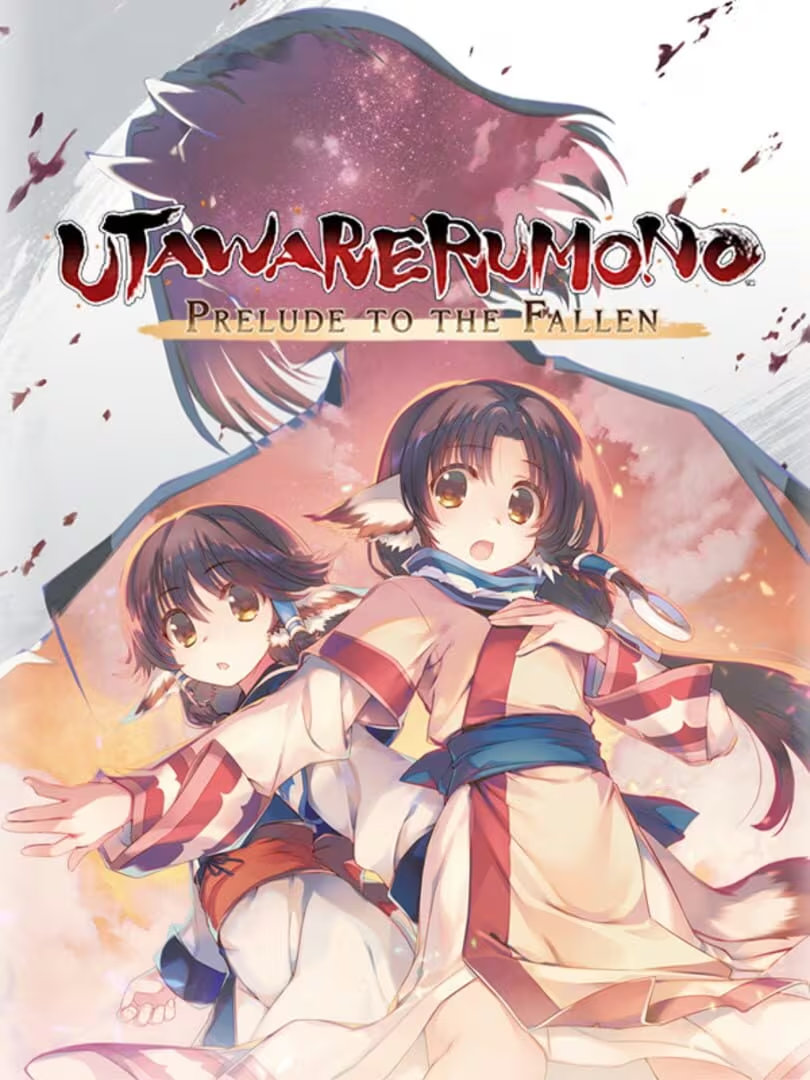
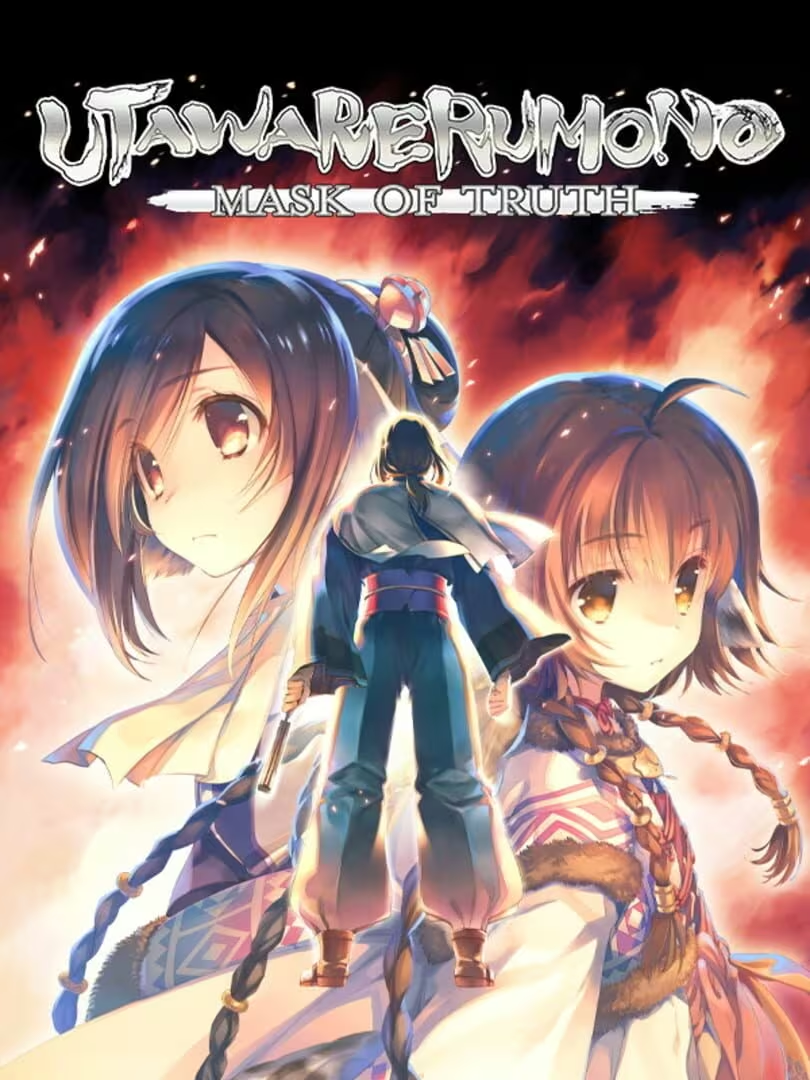
You awaken in a field of snow with no memory of even your name. The local monstrosities nearly devour you before you meet your rescuer, a beautiful girl named Kuon—who has animal ears and a tail. She names you Haku⸺ The Japanese hit tactics-RPG visual novel series returns to PC at last!

Global score

93/100

Genres

Adventure, Role-playing (RPG), Simulator, Strategy, Turn-based strategy (TBS), Visual Novel, Tactical

Similar games

    Pros

    • Deep and immersive story
    • Rich character development
    • Beautiful art and music
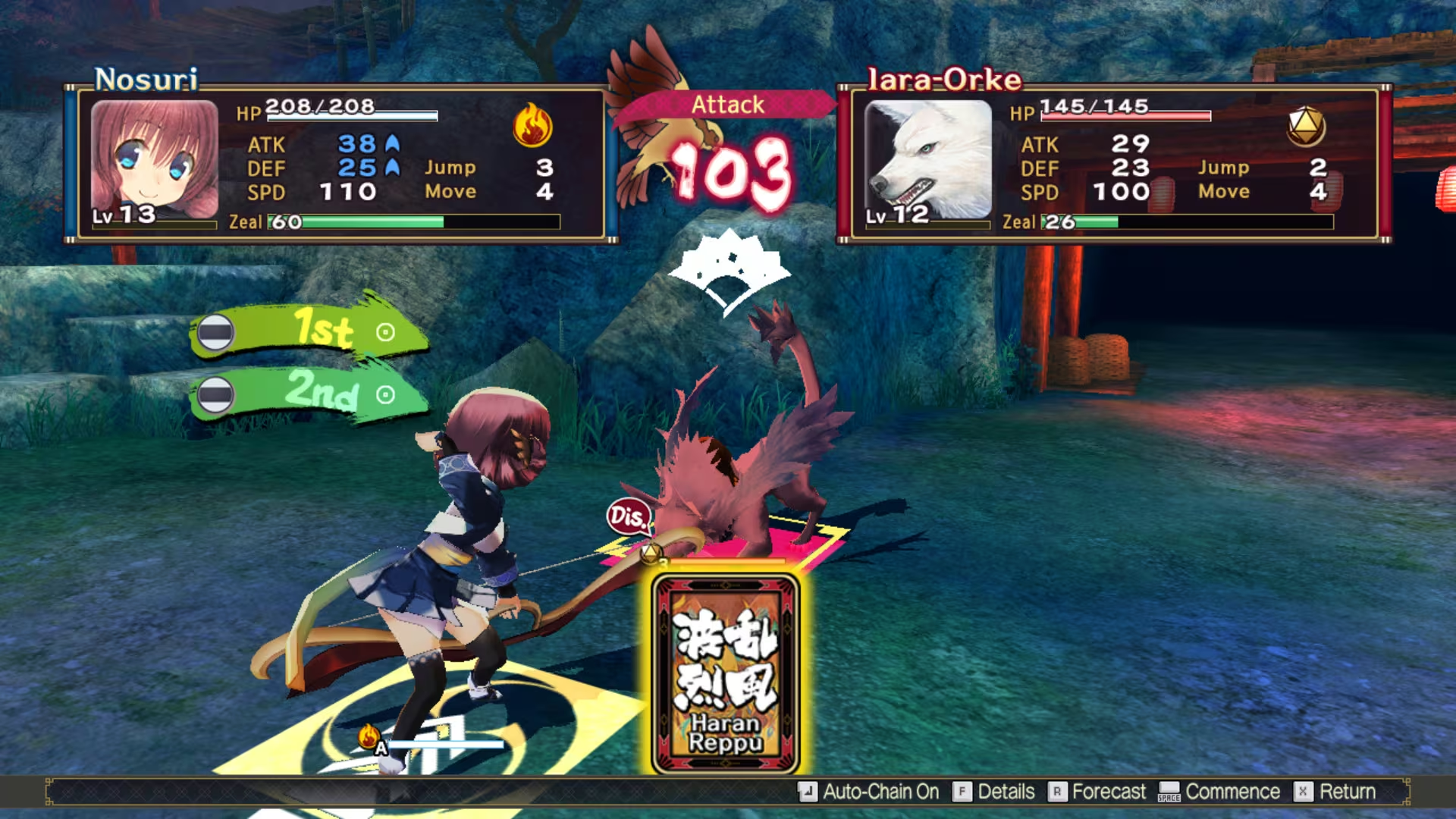
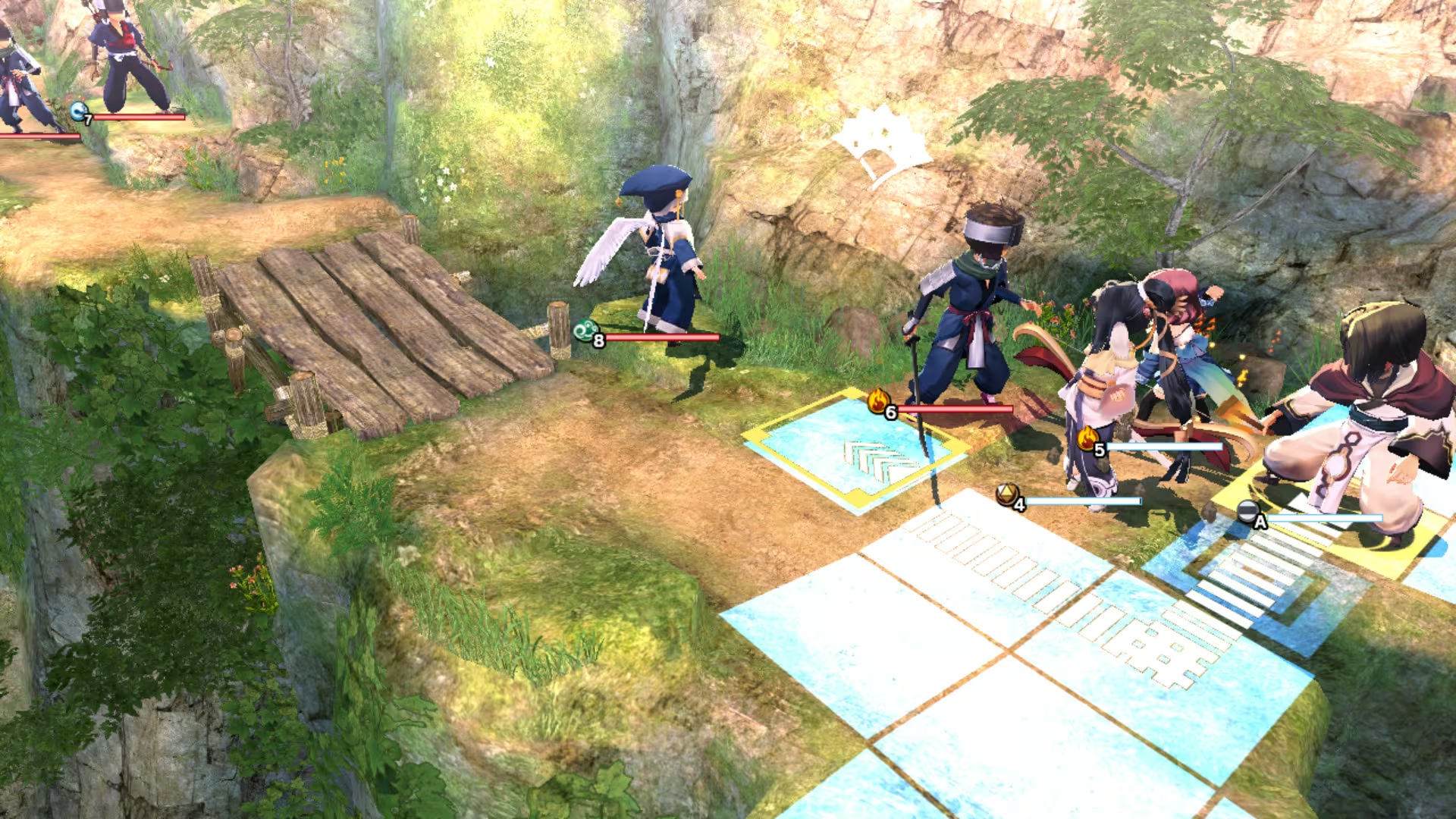
    • Engaging tactical combat
    • Strong worldbuilding

    Cons

    • Slow pacing in early game
    • Limited gameplay depth
    • 720p resolution lock on pc
    • Minor technical issues
    • Some players dislike slice-of-life filler

    Analysis

    Less representative of its motivational profile, with noticeable differences. Motivations that often define this kind of title include Cooperation, Fellowship, Intimacy, Leadership. Here, the score leans higher than usual among comparable games on Story, Leadership. It leans lower than usual among comparable games on Cooperation.

    How to use the graph
    Similar games map

    Each dot is a game. They are arranged from the same motivation profile as in the “Motivations” section below. Closer dots usually mean more similar reasons to play (exploration, competition, relaxation, etc.)—not that one game is “better” than another.

    • Larger dot with a light outline: the game you are viewing.
    • Colour: groups of games with comparable motivation patterns (statistical clusters).
    • Hover a dot to see the game name; click to open its page.
    • Scroll or double-click the chart to zoom out and see more games.

    Why don’t the axes read like a score? This view uses t-SNE: it only keeps who is close to whom. The scales are not “good to bad” or hours played—they separate groups on the map. Read distance between dots, not the axis numbers.

    Motivations

    • Autonomy
      4

      "Players have control over tactical combat decisions and character progression, but the story is linear and predetermined."

    • Competence
      2

      "Combat offers some strategic depth and skill timing, but is generally easy and not the main focus."

    • Competition
      -3

      "Focus is on story and personal experience; no evidence of competitive multiplayer or leaderboards."

    • Continuation
      4

      "Players invest many hours in story and gameplay, with strong attachment to characters and world."

    • Cooperation
      -4

      "Single-player experience focused on individual story and tactical control; no multiplayer cooperation."

    • Creativity
      1

      "Some customization in character progression and combat tactics, but mostly predefined story and structure."

    • Domination
      -5

      "No evidence of exerting control or superiority over others; interactions are balanced and respectful."

    • Escapism
      5

      "Strong immersion in a rich fantasy world with emotional storytelling provides escape from real life."

    • Expectation
      -4

      "Players engage voluntarily out of interest and enjoyment, not obligation or external pressure."

    • Experimenting
      2

      "Tactical combat encourages some experimentation with strategies and character abilities."

    • Exploration
      3

      "Story and worldbuilding encourage discovery of lore and character backgrounds, though environments are mostly static."

    • Expression
      1

      "Limited character customization and some visual novel choices, but mostly standardized presentation."

    • Fantasy
      5

      "Set in a rich fantasy world with mythical elements, animal-human hybrids, and imaginative fiction."

    • Fellowship
      2

      "Strong sense of group identity and character relationships, though primarily a single-player experience."

    • Growth
      3

      "Players develop characters and skills over time, and experience personal growth through story engagement."

    • Health
      -5

      "Sedentary gameplay with no physical activity or health-related features."

    • Idle
      -3

      "Requires sustained attention during story and combat; not designed for background or casual play."

    • Intimacy
      3

      "Emotional connections and character relationships are central, fostering a sense of closeness."

    • Leadership
      3

      "Players lead tactical battles and make strategic decisions guiding their party."

    • Progression
      4

      "Character leveling, skill upgrades, and story advancement provide clear progression."

    • Relaxation
      2

      "Story pacing includes slice-of-life moments that balance tension and provide relaxation."

    • Sensation
      3

      "Enjoyable art, music, and voice acting provide sensory and emotional stimulation."

    • Status
      -4

      "Focus is on personal story experience without social recognition or competitive status."

    • Story
      5

      "Narrative immersion is the core of the game, with deep character development and plot."

    • Strategy
      3

      "Tactical combat requires planning and problem solving, though not highly complex."

    • Thrill
      1

      "Some suspense in story and combat, but overall controlled and predictable experience."

    • Value
      4

      "Players perceive strong value from extensive story, characters, and gameplay for the time invested."

    • Violence
      2

      "Combat involves tactical battles and attacks, but violence is stylized and not gratuitous."

    • Survival
      1

      "Combat involves avoiding defeat, but overall low risk and forgiving mechanics."

    Last update: 29/04/2026